Rainy Day in Kyoto: 13 Best Indoor Things to Do (2026)
From museums and tea ceremonies to covered arcades and onsens: 13 rainy-day Kyoto picks from a writer who sat through a five-day June drizzle.
On this page
Rain in Kyoto is not a disaster — it is a redirect. After three visits spanning five years, including one June trip that turned into a five-day drizzle, I can say that some of my best Kyoto memories were made under grey skies. The city has world-class museums, covered arcades, traditional workshops, and underground passages that connect them all. The trick is knowing where to go before the rain starts.
This guide is built around activities with high "Dryness Ratings" — a 1-to-5 scale I use throughout, where 5 means fully indoor with no umbrella required and 1 means you will get wet. It is easy to pivot your Kyoto 3-day itinerary toward these options when the forecast turns sour. Check the Kyoto Weather By Month: 14 Essential Seasonal Insights before you go so you know whether you are dealing with the humid June rainy season or a quick autumn shower.
Most of the activities below sit inside the central Kyoto subway network, which means you can move between them while staying almost entirely dry. One key rule: avoid mountain hikes like Fushimi Inari during heavy rain — the stone steps become genuinely dangerous when wet. Focus instead on the flat, covered, and underground options described here.
Kyoto National Museum and the Okazaki District
Dryness Rating: 5/5. The Kyoto National Museum is one of only four national museums in Japan and holds tens of thousands of pre-modern Japanese artworks, ceramics, and Buddhist sculptures. It sits in the Southern Higashiyama district, a short walk from Sanjusangen-do Temple. Admission runs roughly ¥700 (around $5) for the permanent collection, with special exhibitions costing ¥1,300 to ¥1,500. Opening hours are 9:30–17:00, closed Mondays. Check the Kyoto National Museum website before you go because the permanent collection closes during exhibition changeovers.
A 15-minute bus ride north puts you in the Okazaki Museum District, which clusters several strong options: the Kyoto City KYOCERA Museum of Art, the National Museum of Modern Art, and the Kyoto Handicraft Center. The Handicraft Center is especially useful on a rainy day because you can watch artisans at work on multiple floors at no charge. If you want to pair a temple with the Kyoto National Museum, Sanjusangen-do is directly across the street and its entire collection of 1,001 gilded Kannon figures is housed indoors.
Budget at least two to three hours for the main museum. The café inside the Meiji-era main hall is a good spot for a lunch break without leaving the building.
The Kyoto National Museum permanent collection closes during exhibition changeovers, so check the official website before visiting. Admission is roughly ¥700 for the permanent collection, with special exhibitions costing ¥1,300–¥1,500.
Traditional Tea Ceremony and Kimono Experiences
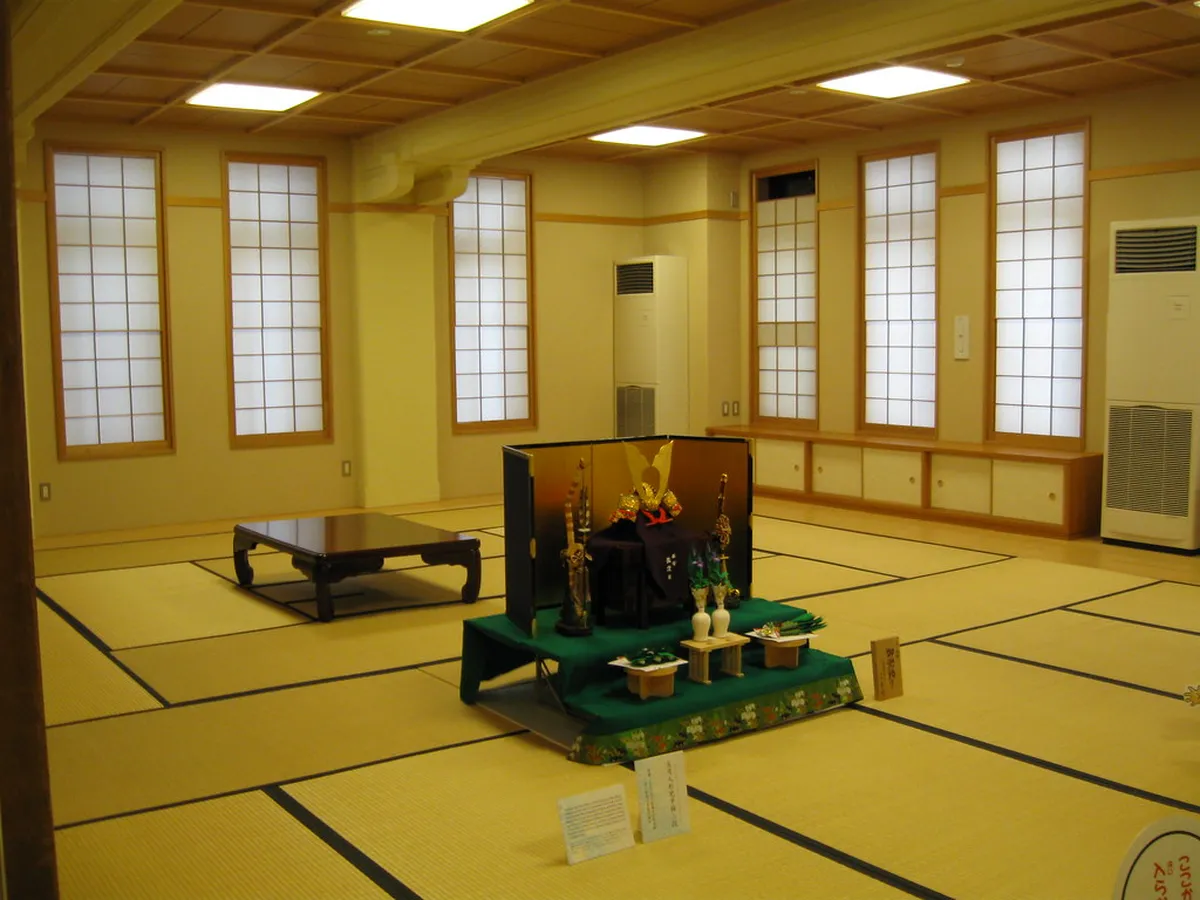
Dryness Rating: 5/5. Kyoto is the spiritual home of the Japanese tea ceremony, and a rainy afternoon is arguably the best time to experience it. A formal 60-minute session in Gion or Higashiyama costs ¥3,000–¥6,000 (roughly $20–$45). You sit in a tatami room, a host prepares thick matcha using a bamboo whisk, and there is no agenda beyond the ritual itself. Sessions run throughout the day and most schools accommodate walk-ins, though advance booking via Klook Tea Ceremony guarantees your slot during busy rainy-day periods when indoor venues fill fast.
For a more casual introduction to matcha, skip the ceremony format and head to the underground Porta mall beneath Kyoto Station, where several specialist tea shops sell matcha parfaits and cold brew matcha by the cup for around ¥700–¥1,200. The difference matters: a tea ceremony is a structured ritual lasting 45–90 minutes with fixed seating and a host who explains each step; a matcha café visit is a quick tasting with no instruction. Both are worthwhile, but they serve different moods.
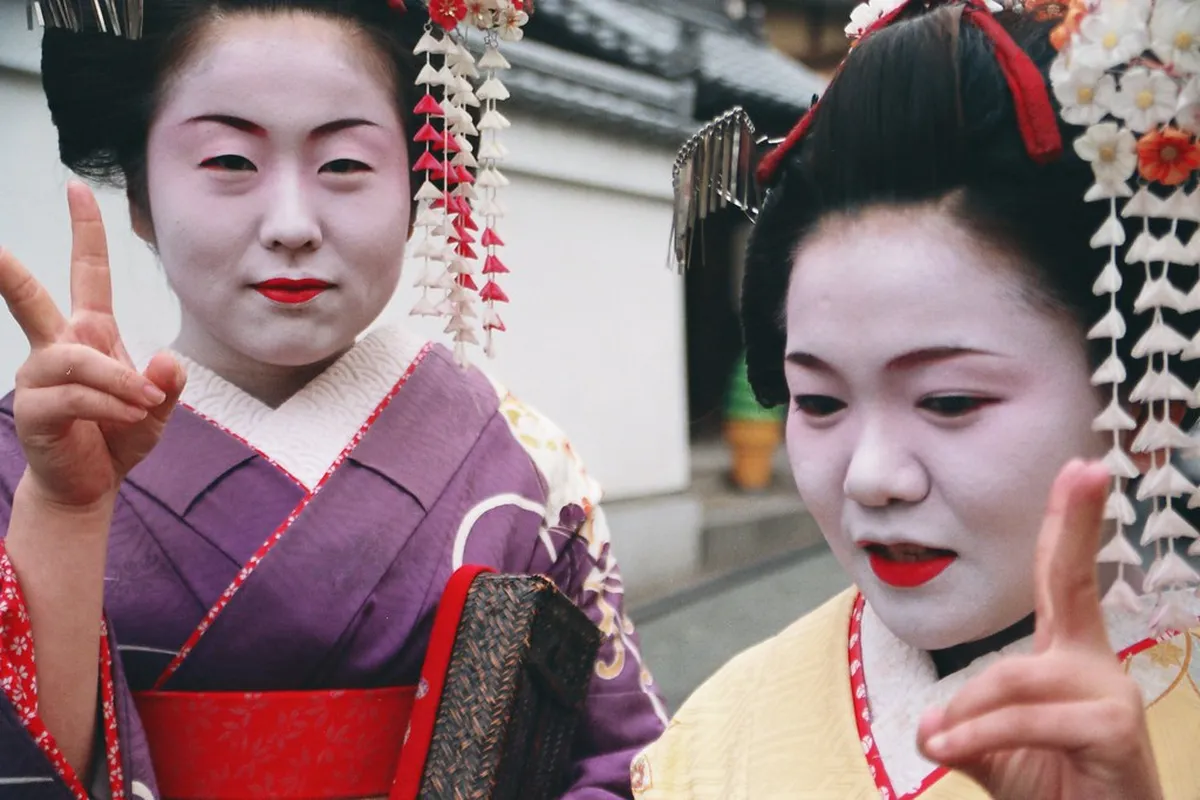
A kimono rental is another fully indoor rainy-day activity. Dressing typically takes 20–30 minutes and studios in Gion will style your hair as part of the package. The catch on a heavy rain day is that an outdoor photo walk immediately after dressing defeats the purpose — confirm with the studio whether they have an indoor photo area before booking.
The Gion Kagai Art Museum adds a different dimension: it hosts short Kyomai (Kyoto-style dance) performances by maiko and geiko in an intimate traditional theater. Advance tickets cost ¥3,100 and limited same-day tickets open at 11:00. It is a legitimate and respectful way to observe geisha culture without chasing performers through narrow alleys in the rain.
Nishiki Market and the Teramachi Covered Arcades
Dryness Rating: 4/5. The covered Teramachi and Shinkyogoku arcades run parallel for several blocks through the center of downtown Kyoto. Together they offer over a kilometer of dry walking between boutiques, souvenir shops, old bookstores, and small temples — including Honnoji, the site where Oda Nobunaga was killed in 1582. Most shops open around 10:00 and close by 20:00. The arcades are two minutes on foot from Shijo-Kawaramachi station.
Branching south off Teramachi is Nishiki Market, a five-block covered food street known as "Kyoto's Pantry." Over 100 vendors sell pickled vegetables, fresh tofu, skewered fish, and street snacks. Entrance is free and stalls run roughly 09:00–18:00. The narrow width means it gets crowded fast when it rains, because every tourist in town has the same idea. Arrive before 10:00 for breathing room. The Kyoto Shopping Guide: 8 Best Neighborhoods & Specialty Markets has a broader overview of the areas worth exploring near the arcades.
The major department stores — Daimaru and Takashimaya — sit at the western end of Nishiki, both with basement food floors that are excellent for grazing. Neither requires an umbrella if you enter from the Shijo subway station underground exits.
Kyoto International Manga Museum
Dryness Rating: 5/5. A converted elementary school near Karasuma Oike Station houses one of Japan's largest manga libraries: roughly 300,000 volumes including a significant foreign-language section. Admission is ¥1,200 for adults. Opening hours are 10:30–17:30, closed Wednesdays. The concept is simple — find a volume from the floor-to-ceiling shelves and read on the spot, either in the indoor reading rooms or in the courtyard (beautiful in a light drizzle, less so in a downpour).
The museum also runs rotating special exhibitions and hosts live drawing sessions at the "Portrait Corner," where manga artists draw your likeness for ¥3,000–¥6,000. Schedules are posted on the museum's Japanese website, so check the day before if this is important to you. It is a good option for teenagers and anyone who wants a few unhurried hours rather than a tightly scheduled activity.
Kyoto Railway Museum at Umekoji Park
Dryness Rating: 5/5. Located in the Shimogyo ward near Umekoji-Kyotonishi Station, this is the largest railway museum in Japan. Fifty-three retired trains are on display, from Meiji-era steam locomotives to retired Shinkansen. The main hall, vehicle sheds, and steam locomotive yard are all covered. Adult admission is ¥1,500 (around $10). Opening hours are 10:00–17:00, closed Wednesdays. Check the Kyoto Railway Museum official site for rotating special exhibitions, which have included displays on Shinkansen design history.
This museum skews toward families and transport enthusiasts but is genuinely impressive even if trains are not your thing. The scale of the collection and the quality of the restoration work makes it one of the more engaging museums in western Japan. Allocate two to three hours minimum. The on-site restaurant has views over the steam yard and is a good midday stop.
The Nintendo Museum: What Competitors Don't Tell You About Booking
Dryness Rating: 5/5. The Nintendo Museum opened in October 2024 in Uji, about 20 minutes south of central Kyoto by the JR Nara Line from Kyoto Station. It is an interactive experience covering Nintendo's entire product history, from playing cards and Game & Watch units through to Switch hardware. There is a games floor, a workshop, a gift shop, and the Hatena Burger Café. Most visitors spend two to three hours here.
Here is what most guides omit: tickets are allocated by lottery via the Nintendo Switch Online app approximately two months in advance. Walk-in tickets are rarely available. If you are planning a June–July visit during rainy season — exactly when you would want an indoor activity — you need to enter the ticket lottery in April or May. Same-day cancellation slots occasionally appear on the app the morning of your intended visit, but do not rely on this. If you arrive without a ticket, you will be turned away at the gate.
The museum is closed on Tuesdays. Admission is ¥3,300 for adults. The Uji trip makes the most sense if you pair it with a walk through Uji's matcha district — but on a heavy rain day, go for the museum and save the outdoor matcha gardens for a drier afternoon. This is the best single activity in the Kyoto area for Nintendo fans and worth planning your whole rainy-day schedule around if you can secure tickets.
Gekkeikan Okura Sake Museum in Fushimi
Dryness Rating: 5/5. The Fushimi district, about 15 minutes south of Kyoto Station by the Kintetsu Kyoto Line, has been a center of sake production for over four centuries. The Gekkeikan Okura Sake Museum sits inside a restored wooden storehouse and traces the history of brewing through equipment, tools, and informational displays. Entry costs around ¥600 ($4–$6) and includes a tasting of three different sake varieties. The museum is a five-minute walk from Chushojima Station.
Fushimi Inari Shrine is also nearby, but its famous torii gate mountain trail is a wet, slippery hike during heavy rain and is best avoided in those conditions. The sake museum is the smarter call when the weather is bad. You can combine it with a short walk along the Fushimi canal district to see the traditional storehouses from the outside, which requires only a short exposure to the rain.
Avoid the Fushimi Inari mountain trail during heavy rain — the stone steps become genuinely slippery and pose a genuine safety risk. Save this climb for a clear day and focus on the museum instead.
Samurai and Ninja Museum with Experience
Dryness Rating: 5/5. Located near the Nishiki Market area, this interactive museum pairs guided tours with sword demonstrations and the option to try on genuine samurai armor indoors. Ticket packages range from ¥2,000 to ¥5,000 (roughly $13–$33) depending on whether you want the basic exhibition or a hands-on armor and sword experience. Booking online in advance is strongly recommended because indoor slots fill up when the weather turns bad and groups arrive without reservations.
A related option is the Samurai Kembu Theatre in central Kyoto, which focuses on Kembu — a martial art combining sword movement with traditional dance. Performances run regularly and you can arrange a short participation session after the show. It is a better pick for those who want to watch rather than dress up, and it typically costs less than the museum experience packages.
Kyoto Station Building: The CUBE and Porta Underground Mall
Dryness Rating: 5/5. Kyoto Station itself is a legitimate destination on a rainy day, not just a transit hub. The station complex contains the underground Porta mall, the above-ground The CUBE retail floors, a Daimaru department store annexe, multiple restaurant floors, and a rooftop terrace (though that part is best skipped in a storm). The walk from the subway ticket gates to any shop in Porta requires zero umbrella time. Shops are open roughly 10:00–21:00.
On the 11th floor, the "Skyway" walkway crosses the station's central atrium and gives you a rain-streaked view over the city — an unusual perspective and one that's actually more dramatic in wet weather. Access to the station building is free. A short walk north (five minutes, with an umbrella) reaches Higashi Hongan-ji Temple, whose massive covered worship hall provides shelter while you absorb one of the most imposing Buddhist interiors in Japan.
The Getting Around Kyoto Subway Bus Transport Guide 2026 details which underground exits connect most directly to the Porta entrances. Using the right exit saves you from crossing the street in the rain entirely.
| Venue | Admission | Hours | Dryness |
|---|---|---|---|
| Kyoto National Museum | ¥700–¥1,500 | 9:30–17:00 (closed Mon) | 5/5 |
| Tea Ceremony | ¥3,000–¥6,000 | Throughout day | 5/5 |
| Kyoto Railway Museum | ¥1,500 | 10:00–17:00 (closed Wed) | 5/5 |
| Nintendo Museum (Uji) | ¥3,300 | Varies (closed Tue) | 5/5 |
| Gekkeikan Sake Museum | ¥600 (incl. tasting) | 9:30–17:00 (closed Mon) | 5/5 |
| Samurai & Ninja Museum | ¥2,000–¥5,000 | Varies | 5/5 |
| Gion Corner (cultural show) | ¥3,300 | 18:00–19:00 shows | 5/5 |
Minamiza Theater and Gion Corner Shows
Dryness Rating: 5/5. The Minamiza is Kyoto's primary Kabuki theater, located at the eastern end of Shijo Bridge in Gion, and it dates to the early Edo period. Monthly programs rotate and ticket prices range from ¥5,500 to well over ¥20,000 depending on the seat and show. The key budget move is to look for "Single Act" (hitomaku) tickets, which let you watch one act rather than committing to a full-day performance. These sell for ¥2,000–¥4,000 and are usually available at the box office on the day. Not all shows offer English synopses — check the theater's website before buying.
If a full Kabuki performance sounds too long or expensive, Gion Corner (on Hanamikoji Street) offers a condensed 50-minute cultural showcase covering seven traditional arts including Kyomai dance, koto music, tea ceremony, and ikebana flower arranging. Performances run at 18:00 and 19:00 most days with tickets at around ¥3,300. It is the better option for first-time visitors who want a broad sample rather than a deep dive into one art form.
Traditional Craft Workshops: Yuzen Dyeing, Kintsugi, and More
Dryness Rating: 5/5. Kyoto has a high concentration of traditional craft studios that offer hands-on workshops — a good use of a rainy afternoon because sessions typically last 60–90 minutes and you leave with something you made. Yuzen dyeing (making a handkerchief or small fan using traditional stencil-and-paste resist techniques) costs around ¥2,000–¥3,500 at studios in the Nishijin and Higashiyama areas. The Marumasu Nishimuraya studio runs sessions in a traditional machiya townhouse and requires no prior booking for small groups.
Kintsugi — the art of repairing broken ceramics with gold lacquer — has become one of the most sought-after Kyoto workshop experiences. The full technique takes multiple sessions to complete properly, but introductory workshops at Shikata Urushi and other studios teach you the basics in a single two-hour session for around ¥4,000–¥8,000. If you see a rainy day in your forecast, book these workshops two to three days in advance — they fill up quickly because indoor demand spikes with bad weather.
For families, a Nishijin weaving workshop near the Nishijin Textile Center (15 minutes by bus from downtown) lets you create a small bookmark or coaster on an actual mechanical loom. Prices start around ¥1,500 and no experience is required.
Relaxing in a Local Kyoto Onsen or Sento
Dryness Rating: 5/5. A rainy afternoon followed by a long soak is one of the most satisfying combinations in Japan. Funaoka Onsen in the Kita ward is Kyoto's most atmospheric public bath — a historic sento with ornate wood carvings, decorated tile floors, and multiple pool types including a hinoki (cypress) tub and a low-voltage electric bath. Entry is ¥530 (about $3.50) and the baths open at 15:00 on weekdays, 08:00 on weekends. It is 10 minutes by bus from Kinkakuji or 15 minutes from downtown.
The protocol is simple: pay at the entrance, separate into men's and women's sections, wash completely at the shower stations before entering any communal pool, and store your belongings in the changing room locker. Tattoos are still prohibited at most traditional sento in Kyoto — check the facility's policy if this applies to you. Towels are available to rent for around ¥100 if you did not bring one. Funaoka is a neighborhood institution, not a tourist facility, which makes it a genuinely local experience rather than a packaged one.
Indoor Gaming and Sports at ROUND1
Dryness Rating: 5/5. ROUND1 on Kawaramachi Street is a multi-floor entertainment center with ten-pin bowling, billiards, karaoke rooms, table tennis, darts, batting cages, and a large arcade floor. The "Spo-Cha" unlimited sports pass covers most activities for around ¥1,500–¥2,500 per person (prices vary by time of day and day of the week) — this is the best value if you plan to stay for two or more hours. Karaoke rooms are priced separately by the hour and by the number of people. ROUND1 is open 24 hours on weekends and national holidays, which makes it the rare option that works even after midnight when other venues have closed.
The same building houses the MOVIX Kyoto cinema, which screens current releases including some with English subtitles. Check the schedule at the box office, as English-language screenings change weekly. Combining ROUND1 and a film is a practical way to fill a full rainy afternoon and evening without needing an umbrella at any point.
Navigating Kyoto via Underground and Covered Routes
The best strategy for a rainy day in Kyoto is to stay underground as much as possible between destinations. Kyoto Station is the primary hub: the Porta and The CUBE malls connect directly to the subway concourse, meaning you can move from the platform to a restaurant table without touching a drop of rain. From there, a single train ride on the Karasuma Line reaches Shijo station, which connects underground to the Takashimaya and Daimaru department stores and puts you one block from the Teramachi arcade entrance.
When you surface at Shijo-Kawaramachi, the covered Teramachi and Shinkyogoku arcades begin immediately and run north for several blocks. The transition from the underground exits to the arcade entrance is a short outdoor stretch of about 30 meters — manageable with a small umbrella. For a full overview of how to connect these areas by subway rather than by bus, the Getting Around Kyoto Subway Bus Transport Guide 2026 maps the most efficient routes.
During heavy rain, always choose the subway over buses. Kyoto's street traffic slows significantly in bad weather, and buses can fall 20–30 minutes behind schedule. The subway runs on time regardless. If you have an IC card loaded on your phone, tap in and out without stopping at a ticket machine — this matters most on days when the concourses are crowded with other wet tourists. If you need to purchase an IC card, Kyoto neighborhoods and transport options are covered in the site's central Japan guide.
Is Kyoto Worth Visiting in the Rain?
Many travelers worry that rain will ruin their photos, but the city takes on a unique luster when wet. The moss at gardens like Sanzen-in and Tofuku-ji becomes intensely green, and the stone paths of Higashiyama reflect lantern light in a way that is impossible to replicate in dry weather. You will also find that usually crowded districts like Gion are noticeably quieter during a drizzle, which makes wandering narrow lanes on foot much more pleasant.
While the atmosphere is beautiful, manage your expectations for outdoor landmarks. The Arashiyama Bamboo Grove feels gloomy and muddy in heavy rain, and the mountain paths at Fushimi Inari become slippery enough to be a safety concern. Focusing on the 15 Best Food Experiences in Kyoto: A Local Dining Guide and indoor markets ensures your day remains productive and enjoyable.
According to the editorial team at Inside Kyoto, indoor museums see a 40% spike in visitors on rainy days. To avoid the biggest crowds, visit popular museums right when they open at 09:30 or 10:00, and save the covered arcades and department stores for the afternoon when the weather is typically at its worst. The Kyoto rainy season (June–July) brings warm, humid air alongside the rain, so light clothing is appropriate even though the sky is overcast.
Rainy Day Logistics: Umbrellas, Wet Gear, and Dry Clothes
Japanese convenience stores — Lawson, 7-Eleven, FamilyMart — sell clear plastic umbrellas for ¥700–¥1,000 (about $5–$7). These are good enough for a day of indoor-to-indoor sprinting between subway exits and venue entrances. For a more durable souvenir, the Teramachi district sells traditional 16-spoke wagasa umbrellas in lacquered bamboo and oiled washi paper for ¥3,000–¥8,000. They are beautiful objects but not particularly practical in a downpour — treat them as a buy-at-the-end-of-the-trip souvenir rather than a working umbrella.
Wet shoes are the fastest way to ruin a rainy day. Coin lockers at most major stations (Kyoto Station, Shijo-Kawaramachi, Karasuma Oike) can hold wet jackets and gear for ¥400–¥700 for three hours. Carry a spare pair of socks in your day bag — this sounds minor but makes a meaningful difference after an hour of wet walking. Slip-on shoes are strongly recommended over laced footwear on days when you will be entering traditional buildings repeatedly.
If your clothes get thoroughly soaked, ask at your accommodation for the nearest "coin laundry" (laundromat). Uniqlo has several branches in central Kyoto and sells affordable replacement clothing for about ¥1,500–¥3,000 per item — worth knowing as a backup plan. Be mindful of shoe etiquette in traditional settings: you will regularly be asked to remove shoes before entering tatami rooms or certain museum galleries, and wet socks on polished floors are both awkward and slippery.
Frequently Asked Questions
What is the best thing to do in Kyoto when it rains?
The best activity is exploring the covered Nishiki Market and the adjacent Teramachi shopping arcades. These areas provide miles of dry walking and hundreds of shops. You can enjoy local street food and culture without ever opening an umbrella.
Are Kyoto temples worth visiting in the rain?
Yes, temples with extensive moss gardens, like Sanzen-in, are exceptionally beautiful in light rain. However, avoid temples with steep outdoor climbs during heavy storms for safety. The rain creates a peaceful, reflective atmosphere that many visitors actually prefer.
Where can I go shopping in Kyoto without getting wet?
Kyoto Station's underground Porta mall and the downtown Teramachi-dori are your best options. Both are fully covered and connected to subway stations. These locations offer everything from high-end fashion to traditional Japanese crafts and souvenirs.
Rain in Kyoto doesn't have to mean a wasted day if you lean into the city's indoor treasures. From the high-tech exhibits at the Railway Museum to the quiet grace of a tea ceremony, there are plenty of ways to stay dry. The city's infrastructure is designed to keep you moving comfortably even when the clouds roll in.
By using the underground passages and covered markets, you can see a side of Kyoto that many tourists miss. Embrace the slower pace and the vibrant colors that only a rainy day can provide. Safe travels and enjoy your time in this timeless Japanese capital.
Free: The Kyoto Essentials guide
Top things to do, where to stay, a perfect day plan, getting around, and the best time to go — a Kyoto mini-guide you can take offline.
You might also like


Continue reading
More guides you'll find useful