13 Best Vegetarian and Vegan Restaurants in Kyoto (2026)
Discover the 13 best vegetarian and vegan restaurants in Kyoto, from traditional Shojin Ryori temple food to modern vegan ramen and fluffy pancakes.
On this page
After five visits to Kyoto over the last decade, I have watched the city evolve from a difficult puzzle for vegans into a world-class plant-based destination. While traditional Japanese cuisine often hides fish stock in everything, a new wave of chefs is embracing fully vegan ingredients. This guide highlights the most authentic and creative spots where you can enjoy a meal without worrying about hidden animal products.
I last refreshed this guide in January 2026 after my most recent autumn trip to the Gion district. Many restaurants now offer English menus and clear allergen labeling, making it easier than ever to explore the local 15 Best Food Experiences in Kyoto: A Local Dining Guide offerings. Whether you want a 500-year-old temple recipe or a neon-lit bowl of ramen, Kyoto has something spectacular waiting for you.
Kyoto is famously the home of Shojin Ryori, the traditional vegan cuisine of Zen Buddhist monks. This historical foundation means that high-quality tofu and seasonal vegetables are staples of the local culinary identity. You will find that even the most modern cafes often pay homage to these ancient, sustainable cooking methods.
Is Kyoto a Good City for Vegan Travelers?
Kyoto is arguably the easiest city in Japan for vegetarians because of its deep religious roots. The city's many temples have served meat-free meals for centuries, focusing on the natural flavors of soy and mountain vegetables. You can find these traditional meals in many Kyoto neighborhoods, especially near Arashiyama and Daitoku-ji.
Modern Kyoto has expanded far beyond just temple food to include vegan burgers, pizzas, and even fried chicken. The downtown area around Kawaramachi is a hub for international plant-based styles that appeal to younger crowds. Most of these trendy spots are conveniently located near major 25 Best Things To Do in Kyoto like the International Manga Museum.
Despite the progress, the language barrier can still pose a challenge when identifying hidden ingredients. Many traditional shops use bonito flakes as a garnish even on vegetable dishes. I recommend using a translation app or a pre-printed dietary card to ensure your meal is strictly vegetarian.
Kyoto is also a fantastic place to try unique soy-based products like Yuba, which is delicate tofu skin. This local specialty is often served in multi-course meals or as a meat substitute in casual street food. Finding these gems is one of the most rewarding Top 20 Kyoto Activities for any food lover.
Shojin Ryori: Kyoto's Original Vegan Cuisine
Shojin Ryori translates roughly as "devotion cuisine" and has been practiced in Zen Buddhist monasteries for over 700 years. It is entirely plant-based by doctrine — no meat, no fish, no eggs, and originally no strong-smelling alliums like garlic or onion. The philosophy centers on the five tastes (sweet, sour, salty, bitter, umami) expressed through vegetables, tofu, sesame, and pickled mountain plants.
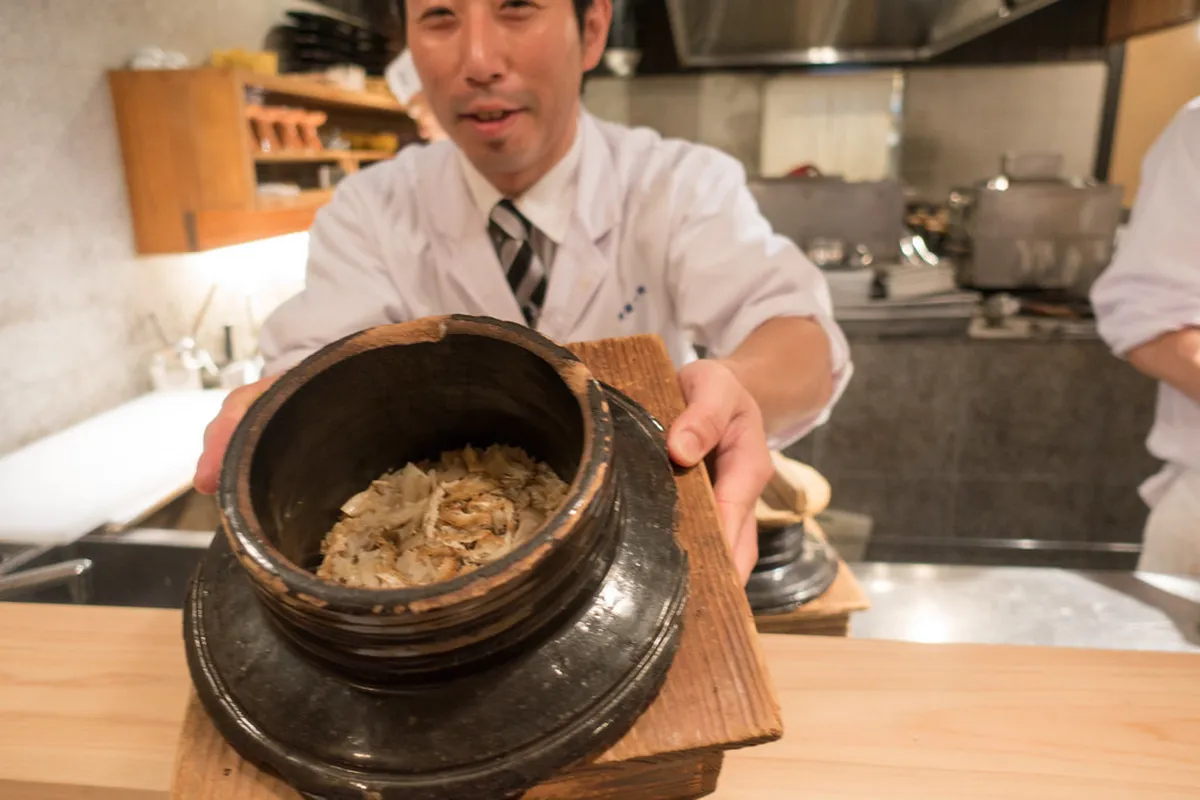
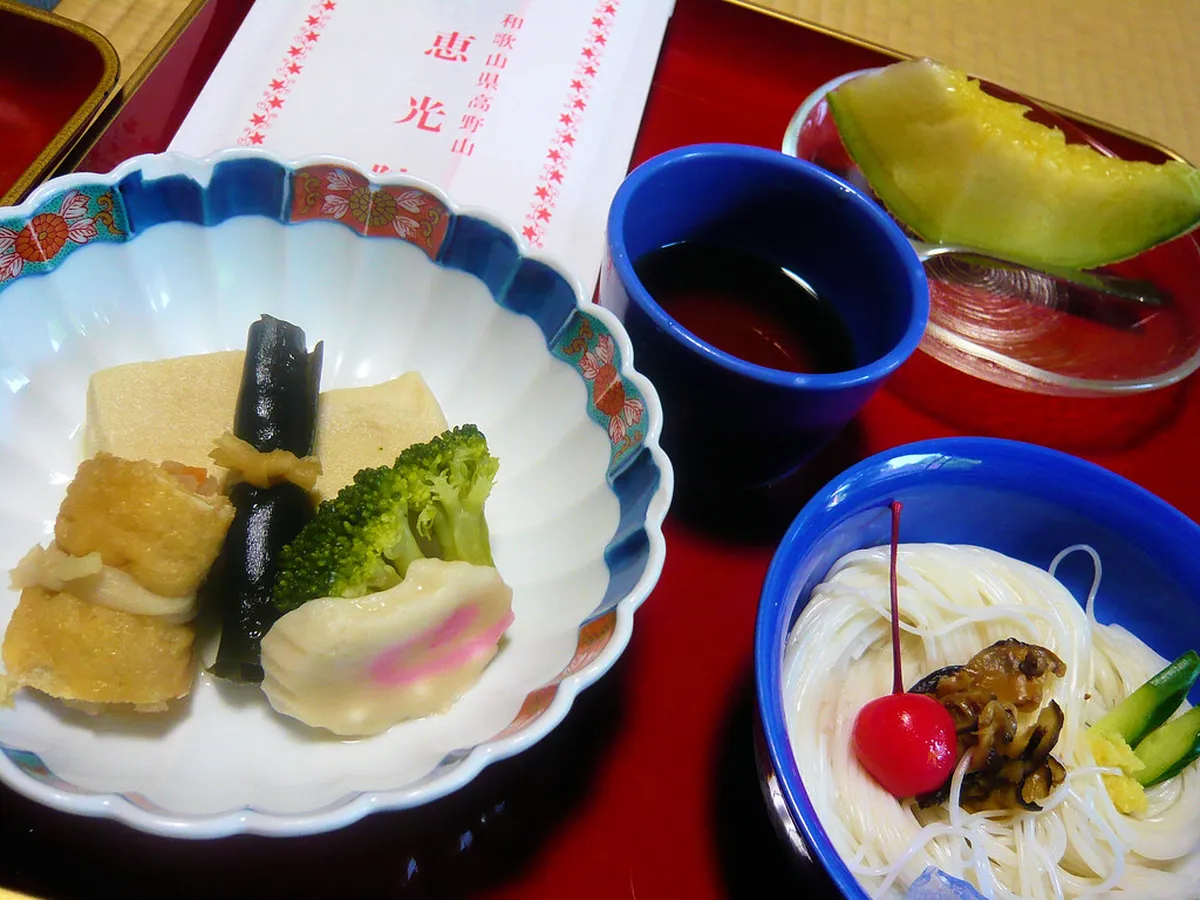
A typical Shojin Ryori meal arrives as a tray of small dishes: clear miso soup with silken tofu, a pile of nishime simmered root vegetables, goma-dofu (sesame tofu with a pudding-like texture), and seasonal pickles alongside plain white rice. Kyoto's version is famous for incorporating fu (wheat gluten cakes) and Kyo-yasai — the heirloom vegetables grown only in the Kyoto basin, including Kamo eggplant, Kujo green onions, and Shishigatani pumpkin. These ingredients are genuinely unavailable in the same quality anywhere else in Japan.
Not all Shojin Ryori is the same. Temple restaurants at Tenryu-ji and Daitoku-ji aim for an elevated, formal presentation that takes about 90 minutes to eat properly. More affordable Shojin-inspired set lunches appear at places like Izusen in the Daitoku-ji complex for around ¥2,000 (approximately €12.50), where you sit on cushions in a garden pavilion. If you book only one traditional meal in Kyoto, make it a Shojin set.
Kyoto by Neighborhood: Where to Eat Plant-Based
Your base in Kyoto determines how easy dining will be. Arashiyama is the most scenic choice and happens to cluster several Buddhist temple restaurants within a 15-minute walk. If you stay near Arashiyama Station (Randen line), Tenryu-ji Shigetsu is a short walk inside the UNESCO-listed garden. The neighborhood also has small tofu specialty shops along Saga-Toriimoto that open from around 10:00 to 16:00.
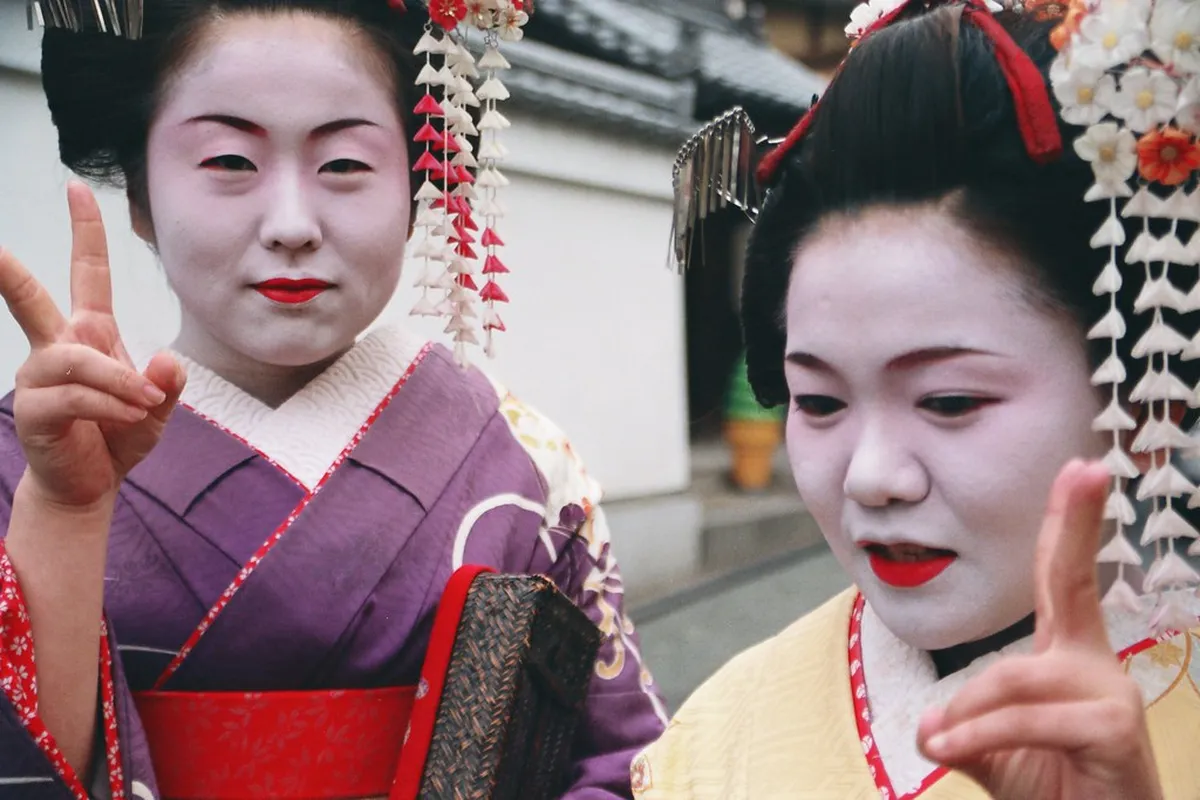
Downtown Kyoto — specifically the Kawaramachi, Shijo, and Nishiki Market area — is the best zone for variety. You are within walking distance of Ain Soph Journey, Mumokuteki, Chau Chau Gyoza, and the Nishiki Market vegan crawl. Bus lines 5 and 17 connect this area to the major temple districts in under 20 minutes. This is the best base if you want to mix sightseeing with spontaneous vegan dining without pre-planning every meal.
The Gion and Higashiyama corridor is more traditional and the dining is excellent but sparse. Mimikou Curry Udon near Yasaka Shrine is a reliable warm-weather choice after a morning walk along Ninen-zaka. Be aware that many restaurants in this area close by 18:00, so plan a late-afternoon early dinner rather than expecting evening options.
Kita-ku (North Kyoto) near Kitano Tenmangu and Daitoku-ji is the least-touristed neighborhood and has some of the best value-for-money plant-based dining. Itadakizen is located here and offers serious whole-food cooking for under ¥1,800 at lunch. The area is quieter and rewards visitors who bother to take Bus 50 or 101 from Kyoto Station.
13 Best Vegetarian and Vegan Restaurants in Kyoto
The following list represents the absolute best plant-based dining Kyoto has to offer this year. I have grouped these by their culinary style, ranging from high-end Zen experiences to casual late-night ramen. Most of these locations are central, but a few require a short bus ride toward the scenic temple districts.
Reservations are becoming increasingly necessary for the most popular vegan spots in the city. I suggest booking at least a week in advance for places like UZU or Tenamonya to avoid disappointment. Walking in without a plan can often lead to long wait times during the busy cherry blossom or autumn foliage seasons.
Keep in mind that many traditional Kyoto restaurants close early, often by 20:00. Planning your dinner around your Kyoto Itinerary: See Kyoto Perfectly is essential for a stress-free trip. Always check the latest operating hours on official social media pages before heading out for the evening.
From the artistic to the ancient, these thirteen restaurants showcase the incredible diversity of Kyoto's kitchen. Whether you are a strict vegan or just curious about Japanese vegetables, these spots will not disappoint. Prepare for a culinary journey that honors both tradition and modern innovation.
| Restaurant | Cuisine Style | Price Range | Neighborhood | Hours |
|---|---|---|---|---|
| Tenryu-ji Shigetsu | Shojin Ryori | ¥4,000–¥9,000 | Arashiyama | 11:00–14:00 |
| Vegan Ramen UZU | Vegan Ramen | ¥2,800 | Downtown | Lunch & Dinner (closed Tue–Wed) |
| Ain Soph Journey | Vegan Cafe | ¥3,200–¥5,000 | Kawaramachi | 11:30–20:00 |
| Mumokuteki Cafe | Whole-Food Plant-Based | ¥1,900–¥3,000 | Rokkaku-dori | 11:30–19:00 |
| (THISIS)NATURE | Artistic Vegan Sweets | ¥1,200–¥2,400 | Karasuma | 10:00–20:00 |
| Itadakizen | Medicinal Fusion | ¥1,800–¥5,000 | Kita-ku | Lunch & Dinner (closed Mon–Tue) |
| Teppan Tavern Tenamonya | Vegan Teppanyaki | ¥1,600–¥4,000 | Downtown | By Reservation |
| Mimikou Curry Udon | Curry Udon | ¥1,400–¥2,200 | Gion | 11:30–20:00 |
| Chau Chau Gyoza | Vegan Gyoza | ¥900 | Gion | Until 23:00 |
| Kyoto Engine Ramen | Vegan Ramen | ¥1,500–¥2,400 | Downtown | 11:00–15:00, 17:00–22:00 |
| Menbaka Fire Ramen | Theatrical Ramen | ¥2,400 | Near Nijo Castle | 11:00–23:00 |
| Pettirosso Kyoto | Italian-Japanese Fusion | ¥6,500–¥9,500 (for two) | Downtown | 18:00–23:00 |
| Nishiki Market Vegan Crawl | Market Snacks | ¥1,600–¥3,200 | Nishiki Market | Varies by stall |
- Tenryu-ji Shigetsu Temple Restaurant
- This Michelin-recognized temple restaurant serves traditional Buddhist Shojin Ryori inside the beautiful Tenryu-ji grounds.
- Expect to pay ¥4,000–¥9,000 per person (approximately €25–€55) for multi-course sets served in a serene tatami room overlooking the garden.
- They are open daily from 11:00 to 14:00 and require reservations via the Tenryu-ji Shigetsu Official Site.
- Vegan Ramen UZU Kyoto
- This immersive dining experience combines world-class vegan ramen with digital art installations by TeamLab.
- The signature flower ramen costs around ¥2,800 (approximately €17) and is served in a dark, reflective room that changes with the seasons.
- It is open for lunch and dinner most days but remains closed on Tuesdays and Wednesdays — confirm on their website before booking.
- Ain Soph Journey Kyoto
- Located near the Shinkyogoku shopping arcade, this cafe is famous for its fluffy 'heavenly' vegan pancakes that take about 20 minutes to prepare.
- A full meal with dessert typically costs ¥3,200–¥5,000 per person in this cozy, multi-floor space.
- Visit the Ain Soph Journey Kyoto site to check seasonal hours, usually 11:30 to 20:00.
- Mumokuteki Cafe and Foods
- This trendy second-floor cafe focuses on whole-food plant-based meals without refined sugar or chemical additives.
- It is a popular lunch spot for locals, with set plates ranging from ¥1,900 to ¥3,000.
- The cafe is open daily from 11:30 to 19:00 and is located above a beautiful lifestyle shop on Rokkaku-dori.
- (THISIS)NATURE Kyoto
- This artistic cafe inside the Shinpuhkan complex serves stunning vegan sweets that look like miniature potted plants.
- Most desserts and drinks are priced between ¥1,200 and ¥2,400 and are perfectly Instagram-worthy.
- It is open daily from 10:00 to 20:00 and offers a great break during a shopping afternoon in the Karasuma area.
- Itadakizen Kyoto
- This restaurant specializes in medicinal grain-based Korean-Japanese fusion that is entirely vegan and organic.
- Lunch sets are affordable at ¥1,800–¥2,800, while dinner is a more elaborate multi-course affair priced around ¥5,000.
- They are located near Kitano Tenmangu Shrine and usually close on Mondays and Tuesdays.
- Teppan Tavern Tenamonya
- This is the best spot for mixed-diet groups because they offer both Wagyu beef and a dedicated vegan teppanyaki menu simultaneously.
- The vegan okonomiyaki is a standout dish, with most vegan items priced between ¥1,600 and ¥4,000.
- You must book exactly one week in advance through their online system to secure a counter seat.
- Mimikou Curry Udon
- A historic curry udon shop near Yasaka Shrine that offers a clearly labeled and delicious vegan broth option made with kombu and shiitake.
- A steaming bowl of thick noodles costs approximately ¥1,400–¥2,200 depending on the toppings you choose.
- They are open from 11:30 to 20:00 and do not usually require reservations for small groups.
- Chau Chau Gyoza
- This casual Gion eatery serves unique vegan dumplings wrapped in delicate Kyoto Yuba tofu skin instead of standard flour wrappers.
- A plate of eight gyoza costs about ¥900, making it a perfect affordable snack or light dinner.
- They are open late until 23:00 most nights, providing a rare evening option for vegan travelers in Gion.
- Kyoto Engine Ramen
- This downtown ramen shop is famous for its rich, creamy vegan soy milk and hemp seed broth.
- Expect to pay ¥1,500–¥2,400 per bowl and wait in a short line during peak dinner hours around 19:00.
- They are open daily from 11:00 to 15:00 and 17:00 to 22:00.
- Menbaka Fire Ramen
- Famous for its theatrical fire show at the counter, they also serve a solid vegan soy-broth ramen option clearly marked on the menu.
- The experience costs about ¥2,400 per person and is open daily from 11:00 to 23:00 near Nijo Castle.
- Note that the entertainment aspect is the main draw here; if broth complexity is your priority, Engine Ramen or UZU will satisfy you more.
- Pettirosso Kyoto
- This intimate Italian-Japanese fusion restaurant offers creative vegan dishes like soy-cheese pasta and organic natural wine.
- Dinner for two typically costs ¥6,500–¥9,500, and the atmosphere is perfect for a quiet evening after a full sightseeing day.
- They are usually open from 18:00 to 23:00 — check their Instagram for holiday closures as the owner takes sporadic breaks.
- Nishiki Market Vegan Crawl
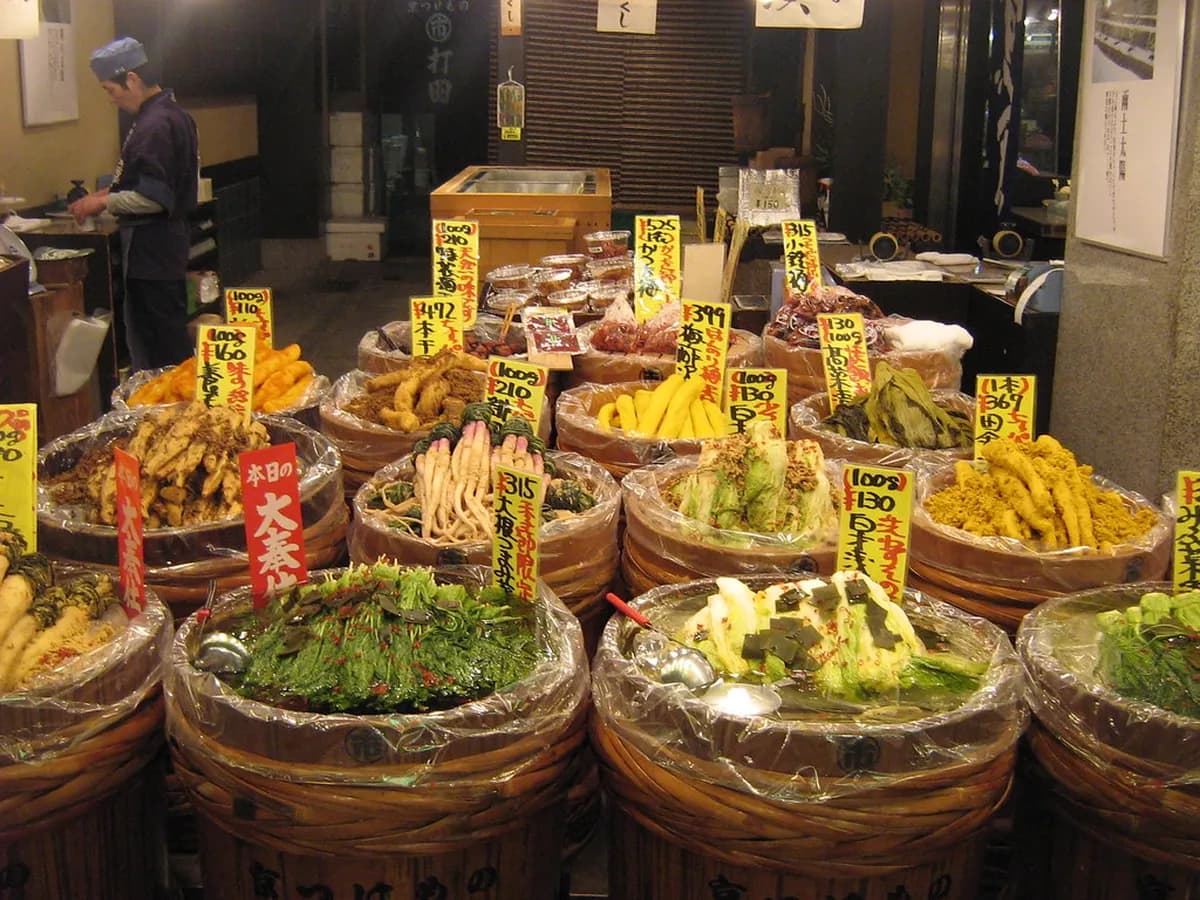
- Explore the 'Kitchen of Kyoto' by visiting specific stalls like Konnamonja for famous soy milk donuts and the pickle shops at the western end for salt-preserved vegetables with no added seafood.
- Budget ¥1,600–¥3,200 for various snacks like pickles, roasted chestnuts, and skewered konnyaku throughout the market.
- Consult the Nishiki Market Vegan Guide for a current safe list of vendors, as stalls change seasonally.
Communicating Your Diet in Kyoto: Japanese Phrases and Cards
The single most useful tool any plant-based traveler can bring to Kyoto is a printed or screenshot dietary card in Japanese. Unlike in Europe, the word "vegan" has no widely understood Japanese equivalent at older establishments — staff may interpret it as "no red meat" or simply not know how to check. A well-written card removes that ambiguity entirely. Several free versions are available at Happy Cow Japan and the Vegan Japan app, and you can customize them to specify whether you eat honey or not.
The critical phrase for dashi-heavy cooking is: だしは入っていませんか? (Dashi wa haitte imasen ka?) — "Does this contain dashi?" Follow it with かつおだしもこんぶだしも大丈夫ですか? (Katsuodashi mo konbudashi mo daijōbu desu ka?) — "Is it free from both bonito and kelp dashi?" This distinction matters because some vegetarian-coded restaurants use kombu (seaweed) dashi which is technically vegan, while others use katsuobushi (dried bonito, a fish) or a blend of both. Asking only about fish will miss the blended stocks used at many older soba and udon shops.
Beyond dashi, be aware of the following hidden ingredients that catch travelers off guard: mentsuyu (noodle soup base almost always contains bonito), mirin in sauces (usually vegan but occasionally fish-derived), and the tsuyu dipping sauce served with cold soba. A card that lists all of these in Japanese takes 90 seconds to show a waiter and saves an entire meal. In my experience, staff at Kyoto's dedicated vegan restaurants speak enough English to help, but the dietary card becomes essential the moment you wander into a traditional izakaya or a temple town's small eatery.
Navigating the Kyoto Dashi Warning and Dining Tips
The biggest hurdle for vegetarians in Kyoto is 'dashi,' a soup stock almost always made from dried fish. Even if a dish looks like it only contains vegetables, the sauce often contains hidden bonito or kelp-fish blends. I always ask 'Sakana dashi nashi desu ka?' to confirm a dish is truly free of fish stock.
You should also be aware that some traditional places consider 'vegetarian' to include small amounts of seafood. Clear communication is key, especially at older establishments in the Gion district. For more background on the city's food culture, read the MonPan Shokudo Interview about sustainable local dining.
Many popular restaurants are quite small, sometimes seating fewer than ten people at a time. If you are traveling with a large group, I recommend splitting up or booking well in advance. Smaller groups of two or three will have a much easier time finding walk-in seating at casual ramen shops.
Print or screenshot a Japanese dietary card before arriving in Kyoto. Most traditional restaurants, especially in Gion, do not recognize the word "vegan" — a laminated card takes 90 seconds to show but eliminates confusion entirely.
Vegan Breakfast and Morning Options in Kyoto
Breakfast is the hardest meal to eat vegan in Kyoto, because most traditional Japanese hotel breakfasts include grilled fish, tamagoyaki egg rolls, and soup with bonito stock. If you stay in a guesthouse or machiya rental, your easiest move is a quick trip to a convenience store for onigiri stuffed with pickled plum (ume) — check the label to confirm no bonito seasoning in the rice. Famima.com's Japanese site shows a dedicated "vegan/vegetarian" filter that updates monthly as products change.
For a proper sit-down breakfast, Vermillion Espresso Bar near Fushimi Inari opens at 08:00 and serves oat milk options alongside avocado toast-style dishes. Several machiya-style cafes in Higashiyama open as early as 09:00 specifically targeting the morning temple-walk crowd, including morning tofu sets around ¥800–¥1,200. Arrive before 10:00 to beat the tour group surge that descends on Ninen-zaka after mid-morning.
Kyoto's kissaten (old-style coffee shop) culture is another underused resource for plant-based travelers. Many older kissaten serve simple morning sets of toast, a small salad, and black coffee for ¥600–¥900 — the toast is nearly always plain milk bread that contains no egg or butter beyond trace amounts, and simple salads use oil-and-vinegar dressing. Kissaten on the backstreets of Kyoto Station's Shimogyo ward are open from 07:00 and give you an authentic early-morning Kyoto experience before the crowds arrive.
Most traditional Japanese hotel breakfasts include grilled fish and bonito-stock soup. Always check with your accommodation in advance if you require a vegan breakfast, as standard offerings typically contain hidden fish products.
Budget Vegan Dining and Supermarket Options
Not every meal needs to be a sit-down restaurant experience. Kyoto has excellent supermarket options for self-catering vegans that most travel guides skip entirely. Fujimart and Life supermarkets (both with branches near Kyoto Station and Kawaramachi) stock inari-zushi (sweet tofu pockets with vinegared rice), pre-packed natto, edamame, and a range of vegetable onigiri in the 100–200 yen range. The prepared food sections mark allergens in a standard Japanese allergen grid — look for the fish and egg columns to identify safe items.
Nishiki Market is more tourist-facing, but the stores at the less-visited western end sell miso paste, pickled vegetables (tsukemono), and dried fu in bulk — all naturally vegan and excellent for snacking or supplementing a hotel room breakfast. A ¥500 bag of assorted tsukemono from a specialist pickle shop makes for some of the best souvenir food from Kyoto, and it is cheaper than anything sold near Kinkaku-ji.
For a quick cheap lunch, look for vegan-friendly kaitenzushi (conveyor belt sushi). The Musashi Sushi chain near Kawaramachi has a dedicated vegetable roll section including cucumber rolls (kappamaki), pickled radish rolls (oshinko maki), and natto rolls, all clearly labeled with allergens. A plate of two pieces costs ¥110–¥165, making it one of the most affordable plant-based lunches in central Kyoto when you need speed over atmosphere.
Yuba: Kyoto's Plant-Based Signature Ingredient
No plant-based guide to Kyoto is complete without a proper explanation of Yuba, the ingredient that separates this city from every other food destination in Japan. Yuba is the skin that forms on the surface of soy milk as it heats — it is lifted off in thin sheets and served either fresh (nama-yuba) or dried and pressed into a firm block. The flavor is delicate and slightly sweet, with a silky texture that takes on seasonings beautifully.
Kyoto produces the most prized yuba in Japan because local soy milk is made from non-GMO soybeans grown in the Tanba region and the soft Kyoto groundwater reduces bitterness. Fresh yuba looks almost translucent and has a custard-like wobble when served sashimi-style with wasabi and soy sauce. You can find it as a standalone dish at Yuba Yoshida in Arashiyama (open 11:00–16:30, ¥1,200 for a yuba sashimi platter) or incorporated into most Shojin Ryori course meals.
Yuba also appears in street food form near Nishiki Market and at Arashiyama's small food stalls: yuba maki (rolled fresh yuba stuffed with pickled vegetables), yuba donburi (a bowl of steamed rice topped with warm yuba and a starchy dashi-free sauce), and the fried yuba snacks sold near Fushimi Inari. If you only eat one Kyoto-specific ingredient on your trip, let it be fresh nama-yuba — it genuinely does not exist in this quality outside Kyoto, and no restaurant can replicate the local version from imported soy milk.
Frequently Asked Questions
Is it easy to find vegan food in Kyoto?
Yes, Kyoto is one of Japan's most vegan-friendly cities due to its history of Shojin Ryori temple cuisine. You can find everything from traditional monk meals to modern vegan ramen in the city center.
What is Shojin Ryori and where can I try it?
Shojin Ryori is the traditional vegan cuisine of Zen Buddhist monks, emphasizing seasonal vegetables and soy. Tenryu-ji Shigetsu in Arashiyama is the most famous place to experience it.
Do I need reservations for vegan restaurants in Kyoto?
Reservations are highly recommended for popular spots like UZU and Tenryu-ji Shigetsu. Many small cafes fill up quickly, especially during the peak spring and autumn travel seasons.
Kyoto is a paradise for plant-based travelers who are willing to do a little bit of research before they arrive. From the spiritual serenity of temple food to the neon-lit excitement of modern ramen, the city offers endless variety. By following this guide, you can avoid the common dashi pitfalls and enjoy some of the best meals of your life.
Remember to book your top choices early and keep an open mind toward traditional ingredients like Yuba and Miso. Kyoto's vegan scene is growing every year, and I cannot wait to see what new flavors appear on my next visit. Enjoy your culinary adventure in the heart of Japan's ancient capital!
Free: The Kyoto Essentials guide
Top things to do, where to stay, a perfect day plan, getting around, and the best time to go — a Kyoto mini-guide you can take offline.
You might also like


Continue reading
More guides you'll find useful