Kyoto in Summer What to Do Guide: 11 Best Tips
Discover the best things to do in Kyoto in summer. From cooling river dining in Kibune to early morning temple visits and seasonal festivals, plan your trip.
On this page
Kyoto in summer is a vibrant season of ancient festivals and lush green landscapes. Late spring (May to early June) and early fall (September) are the best shoulder months for comfort. This guide helps you navigate the intense heat and make the most of 2026's summer calendar. I visited in July and found the cultural energy absolutely worth the high temperatures.
The city experiences a unique weather quirk called mushi-atsui, or extreme humid heat. Temperatures often reach 35°C / 95°F during the peak of July and August. You can find detailed climate data in our Kyoto Weather By Month: 14 Essential Seasonal Insights guide. Planning around the sun is the secret to a successful summer journey here.
Our late-July trip hit the peak of the Gion Matsuri festival during a heatwave. We learned that early starts and indoor breaks are essential for survival. This guide covers the best cooling sanctuaries, seasonal events, and practical tactics for your 2026 visit. Prepare for a mix of spiritual beauty and humid mountain air.
Kyoto's Summer Weather: What to Expect
Kyoto sits in a mountain basin that traps hot and humid air. This geography creates higher temperatures than coastal cities like Tokyo or Osaka. July is the most humid month due to the end of the rainy season. August brings the highest heat but also clear blue skies for photography.
Typical highs range from 30–36°C / 86–97°F throughout the summer months. Evening temperatures rarely drop below 25°C / 77°F, keeping the nights quite warm. The lush greenery in June is beautiful but comes with frequent rain showers. Afternoon thunderstorms are common in July and August — check the forecast every morning.
Start your temple visits before 8:00 AM to enjoy the cool morning air and avoid crowds. Most temples open at 8:00 or 9:00, so arriving at opening time means peaceful moments before the heat peaks.
Crowd levels peak during the major festivals in mid-July and mid-August. Hotel prices rise sharply during these specific festival weeks, sometimes doubling. Consult our where to stay guide for booking strategy. Late September offers slightly cooler temperatures and lower prices with almost no reduction in what's open.
Book specific festival events, kaiseki dinners, and accommodations at least two weeks in advance in July. Gion Matsuri lodging in the central ward sells out months ahead, especially during the main parades on the 17th and 24th.
| Period | Temperature | Crowds | Prices | Highlights |
|---|---|---|---|---|
| Early June | 22–27°C / 72–81°F | Moderate | Lower | Hydrangea blooms, fireflies on Philosopher's Path |
| Mid-July | 26–34°C / 79–93°F | Very High | High | Gion Matsuri parades (17th and 24th) |
| Mid-August | 27–36°C / 81–97°F | High | High | Daimonji Bonfire, Toro Nagashi lanterns |
| Late Sept | 21–28°C / 70–82°F | Moderate | Medium | Moon viewing, early autumn colour begins |
Choosing Your Summer Window in Kyoto
Choosing the right week can change your entire experience. Festival fans should aim for the middle of July for the grand parades. Nature lovers will prefer the deep greens of early June. Budget travelers should look at late August when the crowds begin to thin.
Consider your heat tolerance before booking in peak August. The humidity makes 32°C / 90°F feel much hotter than it actually is. Early September offers a great balance of summer atmosphere and manageable temperatures. Always plan for indoor activities during the noon-to-3 PM window when the heat is most intense.
- Mid-July: Gion Matsuri floats and street food stalls along the main boulevards
- Early June: Fewer crowds, beautiful rain-soaked gardens, fireflies on the Philosopher's Path at dusk
- Mid-August: Daimonji mountain bonfires and Toro Nagashi lantern floating on the Oi River
- September: Lower prices, manageable heat, early hints of autumn foliage by month-end
What to Pack for Kyoto's Heat
Packing the right gear is essential for surviving a Kyoto summer. Light, breathable fabrics like linen or moisture-wicking tech wear are best. Carry a small towel to wipe away sweat throughout the day. Local drugstores sell cooling wipes that provide instant relief on your neck and wrists.
Sun protection is vital when walking between temples and shrines. Many locals use UV-cut umbrellas to create their own shade on the street. You should also carry a refillable water bottle to stay hydrated. Vending machines are everywhere, but having your own bottle is more sustainable and saves money over a week-long trip.
- Portable electric fan: keeps air moving in humid spots and on the subway platform
- Gatsby or Biore cooling wipes: a minty cooling sensation that genuinely drops your skin temperature
- Folding UV-cut umbrella: essential for long walks between temple clusters in Arashiyama or Higashiyama
- Salt supplement candies: prevents heat exhaustion during long outdoor tours — sold at every convenience store
- Compact rain poncho: afternoon thunderstorms hit fast; a foldable poncho weighs almost nothing
1. Visit Early Morning Temple Sanctuaries
Most Kyoto temples open their gates at 8:00 or 9:00. Arriving right at opening allows you to enjoy the cool morning air before the crowds and the heat arrive together. The stone paths and moss gardens feel much fresher before the sun peaks. You can find a list of top Kyoto attractions suited to early visits.
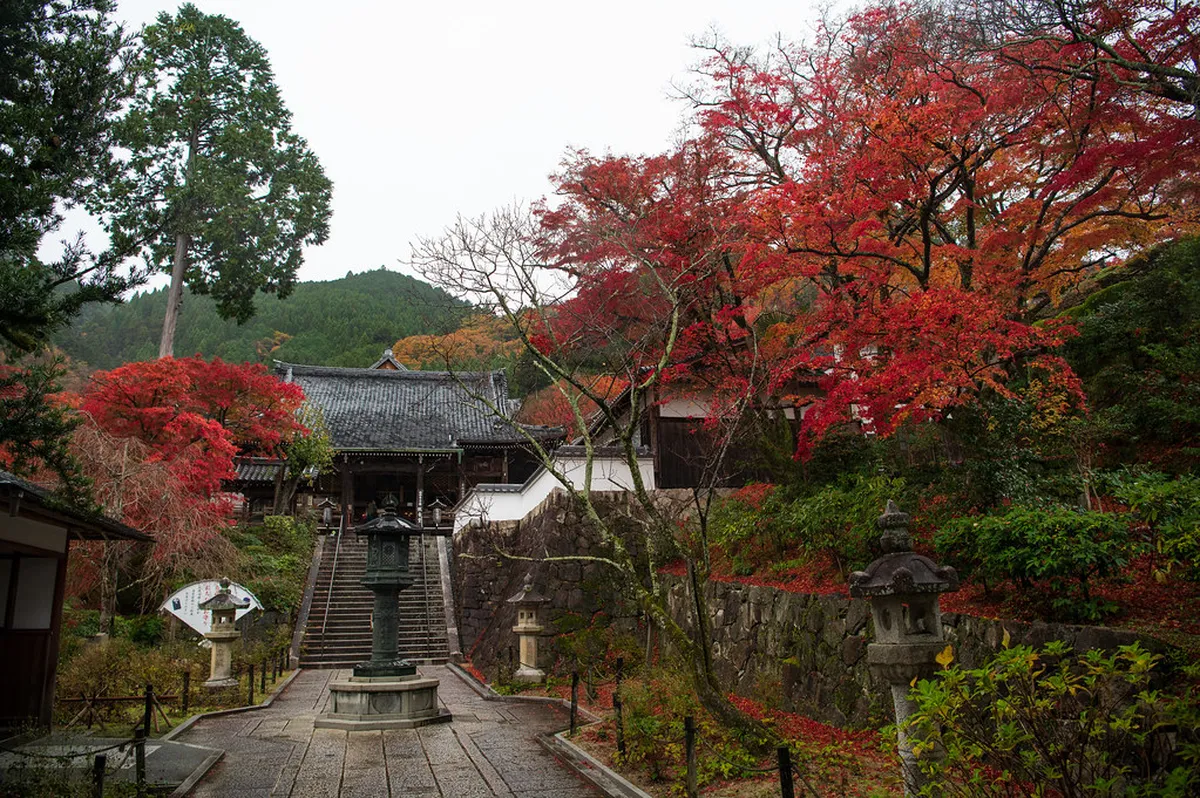
Kiyomizu-dera is a fantastic choice because it opens as early as 6:00. Standing on the wooden stage in the early light is a peaceful experience, and the views over the city are clearer before the haze builds. The humidity is lower in the morning, making the uphill walk from Gojozaka considerably easier. I visited at dawn and had the entire main balcony to myself for about ten minutes.
Tenryu-ji in Arashiyama also offers a serene morning atmosphere. The garden views are stunning when the morning dew is still visible on the moss. Plan to finish your outdoor sightseeing by 11:00 to avoid the worst heat, leaving afternoons free for air-conditioned museums or covered shopping arcades. This discipline makes a multi-day trip genuinely comfortable rather than exhausting.
2. Try Yuka Dining on the Kamo River
Yuka dining refers to the temporary wooden platforms built over or beside the river. Restaurants along the Kamo River set these up from May through September. Dining outdoors over the running water feels noticeably cooler than the surrounding streets. The evening breeze off the river provides a natural respite from the day's intense heat.
Pontocho Alley is the best place to find these traditional dining spots. Make a reservation in advance because these tables are very popular, especially on weekends in July. Many places offer multi-course kaiseki meals with seasonal summer ingredients like ayu sweetfish, hamo pike eel, and chilled tofu. Check our 15 Best Food Experiences in Kyoto: A Local Dining Guide for specific restaurant recommendations and price ranges.
The atmosphere at night is magical with lanterns reflecting on the river. It is one of the most iconic summer experiences in the city and widely considered worth the higher price. Look for lunch specials on the platforms if you want the same setting at a lower cost. Note that some platforms may close during heavy rain for safety, so have a backup plan on stormy evenings.
3. Escape to Kibune for Kawadoko Dining
Kibune is a small village in the mountains north of Kyoto, reachable in about 30 minutes via the Eizan Railway from Demachiyanagi Station. The temperature here is typically 3–5°C cooler than the city center, which in July means the difference between 35°C and a genuinely comfortable 30°C. Restaurants build platforms directly over the Kibune River for a unique experience. You can hear the rushing water right beneath your feet as you eat.
Nagashi somen is the signature summer activity found at Hirobun restaurant. Cold thin noodles slide down bamboo flutes toward you and you catch them with chopsticks. It is a fun and genuinely refreshing way to enjoy a light summer lunch for around 1,500 yen. Arrive early because the wait times can exceed two hours on summer weekends.
The walk between Kibune and the adjacent village of Kurama is shaded by tall cedar trees. It is a beautiful 4 km hike that feels like a world away from the urban heat of central Kyoto. Make sure to wear sturdy shoes for the mountain paths. The 15 Best Day Trips from Kyoto guide has more on combining these two villages in a single day trip.
4. Cool Off with Traditional Kakigori Shaved Ice
Kakigori is a traditional Japanese dessert made of finely shaved ice. In Kyoto, it is often topped with rich Uji matcha syrup and sweet azuki beans. The ice is so soft and finely shaved it melts almost instantly on your tongue — a very different texture from the granular shaved ice you might know elsewhere. Eating this is a favourite local way to lower your body temperature during the afternoon peak.
The Ippodo Tearoom near Teramachi is one of the best places for matcha-based cold treats. Many seasonal shops open only during summer months, often June through September. I visited a small shop near Gion and the matcha kakigori tasted like fresh snow infused with tea. Look for signs that say '氷' (koori) to find these shops — they are everywhere in the Higashiyama and Gion districts.
Some modern cafes add fruit purees, condensed milk, or whipped cream to their creations. Traditional versions often include small shiratama mochi balls for a chewy texture. It is a perfect mid-afternoon break when the sun is at its strongest between 13:00 and 15:00. Prices for a large bowl typically range from 800 to 1,500 yen depending on toppings.
5. Experience Summer Evenings at Kurama Onsen
Kurama Onsen sits deep in the cedar-forested mountains north of Kyoto, about 30 minutes by Eizan Railway from the city centre. The outdoor bath — the rotenburo — puts you in a stone pool at roughly 42°C with cold mountain air above and forested ridges all around you. In summer, soaking after dark when air temperatures drop to the low 20s makes this a surprisingly refreshing experience. The contrast between the hot water and the cool mountain breeze is genuinely restorative after a day of temple walking.
Entry to the outdoor bath costs 1,500 yen (cash only at the gate; towels available to rent). The facility is open until 21:00, making it a practical evening activity that pairs well with a day trip to Kibune. There is no need to pre-book — just show up, pay, and collect your locker key. The water is sodium bicarbonate type and has a notably silky feel on the skin.
Most visitors to Kibune and Kurama skip the onsen entirely, so this is genuinely the quieter end of the day trip. Combine the Kibune kawadoko lunch with the afternoon forest hike between the two villages, then finish with a soak before the last train back to Demachiyanagi around 20:30. This itinerary — river dining, cedar forest walk, mountain onsen — covers three distinct sensory experiences in one summer day.
6. Take a Fushimi Jikkokubune Canal Cruise
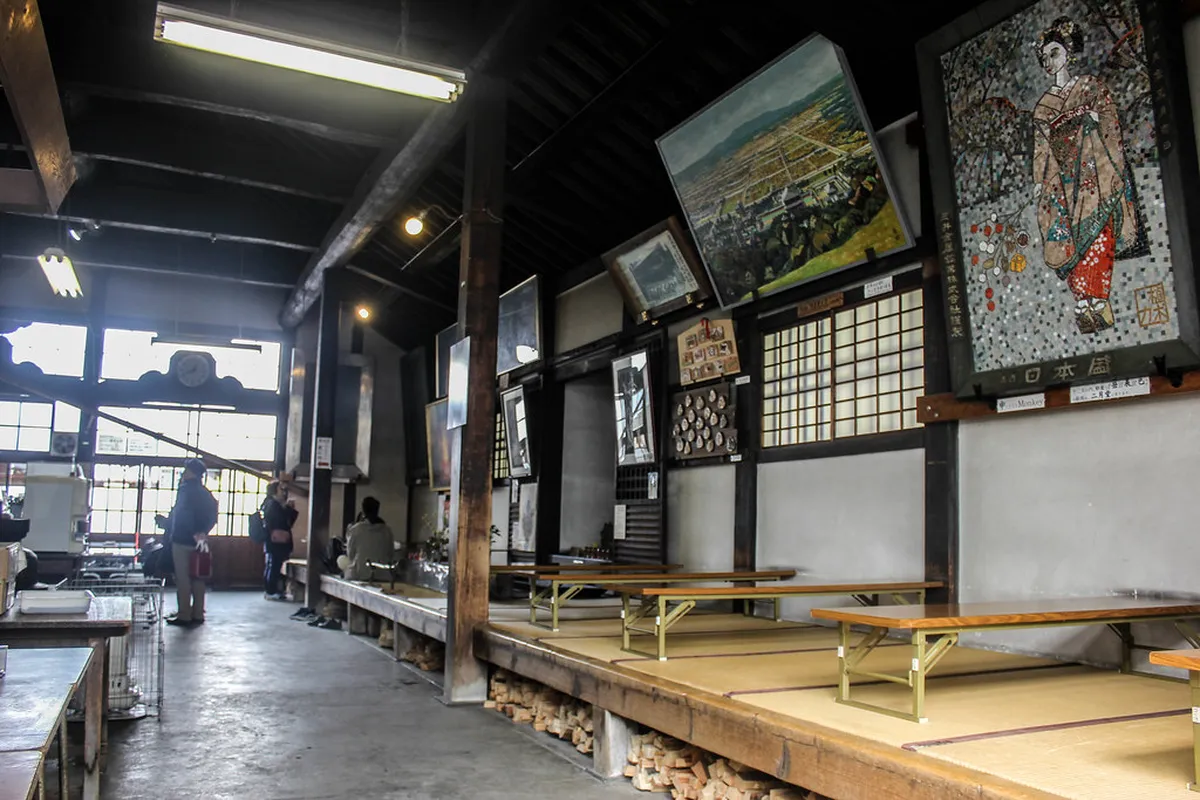
The Fushimi district is famous for its sake breweries and scenic canals. A ride on a Jikkokubune boat takes you under shaded willow trees along the canal. The movement of the boat creates a gentle breeze on the water. It is a relaxing way to see the historic wooden sake warehouses that line both banks.
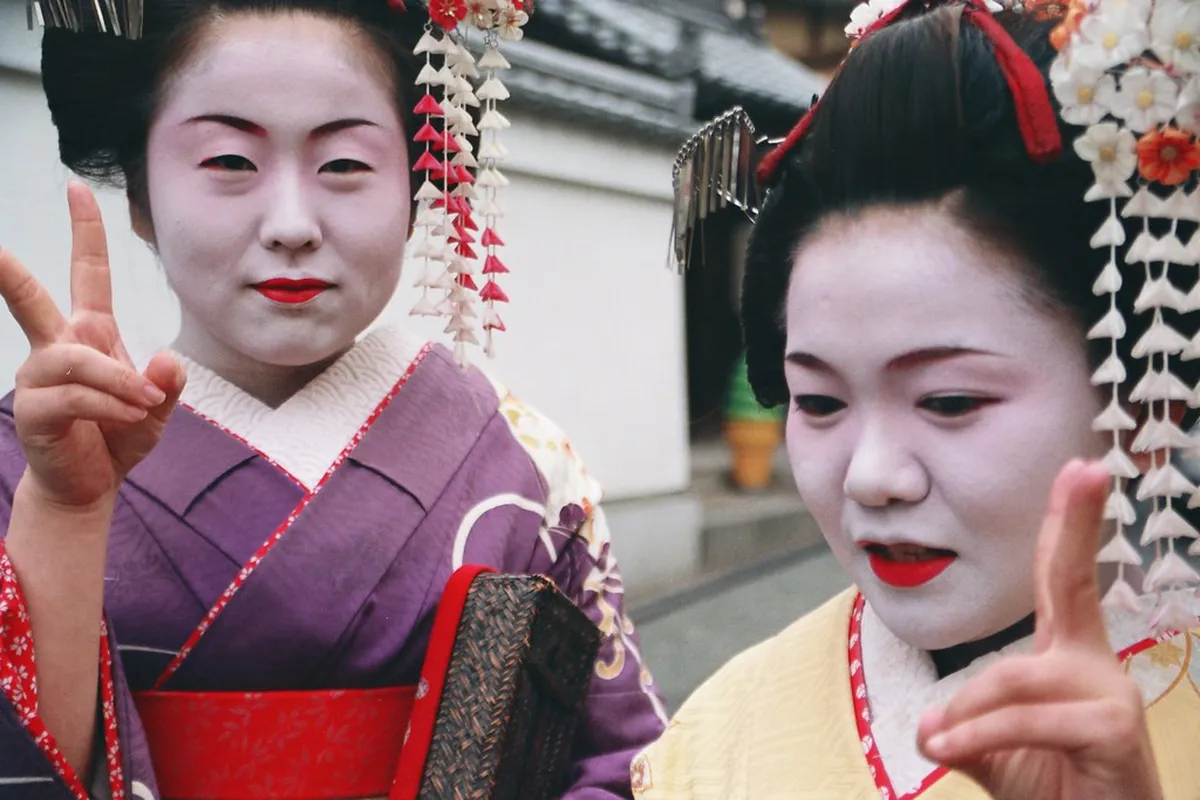
The cruise includes a stop at a small museum about the canal's history, which provides a brief air-conditioned break during your journey. I loved the view of the traditional architecture from the water level — it looks nothing like the canal from street level. The boats operate from spring through autumn but are most atmospheric in summer when the willows are in full leaf.
Combine this boat ride with a visit to a local sake brewery afterward. Many breweries offer tastings of chilled sake in summer, which is very refreshing after time on the water. You can learn more about this area in our neighborhoods guide. The canal area is much quieter than the busy streets of central Kyoto and is a good afternoon option when the heat makes temple-hopping uncomfortable.
7. Participate in Kyoto's Vibrant Summer Festivals
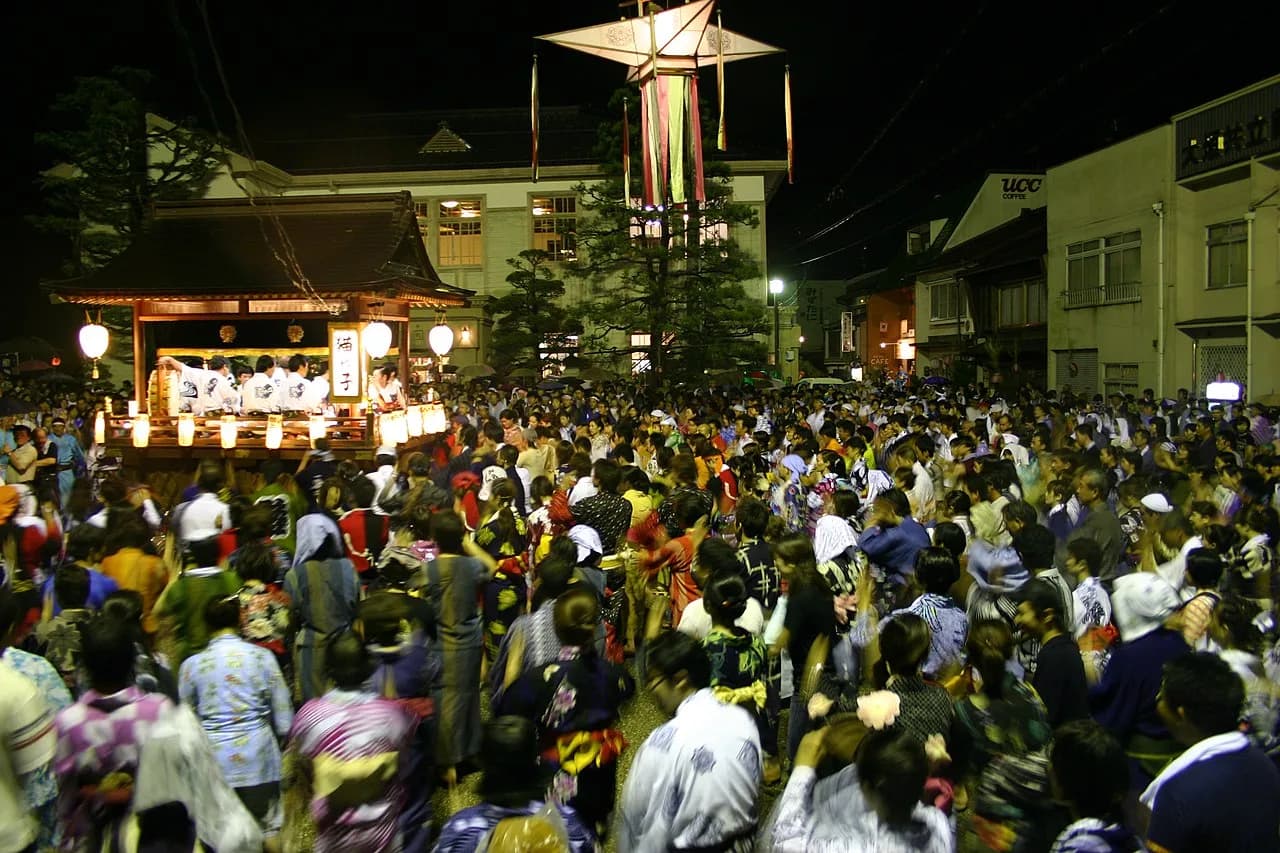
The Gion Matsuri is one of Japan's three most famous festivals and Kyoto's defining summer event. It takes place throughout July with the main Yamaboko Junko parades on the 17th and 24th. Huge wooden floats called yamaboko — some weighing over 12 tonnes — are pulled through the streets by teams of men in traditional dress. You can find more details in our Kyoto events guide.
August features the Daimonji Gozan no Okuribi on August 16th. Five giant fire characters are lit simultaneously on the hills surrounding the city, best viewed from the banks of the Kamo River or from rooftop bars along Kawaramachi. It marks the end of the Obon season when ancestral spirits return to the afterlife. The light lasts only about 30 minutes, so arrive at your viewing spot by 19:45.
Toro Nagashi, also held during the Obon period in mid-August, involves floating paper lanterns on the Oi River in Arashiyama. The lanterns are lit by candles inside and released at dusk, creating a slow river of soft orange light. It is a quieter and more intimate experience than Daimonji and is free to watch from the riverbank. Wearing a yukata — a light cotton summer robe available to rent from shops near Gion for around 3,000 yen including dressing — is a popular way to experience all three of these events as a local would.
8. Walk the Philosopher's Path for Early June Fireflies
The Philosopher's Path is a 2 km canal-side walkway between Nanzenji and Ginkakuji, lined with hundreds of cherry trees. Most visitors know it only for cherry blossoms in spring, but early June brings a different and far less crowded phenomenon: fireflies. Hotaru — as fireflies are called in Japanese — appear along the waterway at dusk from late May through mid-June, flickering green-gold above the canal in the cooling air. This is one of the most underreported seasonal experiences in Kyoto.
The best viewing window is roughly 19:30 to 21:00 on clear evenings after a warm day. Walk south from Ginkakuji toward Nanzenji and slow down near the sections where the canal is overhung by vegetation. There is no entrance fee, no ticket, and almost no tourist infrastructure around it — just locals out for an evening stroll. Avoid using your phone flashlight as it disrupts the beetles.
If you are visiting in mid to late June, the path is also lined with ajisai (hydrangea) in full bloom. The combination of the hydrangea and the occasional early-season firefly makes this stretch one of the most photogenic in the city. Pair it with a late dinner at one of the small restaurants along Nanzenji-suirokaku (the aqueduct area nearby) for a complete summer evening.
9. Swim in the Refreshing Waters of Lake Biwa
Lake Biwa is Japan's largest freshwater lake and sits just 45 minutes by train from Kyoto Station. Omi-Maiko beach on the western shore is a popular spot for swimming and sunbathing. The water is clean and provides a perfect escape from the city humidity. Take the JR Biwako Line from Kyoto to Maiko Station for the most direct access.
The beach has white sand and pine trees that offer natural shade away from the water. You can rent umbrellas and chairs at the local beach huts for around 500–800 yen. Our trip to the lake was the highlight of our hottest summer week — the water was noticeably cooler than the city air. It is a great place to relax, eat at the lakeside cafes, and recover energy for evening festival activities.
The lake area is also popular for water sports like paddleboarding and kayaking in summer 2026. There are several small cafes nearby that serve cold drinks and snacks, plus convenience stores within a short walk. The official swimming season typically runs from mid-July through the end of August when the beach huts are staffed. Avoid weekends in late July if you want to find a quiet spot on the sand.
10. Stroll Through Fushimi Inari's Shaded Torii Gates
Fushimi Inari is famous for its thousands of red torii gates stretching up Mount Inari. The path leads through dense forest, providing significant shade from the sun. Start your hike before 7:30 to avoid the midday heat and the tour groups that arrive from 9:00 onward. The higher you climb, the cooler and quieter the atmosphere becomes.
There are several rest stops along the way that sell cold drinks and light snacks. You can enjoy a panoramic view of the city from the Yotsutsuji intersection at roughly the midpoint of the trail. The mountain air feels noticeably fresher than the city below, particularly in the upper sections where the crowds disappear. Plan for about two to three hours to complete the full loop to Ichinofune-wari-ishi and back.
The lower sections near the main shrine are often crowded from mid-morning, but the upper paths stay peaceful even during festival weeks. The shade of the trees and the gates makes the hike manageable even in July if you start early and carry water. Vending machines on the mountain are available but expensive — fill your bottle before you start. Visit our Kyoto Itinerary: See Kyoto Perfectly for more guidance on combining Fushimi Inari with the canal district below.
11. How to Plan a Smooth Kyoto Summer Itinerary
A successful summer trip requires careful timing and smart transport choices. Use the subway or trains instead of buses to avoid traffic and heat. Buses can get very crowded in summer and the air conditioning may feel weak during festival weeks. Consult Japan Travel by Navitime for the best routes between your accommodation and each attraction.
Book accommodation in areas with good train access like Shijo, Karasuma, or Kyoto Station district. This makes it easier to return to your hotel for a mid-day break during the 13:00–15:00 heat peak. Plan one indoor activity for every outdoor temple visit — a museum, a covered shopping arcade, or a seated tasting experience. Consider a D-Matcha tea farm tour in Wazuka for a rural mountain escape with air-conditioned tea rooms.
Book any specific festival events, kaiseki dinners, or kimono rentals at least two weeks in advance in July. Gion Matsuri accommodation in the central ward sells out months ahead. Check our kimono rental guide for summer yukata options and the getting around guide for IC card tips. Kyoto's summer is intense but offers rewards you cannot find in any other season — the sound of cicadas, the smell of festival incense, and the cool relief of a river breeze at dusk are quintessential memories.
Beating the Heat: Tactical Tips for Each Part of the Day
Structuring your day around the temperature curve is the single most effective tactic for Kyoto in summer. Before 10:00 is your golden window for outdoor temples and shrines. Between 10:00 and 16:00 the heat is at its worst — shift to indoor activities, covered markets, or sit-down meals in air-conditioned restaurants. After 16:00 the heat begins to ease, making the late afternoon and evening the second productive window for outdoor exploration.
The Nishiki Market covered arcade is one of the best midday refuges. Over 100 stalls sell Kyoto-specific foods — pickled vegetables, grilled tofu skewers, fresh mochi, and matcha everything — under a covered roof that stays relatively cool. It runs from Teramachi to Fuyacho through the centre of the city and takes about 45 minutes to browse at a relaxed pace. Entry is free and it is a compact, entirely walkable distance from most central accommodation.
Evening is when Kyoto in summer becomes genuinely beautiful. The streets cool down, festival music carries from neighbourhood shrines, and the outdoor dining platforms along the Kamo River come into their own. Plan your heaviest outdoor activity for the first two hours of the day and your most atmospheric experience for after 18:00. This rhythm converts a potentially gruelling trip into a memorable one.
What's Seasonal and What to Check Before You Go
While summer is a peak time for festivals, some things are time-sensitive or require advance checking. The Kibune kawadoko dining platforms operate only from May through September — book early for July weekends. Many seasonal kakigori shops open only for summer months, typically June through October. Public swimming areas at Lake Biwa are staffed and fully open from mid-July through the end of August.
Some outdoor beer gardens in Kyoto operate on hotel rooftops from June through September — these require reservations and fill up fast during Gion Matsuri week. The teamLab digital art installation at the botanical gardens runs on a seasonal schedule with set entry times; book via the official website at least a week ahead and check current pricing (around 2,000–3,000 yen) before arrival. Always check the status of any specific event or opening hours a few days before you visit, as schedules can shift due to heat or rain. The Kyoto in Winter: 8 Best Things to Do & Travel Guide guide explains what changes dramatically once the cold season begins.
Frequently Asked Questions
Is Kyoto too hot to visit in summer?
Kyoto is very hot with highs of 35°C / 95°F and high humidity. It is manageable if you visit temples early and take indoor breaks. Use cooling gear and stay hydrated to enjoy the vibrant summer festivals.
What is the best month for summer festivals in Kyoto?
July is the best month for festivals because of the Gion Matsuri. This month-long event features grand parades and evening street food stalls. It is the peak of Kyoto's cultural traditions and local energy.
What should I wear in Kyoto during the summer?
Wear light, breathable fabrics like linen and cotton to stay cool. A yukata is a traditional and stylish choice for attending summer festivals. Always carry a sun umbrella and a small towel for the humidity.
Kyoto in summer is a season of extreme heat but also deep cultural beauty. By visiting early and choosing cooling activities, you can have a wonderful trip. The memories of the Gion Matsuri, the Daimonji bonfires, and riverside dining are truly unforgettable. Plan your 2026 journey carefully and embrace the unique rhythm of the Japanese summer.
Whether you are eating shaved ice in Gion or watching fireflies on the Philosopher's Path, the city rewards those who plan around the heat rather than fighting it. Don't let the humidity stop you from experiencing this vibrant time of year. Check our other guides to finish planning your perfect Japanese adventure.
Free: The Kyoto Essentials guide
Top things to do, where to stay, a perfect day plan, getting around, and the best time to go — a Kyoto mini-guide you can take offline.
You might also like


Continue reading
More guides you'll find useful