9 Essential Tips for Kyoto Kimono Rental (2026)
Master your Kyoto kimono rental with our guide to the 9 best tips, including top shop recommendations, cost breakdowns, and the best photo spots in Gion.
On this page
Renting a kimono in Kyoto is one of those activities that sounds simple until you are standing in the shop trying to choose between 500 patterns while a stylist wraps the obi around your waist. This guide cuts through the noise: which neighbourhood to start from, how much to budget in 2026, when to skip the in-house photographer, and what to wear underneath in July versus January.
Kyoto remains Japan's premier city for kimono rental. Its preserved machiya streetscapes in Gion and Higashiyama provide backdrops that no other Japanese city can match. Our editors reviewed the top rental shops, walked the main photo routes, and cross-checked pricing so you do not have to.
Why Rent a Kimono in Kyoto?
The main barrier is not the fabric — it is kitsuke, the art of dressing. Even Japanese people who wear kimono regularly attend formal kitsuke classes, because layering the under-robes, securing the padding, and tying the obi correctly is genuinely difficult. Rental shops solve this entirely: professional dressers do every step for you, and the whole process takes 30 to 45 minutes.
Kyoto is the best city in Japan to do this because the architecture was built around the garment. The narrow stone lanes of Higashiyama and Gion, the latticed machiya facades, and the moss-covered stone steps below Kiyomizu-dera all photograph in a way that makes a kimono look exactly as it should. The same photos taken in a modern urban district rarely have the same impact.
There is also a cultural dimension worth noting. Most Japanese people actively appreciate visitors wearing kimono correctly with professional help. The word kimono literally means "thing to wear," and kitsuke traditions emphasize proper dressing as a respectful art form. Paying a local shop to choose, style, and fit the garment for you aligns firmly with cultural appreciation rather than appropriation. Pair the experience with a kyoto tea ceremony on the same day for a full immersion in traditional practice.
Choose the Right Area: Gion, Higashiyama, or Arashiyama
Your choice of neighbourhood should match your desired photo backdrop, not just your accommodation. Gion is the default choice for most first-timers and for good reason: Hanamikoji Street, the stone-paved Sannenzaka and Ninenzaka lanes, and the Yasaka Pagoda are all within easy walking distance of the major rental shops. The Gion district also offers the best chance of spotting a maiko or geisha heading to an evening engagement; geisha culture in Gion remains central to the district's identity, which adds genuine atmosphere to an afternoon stroll. Learn more in the Gion district guide.
Arashiyama suits visitors who prefer natural backdrops over urban architecture. Renting near Togetsukyo Bridge puts you a short walk from the bamboo grove and the quiet temple gardens of Tenryu-ji. This area tends to be less crowded than Higashiyama in the early morning, making it the better choice if you want clean shots without other tourists in the frame. The trade-off is that transit between Arashiyama and other Kyoto districts takes 30 to 45 minutes by train or bus, so plan your day around a single base.
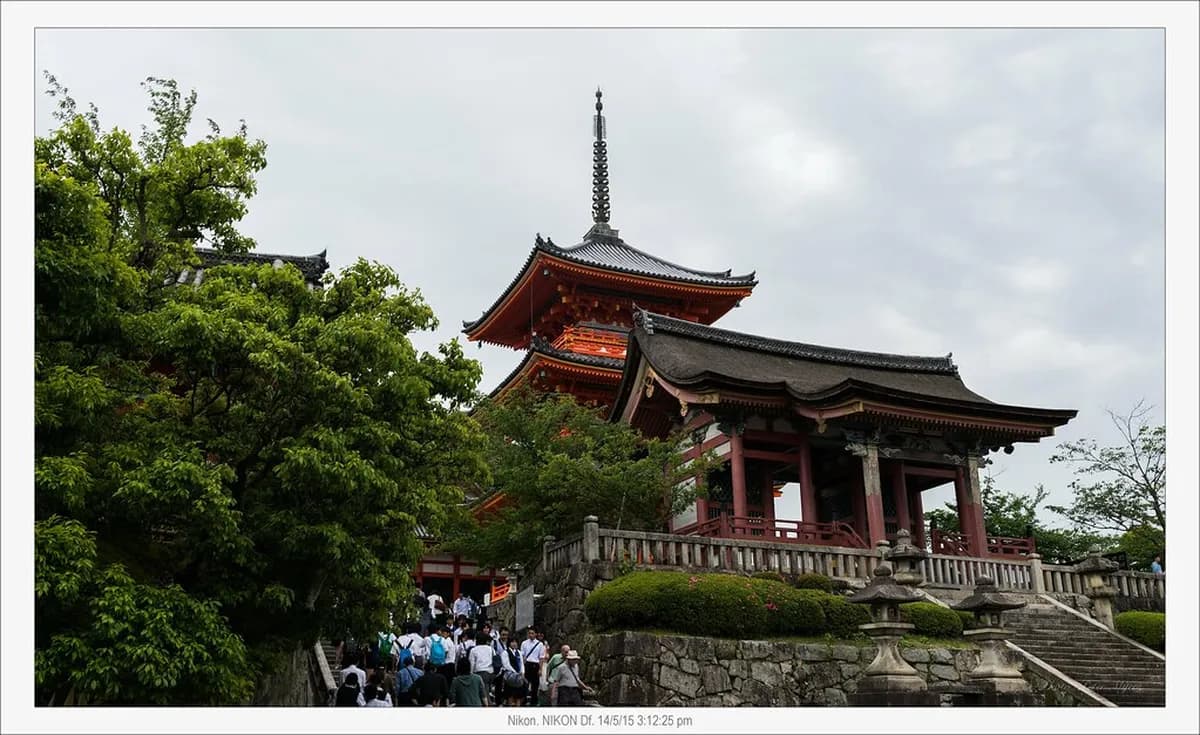
Kiyomizudera is the third cluster, with several shops concentrated near the temple's access lanes. Starting here makes sense if Kiyomizu-dera is your top priority sight of the day. One practical note: the wooden sandals (zori or geta) grip stone paths reasonably well, but the steep slope leading up to the main hall can be tiring after an hour. Budget your energy accordingly and start your walk downhill.
In summer, wear a moisture-wicking Uniqlo Airism base layer under your yukata to prevent the fabric from sticking to your skin in Kyoto's 34–36°C humidity. In winter, Heat-Tech tights under your layered kimono add substantial warmth without adding visible bulk above the sandal line.
Pick a Top-Rated Rental Shop
The most established shops all offer English-speaking staff, online booking, and a full set of accessories. The differences come down to location, inventory size, and what extras they bundle. Here are the most reliable options for 2026.
- Yumeyakata (Gojo): Over 500 designs including furisode (long-sleeved formal kimono). Basic plan from ¥4,180; with hair-styling ¥6,600. Professional 2-to-3-hour photo shoots in Higashiyama, Arashiyama, or Bishamon-do Temple grounds from ¥28,600 for up to four people. Return by 17:30. Nearest station: Gojo on the Karasuma subway line.
- Wargo (multiple locations): Largest chain in Japan with around 4,000 kimono and 3,000 yukata across several Kyoto stores including Kyoto Station, Kinkakuji, and Arashiyama. Basic plan from ¥5,737; deluxe from ¥15,508. Ideal if you arrive by Shinkansen and want to start immediately.
- Wakana (Gion): Boutique feel, only two groups fitted per hour. Pure-silk made-in-Kyoto kimono from ¥4,000. Couple plan from ¥7,980; children from ¥3,800. Return by 18:00. Best for visitors who want unhurried, personal attention.
- Mocomoco (near Kiyomizudera): The only major shop offering a 1-hour express rental at ¥3,300 — useful if you want a quick photo set without committing to a full day. Full-day plan with free hair styling from ¥4,400. Hotel return and next-day return available for an extra fee.
- Okimono (near Kiyomizudera): Strong option for families and larger sizes. Children's kimono and yukata available; women's plus sizes and men's up to XXL. Base price ¥3,500; luxury hair styling add-on ¥1,650; next-day return ¥500.
- Kyoetsu (Kawaramachi, Arashiyama, Kiyomizu): Three locations. Basic plan from ¥3,190 with tiered upgrades for trendy or antique designs. Couple plan ¥8,800; kids ¥4,290. Also offers a bring-your-own-kimono plan from ¥3,190 if you own one.
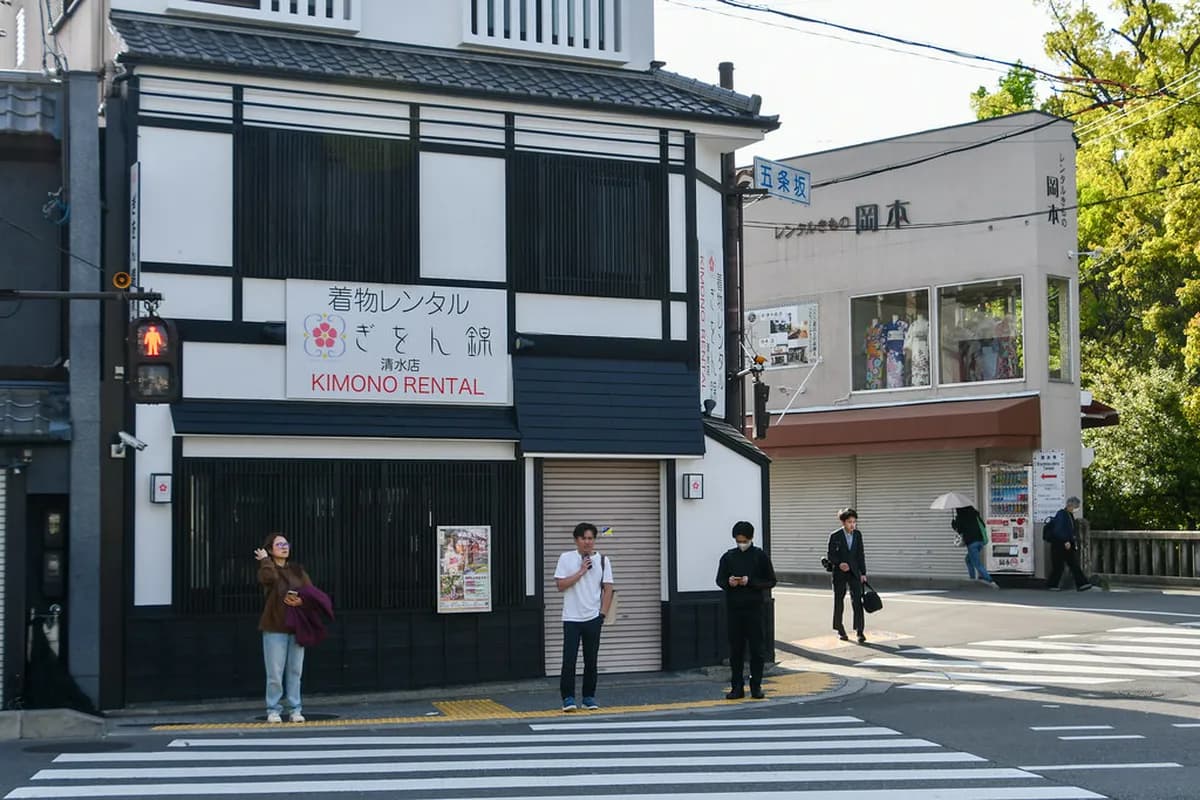
- Okamoto (multiple locations): Operating since 1830, the longest-established name in the business. Each location carries over 1,000 designs. Full-outfit mix-and-match plan from ¥5,478; men's from ¥4,378; children's from ¥5,478. Next-day return pre-arranged at no charge with a ¥10,000 deposit.
- RikaWafuku (Arashiyama): Premier choice if Arashiyama is your main focus. Couple plans offer a discount for two. Proximity to the river enables iconic Togetsukyo Bridge shots without extra transit.
- Yume Kyoto (Gion): Small shop next to Yasaka Shrine. Plans ¥3,300–¥5,500. The cheapest plan lets staff choose for you, which can be a pleasantly relaxed approach. Men's, children's, and couple packages available.
| Shop | Area | Basic Price (JPY) | Notes |
|---|---|---|---|
| Yumeyakata | Gojo | ¥4,180–¥6,600 | 500+ designs; professional 2–3 hour photo shoots from ¥28,600; return by 17:30 |
| Wargo | Multiple | ¥5,737–¥15,508 | Largest chain (4,000 kimono); Kyoto Station location for Shinkansen arrivals |
| Wakana | Gion | ¥4,000–¥7,980 | Boutique feel; pure-silk made-in-Kyoto; return by 18:00 |
| Mocomoco | Near Kiyomizudera | ¥3,300–¥4,400 | Express 1-hour plan available; hotel return + next-day return options |
| Okimono | Near Kiyomizudera | ¥3,500+ | Strong for families and larger sizes; women's plus and men's up to XXL; hair styling ¥1,650 |
| Kyoetsu | Kawaramachi, Arashiyama, Kiyomizu | ¥3,190–¥8,800 | Three locations; tiered upgrades for trendy or antique designs; bring-your-own plan available |
| Okamoto | Multiple | ¥4,378–¥5,478 | Operating since 1830; 1,000+ designs per location; next-day return with ¥10,000 deposit |
| RikaWafuku | Arashiyama | Couple plans available | Premier Arashiyama option; proximity to Togetsukyo Bridge |
| Yume Kyoto | Gion | ¥3,300–¥5,500 | Small, relaxed shop; staff-selection option available; men's and children's packages |
Understand the Costs and Plans
Entry-level plans run ¥3,100–¥4,200 and typically include the kimono or yukata, obi sash, sandals, tabi socks, and a small bag. Hair styling is usually charged separately at ¥1,100–¥1,650 for a standard updo, or ¥3,300 for a custom style. Decorative kanzashi hair pins and extra accessories cost around ¥550 each.
Premium plans start around ¥5,000–¥6,600 and bundle designer fabrics, fuller accessory sets, and often hair styling in one flat fee. Furisode (the formal long-sleeved kimono traditionally worn on Coming of Age Day) can reach ¥18,000 or more with hair styling included. First-slot surcharges apply at many shops: the 09:00 opening slot is the most popular and carries a ¥200–¥1,000 premium because it gives you the most time before the return deadline.
Couple plans typically save 10–15% off two individual bookings. Group discounts kick in for parties of three or more at most chains. Insurance against accidental stains or minor damage is sometimes built into the plan; confirm this before you leave the shop. Check the kyoto activities listing for current seasonal promotions, as shops often discount weekday slots in January, February, and June.
Know the Difference: Kimono vs. Yukata
The main difference is material and season. Kimono are made from silk or heavy woven fabric and require multiple layers of undergarments. They are appropriate from October through May when temperatures are manageable. Yukata are single-layer unlined cotton garments originally worn after bathing at ryokan, and they are the correct choice from June through September.
Geta (raised wooden platform sandals) are the traditional footwear for yukata. Zori (flatter, more formal sandals) typically accompany kimono. Tabi split-toe socks are worn with kimono and zori but not usually with casual yukata-and-geta combinations. Rental shops automatically switch their featured inventory with the season, so you are unlikely to end up with the wrong garment for the month. The obi sash also differs: a full structured obi is standard for kimono, while yukata often uses a simpler hanhaba (half-width) obi.
Formal levels matter for where you wear each garment. A kimono is appropriate at major shrines, tea houses, and upscale kaiseki restaurants if you are visiting one for lunch. A yukata, being casual, fits summer festivals, evening strolls, and garden cafes perfectly. Many visitors assume yukata look less impressive in photos, but the lighter colours and bolder dyeing typical of summer yukata often photograph extremely well against Kyoto's greenery.
What to Wear Underneath: A Seasonal Dressing Guide
This is the detail no shop leaflet covers fully, and it matters more than most visitors realise. Kyoto's summers are among the most humid in Japan, reaching 34–36°C with high moisture in July and August. Under a yukata, a moisture-wicking Uniqlo Airism base layer (round-neck, short sleeve) prevents the fabric from sticking to your skin and keeps you significantly more comfortable during a 4-hour walk. Cotton underwear that sits below the hemline is fine; avoid anything synthetic that traps heat.
In winter (December through February), temperatures regularly drop to 3–6°C, and Kyoto's narrow stone lanes funnel wind. Under a layered kimono, a pair of Uniqlo Heat-Tech tights provides substantial warmth without adding bulk visible above the sandal line. A Heat-Tech inner top worn under the shop's provided underrobe adds warmth without changing how the kimono sits. Most shops will not tell you this explicitly, but the dressers are very accustomed to fitting Heat-Tech-wearing visitors and it does not affect the final look.
Spring and autumn (March–May and October–November) are the most popular rental months, and thermals are rarely needed. Light cotton undergarments are fine. If you visit in late March or early November specifically for foliage or cherry blossoms, pack a light layer you can remove at the shop, since it will be warmer by midday. Do not wear strong perfume or smoke before or during the rental: silk picks up odours easily, and most shops charge a cleaning fee of ¥11,000 for damage from fragrance or smoke.
Silk fabrics absorb perfume and smoke smell permanently. Most shops charge a ¥11,000 cleaning fee for odour-based damage. Avoid cologne, incense, and cigarettes before and during your rental to avoid unexpected charges at return.
Consider a Professional Photography Add-on
Shop-provided photographers and independent professionals offer meaningfully different experiences. The in-house option bundled by shops like Yumeyakata (from ¥28,600 for up to four people for 2–3 hours) gives you a guide who knows the district's licensed shooting areas. This is not a minor detail: certain sections of Higashiyama near historic tea houses restrict laypeople from photographing, but professional photographers holding a Kyoto City media license can access them. This translates directly into images that your smartphone cannot replicate.
The trade-off is flexibility. An in-house shoot is typically structured around one of two or three pre-set location courses. If you want to combine Gion and Arashiyama in a single session, that is usually not offered. Independent photographers booked through platforms like Klook allow custom routing and sometimes cost less for a longer session, but you should confirm they hold the relevant local permits before booking.
The post-shoot delivery also differs. Shop-provided shoots at Yumeyakata deliver a link to the full album (200–300 high-resolution images) about one week after your session. Independent operators usually deliver within 48–72 hours and offer a set number of retouched selects. If speed matters for social media sharing during your trip, ask the operator for their turnaround time before you pay.
Check for Language Support and Sizes
All of the shops listed in this guide maintain English-speaking staff, though the level of fluency varies. Chains like Wargo and Yumeyakata also offer Chinese-language support, which is useful for groups from mainland China, Taiwan, and Hong Kong. If your group has specific questions about fabric, formal options, or unusual sizing, emailing the shop a day in advance saves time on the day.
Size availability is more important for men and taller visitors than for women. Standard Japanese kimono are cut for heights up to around 170–175 cm. Okimono and Okamoto both carry men's sizes up to XXL and extended lengths for taller women. Wargo's large inventory (4,000+ garments) generally means the best chance of finding something that fits without alteration. If you are over 185 cm, call the shop in advance rather than discovering the limitation mid-fitting.
Children's kimono are available at Wakana (from ¥3,800), Okimono, Kyoetsu (from ¥4,290), and Yume Kyoto. Book a family time slot in advance: shops with limited fitting rooms can become crowded on weekend mornings, and the dressing process for children takes longer than for adults.
Plan Your Route for the Best Photos
The classic Higashiyama circuit starts at the Yasaka Pagoda on Yasakadori Street, the most recognisable skyline shot in Kyoto. From there, descend through Sannenzaka and Ninenzaka, where the two-story wooden shops and stone steps provide a dense concentration of traditional architecture. The entire stretch from the pagoda to the Kiyomizudera entrance takes about 45 minutes at a relaxed pace. Early starts (before 09:30) give you near-empty lanes; after 11:00 the tourist density makes clean shots progressively harder.
The Philosopher's Path runs along a canal between Nanzenji and Ginkakuji and is significantly flatter than Higashiyama. This matters: wooden sandals are manageable on flat stone but become tiring on steep inclines after two hours. The path is best in spring for cherry blossoms and autumn for maple foliage, and is a reliable choice for visitors with mobility concerns. Small cafes along the route generally welcome customers in kimono without issue.
In Arashiyama, the Togetsukyo Bridge over the Oi River and the bamboo grove at Chikurin-no-Michi are the two key shots. Arrive at the bamboo grove before 08:30 for sparse crowds; after 10:00 the narrow path becomes difficult to photograph cleanly. Carry your essentials in the matching drawstring bag provided by the shop. Check your kyoto itinerary to avoid scheduling kimono rental on the same day as Fushimi Inari, where the long uphill path is genuinely punishing in traditional footwear.
Kimono Experiences: Tea Ceremonies and More
Several Kyoto operators combine kimono rental with a structured cultural experience, which can be a better use of time than a solo walk if you only have half a day. These packages suit visitors who want a guided narrative alongside the garment rather than independent exploration. Booking a kyoto tea ceremony that includes kimono dressing is the most popular combination and typically costs ¥8,000–¥10,000 for two hours. The tea master's instruction on matcha preparation and wagashi (traditional sweets) gives the afternoon meaningful cultural weight beyond the photos.
More adventurous packages include samurai training with katana practice, where a traditional kimono-style outfit is provided as part of the experience. These run around ¥18,000 and include in-session photography by a staff member. For visitors with a strong interest in craft, kimono-making workshops — observing a master artisan apply gold glazing and mother-of-pearl inlay to formal bridal kimono — are available from around ¥39,000. These are specialist experiences with limited slots; book well in advance, especially for the May and October peak seasons.
If you want to extend your wearing time beyond a standard same-day rental, some shops offer hotel-return service: you keep the kimono until you reach your accommodation, then leave it at the front desk for shop collection the following morning. This costs roughly ¥1,000–¥1,500 extra and allows you to wear the kimono to a kaiseki dinner or evening temple lighting event without rushing back by 17:30.
Review the Return Policy
Same-day return deadlines are typically 17:30 at Yumeyakata and 18:00 at most Gion shops including Wakana, Rei, and Yume Kyoto. Okamoto allows a pre-arranged next-day return by 17:00 at no charge, but requires a ¥10,000 deposit. Mocomoco and Okimono charge ¥500 for next-day return. Late returns without prior arrangement result in fees that typically equal an additional day's rental, so confirm the deadline explicitly at drop-off.
When you return the kimono, staff will help you change back into regular clothes, then check all accessories against the original kit: obi, socks, sandals, bag, and any hair ornaments. Leaving any item behind usually triggers a small replacement fee. The process takes about 10–15 minutes; budget this into your final afternoon rather than arriving at the last minute.
Leaving your regular clothes and bag at the shop during the day functions as an informal deposit in most cases, though some shops also ask for an additional damage deposit paid by card. If you book through a third-party platform like Klook, cancellations with at least 24 hours' notice are generally fully refunded. No-shows and late arrivals typically forfeit the full booking. Check the specific cancellation terms of your chosen shop before you pay.
Frequently Asked Questions
What's the difference between a yukata and a kimono?
A kimono is made of silk or heavy fabric and worn with multiple layers during cooler months. A yukata is a casual, single-layer cotton garment designed for the summer heat. Shops switch their inventory seasonally to match the weather.
How much does it cost to rent a kimono in Kyoto?
Typical rentals cost between $30 and $60 for a full day. This usually includes the garment, belt, shoes, and basic dressing service. Premium silk options or professional hair styling will increase the final price.
How long can I keep the rented kimono?
Most shops require a same-day return by 5:30pm or 6:00pm. Some providers offer next-day returns or hotel drop-off services for an extra fee. Always confirm the specific return time during your fitting to avoid late charges.
Renting a kimono in Kyoto is more than just a photo opportunity; it is a way to connect with Japanese tradition. By choosing the right shop and planning your route, you can enjoy a comfortable and memorable day. I hope these tips help you navigate the many options available for your 2026 trip.
Whether you choose the historic streets of Gion or the natural beauty of Arashiyama, the experience is truly unique. Remember to book your appointment early and wear comfortable socks for your long walk. Enjoy your time exploring the timeless beauty of Kyoto in its most traditional form.
Free: The Kyoto Essentials guide
Top things to do, where to stay, a perfect day plan, getting around, and the best time to go — a Kyoto mini-guide you can take offline.
You might also like

Continue reading
More guides you'll find useful