Best Time to Visit Sendai: Ultimate Month-by-Month Guide
Sendai's best weather is late spring (May-early June) and fall (Sept-Oct): fewer crowds, cultural festivals, and prices before peak season.
On this page
Sendai, the vibrant capital of Japan's Tohoku region, offers distinct experiences throughout the year. The best time to visit Sendai for most travelers is during the shoulder seasons: late spring (May to early June) and early autumn (September to October). These periods provide pleasant weather, fewer crowds, and a host of cultural events. I visited Sendai in late September 2023, and the crisp air and colorful foliage were absolutely perfect.
This comprehensive guide breaks down each season, helping you choose your ideal travel dates. You will find details on weather, crowds, prices, and unique seasonal activities. Understanding these factors ensures a memorable journey to this captivating city. This guide was updated in February 2024 from my autumn 2023 visit.
When is the Best Time to Visit Sendai?
Sendai truly shines in late spring and early autumn, offering a balance of comfortable temperatures and vibrant events. These shoulder seasons avoid the intense heat of summer and the deep snow of winter. You can enjoy outdoor activities and festivals without extreme weather conditions. The city feels alive but not overwhelmingly crowded during these months.
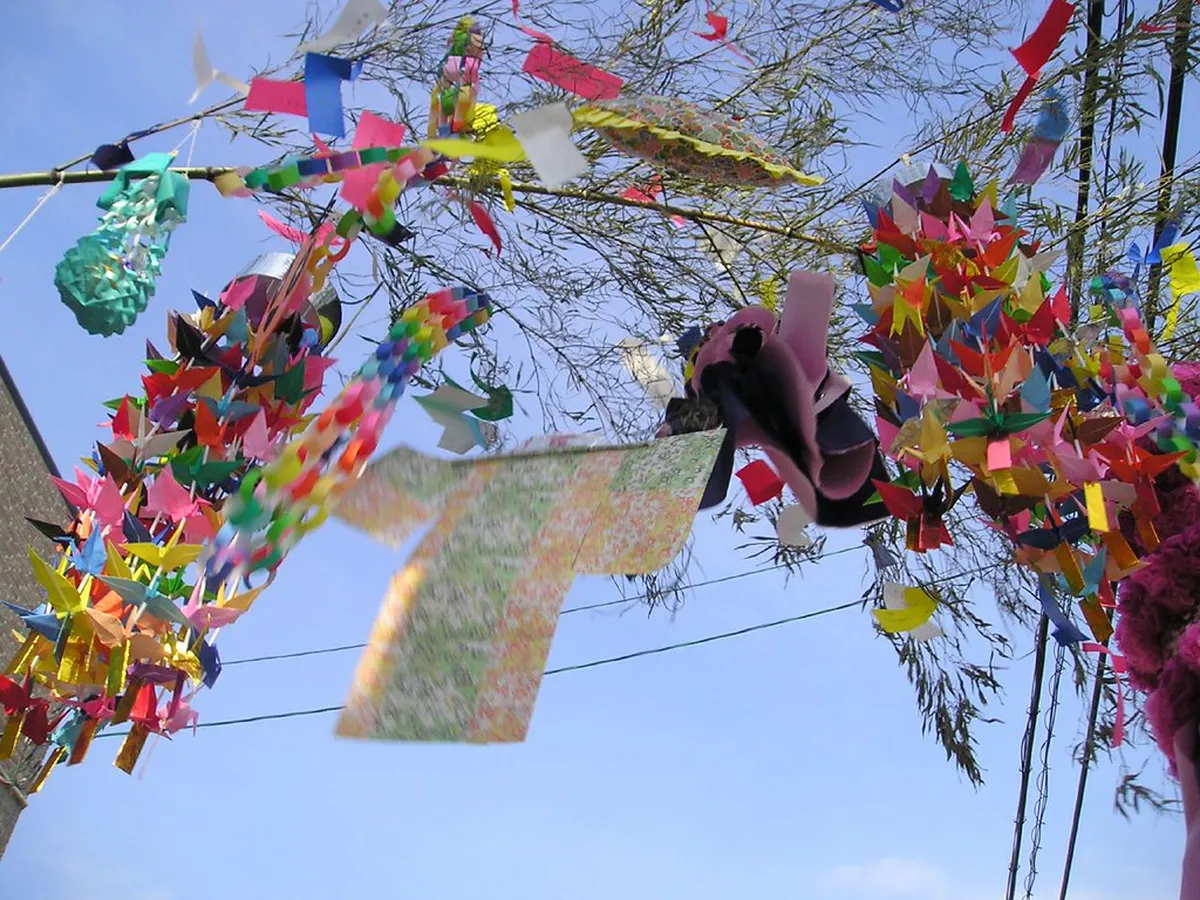
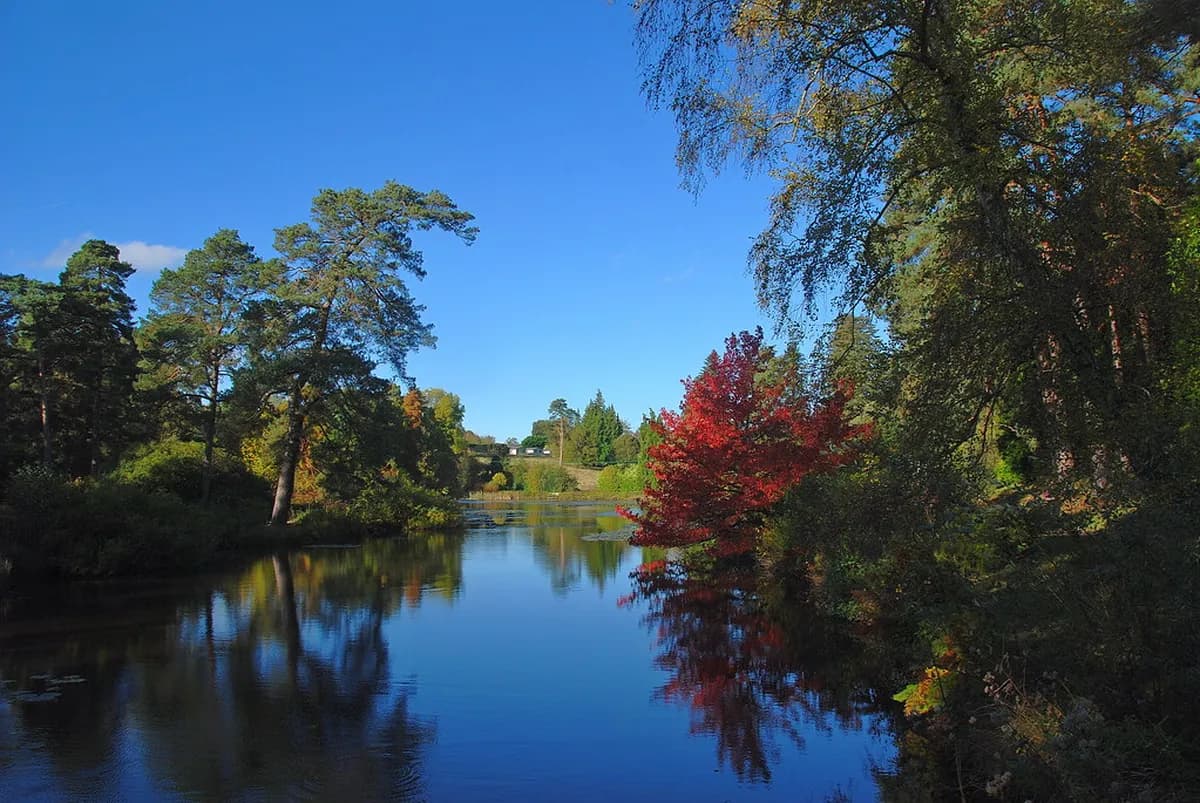
Spring brings cherry blossoms, typically from early to mid-April, transforming the city into a pink wonderland. Autumn offers stunning fall foliage, usually from late October to mid-November, particularly beautiful in nearby mountains. These natural spectacles are a major draw for many visitors. Planning around these natural events enhances your trip significantly.
Sendai Season Comparison
Each season in Sendai presents a unique charm and set of considerations for travelers. Understanding these differences helps tailor your visit to your preferences. From cherry blossoms to snow festivals, Sendai offers diverse experiences. Consider your priorities regarding weather, budget, and activities.
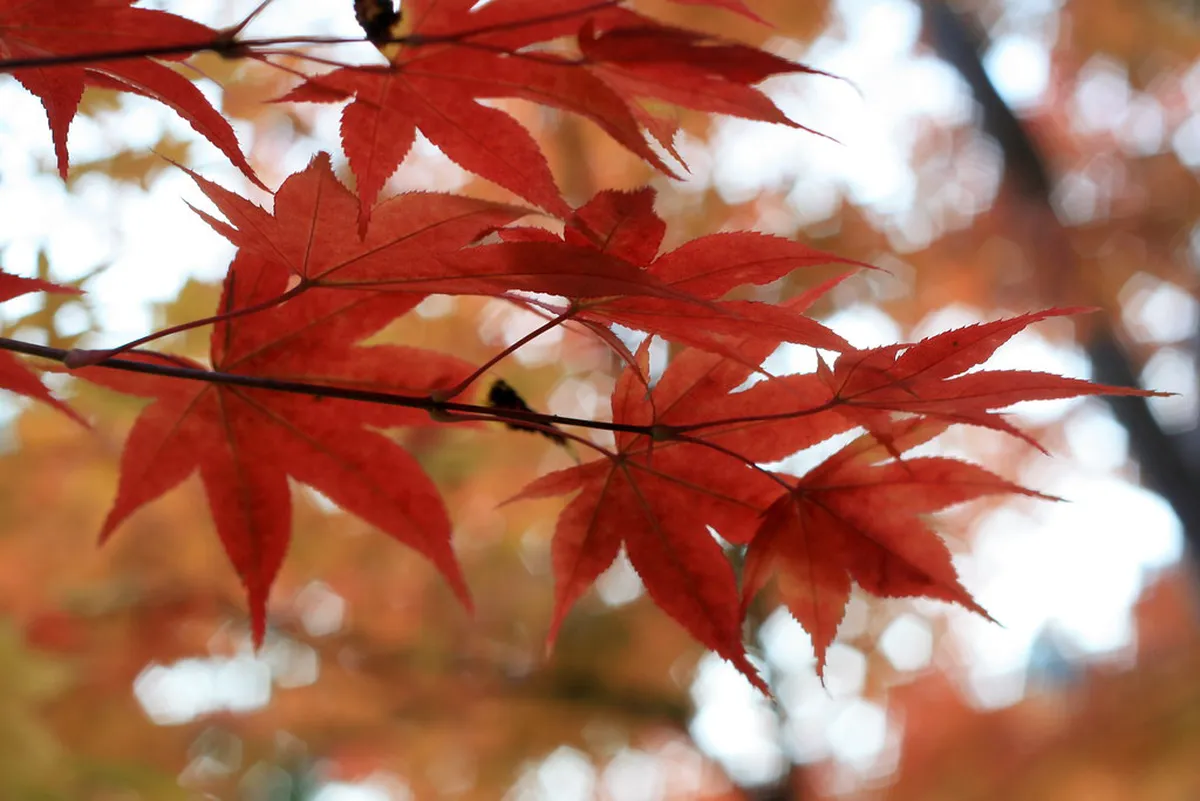
Summer, especially August, brings the famous Tanabata Festival, a spectacular display of colorful streamers. However, it also means higher temperatures and increased humidity. Winter offers serene snowscapes and access to excellent hot springs. Prices and crowd levels fluctuate significantly with the seasons.
| Season | Months | Weather | Crowds | Prices | Events | Best for |
|---|---|---|---|---|---|---|
| Spring | April to May | Mild, 10-20°C / 50-68°F, cherry blossoms in early April. | Moderate, increases during Golden Week (late April/early May). | Moderate, can be higher during Golden Week. | Sendai Aoba Matsuri (Mid-May), cherry blossom viewing. | Cherry blossoms, comfortable sightseeing, cultural festivals. |
| Summer | June to August | Warm to hot, humid, 20-30°C / 68-86°F. Typhoon season from late summer. | High, especially during August festivals. | High, particularly for accommodation. | Sendai Tanabata Festival (early August), Sumidagawa Fireworks Festival. | Festivals, vibrant city life, day trips to the coast. |
| Autumn | September to November | Cool and crisp, 15-25°C / 59-77°F, beautiful fall foliage late October/early November. | Moderate, ideal for sightseeing. | Moderate, good value. | Jozenji Street Jazz Festival (September), Donto Festival (January). | Fall foliage, hiking, comfortable sightseeing, food experiences. |
| Winter | December to March | Cold, snowy, 0-8°C / 32-46°F. Heavy snow in mountainous areas. | Low, except for ski resorts and New Year's. | Low, good deals on flights and hotels. | Sendai Pageant of Starlight (December), local winter festivals. | Winter illuminations, hot springs, skiing, snow activities. |
Pick Sendai If: Traveler Type Recommendations
Choosing the right time to visit Sendai depends greatly on your personal travel style. Each season caters to different interests and priorities. Consider what you hope to experience during your trip. This guide helps match your preferences with the best time to go.
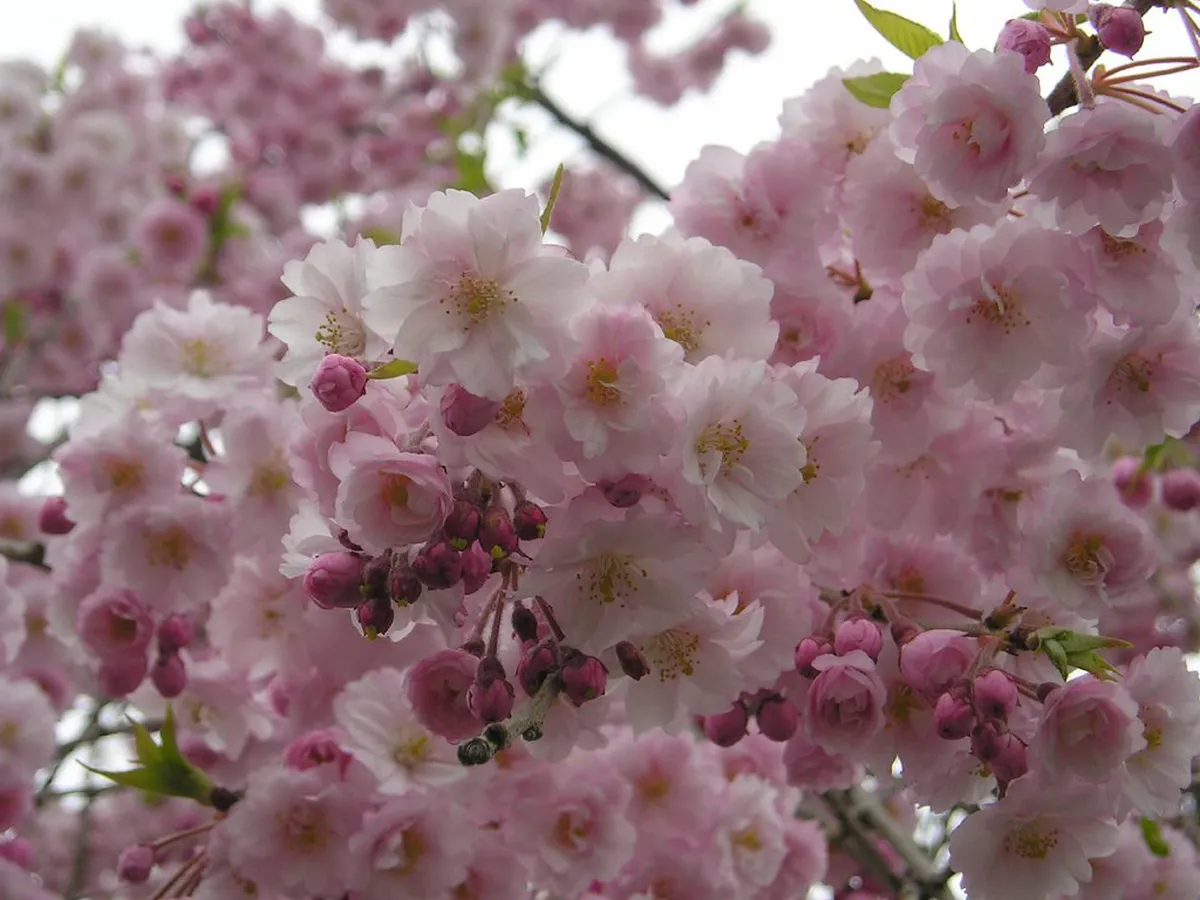
For example, budget travelers will find better deals during the winter months. Those seeking vibrant cultural experiences should aim for spring or summer festivals. Nature lovers will appreciate the stunning beauty of autumn. Families might prefer the milder temperatures of spring and early fall.
- Pick spring (April-May) if you want
- Cherry blossoms, mild weather, outdoor strolls
- Pick summer (June-August) if you want
- Vibrant festivals, lively atmosphere, warm evenings
- Pick autumn (September-November) if you want
- Stunning fall foliage, crisp air, comfortable sightseeing
- Pick winter (December-March) if you want
- Snowscapes, hot springs, fewer crowds, budget-friendly
What's Closed in Sendai's Low Season?
While Sendai remains largely open year-round, the low season, primarily winter, sees some seasonal closures. Outdoor attractions, particularly those higher in the mountains, may have limited access. For example, parts of nearby Yamadera Temple can be challenging to navigate in heavy snow. Always check specific operating hours before your visit.
Some smaller, family-run restaurants or shops, especially outside the city center, might close for extended periods. This typically occurs from January to March, particularly around the New Year holiday. Ferries to certain outer islands in Matsushima Bay may operate on reduced schedules or cease entirely. Always confirm transport options if planning coastal day trips during winter.
What to Pack for Your Sendai Trip
Packing appropriately for Sendai's distinct seasons ensures a comfortable and enjoyable trip. The weather can vary significantly, even within a single season. Always check the forecast closer to your travel dates. Layers are generally a good strategy for most times of the year.
In spring and autumn, temperatures can fluctuate between day and night. Summer demands light, breathable clothing, while winter requires serious cold-weather gear. My late September visit required a light jacket for evenings. Be prepared for potential rain showers in any season.
- Spring (April-May) packing
- Light jacket, long-sleeved shirts, comfortable walking shoes, umbrella
- Summer (June-August) packing
- Light clothing, shorts, t-shirts, wide-brimmed hat, sunscreen, insect repellent
- Autumn (September-November) packing
- Sweaters, medium-weight jacket, jeans, layers, scarf
- Winter (December-March) packing
- Heavy coat, thermal underwear, gloves, hat, waterproof boots, warm socks
Don't Leave Sendai Without Trying Gyutan
No visit to Sendai is complete without savoring its most famous local delicacy: Gyutan, or grilled beef tongue. This dish is a culinary institution, celebrated for its unique texture and rich flavor. Numerous restaurants throughout the city specialize in Gyutan. You can find variations from simple grilled slices to elaborate set meals.
While available year-round, Gyutan is a hearty meal perfect for cooler evenings. Look for specialty restaurants near Sendai Station or in the Ichibancho arcade. Many establishments offer lunch sets which provide excellent value. A popular spot is Rikyu, known for its consistent quality.
My personal experience found that even during peak festival times, getting a table for Gyutan was manageable. However, expect short waits at popular spots, especially during dinner hours. It's a must-try for any food lover exploring the city. Pair it with local sake for an authentic Sendai experience.
Experiencing Winter Delights in Sendai (December to February)
Winter in Sendai, from December to February, transforms the city into a serene, often snowy wonderland. While cold, this season offers unique experiences not found at other times of the year. The city embraces the chill with beautiful illuminations and cozy activities. It is also a great time to enjoy traditional Japanese hot springs.
The Sendai Pageant of Starlight, from early December to New Year's Eve, illuminates Jozenji-dori Avenue with thousands of LED lights. This breathtaking display creates a magical atmosphere for evening strolls. Nearby Akiu Onsen and Sakunami Onsen offer relaxing hot spring retreats. These are perfect for escaping the cold and experiencing Japanese bathing culture.
During my visit, I heard locals mention the stunning snowscapes in Matsushima Bay after a fresh snowfall. While I didn't experience it myself, pictures show a truly ethereal scene. Winter also means fewer tourists, making it an ideal time for a more peaceful visit. You can explore 15 Best Things to Do in Sendai without the summer crowds.
Early Rush at Sendai Morning Market
The Sendai Morning Market, or Sendai Asaichi, is a bustling hub of local life and fresh produce. It's often called "Sendai's Kitchen" for good reason. Visiting in the early morning offers the best selection and a lively atmosphere. The market opens around 8 AM, and the energy builds quickly.
Here you can find fresh seafood, local vegetables, fruits, and prepared foods. It's a fantastic spot to grab a quick, inexpensive breakfast or pick up snacks for your day. Try some fresh sashimi or a local bento box. The market is a sensory experience, full of sights, sounds, and delicious smells.
My visit in late September confirmed that even on a weekday, the market was vibrant. Arriving before 9 AM allowed for easy navigation and interaction with vendors. It's a great way to experience authentic local culture. Consider combining it with a visit to nearby shopping arcades.
Frequently Asked Questions
What is the best time to visit Sendai for cherry blossoms?
The best time to see cherry blossoms in Sendai is typically from early to mid-April. Peak bloom usually lasts for about a week, transforming parks and streets.
Is Sendai too hot in summer?
Sendai can be hot and humid in summer, especially from July to August, with temperatures often reaching 30°C / 86°F. However, summer also hosts the vibrant Tanabata Festival.
When is the cheapest time to visit Sendai?
The cheapest time to visit Sendai is generally during the winter months, from December to March. You can find lower prices for flights and accommodations outside of the New Year period.
What should travelers avoid when planning a trip to Sendai?
Avoid Golden Week (late April/early May) and the Obon holiday (mid-August) if you want to avoid peak crowds and higher prices. Typhoon season in late summer can also bring heavy rain.
Sendai truly offers something for every traveler, no matter the season. From the vibrant colors of spring and autumn to the unique charm of summer festivals and winter illuminations. Planning your visit around your interests and the seasonal characteristics will ensure an unforgettable experience. The city's blend of history, nature, and delicious food awaits.
Whether you seek cultural immersion, outdoor adventures, or culinary delights, Sendai delivers. Remember to book accommodations and popular activities in advance, especially during peak seasons. Embrace the local culture and enjoy all that Tohoku's capital has to offer. Your journey to Sendai will surely be a rewarding one.
Free: The Sendai Essentials guide
Top things to do, where to stay, a perfect day plan, getting around, and the best time to go — a Sendai mini-guide you can take offline.
You might also like

Continue reading
More guides you'll find useful