Aoba Matsuri Sendai: 2026 Guide to Suzume Odori, Yamaboko Floats & Sajiki Seats
Plan Aoba Matsuri Sendai with this 2026 guide: Yoi-matsuri vs Hon-matsuri schedule, Suzume Odori dance, yamaboko floats, sajiki seat prices, and access.
On this page
Last updated August 2026, this guide covers Aoba Matsuri Sendai's two-day schedule, from Saturday's Suzume Odori dance competitions to Sunday's samurai procession and yamaboko float parade. Held on the third weekend of May along zelkova-lined Jozenji-dori Avenue, the festival draws thousands of dancers and audiences from across Miyagi Prefecture. Use the breakdown below to decide between free sidewalk viewing and reserved sajiki seating before the 2026 dates arrive.
Aoba Matsuri Sendai: What the Festival Celebrates
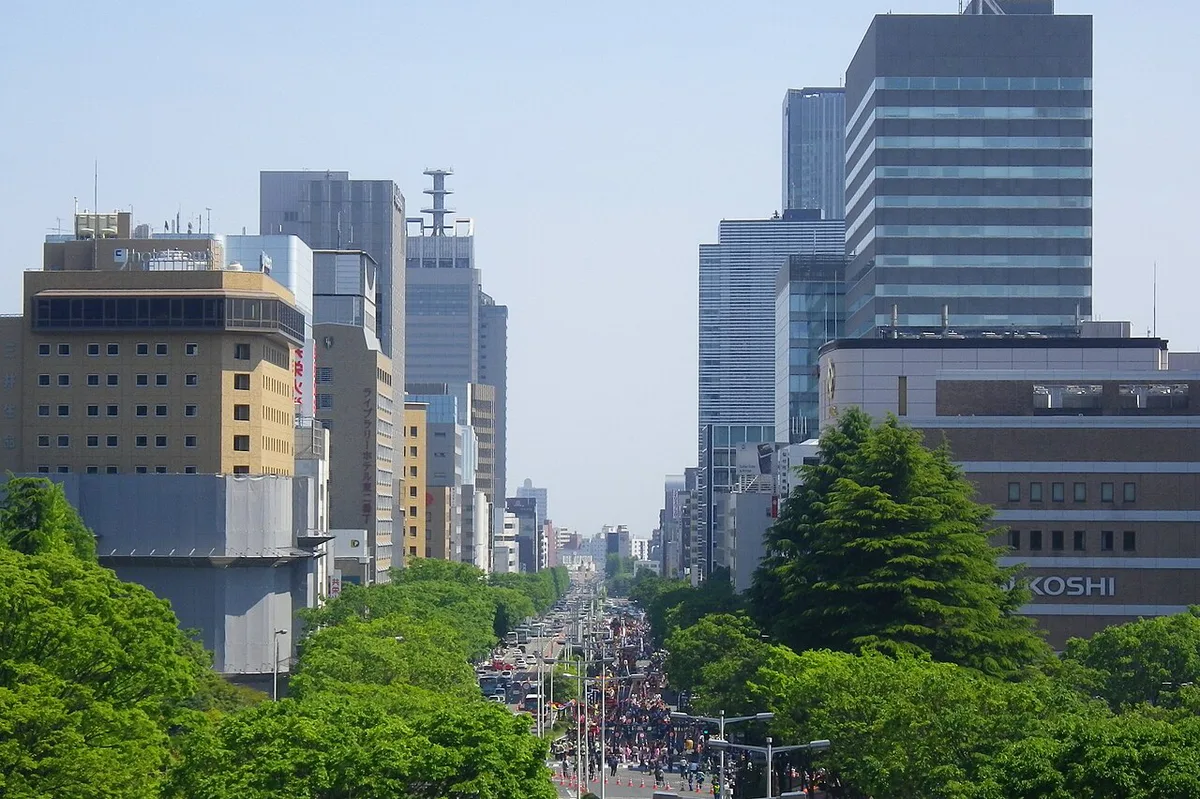
Aoba Matsuri Sendai honors Date Masamune, the daimyo who founded the city, with two days of dance, floats, and armor-clad processions each spring. The festival takes place on the third weekend of May, when Jozenji-dori Avenue's zelkova trees are in fresh leaf and the city calls itself the City of Trees. According to Discover SENDAI's festival overview, the timing falls near the anniversary of Masamune's death on May 24, 1636. The modern festival traces back to a 1655 celebration. It was revived in 1985 and has grown into an event with close to 20,000 participants across both days. Locals describe it as second only to Tanabata in scale, but with a more historical, community-driven feel than the August paper-streamer festival covered in Sendai's Tanabata festival guide. For a full rundown of what else fills the calendar, see the Sendai festivals and events overview.
Yoi-Matsuri vs Hon-Matsuri: The Two-Day Schedule
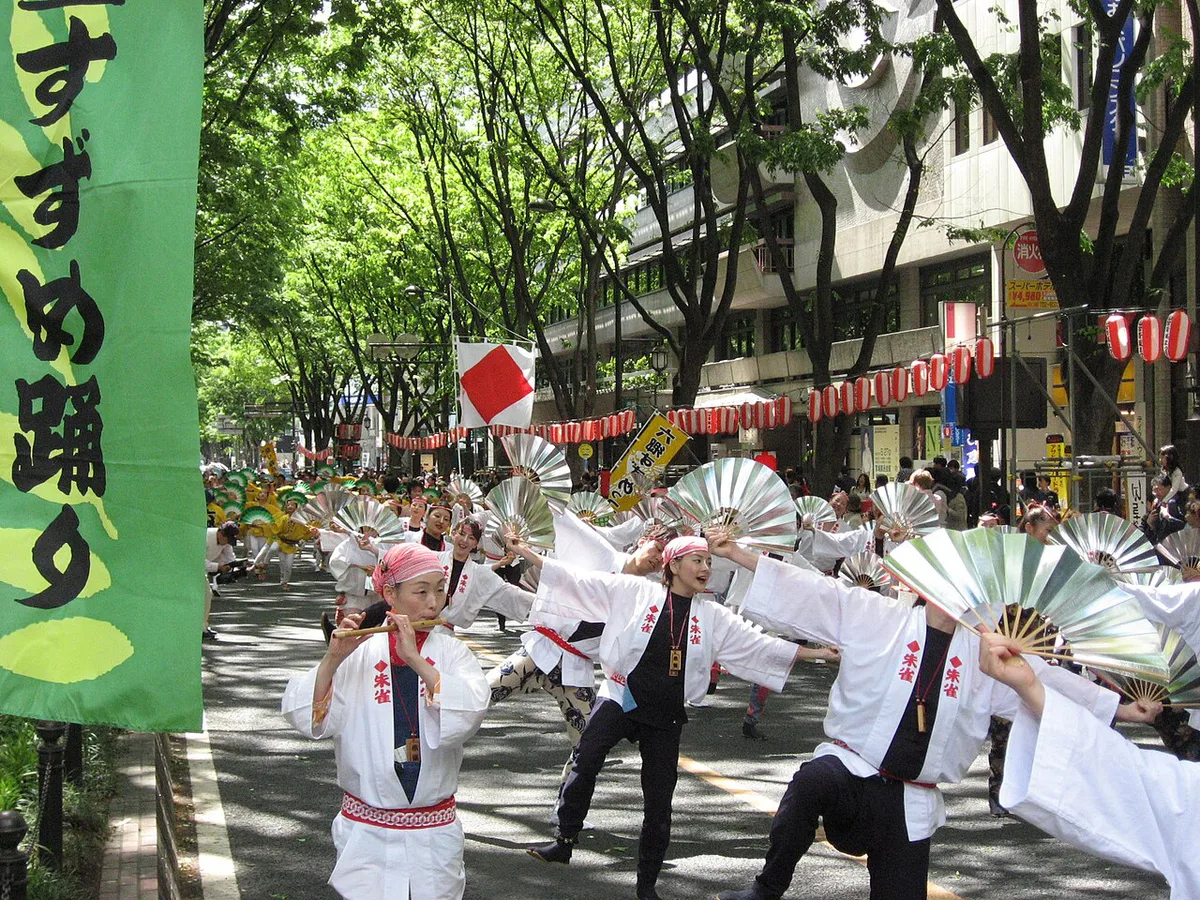
Sendai splits Aoba Matsuri into two distinct days, and many overviews blur the two together. Saturday's Yoi-matsuri (eve festival) centers on Suzume Odori dance competitions, with roughly 5,000 dancers performing across downtown Sendai. After dark, illuminated Yoiyamaboko floats parade along Jozenji-dori Avenue. Three of these floats are dedicated tributes to the 2011 Great East Japan Earthquake. Sunday's Hon-matsuri (main festival) is the larger event. Its procession runs about 2.4km through central Sendai. That route carries the Aoba-jinja Shrine mikoshi alongside eleven to twelve yamaboko floats. Organizers confirm the exact float count closer to each year's dates. Festival materials describe the Sunday parade as a historical picture scroll come to life, blending mikoshi, floats, and armor in one procession. If only one day fits the schedule, Sunday delivers the samurai procession and the full float parade in daytime light. Saturday suits travelers who prioritize dance performances and evening illumination over the historical procession.
| Day | Festival Name | Highlights |
|---|---|---|
| Saturday | Yoi-matsuri (eve festival) | Suzume Odori dance competitions citywide; illuminated Yoiyamaboko floats parade Jozenji-dori after dark |
| Sunday | Hon-matsuri (main festival) | 2.4km procession with the Date Bushotai samurai performers, Aoba-jinja mikoshi, and 11-12 yamaboko floats |
Suzume Odori: The Sparrow Dance's Stonemason Origins
The Suzume Odori, or sparrow dance, traces back to 1603, when stonemasons celebrated finishing Aoba Castle with an improvised dance. Per Discover SENDAI, the small hopping steps echo a sparrow's movements, and the sparrow motif ties directly to one of the Date family's crests. Dancers flick folded fans that resemble wings while drums, flutes, and cymbals set the tempo. Saturday's competitions gather teams from schools, companies, and community groups, and spectators can join informal dancing sessions on the day. Past international exchanges have brought the dance to cities such as Sao Paulo, Rome, and Beijing.
The Samurai Procession and Yamaboko Floats
Sunday's procession recreates Date Masamune's departure from Aoba Castle, beginning near Sendai Station with companies of archers, spear-bearers, and musketeers. Matchlock gun demonstrations punctuate the march. Each following group wears armor tied to a different period of Masamune's life, according to Discover SENDAI's account of the procession. The eleven-to-twelve yamaboko floats that follow stand around 6 meters tall. Each weighs close to 6 tons and is built in red or black lacquer with gilded ornamentation. Riders on top play instruments while citizen teams pull the float through central Sendai. Companies sponsor some floats, and special guests such as the city's mayor sometimes ride along. The Masamune Ko Kabuto Yamaboko is the float to watch for: it carries a large replica of Masamune's crescent-moon helmet. Other floats depict figures such as the fortune god Ebisu.
Sunday's massive yamaboko floats stand around 6 meters tall and weigh close to 6 tons, contrasting with Saturday's illuminated floats, which are paraded during evening hours, offering distinct float experiences across the two days.
Sajiki Seats vs Free Viewing: What It Costs
Standing along Jozenji-dori Avenue's sidewalk is free, and it is the default choice for most visitors watching Suzume Odori or the yamaboko parade go past. Reserved sajiki seating adds a guaranteed sightline and a place to sit through a multi-hour program. Recent pricing for international visitors ranged from about ¥1,000 to ¥60,000 depending on day, session, and seat tier, as shown below. For most first-time visitors, sidewalk viewing along Jozenji-dori delivers clear sightlines on Sunday without any payment. Sajiki seating pays off mainly for travelers who prioritize comfort or a guaranteed spot during peak crowd hours. Seats are sold online through the official Ticket Pia inbound booking site on a first-come, first-served basis. Buyers must print physical tickets at any 7-Eleven store in Japan before heading to the venue. Bring the printed ticket to the gate. Digital confirmations alone are not accepted. Budget for an additional handling charge and an English-language service fee of roughly ¥950 per transaction. Children under 3 sit free on an adult's lap. Travelers who would rather spend nothing on seating can pair the free sidewalk option with the free-admission activities covered in Sendai's free things to do guide.
Sunday's parade peaks from roughly noon to 4:00 p.m., when arriving early secures a free sidewalk spot, whereas reserved sajiki seats guarantee seating throughout the procession.
| Day & Session | Seat Tier | Price |
|---|---|---|
| Saturday day (1:00-4:00 p.m.) | SS table, seats 4, incl. gifts | ¥40,000 |
| Saturday night (4:30-8:00 p.m.) | SS table, seats 4, incl. gifts | ¥60,000 |
| Saturday day | A seat (front row) | ¥1,500 |
| Saturday night | A seat (front row) | ¥3,500 |
| Saturday day | B seat (second row) | ¥1,000 |
| Saturday night | B seat (second row) | ¥3,000 |
| Sunday (12:00-4:00 p.m.) | SB seat, front row for matchlock demo | ¥4,500 |
| Sunday | A seat (front row) | ¥4,000 |
| Sunday | B seat (second row) | ¥3,500 |
Getting to Jozenji-dori Avenue and Kotodai Park
Central Sendai gets crowded during both festival days, and the subway is usually the simplest way in. Kotodai Park functions as a practical home base for the weekend, sitting next to the subway station and within walking distance of most festival activity. Parking near Jozenji-dori Avenue fills quickly on festival weekends, so drivers should plan for a walk from any available lot. For a broader primer on the subway, bus, and sightseeing loop network, see Sendai's public transit guide.
- JR Sendai Station: about a 20-minute walk to the festival area
- Kotodai-koen Station (Namboku Line): a short walk to the main festival grounds
- Sendai Airport by car: roughly 40 minutes
- Sendai-Miyagi Interchange by car: roughly 15 minutes
Where to Stay, Eat, and Photograph the Festival
Hotels near JR Sendai Station offer the easiest transit connections, especially since festival weekends draw heavy demand. Ichibancho, Sendai's central shopping arcade, sits closer to Jozenji-dori Avenue and suits travelers who want a short walk to both festival days' events. Full comparisons of neighborhoods and price ranges are in Sendai's hotel guide. Food stalls fill Kotodai Park throughout the weekend alongside the dance and float viewing areas. Downtown Sendai's museums and restaurants sit within walking distance of the festival grounds, useful for filling the gap between Saturday and Sunday events. Jozenji-dori Avenue's zelkova canopy filters afternoon light onto the parade, creating natural backlight for photos of armor and floats around midday on Sunday. Most travelers pair Aoba Matsuri with a wider Sendai itinerary. Sendai's trip-length guide covers how many days to budget beyond the festival weekend itself. For general trip-planning resources, consult the official Sendai tourism guide.
Mistakes to Avoid and Local Tips
Sunday's parade window, roughly noon to 4:00 p.m., is when Jozenji-dori Avenue gets busiest. Arrive early if a specific viewing spot matters. Travelers who booked sajiki seats online should confirm their 7-Eleven pickup before the festival, since a printed ticket is required at the gate. Mid-May in Sendai brings breezy conditions and the occasional pass of light rain typical of Japan's early-greenery season. Pack a compact layer and a collapsible umbrella. Comfortable shoes matter more than any accessory, since standing sections involve hours on pavement with limited seating. Check Sendai's best-time-to-visit guide for what else to expect from the city's spring weather pattern.
Beyond Aoba Matsuri: Sendai's Festival Calendar
Aoba Matsuri opens Sendai's festival calendar each spring, and three other events round out the year. August brings the city's largest celebration, detailed in Sendai's Tanabata festival guide. The official Tanabata festival site publishes each year's exact dates for the paper-streamer displays across the shopping arcades. Midsummer also brings the Michinoku Yosakoi Matsuri, a separate dance festival covered in Sendai's Yosakoi festival guide. Winter closes the year with illuminated trees downtown, covered in Sendai's Pageant of Starlight guide. Together, the four festivals give returning visitors a reason to plan a Sendai trip around a different season each time.
Frequently Asked Questions
When is Aoba Matsuri Sendai held in 2026?
Dates for the 2026 festival run Saturday, May 16, through Sunday, May 17. This falls on the third weekend of May, the festival's usual annual slot.
What is the difference between Yoi-matsuri and Hon-matsuri?
Yoi-matsuri is Saturday's eve festival, built around Suzume Odori dance competitions and evening illuminated floats. Hon-matsuri is Sunday's main event, featuring the samurai procession, the Aoba-jinja mikoshi, and the full yamaboko float parade.
Do you need a ticket to watch Aoba Matsuri?
No, standing along Jozenji-dori Avenue's sidewalk is free for both festival days. Reserved sajiki seating is optional and adds a guaranteed seat, with prices that have ranged from roughly ¥1,000 to ¥60,000 depending on day, session, and tier.
How do you get to the festival from JR Sendai Station?
Walking from JR Sendai Station to the festival area takes about 20 minutes. Alternatively, the Namboku subway line's Kotodai-koen Station sits within a short walk of the main festival grounds.
How many yamaboko floats appear in the parade?
Organizers have listed eleven yamaboko floats in recent years, though some sources cite twelve for the current lineup. Confirm the exact count on the festival's official announcements close to your travel dates.
Is Aoba Matsuri bigger than Sendai Tanabata?
Tanabata remains Sendai's largest festival by scale, held every August with citywide paper-streamer displays. Aoba Matsuri is smaller and more historical in feel, centered on Date-clan traditions each May.
What should you wear to Aoba Matsuri?
Plan for breezy mid-May conditions and possible light rain typical of Japan's early-greenery season. Comfortable walking shoes matter most, since standing viewing areas involve hours on pavement.
Free: The Sendai Essentials guide
Top things to do, where to stay, a perfect day plan, getting around, and the best time to go — a Sendai mini-guide you can take offline.
You might also like


Continue reading
More guides you'll find useful