Jogi Abura-age Guide: Sendai's Famous Triangular Fried Tofu
Discover Jogi abura-age, Sendai's triangular double-fried tofu. Learn the bus route to Teigi Tofu Shop near Saihoji Temple, what to budget, and how locals eat it.
On this page
Last updated August 2026. Jogi abura-age from Sendai is a thick, triangular, double-fried tofu made fresh in the temple town below Saihoji Temple, about eighty minutes outside central Sendai by bus. Locals treat it as soul food rather than a souvenir shelf item, and the version eaten hot at the source tastes different from anything sold back in the city. This guide covers the shop, the bus route, the local seasoning ritual, and whether the round trip earns its place on a Sendai itinerary.
What Is Jogi Abura-age From Sendai?
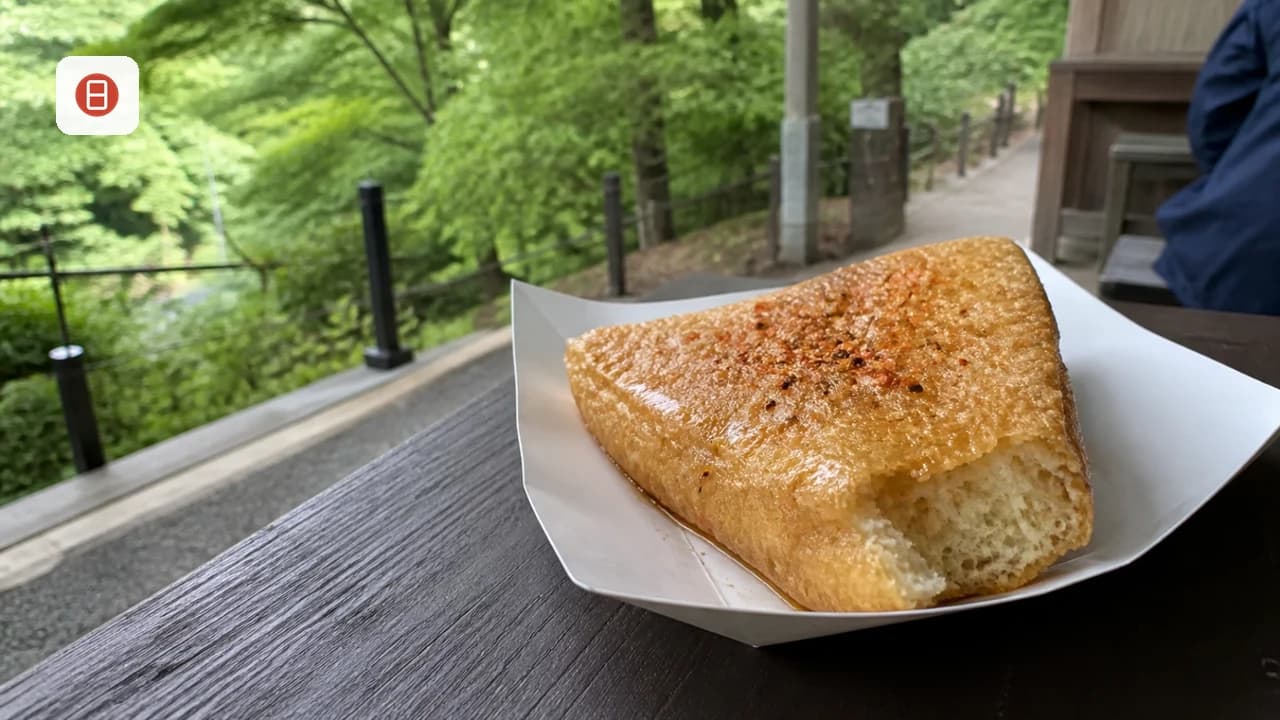
Jogi abura-age is a thick, triangular block of double-fried tofu made in the temple town at the foot of Saihoji Temple, in Aoba Ward on the western edge of Sendai. Residents call the area Jogi-san and treat the tofu as everyday soul food, not a festival treat. Search listings and travel write-ups also render the name as Sankaku Teigi Aburaage, an alternate romanization of the same characters. Shape is what sets it apart: standard abura-age is thin and flat, while this version is a solid triangular wedge with a crisp shell and a steaming interior. It has operated for more than 120 years at the same spot, and it remains one of the few Sendai foods locals travel out of the city center to eat fresh. It sits alongside other specialties covered in the broader 9 Must-Try Foods: What to Eat in Sendai Food Guide (2026), as one of the city's more specific, single-dish day trips.
Teigi Tofu Shop: The Source at Saihoji Temple
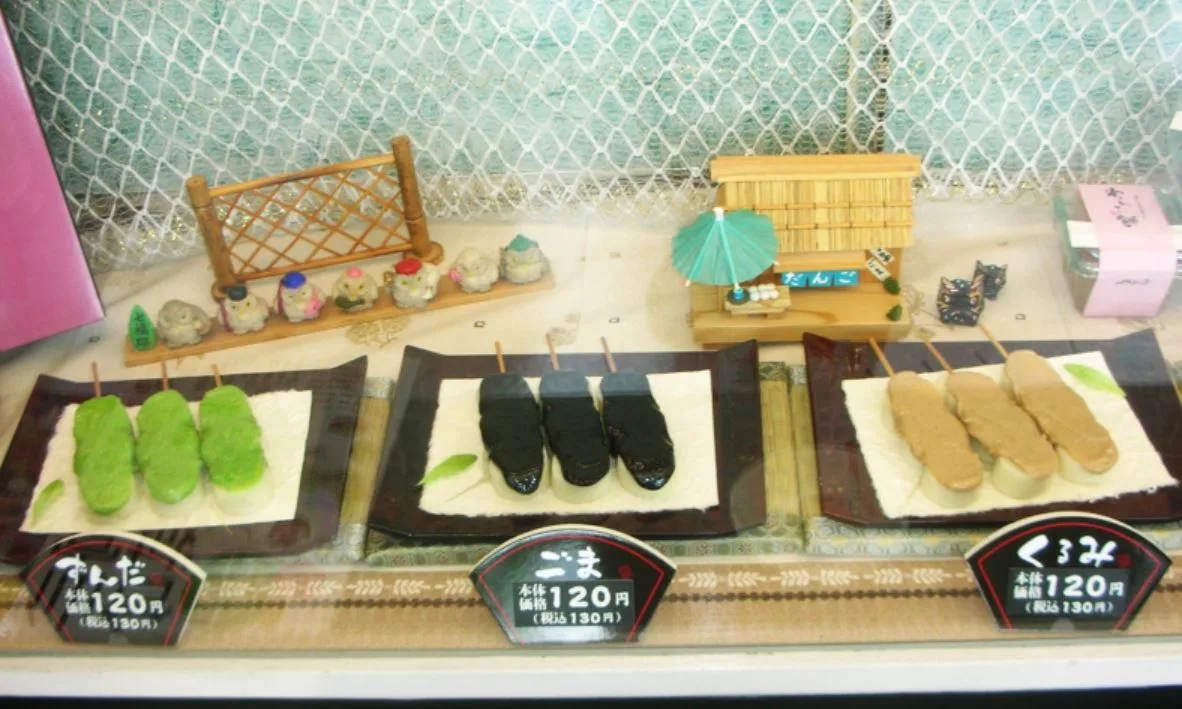
This shop sits directly in the temple town below Saihoji Temple and traces its business back to tofu made for vegetarian offerings to Jogi Nyorai, the temple's principal Amida Buddha statue. Older references call it Jogi Tofu Shop, while newer travel write-ups romanize the same name as Teigi Tofu Shop. Both point to a single shop at the base of the mountain. The shop's proximity to the temple's original vegetarian kitchen is part of why residents consider the tofu tied to the temple itself, not just a nearby business. Buying it here, straight from the fryer, differs from picking up a packaged piece at a Sendai supermarket or souvenir counter. Fresh from the fryer, it arrives hot with a shell that still crackles, packaged for eating on the spot rather than for a shelf.
How to Eat Jogi Abura-age Like a Local
The connoisseur's method skips utensils entirely. Despite being deep-fried in plenty of oil, the result is not greasy. Its crust stays crisp for the first few minutes, then gives way to a soft, juicy interior that holds its own heat. That contrast between crunch and steam is why locals treat it as a snack worth a special trip, not something to reheat later. This is a snack meant to be eaten within minutes of purchase, not carried around for later, which is part of why the fresh-at-the-source version gets so much attention.
- Poke a hole or tear a corner into the block to open the interior.
- Pour in soy sauce so it soaks into the tofu instead of just coating the crust.
- Add shichimi togarashi, or ask about garlic chili if it's offered, for a local kick.
- Eat it by hand, straight from the container, while the crust is still crisp.
Saihoji Temple and the Legend Behind Jogi Nyorai
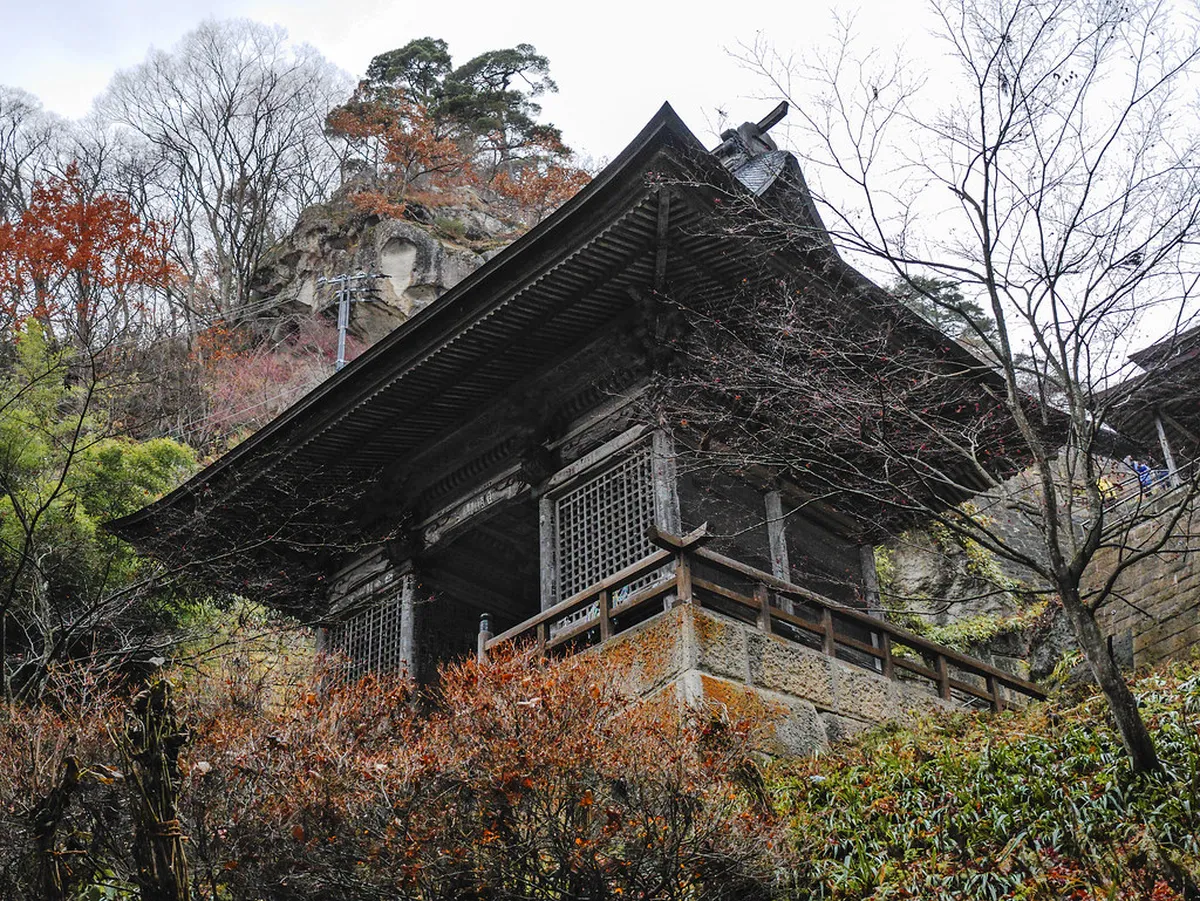
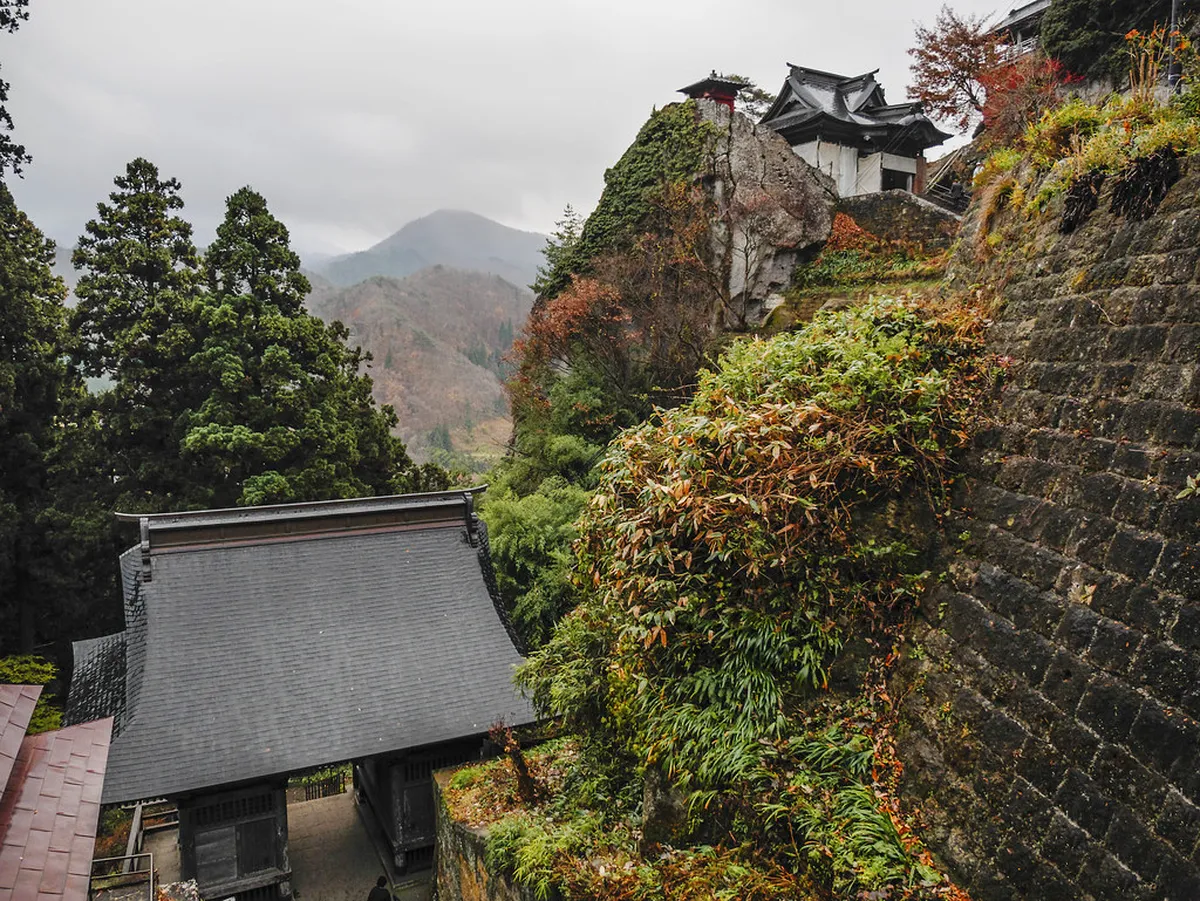
Saihoji Temple's full name is Gokurakuzan Saihoji Temple, though almost nobody uses it. Local legend traces the site to Taira no Sadayoshi, a governor of Higo Province and retainer to Taira no Shigemori during the Heike clan's defeat. After the clan's final loss, Sadayoshi is said to have fled north into the Tohoku region, carrying an Amida Buddha statue entrusted to him by Shigemori. He named the statue Jogi Nyorai, and the mountain took the same name. Historically, the correct pronunciation is actually closer to Joge, not Jogi. A sub-temple on the mountain still uses characters read as Joge, and maps drawn by the Allied occupation after World War II also spelled it JOGE. Government signage and tourism materials now standardize on Jogi, but longtime Sendai residents often still say Joge, so expect to hear both. Temple grounds include a five-story pagoda, and Saihoji Temple has a local reputation as a matchmaking site worth knowing about before you plan how long to stay. Visitors sometimes combine a stop at the pagoda with time at the main hall, though exact visiting hours are best confirmed directly with the temple. The grounds pair naturally with a broader look at the city's landmarks in the Sendai attractions guide.
Getting From Sendai Station to Jogi
Reaching Jogi from central Sendai means committing to a full bus journey, not a quick side trip. Take the number 844 bus from Sendai Station Bus Pool, boarding at bus stop 10. Travel time runs close to 80 minutes each way, so budget roughly three hours for the round trip before counting time at the shop or temple. There is no train line into Jogi, which makes this one of the few Sendai-area food trips built entirely around a single bus route. Because the trip runs on one bus line, it suits visitors without a rental car and slots into a broader car-free Sendai itinerary built around public transit. There is no direct connection from other Sendai attractions, so plan Jogi as a dedicated leg of the day rather than a stop between other sights.
- Board: Sendai Station Bus Pool, bus stop 10
- Route: number 844 bus toward Jogi
- One-way travel time: about 80 minutes
- Round trip time budget: roughly 3 hours, door to door
Costs, Hours, and Timing Your Visit
No official source reviewed for this guide lists a fixed per-piece price for Jogi abura-age online. Treat it as priced in the same low-cost bracket as a grilled gyutan skewer or a small zunda mochi snack, not a sit-down meal. Call the temple office at 022-393-2011 to ask about current shop hours before you go. Shop hours run on their own schedule, tied to temple visiting hours, so the two do not always match. Weekends carry a real risk: freshly fried batches can sell out earlier than on weekdays. Arrive earlier in the day rather than after lunch to avoid missing out. Jogi sits in a mountainous pocket west of central Sendai and runs noticeably colder than the city center, especially in winter. That cold is part of the appeal: locals treat the hot, fresh tofu as a winter warm-up snack during Sendai's snowy months. Temple grounds also involve some walking and a number of steps, so plan accordingly if mobility is a concern.
Fresh batches often sell out earlier on weekends than weekdays; locals confirm availability at 022-393-2011 beforehand since the long bus journey makes arriving to depleted stock an especially costly mistake.
Jogi Abura-age vs. Standard Tofu
Most abura-age sold in Japan is thin, cut for miso soup or wrapped around rice as inari sushi. Jogi abura-age flips that ratio: it is thick enough to hold a distinct crisp shell around a solid, steaming core instead of turning uniformly chewy. Its triangular cut, known locally as sankaku, also matters for eating it by hand. Its wide base gives a flat surface to hold, while the point is the first bite, so tearing open a corner and pouring in soy sauce actually works. A flat, thin sheet of standard abura-age would not hold shichimi and soy sauce the same way, and it would cool and go limp long before a bus ride back to Sendai Station. That difference is also why packaged, cooled pieces sold as souvenirs taste noticeably different from a fresh, hot piece eaten steps from the fryer.
The thick shape that makes Jogi abura-age crispy and delicious when fresh becomes limp before the 80-minute bus ride back to Sendai Station, which is why locals insist on eating it moments from the fryer rather than taking it home.
Is the Detour to Jogi Worth It?
A three-hour round trip for a single snack is a genuine commitment, and it will not suit a tightly packed one-day Sendai itinerary. Weigh the bus commitment against what else fills the day, since three hours takes up a larger share of a single day than it would on a multi-day stay. It fits better on a slower visit, ideally paired with another stop in the same direction, such as the Nikka Whisky Sendai Factory. Check current tour and tasting availability before building a combined day around it. Anyone comparing this against Sendai's other signature dishes should weigh it against the rest of the city's food scene. Grilled beef tongue has its own dedicated gyutan guide for a faster, central-Sendai alternative. A winter visit pairs naturally with the seri nabe hot pot guide, since both are cold-weather Sendai specialties. Sweeter tastes are better served by the zunda sweets guide, and seafood-focused plans should check the Sanriku seafood guide instead. For most visitors, Jogi earns its place only once the rest of a Sendai trip is already mapped out.
Frequently Asked Questions
What is Jogi abura-age?
Jogi abura-age is a thick, triangular block of double-fried tofu made in the temple town below Saihoji Temple, in Aoba Ward. Locals treat it as everyday soul food rather than a treat reserved for visitors.
How do you get from Sendai Station to Jogi?
Board the number 844 bus at bus stop 10 in the Sendai Station Bus Pool. The ride runs close to 80 minutes each way, so plan for about three hours round trip.
Is it pronounced Jogi or Joge?
Both are used locally. Historical readings and postwar maps point to Joge, but modern signage, government offices, and tourism materials now standardize on Jogi.
Can you buy Jogi abura-age anywhere in central Sendai?
It is sold at the source shop near Saihoji Temple, including packaged pieces meant as souvenirs. Confirm current stock and hours by phone before the trip, since fresh batches can sell out on weekends.
What else is nearby to make the trip worthwhile?
Consider pairing it with the Nikka Whisky Sendai Factory, listed as a nearby stop in local no-car itineraries. Check current tour availability first, then treat Jogi as a dedicated half-day addition rather than a quick stop.
Free: The Sendai Essentials guide
Top things to do, where to stay, a perfect day plan, getting around, and the best time to go — a Sendai mini-guide you can take offline.
You might also like

Continue reading
More guides you'll find useful