Michinoku Yosakoi Festival Sendai: 2026 Dates, Parade Route & Visitor Guide
Plan Sendai's Michinoku Yosakoi Festival: 2026 dates, the Jozenji-dori parade, admission costs, and access via the Sendai Subway.
On this page
Last updated August 2026, here's what to know about the Michinoku Yosakoi Festival Sendai hosts each October. Costumed teams perform choreographed yosakoi routines with naruko clappers across multiple city stages, then close the weekend with a parade down Jozenji-dori Avenue. Use the sections below to pick a day, budget for admission, and fit the festival into a broader Sendai trip.
What Is the Michinoku Yosakoi Festival in Sendai?
The Michinoku Yosakoi Festival brings costumed dance teams to stages and streets across central Sendai every October. Teams perform choreographed yosakoi routines while shaking naruko, small wooden clappers that mark the rhythm. Music ranges from traditional folk melodies to rock, and costumes range from classic kimono-style dress to modern flowing designs. Michinoku is a classical name for Japan's Tohoku region, tying the festival's name to the broader area it represents. Discover Sendai's festival guide describes it as one of the city's largest autumn events, and it has run for more than 25 years. Dozens of teams from Tohoku and beyond compete, making it one of Japan's largest yosakoi festivals. Pandemic-era cancellations forced a four-year pause, and the festival returned in October 2022. It has continued on its autumn schedule in the years since, drawing teams from across the Tohoku region and beyond. Free standing areas make the event accessible to visitors of all ages and budgets.
When It Happens: 2026 Dates & Why the Date Moves Each Year
Organizers have listed specific 2026 dates and hours, shown in the table below. Hours differ slightly by venue, since each stage runs its own set schedule within those windows. Arriving close to the listed start time gives the best chance of open standing space near a preferred stage. Sendai holds the festival on the weekend nearest Health and Sports Day, a national holiday in early October. That pattern is why the exact weekend shifts from year to year rather than landing on a fixed date. Weather in early October in Sendai tends to be mild, but evenings can turn cool after sunset. Confirm current dates and hours directly with the festival organizers before booking travel, since third-party event pages sometimes lag behind the latest schedule. Early bookings for nearby accommodation typically open several months before the confirmed festival weekend. For a broader look at when to schedule a Sendai trip around this and other events, see the Best Time To Visit Sendai: Your Ultimate Travel Guide guide.
| Day | Date | Focus | Approximate Hours |
|---|---|---|---|
| Day 1 | Saturday, October 10, 2026 | Stage competitions citywide | 10:00–20:30 |
| Day 2 | Sunday, October 11, 2026 | Jozenji-dori parade | 9:30–20:30 |
Day 1 vs. Day 2: Stage Performances vs. the Jozenji-dori Parade
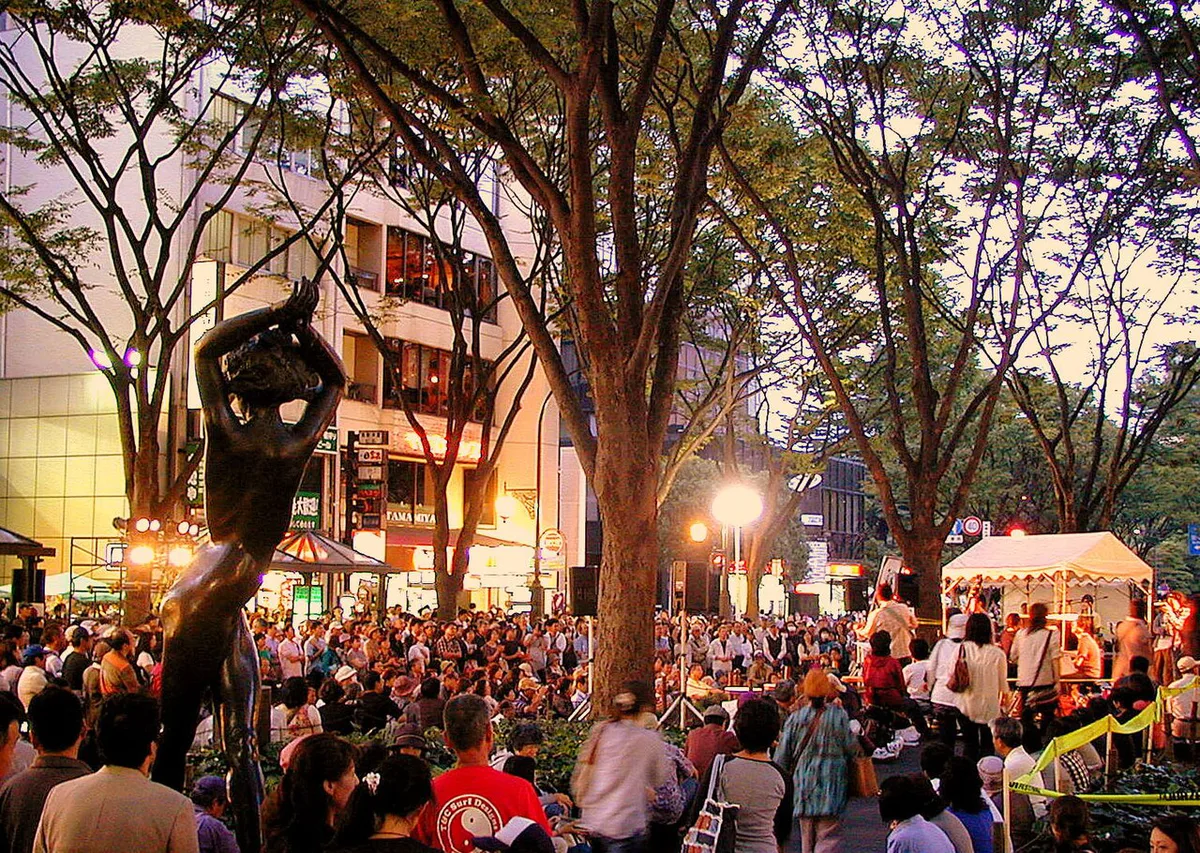
Stage competitions concentrate near Kotodai Park on Day 1, with teams rotating through set time slots. Visitors can walk between stages and catch several different teams within a few hours. The parade takes over Day 2, moving along Jozenji-dori Avenue as every competing team marches in sequence. Both days run rain or shine, so pack for changeable early-October weather regardless of which day you pick. Parade-day crowds along Jozenji-dori tend to run denser than stage-day crowds near Kotodai Park. Photographers often prefer Day 2, since the moving parade offers continuous action shots along one route. Choose Day 1 for flexible, stage-hopping viewing, and choose Day 2 for one continuous procession you can watch from a single spot. If a schedule allows only one day, decide based on whether variety or spectacle matters more for the visit.
- Day 1 (stage rounds): flexible, walk between multiple stages, easier with kids or limited mobility.
- Day 2 (Jozenji-dori parade): one sustained procession, best for a single dramatic viewing spot.
Where to Watch: Kotodai Park & the Parade Route
Kotodai Park sits at 3-9-8 Honcho, Aoba-ku, and serves as the main stage hub on Day 1. Several additional stages are set up around downtown Sendai for the same competitions. Jozenji-dori Avenue, a tree-lined boulevard through central Sendai, hosts the Day 2 parade route. Spectators typically line both sides of the avenue, so arriving early secures a clearer sightline. Central Sendai stays walkable between the park and the avenue, which makes it possible to sample both settings across the weekend. Both settings sit within Aoba-ku, Sendai's central ward, keeping logistics simple for a single-day visit. Kotodai Park functions as a public park and civic square outside festival dates, so it never fully closes to pedestrian traffic. Confirm exact stage locations closer to the date, since smaller stages can shift slightly year to year.
Getting There: Access & Transit
Kotodai-koen Station on the Sendai Subway Namboku Line sits about a 1-minute walk from Kotodai Park. That makes it the most direct stop for reaching the Day 1 stage hub. Because stages and the parade route spread across downtown, stations on the Tozai Line also put you within walking distance of several venues. Budget extra time on Day 2, since Jozenji-dori crowds slow foot traffic near the parade route. Sendai's subway network runs frequently throughout the festival weekend, though trains can get crowded right after evening performances end. Walking between Kotodai Park and Jozenji-dori Avenue is realistic for most visitors, since both sit in central Sendai. Standard IC transit cards work across the Sendai Subway, so no special ticket is needed for festival travel. For subway maps, fare details, and other ways to move around the city, check the Getting Around Sendai: Your Complete Transportation Guide guide.
Admission: Free Viewing vs. Paid Seating
Standing-room viewing along the stages and parade route has no admission fee. Recent published information also lists reserved seating in the Citizens' Square area priced between ¥500 and ¥4,000, depending on the seat. Guaranteed sightlines along Jozenji-dori suit visitors who choose reserved tickets over standing room. Flexible movement between multiple stages suits the standing-viewing option well. Since the festival's free standing viewing costs nothing, it pairs naturally with a day built around other 10 Free Things to Do in Sendai: Your 2026 Travel Guide. Families or larger groups often default to standing viewing simply to avoid per-seat reserved pricing. Reserved seating is limited to the Citizens' Square area, while standing room extends along the wider route.
Reserved seating ranges ¥500–¥4,000 in Citizens' Square, but many vendors don't accept cards; bring cash for seating and food stalls.
- Standing viewing (stages and parade route): free
- Reserved seating, Citizens' Square area: ¥500–¥4,000 depending on seat
What to Expect: Teams, Costumes, Naruko & Music
Each team performs a choreographed routine built around naruko, the small wooden clappers that give yosakoi its signature rhythm. Costumes range from flowing, kimono-inspired designs to modern athletic wear, changing team by team. Backing music blends traditional Tohoku folk melodies with contemporary rock arrangements. Individual teams have included more than 50 dancers apiece in past years, moving in synchronized formations across the stage or parade route. Some performers spin flags and add acrobatic flourishes on top of the core naruko choreography. Stage-day performances run as a judged competition among participating teams, while the Day 2 parade is non-competitive and celebratory. Watching more than one team highlights how differently each group interprets the same basic naruko rhythm.
How Many Days to Budget & Where to Stay
A single festival day covers either the stage rounds or the parade, but pairing both takes a full weekend. Many visitors add one or two extra days for central Sendai sights, castle ruins, and the surrounding Miyagi coast. Extending the stay by even one extra day allows time to see both festival days without rushing between venues. For a fuller framework on trip length, see the How Many Days in Sendai? Itineraries & Travel Guide guide. Hotel demand rises during the festival weekend, since it draws visitors from across Tohoku. Weekday visits before or after the festival weekend tend to see thinner crowds at central sights. Central hotels within walking distance of Kotodai Park cut down on subway transfers during the festival weekend. Combining the festival weekend with nearby Miyagi attractions like Matsushima Bay rounds out a longer visit. Booking early and checking the Discover the Best Hotels in Sendai for Every Traveler guide helps secure a central location within walking distance of Kotodai Park.
The festival restarted in October 2022 and continues drawing teams from Tohoku region, making early hotel booking essential during the festival weekend.
Pair It With: Other Sendai Festivals
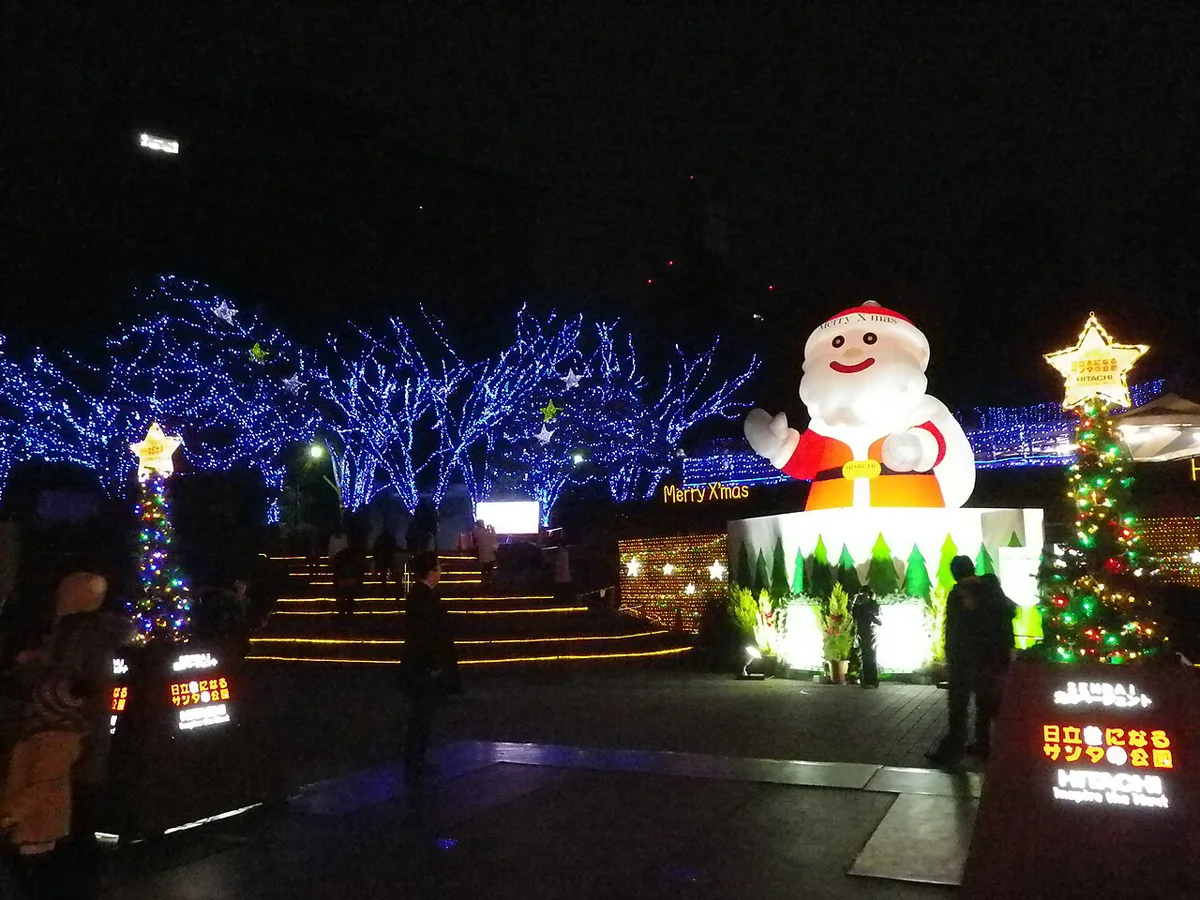
Sendai runs a full calendar of seasonal festivals beyond the Michinoku Yosakoi weekend. Combining two or more of these events into one visit usually means anchoring the trip around early-to-mid October. The Sendai Tanabata Matsuri fills the city's shopping arcades with large paper streamers earlier in the year. Check the official Tanabata festival site for that event's specific dates. Aoba Matsuri offers another major seasonal celebration in Sendai. Weigh it against a Yosakoi-focused visit if travel dates stay flexible, and see the Aoba Matsuri guide for details. Jozenji-dori Avenue also hosts the separate Jozenji Streetjazz Festival at a different time of year, distinct from the Yosakoi parade weekend. Visitors planning a winter trip instead can look at the Pageant of Starlight, a light display on an entirely different seasonal calendar. Building a Tohoku autumn trip around two or three of these events spreads costs and travel days more evenly than a single-festival visit. For the complete year-round calendar, the 9 Best Sendai Festivals and Events in 2026 (Full Calendar) hub lays out how each event fits together.
Mistakes to Avoid
A few planning mistakes come up often among first-time visitors to the Michinoku Yosakoi Festival. Avoiding them keeps the weekend simpler and the budget on track. Most of these issues are avoidable with a few minutes of research before departure.
- Assuming the date is fixed: the festival moves with the Health and Sports Day weekend, so confirm the current year's dates on the official site before booking flights.
- Expecting one central venue: stage performances spread across several downtown locations, not one single site.
- Overlooking free standing viewing: paid reserved seating exists, but standing access along the stages and parade route costs nothing.
- Skipping transit planning: Kotodai-koen Station is closest to the main stage hub, but Tozai Line stations also reach venues spread through downtown.
- Forgetting cash: some reserved-seat purchases and nearby food stalls may not accept cards, so carry yen for small purchases.
Frequently Asked Questions
When is the Michinoku Yosakoi Festival in Sendai?
Organizers have listed the 2026 edition for Saturday, October 10, and Sunday, October 11. The festival generally falls on the weekend nearest Health and Sports Day in early October, so the exact dates shift year to year. Confirm current schedule on the official festival site before finalizing travel plans.
Is the Michinoku Yosakoi Festival free to attend?
Standing-room viewing along the stages and the parade route has no admission fee. Reserved seating in the Citizens' Square area has recently been priced between ¥500 and ¥4,000, depending on the seat. Most visitors can watch the entire weekend without paying anything.
What is the difference between the two festival days?
Day 1 concentrates stage competitions around Kotodai Park, with teams rotating through different venues. Day 2 shifts to a single parade along Jozenji-dori Avenue, where every team marches in sequence. Choose Day 1 for flexible stage-hopping and Day 2 for one sustained procession.
How do you get to the Michinoku Yosakoi Festival by train?
Kotodai-koen Station on the Sendai Subway Namboku Line is about a 1-minute walk from Kotodai Park. Because venues spread across downtown, Tozai Line stations also put several stages within walking distance. Plan for slower foot traffic near Jozenji-dori during the Day 2 parade.
How many days should you spend in Sendai to catch the festival plus other sights?
Covering both festival days plus central Sendai sights takes more than a single day for most visitors. Add extra time for day trips to the Miyagi coast if the schedule allows. A dedicated trip-length guide breaks down options by interest and pace.
What other Sendai festivals pair well with a Michinoku Yosakoi trip?
The Sendai Tanabata Matsuri and Aoba Matsuri both run earlier in the year and pair naturally with a Yosakoi-focused visit. For a contrasting winter option, the Pageant of Starlight offers a seasonal light display instead of a dance festival. Each event keeps its own separate schedule, so check specific dates before combining a trip.
What are naruko, and why do dancers use them?
Naruko are small wooden hand clappers that originated as tools for scaring birds from rice fields. Yosakoi dancers use them to punctuate the choreography and reinforce the music's rhythm. Nearly every team at the Michinoku Yosakoi Festival incorporates naruko into its routine.
Free: The Sendai Essentials guide
Top things to do, where to stay, a perfect day plan, getting around, and the best time to go — a Sendai mini-guide you can take offline.
You might also like


Continue reading
More guides you'll find useful