Kobe Matsuri Festival Guide: Dates, Parade Route, and Crowd Tips for 2026
A complete Kobe Matsuri festival guide: dates, the Flower Road parade, Kyomachi-suji samba street, transit tips, and how it differs from Kobe Luminarie.
On this page
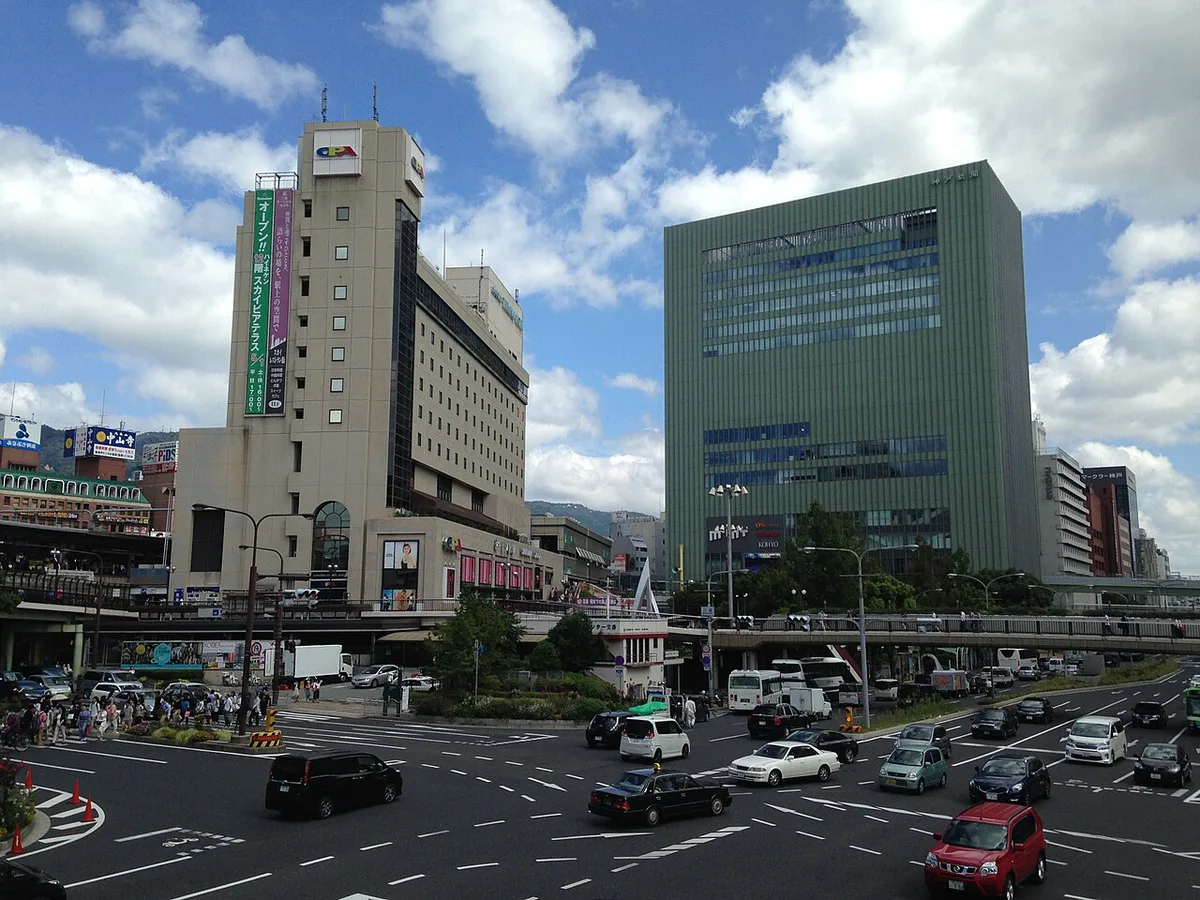
Last updated August 2026, this Kobe Matsuri festival guide covers what actually happens on the third weekend of May in Kobe, Hyogo Prefecture. Kobe Matsuri began in 1971, and it still fills Sannomiya with marching bands, ward parades, and an unusual-for-Japan samba carnival. Saturday brings quieter, ward-level events, while Sunday delivers the flagship parade down Flower Road.
Kobe Matsuri Festival Guide: What Makes This Weekend Different
Citizen participation has defined Kobe Matsuri since 1971, when the festival started as an event anyone could join rather than a shrine-led ritual. That founding idea still shapes the format: ward-level community events alongside one citywide parade. Most traditional Japanese matsuri revolve around a single shrine's calendar, which makes Kobe Matsuri's open, citywide structure unusual. It is often described as Hyogo Prefecture's largest citywide festival, with performers from all nine of Kobe's wards taking part. Kobe's history as one of Japan's major open ports helps explain the festival's international flavor, including why a samba carnival became one of its signature events. The result blends brass-band pageantry more typical of a hometown parade with a Rio-style samba competition, a pairing that would be unusual outside Kobe. English-language listings sometimes call it Kobe Festival, the same event under a translated name. For general visitor planning beyond festival weekend, the Kobe festivals and events guide covers the city's full annual calendar.
When Kobe Matsuri Happens in 2026 and 2027
Kobe Matsuri runs on the third Saturday and Sunday of May, based on the festival's own published pattern. That places the 2026 edition in mid-May, and event listings already flag mid-May for the 2027 edition too. Organizers typically confirm exact dates only a few months ahead, so treat any early listing as provisional. Because timing shifts slightly year to year, cross-check dates against Kobe's official tourism site before booking travel. Mid-May also falls after cherry blossom season ends and before Japan's rainy season typically begins, which keeps outdoor viewing comfortable. Because the parade runs outdoors regardless of light rain, pack a compact umbrella just in case, since May weather in Kobe can shift quickly. Weekday travel to Kobe in the days surrounding the festival tends to be far less crowded than the festival weekend itself. If the festival dates do not line up with your trip, the Best Time to Visit Kobe: 8 Seasonal Tips and Weather Guides guide covers other shoulder-season windows worth considering.
Saturday Ward Festivals vs Sunday's Main Parade
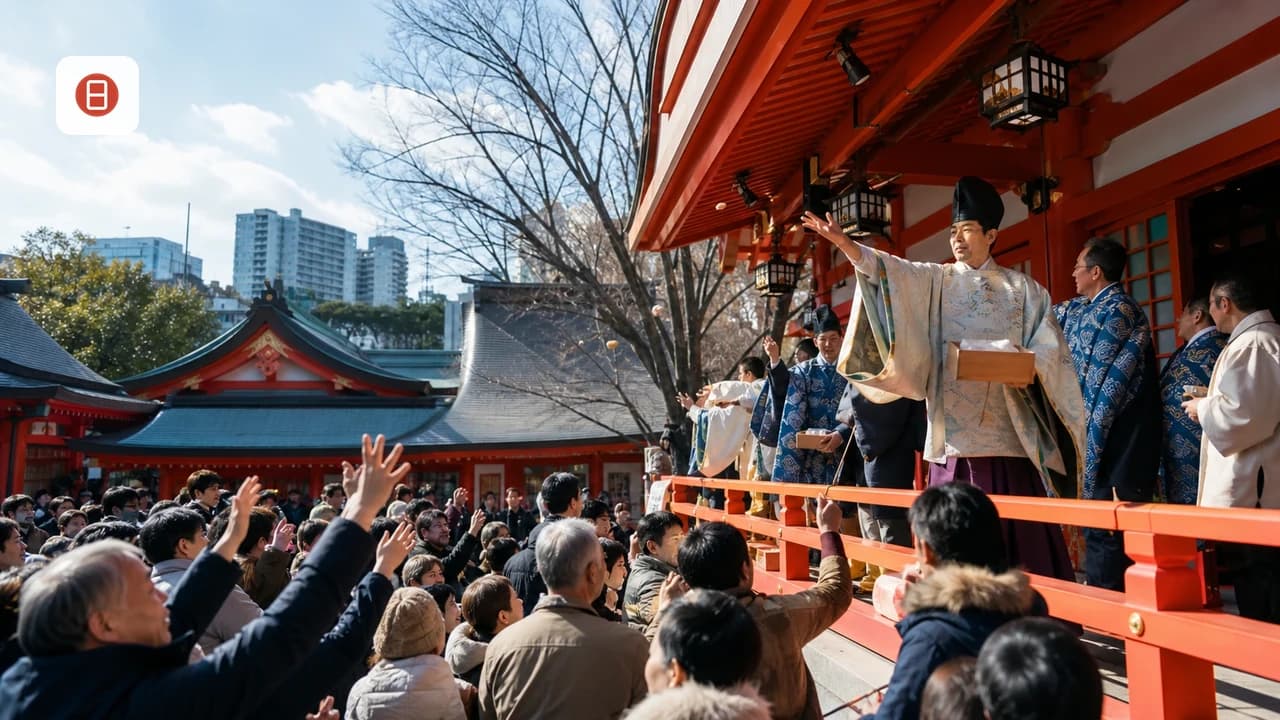
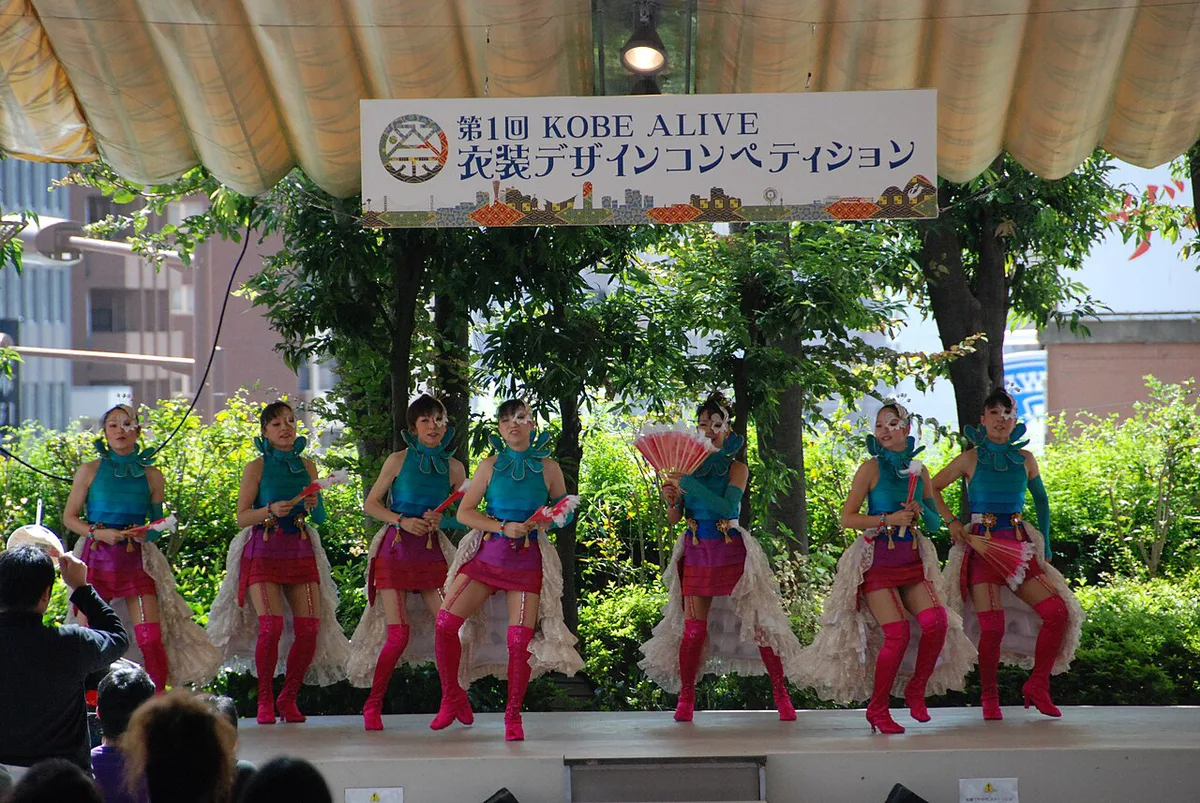
The weekend splits into two distinct experiences. Saturday spreads celebrations across Kobe's nine wards, including Higashinada, Nada, and Hyogo, each running its own small-scale event. These ward festivals stay local, with neighborhood associations and community groups organizing their own programs. Participation varies by ward, since each one decides independently whether to hold an event that year. Sunday consolidates the spectacle into central Sannomiya, where the main parade and samba carnival take over Flower Road and Kyomachi-suji. Some visitors treat Saturday as an optional warm-up and fly in just for Sunday, which is reasonable if time is tight. Others prefer Saturday specifically because it feels closer to daily life in Kobe, without Sunday's dense Sannomiya crowds. Both days are family-friendly, though Sunday's density makes strollers and small children harder to manage near the parade barriers. Choose Saturday for a slower, neighborhood-level look at the festival, and choose Sunday for the full parade experience.
Kobe Matsuri began in 1971 as a citizen-led event; today's Saturday ward festivals preserve that decentralized community format contrasted by Sunday's centralized parade.
| Day | Vibe | Crowd Level | Key Activity |
|---|---|---|---|
| Saturday | Local, community-run ward events | Moderate | Ward festivals across Kobe's nine wards |
| Sunday | Citywide spectacle | High, especially on Flower Road | Main parade and Kyomachi-suji samba carnival |
Sunday Highlights: Flower Road Parade and Kyomachi-suji Samba Street
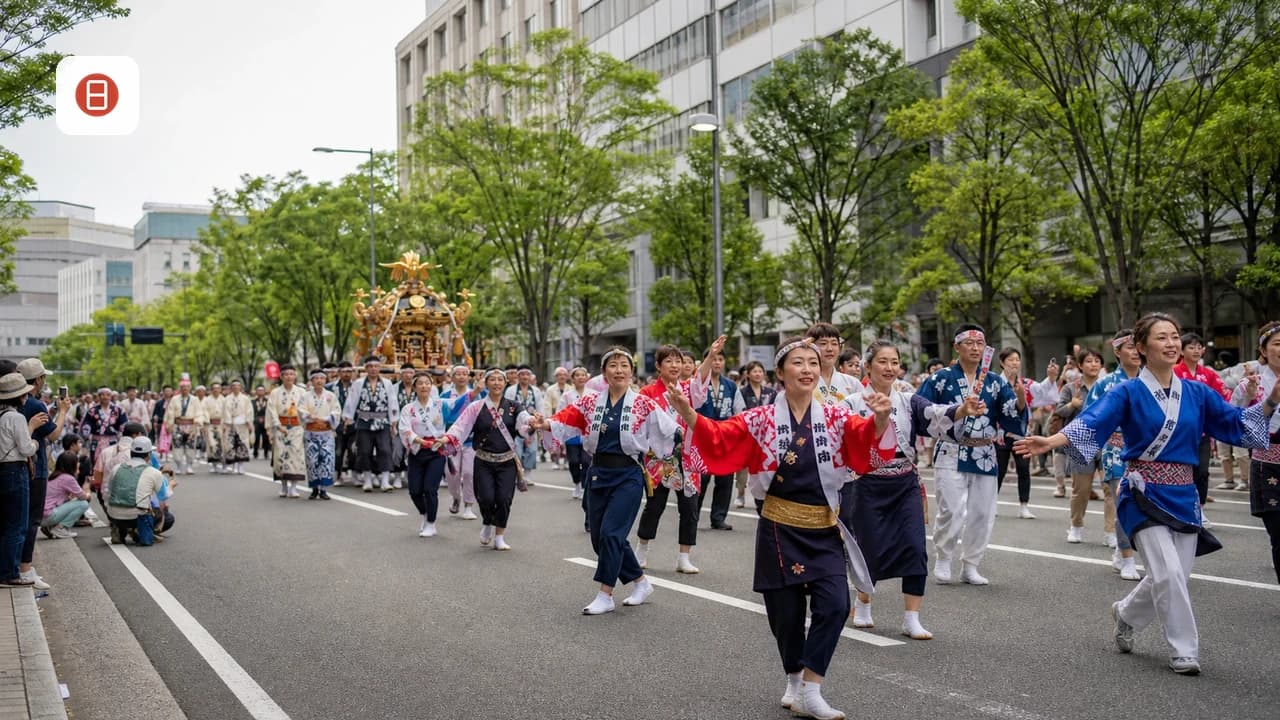
The Flower Road parade is Sunday's centerpiece, typically starting around noon and running into the afternoon. Marching bands, citizen groups, and decorated floats move down Flower Road toward central Sannomiya. A few streets over, Kyomachi-suji turns into a competitive samba street, where teams including the Kobe Samba Team perform in elaborate feathered costumes. Judges and crowds watch closely, since the samba groups are effectively competing against one another for the loudest response. Expect the loudest applause and biggest crowds directly along Kyomachi-suji, where the competitive samba energy peaks. Photographers tend to cluster along Kyomachi-suji for this reason, so arrive early if you want an unobstructed view. Camera batteries drain faster than expected across a full afternoon of parades and stage sets, so bring a backup power source if photography is a priority. Stages around Sannomiya and Motomachi, including Minato Park, add live music and traditional performing arts throughout the day. Overall festival hours run from roughly 11:00am to 4:30pm, though individual stage and parade schedules vary.
Since Sunday's parade starts 11:00am, arriving 60 to 90 minutes early means being at Flower Road by approximately 9:30am to secure front-row spots.
Getting to Sannomiya and Getting Around During the Festival
Sannomiya Station is the festival's transit hub. JR West and Hankyu Railway both serve it. Hanshin Electric Railway and the Kobe Municipal Subway stop there too. Travelers coming from Osaka or Kyoto can take a direct JR line and get off at Sannomiya Station. Expect the station and surrounding streets to get crowded fast once the Sunday parade starts. As with most Japanese street parades, plan for the parade route to be closed to vehicle traffic, and check on-site signage for exact timing. Attending costs nothing: entry to both the ward festivals and the Sunday parade is free. Bring a rechargeable transit card to skip ticket-machine lines at a busy Sannomiya Station. If Sannomiya's main exits look packed, Motomachi Station offers a quieter alternative entry point nearby. For a full breakdown of trains, subway lines, and taxi options in the city, see the Getting Around Kobe: 10 Essential Tips for Navigating the City guide. Festival weekend fills rooms near Sannomiya quickly, so check the 10 Best Areas and Hotels in Kobe: Where to Stay Guide (2026) guide and book early.
Crowd, Heat, and Food Tips for Festival Weekend
Front-row viewing spots on Flower Road fill up well before the parade starts. Arrive 60 to 90 minutes early if a clear sightline matters to you. May in Kobe can turn humid fast, so pack water and sun protection rather than assuming spring weather will stay mild. Shade is limited along the main parade route, so plan to reapply sunscreen and take breaks in air-conditioned shops or stations if needed. Yatai food stalls line the festival route, selling festival staples alongside Kobe-area specialties like Kobe beef skewers. Kobe beef is one of Japan's best-known regional specialties, and festival-day skewers offer a low-cost way to try it without booking a sit-down restaurant. Between parade segments, side streets near Sannomiya also hold some of the city's 10 Best Free Things to do in Kobe: A Budget Travel Guide (2026), useful for filling gaps in the schedule.
- A portable handheld fan for humid afternoons
- A leisure sheet or mat for curbside seating on Flower Road
- A rechargeable transit card for trains and vending machines
- Sunscreen and a hat for midday sun
- A refillable water bottle
Kobe Matsuri vs Kobe Luminarie: Not the Same Festival
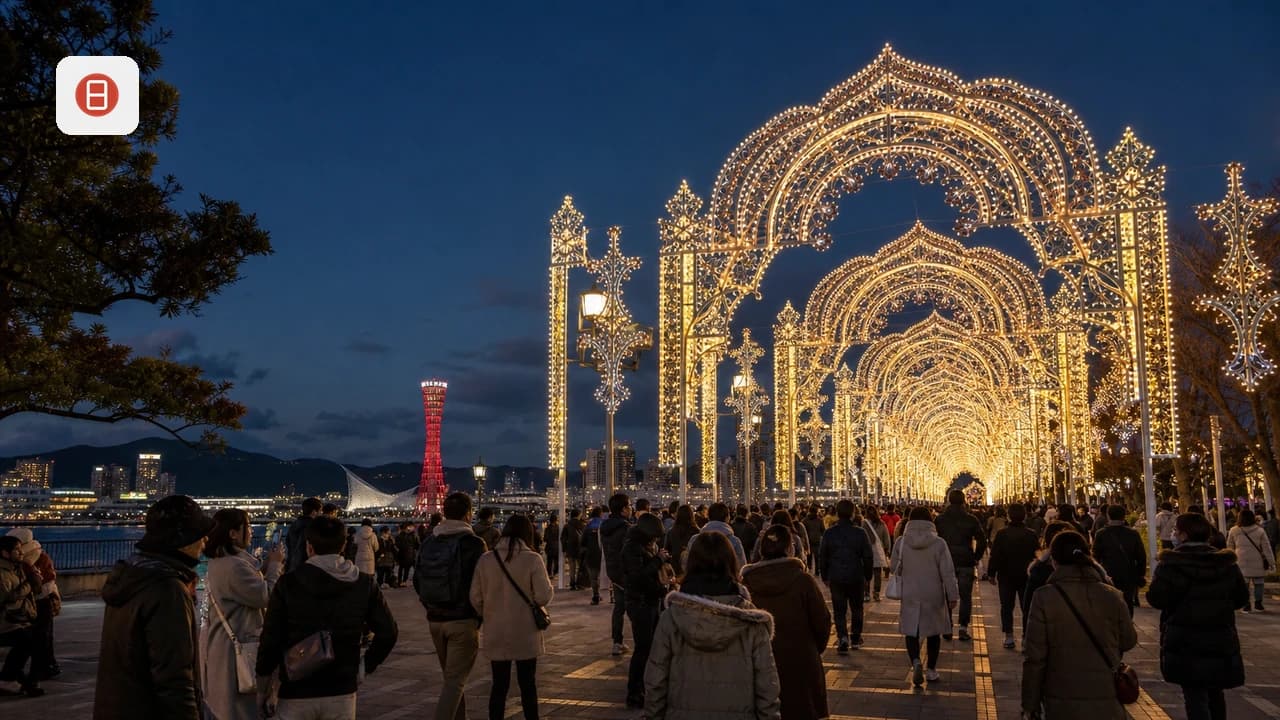
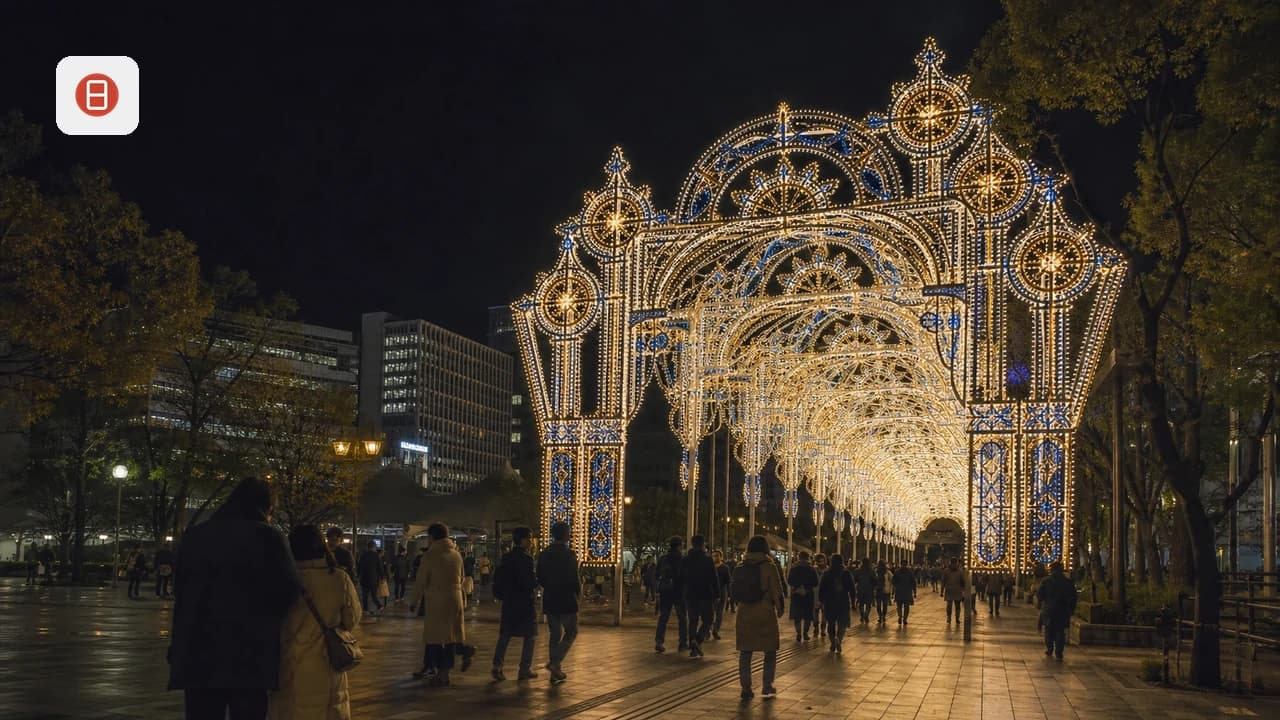
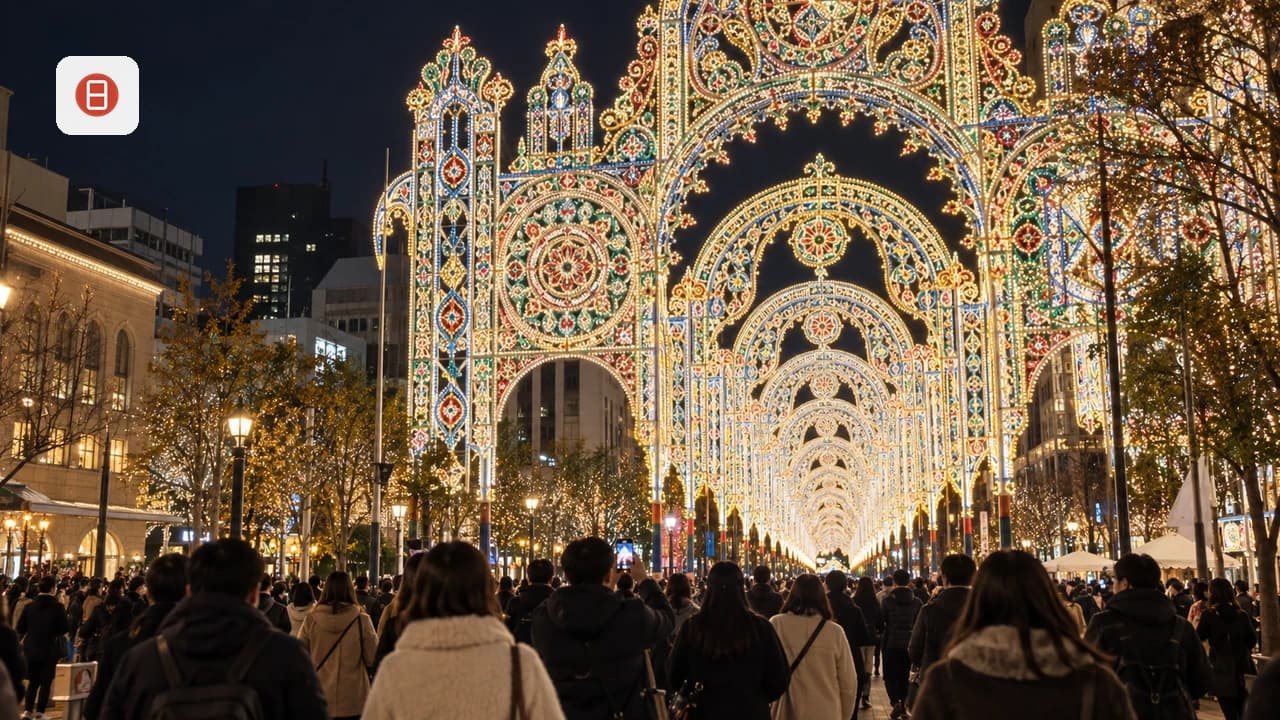
Kobe Matsuri and Kobe Luminarie get confused constantly online, but the two events share little beyond the city name. One is a spring citizen festival held in May, built around parades, ward events, and the samba carnival. The other is a winter light installation, first staged in 1995 in memory of the magnitude 6.9 Great Hanshin-Awaji earthquake, which killed 6,437 people. Two artists, one Japanese and one Italian, created the original light tunnels as a message of hope and recovery. The nightly light show has traditionally culminated under a dome in Higashi Yuenchi Park. The festival resumed with its 29th edition in January 2024, running from the 19th to the 28th, after four years of pandemic interruption, and by 2025 it reached its 30th anniversary. Since that comeback, illuminations have spread beyond the original route to spots including the Former Foreign Settlement and Meriken Park, where organizers introduced an admission fee for some displayed artworks. If a trip is timed around Kobe's illuminations rather than its May parade, the Kobe Luminarie Guide: 2027 Dates, Venues, and Tickets covers current dates and viewing routes. Its official site confirms scheduling each season.
Nearby Stops for Festival Weekend: Ikuta-jinja Shrine and Nankinmachi
Ikuta-jinja Shrine sits close to the festival crowds and offers a quieter contrast to Sannomiya's noise. It works well as a short reset between parade segments or samba sets. Nankinmachi, Kobe's Chinatown district, is another easy stop for a festival-day lunch, with food stalls that stay busy independent of the Matsuri crowds. Motomachi, one of the areas hosting festival stages, adds a third option if you want a change of pace from the main parade route. Motomachi's covered shopping street offers an easy, weatherproof detour if a sudden May shower interrupts festival-watching. Nankinmachi runs its own major event later in the year; the Nankinmachi Chinese New Year celebration is worth checking if a return trip lands in winter instead of May.
Fitting Kobe Matsuri Into a Wider Japan Festival Trip
Mid-May sits in a useful gap on Japan's festival calendar, after the Golden Week holiday rush and before summer's matsuri season picks up. That makes it realistic to build Kobe Matsuri into a longer, festival-focused itinerary. Decide how much time Kobe itself deserves first; the How Many Days In Kobe Travel Guide guide breaks down options for a short stop versus a fuller stay. Building in a buffer day before or after the festival also helps absorb schedule changes if organizers adjust parade timing. For a look at what else happens in Kobe across the year, the month-by-month festival calendar lists events beyond May. If the wider trip continues through the Kansai and Chugoku region, check Nara's festival calendar for overlapping dates. Hiroshima's events calendar is worth the same check. Hiroshima also keeps a dedicated Hiroshima month-by-month calendar for travelers routing 2026 dates precisely. Heading further afield, Kanazawa's festival calendar covers central Japan timing. Nikko's festival guide does the same for eastern Japan. Travelers continuing south can check Fukuoka's free annual events for Kyushu dates. Nearby, Beppu's community festivals guide covers another Kyushu stop. For Okinawa, look toward Naha's festival calendar. Winter-sport travelers heading north afterward can also scan Niseko's festival calendar before locking in flights.
Frequently Asked Questions
When is Kobe Matsuri held in 2026?
Kobe Matsuri traditionally runs on the third Saturday and Sunday of May. That pattern points to a mid-May 2026 weekend, though organizers usually confirm exact dates only a few months out. Always verify against the official festival site closer to your travel dates.
Is Kobe Matsuri the same event as Kobe Luminarie?
No, they are different festivals held in different seasons. One is a spring parade and samba festival held in May. The other is a winter light display that has run in January since 2024, honoring the 1995 Great Hanshin-Awaji earthquake.
How much does it cost to watch Kobe Matsuri?
Watching the ward festivals and the Sunday parade is free. The only costs come from optional purchases, like food from yatai stalls along the route or transit fares to reach Sannomiya.
Should you go on Saturday or Sunday?
Choose Saturday for smaller, community-run ward festivals with lighter crowds. Choose Sunday for the main event: the Flower Road parade and the Kyomachi-suji samba carnival. Sunday draws the bigger, more energetic crowd of the two days.
How do you get to Kobe Matsuri?
Sannomiya Station is the closest stop and the easiest way in. JR West and Hankyu Railway both serve the station. Hanshin Electric Railway and the Kobe Municipal Subway also stop there. Expect the station area to be busy once the Sunday parade gets underway.
What should you pack for Kobe Matsuri?
Pack light layers for humid May weather and a hat or portable fan for sun relief. A leisure sheet helps if you plan to sit and wait for the parade. A rechargeable transit card also saves time at busy Sannomiya Station.
Are the Saturday ward events open to visitors from outside Kobe?
Yes, the ward festivals are public community events anyone can attend. Scale and programming vary by ward, since each one decides independently whether to hold an event that year. Expect a smaller, more local atmosphere than Sunday's main parade.
What happens if it rains during Kobe Matsuri?
Light rain typically does not cancel outdoor events, though organizers may adjust schedules for heavier weather. Check official channels on the day for last-minute changes. Bring a compact umbrella or rain jacket just in case.
Free: The Kobe Essentials guide
Top things to do, where to stay, a perfect day plan, getting around, and the best time to go — a Kobe mini-guide you can take offline.
You might also like
Continue reading
More guides you'll find useful