
Japan Matsuri Guide 2026: Best Festivals, Dates & Planning Tips
Plan a Japan matsuri trip around Gion, Kanda, and Tenjin, plus seasonal picks, the odd/even Kanda-Sanno rule, and crowd and etiquette tips for 2026.
On this page
Last updated September 2026, this Japan matsuri guide breaks down which festivals reward a six-month advance booking and which reward a spontaneous late-summer detour. A matsuri centers on a mikoshi, a portable shrine carried by chanting teams to move a deity's spirit temporarily, plus towering dashi floats and yatai food stalls lining the route. Use the season-by-season breakdown below to match a festival to travel dates, then check the logistics section for Tokyo's odd/even festival calendar and hotel timing.
What Is a Japan Matsuri? Mikoshi, Kami, and Festival Basics
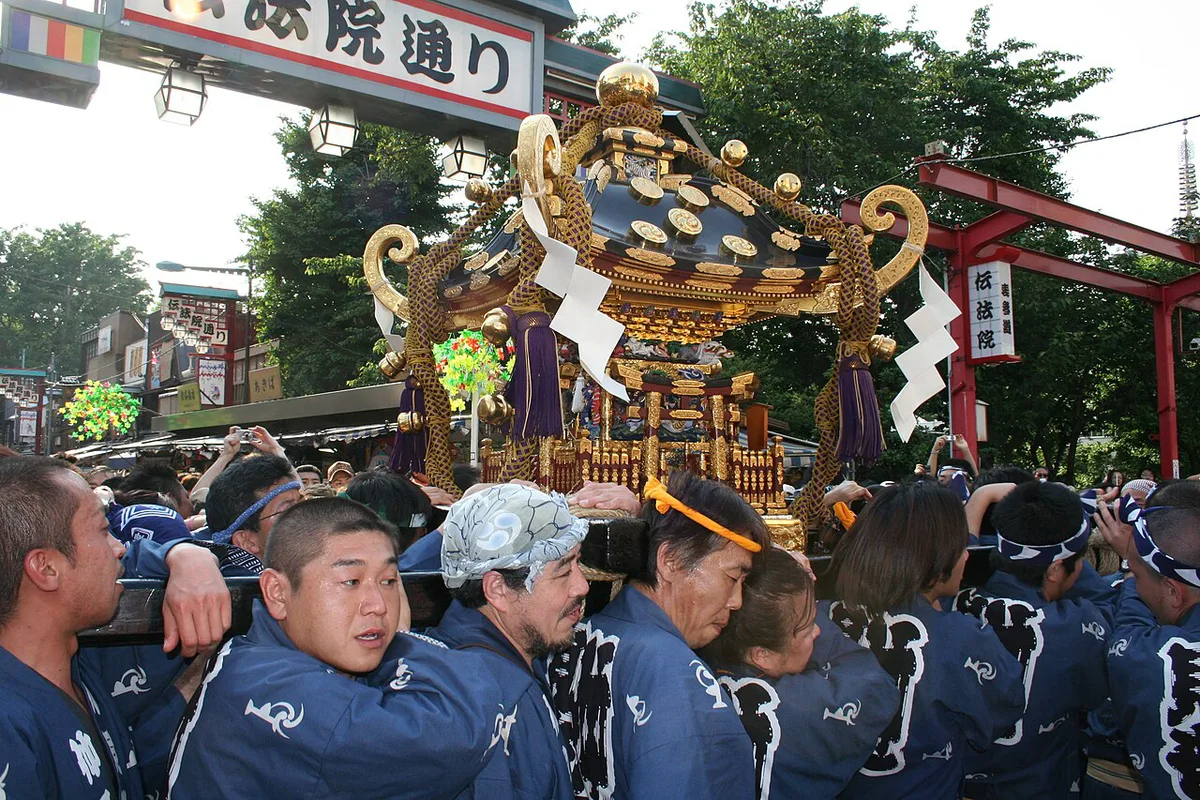
A matsuri is a Shinto or Buddhist community festival built around moving a kami's spirit through the streets it protects. Priests transfer the deity into a mikoshi, a portable shrine that teams of bearers hoist onto their shoulders and carry while chanting. The kami blesses the neighborhood in person as the procession moves through town. Many festivals add a dashi, a towering wheeled float decorated with carvings and lanterns. Yatai stalls selling grilled food usually line the same route. Community organizers estimate around 300,000 matsuri take place across Japan each year. They range from single-block neighborhood events to processions that shut down entire wards. Matsuri double as social infrastructure. Planning and running one together teaches local kids teamwork and gives neighbors a shared project outside daily routines. Buddhist temples host their own seasonal festivals too, following a similar pattern of ritual, procession, and community gathering. Shinto tradition also treats many shrine forests and water sources as sacred, so protecting the shrine means protecting the land around it. For a full year-round rundown by city, see the Japan festivals calendar.
The Big Three: Gion, Kanda, and Tenjin Matsuri
Three matsuri anchor most first-time itineraries, and each rewards different planning. Gion Matsuri runs the entire month of July in Kyoto, centered on towering Yamaboko floats. Evening parties during Gion Matsuri let visitors see the floats up close and sample festival food before the processions begin. Kyoto's festival and events calendar lists Gion Matsuri alongside other July happenings around the city. Kanda Matsuri belongs to Kanda Myojin Shrine, founded in 730, and only reaches full scale in odd-numbered years. Its roots tie to Tokugawa Ieyasu, who prayed at the shrine before his decisive victory at the Battle of Sekigahara in 1600. Check Tokyo's event calendar for confirmed 2026 dates as the shrine finalizes its schedule. Tenjin Matsuri floods Osaka's waterways with boats and ends the night with fireworks over the water.
Gion's main processions on July 17 and July 24 fill fast, so book paid sajiki grandstand seating well ahead for guaranteed sightlines.
- Gion Matsuri's main Yamaboko Junko float processions typically run July 17 and July 24, inside a full month of related rites.
- Kanda Matsuri's Shinkosai procession carries three mikoshi on a roughly 30-kilometer route.
- It starts around 8:00 AM and returns to the shrine by 7:00 PM.
- Sanno Matsuri takes the even-numbered years that Kanda Matsuri skips, so Tokyo effectively alternates its two largest Shinto festivals annually.
- Tenjin Matsuri's river procession runs on the festival's second day and closes with fireworks.
- Organizers run a zero-waste operation to cut down on litter along the riverbanks.
- Check Osaka's event calendar for the current schedule.
Choosing a Japan Matsuri by Season and Travel Style
Matsuri run in every season. Picking the right one often comes down to climate tolerance and how far you want to travel from Tokyo or Kyoto. Aomori Nebuta alone locks up summer hotel rooms for a tight window. The official Nebuta Festival site lists it running early August, typically August 2 through 7. Cross-check regional dates with the Japan National Tourism Organization before booking flights, since local calendars can shift by a week. Use the table below to compare effort level and key constraints across major festival types.
| Festival Type | Best For | Effort Level | Key Constraint |
|---|---|---|---|
| Major city (Gion, Kanda, Tenjin) | First-timers and photographers | High (crowds) | 6+ month hotel lead time |
| Regional or rural (Aomori Nebuta) | Deep cultural immersion | Medium (travel) | Higher transport costs from Tokyo |
| Winter (Sapporo Snow Festival) | Families and snow lovers | Medium | Extreme cold; specialized gear needed |
- Spring: Takayama's spring festival in April features ornate floats and marionette shows around Sakurayama Hachiman Shrine.
- Kamakura's own April festival adds horseback archery, performed at full gallop as riders aim for fixed targets.
- See Japan's spring festivals for the full regional spring list.
- Summer: Aomori's festival calendar centers on the glowing floats of Nebuta in early August.
- Tokushima's Awa Odori draws dancers into the streets the same season.
- See the Awa Odori 2026: Tokushima Festival Travel Guide for the dance routes.
- Tokyo runs its own summer lineup.
- The Summer Festivals in Tokyo: A Month-by-Month 2026 Guide covers the city's July through August roster.
- Tokyo's fireworks festivals often stack onto the same summer trip.
- See Japan's summer festivals for the complete national list.
- Autumn brings Takayama's autumn festival in October, staged at the same Sakurayama Hachiman Shrine as spring's event.
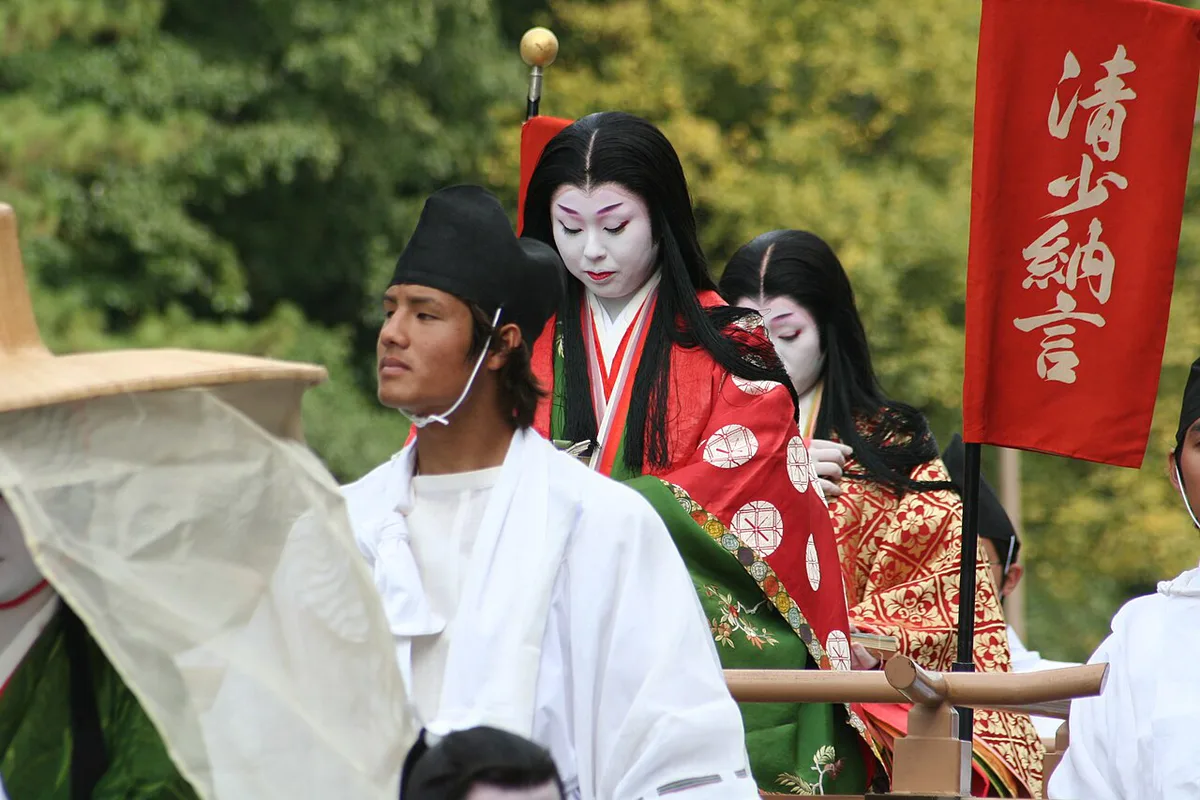
- Kyoto's Jidai Matsuri answers with a costume procession spanning centuries of historical eras.
- Winter: Sapporo Snow Festival guide runs every February across three sites: Odori, Susukino, and the Tsudome dome.
- Nozawa Onsen's fire festival trades snow sculpture for open flame.
- Check the current schedule before booking travel around it.
- Otaru's Snow Light Path lines a canal with candle-lit snow lanterns each winter.
- Yokote's Kamakura Snow Festival builds snow huts lit from within, a quieter alternative to Sapporo's crowds.
Planning Logistics: Tickets, Viewing Spots, and the Odd/Even Year Rule
Tokyo's two biggest Shinto festivals alternate. Kanda Matsuri takes odd-numbered years, and Sanno Matsuri takes the even ones, so only one runs at full scale each year. Free street viewing works for most of the route. Paid sajiki grandstand seating guarantees a clearer sightline during Gion Matsuri's main processions. At Kanda Matsuri, the crowd gathers outside Mitsukoshi Department Store in Nihonbashi, where the Saturday procession usually passes by around 4:30 PM. Near dusk, the area around Kanda Myojin's Zuishin-mon Gate fills with energy as the procession returns to the shrine. Sunday's smaller Mikoshi Miyairi procession starts around 9:00 AM and brings roughly 200 neighborhood shrines back to Kanda Myojin. Arriving at least an hour before a procession's scheduled start generally secures a clearer sightline at the busier viewing points. Hotel rooms in Kyoto and Aomori routinely book out six months ahead of festival dates, so lock in accommodation early. This applies especially to traditional ryokan near shrine districts, which hold far fewer rooms than hotel chains. The Best Time To Visit Japan: A Seasonal & Monthly Travel Guide guide covers weather and crowd patterns for trip dates outside festival season. Pair festival dates with a broader Japan Travel Guide: Plan Your Trip with Expert Tips & Itineraries when building a full itinerary.
In odd years, Kanda's procession runs from 8:00 AM to 7:00 PM, though the Mitsukoshi viewing point peaks around 4:30 PM Saturday.
Matsuri Etiquette, Crowd Safety, and Yatai Street Food
Mikoshi teams move in tight, chanting clusters, and stepping into their path can be dangerous once the group picks up momentum. Standing at the edges lets you escape the densest crowds while still watching the procession pass. Stepping into designated participant zones, where permitted, lets you embrace the mikoshi energy up close instead. Give carriers extra room near turns, where the shrine swings hardest. Yatai stalls sell takoyaki, yakisoba, and yakitori along most festival routes, almost always cash-only, so carry small bills before you arrive. Many bearers wear a happi, a short traditional festival coat, and some also wear a fundoshi, a traditional undergarment once common everyday wear. Some festivals, including Osaka's Tenjin Matsuri, run organized zero-waste operations, so sort trash at designated stations instead of leaving it streetside. Shrine grounds and mikoshi routes carry religious meaning, so stay outside roped sections and follow barriers set by local staff. The Japan National Tourism Organization publishes broader visitor etiquette guidance worth reviewing before any shrine visit.
Preserving Japan's Matsuri: Rural Decline and the Matsuri Engine
Rural matsuri face a real threat: depopulation leaves too few residents to staff a festival that once took an entire village. Organizations such as Asitaski run a support network called the Matsuri Engine, connecting shrinking festival committees with volunteers, funding, and each other. Some rituals renew on fixed cycles, such as the Goshinboku sacred-timber tradition tied to Ise Jingu's 20-year rebuilding cycle. Visiting a smaller regional festival instead of only the famous three spreads tourism income to towns that need it most. Staying overnight in a festival town, rather than day-tripping from Tokyo or Osaka, keeps more spending inside the community running the event. Buying goods directly from festival vendors, rather than chain stores nearby, sends more of that spending back into the event's upkeep.
- Fukuoka's Hakata Gion Yamakasa festival carries real regional depth without Tokyo-scale crowds.
- See Fukuoka's festival calendar for its full year-round lineup.
- Kanazawa's Hyakumangoku festival draws smaller crowds than Kyoto's big three.
- The Hyakumangoku itinerary guide covers a full three-day plan.
- See Kanazawa's festival calendar for the rest of the local schedule.
- Nara's Yamayaki fire festival sets an entire hillside alight, a striking contrast to the city's usual deer-park pace.
- Kyoto's Kurama Fire Festival offers a similar flame-lit alternative outside the Gion Matsuri crowds.
- Okinawa runs its own festival calendar apart from mainland Japan.
- Eisa drum festivals draw on Ryukyu traditions distinct from Shinto matsuri.
- Naha's Shuri Castle festival adds a castle-grounds venue to the island's calendar.
- Nagoya's festival guide tracks central Japan events worth combining with a Kansai itinerary.
- Nagasaki's festival calendar covers Kyushu events distinct from Fukuoka's larger festivals.
- Akita's festival calendar lists Tohoku events beyond Yokote's snow huts.
- Hiroshima's event calendar rounds out western Honshu's regional festival options.
Frequently Asked Questions
What exactly is a matsuri?
A matsuri is a Shinto or Buddhist community festival centered on carrying a kami's spirit through town in a mikoshi. Bearers chant and hoist the portable shrine onto their shoulders, while dashi floats and yatai food stalls fill out the route.
When is the best time to see a major matsuri in Japan?
Timing depends on which region and festival interest you most. Gion Matsuri runs the entire month of July in Kyoto. Aomori's Nebuta Festival concentrates into early August, typically August 2 through 7. Winter brings the Sapporo Snow Festival guide every February, so there is no single best month, only a best month for each region.
Do Kanda Matsuri and Sanno Matsuri happen every year?
Both shrines hold some observance annually, but the full-scale processions alternate. Kanda Matsuri reaches full scale in odd-numbered years. Sanno Matsuri takes the even-numbered years instead, so only one runs at maximum size in a given year.
Do you need tickets to attend a matsuri?
Most street viewing for matsuri processions is free and open to anyone who arrives early. Some festivals, including Gion Matsuri, sell paid sajiki grandstand seating for a guaranteed sightline during the main float processions. Reserve those seats well ahead of July if a guaranteed view matters more than budget.
What should you wear or bring to a matsuri?
Comfortable closed-toe shoes matter most, since standing for hours on paved streets is normal at any matsuri. Cash matters too, since yatai food stalls rarely take cards. Light clothing works for summer festivals like Nebuta and Awa Odori. Winter events such as the Sapporo Snow Festival guide call for real cold-weather gear.
Is it safe to stand near a mikoshi procession?
Yes, but keep distance from the bearers once they pick up momentum near turns. Watch from the sides of the route rather than standing in the direct path. Local staff and rope barriers mark off restricted sections. Follow their guidance rather than pushing closer for a better view.
What food should you try at a matsuri?
Takoyaki, yakisoba, and yakitori are the standard yatai lineup at most matsuri across Japan. Vendors grill everything to order, so lines move fast even during peak crowds. Bring small cash, since very few stalls take cards.
Are matsuri family-friendly?
Most matsuri welcome families, and yatai food stalls make them easy to enjoy without formal seating. Larger processions such as Kanda Matsuri or Gion Matsuri get crowded enough that small children may need to watch from wider side streets. Winter festivals like the Sapporo Snow Festival guide tend to be less crowded and easier to manage with kids.
Free guide: Japan's Hidden Gems
12 under-the-radar places beyond Tokyo & Kyoto — with the best season to visit each and a local tip you won't find in the guidebooks.
You might also like


Continue reading
More guides you'll find useful


