
10 Best Kyoto Festivals and Events to Plan Around in 2026
See the 10 best Kyoto festivals for 2026, with exact dates, free-viewing spots, and when paid seating for Gion Matsuri and Aoi Matsuri pays off.
On this page
Last updated August 2026, this rundown of Kyoto festivals ranks the 10 events worth planning a trip around. Kyoto's calendar runs from the Heian-period procession of Aoi Matsuri in May to the fire-lit mountain paths of Kurama in October. Each entry below notes exact dates, typical costs, and whether free street viewing beats a paid seat.
Kyoto's Festival Calendar at a Glance
Kyoto festivals trace back to Heian-period court ritual and shrine tradition. Three events, Aoi Matsuri, Gion Matsuri, and Jidai Matsuri, anchor the year and draw the largest crowds. Smaller rituals run alongside them, including the Doyō no Ushi no Hi eel-eating custom and a related prayer meeting at Sanbō-ji temple in late July. For a broader seasonal comparison beyond festival dates, see the best time to visit Kyoto.
| Month | Major Festival | Crowd Level |
|---|---|---|
| February | Setsubun bean-throwing rituals at temples and shrines | Low |
| May | Aoi Matsuri, May 15 | Moderate, paid seating recommended |
| July | Gion Matsuri: Yoiyama July 14-16 & 21-23, parades July 17 & 24 | Very high |
| August | Kyoto Gozan Okuribi, August 16 | High |
| September | Kyoto International Manga & Anime Fair, September 19-20, 2026 | Moderate |
| October | Jidai Matsuri and Kurama Fire Festival, both October 22 | High |
10 Best Kyoto Festivals and Events
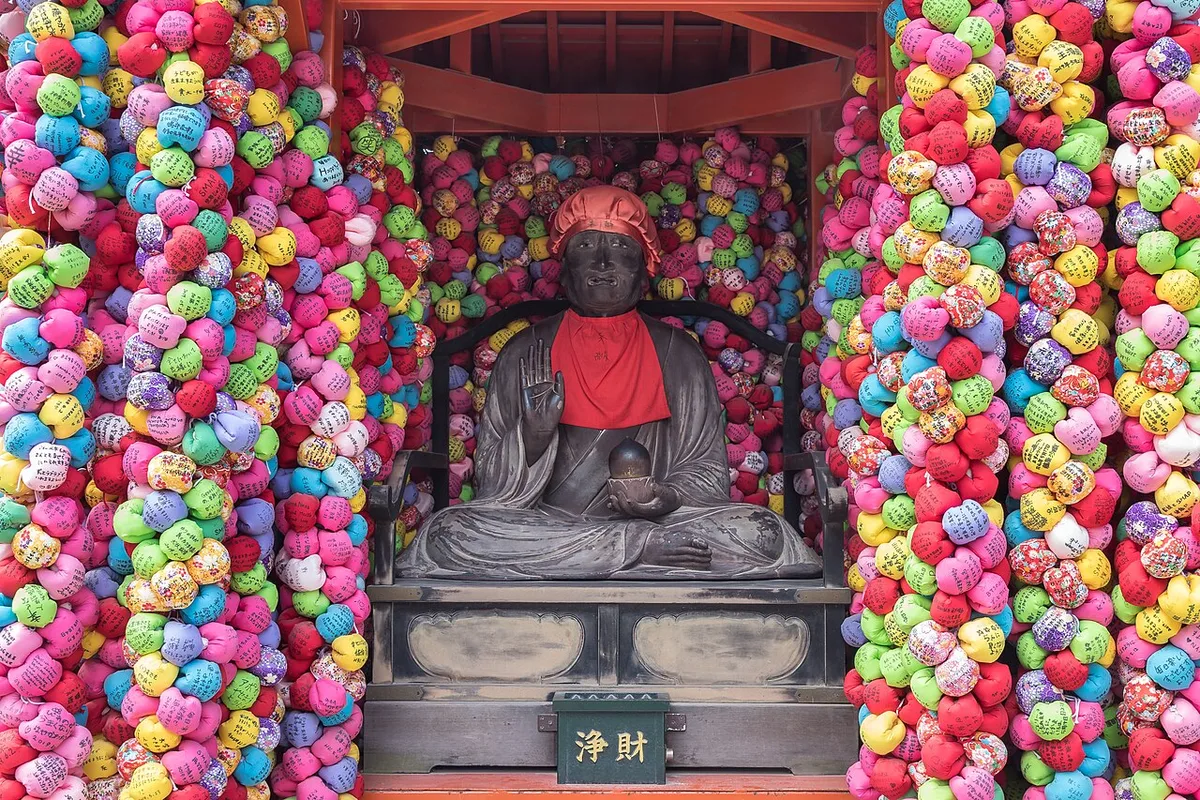
This list ranks the 10 Kyoto festivals worth building dates around, mixing the three largest processions with smaller shrine and temple events. Gion Matsuri has run since 869 as one of Yasaka Shrine's most important festivals, and it opens the list below. Each entry lists the date, the free-viewing option, and any paid seating worth booking ahead.
Aoi Matsuri features approximately 500 participants in Heian-period court dress, while Jidai Matsuri mobilizes 2,000 participants in costumes spanning Kyoto's historical eras—a scale difference reflected in their distinct crowd-level ratings on the festival calendar.
- Gion Matsuri (July 1-31)
- The Yamaboko Junko float parade runs July 17 from 9:00 AM to 1:00 PM, with 23 floats that day, starting near Shijo-Karasuma.
- A second, smaller parade follows July 24 from 9:30 AM to 11:50 AM with 11 floats. Yoiyama festivities run July 14-16 and 21-23, but vehicle-free zones on Shijo and Karasuma operated only July 15-16 in 2026, from 6:00 PM to about 11:00 PM.
- Hoko floats reach 25 meters and 12 tons, the tallest in the parade, while yama floats are smaller companions. See the full Gion Matsuri guide for a night-by-night Yoiyama breakdown.
- Aoi Matsuri (May 15)
- About 500 participants in Heian-period court dress process from Kyoto Imperial Palace to Shimogamo Shrine and on to Kamigamo Shrine.
- It's one of Kyoto's oldest festival routes, and paid seating along the palace grounds sells out first for a clear sightline.
- Free standing room lines much of the route. The Aoi Matsuri guide covers where crowds thin out.
- Jidai Matsuri (October 22)
- About 2,000 participants march in costumes spanning more than 1,000 years of Kyoto history, from Heian-period nobles to Meiji-era reformers.
- The procession heads toward Heian-jingu, and downtown sidewalks along the route fill early for free viewing.
- Book paid seating well ahead if a guaranteed view matters more than mobility. The Jidai Matsuri guide maps the full route.
- Kurama Fire Festival (October 22)
- Train access into Kurama village runs tight on festival evening, and capacity is the main bottleneck.
- Arriving after 5:00 PM often means standing-room-only cars or a wait for a later departure.
- Most visitors pick one event since the date overlaps Jidai Matsuri. The Kurama Fire Festival 2026 guide has the train timing details.
- Kyoto Gozan Okuribi, Daimonji Bonfires (August 16)
- Five mountains around Kyoto light up with bonfires on August 16, sending off ancestral spirits who visited during Obon.
- Free viewing spots along the Kamo River and open bridges downtown fill well before the bonfires start after dark.
- Free viewing is the norm here, with no reserved-seat option mentioned by official sources.
- Mitarashi-sai Foot-Dipping Festival (July 18-30)
- Shimogamo Shrine holds this ritual 18 days before the start of autumn, and visitors wade through the Mitarai-sha stream to pray for health.
- It overlaps Gion Matsuri's Yoiyama nights, and the Discover Kyoto July calendar lists exact dates and times each year.
- Illustrated Night Parade of One Hundred Demons (July 15-August 31)
- Kōdai-ji temple in Higashiyama runs a projection-mapping light-up themed around yōkai, or spirit and demon folklore, open after dark.
- The event pairs a lit garden walk with an exhibition, a quieter pace than the summer's street festivals.
- It runs most nights through the July 15-August 31 window, so it fits into a trip more easily than a single-date festival.
- Kitano Grand Tea Ceremony (Mid-October)
- This seasonal tea ceremony event runs in mid-October with free entry, overlapping the run-up to Jidai Matsuri.
- It's a quieter counterpoint to the crowds gathering downtown for the parade later that month.
- Pairing it with Jidai Matsuri week makes an efficient single trip to Kyoto in October.
- Kyoto International Manga & Anime Fair, KYO-MAF (September 19-20, 2026)
- KYO-MAF showcases animation and graphic-novel talent over two days; the official 2026 ticket page lists advance admission at ¥1,800 and same-day admission at ¥2,300.
- It's the clearest contrast on the calendar to Kyoto's shrine-rooted festivals, aimed at a modern pop-culture audience.
- The two-day run in late September fills the gap between Okuribi in August and Jidai Matsuri in October.
- Setsubun (Early February)
- Temples and shrines across Kyoto mark the turn of the lunar new year with bean-throwing rituals in early February.
- Crowds run far smaller than the summer and autumn festivals, making it a low-key entry point to the festival calendar.
- It pairs naturally with a quieter winter visit before spring cherry blossom crowds arrive.
Paid Seating vs Free Standing at Gion Matsuri and Aoi Matsuri
Most street viewing across Kyoto's festivals costs nothing. Free standing works for Jidai Matsuri, the Kurama Fire Festival, and most Yoiyama nights, provided you claim a curb spot early. Paid seating matters most for the Gion Matsuri Yamaboko Junko on July 17 and for Aoi Matsuri on May 15, where standing room fills fast. The official Kyoto Travel site lists seating sales windows, typically opening one to two months before each date. Yasaka Shrine's mikoshi ceremony begins around 4:00 PM on July 17, when three portable shrines are carried into downtown Kyoto by evening and returned on July 24. Booking early matters more than budget for these two dates, since curb spots and paid seats both disappear a month out.
Reserved seats for Gion Matsuri July 17 and Aoi Matsuri May 15 must be booked one to two months in advance through official channels; delaying until festival week leaves only free standing, which fills early and disappears before the events begin.
| Option | Cost | View | Comfort |
|---|---|---|---|
| Free street standing | Free | Depends on arrival time; arrive 1-2 hours early for a clear sightline | Standing for hours in summer heat or October chill |
| Reserved seat, Gion Matsuri July 17 | Paid, sold via official Kyoto tourism channels | Guaranteed sightline along the parade route | Seated, often shaded |
| Reserved seat, Aoi Matsuri May 15 | Paid, sold in advance via official channels | Guaranteed view near the Imperial Palace departure point | Seated |
When to Book Kyoto Festival Tickets
Reserved seating for Kyoto's largest festivals typically goes on sale before each date through official Kyoto tourism channels. For Aoi Matsuri on May 15, that puts the booking window in early spring. For the Gion Matsuri Yamaboko Junko on July 17, it lands in late spring or early summer. Jidai Matsuri also has official reserved seating: the 2026 limited lottery ran July 10-17, with general sales scheduled for September 8. KYO-MAF tickets for the September 19-20 event are sold separately through the fair's own listing, not through the shrine-festival seating system.
- Aoi Matsuri (May 15)
- Reserved seats typically open one to two months ahead, putting the window in early spring.
- Gion Matsuri (July 17)
- Reserved seats for the Yamaboko Junko open on a similar one-to-two-month window, in late spring or early summer.
- Jidai Matsuri (October 22)
- Regular 2026 reserved seats cost ¥5,000 from the second row or ¥7,500 in the front row; premium categories cost more.
- Free curbside viewing still covers nearly the entire route. Check the official 2026 seating page for current availability.
- KYO-MAF (September 19-20)
- Advance tickets cost ¥1,800 and same-day tickets cost ¥2,300 on the fair's official 2026 listing.
- This is separate from the shrine-festival seating system.
Where to Stay and How to Get Around During Festival Season
Karasuma and Oike make the most practical base for Gion Matsuri, within walking distance of the float assembly streets. In 2026, Shijo and Karasuma had vehicle-free zones from 6:00 PM to about 11:00 PM on July 15 and 16 only, and regular bus routes rerouted around those controls. Some visitors add a quiet morning before the evening events. See 15 Best Day Trips from Kyoto (2026 Guide) for options that fit around a festival evening. Plan festival-week lodging early, since Kyoto hotel availability tightens months ahead of July.
- July Heat
- Carry water and a cooling neck scarf.
- Plan Yoiyama visits for after 6:00 PM, when temperatures ease.
- Where to Stay
- Karasuma and Oike put Gion Matsuri's float streets within walking distance.
- Hotels here book out fastest for the Yoiyama week in mid-to-late July.
- Road Closures
- For 2026, vehicle-free zones on Shijo and Karasuma operated July 15-16 from 6:00 PM to about 11:00 PM; no equivalent zones or street stalls were installed July 14 or July 21-23.
- Bus routes rerouted around the July 15-16 controls.
- Kurama Access
- Train capacity into Kurama village runs tight for the Fire Festival.
- Arrive before 5:00 PM on October 22 to avoid the worst of the crowding.
- Free-Viewing Pairing
- Most street viewing costs nothing.
- Round out the day with other 10 Best Free Things to Do in Kyoto (2026).
- Transit Updates
- JR West and Kyoto City Bus both post service updates during major road closures.
- Check updates the morning of a festival day before heading out.
Common Mistakes to Avoid at Kyoto Festivals
A few planning mistakes repeat every festival season. Avoiding them takes little extra effort once the pattern is clear. A quick review before departure avoids the worst of them.
- Assuming Gion Matsuri Happens in Gion
- The main parade and Yoiyama nights center on Shijo and Karasuma streets, on the opposite side of the Kamo River from the Gion district.
- Yasaka Shrine, the festival's home shrine, does sit near Gion, but the float action happens downtown.
- Arriving at Kurama After 5:00 PM
- Train capacity into the village is already stretched by then.
- Plan to arrive earlier in the afternoon on October 22 for a manageable ride in.
- Treating Processions as Photo Backdrops
- Mikoshi carrying during Gion Matsuri and the courtly procession at Aoi Matsuri are active religious rituals, not staged performances.
- Keep clear of the mikoshi bearers' path and follow posted crowd-control instructions.
- Booking a Hotel Far From the Festival Streets
- A room outside Karasuma or Oike means fighting Yoiyama crowds just to reach downtown each night.
- Book festival-week stays early, since availability tightens months ahead of July.
- Skipping the Paid-Seating Decision Until the Last Week
- Reserved seats for Gion Matsuri July 17 and Aoi Matsuri May 15 sell through official channels one to two months ahead.
- Waiting until festival week usually means free standing room only.
Pairing Kyoto Festivals With Other Japan Festival Calendars
A longer Japan itinerary sometimes stacks Kyoto's calendar against other festival cities. Nara's festival calendar sits close enough for a same-day pairing with several Kyoto dates. Check both calendars before locking travel dates, since festival-day crowds affect train comfort on either side. Kanazawa's festival calendar runs on a separate regional schedule, worth checking if the itinerary continues that direction. Its events follow different seasonal patterns than Kyoto's shrine-rooted festivals. Nikko's festival calendar covers a separate mountain shrine tradition entirely. Travelers splitting time between the two destinations should treat each calendar independently. Naha's festival calendar follows a subtropical climate far removed from Kyoto's four distinct seasons. Dates and themes on that calendar don't overlap with anything on this list. Niseko's festival calendar centers on winter, the opposite season from Kyoto's summer peak. The two make a natural split-season itinerary rather than a single-trip pairing. Matching a festival date to the rest of a Japan itinerary usually matters more than chasing every event on this list. Prioritizing three or four festivals that fit existing travel dates beats trying to fit all ten into one trip.
Spring Geiko and Maiko Dance Performances
Kyoto’s spring dance seasons offer a more intimate alternative to its outdoor processions. Geiko and maiko perform choreographed dances with live shamisen, songs, and formal tea-house staging. These events are ticketed performances, so they suit visitors who want a guaranteed seat.
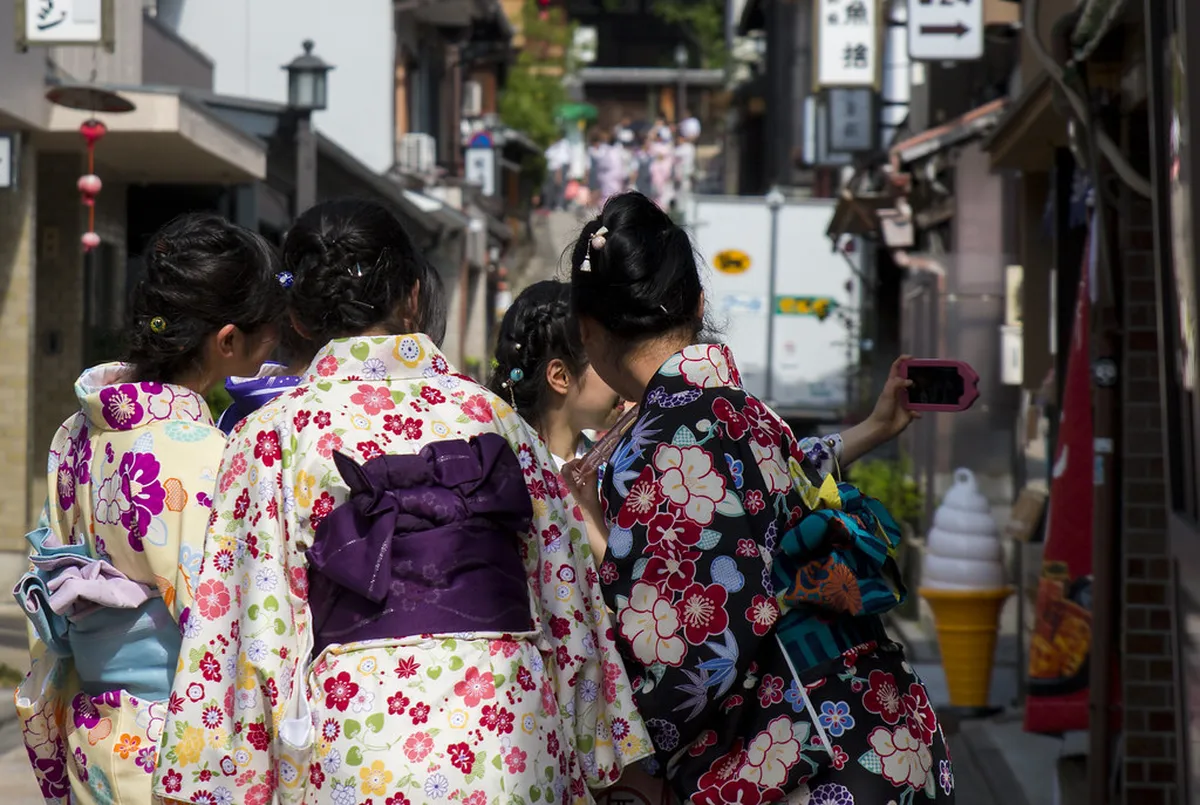
Miyako Odori is associated with Gion Kobu and is usually held in spring at Minami-za Theatre. Kyō Odori takes place in the Kamishichiken district, near Kitano Tenmangū. Both present seasonal scenes through costume, dance, and music rather than a single narrative.
- Book directly through the performance’s official sales channel when dates are announced.
- Arrive early for the program notes and any optional tea service.
- Choose Kamishichiken for a quieter neighborhood atmosphere than central Gion.
Photography rules vary by venue and are often restrictive during the performance. Plan a walk through Gion or Kamishichiken before or after the show, rather than expecting to see geiko or maiko on the street.
Building the rest of the trip? Our Kyoto attractions guide covers the sights, districts and logistics around this guide.
Explore festivals and events in other cities
- Kochi's festivals and events
- Morioka's festivals and events
- Hakodate's festivals and events
- Otaru's festivals and events
- Kawagoe's festivals and events
- Nagano's festivals and events
- Okayama's festivals and events
- Hakone's festivals and events
- Fukuoka's festivals and events
- Nagasaki's festivals and events
- Takayama's festivals and events
- Kobe's festivals and events
- Sendai's festivals and events
- Akita's festivals and events
- Yokohama's festivals and events
- Okinawa's festivals and events
- Aomori's festivals and events
Frequently Asked Questions
When is Gion Matsuri in 2026?
Gion Matsuri runs the entire month of July 2026. The Yamaboko Junko float parade takes place July 17 at 9:00 AM and July 24 at 9:30 AM. Yoiyama festivities run July 14–16 and July 21–23; vehicle-free zones on Shijo and Karasuma operated only July 15–16 from 6:00 PM to about 11:00 PM.
Do you need a ticket for Aoi Matsuri or Gion Matsuri?
Most street viewing for both festivals is free. Standing along the route works for either parade. A reserved seat is worth booking for the Gion Matsuri July 17 parade and for Aoi Matsuri on May 15, since standing room fills early. Official Kyoto tourism channels list seating sales windows, typically opening one to two months ahead of the date.
What is the best month to see Kyoto festivals?
July offers the highest concentration of events, anchored by Gion Matsuri's month-long calendar. October pairs Jidai Matsuri and the Kurama Fire Festival on the same October 22 date, so it rewards careful planning. Late summer favors Kyoto Gozan Okuribi on August 16 plus quieter temple events like the Kōdai-ji night parade.
How do you get to the Kurama Fire Festival, and when should you arrive?
Kurama village is reached by train, and capacity runs tight on festival evening. Arriving after 5:00 PM often means standing-room-only cars or a wait for a later train. Plan to arrive well before 5:00 PM on October 22 to avoid the worst of the crowding.
Is Gion Matsuri held in the Gion district?
No, despite the name, Gion Matsuri's main parade and Yoiyama nights center on Shijo and Karasuma streets. Those streets sit on the opposite side of the Kamo River from the Gion district itself. Yasaka Shrine, the festival's home shrine, does sit near Gion, but the float action happens downtown.
What should you wear or bring to Kyoto festivals?
Light, breathable clothing works best for July events, since Gion Matsuri's Yoiyama nights run in peak summer heat. A cooling neck scarf and a refillable water bottle help through the 6:00 PM to 11:00 PM Yoiyama hours. For October's Jidai Matsuri and Kurama Fire Festival, add a layer for cooler evening temperatures.
Which Kyoto festivals are free to attend?
Most Kyoto festivals cost nothing for standing-room viewing, including Jidai Matsuri, the Kurama Fire Festival, and Kyoto Gozan Okuribi. Setsubun and the Kitano Grand Tea Ceremony also carry free entry. Optional reserved seating is available for Gion Matsuri, Aoi Matsuri, and Jidai Matsuri.
How many floats appear in the Gion Matsuri parade?
The July 17 Yamaboko Junko includes 23 floats, called yama and hoko. The July 24 parade is smaller, with 11 floats. Hoko floats are the tallest, reaching 25 meters and 12 tons, while yama floats are smaller companions in the same parade.
Can you visit both Jidai Matsuri and the Kurama Fire Festival on the same day?
Both fall on October 22, so a same-day visit requires careful timing. Jidai Matsuri's procession runs during the day in downtown Kyoto, while the Kurama Fire Festival starts in the evening in a mountain village reached by train. Most visitors choose one event rather than rushing between both, since train capacity into Kurama runs tight without an added afternoon in the city.
Explore Kyoto Festivals & Events
From the citywide sweep of Gion Matsuri to a single bean-throwing evening at a neighborhood shrine, use these guides to plan Kyoto's festival calendar around your travel dates.
Signature Matsuri
- Kyoto attractions hub: tickets, hours & maps
- Gion Matsuri Kyoto Guide: Parades, Schedule & Local Tips
- Aoi Matsuri Kyoto 2026
- Jidai Matsuri Kyoto
- Kurama Fire Festival 2026: Schedule, Transit & Crowd Guide
Plan Your Visit
- Best Time to Visit Kyoto: Monthly & Seasonal Guide (2026)
- 15 Best Day Trips from Kyoto
- 10 Best Free Things to Do in Kyoto
More Festival Cities
Free: The Kyoto Essentials guide
Top things to do, where to stay, a perfect day plan, getting around, and the best time to go — a Kyoto mini-guide you can take offline.
You might also like

Continue reading
More guides you'll find useful


