10 Best Hakone Festivals and Events: A Complete 2026 Seasonal Guide
Plan around the best Hakone festivals with 2026 dates, logistics for the Ekiden and Daimyo Gyoretsu, and tips for beating festival crowds.
On this page
Last updated September 2026, this guide ranks the best Hakone festivals by season so you can plan a visit around them. Hakone sits close enough to Tokyo for an easy day trip, and its shrine calendar and Lake Ashi shoreline support a distinct run of events year-round. Three stand out: the Hakone Ekiden relay, Lake Ashi Summer Festival Week, and the Hakone Daimyo Gyoretsu procession.
10 Best Hakone Festivals and Events, Month by Month
Ten events cover Hakone's full festival calendar here, from Lake Ashi shrine rites to a mountainside bonfire. January's relay gets its own breakdown in the Ekiden spectator guide. November's procession is covered in the Daimyo Gyoretsu guide. Fireworks logistics sit in the Lake Ashi Summer Festival Week guide.
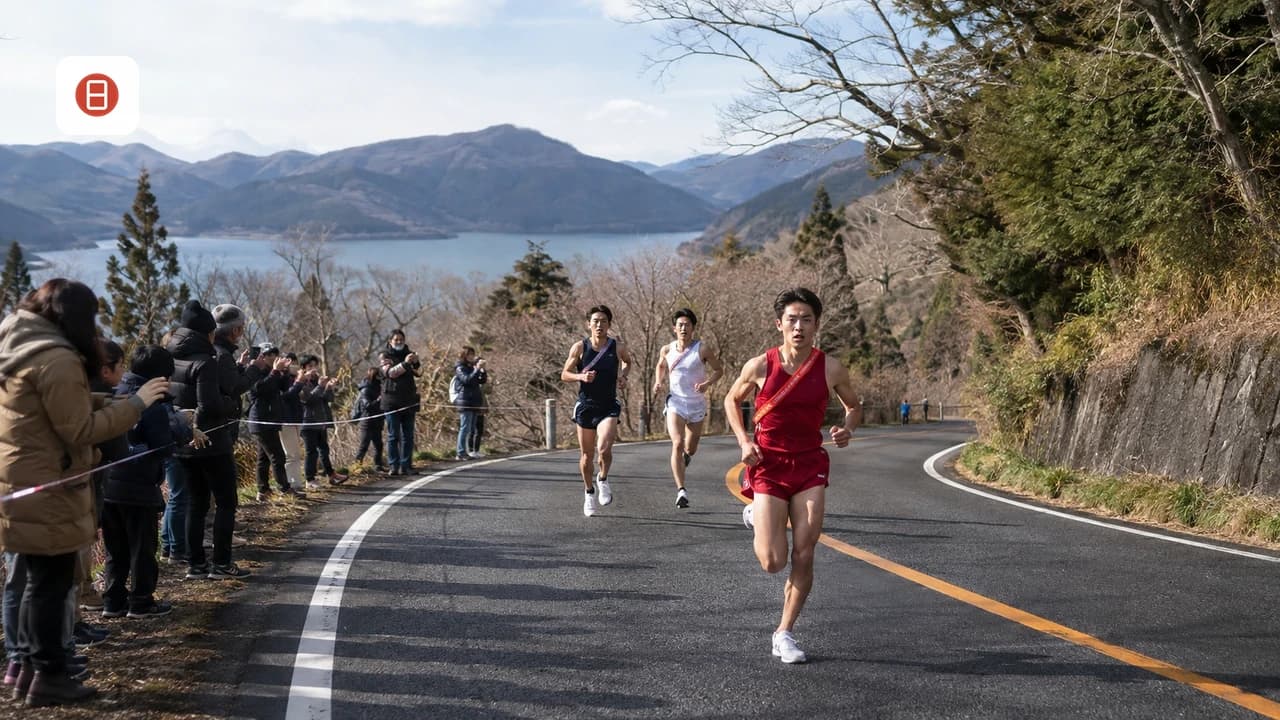
- Hakone Ekiden (January 2–3)
- The Hakone Ekiden relay covers 217.1km (about 135 miles) between Tokyo and the Lake Ashi finish line over two days.
- Day one covers 107.5km to Hakone, and day two returns 109.6km to Tokyo on January 3, with ten runners per school across five legs each way.
- Rolling road closures follow the course both days, so book a room through the Hakone lodging guide up to six months ahead.
- Hakone Shrine Setsubun Festival (February 3)
- Every February 3, Hakone Shrine holds a bean-throwing ceremony at Lake Ashi, aimed at ogres who appear on water skis.
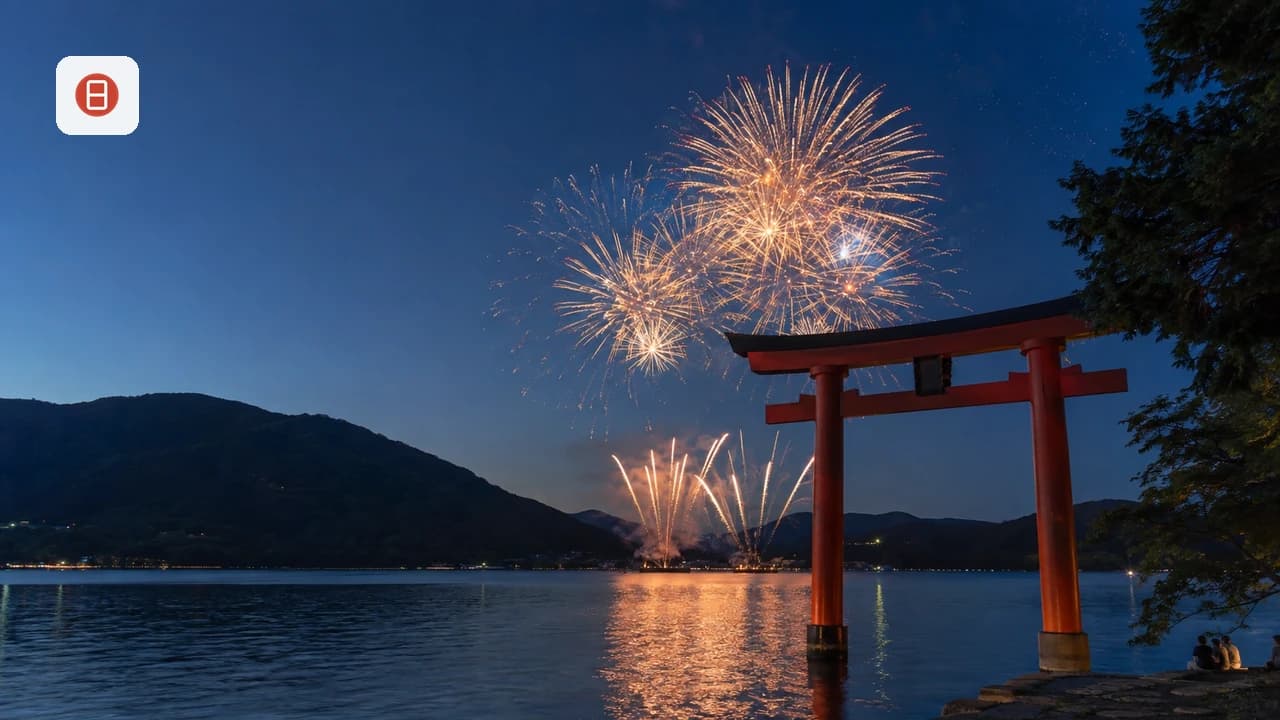
- A Fireworks Festival in Winter Scenery lights the sky the evening before, pairing the ceremony with a smaller pyrotechnic show.
- Nights run near freezing at this elevation, so check the Hakone in winter guide before you pack.
- Cherry Blossom Festival at Hakone-en (Mid-to-Late April)
- Hakone-en's signature tree is five merged Oshima cherry trees, roughly 100 years old, standing about 12m (39ft) tall with a canopy near 70m across.
- Branches spread about 22m wide from a trunk with a circumference near 5m, and in full bloom the silhouette echoes Mt. Fuji's outline.
- Peak bloom lands mid-to-late April; pair the stop with other sights in the Hakone attractions guide.
- Yutate Shishimai Lion Dance (March 27 and May 5)
- This lion dance dates to the Edo period and holds status as a nationally designated intangible cultural property.
- Sengokuhara's Suwa Shrine hosts one performance on March 27, and its Koutoki Shrine hosts a second on May 5.
- A lion stirs hot water with a bamboo whisk and sprinkles it on visitors, a ritual said to bring a year of good health.
- Odawara Hojo Godai Festival (May 3)
- Held just outside central Hakone in Odawara on Constitution Day, this is the area's largest parade, with about 1,600 participants.
- A warrior procession represents the five successive lords of the Hojo clan, backed by brass and Self-Defense Force bands and a portable shrine.
- Watch the matchlock-gun demonstration and ninja performance, then build the date into a Hakone Itinerary: 2-Day Travel Plan + Map & Tips that pairs Odawara with a Lake Ashi day.
- Hydrangea (Ajisai) Train (Mid-June to Early July)
- The Hakone Tozan Railway runs its hydrangea route from mid-June into July, with blooms visible along the track between Hakone-Yumoto and Gora.
- A reservation-only Night Hydrangea Train adds after-dark lighting displays along the same line.
- Advance tickets for the night run have listed at ¥500 in recent seasons; confirm current pricing and book about a month out, since seats are limited.
- Lake Ashi Summer Festival Week (July 31–August 6)
- Hakone Shrine anchors this week-long run across the lake's Motohakone, Hakone, Hakoneen, and Kojiri bays.
- Kosui Matsuri opens the week on July 31, the shrine's Gochinza festival follows on August 1, and Torii Yaki closes it on August 5.
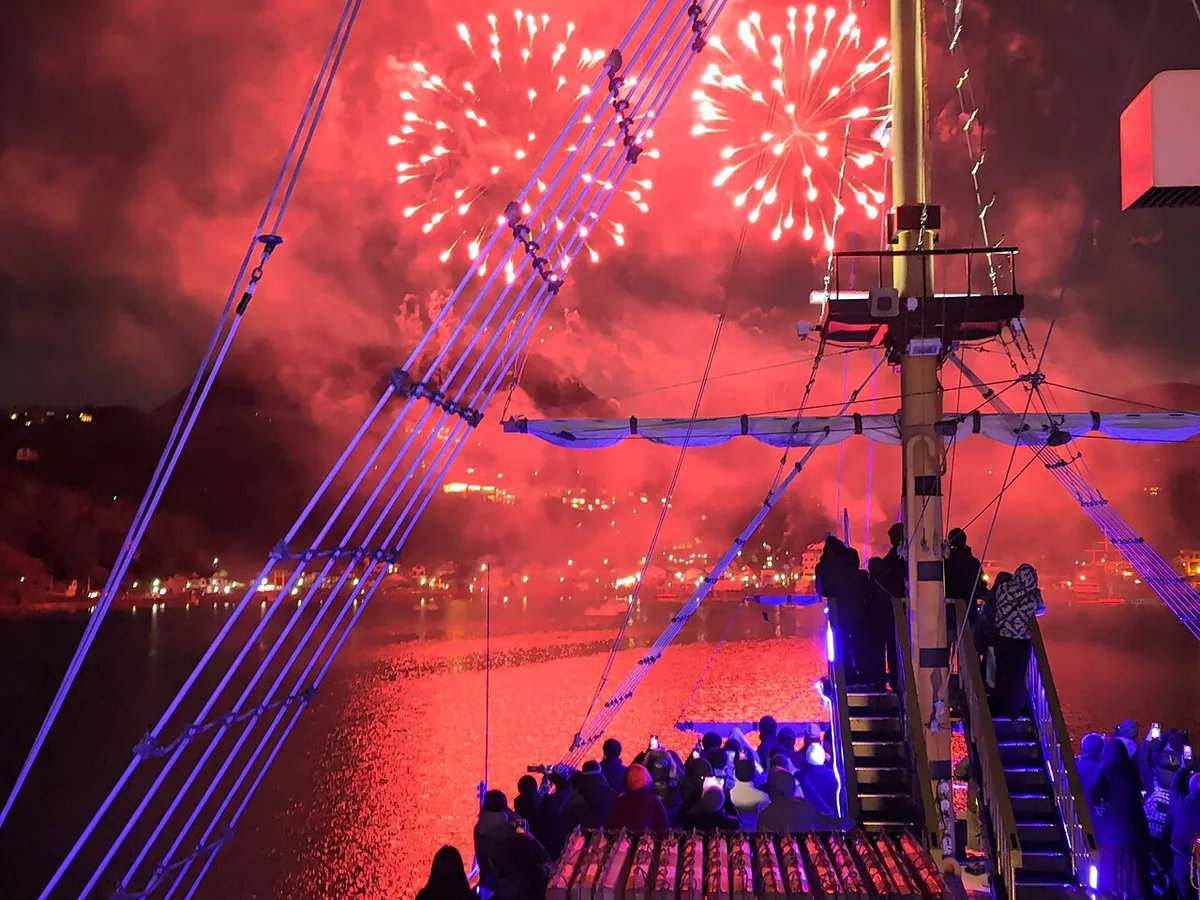
- Watch from shore, or book the Lake Ashi pirate ship cruise for water-level views of the final night's display.
- Hakone Daimonji-yaki (August 16)
- A roughly 80-meter-square (about 260ft-per-side) “dai” character is set ablaze on Mt. Myojogadake, which rises 924m (about 3,030ft) above Gora.
- The bonfire has run since 1921 as an Obon farewell fire, sending off ancestral spirits on the festival's final night.
- Reach the viewing area from Gora Station via the Tozan cable car to Koen-shimo Station, since the blaze sits on the mountainside directly opposite Gora's hot-spring district.
- Hakone Daimyo Gyoretsu (November 3)
- Every Culture Day, November 3, about 170 participants parade in feudal-lord costume along roughly 6km (about 3.7 miles) of the Old Tokaido Road.
- The route runs from Hakone-Yumoto through the hot-spring district, re-creating the Edo-period sankin-kotai processions that once carried regional lords to Edo.
- Watching is free and open along the entire route; see the Daimyo Gyoretsu guide for timing and vantage points.
- Sengokuhara Susuki (Pampas Grass) Festival (Mid-September)
- Sengokuhara's fields turn gold with pampas grass by mid-September, and the local festival at Sengokuhara Park adds a stage for traditional music and dance.
- Local restaurants and ryokans serve seasonal dishes at the venue; browse the Hakone food guide for what else the region serves.
- Reach the park by Hakone Tozan Bus from Hakone-Yumoto Station, about 30 minutes to the Sengoku Guide Office stop.
Access vs. Crowd: The Trade-Off Behind Each Hakone Festival
Some Hakone festivals need a plan months out; others reward simply showing up. Weighing that trade-off first saves a wasted trip. Reservation-bound events cap attendance by design, usually because they run on a single train car or a small shrine ground. Open-access events cap nothing, so the trade-off shifts from booking risk to crowd tolerance instead. Two events make the contrast clearest: the Night Hydrangea Train and the Hakone Daimyo Gyoretsu.
- Reservation-Bound: Night Hydrangea Train
- Seats are limited to a single rail car, so the after-dark run sells out first among summer events.
- Book about a month ahead, since advance tickets have listed at ¥500 in recent seasons.
- The daytime train runs without any reservation, so skip the night run if seats are gone.
- Open-Access: Hakone Daimyo Gyoretsu
- No ticket or reservation applies along the roughly 6km roadside route.
- Arrive on November 3 and choose any point along the Old Tokaido Road.
- The trade-off here is crowding at the best viewing spots, not ticket availability.

Matching Festival Dates to Trip Length
Trip length decides how much of the calendar you can realistically cover. A two-night stay suits one flagship event plus the standard sights, since festival venues spread across Gora, Sengokuhara, and the Lake Ashi shore. A four-to-five night stay across early August covers the full Summer Festival Week without changing lodging. Kosui Matsuri opens on July 31. Hakone Shrine's Gochinza festival follows on August 1. Torii Yaki closes the stretch on August 5. Early January favors a tighter trip: arrive a day before the Ekiden starts and watch the finish-line legs near Lake Ashi. Leave once the second day's runners clear the course on January 3. November works the same way around the Daimyo Gyoretsu, since the procession runs once on Culture Day and does not repeat.
Booking the Ekiden requires 6+ months advance planning, while the Daimyo Gyoretsu fills one free day without any reservations needed.
Hakone Festival Logistics: Passes, Lodging, and Booking Windows
Transit and lodging choices shape how much of the festival calendar you can reach in one trip. The Hakone Town Tourist Association publishes current festival schedules and closures each season, so confirm dates there before booking. A multi-day regional pass bundles the Hakone Tozan Railway, cable car, ropeway, and connecting buses onto one ticket. That typically costs less than paying each fare separately, though it is worth checking current pricing before you buy. Where you sleep matters just as much as which pass you buy. Gora sits closest to Daimonji-yaki and the Hydrangea Train route. Hakone-Yumoto and the Lake Ashi shore put you nearer the Ekiden finish and Summer Festival Week venues. Cross-check festival dates against the month-by-month festival calendar before you lock in a base.
Daimonji-yaki requires 2-4 weeks for Gora lodging, while open-access Daimyo Gyoretsu needs no advance booking, so two-night planners must prioritize which festival type suits their timeline.
| Festival | Booking Lead Time | Cost to Attend | Where to Base Yourself |
|---|---|---|---|
| Hakone Ekiden | 6+ months for lodging | Free to watch | Hakone-Yumoto or near the Lake Ashi finish |
| Night Hydrangea Train | About 1 month | ¥500 advance (recent seasons) | Anywhere on the Tozan line |
| Lake Ashi Summer Festival Week | 2-3 months for lodging/cruise seats | Free; cruise fare separate | Motohakone or Hakone-machi |
| Daimyo Gyoretsu | No booking needed | Free to watch | Hakone-Yumoto |
| Daimonji-yaki | 2-4 weeks for Gora lodging | Free to watch | Gora |
Mistakes to Avoid During Hakone Festival Season
A few planning mistakes repeat every festival season in Hakone. Each is avoidable with a small adjustment before you travel.
- Driving Into Ekiden Road Closures
- Rolling closures follow the runners on January 2 and 3, and cars already inside the perimeter can sit for hours.
- Use the Hakone Tozan Railway and local buses instead.
- Confirm your route against the course map before those two dates.
- Assuming Every Festival Happens at Lake Ashi
- Daimonji-yaki fires above Gora, not at the water.
- Yutate Shishimai dances happen in Sengokuhara.
- The Susuki Festival fills a park inland from the lake, so check each event's location before booking lodging near the water.
- Packing for Tokyo Weather, Not Hakone Weather
- Hakone's higher elevations run about 5°C (9°F) cooler than Tokyo, so evenings feel cold even in summer.
- Bring a layer for every season, since mountain evenings cool fast.
- Winter visitors should plan for near-freezing nights around Lake Ashi during the Setsubun and Ekiden season.
Combine Hakone Festivals With a Kanto Itinerary
Hakone's calendar overlaps with two nearby cities that run event schedules of their own. Kamakura's shrine festivals sit about an hour away by train. Check its dates against the Kamakura events calendar before fixing travel dates. Yokohama's harborside program adds a different mix of fireworks and markets. Compare it with the Yokohama festivals and events guide. Tokyo's own calendar fills gaps between Hakone dates on longer trips. The Tokyo events guide covers it citywide, which helps when a Hakone date falls midweek and the rest of the trip needs filling.
Explore festivals and events in other cities
Frequently Asked Questions
Is Hakone worth visiting during the Hakone Ekiden?
Yes, if you plan around it rather than into it. Road closures hit the course hard on January 2 and 3. Book lodging through the Hakone lodging guide up to six months ahead, since finish-line hotels sell out first.
How do you see the Hakone fireworks?
Lake Ashi Summer Festival Week delivers the clearest run, nightly from July 31 to August 6 around the lake's four bays. Watch from a lakeside ryokan, from the shoreline at Motohakone or Hakone-machi, or aboard the Lake Ashi pirate ship cruise. For the fullest breakdown of each night, see the Lake Ashi Summer Festival Week guide.
When is the best time for festivals in Hakone?
Hakone runs festival dates in every season, but three windows carry the most events. Early January brings the Ekiden. Late July through mid-August brings shrine festivals and fireworks around Lake Ashi. Early November brings the Daimyo Gyoretsu. Outside those windows, expect smaller shrine and seasonal events rather than headline crowds.
Do you need reservations for the Hydrangea Train?
Daytime hydrangea viewing along the Hakone Tozan Railway needs no reservation from mid-June through July. The after-dark Night Hydrangea Train is reservation-only, and advance tickets have listed at ¥500 in recent seasons. Confirm current pricing before you book, and reserve about a month ahead since seats are limited.
Is the Hakone Daimyo Gyoretsu free to watch?
Yes, the procession is free and open along its roughly 6km (3.7-mile) route, with no ticket required. It runs every year on November 3, Culture Day, from Hakone-Yumoto along the Old Tokaido Road. See the Daimyo Gyoretsu guide for the best vantage points.
What should you pack for Hakone festival season?
Pack for elevation, not just the calendar month, since Hakone's highlands run about 5°C (9°F) cooler than Tokyo. Winter events like the Ekiden and Setsubun call for a heavy layer and waterproof shoes. Summer nights at Lake Ashi still cool off after sunset, so bring a light jacket even in August.
Explore More Hakone and Kanto Festival Guides
Time a Hakone trip around a signature event, then use the planning guides for the loop, lodging and food.
Signature Events
- Hakone attractions hub: tickets, hours & maps
- Hakone Ekiden Spectator Guide: Where to Watch and How to Get There
- Hakone Daimyo Gyoretsu Guide
- Lake Ashi Summer Festival Week, Night by Night
Plan Your Visit
- Festivals and Seasonal Highlights Month by Month
- Hakone Itinerary: 2-Day Travel Plan + Map & Tips
- Where To Stay In Hakone Travel Guide
- Hakone in Winter: 2026 Weather, Onsen and Mt. Fuji Guide
On the Lake
More Kanto Festival Guides
Free: The Hakone Essentials guide
Top things to do, where to stay, a perfect day plan, getting around, and the best time to go — a Hakone mini-guide you can take offline.
You might also like


Continue reading
More guides you'll find useful