Lalique Museum Hakone: Essential Guide to the World of René Lalique
Plan your visit to the Lalique Museum Hakone. Includes Le Train reservation tips, 2026 ticket prices in yen, bus directions from Tokyo, and how to pair it with the Hakone Free Pass.
On this page
Last updated October 2026: the Lalique Museum Hakone is a small art museum in Sengokuhara that shows René Lalique's jewelry, glass, and a real Orient Express car. This guide covers hours, ticket prices, bus directions, and whether the Le Train tea service is worth your time. It also helps you choose between this museum and the nearby Pola and Venetian glass museums.
Lalique Museum Hakone at a Glance
Lalique Museum Hakone is dedicated to René Lalique (1860-1945), a French jewelry designer and glassworker who worked in both Art Nouveau and Art Deco styles. Visitors see his career in order. Early jewelry and decorative objects come first, then glass from his middle years, then architectural decoration from his later years. Roughly 1,500 works make up the collection. About 230 are on permanent display, which keeps a visit manageable. Most people need one to two hours for the galleries alone. Add more time if you book tea in the train car. Sengokuhara sits in the highland part of Hakone, so the museum fits a day that also includes the lake or onsen. If you are planning that wider route, start with our Hakone attractions overview. For a full day from the capital, see the Hakone Day Trip Itinerary from Tokyo: Plan Your Perfect Day plan.
Is This the Same Museum as the One in France?
No. Many search results mix the two, so it helps to separate them. The Musée Lalique in Wingen-sur-Moder, France, sits at 40 rue du Hochberg beside the glassworks where Lalique crystal is still made. Its own site notes that the factory itself cannot be toured. Its homepage also reported a temporary closure after a burglary on 5 July and a planned reopening on 28 November. Check that site before you plan anything in Alsace. Hakone is a separate museum in Japan. Its collection is built mainly around René Lalique's jewelry, and the French museum's own materials describe it as a tribute created by a passionate collector. You cannot visit a factory in Hakone either. This is an exhibition-only visit, with a shop, a café-restaurant, and the Le Train special exhibit.
Planning Your Lalique Museum Hakone Visit: Hours, Tickets, and Access
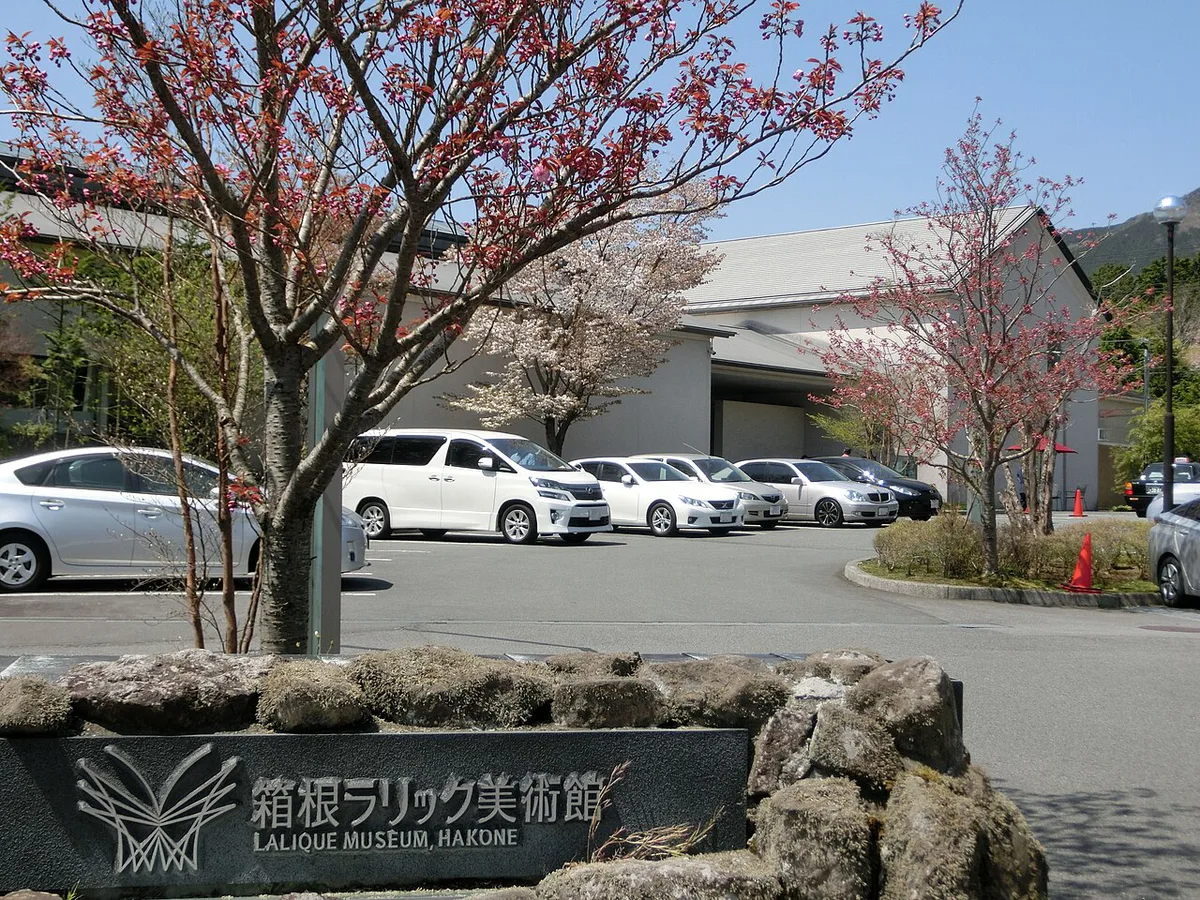
Plan around the opening hours first. The museum is open 9:00 to 16:00, which is earlier than many Hakone sights close. The restaurant runs 11:00 to 17:00. The address is 186-1 Sengokuhara, Hakone-cho, in Kanagawa Prefecture. The phone number listed by Kanagawa's tourism site is 0460-84-2255. Confirm any seasonal changes on the official visitor information page before you go. Admission is tiered. Adults pay ¥1,500 as listed by the Kanagawa tourism page. Parking is free, which helps if you drive.
Adults pay ¥1,500, and the Le Train tea service is charged separately on top of that admission.
- Adults: ¥1,500
- University and high school students, seniors 65 and over: ¥1,300
- Junior high and elementary school students: ¥800
- Museum hours: 9:00-16:00
- Restaurant hours: 11:00-17:00
- Closed: 3rd Thursday of the month
- August: open all month, with temporary closures only for exhibition changes
- Parking: free
What to See Inside the Collection
Start with the jewelry. Lalique treated horn, ivory, and enamel as serious materials rather than lesser ones. His enamel research is also what drew him toward glass, since the two are similar in composition. Look for the motifs he favored: animals, female figures, and flowers. Next come the glass galleries. Lalique mainly used opalescent glass, which is milky white and translucent. Its hue shifts slightly with the angle of the light, so walk around each piece instead of reading only the label. Colored glass became more common from the mid-1920s, but he generally kept to a single color per piece. Two techniques appear again and again in the explanatory text. Mold-blown molding forces molten glass into an iron concave mold under air pressure. Press molding pours the glass into a concave mold and presses it with a convex one. Knowing the difference makes the repeated patterns on vases and tableware easier to read.
- Jewelry galleries: early Art Nouveau pieces in horn, ivory, and enamel
- Glass and crystal galleries: perfume bottles through to larger decorative vases
- Lalique's Workroom: a recreation of his workspace, with doorknobs he designed
- Belle Epoque Room: a room recreating France around 1900, when he worked as a jeweler
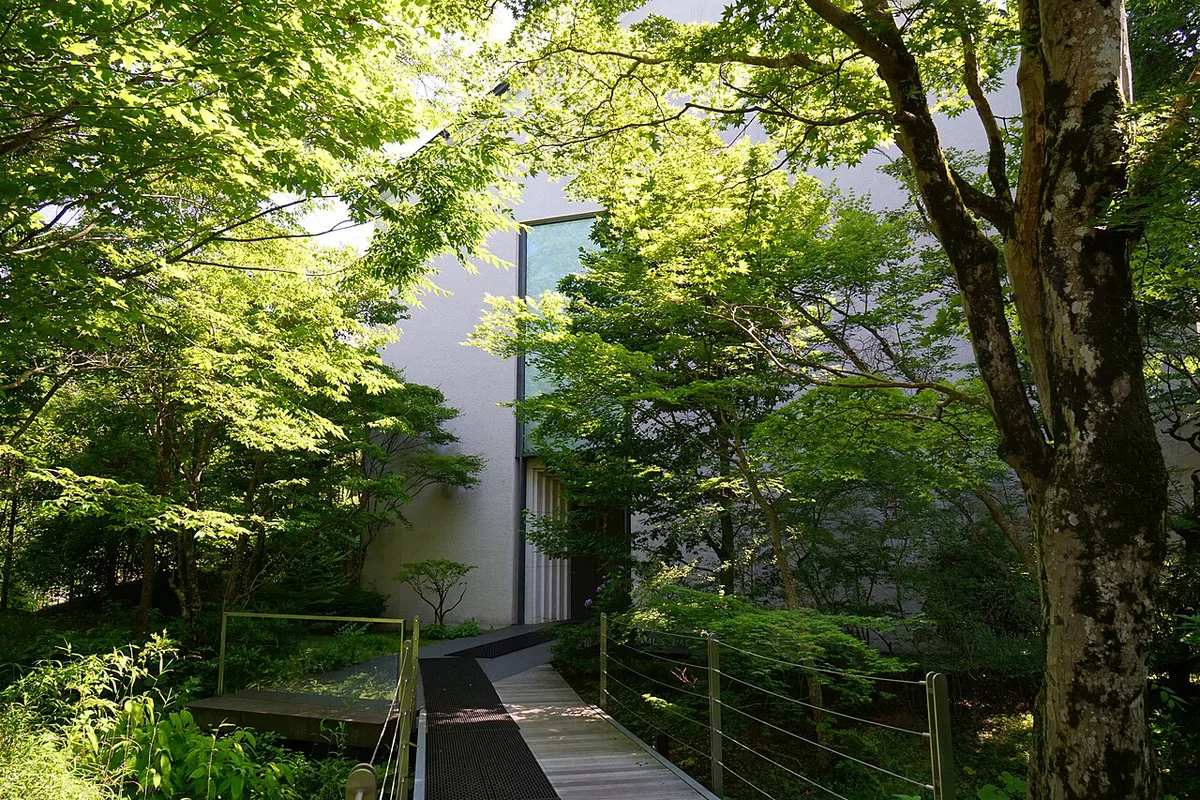
- Garden views: rooms overlook the garden, and outdoor wooden paths run through seasonal plants
- Vintage cars: a red Ford and a green car are on display inside the museum
The Le Train Experience: Is the Orient Express Car Worth It?
Le Train is the special exhibit that sets this museum apart. It is a Côte d'Azur Pullman car, No. 4158E, once used on the Côte d'Azur Express and the Orient Express. It also ran in Japan in 1988 as the Orient Express '88. Lalique interior decorations are displayed inside. The car now operates as a café, so you can sit inside and have tea and sweets. Direct reservation is required, according to the Kanagawa tourism page. Treat it as a timed commitment. Our planning estimate is an extra 45 minutes on top of the galleries. The tea service carries its own fee, and I cannot confirm the current amount from the sources used here, so check the museum's contact details or the official page before you go. Choose it if you care about railway history or Art Deco interiors. Skip it if your day is already tight, because the exterior and the museum itself still give you a full visit. If you do book, schedule tea after the galleries and before the 16:00 museum close, not as an afterthought.
- Reserve directly before you arrive; walk-ins are not guaranteed
- Allow about 45 extra minutes beyond the galleries
- Confirm the tea fee with the museum, since it is separate from the ¥1,500 adult admission
- Best fit: rail history fans, Art Deco enthusiasts, and slow-paced itineraries
- Weaker fit: tight day trips or visitors who mainly want the jewelry
Getting There from Tokyo and Around Hakone
From Shinjuku, take the Odakyu Romancecar to Hakone-Yumoto. Transfer there to a Hakone Tozan Bus bound for Kojiri or Togendai. Get off at Sengoku-annaijo-mae. The museum is about a 1-minute walk from that stop, according to our brief. Buses are the main link to Sengokuhara, so check the last return times in the afternoon, particularly if you book Le Train. A Hakone pass can simplify the bus legs. Read our Hakone Free Pass guide to check which services it covers on your route and whether any museum discount applies. If you drive, free parking removes the bus timing problem. After your visit, Sengokuhara is a practical area for soaking. See our list of the 10 Best Onsen & Ryokan in Hakone: Private Baths, Day Trips & More (2026) to choose one near your route.
The museum is a 1-minute walk from the bus stop, so afternoon bus times matter more than the walk. Add an extra 45 minutes if you book Le Train.
Lalique vs Pola vs Glass Forest: Which Hakone Museum Should You Pick?
Hakone has several art stops, and a single day rarely fits all of them. Pick by taste and pace. Lalique is the focused option: one designer, jewelry first, then glass, with a train car as the extra. For a broader art museum, read our Pola Museum of Art guide. For Venetian glass in a garden setting, see the Hakone Glass Museum Guide: Venetian Glass, Garden and Visit Tips (2026). Hours and prices change, so verify them on the Pola official page and the Venetian Glass Museum page. One practical rule: choose Lalique if you want a short, single-theme visit and you are already in Sengokuhara.
| Museum | Focus | Best for | Check before going |
|---|---|---|---|
| Lalique Museum Hakone | René Lalique jewelry, glass, Le Train | Art Nouveau and Art Deco fans, rail history | Hours 9:00-16:00; 3rd Thursday closure |
| Pola Museum of Art | Broader art collection | Visitors wanting a larger museum | Official hours and prices |
| Venetian Glass Museum | Venetian glass in a garden | Glass lovers who like outdoor time | Official hours and prices |
Mistakes to Avoid and Insider Tips
The most common error is arriving late. Museum entry ends around the 16:00 close, and a Le Train reservation needs a fixed time slot. Aim to arrive by midday. Second, check the calendar. The museum closes on the 3rd Thursday of each month, although it stays open all August except for temporary exhibition changes. Third, do not skip the shop. It carries a selection of Lalique perfumes, and the same building houses the café-restaurant. Fourth, bring layers and an umbrella if the weather is wet. Rooms overlook the garden and outdoor wooden paths run through the grounds, so rain changes the walk but not the galleries. The courtyard is surrounded by greenery that the Kanagawa tourism page describes as refreshing all year round. Finally, keep the day realistic. One museum plus an onsen is a better pace than three museums.
Combining the Museum with a Wider Hakone Day
Because the museum closes at 16:00, treat it as a late-morning or early-afternoon stop. Pair it with another Sengokuhara sight and finish with a soak. The Kanagawa tourism page lists nearby attractions including the Hakone Open-Air Museum, Pola Museum of Art, and Hakone Gora Park, among other stops across Hakone. Use our Japan Travel Guide: Plan Your Trip with Expert Tips & Itineraries if Hakone is one stop in a longer trip. If you are coming from Tokyo in one day, build the schedule backward from the last bus you need to catch.
Frequently Asked Questions
How much does the Lalique Museum Hakone cost?
Adult admission is ¥1,500, based on the Kanagawa tourism listing. University students, high school students, and seniors 65 and over pay ¥1,300. Junior high and elementary school students pay ¥800. Le Train tea service is charged separately, so confirm that fee with the museum.
What are the opening hours?
The museum is open 9:00 to 16:00. The restaurant runs 11:00 to 17:00. It closes on the 3rd Thursday of each month. It stays open all August, apart from temporary closures for exhibition changes.
How do I get to the Lalique Museum Hakone from Tokyo?
Take the Odakyu Romancecar from Shinjuku to Hakone-Yumoto. Change to a Hakone Tozan Bus toward Kojiri or Togendai. Get off at Sengoku-annaijo-mae. The museum is about a 1-minute walk away.
Do I need to reserve Le Train?
Yes, direct reservation is required for the café in the Orient Express car. Plan an extra 45 minutes. Confirm the current fee and time slots with the museum before your trip.
Is the Hakone museum the same as the Lalique museum in France?
No. The Musée Lalique is in Wingen-sur-Moder, France, next to the glassworks. Hakone is a separate museum in Japan with an exhibition-only visit. Neither lets you tour the factory.
Free: The Hakone Essentials guide
Top things to do, where to stay, a perfect day plan, getting around, and the best time to go — a Hakone mini-guide you can take offline.
You might also like


Continue reading
More guides you'll find useful