10 Best Onsen & Ryokan in Hakone: Private Baths, Day Trips & More (2026)
Discover the 10 best onsen and ryokan in Hakone, including private bath options, day-use hot springs, and essential booking tips for a perfect Japanese getaway.
On this page
Hakone sits inside the Fuji-Hakone-Izu National Park about 90 minutes from Tokyo and draws on 17 distinct hot spring sources. The water type varies by area — milky sulfuric nigori-yu from Owakudani-linked springs, clear sodium chloride from the Yumoto zone — which changes the feel of a soak considerably. This guide covers ten specific ryokan and onsen recommendations, the day-use options that work without an overnight stay, and the practical details you need to book before the rooms you want sell out.
TL;DR Quick Picks: Top Hakone Onsen & Ryokan
Best overall for luxury: Gora Kadan, a former imperial villa in Gora with polished kaiseki service and in-room open-air baths from around ¥152,000 per night. Best value with guaranteed private in-room onsen: Hakone Kowakien Tenyu, where every room has a private open-air bath from about ¥47,500. Best day-use private bath: Hakone Yuryo, with 19 bookable kashikiri rooms at roughly ¥6,000 per 50-minute slot. Best budget day-use: Tenzan Tohji-kyo, around ¥1,450 for forested outdoor communal baths. Best for history: Fukuzumiro, a registered Tangible Cultural Property near Hakone-Yumoto operating since 1890.
How to Choose the Best Onsen or Ryokan in Hakone
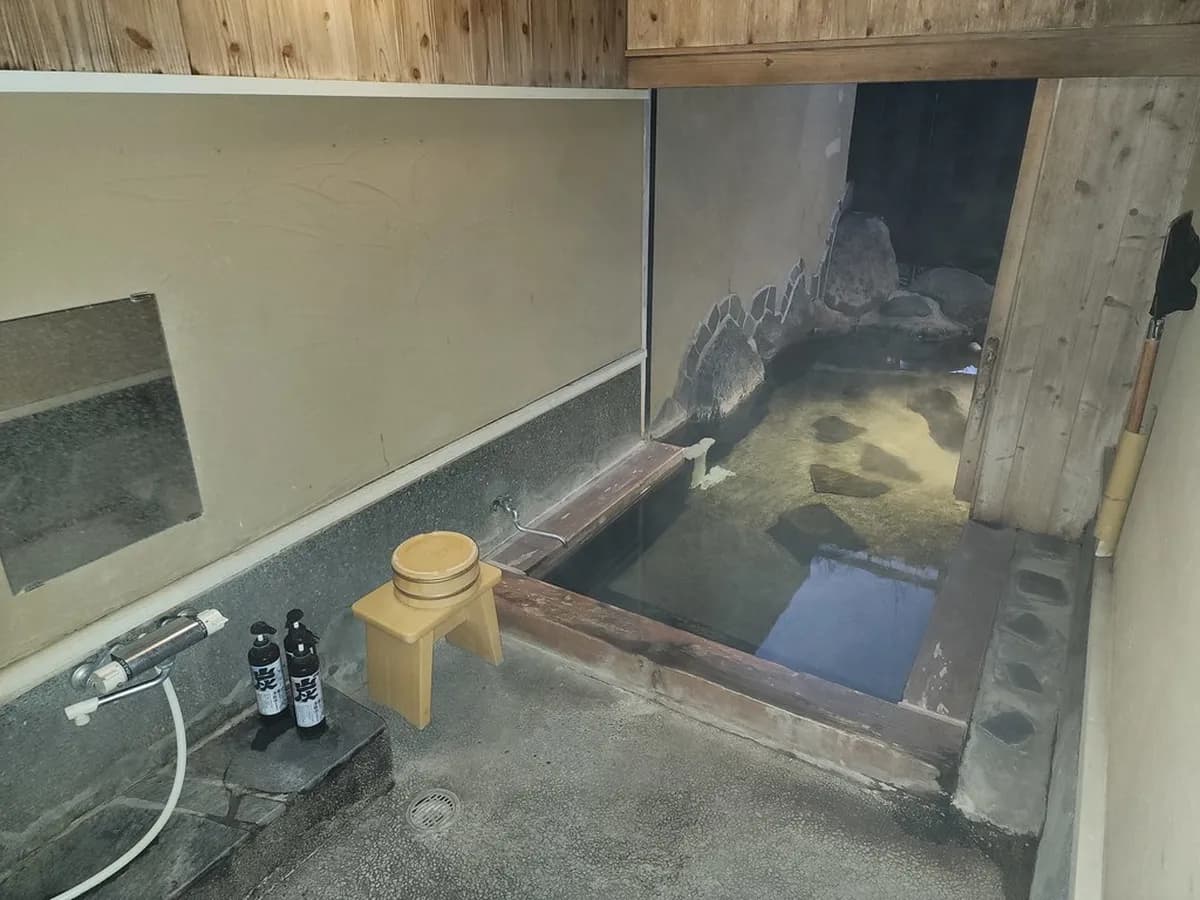
The first decision is bath type. An in-room private open-air bath (look for "rotenburo" or "private open-air bath" in the room description) means you can soak at midnight without timing it around other guests. A kashikiri bath is a reservable time slot — private but not in your room — and is a good option when in-room categories sell out. Communal baths are gender-separated, require bathing naked, and are closed to visible tattoos at most traditional ryokans.
Budget is the second filter. Luxury ryokans with in-room private baths run approximately ¥50,000–¥285,000 per room per night with meals included. Mid-range properties with communal baths or kashikiri access run ¥25,000–¥50,000. Day-use entry costs ¥1,400–¥6,000 depending on communal versus private access.
Location is the third consideration. Gora is central to the Hakone Loop. Hakone-Yumoto has more restaurants and works well with room-only bookings. Sengokuhara suits couples wanting private villas and quiet evenings. Lake Ashi puts you close to Hakone Shrine but further from the ropeway loop start. The spring water character also differs by area, which matters more than most visitors expect.
10 Best Onsen & Ryokan in Hakone for 2026
Prices below are per-room per-night estimates for half-board plans. Rates vary by season, room category, and occupancy. Book directly or via a major OTA for 2026 availability.
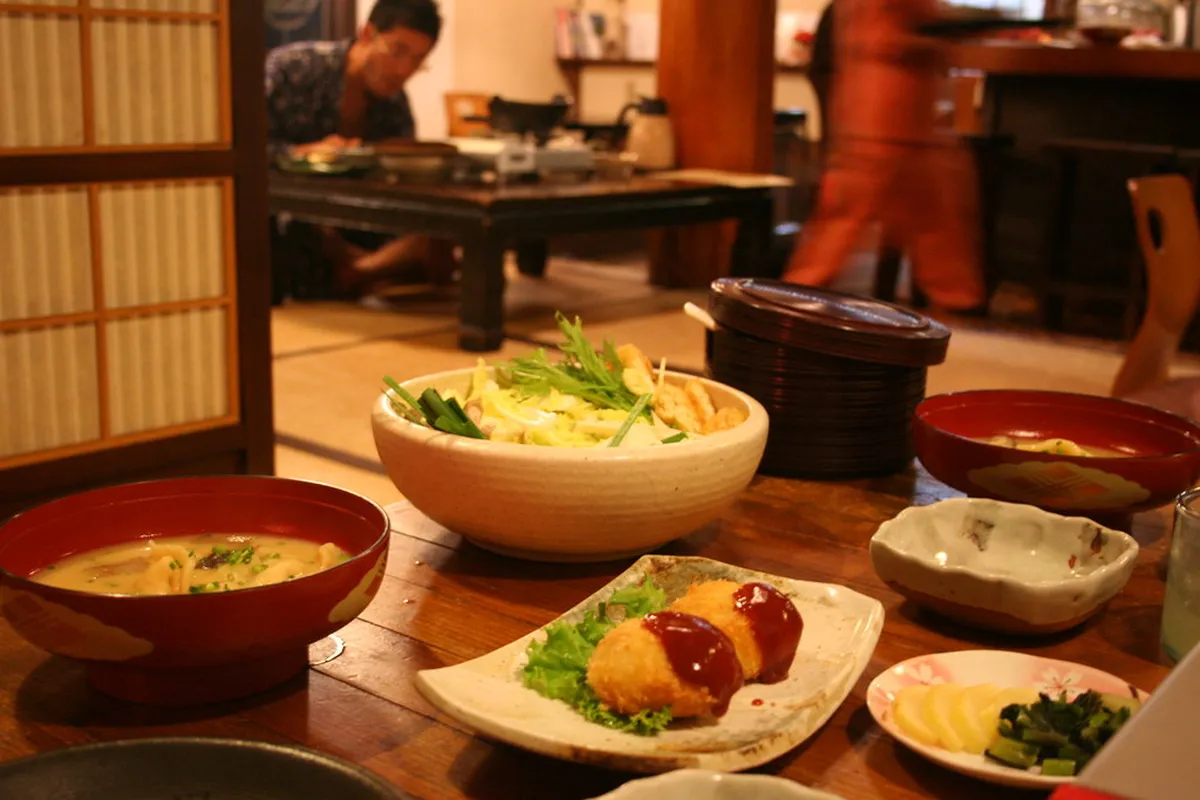
- Gora Kadan (Gora) — ¥152,000–¥285,000. Former imperial villa with landscaped gardens and Michelin-calibre kaiseki. Specify a room with "rotenburo" or "open-air bath" when booking — not all rooms include a private bath. Communal baths are also spring-fed and excellent. Book 3–6 months ahead for autumn weekends.
- Hakone Ginyu (Miyanoshita) — ¥133,000–¥228,000. Every room has a terrace and private open-air bath facing the Hayakawa gorge. The sunrise from the terraces is one of the most dramatic views in Hakone. Access is easiest by taxi from Miyanoshita Station or by ryokan shuttle from Gora.
- Hakone Hoeiso Ryokan (Hakone-Yumoto) — ¥40,000–¥70,000. Traditional tatami-and-futon inn beside the Sukumo River. Both communal and kashikiri private baths are available, which makes it an accessible choice for guests with tattoos if they book a private slot. Reachable by bus from Hakone-Yumoto Station.
- Fukuzumiro (Tonosawa) — ¥35,000–¥60,000. A registered Tangible Cultural Property dating to 1890. The 1890 wooden building itself is worth seeing. Natural spring baths in both communal and private formats. Close to Hakone-Yumoto, making it one of the more convenient historic ryokans in the region.
- Gora Hanaougi Madoka no Mori (Gora) — ¥70,000–¥130,000. Every room has a private open-air bath, and no two rooms share the same floor plan. Tatami corridors, irori-accented lobby, and kaiseki meals with seasonal produce. One of the best guarantees of private-bath access in Gora.
- Kansuiro Ryokan (Tonosawa) — ¥30,000–¥55,000. Hot spring origins dating to 1614, current structure built in 1919. The wooden communal bath is an architectural highlight. Open-air baths can be reserved privately. Also has a rare bedrock bath (ganban'yoku) using natural ore from Hokkaido.
- Kitanokaze Saryo (Sengokuhara) — ¥60,000–¥100,000. Boutique property in the quiet Sengokuhara area with a private open-air bath in every room sourced from the local spring. Mountain-facing balconies. Best reached by bus or car rather than train. Ideal for couples prioritizing seclusion.
- Mikawaya Ryokan (Kowakudani) — ¥35,000–¥60,000. Established in 1883 in a forested setting near Yunessun. Room types range from traditional tatami with shared baths to rooms with private hot spring tubs. Landscaped garden open to guests throughout the year.
- Yoshiike Ryokan (Hakone-Yumoto) — ¥25,000–¥50,000. Sodium chloride-rich spring water characteristic of the Yumoto source — leaves skin noticeably soft. Traditional garden changes through all four seasons. Some rooms include open-air baths; others share communal facilities.
- Hakone Kowakien Tenyu (Kowakudani) — ¥47,500–¥85,500. Every room includes a private open-air onsen regardless of category — a rare guarantee at a property this size. Large hillside public baths are a secondary highlight. Spacious rooms suit families. Close to the Yunessun Spa Resort via the Kowakien bus stop.
Hakone's Spring Water Types: What You're Actually Soaking In
Most visitors choose a ryokan based on photos and price, but Hakone's 17 sources produce meaningfully different water. The Hakone-Yumoto and Tonosawa springs are primarily sodium chloride (ensho-izoku-tan) — colourless, odourless, and noticeably skin-softening after a 15-minute soak. This is the mildest type and suits first-timers and those with sensitive skin. Ryokans like Fukuzumiro and Yoshiike draw from this source.
Springs linked to the Owakudani volcanic zone produce sulfur-rich nigori-yu — a milky white or pale grey water with a noticeable sulfur smell. Boutique properties in Sengokuhara such as Kinnotake Sengokuhara and Byakudan pipe in this water. The Kowakudani area, where Mikawaya and Tenyu sit, also draws on sulfur-influenced springs. Japanese hot spring tradition treats nigori-yu as beneficial for skin conditions, joint pain, and circulation. If you are on blood pressure medication or have a cardiovascular condition, check with a doctor before extended soaking in high-sulfur water.
The Gora and Miyanoshita springs tend to be clear alkaline or mild chloride-sulfate types — a good default for visitors uncertain about stronger sulfuric baths. If the water type matters to your choice, ask the ryokan directly when inquiring about availability.
Day-Use Onsen Options in Hakone (If You Can't Stay Overnight)
Day-use hot springs (higaeri onsen) let you experience Hakone's baths without an overnight stay — a natural add-on to a Hakone Day Trip Itinerary from Tokyo: Plan Your Perfect Day. Three facilities are worth planning around.
Tenzan Tohji-kyo in Hakone-Yumoto is the most popular day-use option. Entry costs around ¥1,450 for adults. Open 09:00–23:00 daily. Guests with tattoos may be admitted solo under specific conditions — verify the current policy directly before visiting. Arrive before 10:00 on weekends to avoid queues.
Hakone Yuryo near Gora offers 19 private kashikiri rooms (open-air, for 1–6 people) alongside communal baths. Communal entry is about ¥1,400; private rooms are approximately ¥6,000 per 50-minute slot. Reserve private rooms online or by phone in advance — weekend slots sell out well before opening. Arrive 15 minutes early with payment ready. The on-site restaurant requires a separate booking not included in the onsen reservation.
Yunessun Spa Resort in Kowakudani operates as a water park-style complex with themed pools, outdoor hot spring baths, and a separate traditional naked-bathing section called Mori no Yu. The main swimsuit-required Spa Zone is one of the few major Hakone onsen facilities where tattoos are generally not a barrier to entry. Spa Zone admission runs approximately ¥2,500 for adults; the combined Spa Zone plus Mori no Yu ticket is approximately ¥3,800. Open 09:00–18:00 with extended hours during peak periods. Check the official site for current 2026 hours.
Best Towns & Areas to Stay in Hakone (Area-by-Area Picks)
Hakone is a network of districts across a mountain region. Your base affects transport logistics, evening dining, and the spring water in your bath.
Hakone-Yumoto is the transport gateway and easiest arrival from Tokyo. It has the most day-use onsens and the widest restaurant choice, making it the best base if you book room-only rather than half-board. The sodium chloride springs are mild. Best for first-time visitors and solo travelers.
Gora is central to the Hakone Loop, sitting at the top of the Hakone Tozan Railway line before the cable car begins. Luxury ryokans here include Gora Kadan and Gora Hanaougi. Dining options near the station are limited, so half-board plans are strongly recommended. Best for travelers doing the full Loop who want a high-end stay.
Sengokuhara is the quietest area, reached mainly by bus or car. Modern boutique properties here pipe in Owakudani's milky nigori-yu water — a specific draw for couples wanting private villas and a distinctive soak. The pampas grass fields (September–October) and several art museums add daytime interest. Best for couples and adults-only stays.
Miyanoshita, described by the Hakone Tourist Association as one of Hakone's most historic districts, sits along the Tozan line with a Victorian-Meiji character. Hakone Ginyu is the best private-bath choice here. Best for travelers who value historic atmosphere and dramatic gorge views.
Lake Ashi (Motohakone) is ideal for morning Mt. Fuji views and lake-based activities. It is more isolated from the Loop start, working best when you front-load the ropeway and cable car on day one. Best for nature-focused travelers with two or more nights in Hakone.
Getting to Hakone from Tokyo: Travel Time & Passes
The most comfortable route is the Odakyu Romancecar direct limited express from Shinjuku to Hakone-Yumoto, taking about 80–85 minutes with reserved seats. A one-way Romancecar ticket plus basic fare costs approximately ¥2,330. Alternatively, the Tokaido Shinkansen from Tokyo or Shinagawa to Odawara takes about 35 minutes, then the Hakone Tozan Railway continues a further 15–25 minutes to Gora. The Shinkansen option is faster for Gora but costs more without a Japan Rail Pass.
For day-use or multi-day visitors, the Hakone Free Pass Guide: Prices, Inclusions, & Itineraries covers unlimited rides on most local transport — Hakone Tozan Railway, cable car, ropeway, Lake Ashi cruise, and local buses. A 2-day pass from Shinjuku costs approximately ¥6,100; the 3-day pass is ¥7,500 (prices updated from 1 October 2025). The pass does not cover the Romancecar or Shinkansen. If you are doing the Hakone Loop over two days, the pass almost always pays for itself by the end of day one.
Essential Onsen Manners and Etiquette
Communal onsen etiquette has a few non-negotiable steps. Before entering the bath, wash your body completely at the individual shower stations along the wall — this is mandatory, not optional. Enter the main bath only after rinsing. Your large towel stays in the changing room; carry only the small modesty towel to the bath edge, and keep it out of the water.
Tattoos are a practical barrier at most communal facilities. Traditional ryokans and public bathhouses prohibit visible tattoos in communal baths. Small tattoos can sometimes be covered with waterproof patches. If you have visible tattoos and want to use a communal bath, look specifically for facilities that advertise tattoo acceptance, or book a private in-room bath or kashikiri slot where policy does not apply. Always verify the specific facility's current rule directly before your visit.
Keep noise to a minimum. Avoid phone calls, loud conversation, and splashing. If you step out to cool down and re-enter, give yourself a quick rinse first. Dry off as much as possible in the changing area before redressing. The atmosphere in a well-run ryokan onsen is genuinely peaceful — the etiquette exists to protect that for everyone present.
Policies & Practicalities to Check Before You Book
Ryokan bookings have more friction points than a standard hotel. Check these before confirming.
- Cancellation terms: Many ryokans charge 50–100% of the stay cost within 3–7 days of arrival, and some require notice a month ahead during peak periods. Read the clause before paying.
- Dietary requirements: Kaiseki meals are pre-planned multi-course dinners. Inform the ryokan of vegetarian, vegan, halal, or allergen needs at the time of booking — last-minute changes are rarely possible.
- Children: Some ryokans are adults-only. Others allow children but charge for a futon regardless. Confirm age restrictions and whether children's meal options exist. Hakone Kowakien Tenyu is a reliable family-friendly choice.
- Tattoo policy: Confirm in writing whether communal baths are accessible or whether private bath arrangements apply. This cannot be resolved on arrival.
- Check-in and check-out: Most ryokans check guests in between 14:00 and 16:00, with departure by 10:00–11:00. Luggage forwarding services at Hakone-Yumoto Station let you explore bag-free on arrival day.
- Accessibility: Older wooden ryokans frequently have many stairs and no lifts. Confirm step-free access directly if you have mobility limitations.
- Shuttle schedules: Some Gora and Sengokuhara ryokans run station shuttles on fixed times. Confirm departure times and what happens if your train is late.
How Far in Advance to Book Your Hakone Ryokan
Private in-room onsen room categories sell out before standard rooms at any ryokan. The timeline below refers to booking the specific room type you want, not just any available bed in the building.
Peak periods — cherry blossom (late March to early April), autumn foliage (mid-October to mid-November), Golden Week (late April to early May), Obon (mid-August), New Year — require four to six months' advance booking for luxury properties. Gora Kadan and Hakone Ginyu private-bath rooms regularly sell out for foliage weekends by midsummer.
Shoulder periods (late April excluding Golden Week, September, early December) generally need two to three months. Weeknights in these periods are cheaper and easier to secure than Friday or Saturday. Off-peak periods (January through mid-March excluding New Year, June, July) allow one to two months' notice — June's rainy season keeps crowds down and occasionally opens availability at top-tier properties with relatively short lead time.
Explore best onsen in other cities
Frequently Asked Questions
Which Hakone ryokans offer private onsen?
Many top Hakone ryokans offer private onsen, either as part of the room amenities or as bookable private baths. Gora Kadan, Hakone Ginyu, Gora Hanaougi Madoka no Mori, Kitanokaze Saryo, and Hakone Kowakien Tenyu are excellent choices that frequently provide private onsen options. Always confirm availability when booking.
Are tattoos allowed in Hakone onsens?
Tattoo policies vary significantly among Hakone onsens. While many traditional ryokans still prohibit visible tattoos in public baths, some modern establishments and day-use facilities are more accommodating. If you have tattoos, it is crucial to check the specific ryokan's policy beforehand or opt for a room with a private onsen to ensure a comfortable experience.
What is the best area to stay in Hakone for onsens?
The best area for onsens in Hakone depends on your preferences. Gora is excellent for luxury and scenic views, while Hakone-Yumoto offers convenience and a lively atmosphere. Miyanoshita provides a historic charm, and Sengokuhara is ideal for a tranquil, secluded retreat. Each area has unique onsen experiences.
What is the difference between an onsen and a ryokan?
An onsen refers specifically to a natural hot spring bath, while a ryokan is a traditional Japanese inn. Many ryokans feature onsens, often drawing water directly from natural hot springs. You can experience an onsen at a public bathhouse or as part of an overnight stay at a ryokan, which typically includes meals and traditional hospitality.
Can you visit Hakone onsens for a day trip?
Yes, many onsens in Hakone offer day-use options, allowing visitors to enjoy the hot springs without an overnight stay. Popular choices include Tenzan Tohji-kyo and Hakone Yuryo. These facilities are perfect for those on a day trip from Tokyo, providing a relaxing break and a taste of the onsen experience.
Hakone's appeal as an onsen destination comes from proximity to Tokyo, genuine geothermal variety, and a hospitality culture built around the bath as the centrepiece of the evening. Whether you want the milky sulfuric nigori-yu of Owakudani-linked properties, the mild sodium springs of Yumoto, or the complete privacy of an in-room rotenburo, the options here span every budget and preference. Use the area guides and booking timeline above to narrow your choices, then confirm the spring water type and tattoo policy directly with the ryokan before paying. For a broader look at what to plan around your onsen stay, the Hakone attractions guide covers the Hakone Loop, the Open-Air Museum, and Hakone Shrine in full.
Free: The Hakone Essentials guide
Top things to do, where to stay, a perfect day plan, getting around, and the best time to go — a Hakone mini-guide you can take offline.
You might also like


Continue reading
More guides you'll find useful