10 Best Aomori Festivals and Events for Every Season (2026 Guide)
See Aomori's best festivals for 2026 by season: Aomori Nebuta dates, Hirosaki cherry blossoms, Hachinohe Enburi, Tanbo Art, and Haneto dancer logistics.
On this page
Last updated August 2026. Aomori festivals are best known for the Aomori Nebuta Festival, the massive lit-float parade that fills downtown Aomori every August 2 to 7. That's just one week though: spring brings Hirosaki's cherry blossoms, autumn turns the same castle grounds gold, and winter pairs snow lanterns with lakeside fireworks.
10 Best Aomori Festivals and Events, Season by Season
Aomori Prefecture packs a genuinely varied festival calendar, a point the Japan National Tourism Organization's Aomori guide also highlights. Spring opens with cherry blossoms at Hirosaki Castle, and summer stacks four separate float festivals into a single week. Autumn turns the same castle grounds gold with chrysanthemums, while winter pairs snow lanterns with lakeside fireworks at Lake Towada. Rather than treating Nebuta as the only reason to visit, this list orders the ten events worth building a trip around, season by season. Dates, prices, and logistics follow for each one.
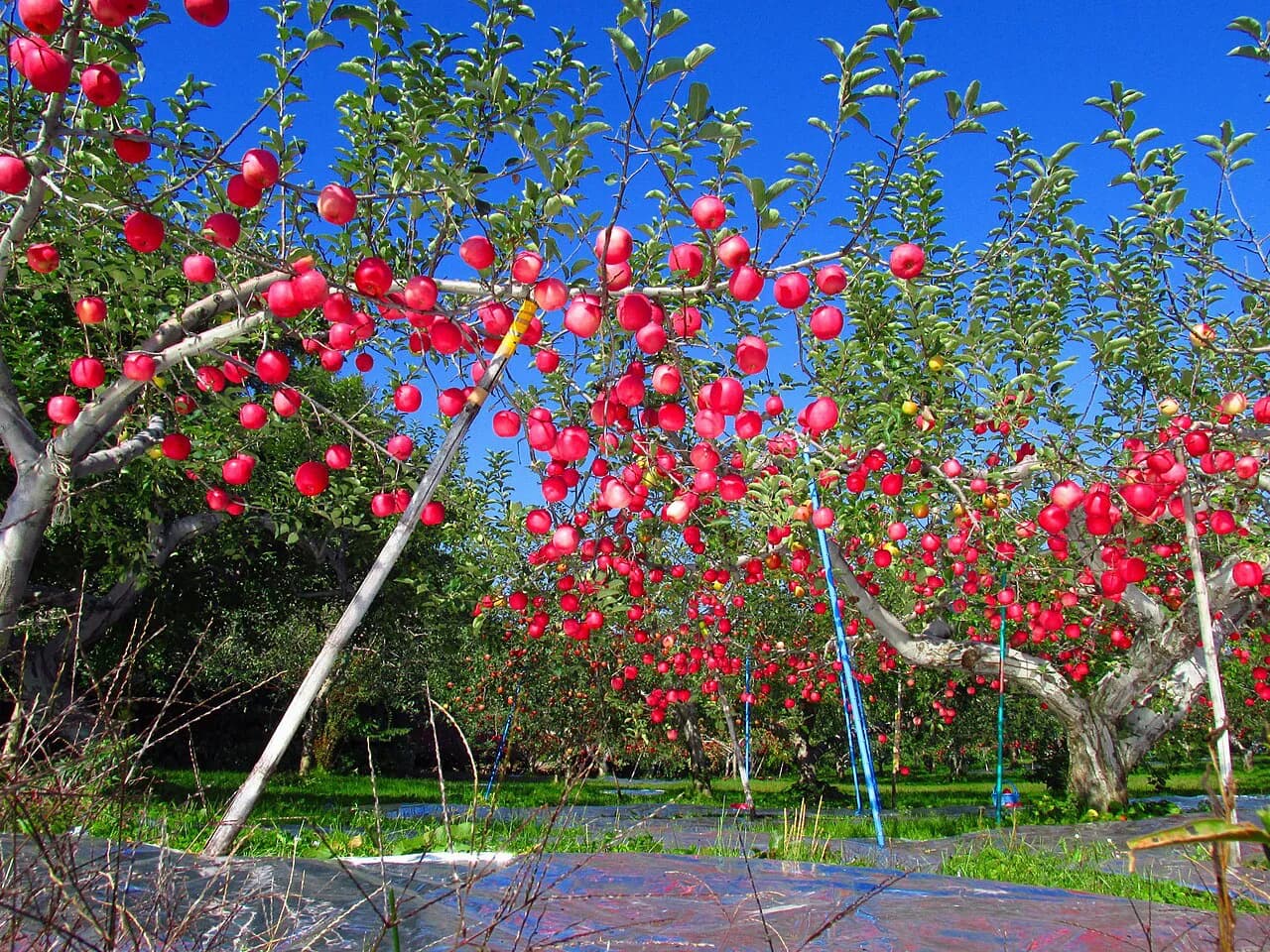
- Hirosaki Cherry Blossom Festival (April 23-May 5)
- Dates run April 23 to May 5 most years, per the official Aomori events calendar, though actual bloom timing still shifts with spring weather.
- General park access is free, and entry to the castle grounds and botanical garden runs up to ¥520 during peak bloom, per published festival pricing.
- Hirosaki Park and Hirosaki Castle are the main viewing grounds; confirm current opening hours on the Hirosaki City tourism site before building a same-day plan around them.
- Aomori Nebuta Festival (August 2-7)
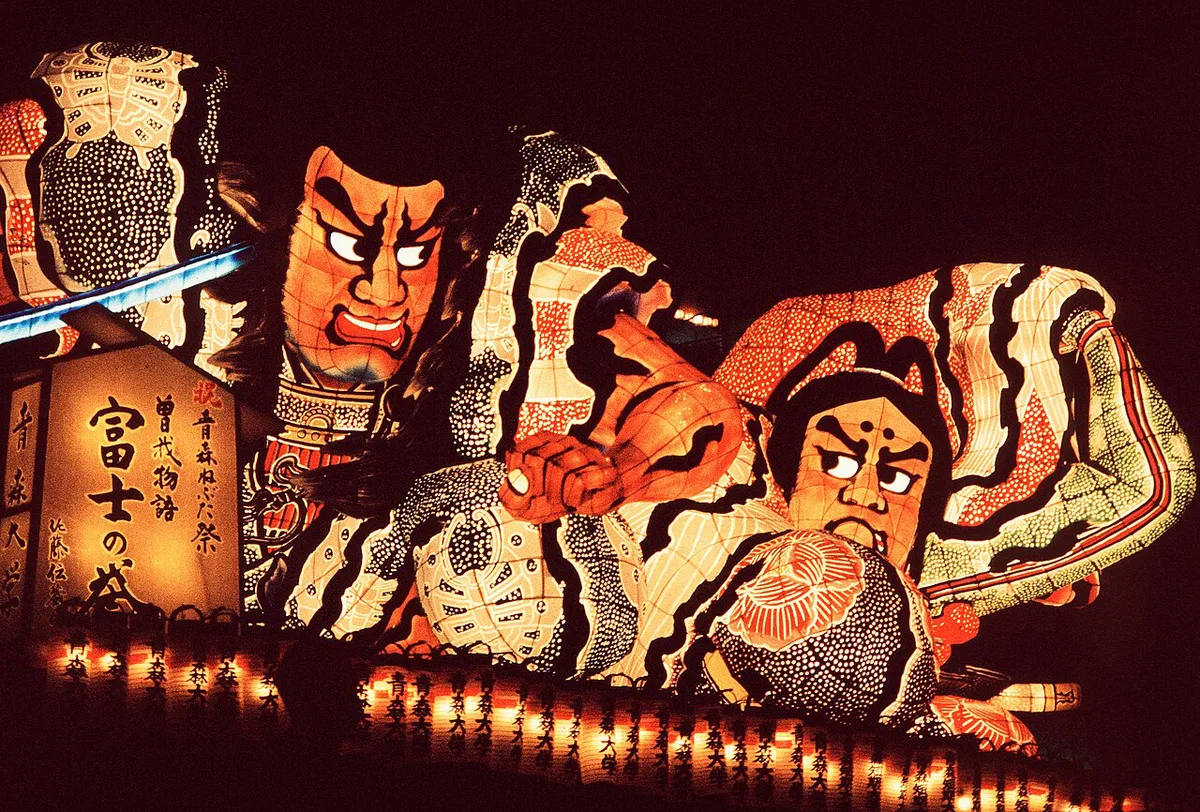
- Floats stand about 30 feet wide and 16 feet tall, built from wood, wire, and glowing washi paper over months of work by specialist float masters known as Nebutashi.
- Downtown Aomori's parade route covers about 1.9 miles, a 10-minute walk from JR Aomori Station, with nightly processions from 7:00 to 9:00 p.m. through August 6. The Nebuta Matsuri guide has route maps and paid-seat pricing for the full week.
- Festivities close on August 7 with a daytime parade followed by a marine procession into Aomori Bay, where floats are ferried past the harbor from 7:15 to 9:00 p.m. alongside fireworks. Yatai stalls along the route sell grilled squid, Nebuta senbei, and other festival food; the Nebuta food guide covers what to try between processions.
- Hirosaki Neputa Festival (Early August)
- Fan-shaped Ogi floats replace Aomori's three-dimensional figures here, each lit from inside rather than built into full 3D forms.
- Atmosphere here runs more solemn than Nebuta's Rassera chanting, reflecting a more traditional procession through Hirosaki's old castle-town streets.
- It runs in the same first week of August as Nebuta, so a single Tohoku trip can realistically cover both cities on consecutive nights. The Hirosaki Neputa Matsuri guide has the exact nightly schedule and viewing spots near Hirosaki Park.
- Goshogawara Tachineputa Festival (August 4-8)
- These vertical floats reach about 75 feet tall, built in stacked tiers and raised section by section as the parade sets off through Goshogawara's town center.
- At 75 feet, they dwarf Nebuta's roughly 16-foot floats and Hirosaki's fan-shaped Neputa displays, making Tachineputa the tallest of the three summer festivals by a wide margin.
- Evening parades run through the first week of August; the Goshogawara Tachineputa guide covers exact nightly timing and where to stand along the route.
- Hachinohe Sansha Taisai Festival (July 31-August 4)
- Hachinohe's largest annual festival centers on ornate floats that belong to the UNESCO-recognized group of Japanese float-festival traditions, paraded through the city's downtown streets.
- Dates run July 31 to August 4, positioned just before Aomori's Nebuta week, which makes it a workable warm-up stop for travelers arriving in the region early.
- Pair the floats with Nanbu-area specialties from the Aomori food guide, since Hachinohe sits outside the Tsugaru area that hosts most of this list's other summer festivals.
- Inakadate Tanbo Art (June 1-October 12)
- Rice paddy murals made from color-variety rice plants are viewable from June 1 through October 12, with entry priced at ¥300 at the door.
- Two viewing platforms overlook different murals, and each design becomes more legible as the rice plants mature through mid-to-late summer.
- It's a low-effort, family-friendly stop compared with the crowded float festivals; the Aomori attractions guide covers how to fit it into a wider Tsugaru-area itinerary.
- Hirosaki Castle Chrysanthemum and Autumn Foliage Festival (Late October-Early November)
- Dates fall late October into early November at the Hirosaki Castle Botanical Garden, with entry priced at ¥320.
- Chrysanthemum displays overlap with peak autumn foliage at the same castle grounds, giving a shorter and quieter alternative to the spring cherry blossom crowds.
- Combine it with a stop in central Hirosaki as part of a broader How Many Days In Aomori: 10 Planning Essentials, since the castle grounds are walkable from most downtown hotels.
- Hachinohe Enburi Festival (February 17-20)
- Enburi runs February 17 to 20 in Hachinohe, one of the few major Aomori festivals held entirely in winter rather than around the summer float season.
- It draws visitors for ritual folk performance rather than crowds or fireworks, a slower and more contemplative pace than Nebuta's chanting and dancing.
- Pair it with a winter Tohoku itinerary using the Hachinohe Enburi Festival guide, which covers where in Hachinohe to watch and how performances are staged across the festival's four days.
- Hirosaki Castle Snow Lantern Festival (February, About 5 Days)
- Dates span about five days in February, with snow lantern displays lit from 10:00 a.m. to 9:00 p.m. and free admission to the grounds.
- Snow sculptures and lit lanterns fill the same castle grounds that host the spring cherry blossoms, so the setting carries over between two very different seasons.
- Pair a visit with Aomori's other winter events; the Aomori winter festivals guide lists dates for nearby illuminations and how to combine several winter stops in one trip.
- Lake Towada Winter Story of Light (Late January-Late February)
- Dates run roughly late January through late February, with illuminations and nightly programming from 4:30 to 9:00 p.m., free to attend.
- Fireworks light the lake most evenings, timed alongside illuminated walkway installations that circle the shoreline near the main festival grounds.
- It sits in a different part of the prefecture than the Tsugaru float festivals, so plan it as a separate leg. Check current dates on the official Aomori events calendar before booking transport.
Summer Showdown: Aomori Nebuta vs. Hirosaki Neputa vs. Goshogawara Tachineputa
All three major float festivals fall within the same eight-day window in early August, which is exactly why travelers ask which one to prioritize. Aomori Nebuta delivers the most participatory energy: thousands of Haneto dancers bounce alongside the floats to Rassera chanting through a 1.9-mile downtown route. Hirosaki Neputa trades that intensity for a quieter mood, with fan-shaped floats and a more traditional procession through the old castle town instead of a dancing crowd. Goshogawara Tachineputa is the visual outlier at roughly 75 feet tall, built to be seen from a distance rather than danced alongside. The three cities sit close enough together that one dedicated Tohoku trip can realistically fit all three across a single week. See the table below for what separates them at a glance.
| Festival | Float Style | Atmosphere | Key Dates |
|---|---|---|---|
| Aomori Nebuta | 3D human-shaped floats, about 16 ft tall | High-energy, participatory (Haneto dancers) | Aug 2-7 |
| Hirosaki Neputa | Fan-shaped (Ogi) floats | Quieter, more traditional | Early August (overlaps Nebuta) |
| Goshogawara Tachineputa | Vertical floats up to about 75 ft | Dramatic, spectacle-focused | Aug 4-8 |
How to Join the Haneto Dancers at Nebuta
Watching from the sidewalk isn't the only option at Aomori Nebuta. Anyone can dance as a Haneto, and no advance registration or booking is required at all. Wearing the official costume is the only requirement, and it lets you join any float group from its starting point along the route.
Thousands of Haneto dancers bounce through the 1.9-mile downtown route, creating the high-energy participatory atmosphere that distinguishes Aomori Nebuta from Hirosaki's quieter procession and Goshogawara's dramatic vertical displays.
- Hanagasa
- A triangular straw hat decorated with artificial flowers, worn on the head as the most recognizable piece of the outfit.
- Kimono layers
- A white-based yukata with the hem tucked to knee height, worn over a pink or light blue underlayer called an okoshi, and secured with a shigoki sash.
- Gagashiko
- A small tin or bamboo container worn at the waist, traditionally for carrying water or sake during the procession.
- Tabi and zori
- Split-toe socks paired with straw sandals, tied on with cloth called mameshibori so they stay on while dancing and bouncing.
Which Aomori Festival Should You Plan Your Trip Around?
Matching a festival to travel style narrows the calendar fast, especially for a first Tohoku trip with limited days. Scores below rank four of the most distinct options by effort level and who each one actually suits.
| Festival | Best For | Effort Level | Key Date Range |
|---|---|---|---|
| Aomori Nebuta | High energy, hands-on participation | High (dense crowds) | Aug 2-7 |
| Hirosaki Cherry Blossom | Photography, slower pace | Medium | Apr 23-May 5 |
| Hachinohe Enburi | Deep culture, winter travel | Medium | Feb 17-20 |
| Inakadate Tanbo Art | Families, art-focused stops | Low | Jun 1-Oct 12 |
Where to Stay and How to Get Around for Festival Season
Hotel rooms for the August float festivals often sell out six to ten months ahead, especially anything within walking distance of the Nebuta route. Lock in Aomori City lodging as soon as travel dates are fixed, then work backward on train tickets and paid seating.
Aomori Nebuta (August 2-7) creates peak hotel demand, while cherry blossoms (April 23-May 5) and Hachinohe Enburi (February 17-20) draw visitors in seasons with noticeably lower hotel prices.
Basing in Aomori City puts you closest to Nebuta's route and the marine procession finale on the final night. Hirosaki works better as a base for the cherry blossom and autumn foliage festivals, and it's a reasonable backup during Nebuta week if Aomori hotels are already full. Check the Hirosaki from Aomori guide for train frequency and journey time between the two bases.
For festival-hopping beyond those two cities, a rail pass covering the Tohoku area can offset the cost of multiple point-to-point tickets across a week of float-chasing. Start planning routes with the getting to Aomori guide before locking in hotel dates.
Bloom timing and float-festival windows both shift by roughly a week in some years. Cross-check exact current dates against the best time to visit Aomori guide before booking non-refundable rooms.
Mistakes to Avoid at Aomori's Festivals
Rain doesn't cancel Nebuta. Crews wrap the floats in large vinyl sheets, and the procession continues on schedule, so don't rebook plans around a rain forecast. Bring a raincoat instead of an umbrella, since open umbrellas block the view for everyone standing behind and are actively discouraged along the route.
Free sidewalk viewing gets crowded fast, especially near JR Aomori Station and the final blocks of the route. Paid reserved seating exists along the parade route and is worth booking ahead for families, older travelers, or anyone who wants a guaranteed sightline. Walk-up seats, when still available, go on sale the day of the event, but availability isn't guaranteed.
Treating Nebuta as the only reason to visit Aomori also means missing a lot. Hirosaki's cherry blossoms, Hachinohe's Enburi, and Inakadate's rice paddy art all draw dedicated visitors outside the first week of August, and hotel prices outside that window run noticeably lower.
Explore festivals and events in other cities
- Kochi's festivals and events
- Morioka's festivals and events
- Hakodate's festivals and events
- Otaru's festivals and events
- Kawagoe's festivals and events
- Nagano's festivals and events
- Okayama's festivals and events
- Hakone's festivals and events
- Fukuoka's festivals and events
- Nagasaki's festivals and events
- Takayama's festivals and events
- Kobe's festivals and events
- Sendai's festivals and events
- Akita's festivals and events
- Yokohama's festivals and events
- Okinawa's festivals and events
- Kyoto's festivals and events
- Nara's festivals and events
- Kanazawa's festivals and events
- Naha's festivals and events
- Niseko's festivals and events
- Nikko's festivals and events
Frequently Asked Questions
When is the Aomori Nebuta Festival in 2026?
Aomori Nebuta Festival runs August 2 to 7, 2026. Main parades start around 7:00 p.m. each night, and the festival closes on August 7 with a marine procession and fireworks in Aomori Bay from 7:15 to 9:00 p.m.
What's the difference between Nebuta, Neputa, and Tachineputa?
Aomori Nebuta uses large 3D human-shaped floats with dancing Haneto crowds. Hirosaki Neputa uses flat, fan-shaped floats and a quieter, more traditional procession. Goshogawara Tachineputa uses vertical floats up to 75 feet tall, the tallest of the three.
Do you need to register to dance as a Haneto at Nebuta?
No advance registration is required. Anyone wearing the official Haneto costume can join a float group at its starting point. Costumes are available to rent or buy at department stores in Aomori City.
Is Hirosaki or Aomori City the better base for festival season?
Aomori City puts you closest to the Nebuta route and the marine procession finale. Hirosaki works better for the spring cherry blossom and autumn foliage festivals, and it's a reasonable backup base during Nebuta week if Aomori hotels are already booked.
What happens if it rains during a festival?
Aomori Nebuta continues in the rain; floats are covered with vinyl sheeting to protect the paper and paint. Bring a raincoat rather than an umbrella, since open umbrellas obstruct sightlines along the parade route.
How much do Aomori's festivals cost to attend?
Most festivals are free to watch from public areas. Aomori Nebuta charges only for reserved seating along the route; standing views are free. Hirosaki's Cherry Blossom Festival charges up to ¥520 for castle-grounds entry, and Inakadate's Tanbo Art charges ¥300 at the door. The Hirosaki Castle Chrysanthemum and Autumn Foliage Festival charges ¥320 for garden entry.
Explore More Aomori Festivals & Events
Dig deeper into Aomori Prefecture's festival calendar, from summer lantern floats to winter dance rituals and practical trip planning.
Summer Lantern Festivals
- Aomori attractions hub: tickets, hours & maps
- Hirosaki Neputa Matsuri 2026
- Goshogawara Tachineputa Matsuri: A Guide to Aomori's Tallest Festival Floats
- Aomori Nebuta Matsuri Travel Guide
- Aomori Nebuta Matsuri Food Stalls
Winter & Cold-Season Events
Plan Your Trip
- How Many Days In Aomori
- How To Get To Aomori
- Best Time To Visit Aomori: 10-Point Seasonal & Travel Guide
- Hirosaki From Aomori: Complete Travel & Transport Guide
Eat & Explore Aomori
Free guide: Japan's Hidden Gems
12 under-the-radar places beyond Tokyo & Kyoto — with the best season to visit each and a local tip you won't find in the guidebooks.
You might also like


Continue reading
More guides you'll find useful