Nagasaki Festivals Guide: 11 Best Events, Dates & Local Logistics
Plan your trip around Nagasaki festivals with dates, costs, and local logistics for Nagasaki Kunchi, the Lantern Festival, Shoro Nagashi, and 8 more events.
On this page
Last updated September 2026, this guide covers Nagasaki festivals across the full calendar. Nagasaki spent centuries as Japan's single treaty port for Chinese, Dutch, and Portuguese traders, and that history still shapes its biggest events instead of generic matsuri drumming. Below are 11 festivals worth building a trip around, plus the tram fares, ticket windows, and noise warnings most guides skip.
Why Nagasaki Festivals Feel Different
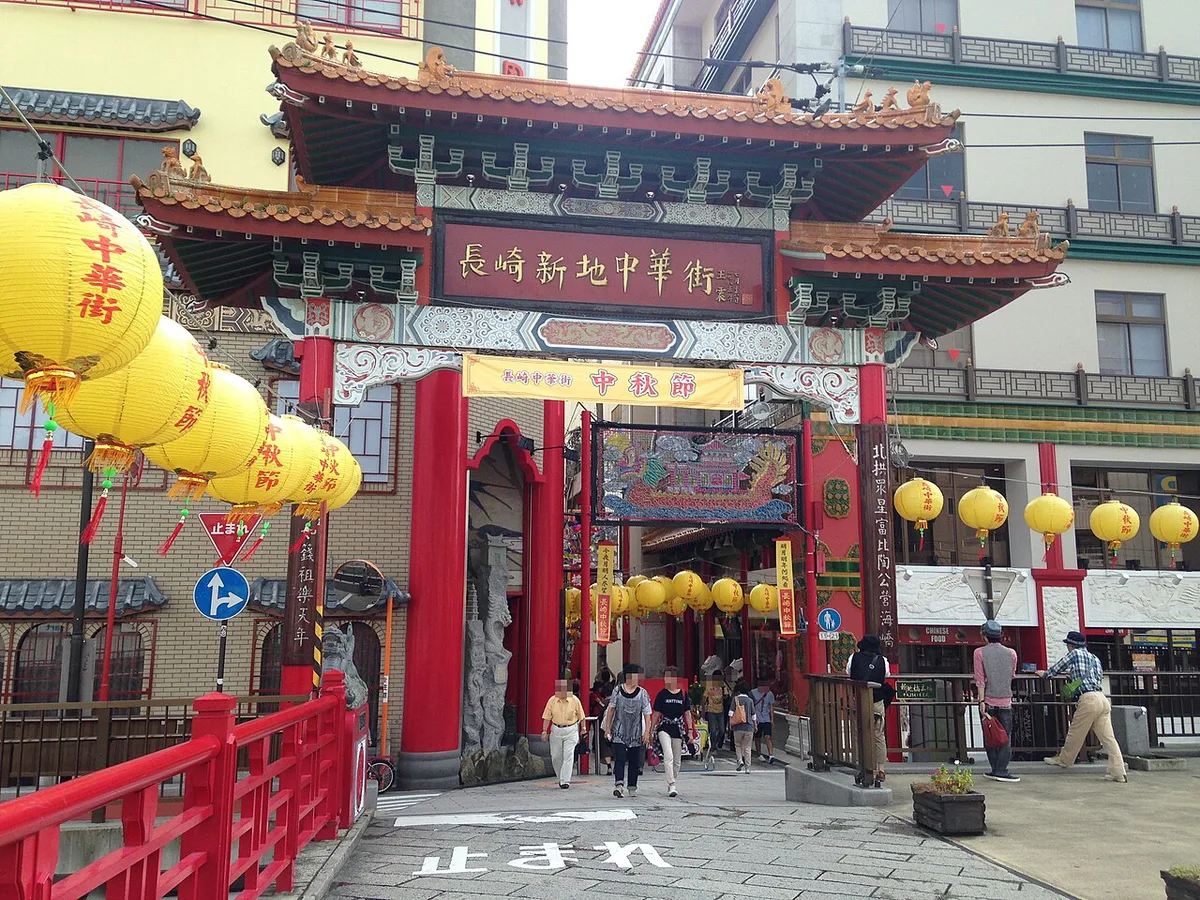
Nagasaki operated as Japan's only officially sanctioned trading port during more than two centuries of national isolation. Chinese merchants settled permanently in the Shinchi district, Dutch traders lived on the artificial island of Dejima, and Portuguese missionaries left a Christian imprint on local custom and dress. Kunchi's dragon dance and Dutch-inspired float performances trace directly to that mixed population rather than to a single Shinto tradition. One local explanation ties Kunchi's origins to Edo-period surveillance of hidden Christian converts. Neighborhoods still open their homes for public viewing before the festival, a custom that predates its modern form. From Nagasaki Station, the tram runs directly to the Suwa Jinja stop, a short walk from Kunchi's main shrine venue, according to Japan's official travel guide. For a full year-round planner alongside this overview, the month-by-month festival calendar breaks every date down further. Regional explorers stacking a wider Kyushu circuit can pair a festival weekend with the Nagasaki attractions guide for daytime sightseeing.
The Big Three at a Glance
Three events define Nagasaki's festival identity: Kunchi in autumn, the Lantern Festival in winter, and Shoro Nagashi in midsummer. Each draws a different type of traveler, and each carries its own cost and booking reality. Kunchi rewards photographers and culture-focused trips willing to plan months ahead. Families and first-time visitors tend to prefer the Lantern Festival, a free, low-effort evening out. Shoro Nagashi fits travelers comfortable with loud, crowded streets rather than a quiet ceremony. Use the table below to match a festival to your trip dates and tolerance for noise or planning lead time. None of the Big Three requires an entry fee to watch from the street. Any cost comes from optional paid seating or hotel timing rather than a festival ticket itself.
| Festival | Dates | Cost | Best For | Book Ahead? |
|---|---|---|---|---|
| Nagasaki Kunchi | Oct 7-9 (fixed) | Free standing room; paid sajiki seats extra | Photography and culture-focused trips | Yes, paid seats sell out months ahead |
| Nagasaki Lantern Festival | Feb 5-21, 2027 (Lunar New Year, shifts yearly) | Free | Families and first-time visitors | No, but hotels fill early |
| Shoro Nagashi | Aug 15 (fixed) | Free | Travelers comfortable with loud, crowded streets | No, but arrive early for space |
The 11 Best Nagasaki Festivals and Events
These events span the full year, from January daffodil fields to November sake tastings. Each entry notes the one detail that trips up first-time visitors, whether that's a distant location, a paid ticket, or a noise level worth preparing for. Distances and travel times below reflect central Nagasaki as the starting point.
- Nagasaki Kunchi (Oct 7-9)
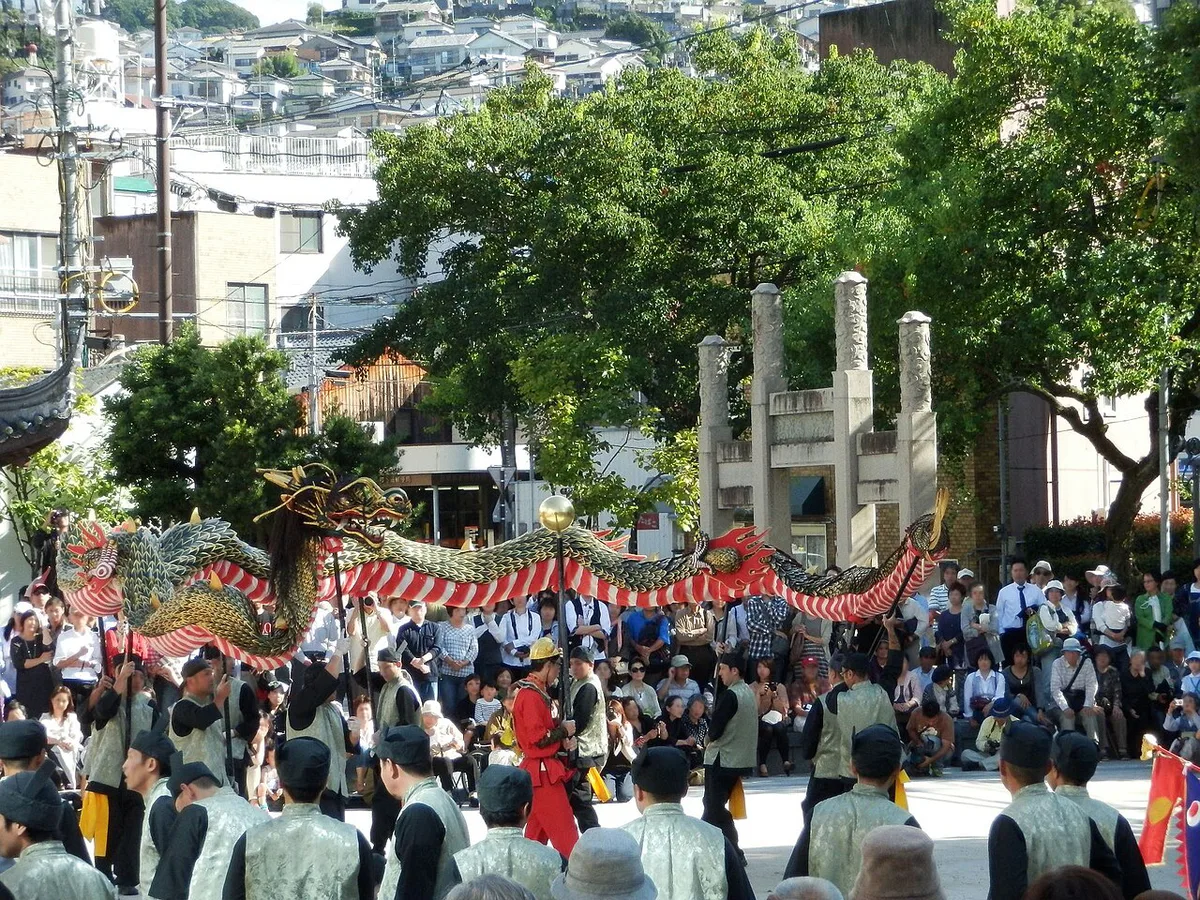
- Dedicatory dances trace back to Suwa Shrine's 1614 founding, blending Chinese dragon dance with Dutch-inspired Oranda manzai performances and elaborate floats.
- Each year 7 of the city's 59 odori-cho neighborhoods perform, so one district's specific routine returns roughly every seven to eight years.
- Paid sajiki seating sells out months ahead, but free standing room is available if you arrive by 5:00 AM. See the full Nagasaki Kunchi guide for neighborhood-by-neighborhood schedules and viewing spots.
- Nagasaki Lantern Festival (Feb 5-21, 2027)
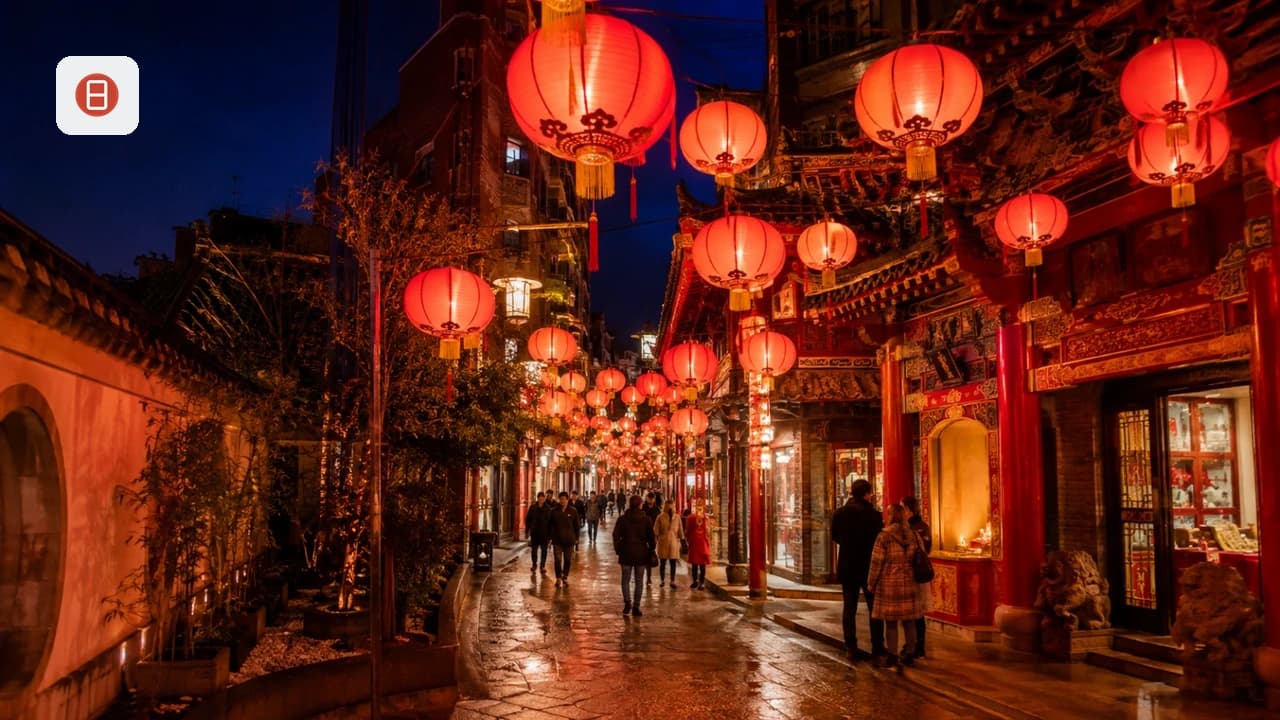
- Roughly 15,000 lanterns light Shinchi Chinatown and Minato Park over 15 days, according to Discover Nagasaki.
- Walk the route from the Nakashima River toward Chinatown at dusk, when the colors show up best against the evening sky.
- Dragon and lion dances echo the original Chinese New Year celebrations of Shinchi's Chinese residents, and entry is free. Find the full performance schedule in the dedicated Lantern Festival guide.
- Shoro Nagashi, the Spirit Boat Procession (Aug 15)
- Families push handmade boats carrying a relative's name, crest, and hometown toward the harbor, with activity running roughly 6:00 PM to 11:00 PM.
- Firecrackers, bells, and shouted chants fill downtown streets. It's louder than Kyoto's quiet lantern floating, so earplugs are a practical local habit.
- Entry is free, but stand back from the boat routes and expect noise to continue late into the night. Check viewing spots along the route in the full Shoro Nagashi guide.
- Nomozaki Daffodil Festival (Late January-Mid February)
- Nomozaki Suisen-no-sato Park sits roughly 40 minutes by car from central Nagasaki, with no direct tram or train access.
- Around ten million daffodils bloom across the hillside, with the UNESCO World Heritage site Gunkanjima visible offshore on a clear day.
- Budget for a rental car or taxi, and check current-year opening dates before the trip, since bloom timing shifts with winter weather.
- Kanoukaen Fire Festival (Late March)
- Around 200 torch-bearing performers reenact a 16th-century siege in a night procession through Tachibana Park in Shimabara.
- Matchlock weapons fire during the performance, and the date typically overlaps with the region's cherry blossom bloom.
- This is a fire festival, not a flower-viewing event, so expect smoke and loud reports rather than a quiet hanami crowd.
- Nagasaki Peiron Dragon Boat Championship (July)
- Dragon boat teams race across Nagasaki Harbor each July as part of the Nagasaki Port Festival; check current-year dates before planning around it.
- Fireworks close out the harbor festival in the evening, and the whole event is free to watch from the waterfront.
- This is a spectator event rather than a fixed-viewing-platform festival, so claim harbor-front space early if a specific vantage point matters.
- Takengei Bamboo Pole Performance (Oct 14-15)
- Performers dressed as fox spirits balance on a pair of bamboo poles roughly 33 feet (10 meters) tall at Wakamiya Inari Shrine.
- Strange, atmospheric musical accompaniment runs under the acrobatics. The dates fall right after Kunchi wraps up, so pair the two if visiting in mid-October.
- Huis Ten Bosch Kingdom of Light (Winter Season)
- Roughly 10 million lights cover the Dutch-themed park's canals and gardens through the winter months.
- Entry requires standard park admission, unlike the free city-center festivals above, so budget accordingly.
- Plan a route through the park with the full illumination guide before visiting.
- Maruyama Hana Festival (November)
- A parade recreates the courtesan processions of the historic Maruyama pleasure district, once one of Japan's largest hanamachi quarters.
- It runs on city streets near central Nagasaki, so it pairs easily with a same-day tram ride to other festival sites.
- Doya Tanada Rice Terrace Festival (October)
- Roughly 2,600 lanterns line the terraced rice paddies in the Hirado/Matsuura area after dark, usually on the second Sunday of October.
- No train service reaches the terraces, so a rental car is the only realistic way in.
- Plan it as a separate half-day trip from city-center events rather than a same-day pairing.
- Umegae Sake Brewery Open Warehouse (Early November)
- The brewery opens its warehouse for tastings in the Sasebo/Huis Ten Bosch area in early November.
- It overlaps with Maruyama Hana Festival season, so food- and drink-focused travelers can stack both into one November trip.
Huis Ten Bosch: Paid Spectacle vs Free City Matsuri
Huis Ten Bosch runs on a different model than the street festivals above. Its Kingdom of Light illumination lights canals and gardens with roughly 10 million bulbs across the winter season. Unlike outdoor matsuri, the schedule holds steady regardless of weather or lunar timing. Entry requires standard park admission, unlike free events such as Shoro Nagashi or the Lantern Festival. Recent seasons have listed seasonal park events, such as the tulip festival, at roughly ¥4,000 to ¥7,000 per ticket. Confirm current pricing on the official Huis Ten Bosch site before booking. The park's Kyushu Ichi fireworks show adds around 22,000 fireworks over the harbor and typically needs park entry plus a separate seat ticket. That combination costs more than any city-center matsuri, but it also guarantees a fixed date and a produced show instead of a weather-dependent outdoor event. For the full park layout beyond festival dates, see the Huis Ten Bosch Theme Park Guide: 10 Essential Planning Tips.
Getting Around and Booking a Room for Festival Season
Nagasaki's tram network is the most reliable way to reach festival sites. Buses slow down considerably during Kunchi and the Lantern Festival, when city-center streets fill with crowds. Hotels near those tram lines book out 6 or more months ahead of Kunchi and Lantern Festival dates. Reserve early through Where to Stay in Nagasaki: 10 Best Areas and Hotels (2026). Confirm exact dates against the Best Time To Visit Nagasaki: Weather By Month & Guide guide, since the Lantern Festival shifts with the lunar calendar every year. Travelers arriving from elsewhere in Kyushu can check How to Get to Nagasaki from Tokyo, Osaka, and Fukuoka for train and flight options. From there, build the trip around a specific festival date with a sample Nagasaki itinerary. Most of the festivals above cost nothing to attend, so pair one with the 10 Best Free Things to Do in Nagasaki: Budget Guide (2026) list to keep the rest of the day on budget. Regional explorers building a wider Kyushu loop often add Kumamoto's event calendar to the same trip. A stop at Kagoshima's festival calendar works well too, especially on an autumn circuit. For the latest citywide event updates and any schedule changes, check Nagasaki City's official tourism site before finalizing dates.
Nagasaki's tram network connects major city festivals, but Nomozaki requires roughly 40 minutes by car and Doya Tanada needs a rental car entirely, making out-of-city festivals less convenient.
- Tram fare
- Flat ¥140 per ride on Nagasaki's tram network, the fastest way between festival sites.
- Hotel booking window
- Reserve 6 or more months ahead for stays during Kunchi or Lantern Festival week.
- Bus reliability
- Buses slow considerably during Kunchi and Lantern Festival crowds. Trams stay more predictable on those dates.
Explore festivals and events in other cities
Frequently Asked Questions
When is Nagasaki Kunchi in 2026 and 2027?
Nagasaki Kunchi runs every year from October 7 to October 9, a fixed date tied to Suwa Shrine's autumn calendar. Paid sajiki seating sells out months ahead of each year's festival. Free standing room exists too, but arrive by 5:00 AM for space near the main venues.
When is the Nagasaki Lantern Festival in 2027?
Discover Nagasaki lists the 2027 festival running February 5 through February 21. Dates shift each year because the festival follows the Lunar New Year rather than a fixed calendar date. Confirm exact dates before booking flights or hotels, since the schedule can move by a week or more.
Is Shoro Nagashi too loud for young children?
Shoro Nagashi involves continuous firecrackers, bells, and shouted chants from roughly 6:00 PM to 11:00 PM. It's significantly louder than Kyoto's quiet lantern-floating ceremonies, so sensitive ears may struggle. Earplugs are a practical local habit, and standing farther back from the boat routes reduces the noise level.
How do you get around Nagasaki during festival season?
Nagasaki's tram network is the most reliable option, with a flat ¥140 fare per ride regardless of distance. Buses slow down significantly during Kunchi and the Lantern Festival, when crowds fill city-center streets. Stick to tram lines close to festival venues whenever possible.
Are Nagasaki festivals free to attend?
Most street festivals, including Shoro Nagashi, the Lantern Festival, and Kunchi's standing-room areas, cost nothing to watch. Paid options exist too: Kunchi's sajiki seating and Huis Ten Bosch's illumination and fireworks events both require tickets. Budget separately for those if a specific seat or park entry matters to the trip.
How far ahead should you book a hotel for Kunchi or the Lantern Festival?
Hotels near Nagasaki's tram lines book out 6 or more months ahead of Kunchi and Lantern Festival dates. Reserve early, especially for properties within walking distance of Suwa Shrine or Shinchi Chinatown. Confirm exact dates first, since the Lantern Festival's schedule shifts with the lunar calendar each year.
What's the best month to plan a Nagasaki festival trip around?
October covers both Kunchi and Takengei within the same week, making it the densest festival month. February suits travelers prioritizing the free, family-friendly Lantern Festival. August works for Shoro Nagashi, though it pairs a solemn ceremony with genuinely loud streets.
Explore More Nagasaki and Kyushu Festival Guides
Start with the signature festivals, then use the calendar and planning guides to fit them into a Kyushu trip.
Signature Festivals
- Nagasaki attractions hub: tickets, hours & maps
- Nagasaki Lantern Festival 2027
- Nagasaki Kunchi Festival Guide: 9 Essential Planning Tips
- 2026 Spirit Boat Festival Guide
Illuminations
Plan Your Visit
- Festivals Month by Month
- Best Time To Visit Nagasaki: Weather By Month & Guide
- Nagasaki Itinerary for First-Timers in 2026
- Where to Stay in Nagasaki: 10 Best Areas and Hotels (2026)
More Kyushu Festival Guides
Free: The Nagasaki Essentials guide
Top things to do, where to stay, a perfect day plan, getting around, and the best time to go — a Nagasaki mini-guide you can take offline.
You might also like


Continue reading
More guides you'll find useful