Nagasaki Station Guide: Shinkansen Tips, Layout & Transfers
Navigate Nagasaki Station with ease. Includes Shinkansen Relay transfer steps, tram connections, airport bus times, luggage tips, and the best-connected hotels.
On this page
Last updated October 2026: this Nagasaki Station guide explains how the Nishi Kyushu Shinkansen and Relay Kamome combine to reach the city. It also covers the west and east sides of the station, the tram stop, the airport bus, and the hotels closest to the platforms. Use it to plan the first and last hour of your Nagasaki trip.
Nagasaki Station at a Glance
Nagasaki Station is the terminus of the JR Kyushu Nagasaki Main Line. Trains cannot carry you past it, so you cannot miss your stop. That helps if you arrive tired or with heavy bags.
Four things converge here: Shinkansen services, regional JR trains, airport buses, and the tram network. JR Kyushu publishes a station guide for visitors with facility details. Check it before you travel, because shop and service listings change.
In practice, the station works best as an arrival and departure base. Several major sights sit away from it. Peace Park lies to the north, while Dejima, Chinatown, and the southern historic district lie to the south. Our Nagasaki attractions guide sorts these sights by area.
- Operator: Kyushu Railway Company (JR Kyushu)
- Main line: Nagasaki Main Line terminus
- Fast services: Nishi Kyushu Shinkansen, plus the Kamome limited express to Hakata
- Regional service: Seaside Liner rapid to Sasebo
- Local link: Nagasaki Electric Tramway stop near the station
Getting to Nagasaki Station from Fukuoka
Fukuoka and Nagasaki sit roughly 150 km apart. Most visitors from Hakata Station choose between a two-train rail trip and a highway bus. Rail is faster. The bus is far cheaper.
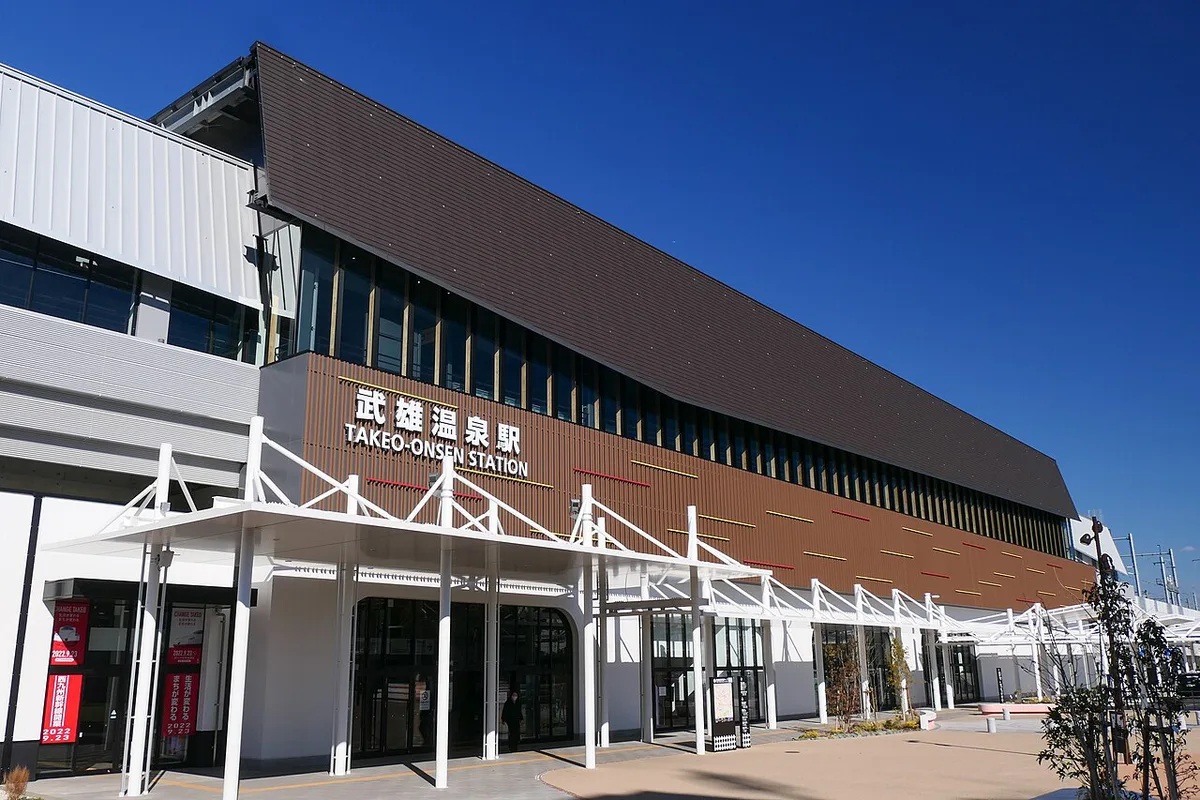
By rail, you ride the Limited Express Relay Kamome from Hakata to Takeo-Onsen. That leg takes about 1 hour 10 minutes, with one or two trains leaving Hakata each hour. At Takeo-Onsen you change to the Nishi Kyushu Shinkansen for the final run into Nagasaki. The whole journey takes about 1 hour 30 minutes and costs approximately ¥8,400.
The Nishitetsu highway bus runs between the Tenjin Bus Center in Fukuoka and Nagasaki Station. Buses leave about every 30 minutes. The ride takes roughly 2 hours 30 minutes and costs about ¥2,900. Plan on the bus if budget matters more than the extra hour.
| Option | Typical time | Approx. fare | Notes |
|---|---|---|---|
| Relay Kamome + Nishi Kyushu Shinkansen | About 1 hr 30 min | ¥8,400 | Change at Takeo-Onsen; 1 or 2 Relay trains per hour |
| Nishitetsu highway bus | About 2 hr 30 min | ¥2,900 | Departs about every 30 minutes; not covered by JR passes |
The Takeo-Onsen Relay Transfer, Step by Step
The change at Takeo-Onsen worries many first-timers. It is designed to be easy. Relay Kamome and Shinkansen services use a coordinated same-platform transfer, and the connection is timed to be short, roughly 3 minutes in typical guidance. Timetables shift, so confirm the exact connection on your day.
The journey is not a single Shinkansen ride from Hakata to Nagasaki. Knowing that in advance keeps you calm when the first train stops. Follow these steps and the change takes under a minute of walking.
- Board the Relay Kamome at Hakata and note your Shinkansen departure time.
- Stay aware of the Takeo-Onsen announcement, since the Relay train ends its run there.
- Step off and stay on the same platform.
- Wait for the Nishi Kyushu Shinkansen to arrive on the opposite side of that platform.
- Board and ride to Nagasaki, the final stop.
- Keep every ticket until you pass the exit gates at Nagasaki Station.
Passes and Fares for Nagasaki Station Trips
Both rail legs are covered by the JR Pass, the North Kyushu Area Pass, and the All Kyushu Area Pass. With those, you do not buy a separate ticket for the Relay and Shinkansen sections. Our Japan Travel Guide: Plan Your Trip with Expert Tips & Itineraries explains how pass validation works.
The highway bus is a different story. JR passes do not cover the Nishitetsu bus between Fukuoka and Nagasaki, so you pay the ¥2,900 fare. The tram network is also outside the JR Pass. Official tourism information from the Japan National Tourism Organization points visitors to a one-day tram ticket instead.
Navigating the Nagasaki Station Layout
The station area was redeveloped, and the new platforms sit further west than older maps suggest. Treat any printed map from before the move with suspicion. If a map shows the station somewhere else, it is probably out of date.
The west exit is the modern side. It leads to the Hilton Nagasaki, the Marriott, and the Dejima Messe convention center. A covered deck links the Hilton directly with the west exit.
The east exit is the city side. It connects to local buses, the tram route, and AMU Plaza shopping. Expect a longer walk between the two sides than at the old station. Allow extra minutes if you are dragging a suitcase.
- West exit: Shinkansen access, Hilton Nagasaki, Marriott, Dejima Messe
- East exit: tram access, local buses, AMU Plaza, older city area
- Between the two: a pedestrian walkway, longer than at the old station
How to Find the Nagasaki Electric Tramway
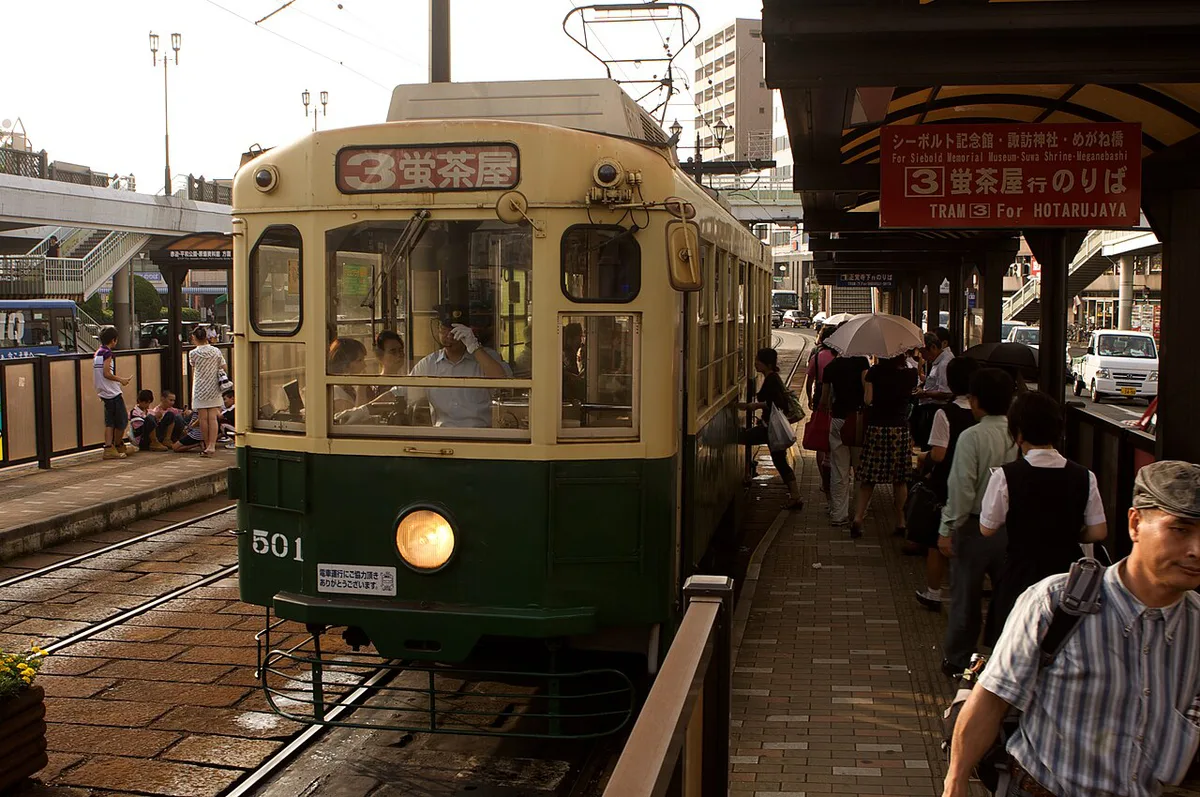
The tram stop is not inside the JR building. You reach it by crossing a pedestrian bridge or walkway outside the station. Follow signs toward the east exit and watch for the tram tracks at street level.
This is the most common point of confusion. Travelers step out of the Shinkansen gates, see buses, and assume the trams are elsewhere. They are close, but they require the walk.
For payment, check whether IC cards are accepted on the day you ride. A one-day tram ticket is the usual alternative if you plan several rides. Tram line numbers and routes change, so confirm which line serves Peace Park, Dejima, and Glover Garden at the stop itself. Trams cover many central sightseeing routes, while buses reach hillier areas.
Airport Bus and Regional JR Connections
Nagasaki Airport has no rail link. Airport buses serve Nagasaki Station, and the ride takes about 40 minutes in normal traffic. Allow more time at rush hour.
The airport bus takes about 40 minutes in normal traffic and also reaches the Shinchi terminal, which may suit a Chinatown hotel better than the station.
Buses also run from the airport to the Shinchi bus terminal in the city center. If your hotel is in Chinatown, that stop may suit you better than the station.
For regional rail, the Seaside Liner rapid runs to Sasebo. Local trains also run along the Nagasaki Main Line toward Urakami. Urakami is the former Nagasaki Station, renamed after the current terminal opened in 1905. If a historical map confuses you, that is the reason.
Luggage, Food, and Information at the Station
Coin lockers are the standard luggage solution at Japanese rail stations. Look for them near the exits, and check sizes before you commit a bag. Locker locations and counts at Nagasaki Station can change, so confirm on arrival.
If you want to avoid carrying bags to your hotel, ask about hotel delivery counters. Availability varies, so check current service status before you rely on it.
For food and souvenirs, head for AMU Plaza Nagasaki on the east side. It is a good place to buy castella cake before your train. A market area inside the station also sells local products, though listings change over time.
Ask at the multilingual information center for maps and tram help. JR Kyushu's official station page is the safest place to verify current facilities.
Where to Stay Near Nagasaki Station
Staying at the station suits early departures, heavy luggage, and Shinkansen arrivals. You also get quick airport bus access. Here are the best-connected options.
The Hilton is about a 1-minute walk via the covered deck, yet the tram is reached from the east side, so west-exit hotels add a longer walk.
- Nagasaki Marriott Hotel: next to the station, with views over the harbor and Mount Inasa.
- Hilton Nagasaki: about a 1-minute walk via the covered deck from the west exit.
- Hotel New Nagasaki: about a 5-minute walk, with access to trams and airport buses.
- JR Kyushu Hotel Nagasaki: a mid-range option in the station area.
Station Hotel or Shinchi Chinatown?
The trade-off is simple. The station is easier at the start and end of a trip. Shinchi Chinatown and the Dejima area put restaurants and waterfront walks within reach in the evening.
A station hotel means shorter hauls with bags but a tram ride to dinner. A hotel near Chinatown flips that. If you want a traditional stay instead of a western-style tower, browse our guide to the 9 Best Ryokan in Nagasaki: Top Onsen & Traditional Stays (2026).
Season also matters when you book. Our Best Time To Visit Nagasaki: Weather By Month & Guide guide covers crowds and weather.
Mistakes to Avoid at Nagasaki Station
Skip these common errors and your arrival goes smoothly.
- Using a JR Pass on the trams. It is not valid there; buy a one-day ticket or pay per ride.
- Trusting old maps. Older maps may show the station in its previous location.
- Throwing away your Shinkansen ticket. You need it at the final exit gate.
- Assuming a direct train from Hakata. The route needs the Takeo-Onsen change.
- Booking the wrong side. West-exit hotels are quick for trains but farther from the tram.
Onward From the Station: Sea and Island Trips
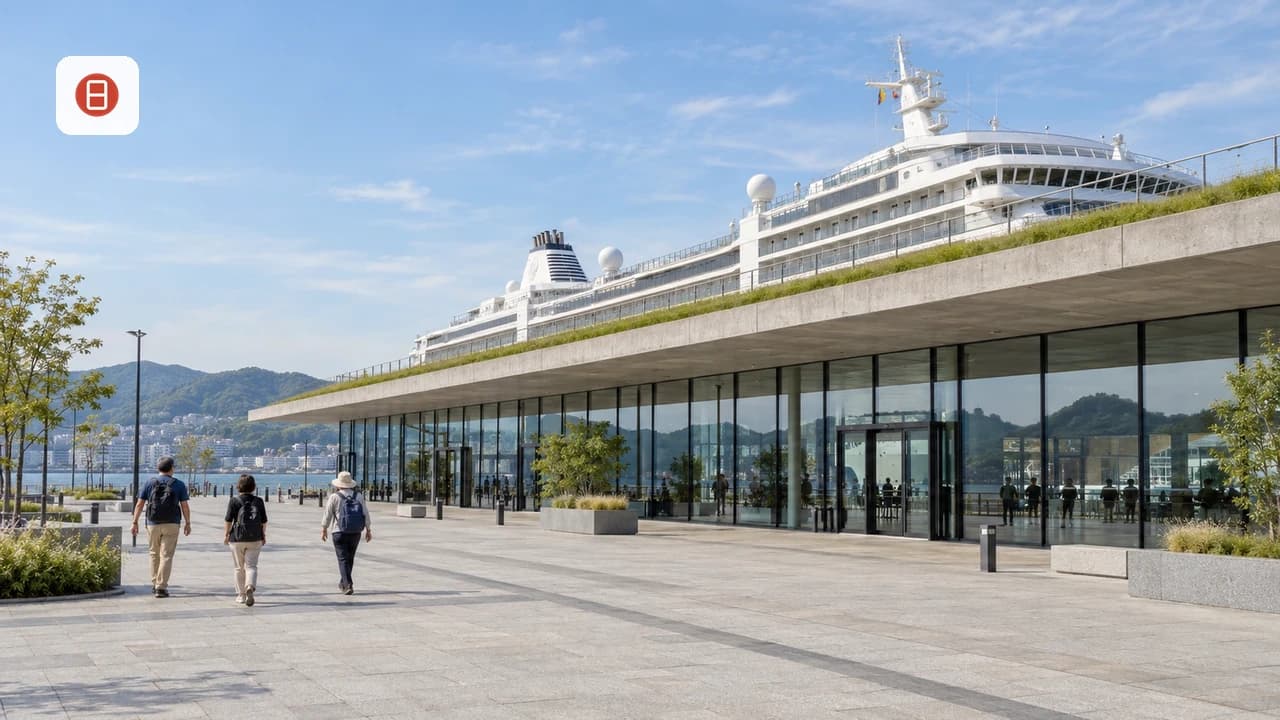
Cruise passengers reach the station from the harbor, and our Nagasaki Cruise Terminal Guide: Matsugae Pier Logistics & DIY Shore Excursions covers that link. The Matsugae International Terminal also has an official visitor information page.
Island trips depart from separate points. Read our Iojima Island guide before you plan. For another boat trip, see our Hashima Island tour guide. Check departure points and times before you go, because they are not the station.
Frequently Asked Questions
How long does it take to get from Hakata to Nagasaki Station?
The Relay Kamome and Nishi Kyushu Shinkansen together take about 1 hour 30 minutes. The highway bus takes roughly 2 hours 30 minutes. Choose rail for speed and the bus for price.
Is the Takeo-Onsen transfer difficult?
No. You step off the Relay Kamome and wait on the same platform. The Shinkansen arrives on the opposite side. Keep your tickets handy, and check the connection time for your day.
How much does the train cost compared with the bus?
The rail trip costs approximately ¥8,400. The Nishitetsu highway bus costs about ¥2,900. JR passes cover the train but not the bus.
Can I use a JR Pass on Nagasaki's trams?
No. The tram network is outside the JR Pass. Buy a one-day tram ticket or pay per ride.
How do I get from Nagasaki Airport to the station?
Take the airport bus, which serves Nagasaki Station. The ride takes about 40 minutes under normal traffic. The airport has no rail connection.
Where is the tram stop at Nagasaki Station?
It is outside the JR building, reached by a pedestrian walkway. Follow signs toward the east exit. Confirm the right line for Peace Park or Dejima at the stop.
Free: The Nagasaki Essentials guide
Top things to do, where to stay, a perfect day plan, getting around, and the best time to go — a Nagasaki mini-guide you can take offline.
You might also like


Continue reading
More guides you'll find useful