Where to Stay in Nagasaki: 10 Best Areas and Hotels (2026)
Discover where to stay in Nagasaki with our guide to the 10 best areas and hotels. Find top picks near the station, Chinatown, and Peace Park for your 2026 trip.
On this page
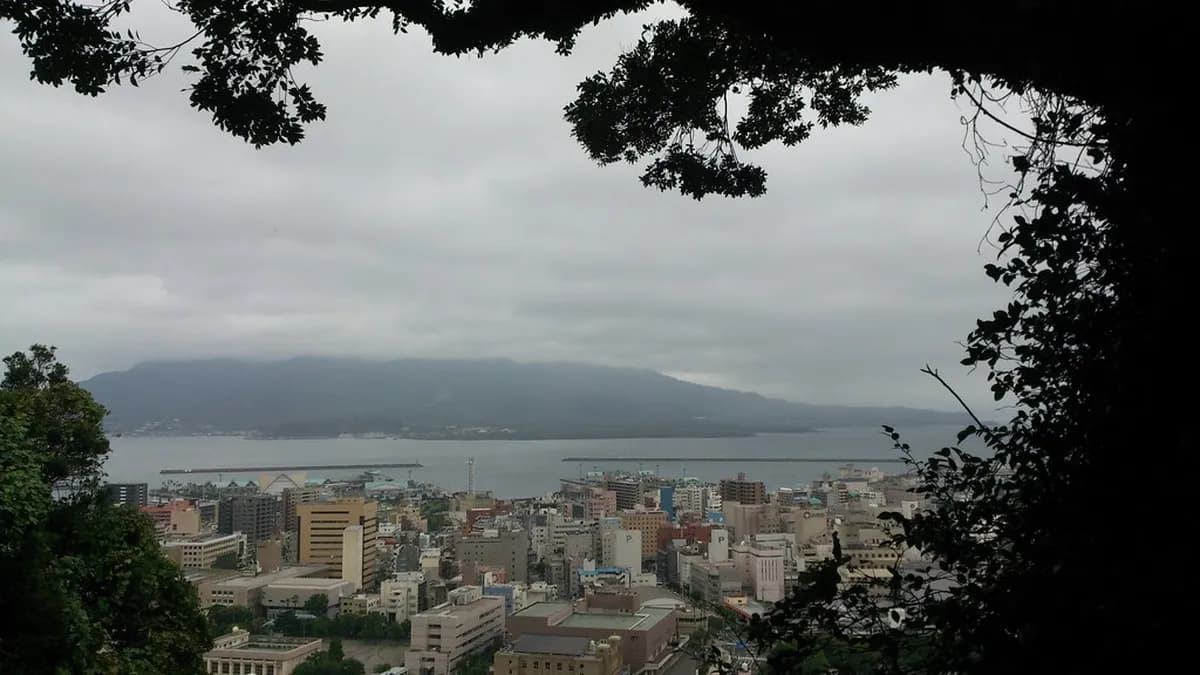
Nagasaki is one of those Japanese cities where the neighborhood you pick genuinely shapes your experience. The city is famously hilly, built around a deep-water harbor where mountains drop almost straight into the sea. Pick the wrong base and you will be hauling luggage up near-vertical lanes every evening. Pick the right one and the electric tram system connects you to every major sight for 140 yen a ride.
This guide breaks down the seven neighborhoods that matter most, pairs each with concrete hotel picks in 2026 price ranges, and adds the practical transit details that most accommodation roundups skip. The short version: first-time visitors should anchor in Dozamachi or near Nagasaki Station, nightlife-seekers in Shianbashi, history-focused travelers near Peace Park or Dejima, and anyone prioritizing the famous night views should consider Mt. Inasayama.
Nagasaki Neighborhood Summary: Which Area is Right for You?
Nagasaki's urban core runs roughly 3.5 km along the bay and the Uragami River. Four tram lines tie the main neighborhoods together, so staying tram-adjacent matters more than staying in any single district. The areas below cover every traveler type — the table below gives you the quick answer before the full breakdowns.
- Best for first-time visitors: Dozamachi — central, flat, walkable to dining and tram lines
- Best for nightlife: Shianbashi — izakayas and karaoke until 02:00
- Best for transit convenience: Nagasaki Station area — Shinkansen connection, Amu Plaza, immediate tram access
- Best for history: Peace Park / Heiwa area — walking distance to the Atomic Bomb Museum and Urakami Cathedral
- Best for colonial charm: Dejima and Shinchi Chinatown — Dutch-era streetscapes and Champon noodle shops
- Best for couples / luxury: Mt. Inasayama — harbor views ranked among the world's top three night views
- Best for budget travelers: Shinchi Chinatown fringes — competitive rates, good tram access
| Area | Best For | Vibe & Price Band |
|---|---|---|
| Dozamachi | First-time visitors, all-rounder base | Central, flat, calm evenings; ¥9,500–¥17,000 |
| Shianbashi | Nightlife, izakayas, karaoke | Lively after 20:00, narrow streets; ¥10,000–¥18,000 |
| Nagasaki Station | Shinkansen arrivals, business travelers | Modern, shopping malls, quiet after 21:00; ¥6,000–¥38,000 |
| Peace Park / Heiwa | History-focused, quiet retreat | Residential, limited options, early museum visits; budget pricing |
| Dejima / Chinatown | Colonial history, street food, souvenirs | Compact, vibrant, Champon restaurants; ¥7,000–¥18,000 |
| Mt. Inasayama | Couples, luxury, night views | Harbor panoramas, uphill location, taxi-dependent; ¥25,000–¥70,000 |
The tram flat fare of 140 yen per ride (day pass 600 yen) means that staying one neighborhood away from a major sight is rarely a hardship. What matters more is whether your hotel sits within five minutes of a tram stop on flat ground — if it is on a hill, confirm the hotel has shuttle service or budget around 800–1,200 yen for a taxi each way.
Nagasaki's tram system operates on four lines with a flat 140 yen per ride fare. The city's hills are steep — always check if your hotel is on flat ground near a tram stop, or confirm it has a shuttle service before booking.
Dozamachi: The Best All-Rounder for First-Time Visitors
Dozamachi is the obvious default for a first Nagasaki trip. It sits at the center of the flat, tram-served corridor that links the waterfront to the shopping arcades of Hamamachi. From here, the Dutch Slope is a 10-minute tram ride, Shinchi Chinatown is a five-minute walk, and the Spectacles Bridge (Meganebashi) is eight minutes by tram. There are no specific attractions inside Dozamachi itself — that is almost the point. You sleep in a calm, practical neighborhood and take the tram everywhere else.
Hotel Forza Nagasaki is the anchor property here, sitting directly above the covered shopping arcade near the Kanko-dori tram stop. Rooms with massage chairs run ¥9,500–¥17,000 (roughly $65–$115) per night; request a higher floor to reduce arcade noise. The ANA Crowne Plaza Nagasaki Glover Hill in the adjacent Minami-Yamate area (¥12,000–¥22,000) suits travelers who want a larger international hotel with a short uphill walk to Glover Garden. Budget travelers find the Candeo Hotels Nagasaki Shinchi Chinatown (¥10,000–¥18,000) a strong value — the rooftop Sky Spa with open-air baths overlooking the city lights compensates for slightly smaller rooms.
The Hamamachi Arcade, starting at the edge of Dozamachi, is the best spot for souvenir shopping and regional sweets like Castella cake. Futabaya, a small Japanese confectionery just off the main covered street, sells mochi and fruit jellies popular with locals. Evenings in Dozamachi stay quiet; if you want drinking options, it is a five-minute walk to Shianbashi.
Shianbashi: The Heart of Nagasaki's Nightlife and Dining
Shianbashi is where Nagasaki residents go after work. The streets are narrower than Dozamachi, the izakayas are smaller and more personal, and the atmosphere after 20:00 is genuinely lively. Bars, cocktail lounges, and karaoke rooms stay open until 02:00 most nights. The neighborhood has the most local character of any area in the city, with fewer tourist-facing restaurants and more places where the menu is in Japanese only — bring Google Translate.
Staying in Shianbashi is possible but carries a trade-off. Hotels here price high relative to their star ratings, and street noise between 22:00 and midnight can be significant. The competitor guide at You Could Travel specifically discourages staying in Shianbashi for this reason. A better approach is to book in adjacent Dozamachi (five minutes on foot) and walk over each evening. If noise is not a concern and you want to be in the middle of the action, apartment-style hotels in Shianbashi offer larger rooms and kitchen facilities for groups.
The district is just a few minutes' walk from Shinchi Chinatown, so an evening loop — street food in Chinatown, drinks in Shianbashi, tram or taxi back to Dozamachi — is a classic Nagasaki evening for repeat visitors. Trams run until around midnight; the last tram on most lines departs Shianbashi direction before 00:15, so check the board at the stop if you plan a late finish.
If you stay in Shianbashi for nightlife, plan your exit carefully — trams stop running around midnight, with the last departure before 00:15. After that, taxis are your only option back to Dozamachi.
Nagasaki Station Area: Best for Shinkansen Access and Business
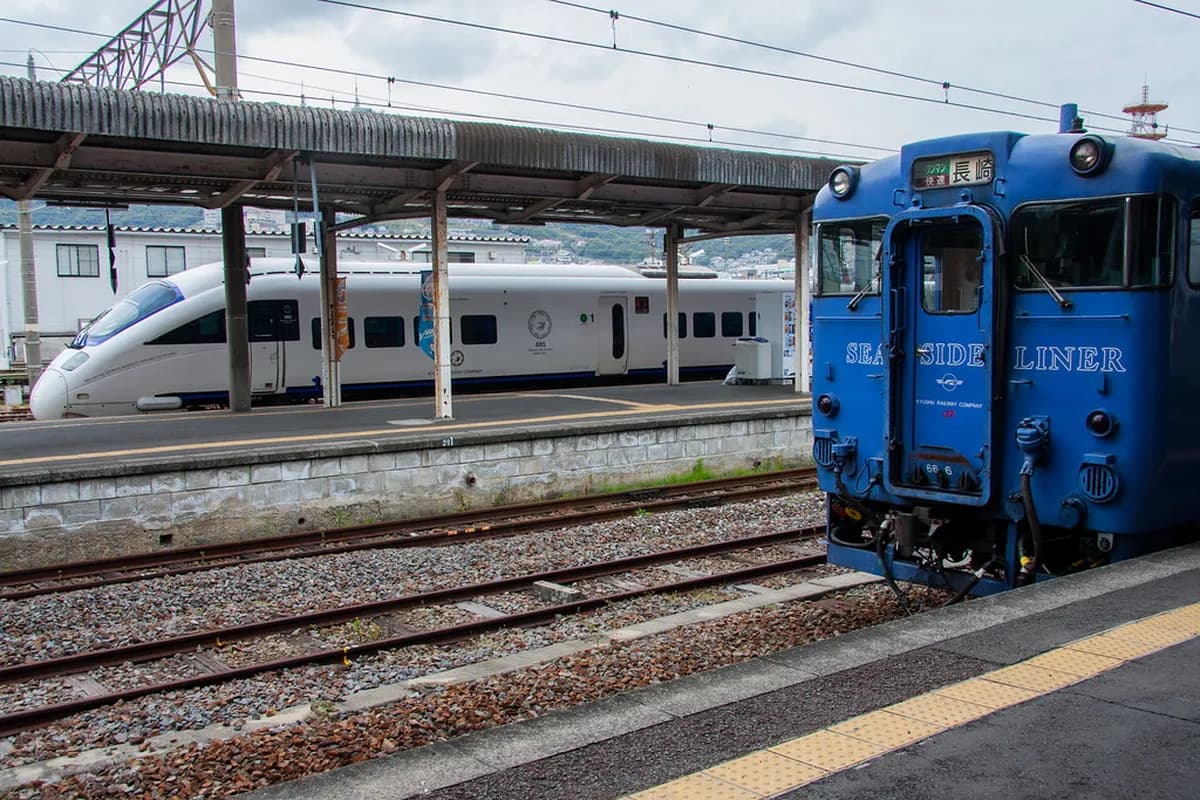
The Nishi Kyushu Shinkansen opened in September 2022 and terminates at JR Nagasaki Station, which changed the calculus for staying in this area significantly. Travelers arriving from Fukuoka or Kumamoto now step directly off a bullet train into a neighborhood with Nagasaki's only five-star hotel, a large shopping mall (Amu Plaza), and tram access to every other district. The transfer note that confuses most first-timers: the Shinkansen does not yet run the full distance from Hakata. You board the Nishi Kyushu Shinkansen at Takeo-Onsen after arriving on the Relay Kamome limited express from Hakata — the two trains share the same platform, so the transfer is straightforward, typically under three minutes.
The Hilton Nagasaki stands one minute from the station exit and is the clear luxury anchor for this area (¥20,000–¥38,000 per night). The Dormy Inn Premium Nagasaki Ekimae (¥8,500–¥15,000) delivers the best mid-range value in the station zone: a top-floor onsen bath and complimentary late-night ramen are included in the rate. The Hotel Cuore Nagasaki Ekimae (¥6,000–¥9,500) is the most affordable option within two minutes of the station, suited for solo travelers on a tight schedule.
The station area sits geographically between the two main attraction corridors: Peace Park is 10 minutes north by tram, and Shinchi Chinatown is 15 minutes south. Restaurants inside the Amu Plaza building and in the small streets east of the station provide plenty of evening dining without needing to travel further. This area quiets down notably after 21:00, which makes it a poor base for nightlife but an excellent one for early starts and late arrivals.
Peace Park and Heiwa: A Quiet, History-Focused Retreat
The Heiwa (Peace) district in northern Nagasaki is where the city processes its atomic bomb history. The Peace Park sits near the hypocentre of the 9 August 1945 explosion; the 10-meter-tall Peace Statue at its center is one of the most photographed monuments in Kyushu. The adjacent Nagasaki Atomic Bomb Museum holds photographs, personal belongings of victims, and a water basin inscribed with names of the dead. Urakami Cathedral, rebuilt after the bombing, is a five-minute walk north of the park.
Accommodation options in this area are limited compared to central Nagasaki — it is a largely residential neighborhood. The handful of hotels here tend toward budget pricing and basic amenities. The tram connects Heiwa to Nagasaki Station in about 10 minutes and to Shinchi Chinatown in roughly 20 minutes, so overnighting here is viable if you want to visit the Peace Park at opening time (08:30) before the tour groups arrive. The Sanno Shrine one-legged Torii Gate, left standing after the blast, is a short walk from the park — an often-missed but deeply affecting site.
Most travelers who prioritize the Peace Park area stay in the station zone and take the tram north each morning rather than basing themselves here full-time. That is a sensible approach unless Peace Park is your primary reason for visiting Nagasaki, in which case the quieter residential atmosphere and lower hotel prices make the area worth considering for a one-night stay.
Dejima and Shinchi Chinatown: Historic Charm and Street Food
Dejima was a man-made island built in the 17th century to confine Dutch traders during Japan's isolationist Edo period. Land reclamation has long since linked it to the mainland, but the reconstructed colonial buildings and brick-lined streets retain a distinct Dutch ambiance. The adjacent Shinchi Chinatown — one of Japan's three largest and its oldest — packs hundreds of red lanterns, Chinese-Japanese fusion restaurants, and souvenir stalls into a very compact grid. Together these two districts offer Nagasaki's most concentrated cultural tourism in the smallest walkable area.
Food is the main draw here. Champon (a thick noodle soup loaded with seafood and pork) originated in Nagasaki's Chinese community and is at its best in Chinatown; the best-known shops open for lunch from 11:00 and sell out their most popular broths by early afternoon. Castella cake — the Portuguese-influenced sponge cake that became a Nagasaki specialty — is sold by dedicated shops near Oura and along the route from Chinatown toward Glover Garden. The Candeo Hotels Nagasaki Shinchi Chinatown (¥10,000–¥18,000) positions guests right at the Chinatown entrance, with a rooftop spa that is worth paying the slight premium. The Hotel Belleview Nagasaki Dejima (¥7,000–¥11,000) is a straightforward, well-priced business hotel three minutes from the Dejima tram stop and ideal for Nagasaki attraction visits focused on the southern historic quarter.
The Dutch Slope (Oranda-zaka) connects Dejima to the higher Ouramachi neighborhood; the slope itself is about a five-minute walk up. At the top, Oura Cathedral — a UNESCO World Heritage Site built in 1864 — marks the gateway to Glover Garden. This walk is one of the most scenically rewarding short routes in the city, but it is entirely uphill. Pack light if you are exploring this corridor mid-sightseeing day.
Mt. Inasayama: Luxury Stays with World-Class Night Views
The night view from Mt. Inasayama is ranked alongside Monaco and Hong Kong as one of the world's top three harbor panoramas. Seen from 333 meters above sea level, the lights of the city curl around the bay in a shape Nagasaki residents describe as a "jewel box." Staying on this side of the harbor means you experience that view from your room rather than from a crowded observation deck.
The Garden Terrace Nagasaki Hotel and Resort, designed by architect Kengo Kuma, is the standout property here. Rooms run ¥40,000–¥70,000 per night including multi-course dinner; harbor-view suites add another ¥10,000–¥20,000. The hotel operates a private shuttle from Nagasaki Station (confirm at booking) because the uphill road is not practical to navigate on foot with luggage. The Setre Glovers House Nagasaki (¥25,000–¥45,000) in the adjacent southern hills offers a boutique European-manor aesthetic at a slightly lower entry point, with a well-curated library and personalized service for smaller guest volumes.
The trade-off is convenience. Neither property sits near a tram line. Every excursion into the city center requires a taxi (¥1,000–¥1,500 one way) or the hotel shuttle. For a one- or two-night romantic stay built around the night view and in-house dining, this is easily worth it. For a base from which to do heavy daily sightseeing, the taxi costs accumulate quickly. Many couples resolve this by splitting their stay: two nights at Mt. Inasayama for the romantic leg, then moving to the station area for the remaining nights of active sightseeing.
Nagasaki vs. Hiroshima: Which City Should You Base In?
Many travelers planning a longer Western Japan itinerary debate whether to anchor in Nagasaki or Hiroshima. Both cities carry atomic bomb history, but the similarities largely end there. Hiroshima is flatter, larger, and more convenient for a Miyajima day trip via the Sanyo Shinkansen spine. Nagasaki is smaller, hillier, and offers a much deeper layering of cultural influences — Dutch colonial, Chinese trading, Portuguese Catholic, and Japanese feudal history coexist within a few tram stops of each other.
Nagasaki's new Shinkansen connection has narrowed the transit gap. Fukuoka is now roughly 90 minutes away by the combined Hakata–Takeo-Onsen Relay Kamome and Nishi Kyushu Shinkansen route; Kumamoto is accessible in under two hours. That makes Nagasaki a viable Kyushu hub rather than just a day-trip destination. If you are touring Kyushu rather than crossing to Hiroshima and Osaka, Nagasaki makes more sense as a two- to three-night base than it did before 2022.
The honest answer for most Western Japan itineraries: spend two nights in Nagasaki and two in Hiroshima rather than choosing one. They are different enough that seeing both adds genuine value. If you must choose, Nagasaki wins on cultural density and novelty; Hiroshima wins on transport frequency and island proximity. Check your Nagasaki sightseeing priorities against your overall route before committing.
Huis Ten Bosch Hotels: Staying at the Theme Park Instead
Huis Ten Bosch, the Dutch-themed resort in Sasebo, sits outside Nagasaki's tram network. It is roughly 80 to 90 minutes from Nagasaki Station by JR limited express and local connection, so it works as a separate overnight stop, not a city base. Families and couples who want the illuminations and the park on a relaxed schedule can sleep on site. Everyone else is better off in the neighborhoods above and visiting as a day trip.
Main on-site options
- Hotel Okura JR Huis Ten Bosch is the resort's upscale choice. It is the one to pick if you want a quiet room and a short walk to the park gate. Expect roughly ¥25,000 and up per night.
- Hotel Nikko Huis Ten Bosch is a similar full-service resort hotel, with Dutch-style interiors and views over the canals. Rates start in a similar range and rise at weekends.
- Hotel Europe is the flagship property inside the park and is the pricier choice.
Rates vary a lot by season and by whether park tickets are bundled, so check current prices before you compare. Weekends and illumination periods sell out first.
Who should do this
Stay at Huis Ten Bosch only if the park is your main reason for the trip. Add one night here at the end of a Nagasaki stay, not the start, so you do not drag luggage through two transfers. For a one-day visit from the city, see our guide to day trips from Nagasaki.
Practical Tips for Getting to and Around Nagasaki
Understanding How to Get to Nagasaki from Tokyo, Osaka, and Fukuoka avoids the most common arrival mistake. Nagasaki Airport is located in Omura, roughly 1 hour 20 minutes from the city center by limousine bus. The last scheduled limousine bus to central Nagasaki departs the airport at 21:45 (confirm the spring/summer schedule at the bus counter — seasonal adjustments apply). If you land after that, taxis to the city center cost approximately ¥10,000–¥12,000 and take about the same time. A more practical solution for late arrivals is to pre-book a night at the Omura Station Hotel near the airport and take an early bus the following morning — a detail no one mentions until you are stranded at 22:30 wondering where the buses went.
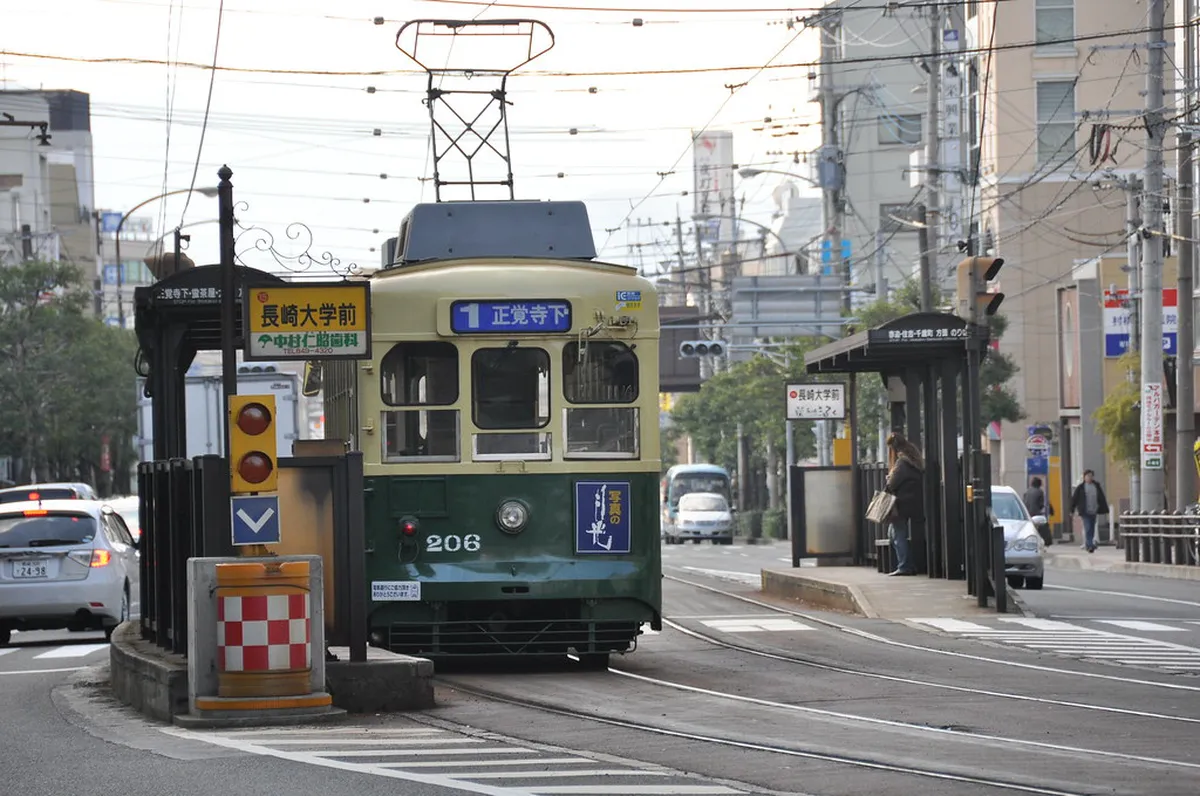
Once in the city, the tram system handles almost all tourist movement. Four lines operate across the city on a flat fare of 140 yen per ride; the one-day pass costs 600 yen and is worth buying if you plan more than four rides. Passes are available at most hotel front desks and via the Nagasaki Tram IC card app. Trams run from approximately 06:00 to 23:30, with reduced frequency after 22:00.
The slope warning is real. Several popular hotels and guesthouses in the Ouramachi, Minami-Yamate, and Mt. Inasayama areas require uphill walks of five to fifteen minutes from the nearest tram stop. A 20 kg rolling suitcase on those streets is genuinely difficult. Before booking, check the hotel map on Google Street View and look for the gradient of the approach road. If it looks steep, either book a hotel with a complimentary shuttle or budget for a taxi from the tram stop. Most taxi drivers in Nagasaki are experienced with the narrow residential lanes that lead up into the hills.
When Nagasaki Hotel Prices Peak and How to Book Smart
The price bands earlier in this guide reflect typical dates. Nagasaki is a compact city with a limited number of hotels, so a few events push rates up sharply and sell out the best-placed rooms in Dozamachi and near the station.
| Period | Why it is busy | Booking advice |
|---|---|---|
| Late April to early May (Golden Week) | National holiday travel | Book 2–3 months ahead |
| Early August (around 9 August) | Peace ceremony and memorial events | Book early near Peace Park and the station |
| 7–9 October | Nagasaki Kunchi autumn festival | Book as early as you can; central rooms go first |
| Chinese New Year period (Jan–Feb) | Lantern Festival around Shinchi Chinatown | Book early for Chinatown and Dejima area hotels |
Practical booking tips
- Compare cancellation terms. Free-cancellation rates usually cost a little more, but they let you rebook if a cheaper room appears nearer the date.
- Check the weekday gap. Mid-week stays are often noticeably cheaper than Friday and Saturday nights, especially at business hotels around the station.
- Filter for flat access. Search by tram stop distance, then confirm the room is not on a hill, as described above.
- Weigh breakfast add-ons. Local seafood breakfasts can be worth it at larger hotels, but are rarely needed at business hotels with convenience stores nearby.
For month-by-month weather and crowds, see our guide to the best time to visit Nagasaki. If you want a traditional stay with a futon and a meal included, our list of the best ryokan in Nagasaki covers that format.
Frequently Asked Questions
What is the best area to stay in Nagasaki for first-time visitors?
Dozamachi is the best area for first-time visitors because it is central and flat. You will be within walking distance of the best dining and several tram lines. This makes exploring the city's major historical sites very simple and efficient.
Is it better to stay near Nagasaki Station or Chinatown?
Stay near Nagasaki Station if you have an early train or prefer modern shopping malls. Choose Chinatown if you want a more historic atmosphere and easy access to the city's famous local food guide options. Both are well-connected by the tram system.
How many days should I stay in Nagasaki?
A stay of two to three nights is ideal for most travelers to Nagasaki. This allows enough time to visit the Peace Park, Glover Garden, and take a day trip to Hashima Island. You can also enjoy the famous night views without rushing.
Nagasaki rewards travelers who take the time to understand its geography before they book. The city's hills and tram lines define the accommodation decision more than any other factor. Lock in a tram-adjacent hotel in Dozamachi or near the station for your primary nights, consider one night at Mt. Inasayama for the harbor view, and you will have covered the full range of what makes this city genuinely distinct from the rest of Japan.
Book well ahead for the Kunchi Festival in October and during cherry blossom season in late March, when central hotels fill quickly. For everything else in 2026, three months' notice is sufficient for a good rate in most neighborhoods.
Free: The Nagasaki Essentials guide
Top things to do, where to stay, a perfect day plan, getting around, and the best time to go — a Nagasaki mini-guide you can take offline.
You might also like


Continue reading
More guides you'll find useful