How to Get to Nagasaki: Tokyo, Osaka & Fukuoka Routes 2026
Fukuoka to Nagasaki takes about 90 minutes on the Nishi Kyushu Shinkansen. Compare train, flight and bus options from Tokyo and Osaka with 2026 schedules.
On this page
Nagasaki sits on the western coast of Kyushu, roughly 140 km southwest of Fukuoka and over 1,100 km from Tokyo. Getting here has changed significantly since the Nishi Kyushu Shinkansen opened in September 2022, cutting the Fukuoka run to about 90 minutes. This guide reflects 2026 schedules and current pricing so you can choose the right route from the start.
Your main decision is between high-speed rail, a domestic flight, or a budget highway bus. Each option has a different trade-off on time, cost, and convenience. Our Nagasaki Travel Tips Practical Guide: 3-Day Itinerary can help you get the most out of the city once you arrive.
Nagasaki Location and Transport Overview
Nagasaki is the largest city in Nagasaki Prefecture and sits at the far western end of Kyushu. It is not on the main Kyushu Shinkansen spine, so reaching it always involves either a relay transfer, a flight, or a long bus ride. The good news is that all three options are straightforward once you understand the network.
The Nishi Kyushu Shinkansen — also called the Nagasaki Shinkansen — currently runs between Takeo-Onsen and Nagasaki Station. A full extension to Hakata is under discussion but has no confirmed opening date as of 2026. Until that link is complete, passengers from Fukuoka must transfer once at Takeo-Onsen. All other travelers from Osaka or Tokyo transfer at Hakata before taking this relay route.
The Nishi Kyushu Shinkansen opened in September 2022 and is fully covered by the national JR Pass. Trains are modern and comfortable, with free seat reservations included for pass holders. Journey times from Fukuoka have dropped from over 4 hours to just 90 minutes.
Here is a quick comparison of the main options from each hub city.
| From | Mode | Time | Approx Cost |
|---|---|---|---|
| Fukuoka (Hakata) | Relay Shinkansen | 90 minutes | ¥5,520–¥6,490 |
| Fukuoka (Hakata) | Highway Bus | 2.5–3 hours | ¥2,260–¥2,900 |
| Tokyo | Flight | 2–2.5 hours + transfers | ¥6,000–¥20,000 |
| Tokyo | Shinkansen | ~7.5 hours | ¥25,850 |
| Osaka (Shin-Osaka) | Shinkansen | 4.5–5 hours | ¥19,000–¥19,910 |
| Osaka (Kansai Airport) | Flight | 1.5 hours + transfers | ¥8,000–¥18,000 |
From Fukuoka to Nagasaki: The Nishi Kyushu Shinkansen
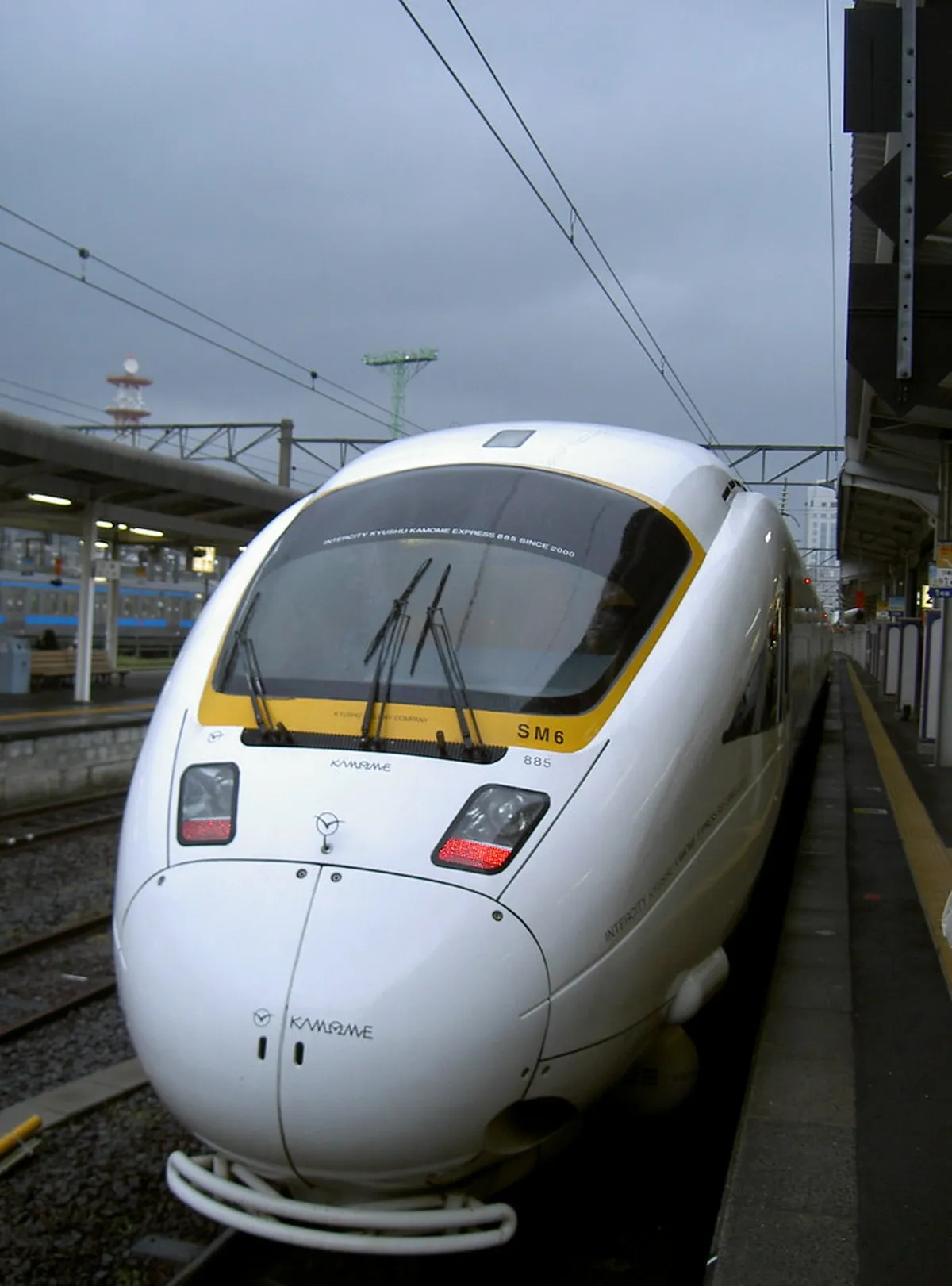
The standard route from Fukuoka starts at Hakata Station. Board the Limited Express Relay Kamome toward Takeo-Onsen — the journey takes about 60 minutes. At Takeo-Onsen, the Shinkansen Kamome is waiting on the opposite side of the same platform. You cross the platform (no stairs, no underpass) and board immediately. The connecting window is only three minutes, but the trains are purpose-timed to meet each other. Staff stand on the platform to guide passengers.
From Takeo-Onsen the Shinkansen takes 30 minutes to reach Nagasaki Station. Total door-to-door from Hakata is around 90 minutes. A reserved seat costs ¥5,520 for adults (unreserved is slightly less at ¥5,060, but not available during peak periods). The Relay Kamome runs every 30 to 60 minutes throughout the day. For live timetables and current fares, consult JR Kyushu's official schedule. Check the Nagasaki to Fukuoka Transport Guide: 4 Best Ways to Travel for the return timetable and platform details at Nagasaki Station.
An alternative rail route avoids the Shinkansen entirely: take the Limited Express Midori from Hakata to Haiki Station (about 80 minutes), then transfer to the Rapid Seaside Liner on the Omura Line to Nagasaki (about 60 minutes further). This option costs ¥5,950–¥6,480 in total and takes roughly four hours. It is useful only if the Shinkansen is fully booked or if you want to travel on a JR Pass without paying the Shinkansen supplement for seat reservations on specific services.
Traveling by Highway Bus: The Budget Alternative
The highway bus between Fukuoka and Nagasaki is the cheapest option, with fares ranging from ¥2,260 to ¥2,900 depending on departure point and seat type. Buses leave from three points in Fukuoka: Fukuoka Airport, Hakata Bus Station, and Tenjin Bus Center. Services run frequently — roughly every 15 minutes at peak times — and terminate at the Nagasaki Ekimae bus terminal near Nagasaki Station.
Journey time is two and a half to three hours in normal traffic. The bus follows the Nagasaki Expressway past Omura Bay, and the views are pleasant on a clear day. Seats recline, air conditioning is standard, and some services offer free Wi-Fi. You can buy tickets at the terminal counter or via IC card. This is a solid choice if you are on a tight budget or if the Shinkansen is fully sold out during Golden Week or Obon. It is also worth knowing that the bus stops at Showamachi in northern Nagasaki before the terminus — useful if your accommodation is on that side of the city. This is a great way to save money for your 10 Essential Tips for Your Nagasaki Food Guide: What to Eat and Where culinary tour.
From Tokyo to Nagasaki: Flights vs. Shinkansen
Flying is the dominant choice from Tokyo, and for good reason. ANA and JAL operate daily direct flights from Haneda Airport to Nagasaki Airport (NGS) in about 130 minutes. Low-cost carriers including Peach Aviation and Jetstar Japan fly from Narita Airport at lower fares — sometimes as cheap as ¥6,000 one way if you book four to six weeks ahead. Standard full-service tickets on ANA or JAL run ¥15,000–¥20,000. Factor in an additional 55 minutes and ¥900 for the airport bus to Nagasaki Station when budgeting your total journey time.

The Shinkansen route from Tokyo is feasible but long. From Tokyo Station take the Nozomi on the Tokaido Shinkansen to Hakata — about five hours — then transfer to the Relay Kamome system as described above. The total door-to-door time is approximately 7.5 hours and the unreserved fare is around ¥25,850. This route only makes sense if you already hold a national JR Pass and plan to use the Tokyo–Fukuoka leg anyway. Note that the Nozomi requires a surcharge on the JR Pass (see the JR Pass section below). Check the Best Time To Visit Nagasaki: Weather By Month & Guide to plan flight bookings around peak seasons when prices spike.
From Osaka and Kyoto: The Sanyo Shinkansen Connection
Travelers from Osaka should board the Sakura or Mizuho at Shin-Osaka Station heading to Hakata. The Sakura takes about two hours and 20 minutes and is fully covered by the JR Pass without a surcharge — the Mizuho is faster but requires a pass supplement, same as the Nozomi. At Hakata, transfer to the Relay Kamome for the onward journey to Nagasaki. Total travel time from Shin-Osaka is around four and a half to five hours at a reserved-seat price of approximately ¥19,000–¥19,910.
Kyoto travelers should first take a Shinkansen to Shin-Osaka (about 15 minutes), then join the route above. Direct Kyoto–Hakata services exist but are infrequent, making the Shin-Osaka transfer the more reliable path. Total travel time from Kyoto runs five to six hours and costs ¥18,170–¥19,180 depending on service choice.
Osaka visitors who prioritize speed over pass usage can also fly. Kansai Airport (KIX) has direct flights to Nagasaki Airport operated by ANA affiliate routes, with a flight time of approximately 75 minutes. Combined with ground transfers this is still faster than the train. It is an option that many travelers overlook when planning an Osaka-based Kyushu itinerary. This route is a natural pair with the 7 Things to Know About the Mount Inasa Night View in Nagasaki for an evening arrival.
Nagasaki Airport to the City: What to Expect on Arrival
Nagasaki Airport (NGS) is located on a man-made island about 40 km northeast of the city center — not the four kilometers sometimes cited in older guides; that figure refers to the distance from a former airport site. The airport bus is the standard transfer. Buses depart from directly outside the arrivals exit and run to Nagasaki Station with stops at several city-center points along the route. The journey to Nagasaki Station takes 55 minutes and costs ¥900. For the latest airport bus schedules and fares, check directly with the operator. Buses from the airport start at approximately 09:15; the last bus from the city back to the airport departs around 18:50, so late-evening flights require a taxi.
The last airport bus from Nagasaki Station to the airport departs around 18:50. If you have an evening flight, plan to depart the city by 17:30 at the latest, or book a taxi (¥8,000–¥10,000) in advance. Many first-time visitors miss their flights because they underestimate travel time to the airport.
Taxis are available outside arrivals but the fare to central Nagasaki runs ¥8,000–¥10,000 due to the distance. Shared taxi services and chartered minibuses exist but require advance booking. If your flight lands after 20:00, budget for a taxi or pre-arrange a transfer. This transfer detail catches a surprising number of first-time visitors who assume the airport is close-in like Fukuoka's.
One practical note: the last airport bus from Nagasaki Station typically departs around 18:50. If you are flying out and have a late-day sightseeing schedule, confirm the exact departure time on the day of travel. Many travelers have cut Nagasaki Attractions: Top 20 in 2026 short unnecessarily because they misjudged the airport bus window.
Using the JR Pass to Reach Nagasaki
The national JR Pass covers the Relay Kamome and the Nishi Kyushu Shinkansen Kamome in full, including free seat reservations. However, it does not cover the Nozomi or Mizuho services on the Tokaido/Sanyo Shinkansen. If you travel from Tokyo or Osaka on those trains, you will pay a surcharge on top of the pass. To avoid the surcharge, use the Hikari or Sakura services instead — they take roughly 20–40 minutes longer but cost nothing extra.
The JR Kyushu Regional Pass (available in Northern Kyushu and All-Kyushu variants) is often better value if you are staying on Kyushu. The Northern Kyushu Pass covers Fukuoka, Nagasaki, Saga, Oita, and Kumamoto on a 3-day or 5-day consecutive basis and includes the Nishi Kyushu Shinkansen. If you only plan to visit northern Kyushu, this pass saves money compared to the national pass. You can buy it at JR Hakata Station or pre-purchase via Klook. Check the Nagasaki 1 Day Itinerary: The Perfect Route to work out which pass days to activate in the city.
Remember that the pass does not cover Nagasaki's city trams or private highway buses. Carry an IC card (Suica, ICOCA, or nimoca) for local transport. The tram flat-fare is ¥140 per ride — cheap enough that a day pass (¥600) only pays off if you take more than four rides in a day.
Getting Around Nagasaki City
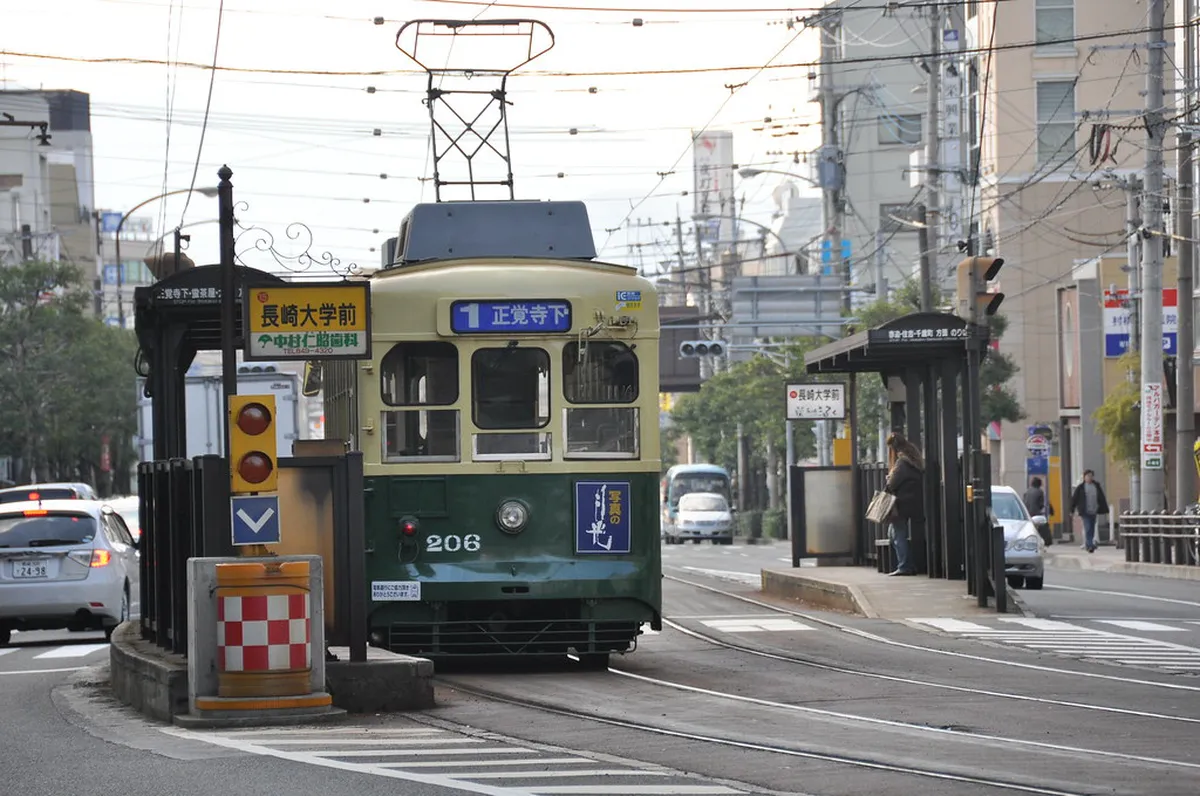
Once you arrive, Nagasaki's tram network is the most convenient and cheapest way to reach the main sightseeing spots. Four tram lines (routes 1, 2, 3, and 5) cover the central city. A single ride costs ¥140 regardless of distance. The key stops for tourists are Tsukimachi (for Chinatown), Ohato (for the waterfront), Matsuyama-machi (for the Atomic Bomb Hypocenter Park), and Suwa-Jinja (for the Suwa Shrine area). Trams run from approximately 06:00 to 23:00. Pay as you exit using an IC card or exact cash.
Nagasaki is hilly. Many of the historic slopes — like Glover Garden and Hollander Slope — require walking up steep stone steps. Taxis are plentiful near Nagasaki Station and the shopping districts but difficult to hail in residential hill areas. If you have heavy luggage, take a taxi directly from the station to your hotel before heading out. Most central hotels are within a 10-minute tram or taxi ride from the station.
The Nagasaki Airport Limousine Bus stops at Kenei Bus Terminal (near Ohato) as well as Nagasaki Station. If your hotel is near the waterfront, alight at Kenei rather than riding to the terminus. Check Where to Stay in Nagasaki: 10 Best Areas and Hotels to find neighborhoods that minimize tram or taxi use during your stay.
Essential Tips for Booking and Transfers
Book reserved seats at least a week in advance during Golden Week (late April to early May) and Obon (mid-August). The Shinkansen sells out fast and the highway buses fill up almost as quickly during those windows. The JR Kyushu online booking site accepts international credit cards and allows you to collect tickets at station kiosks. If traveling with the national JR Pass, reserve seats for free at any JR ticket window.
At Takeo-Onsen Station the cross-platform transfer requires no stairs or escalators — the trains align so you walk directly across. If you have heavy luggage, board the front cars of the Relay Kamome, which position closest to the Shinkansen door. If you miss the connection, the next train combination departs about 30 minutes later.
Travelers should also consider travel insurance for peace of mind on long journeys. Japan's trains run to the second, but typhoons in summer and autumn can occasionally disrupt Kyushu services. The Nishi Kyushu Shinkansen Wikipedia page has historical context on line disruptions and seasonal variations. Book accommodation at least one month ahead for Golden Week and Obon.
- Download the JR Kyushu app for live train schedules and delay alerts.
- Load at least ¥2,000 on your IC card for trams and buses within Nagasaki.
- Confirm airport bus last-departure time on the day you fly out — the schedule can shift seasonally.
- Check luggage size rules before boarding the Shinkansen; oversized bags require a reserved luggage space.
- Vending machines and some older ticket machines may not accept international cards without a PIN — carry yen for station kiosks if needed.
Frequently Asked Questions
How long does the Shinkansen take from Fukuoka to Nagasaki?
The total journey takes about 90 minutes. This includes the Relay Kamome from Hakata and the Shinkansen from Takeo-Onsen. The transfer is very fast and efficient.
Can I use the JR Pass on the Nishi Kyushu Shinkansen?
Yes, the national JR Pass covers this entire route. You can ride both the relay train and the bullet train. Reserved seats are included for pass holders.
Is it faster to fly or take the train from Tokyo?
Flying is significantly faster, taking about two hours. The Shinkansen takes around seven hours with a transfer. Flying is usually the best choice for this distance.
Reaching Nagasaki is easier than ever thanks to the new high-speed rail connections and frequent flights from Tokyo and Osaka. Whether you choose the speed of the Shinkansen or the value of the highway bus, plan your ground transfers — especially the airport bus window — before you arrive. Book your Fukuoka Hotels! if you need a stopover along the way. Safe travels as you explore one of the most historically rich cities in all of Japan.
Free: The Nagasaki Essentials guide
Top things to do, where to stay, a perfect day plan, getting around, and the best time to go — a Nagasaki mini-guide you can take offline.
You might also like

Continue reading
More guides you'll find useful