

How Many Days In Naha Travel Guide
Plan how many days in naha with top picks, neighborhood context, timing tips, and practical booking advice for a smoother trip.
On this page
Naha serves as the vibrant gateway to the tropical island of Okinawa. This guide helps first-timers navigate the city without the usual overwhelm. It was refreshed in 2026 with updated transport costs, opening hours, and practical travel advice.
Planning a trip to Japan often leads travelers to the beautiful south. You might wonder how many days in Naha is actually enough for a visit. I recommend spending at least three days to see the main highlights. A naha 3-day itinerary offers a perfect balance of history and modern culture.
Choosing the when to visit Naha ensures you avoid the heavy typhoon season. Spring and autumn provide the most comfortable walking weather. Most travelers find that three days allow for a deep dive into local life.
The Yui Rail monorail runs from Naha Airport to Shuri Castle with 15 stops, taking just 27 minutes end-to-end. A 3-day pass costs ¥1,500 and pays for itself after three rides.
How Many Days in Naha is Enough?
Deciding on the duration depends heavily on your interest in history and how much ground you want to cover. Two days are sufficient if you only want Kokusai-dori and Shuri Castle. Three days let you add the coastal areas and Tsuboya Pottery District without feeling rushed. Four days open up day trips to the Kerama Islands or the Churaumi Aquarium in the north.
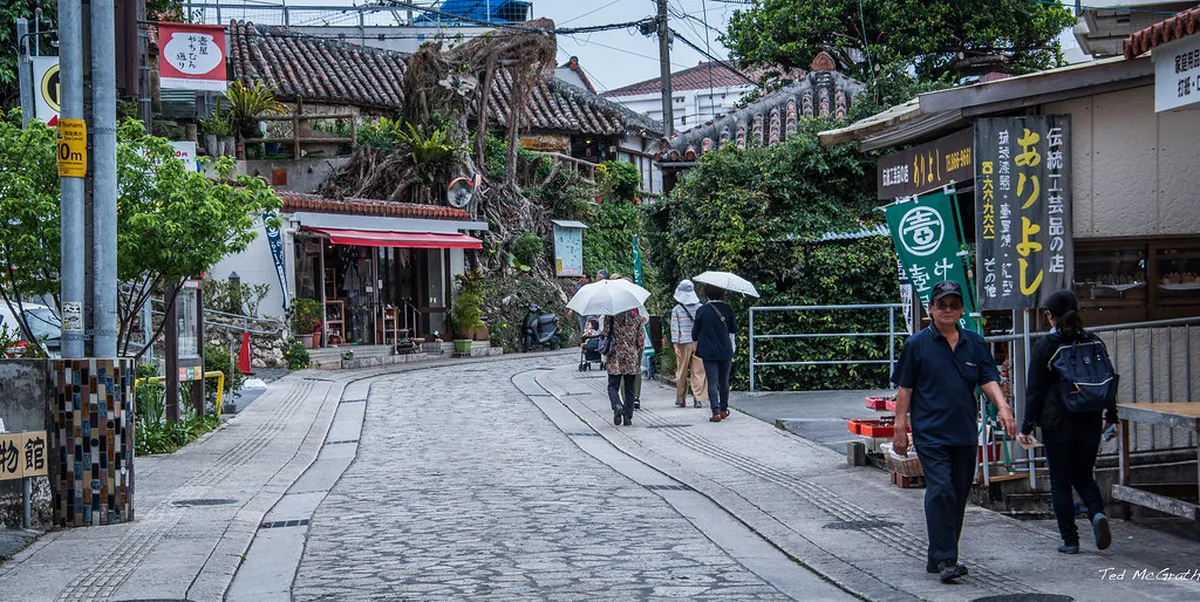
Many travelers use Naha as a base for exploring the whole Okinawa island, in which case you should extend your stay by at least one extra day per day trip. The city feels very different from Tokyo or Kyoto — slower-paced, subtropical, and deeply tied to its Ryukyuan heritage rather than mainland Japanese culture. Rushing through the castle ruins or the old pottery quarter feels genuinely wasteful.
Naha is generally more affordable than major mainland cities. Three days hit the sweet spot for most budgets, covering the best sites without sacrificing the slower island rhythm that makes Okinawa worth visiting in the first place.
| Duration | What You'll See | Pace | Best For |
|---|---|---|---|
| 2 days | Kokusai-dori, Shuri Castle | Rushed | Busy travelers with limited time |
| 3 days | Add Tsuboya District, coastal areas, Naminoue Beach | Comfortable | Most travelers; perfect balance |
| 4 days | Day trip to Kerama Islands or Churaumi Aquarium | Relaxed | Families, snorkelers, nature lovers |
| 5+ days | Multiple day trips, southern sites like Sefa-Utaki, deeper cultural immersion | Very relaxed | History buffs, road-trip explorers |
Getting to Naha from Mainland Japan
The main gateway to Okinawa is Naha Airport (OKA), located just minutes from the city center by monorail. Flights from Tokyo Haneda take around three hours, and from Osaka around two hours. Japan's low-cost carriers — Peach, Jetstar Japan, and Skymark — frequently offer fares from around ¥6,000–¥10,000 one way, well below the full-service carriers. ANA and JAL also fly the route, with fares varying widely depending on how far in advance you book.
Arriving at Naha Airport, the Yui Rail monorail runs directly from the terminal into downtown Naha. The line stops near Kokusai Street (Makishi Station) and Shuri Castle (Shuri Station), making it genuinely useful even if you only have a few hours on arrival. A taxi from the airport to Kokusai-dori costs around ¥1,000–¥1,500 for the short run.
If you are arriving from outside Japan, most international travelers connect through Tokyo Narita, Tokyo Haneda, or Osaka Kansai before taking a domestic flight south. Some cities in East Asia offer limited direct service to Naha, but a domestic connection is the norm for most visitors.
Should I Rent a Car in Okinawa?
Within Naha city limits, you do not need a car. The Yui Rail monorail covers the main tourist corridor from the airport to Shuri Castle in under 30 minutes, and taxis are affordable for the shorter gaps. A car inside the city adds cost and the headache of parking without any real benefit.
Outside Naha, a car changes everything. Public transport beyond the monorail is limited and slow. The island's speed limit is 60 km/h on expressways and lower on coastal roads, so even with a car, journeys take longer than expected — the Churaumi Aquarium is a solid two-hour drive from the city. For day trips to the north or the central resort belt around Chatan and American Village, renting a car at Naha Airport is the most practical option. Book at least a few days in advance during summer and the New Year holiday period when demand peaks.
Driving in Okinawa is on the left, matching mainland Japan. International driving permits based on the Geneva Convention are accepted, which covers most nationalities. Road manners are calm and polite, making it a comfortable drive for those not used to left-side traffic.
Why Okinawa Feels Different from the Rest of Japan
Okinawa was an independent kingdom — the Ryukyu Kingdom — until the late 19th century, and that history shows everywhere in Naha. The food, architecture, language cadence, and even the music are distinct from anything you encounter in Tokyo or Kyoto. The sanshin (a three-stringed lute descended from Chinese instruments) plays in market stalls. The pottery tradition at Tsuboya predates Japanese annexation. The castle complex at Shuri uses construction methods and materials entirely different from mainland castles.
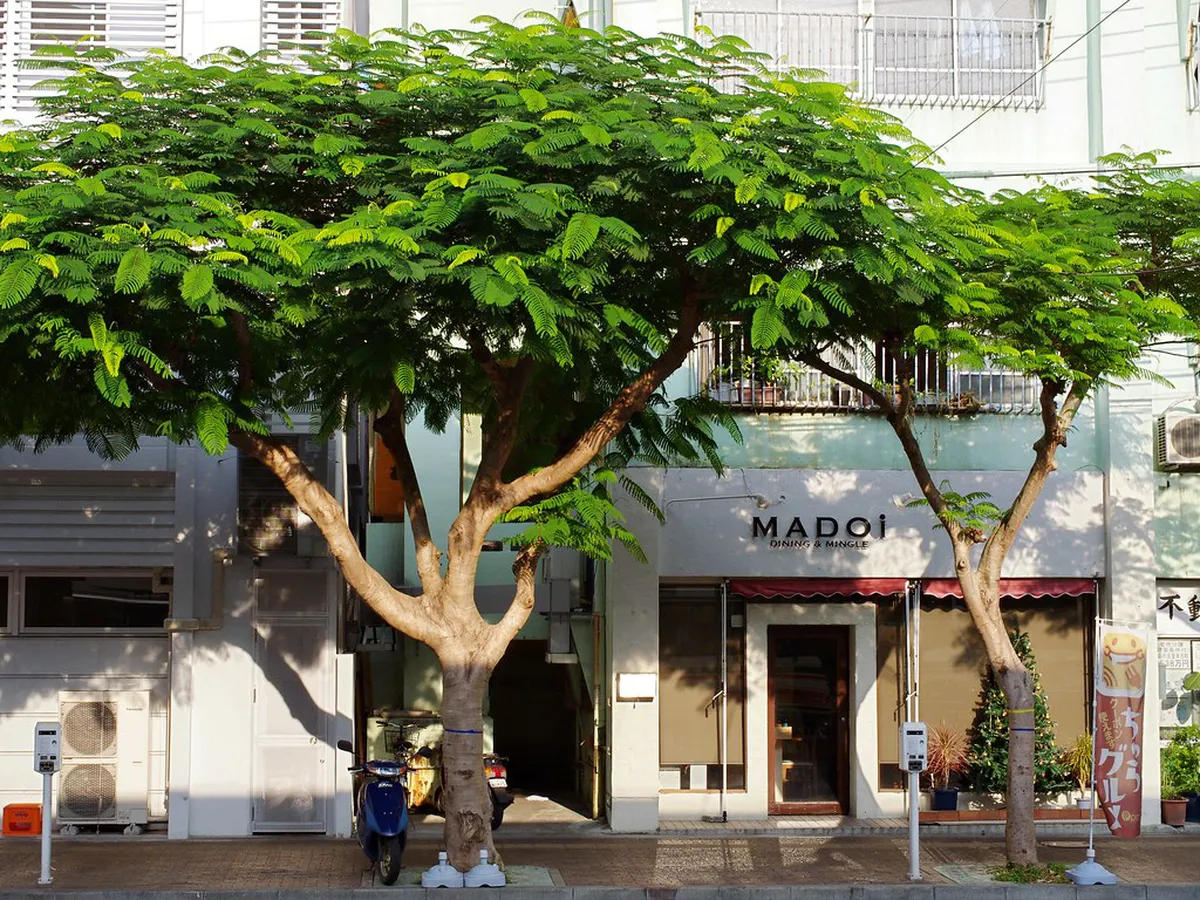
The subtropical climate reinforces the difference. Even in winter Naha rarely drops below 15°C. Summers are hot and humid, with typhoon risk from July through September. This warm baseline means the city has a physical ease to it — less rushing, more sitting outdoors — that contrasts sharply with the intensity of mainland city tourism.
There is also a visible American presence linked to the long-standing US military bases on the island. Taco rice — a dish mixing taco-seasoned meat with Japanese rice — is one of the most popular local comfort foods, a direct product of that cultural blending. Okinawa has its own term for this kind of mixing: champuru culture, meaning a diverse fusion of influences absorbed and made something new.
3-Day Naha Itinerary: A Cultural Deep Dive
Day one focuses on the energetic center of modern Naha. Kokusai-dori, the 1.6-kilometer main shopping street, makes a strong starting point — most shops open around 10:00 and stay open until 22:00 or later. Lunch at the First Makishi Public Market usually costs ¥1,200–¥2,000 per person for a bowl of fresh Okinawan food. In the afternoon, the Tsuboya Pottery District sits a short walk south of Kokusai-dori and offers a much quieter atmosphere, with workshops open from 09:00 to 17:00 most days.
Day two takes you into the heart of the Ryukyu Kingdom. A visit to the Shuri Castle guide site is essential for history lovers. The castle grounds are open daily from 08:30 to 18:00, with the last admission at 17:30. After the castle, the adjacent Shikinaen Royal Garden offers a more contemplative mood with seasonal plum and cherry blossoms. From there, the Kinjo-cho stone-paved road running downhill toward the city center is one of the most photographed spots in Naha.
Day three provides a breath of fresh air by the ocean. Naminoue Shrine and its small beach sit above a highway overpass in a way that sounds odd but feels surprisingly serene at 09:00 before the city wakes. The beach is free and offers a view of the port that no travel photo captures well — it is worth seeing in person. Afternoon options include exploring the Kokusai-dori area for final souvenir shopping, or taking the monorail to Fukushuen Chinese Garden for a quiet close to the trip.
Okinawa's subtropical climate keeps winter temperatures above 15°C year-round, but July through September bring typhoon risk. The summer humidity is intense—book indoor attractions and air-conditioned cafes for these months.
How I Spent Four Days in Okinawa
A fourth day in Naha or nearby is worth it if your schedule allows. The most popular choice is a day trip north to the Okinawa Churaumi Aquarium, part of the 70-hectare Ocean Expo Park complex in Motobu. The aquarium's Kuroshio Tank holds whale sharks and manta rays and is genuinely one of the most impressive exhibits of its kind in the world. Admission is ¥2,180 for adults. The drive takes about two hours from Naha, so an early start is necessary.
A stronger alternative for many visitors is the Kerama Islands, reachable by high-speed ferry from Tomarin Port in Naha. Ferries to Zamami Island take about 50 minutes and cost around ¥3,440 one way. The water clarity around the Keramas is extraordinary — the visibility can reach 30–40 meters on calm days. Snorkeling gear can be rented on the island for around ¥1,000 per set.
For a slower fourth day, the Peace Memorial Park and Sefa-Utaki UNESCO World Heritage Site in the southern part of the main island offer a more contemplative experience. Sefa-Utaki is the most sacred site in Ryukyuan religion, a natural formation of massive limestone rocks in jungle surroundings. It is about 90 minutes by car from Naha and charges no admission. Many visitors find this day the most memorable of their trip.
What to Eat in Naha
Okinawan cuisine is a distinct fusion of Japanese, Chinese, and American influences. Goya champuru — a stir fry of bitter melon, tofu, egg, and spam — is the defining local dish and costs ¥700–¥1,000 at most izakayas. Okinawa soba uses wheat noodles rather than buckwheat, served in a clear pork broth with thick slices of rafute (braised pork belly) on top. Taco rice, a comfort food born from American military culture, shows up on almost every casual menu on the island.
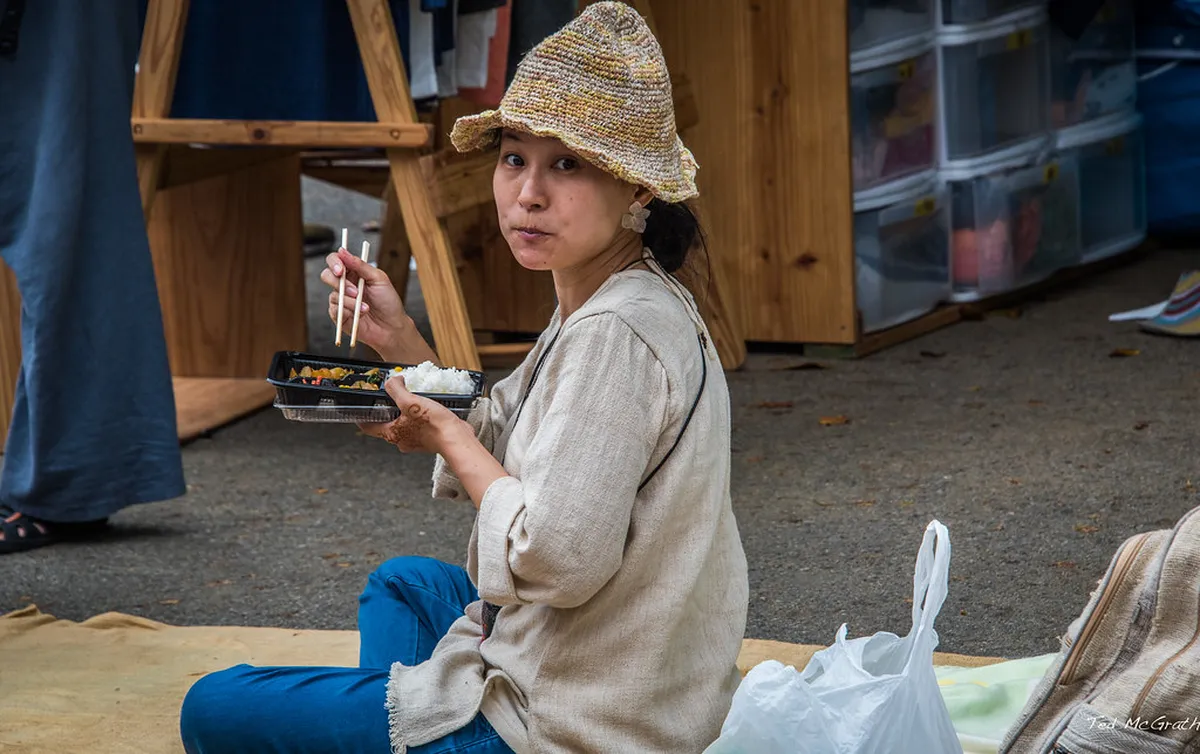
Blue Seal Ice Cream has locations across Naha and is a genuine local institution, not a tourist gimmick. The salt vanilla and Beni-imo (purple sweet potato) flavors are the ones worth trying. For a sit-down meal with traditional performance, Tubarama on Kokusai-dori serves dishes like umibudo sea grapes and agu pork alongside live sanshin music. Budget ¥3,000–¥4,000 per person for dinner here.
Petit à Petit, a small cafe near the city, serves soufflé Japanese pancakes that rival the famous Tokyo spots but with minimal waiting. Reservations are worth making a day or two ahead during peak season. It opens at 09:00 and is ideal for a departure-day brunch before heading to the airport.
Getting Around Naha: Yui Rail Passes Worth Buying
Most competitors describe the Yui Rail monorail as a useful line without mentioning the tourist day pass options — an oversight that costs visitors real money. The official Okinawa tourism site covers transport passes, and the Yui Rail operates a 1-day pass (¥700), 2-day pass (¥1,100), and 3-day pass (¥1,500), available from vending machines at any station and at the airport. A single trip from the airport to Makishi Station costs ¥270; anyone making more than two or three rides in a day will save money with the pass.
The line runs from Naha Airport to Shuri Station, with 15 stops total. The main tourist stops are: Asahibashi (Naha Port access), Kencho-mae (Prefectural Office, Palaceside Hotel), Makishi (Kokusai-dori), Tsubogawa (Tsuboya Pottery District area), and Shuri (castle entrance). Trains run every 8–12 minutes during the day from around 06:00 to 23:30. The whole line end-to-end takes about 27 minutes.
For trips that go beyond the monorail corridor — Naminoue Beach, the ferry port, or neighborhoods off the main line — taxis are plentiful and affordable. A ¥500–¥800 ride covers most cross-city distances. Uber is not widely used in Naha; the local taxi app GO works with most Japanese taxi companies in the city.
Where to Stay in Naha
Choosing the right neighborhood makes a significant difference. Kokusai-dori and Makishi Station is the best choice for those without a car — you are within walking distance of the main monorail, the market, and dozens of restaurants. Mid-range hotels in this zone run ¥8,000–¥15,000 per night for a standard double in 2026.
The Shuri area offers a quieter and more traditional atmosphere. It is perfect for travelers who prefer a slower pace and don't mind an extra monorail ride to the city center. Hotels here often have garden views and smaller-scale service. Check the the best Naha neighborhoods guide for specific hotel recommendations.
Naha Port is a practical alternative for modern business hotel options near the ferry terminal. If you plan a day trip to the Kerama Islands, a port-area hotel saves time on departure morning. The area is safe, well-lit, and walkable to the monorail via a 10-minute stroll or a short taxi ride.
What to Skip on a Short Trip
If you only have two or three days, skip the Churaumi Aquarium. The four-hour round trip by car or bus leaves too little time to enjoy the exhibit properly, and the aquarium is genuinely large — families with children should budget a full day there, not a rushed afternoon. Save it for a dedicated fourth day or a return trip.
The northern Yanbaru National Park is beautiful but logistically demanding without a rental car and a guide. The wildlife (including the endemic Yambaru kuina rail bird) requires early morning visits and local knowledge to spot. A half-day guided tour is the realistic option, and most tours run from Nago, not Naha — adding significant travel time each way.
Scuba diving off the Kerama Islands is excellent, but snorkeling from a boat tour covers most of the same coral and marine life at a fraction of the effort and cost for non-certified divers. Day-trip snorkel tours from Tomarin Port run from around ¥5,000–¥8,000 and are widely available without advance certification.
Frequently Asked Questions
Is 2 days enough to see Naha?
Two days allow you to see the main shopping streets and Shuri Castle. It is a tight schedule but covers the basics for busy travelers. I recommend three days for a more relaxed experience.
Do I need a car to get around Naha?
You do not need a car within Naha city limits. The monorail is very efficient and covers most major tourist sites. Taxis are also affordable for short distances across town.
What is the best month to visit Naha?
October and November are the best months for visiting Naha. The weather is mild and the risk of typhoons is much lower. You will enjoy comfortable temperatures for walking outdoors.
Naha rewards those who take their time. Three days provide the perfect introduction to Okinawan culture and history, and a fourth day opens up the island's beaches and wilderness. Whether you fly in for a tight urban weekend or use Naha as the anchor for a wider Okinawa road trip, the city earns its place on a Japan itinerary.
For the full city overview, see our Naha attractions guide.
Free: The Naha Essentials guide
Top things to do, where to stay, a perfect day plan, getting around, and the best time to go — a Naha mini-guide you can take offline.
You might also like

Continue reading
More guides you'll find useful


