Nagasaki Lantern Festival 2027: Dates, Venues, and Insider Tips
Plan the 2027 Nagasaki Lantern Festival (Feb 5-21): parade dates, a six-venue guide, festival food, and how to beat the crowds in Shinchi Chinatown.
On this page
Last updated September 2026, this guide covers the Nagasaki Lantern Festival's confirmed 2027 dates, six festival venues, and full parade schedule. The festival runs from February 5 to February 21, 2027, filling Shinchi Chinatown and central Nagasaki with roughly 15,000 lanterns. Expect a practical breakdown of dates, food, transit, and the crowd trade-offs the official festival sites do not spell out.
2027 Nagasaki Lantern Festival Dates and Highlights
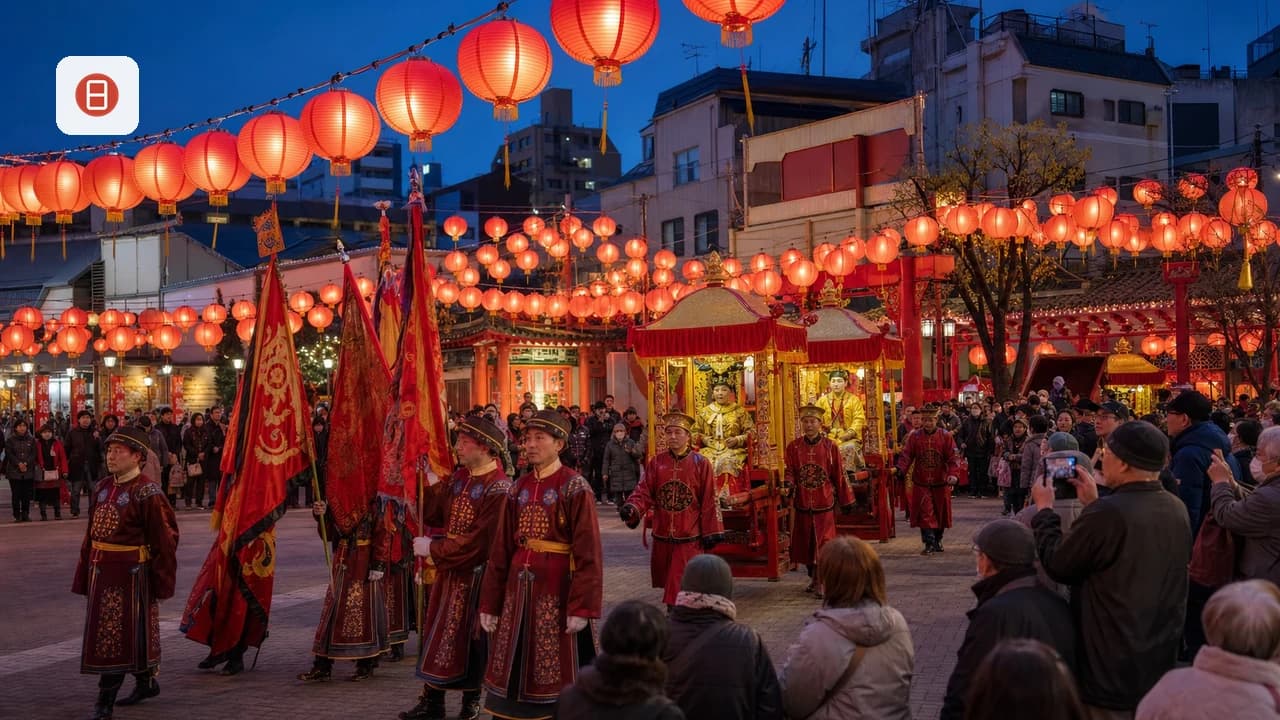
Nagasaki's Lantern Festival celebrates the first 15 days of the Lunar New Year. For 2027, Nagasaki's official tourism site confirms the festival runs February 5 (Friday) through February 21 (Sunday), a 17-day span across the city center. Around 15,000 lanterns and large lantern sculptures fill Shinchi Chinatown, Minato Park, and the connecting streets. Discover Nagasaki, the official visitor guide calls it the largest festival of its kind in Japan, spanning venues from Chinatown to the city's central parks. Recent festivals have opened with a synchronized lighting ceremony at 18:00 on the first evening; confirm the exact 2027 opening-night time closer to the date. Japan's national tourism board traces the event to Chinese merchants in Shinchi Chinatown, who began it as a local Lunar New Year custom that later grew into a citywide celebration. Like the autumn Nagasaki Kunchi Festival, stages go up around the city for both professional and amateur performers. See the Nagasaki Festivals Guide: 11 Best Events, Dates & Local Logistics hub for how it fits into the wider yearly calendar.
The festival displays roughly 15,000 lanterns across six distinct venues, each with a different atmosphere and design focus.
- Dates: February 5-21, 2027 (17-day span)
- Scale: about 15,000 lanterns and large installations citywide
- Lighting ceremony: historically 18:00 on opening night
- Origin: started by Chinese merchants in Shinchi Chinatown
Parade and Performance Schedule: Emperor Parade, Mazu Procession, and Dragon Dance
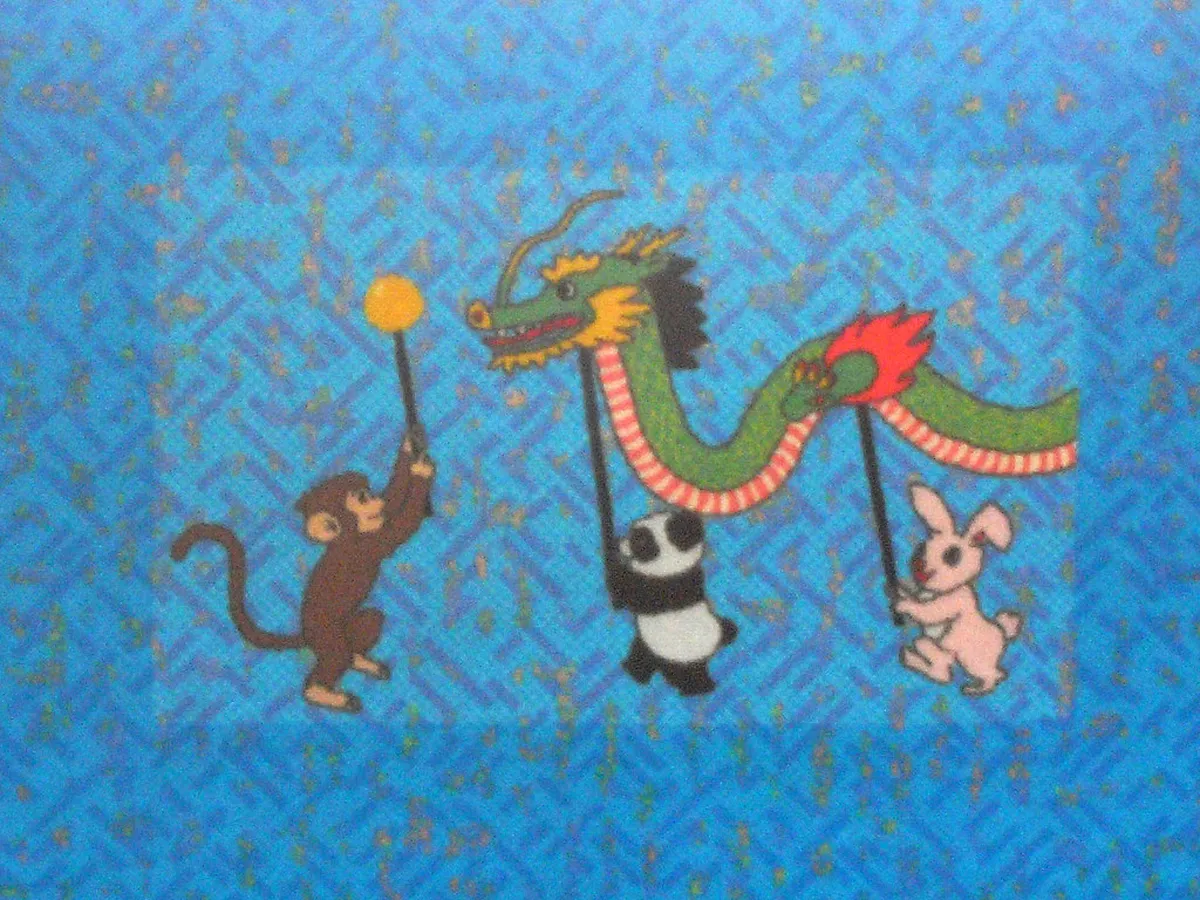
Three named events anchor the festival calendar. Emperor Parade reenacts a Qing-dynasty New Year procession, with about 150 performers in Chinese court costume escorting the palanquins of the emperor and empress. Mazu Procession reenacts the route Chinese sailing crews once followed into Nagasaki's port, honoring Mazu, the deity of safe navigation. Dragon dance performances, featuring a dragon body roughly 20 meters (about 65 feet) long, run every day of the festival. Stage programs also include erhu (two-stringed Chinese violin) music and Chinese lion dances alongside the nightly dragon dance. Mask-changing performers take the stage too; they swap colorful masks in an instant, and the technique stays a closely guarded stage secret.
The dragon performs all 17 festival days (Feb 5-21), but the Emperor Parade runs Feb 13 and Feb 20, and Mazu Procession occurs Feb 7 and Feb 14 only.
| Event | 2027 Dates | Details |
|---|---|---|
| Emperor Parade | Feb 13 (Sat) and Feb 20 (Sat) | About 150 performers in Qing-dynasty costume |
| Mazu Procession | Feb 7 (Sun) and Feb 14 (Sun) | Reenacts Chinese sailing crews entering Nagasaki port |
| Dragon Dance (Jaodori) | Daily, Feb 5-21 | About 20-meter (65 ft) dragon performed in Chinese costume |
| Opening Lighting Ceremony | Evening of Feb 5 | Historically 18:00; confirm the 2027 time locally |
Where to Go: The Six Lantern Festival Venues
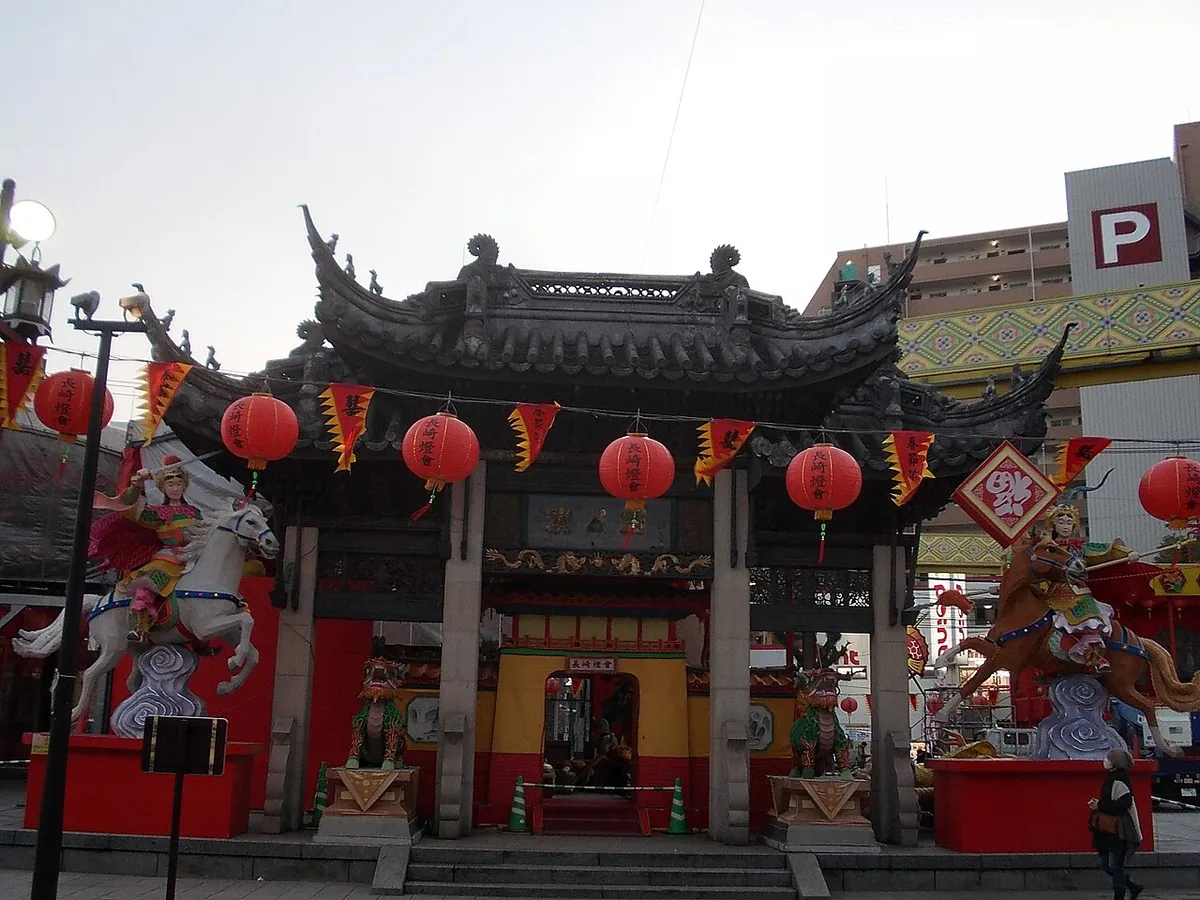
Lantern displays spread across six areas of central Nagasaki, each with a different feel. Minato Park is the festival's main stage, home to the year's central lantern sculpture, most large performances, and stalls selling lantern-themed goods. Chuo Park leans family-friendly, with animal-shaped lanterns and a dense cluster of food stalls. Nakashima River Park is known for yellow lanterns reflected on the water near Meganebashi. Doza River glows pink and sits a short walk from Shinchi Chinatown. Hamanomachi Arcade covers its entire shopping-street ceiling in lanterns, a reliable stop if it rains. Nagasaki Confucius Temple charges separate entry: ¥880 for adults, ¥550 for high school students, and ¥440 for elementary and junior high students. Nagasaki's official tourism site describes the temple, built in 1893 through cooperation between the Qing government and Nagasaki's overseas Chinese community, as the only Chinese-style mausoleum of its kind in the country. Temple grounds stay open 9:30 to 18:00, with last entry at 17:30. Beyond these six anchor points, Japan's national tourism board notes the lighting reaches from Dejima Wharf to Meganebashi, so nearby streets pick up festive lighting too. Most other venues, including Meganebashi, cost nothing to visit. Check the 10 Best Free Things to Do in Nagasaki: Budget Guide (2026) guide for more no-cost stops nearby.
| Venue | Best For | Notable Detail |
|---|---|---|
| Minato Park | Main stage and centerpiece lantern | Yearly-changed central lantern sculpture |
| Chuo Park | Families and food stalls | Animal-themed lanterns |
| Nakashima River Park | Photography | Yellow lanterns reflected on the water |
| Doza River | A quieter evening walk | Pink lantern district near Chinatown |
| Hamanomachi Arcade | Rainy-day plans | Lanterns cover the entire arcade ceiling |
| Nagasaki Confucius Temple | Traditional architecture | ¥880 adult entry; open 9:30-18:00, last entry 17:30 |
Getting Around Nagasaki During the Festival
Nagasaki's tram network is the simplest way to reach festival venues from JR Nagasaki Station. Board a tram bound for Sofukuji and get off at Shinchi Chinatown for that venue. For Chuo Park and Nakashima River Park, take the tram toward Hotarujaya and get off at City Hall. Buses work too, with routes leaving from both the station's South Exit and East Exit, so confirm the correct stop before boarding. A workable walking loop links several venues in one visit: start in Shinchi Chinatown, pass through Minato Park, follow Doza River, and finish near Nakashima River Park and Meganebashi. Budget roughly 2 to 3 hours for the full loop at a relaxed pace, longer with food stops or performances. Hotel rooms near the venues can book out 4 to 6 months ahead of festival weekends, so reserve lodging early. For lodging, see Where to Stay in Nagasaki: 10 Best Areas and Hotels (2026) for neighborhoods within walking distance of Chinatown. How to Get to Nagasaki from Tokyo, Osaka, and Fukuoka covers rail and flight connections into the city. A Nagasaki Itinerary for First-Timers in 2026 helps slot the festival into a multi-day visit.
What to Eat at the Lantern Festival
Food stalls cluster most heavily around Chinatown, Minato Park, and Chuo Park. Hatoshi is a Nagasaki specialty: shrimp or fish paste sandwiched between bread and deep-fried until crisp. Yori-yori is braided, crunchy fried dough; during the festival, stalls sell a chocolate-coated version found only at this event. Butaman are steamed pork buns, easy to eat while walking between venues. Xiao long bao, soup-filled dumplings, turn up at several Chinatown stalls. Nagasaki's tourism board lists all four as festival staples worth seeking out over one evening.
- Hatoshi - deep-fried bread stuffed with shrimp or fish paste
- Yori-yori - braided fried dough; chocolate-coated version is festival-only
- Butaman - steamed pork buns, easy to eat on the move
- Xiao long bao - soup dumplings sold at Chinatown stalls
Practical Tips: Weather, Crowds, and Mistakes to Avoid
Late-January and February evenings in Nagasaki run cold. Nagasaki's tourism board puts the average January-February low near 4.9°C (41°F), and evenings near the water feel colder still. Wear a warm coat, scarf, and sturdy walking shoes, and pack disposable heat packs (kairo) for hands and pockets. Book accommodation early. Festival weekends draw heavy demand, and rooms near Chinatown can book out 4 to 6 months ahead. Weekday visits thin the crowds considerably compared with Saturday and Sunday evenings. Skipping the Emperor Parade and Mazu Procession dates trims crowds further, though you trade away the festival's two headline processions. Arrive well before a parade's scheduled start to claim a viewing spot along the route. Near Shinchi Chinatown, Bernardo Tourist Street hosts a matchmaking tradition built around the Old Man Under the Moon, the Chinese god of matchmaking. A red-thread charm sold there costs ¥100. Outside the city core, Huis Ten Bosch's Kingdom of Lights runs on its own seasonal schedule as a contrasting pick for light-seekers. Check Huis Ten Bosch's official site for current illumination dates before adding it to a Nagasaki-area trip. Travelers building a longer Kyushu winter route can check Kumamoto's event calendar for nearby dates. Kagoshima's event calendar covers the same winter window further south. The Best Time To Visit Nagasaki: Weather By Month & Guide guide compares the festival window against Nagasaki's other seasons.
Frequently Asked Questions
When is the Nagasaki Lantern Festival in 2027?
The 2027 Nagasaki Lantern Festival runs February 5 (Friday) through February 21 (Sunday). That's a 17-day span timed to the first 15 days of the Lunar New Year. Confirm dates on Nagasaki's official tourism site before booking, since festival calendars can shift with the lunar calendar.
Is the Nagasaki Lantern Festival free to attend?
Yes, walking the lantern displays and watching most street performances costs nothing. Nagasaki Confucius Temple is the one exception, charging ¥880 for adults, ¥550 for high school students, and ¥440 for younger children during festival hours.
What's the best way to avoid crowds at the festival?
Visit on a weekday evening rather than a Friday, Saturday, or Sunday. Skipping the Emperor Parade and Mazu Procession dates thins the crowd too, though you'll miss the festival's two signature processions. If you want a parade, arrive early to claim space along the route.
How cold does it get during the festival, and what should you pack?
Average lows in Nagasaki run near 4.9°C (41°F) in January and February. Pack a warm coat, scarf, sturdy walking shoes, and a few disposable heat packs (kairo), since most of the festival happens outdoors after dark.
Are there other Nagasaki festivals worth planning around?
Yes, Nagasaki also hosts the Shoro Nagashi spirit boat festival each August. The month-by-month festival calendar maps out the rest of the year for trip planning.
Free: The Nagasaki Essentials guide
Top things to do, where to stay, a perfect day plan, getting around, and the best time to go — a Nagasaki mini-guide you can take offline.
You might also like


Continue reading
More guides you'll find useful