6 Best Kawagoe Festivals and Events in 2026 (Full Calendar)
A 2026 calendar of the 6 best Kawagoe festivals, from the UNESCO-listed October Matsuri to summer wind chimes, plus train access from Tokyo.
On this page
Last updated September 2026, this calendar covers the best Kawagoe festivals worth building a Tokyo day trip around. UNESCO-listed Kawagoe Matsuri floats draw roughly one million visitors each October, but five smaller, quieter events run across the rest of the year. Each entry below lists exact dates, entry cost, and the station that gets you there fastest.
When Is the Best Time for Kawagoe Festivals?
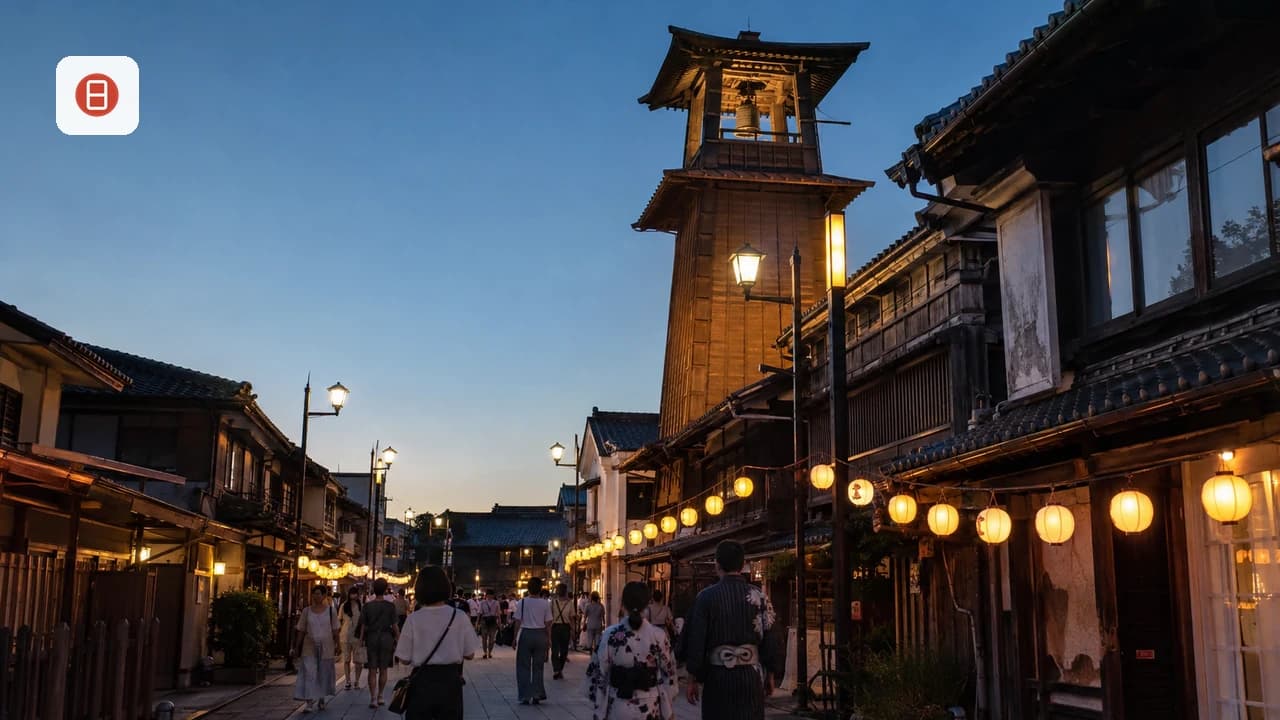
October brings the single biggest event: the two-day Kawagoe Matsuri, a UNESCO Intangible Cultural Heritage float festival held on the third Saturday and Sunday of the month. Outside that window, four smaller festivals and one monthly market keep the town active without the crush. Summer brings wind chimes at Hikawa Shrine, spring brings a samurai procession with cherry blossoms, and January opens the year with a temple market for good luck. Locals and tourism materials refer to the old town as "Little Edo" for its preserved kurazukuri warehouse streets, the backdrop for nearly every festival on this list. For the wind chimes specifically, the Hikawa Shrine official site posts exact opening dates each year, since the run shifts slightly from one summer to the next. Cultural enthusiasts chasing UNESCO-listed heritage should prioritize October; photographers after a quieter scene without October's dense crowd often prefer the summer or spring dates instead. For year-round planning, the month-by-month festival calendar lays out every date at once. Kawagoe sits close enough to central Tokyo that any of these events works as a single afternoon out, especially when paired with the town's other sights via a full Kawagoe itinerary.
The 6 Best Kawagoe Festivals and Events
These six events cover the full calendar year, ranked from the largest crowd-puller to the smallest neighborhood market. Dates, hours, and cost below come from each event's own organizers or current tourism listings where available.
- Kawagoe Matsuri (Kawagoe Hikawa Festival) — October 17–18, 2026
- Twenty-nine Edo-style floats are kept in the town, with roughly 20 pulled through the Kurazukuri district on any given festival day.
- Attendance is free, and the two-day event runs from early afternoon into the evening on both the third Saturday and Sunday of October.
- See the full Kawagoe Matsuri guide for the daytime-versus-night breakdown and where to stand for the hikkawase float battles.
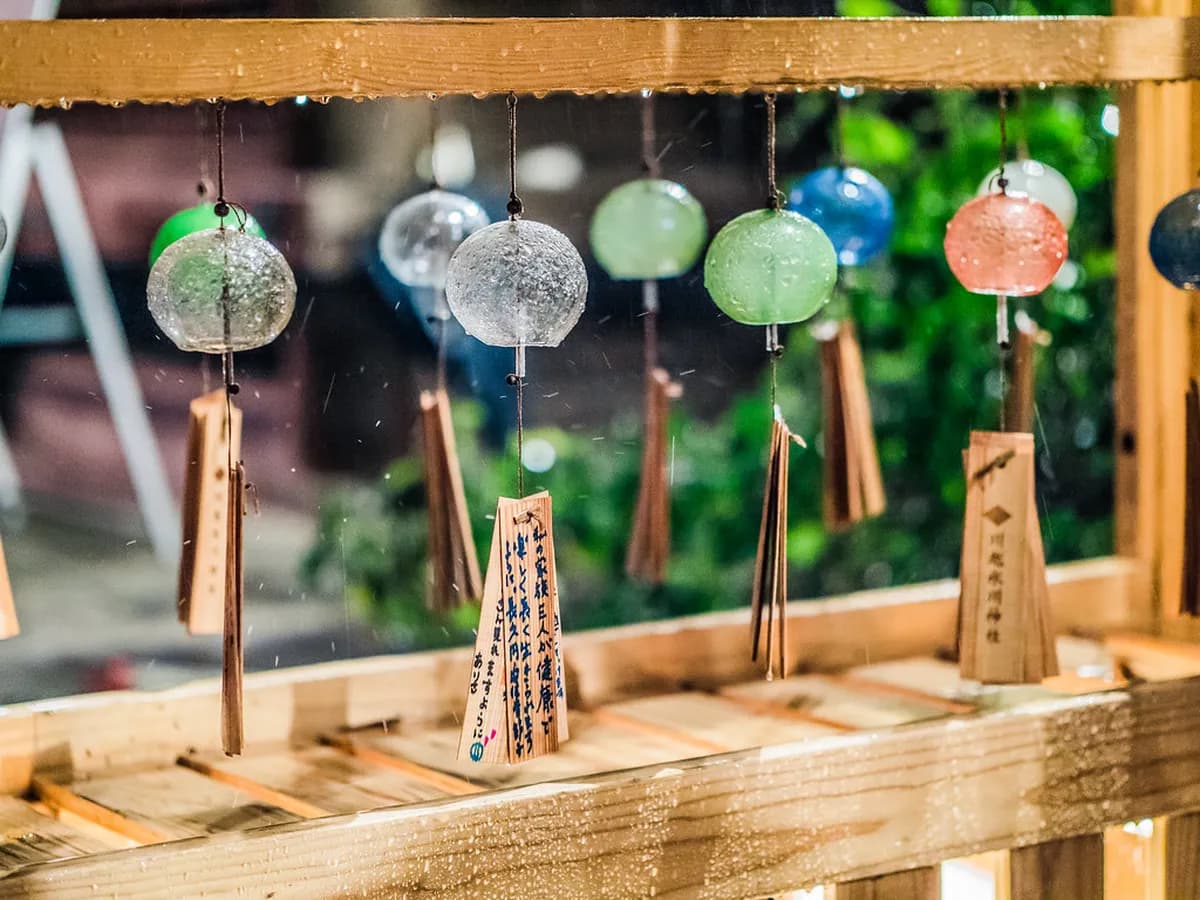
- Hikawa Shrine Enmusubi Wind Chime Festival — Summer
- More than 2,000 wind chimes hang across the shrine grounds, with evening illumination extending the visit after dark.
- The 2026 run is scheduled roughly late June through early September, open 9:00 a.m. to 8:00 p.m., and free to enter.
- Arrive early in the morning to beat the queue for the omikuji fortune-slip ritual, and see the wind chime festival guide for the shrine layout.
- Koedo Kawagoe Spring Festival — Late March to Late April
- The festival combines a samurai procession with stunt performances, including gunfire displays and ladder acrobatics, staged in the old town.
- A cherry blossom boat ride runs during the sakura window, giving a river-level view of the historic warehouse district.
- Entry is free, and the festival spans multiple weekends rather than a single fixed date, so check the current year's schedule before you travel.
- Kitain Temple Daruma Market — January 3
- Vendors sell daruma dolls for New Year luck on the temple grounds from 9:00 a.m. to 5:30 p.m.
- Entry is free, and the market falls at the very start of the calendar year, well before the spring and summer events.
- It pairs naturally with a wider look at Kawagoe's other attractions for a full first-week-of-January visit.
- Naritasan Kawagoe Betsuin Flea Market — 28th of Every Month
- Stalls set up from 6:00 a.m. to 2:00 p.m. on the 28th of every month, rain or shine, with free entry.
- It is the one event on this list that repeats monthly, so it is the easiest to build around an otherwise ordinary weekday visit.
- Come hungry: browsing the market pairs well with a stop for Kawagoe's food scene afterward.
- Kawagoe International Exchange Festival — Early November
- The festival runs from 10:00 a.m. to 3:30 p.m. and is free to attend.
- It focuses on cultural exchange rather than the historic float tradition, so it draws a smaller, more local crowd than October's main event.
- For the wider Tokyo-area events calendar around the same weekend, see Tokyo's events calendar.
Choosing a Kawagoe Festival by Travel Style
Tokyo-based expats and first-time visitors with only one shot at Kawagoe generally get the most out of the October Matsuri, since it is the one date UNESCO recognition and hikkawase converge on. Cultural enthusiasts researching Intangible Cultural Heritage specifically should also prioritize the October dates, since the Wind Chime Festival and Spring Festival are popular but not UNESCO-listed. Photographers after empty-street shots of the townscape tend to skip festival weekends entirely. A quiet weekday, paired with the flea market or the Daruma Market, works better for an uncluttered frame. Families with young children often favor July and August, when the Wind Chime Festival's daytime hours and lighter crowd make for an easier visit than October's evening crush.
Inside the Kawagoe Matsuri: Floats, Hikkawase, and Crowd Strategy
Kawagoe Matsuri 2026 runs Saturday, October 17, and Sunday, October 18, following the festival's fixed third-weekend-of-October pattern every year. Its roots trace back more than 360 years. UNESCO added the event to its Intangible Cultural Heritage list in 2016, as one of Japan's Yama, Hoko, Yatai float festivals. Japan's national tourism organization also profiles the event's Edo-period origins on its official destination page. Twenty-nine floats are kept in the town, and roughly 20 take part on any single festival day, each one owned by a different neighborhood.
October hosts roughly one million visitors across two festival days, but arriving by mid-afternoon lets you settle before the Saturday-night peak crowd.
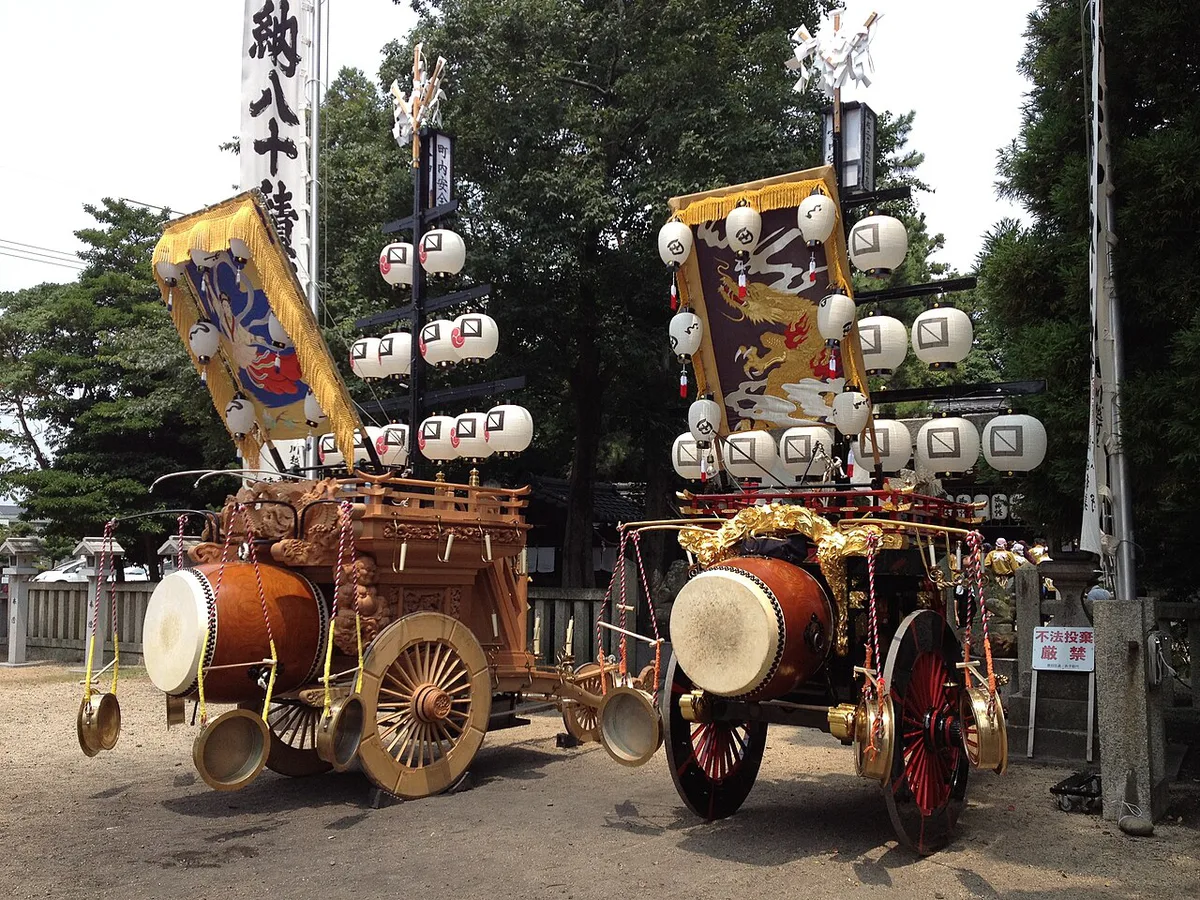
Every float follows the Edo-kei Kawagoe style, built in two tiers with a historical or folk-tale doll on top. A hand-cranked platform drops the whole structure from about 26 feet down to roughly 13 feet to clear low obstacles. That retractable design dates back to when floats had to pass through the old castle gates during the Edo period. The stage also revolves 360 degrees independently of the wheels, which is what lets two floats spin to face each other for hikkawase. Each float is pulled by a neighborhood team of roughly 50 people. Daytime is when you can actually see the carving and doll detail up close, before the evening crowd thickens. The main Ichibangai stretch of Kurazukuri Street has no overhead utility poles, one reason the lantern-lit floats photograph cleanly against the old warehouse fronts.
Day trips built around only the afternoon miss the hikkawase entirely. A night-only visit misses the float carving and doll detail that daylight reveals. Most travelers who can only make one pass choose an early-afternoon arrival, cover the daytime City Hall viewing first, then stay through the first hour of hikkawase after dark.
After sunset, two floats meeting at an intersection turn to face each other and start hikkawase, a musical duel between neighborhood hayashi ensembles. Each ensemble typically fields five musicians: one flute, one large drum, two smaller drums, and a handbell, alongside masked dancers. Crowds pack in around these intersections, especially near City Hall and the Naka-cho crossing, so arriving by mid-afternoon buys a spot before the evening crush. In our editorial assessment, the daytime float-viewing window near City Hall is the single best trade for travelers who can only make one pass through the crowd. Confirm exact procession and hikkawase timings on the official Kawagoe Matsuri site before you lock in trains.
Deciding where to stand shapes how much of the festival you actually see.
- City Hall (Shiyakusho-dori)
- Floats line up here in the mid-afternoon, the best window for seeing carving and doll detail up close.
- Naka-cho intersection
- A frequent hikkawase crossing point after dark, where floats from different neighborhoods turn to face off.
- Near Hikawa Shrine
- The afternoon procession heads this way first, so it stays calmer earlier in the day than the downtown core.
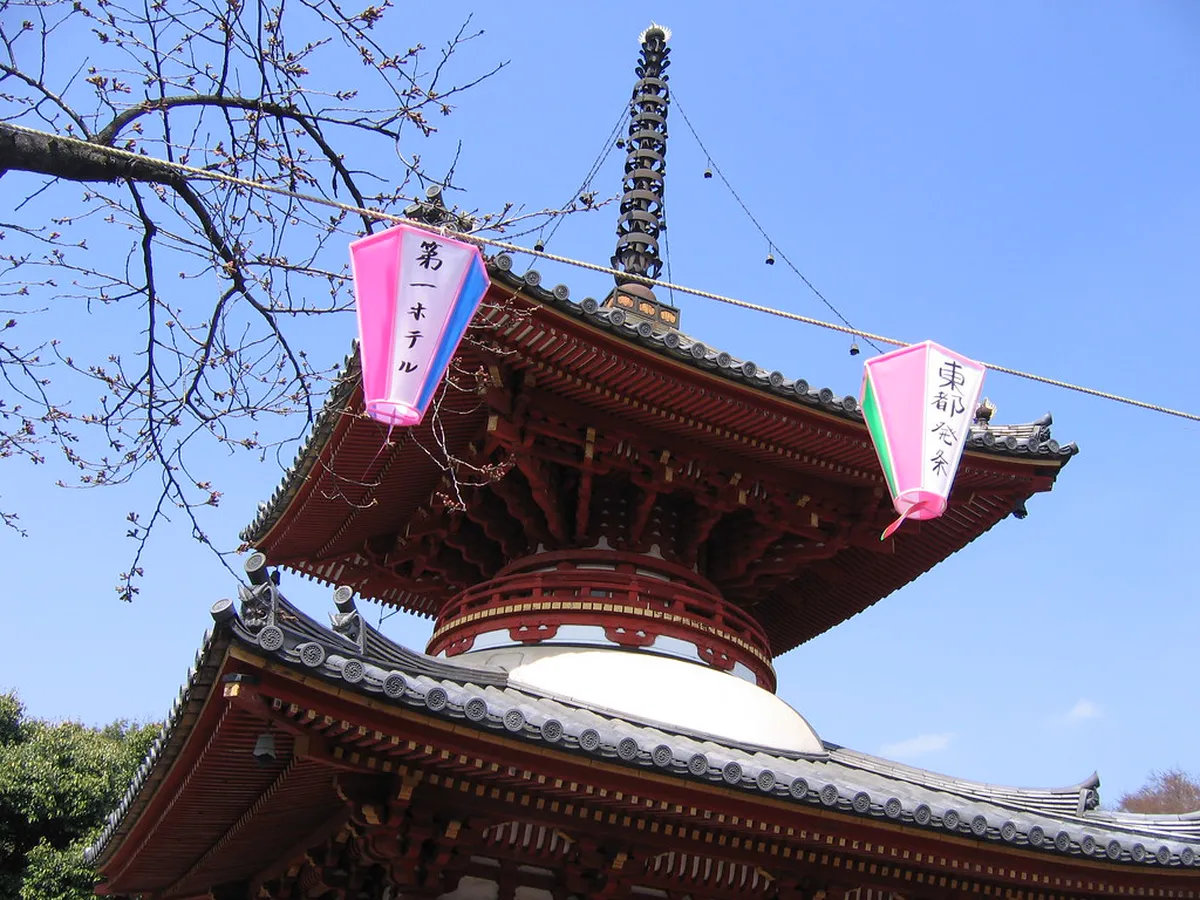
Missed the Dates? The Kawagoe Festival Museum Backup
Travelers who cannot make the third weekend of October still have a way to see the floats up close. The Kawagoe Festival Hall keeps two authentic dashi floats on permanent display, along with festival photographs and artifacts. A roughly 20-minute hayashi music demonstration runs on a regular schedule, giving a sense of the hikkawase performance without the crowds. It sits inside the same historic district the festival route passes through, so pairing a visit with a walk down Kurazukuri Warehouse Street covers most of the atmosphere even outside festival dates. The separate Kawagoe Kurazukuri Museum, a different Meiji-era merchant house, has been closed since 2017 for earthquake-proofing renovation; confirm its current status before planning around it. The Kawagoe city government site lists current tourism division contact details for festival-specific questions. Between the museum stand-ins and the monthly flea market, there is a Kawagoe event worth visiting in almost any month you land in Tokyo.
The Kawagoe Festival Hall's two authentic floats and regular hayashi performance let visitors experience the tradition at a leisurely pace any time of year, not just October's crowded festival dates.
Getting to Kawagoe Festivals from Tokyo: Which Station to Use
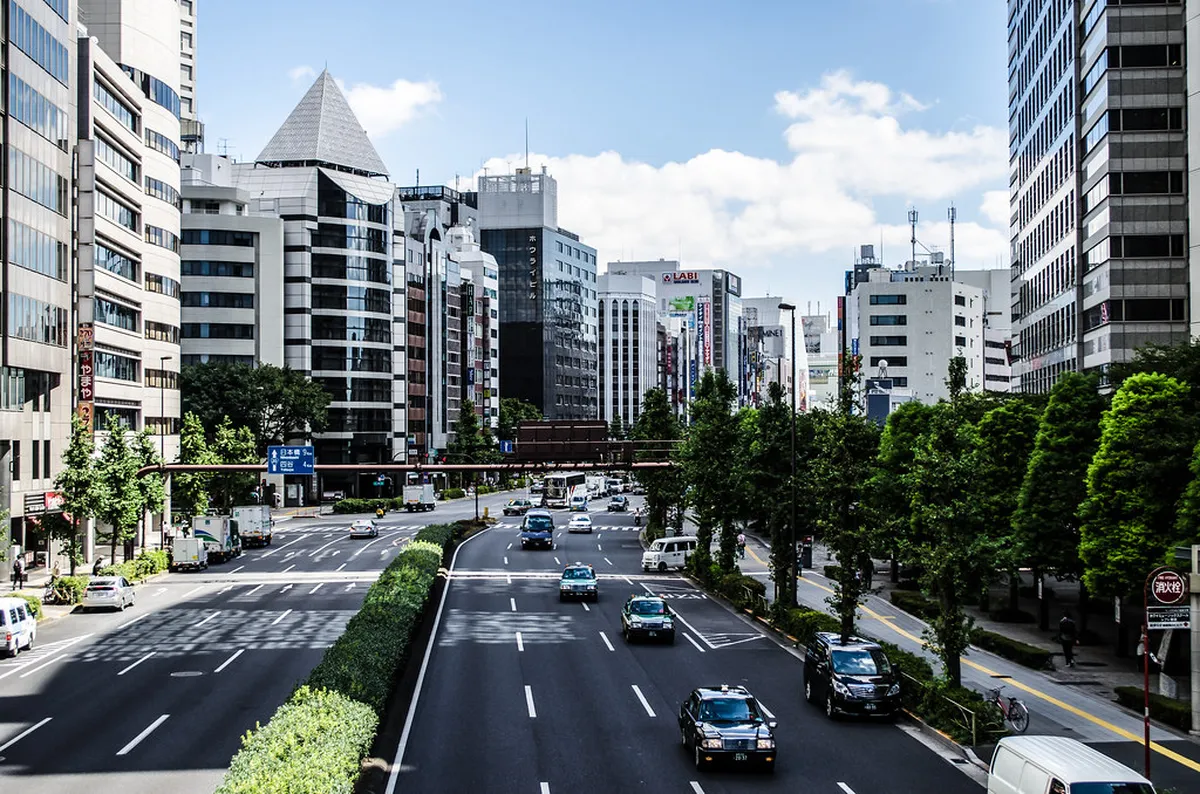
Two different train companies serve two different Kawagoe stations, and mixing them up costs time on a festival day. Kawagoe Station, on the Tobu Tojo and JR Saikyo lines, is the arrival point most festival guides default to. Hon-Kawagoe Station, on the Seibu Shinjuku Line, sits closer to the old town's Kurazukuri district, which matters if you are short on daylight.
Tobu Tojo Line service is the fastest and cheapest option. It runs about 30 minutes direct from Ikebukuro to Kawagoe Station for roughly ¥481 one way. Tobu also sells its own discount coupon covering the round trip plus small attraction discounts around town; fares shift periodically, so check Tobu's current price before booking. The Seibu Shinjuku Line takes closer to 45 minutes to an hour from Seibu-Shinjuku to Hon-Kawagoe Station, priced around ¥513. A round-trip Seibu Kawagoe Pass runs about ¥700; confirm current fares before you travel. JR Saikyo Line express trains run from Shinjuku or Shibuya in about 50 minutes, the practical pick for JR Pass holders heading to Kawagoe Station. Travelers coming from Saitama's Omiya side can also reach Kawagoe Station in about 20 minutes on the JR Kawagoe Line. From Yokohama, a Tokyu Toyoko Line or Tokyo Metro Fukutoshin Line through-service reaches Kawagoe Station in around 78 minutes, useful if a Tokyo base is not part of the trip.
Whichever line you take, budget about 13 minutes on foot from Kawagoe Station to the Ichibangai stretch of the Kurazukuri district. The Koedo Kawagoe Tourism Association publishes current access maps and event listings for the old town. Here is the short version of which line fits which kind of trip.
| Line | Route | Journey Time | Fare | Best For |
|---|---|---|---|---|
| Tobu Tojo Line | Ikebukuro → Kawagoe Station | ~30 min | ¥481 | Fastest, cheapest option |
| Seibu Shinjuku Line | Seibu-Shinjuku → Hon-Kawagoe Station | ~45 min–1 hr | ¥513 (Seibu Kawagoe Pass ~¥700 round trip) | Closest to the old town |
| JR Saikyo Line (Express) | Shinjuku/Shibuya → Kawagoe Station | ~50 min | JR Pass valid | JR Pass holders |
- Best for budget and speed
- The Tobu Tojo Line is the cheapest, fastest route into Kawagoe Station.
- Best for a Shinjuku-side start
- The Seibu Shinjuku Line lands at Hon-Kawagoe Station, closer to the old town.
- Best for JR Pass holders
- The JR Saikyo Line reaches Kawagoe Station directly from Shinjuku or Shibuya.
Food and Little Edo Atmosphere During Kawagoe Festivals
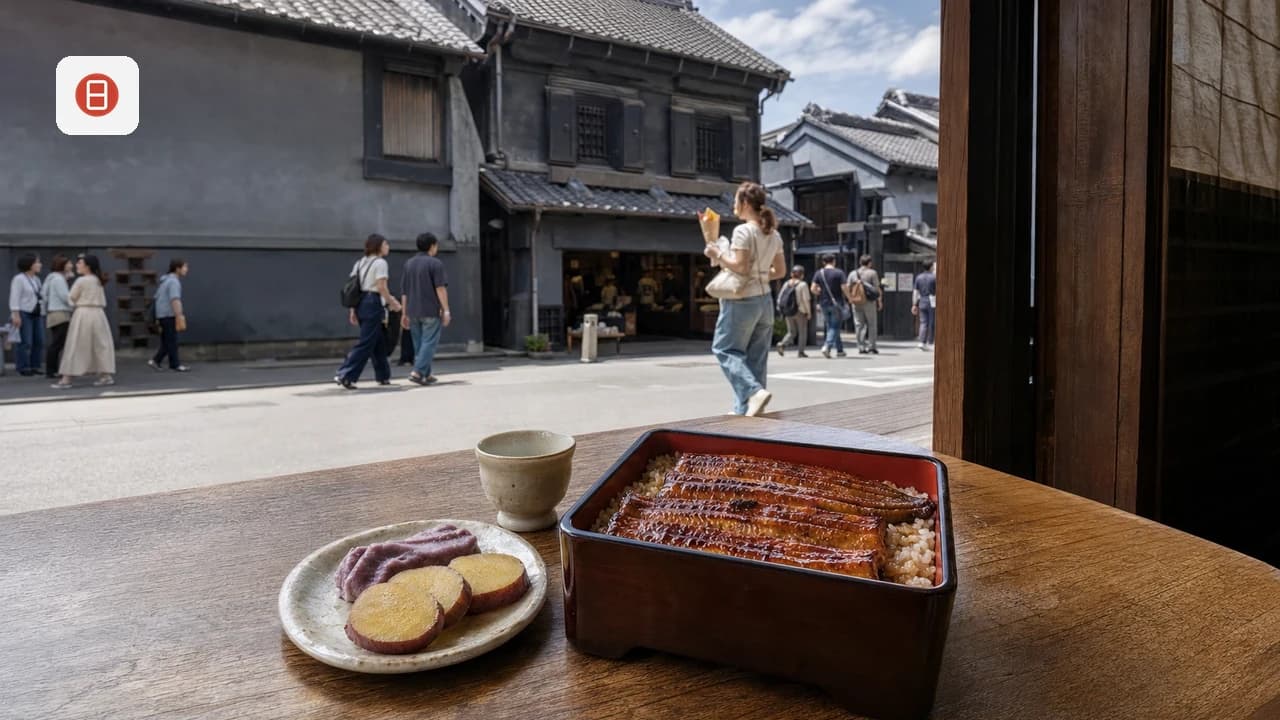
Kawagoe's signature festival snack is satsumaimo, the local sweet potato, sold as soft-serve, tarts, chips, and warm skewered sweets along the old town's stalls. Around Renkeiji Temple, stalls sell takoyaki, grilled skewers, and cups of sake. Traditional games like goldfish scooping round out the stalls for families, and past editions have also run a haunted-house maze near the stalls, though check whether it returns for the current year. COEDO, Kawagoe's own craft brewery, pairs well with festival-night street food. Kimono rental shops near the stations are popular for the day, fitting the Edo-period backdrop of the warehouse street. Most travelers graze the stalls through the afternoon and evening rather than book a sit-down dinner, since restaurant tables get scarce at peak festival hours. Festival evenings also run later than a typical day-trip schedule, so plan last trains back to Tokyo before you start eating. The Kawagoe food guide covers where to eat beyond festival stalls.
Common Mistakes to Avoid at Kawagoe Festivals
First-time visitors to Kawagoe festivals tend to repeat the same four mistakes.
- Arriving after dark on festival Saturday with no plan
- Saturday night around the main intersections is the densest window of the whole weekend.
- Arrive by mid-afternoon instead, so you are settled before the crush builds.
- Confusing Kawagoe Station with Hon-Kawagoe Station
- Tobu and JR trains stop at Kawagoe Station; Seibu trains stop at Hon-Kawagoe Station instead.
- Double-check which one your route uses before booking tickets.
- Skipping the daytime City Hall float viewing
- City Hall hosts the best daytime float viewing, with carving detail visible before evening lanterns take over.
- Missing it means only seeing the floats lit up at night, without the daylight detail.
- Planning a sit-down dinner during peak festival hours
- Restaurant tables get scarce during the densest evening hours of Kawagoe Matsuri.
- Graze the festival stalls instead, or save a proper dinner for back in Tokyo.
Explore festivals and events in other cities
Frequently Asked Questions
When is Kawagoe Matsuri 2026?
Kawagoe Matsuri 2026 falls on Saturday, October 17, and Sunday, October 18. That follows the festival's fixed pattern of the third Saturday and Sunday every October. Both days follow a similar daytime-into-evening structure, so one full visit covers the highlights.
Is Kawagoe Matsuri free to attend?
Yes, the festival itself is free. You only pay for food, drinks, and any optional museum tickets.
Which station should you use, Kawagoe or Hon-Kawagoe?
Kawagoe Station is served by the Tobu Tojo Line and the JR Saikyo Line. Hon-Kawagoe Station, on the Seibu Shinjuku Line, sits closer to the old town's Kurazukuri district.
Can you see the Kawagoe Matsuri floats outside festival dates?
Yes. The Kawagoe Festival Hall displays two authentic floats year-round and runs a roughly 20-minute hayashi music demonstration on a regular schedule.
What is a good alternative if you miss the October dates?
Winter travelers often pair a Kawagoe trip with the Chichibu Night Festival Travel Guide instead. Chichibu also has its own sights beyond the festival, covered in a separate Chichibu attractions guide.
How crowded does Kawagoe Matsuri get?
Roughly one million visitors attend across the two days, per widely cited figures for the event. Saturday night around the main intersections is the densest window; arriving by mid-afternoon avoids the worst of it.
Do you need to book tickets in advance for these festivals?
No advance tickets are needed for any of the events on this list; entry is free and open to the public. Trains and nearby hotels do fill up around the October weekend, so book those ahead.
Explore More Kawagoe and Saitama Festival Guides
Time a Kawagoe day trip around a festival, then use the street, food and itinerary guides for the rest of the day.
Signature Festivals
- Kawagoe attractions hub: tickets, hours & maps
- Kawagoe Matsuri 2026
- Kawagoe Hikawa Shrine Wind Chime Festival: 2026 Dates, Hours & Tips
Plan Your Visit
- Festivals Month by Month
- Kawagoe Itinerary: The Ultimate 1-Day Guide to Little Edo
- Kawagoe Kurazukuri Warehouse Street: 8 Things to Know
- What to Eat in Kawagoe
More Saitama and Tokyo Festival Guides
Free guide: Japan's Hidden Gems
12 under-the-radar places beyond Tokyo & Kyoto — with the best season to visit each and a local tip you won't find in the guidebooks.
You might also like

Continue reading
More guides you'll find useful