Kawagoe Hikawa Shrine Wind Chime Festival: 2026 Dates, Hours & Tips
Plan a 2026 visit to the Kawagoe Hikawa Shrine wind chime festival: dates, hours, River of Light times, and how to reach the shrine from Tokyo.
On this page
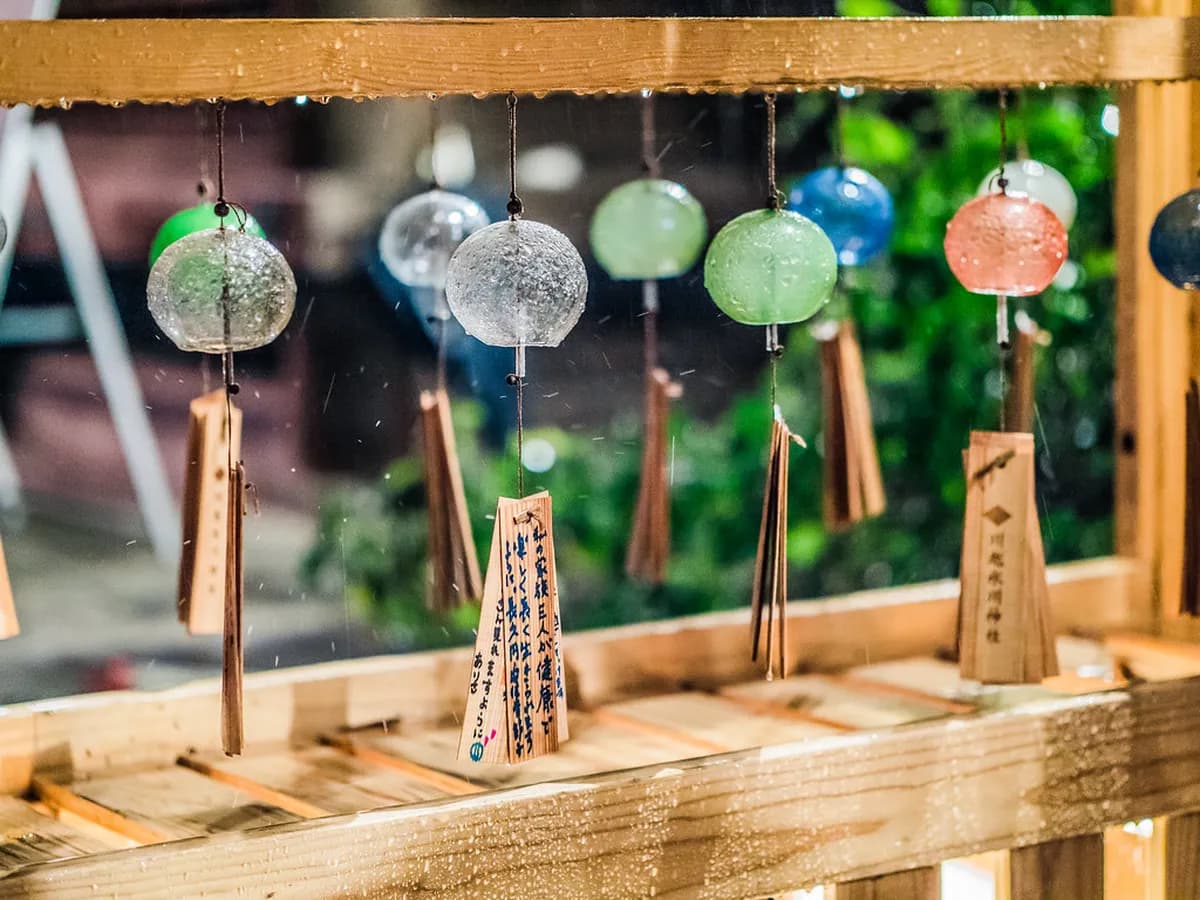
Last updated September 2026. The Kawagoe Hikawa Shrine wind chime festival hangs more than 2,000 hand-painted glass furin through a shrine corridor from late June to early September, drawing around 100,000 visitors across its run. Known as the Enmusubi Furin, each chime carries a paper wish toward the shrine's matchmaking deities, and the choice between a daylight visit and an evening one changes what you actually see.
Why Kawagoe Hikawa Shrine Hosts a Summer Wind Chime Festival
Kawagoe Hikawa Shrine has stood for nearly 1,500 years and is dedicated to deities associated with marriage and family bonds, which is why locals call it an Enmusubi, or matchmaking, shrine. The wind chime festival itself is newer, launched in 2014. Visitors write wishes on tanzaku strips and tie them to a furin. Each chime's ring is meant to carry that message toward the shrine's deities. Kawagoe itself is known as Little Edo for its preserved Edo-period merchant streets. Its place among Kawagoe's broader attractions is covered separately. This festival also fits into Kawagoe's festival calendar for the rest of the year.
Kawagoe Hikawa Shrine Wind Chime Festival Highlights: Furin Kairo, River of Light, and More
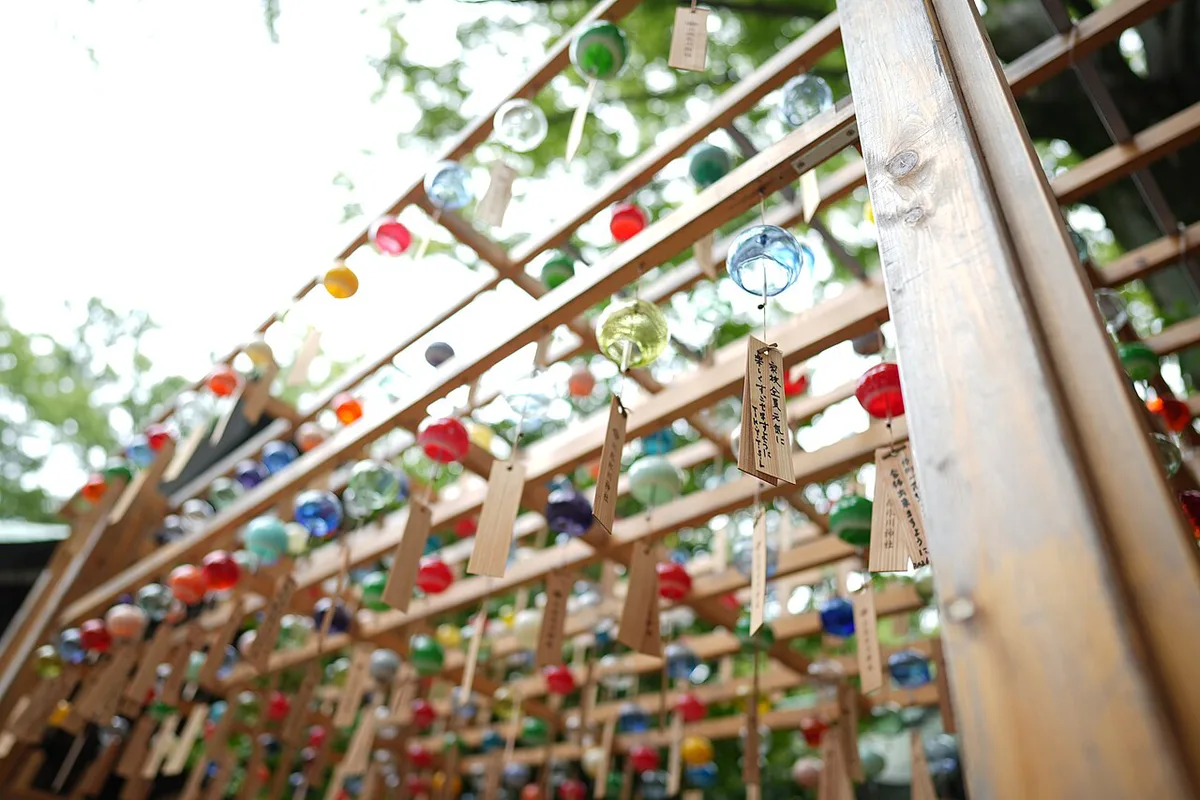
Four features define a visit, and each rewards a different time of day, so knowing what's where helps you plan around the crowds. Each chime along the Furin Kairo is handmade and donated by outside artisans, which is why no two sections look identical.
- Furin Kairo (Wind Chime Corridor): a path strung with more than 2,000 hand-painted glass chimes across roughly a dozen colors.
- River of Light (Amano-gawa no Negai-goto): the shrine's sacred stream is illuminated nightly from 6:30 PM to 8:00 PM, referencing the Tanabata legend of Vega and Altair.
- Takemari Furin: bamboo ornaments that cast shifting shadow patterns in a quieter section of the grounds.
- Sea bream fortune fishing: a fortune-telling tradition where you fish for a wrapped omikuji slip, a lighter alternative to a standard drawn fortune.
Day Visit or Night Visit: Which Should You Pick?
Daylight hours are best for seeing the chimes themselves. Sun through the glass shows the full range of roughly eleven colors along the Furin Kairo, along with the handmade texture and etched patterns each artisan adds. Evening visits trade that color detail for the River of Light illumination instead. From 6:30 PM to 8:00 PM, the shrine's sacred stream is lit to depict the Tanabata legend of Vega and Altair meeting across the Milky Way. Neither version replaces the other. If your schedule only allows one visit, a late-afternoon arrival lets you see the chimes in daylight first, then stay through the 6:30 PM illumination without doubling back.
Combining a weekday visit with morning hours by 9:00 AM ensures both the optimal light to see the chimes' full color range and the quietest photography window.
2026 Schedule, Hours, and Where This Fits Kawagoe's Festival Calendar
Event listings put the 2026 run from June 27 to September 6, roughly ten weeks. Confirm exact 2026 dates and any late changes on the official Kawagoe Hikawa Shrine site before you travel, since festival organizers can adjust hours without much notice. Shrine grounds open daily at 9:00 AM. Current event listings put the close around 8:00 PM, though a few older sources cite 9:00 PM, so check the day-of hours before you go. Entry to the shrine grounds is free. Tanzaku wish strips typically cost around ¥500 each, and you can buy them until 7:00 PM on weekdays or 7:30 PM on weekends and public holidays. This wind chime run sits inside a fuller year of festivals in the city. A month-by-month festival calendar maps out what else is worth timing a trip around. October brings the city's autumn float festival, its biggest single event. Unlike that single-weekend gathering, this wind chime run stretches across roughly ten weeks, so there's no one peak weekend to plan around the way there is for the float festival. If you're mapping a wider Saitama festival year, Chichibu's December night festival is worth a separate trip. Chichibu's other sights round out that trip.
| Detail | 2026 Info |
|---|---|
| Dates | June 27 – September 6 (confirm closer to travel) |
| Grounds hours | 9:00 AM – approx. 8:00 PM daily |
| River of Light | 6:30 PM – 8:00 PM nightly |
| Entry | Free |
| Tanzaku (wish strip) | Approx. ¥500 each |
| Tanzaku/charm sales cutoff | 7:00 PM weekdays / 7:30 PM weekends & holidays |
| Typical seasonal attendance | Approx. 100,000 visitors |
Getting to Kawagoe Hikawa Shrine from Tokyo
Two train lines reach Kawagoe from central Tokyo. The Seibu Shinjuku Line runs from Seibu-Shinjuku Station to Hon-Kawagoe Station (SS29), which sits about 1.5 km from the shrine. Kawagoeshi Station (TJ22), reached via the Tobu Tojo Line from Ikebukuro, sits roughly 1.8 km away. Both distances are walkable in 20-25 minutes, but summer heat makes that stretch tiring by midday. A local loop bus also connects the station area to the shrine district. Check current routes and fares with the Koedo Kawagoe Tourism Association before you go, since schedules shift seasonally. For those short on time, the loop bus saves the exposed walk during peak summer heat, even with the wait at the stand.
Avoiding the Furin Kairo Bottleneck: Crowd and Photography Tips
Furin Kairo's corridor is narrow, and it's the festival's most-photographed spot, so it becomes a slow-moving line once crowds build. Weekday mornings soon after the 9:00 AM opening are the quietest window. Arriving by 9:30 AM still gives enough time to see the corridor before tour groups build up later in the morning. Weekend afternoons draw the heaviest crowds, out of the roughly 100,000 visitors the festival draws across its full run. For photography, work the corridor's outer sections instead of the center, where congestion concentrates around the most popular chime clusters. Beyond photos, the corridor has its own soundscape. With more than 2,000 glass chimes moving in the wind at once, the layered ringing is worth pausing for, not just photographing.
What to Wear and Tanzaku Etiquette
Summer festival crowds in Kawagoe include many visitors in yukata, and rental shops near the historic district make same-day rental straightforward if you want the look for photos. Because the corridor draws heavy foot traffic, comfortable footwear matters more than the yukata itself if you plan to walk the warehouse district afterward. When you buy a tanzaku, write a specific wish rather than a general one, then tie it directly to a chime in the corridor rather than nearby railings or trees. Tanzaku and pens for writing your wish are sold at stalls inside the shrine grounds, so there's no need to bring your own. Sales close earlier than the grounds themselves, so buy your tanzaku before the 7:00 PM weekday or 7:30 PM weekend cutoff if that's a priority.
Combining the Festival with Kawagoe's Kurazukuri Warehouse District
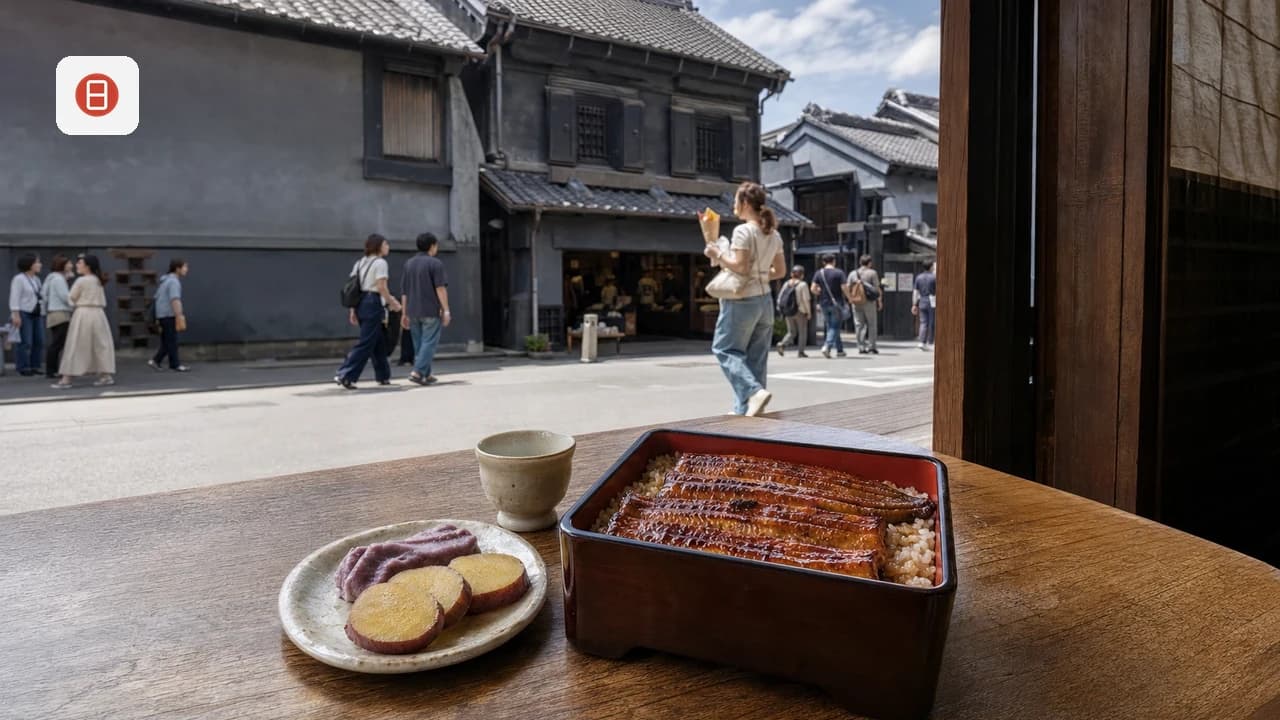
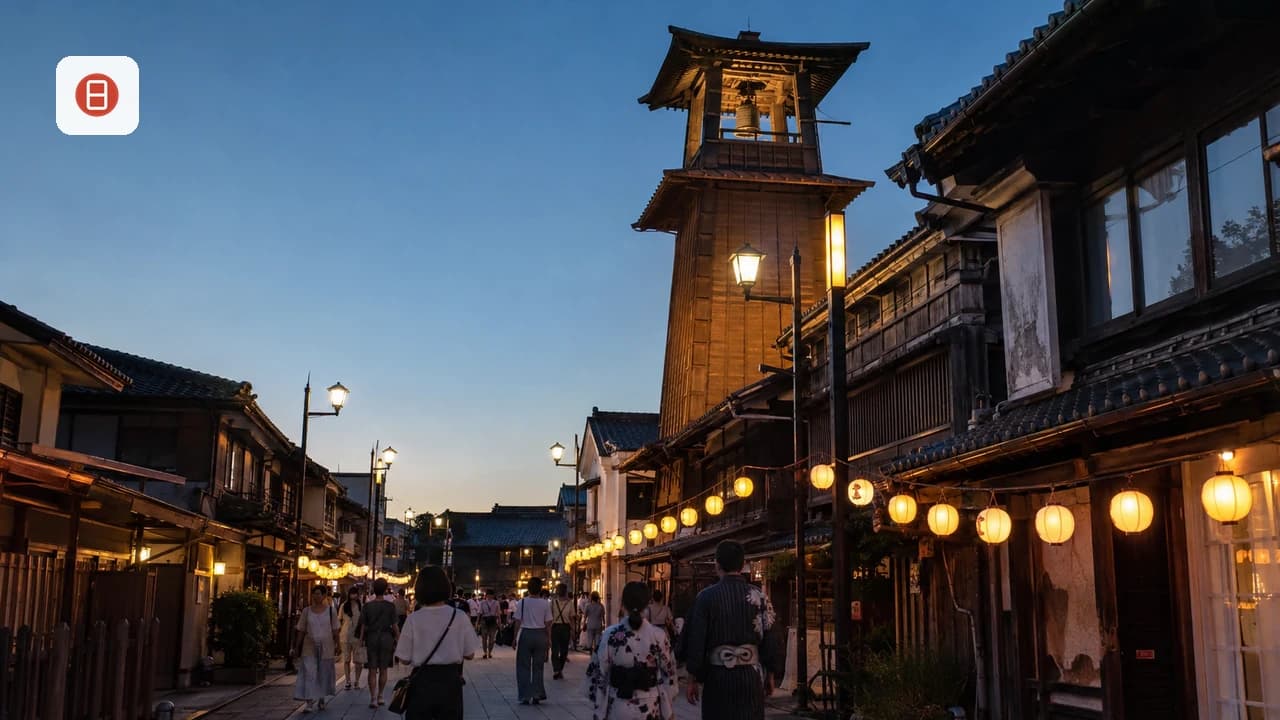
Kawagoe Hikawa Shrine sits apart from the merchant district, so most visitors treat the festival as one stop on a longer day. Walk or bus back toward the center to reach the Kurazukuri warehouse district, where Edo-period storehouses and the centuries-old Toki no Kane bell tower are the main draw. Penny Candy Alley sits nearby for a lower-key stop between bigger sights. Local sweet potato specialties are the area's food staple; Kawagoe's food scene covers where to find them. If you want the full sequence mapped out, a full day-by-day itinerary lays out the structure. As a summer day trip from the capital, this pairs naturally with other Tokyo-area events. Staying overnight in Kawagoe is worth it mainly if you're pairing the festival with an early-morning visit to the warehouse district before day-trip crowds arrive. Otherwise, a Tokyo base keeps you closer to onward travel.
Heat, Accessibility, and Practical Mistakes to Avoid
Saitama summers run hot and humid, and the festival's roughly ten-week window sits in the thick of it. Fine mist released at intervals from the shrine's fortune-bringing clouds offers brief relief, though it isn't a substitute for water and sun protection. Bring both if you're visiting midday. Paths through the corridor are gravel, and the narrowest stretch is difficult to navigate with a wheelchair or stroller once crowds fill in, especially on weekend evenings. Arriving early avoids the worst of that congestion. One common mix-up is timing. Shrine grounds stay open later than tanzaku and charm sales do. Arriving right at the sales cutoff still leaves time to see the chimes and the illumination, but not to buy a wish strip.
Grounds stay open until approximately 8:00 PM, but tanzaku sales close at 7:00 PM on weekdays or 7:30 PM on weekends—evening visitors wanting to write wishes should come earlier.
Frequently Asked Questions
When is the 2026 Kawagoe Hikawa Shrine wind chime festival?
Event listings put the 2026 run from June 27 to September 6. Confirm exact dates on the shrine's official announcements closer to your trip, since festival organizers can adjust the calendar.
Is the wind chime festival free to attend?
Yes, entry to the shrine grounds is free. Tanzaku wish strips cost extra, typically around ¥500 each.
What time does the River of Light illumination start?
River of Light illumination runs nightly from 6:30 PM to 8:00 PM. Grounds open at 9:00 AM, so you can combine a daylight visit with the evening illumination in one trip.
How do you get to Kawagoe Hikawa Shrine from Tokyo?
Seibu Shinjuku Line trains reach Hon-Kawagoe Station, about 1.5 km from the shrine. Tobu Tojo Line trains reach Kawagoeshi Station, about 1.8 km away. Both distances are walkable, or you can pick up a local loop bus near either station.
Is the festival accessible for strollers or wheelchairs?
Furin Kairo's corridor runs on gravel paths and narrows in its busiest stretch. That makes it difficult for wheelchairs or strollers once weekend crowds fill in, so early arrival helps.
What else can you pair with the festival in Kawagoe?
Most visitors combine it with the warehouse street's storehouses nearby. It's an easy pairing for sweet potato treats and a walk through the old merchant district.
Free guide: Japan's Hidden Gems
12 under-the-radar places beyond Tokyo & Kyoto — with the best season to visit each and a local tip you won't find in the guidebooks.
You might also like


Continue reading
More guides you'll find useful