Kawagoe Sweet Potato Food Guide: Top Snacks, Meals, and Shops (2026)
Plan a Kawagoe sweet potato food crawl for 2026: the Osatsuan chip line, Imokoi buns, Daigaku Imo, sit-down lunches, and where each stop fits in Little Edo.
On this page
Last updated August 2026, this guide sorts Kawagoe sweet potato food into snacks, sit-down meals, and cultural stops. Kawagoe sits a 30-minute ride from Ikebukuro Station on the Tobu Tojo Line. That makes it an easy Tokyo day trip, and the sections below sort dishes by meal type.
Why Kawagoe Became Japan's Sweet Potato Kingdom
Sweet potatoes reached the Kawagoe area in the 18th century, during the Edo period. Other staple crops struggled in the region's volcanic soil, but sweet potatoes thrived in the sandy, well-drained ground. The Shingashi River gave growers a direct route into Edo, so fresh potatoes reached the capital within about a day. Vendors marketed them as Kawagoe imo, a name that still signals higher quality on local menus. In 1866, farmer Nihee Akazawa began researching better seed selection, fertilizer, and ridge-forming methods; he published his findings in 1910. Kawagoe Myozenji Temple still holds a service each October 13, thanking the Sweet Potato Jizo deity for the harvest. Sweet potato dishes are sold in Kawagoe year-round, but the October harvest brings the freshest tubers and extra seasonal specials. Digging tourism outside the city peaked in the 1970s at roughly 200,000 visitors a year. Today the number is closer to 40,000, with most cultivation handled by members of the Kawagoe Imo Research Association. For the rest of Kawagoe's food scene beyond the tuber, the Kawagoe food guide covers the city's other Edo-period specialties.
Getting to Kawagoe's Old Storehouse District
Most sweet potato food crawls start in Tokyo. The Tobu Tojo Line runs from Ikebukuro Station to Kawagoe Station in about 30 minutes. From Kawagoe Station's East Exit, two routes lead to the Kurazukuri Old Storehouse District, where most sweet potato shops cluster. The street itself has no overhead power lines, which keeps the Edo-period rooflines clear for photos.
The 30 minutes from Ikebukuro Station to Kawagoe means a same-day trip is feasible from Tokyo, but shops close by 5:00 PM, so an early morning departure ensures time for snack crawls, sit-down meals, and cultural stops.
- Bus: board from platform 1 or 2 outside the East Exit for a short ride into the district.
- On foot: budget about 25 minutes to cover the same route from the station.
The Kawagoe Sweet Potato Food Street Crawl: Five Snacks to Try
Five stops cover most of the range in Kawagoe sweet potato food, from wafer-thin chips to modern tarts. Eating while walking is generally discouraged elsewhere in Japan, but Kawagoe treats it as part of the visit. Expect a line at the most-photographed stall, so the list below flags which stops are worth the wait. Dip choice matters as much as the chip itself. Salted butter balances the potato's sugar with savory fat, which is why shop staff consistently name it their top-selling flavor. Purple yam dip leans sweeter, a better match for anyone skipping dessert stops later in the day. Every stop hands over a stick, cup, or wrapper. Bins are scarce in the old district, so carry a small bag and return packaging to the shop of purchase when possible. Sweet potato is just one lane of Kawagoe's snack scene; the Kawagoe street food guide rounds up the rest of the district's stalls.
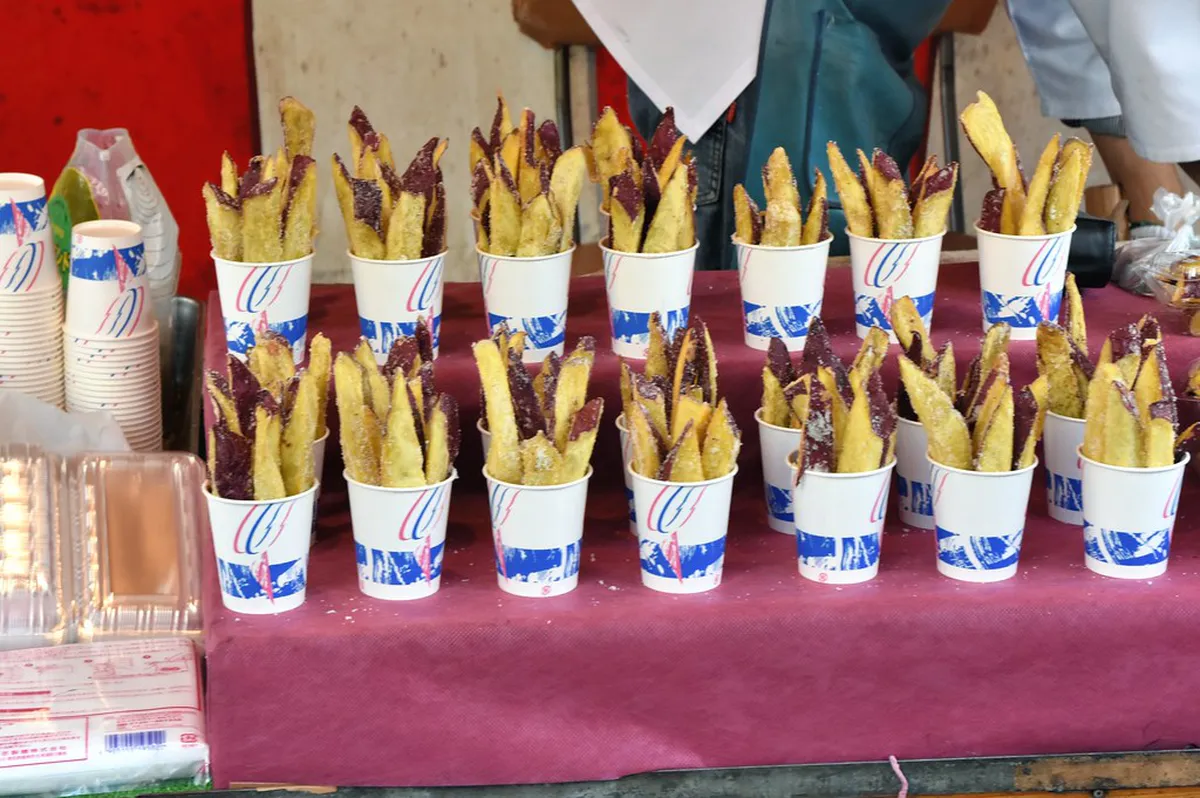
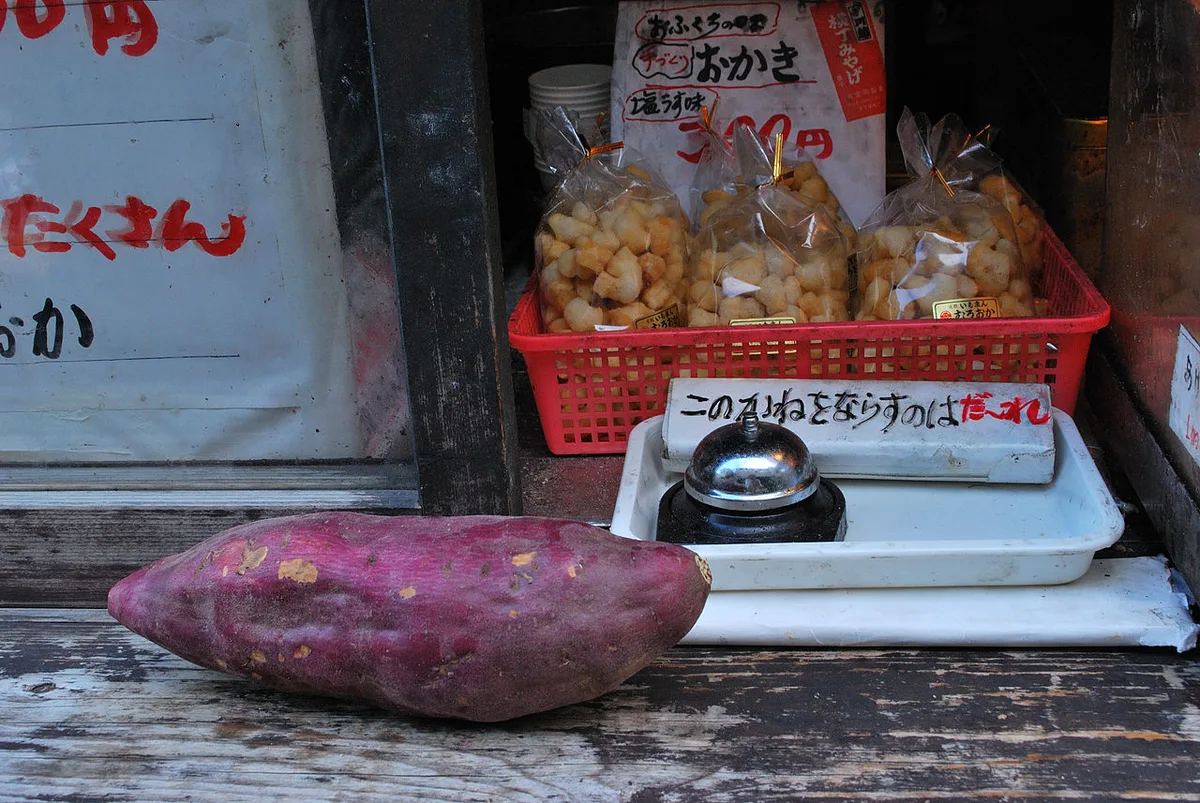
- Sweet potato chips at Koedo Osatsuan: wafer-thin slices fried to order, served with a dip. Salted butter is the shop's top seller; purple yam is the other classic choice. The line can run up to 45 minutes at peak hours, so eat them fast since they lose their crunch once they cool.
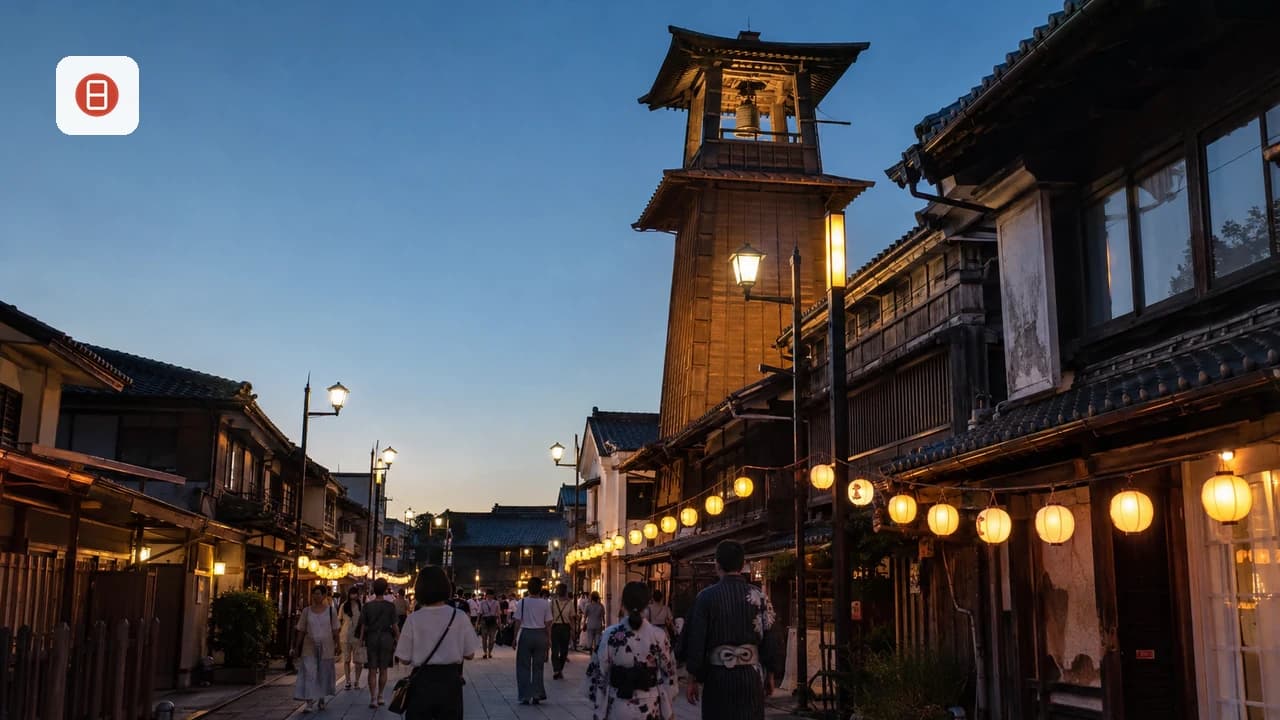
- Imokoi steamed buns at Kasho Umon: a chewy bun filled with red bean paste and a slice of sweet potato, steamed near Kawagoe's Bell Tower landmark. Eat it on the spot; it tastes best warm.
- Daigaku Imo at Kawagoe Iwata: chunks of sweet potato glazed in a honey-sugar coating, a preparation found across the old storehouse district.
- Purple and yellow soft serve: stands near the main street sell murasaki-imo (purple sweet potato) ice cream alongside the more common yellow-fleshed version. Texture and sweetness differ noticeably between the two.
- Sweet potato tarts at Kawagoedo: a pastry take on Kawagoe imo, sized for eating on the walk between stops.
Sit-Down Sweet Potato Meals: Café TOROCCO and Kawagoe Art Café Elevato
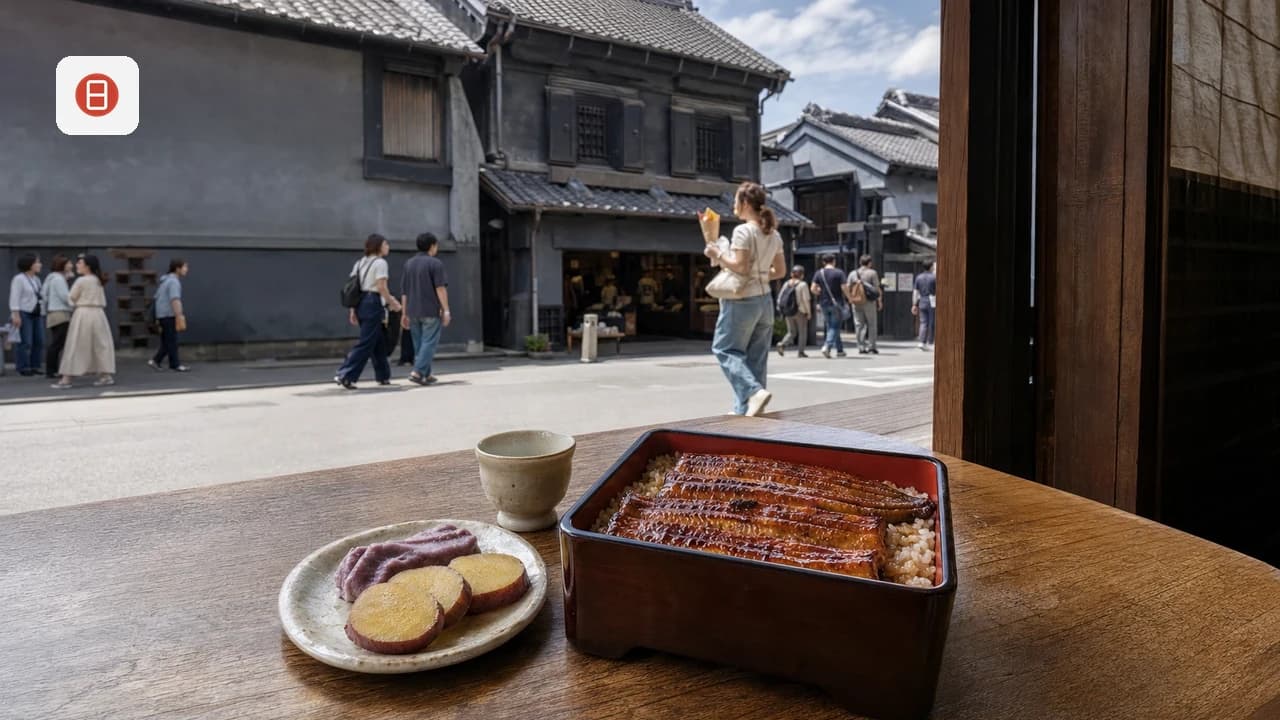
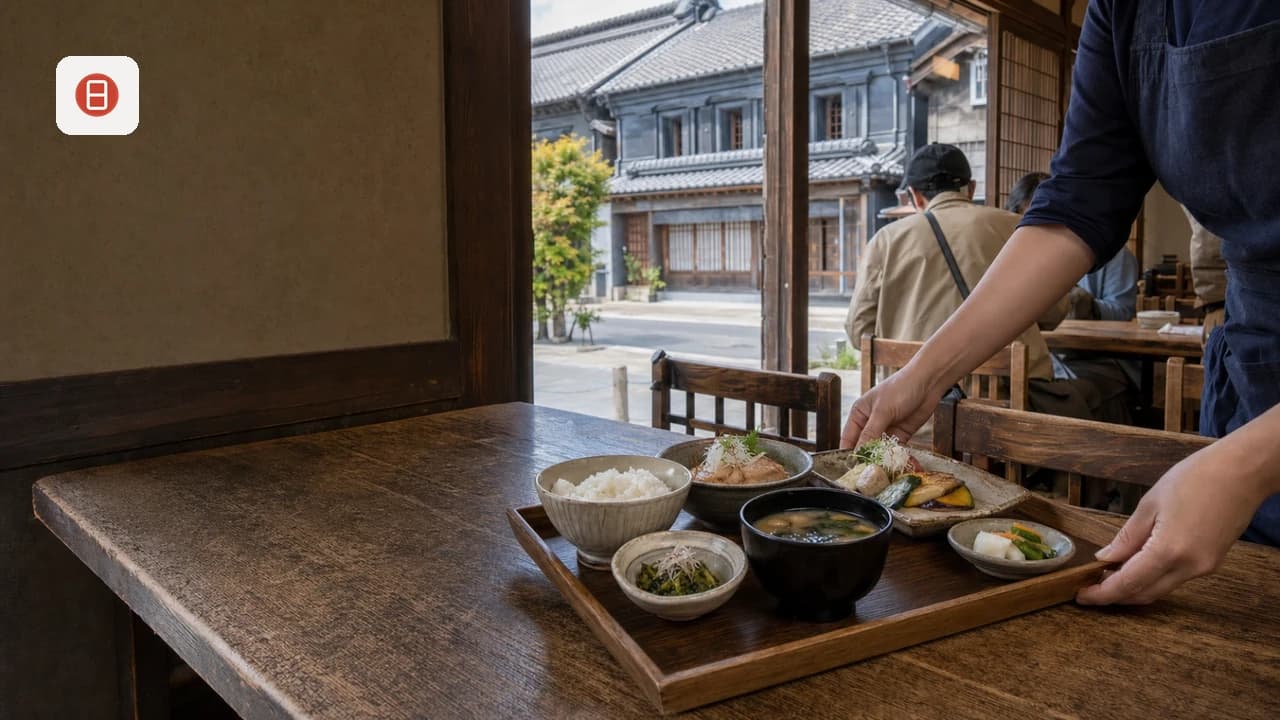
Street snacks cover the quick bites; two sit-down stops turn sweet potato into a full meal. Café TOROCCO sits behind the Yamawa pottery shop on the main Kurazukuri street and serves a Sweet Potato Mini Kaiseki set for ¥1,900. The set spreads ten small dishes across the table. Standouts include sweet potato potage soup and croquettes wrapped in crisp fried noodle strands. Yamawa also runs one-hour pottery workshops upstairs, for anyone who wants a souvenir bowl to go with the meal. Kawagoe Art Café Elevato sits about a 10-minute walk toward the station from the Kawagoe Festival Museum. It serves a sweet potato pudding topped with black sugar sauce and vanilla ice cream. Pair it with Coedo's Beniaka amber ale, a beer brewed with local sweet potatoes. The Kawagoe sake and craft beer guide covers the rest of Coedo's lineup and where else to taste it in the city. Neither stop replaces a full non-potato lunch. For other kaiseki, noodle, and set-meal options in the storehouse district, check the Where to Eat Lunch in Kawagoe: 12 Best Restaurants in Little Edo (2026 Guide). Kawagoe is also known for eel; the Kawagoe Unagi Restaurants: Where to Eat Grilled Eel in Little Edo (2026 Guide) documents that separate Edo-period specialty.
Cultural Stops for Sweet Potato Fans
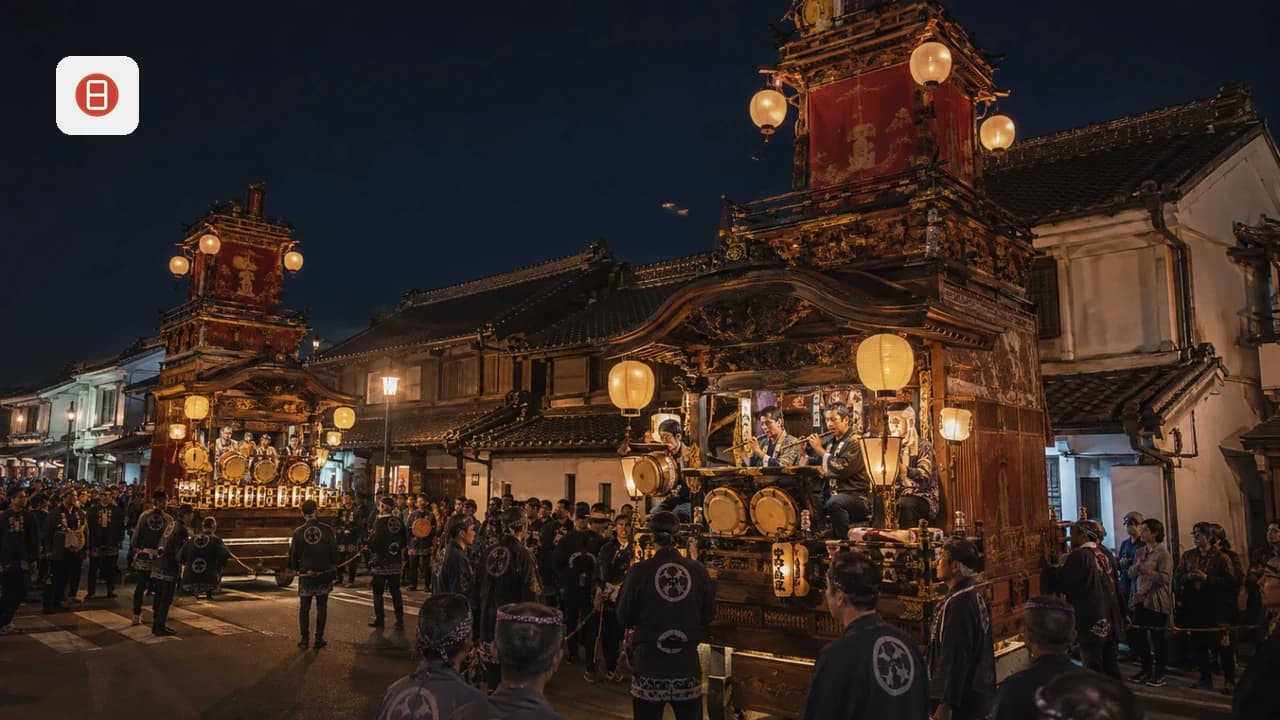
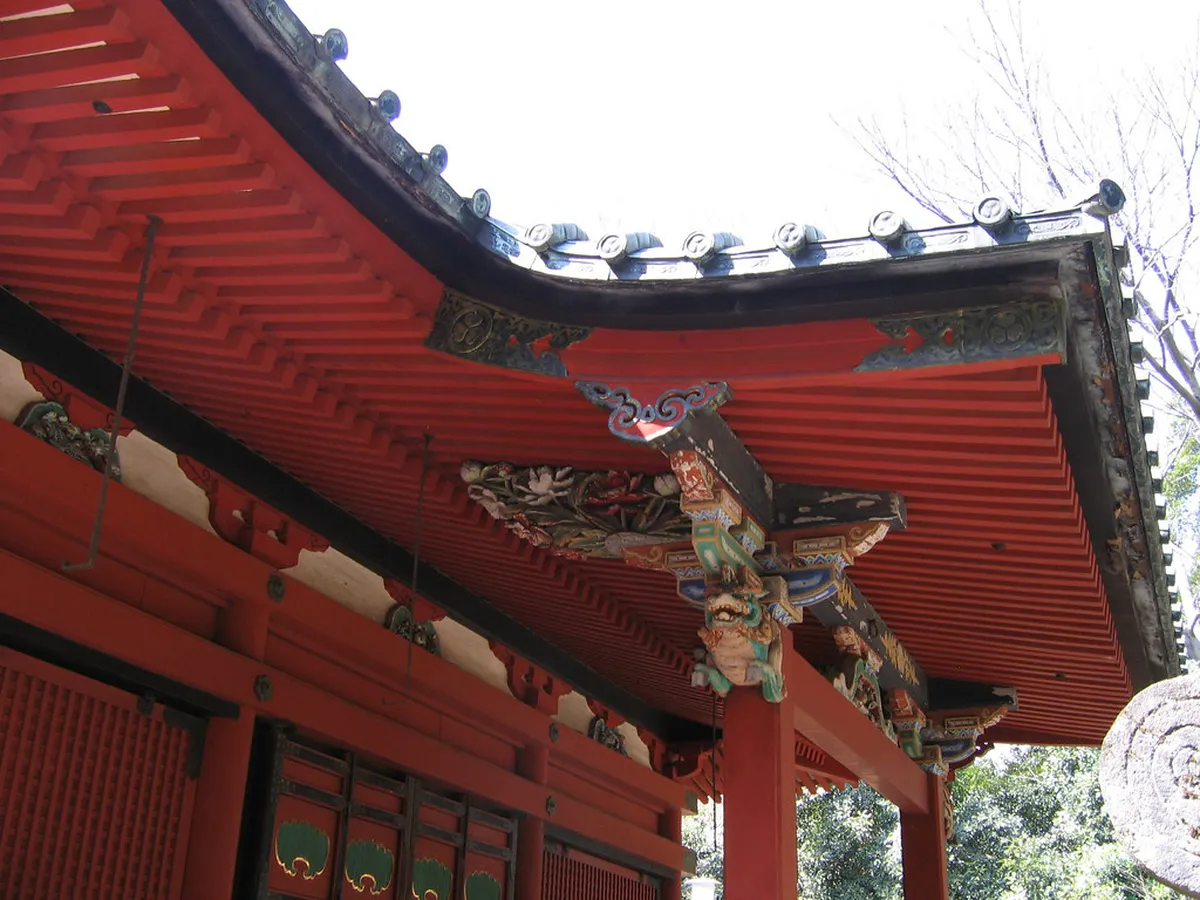
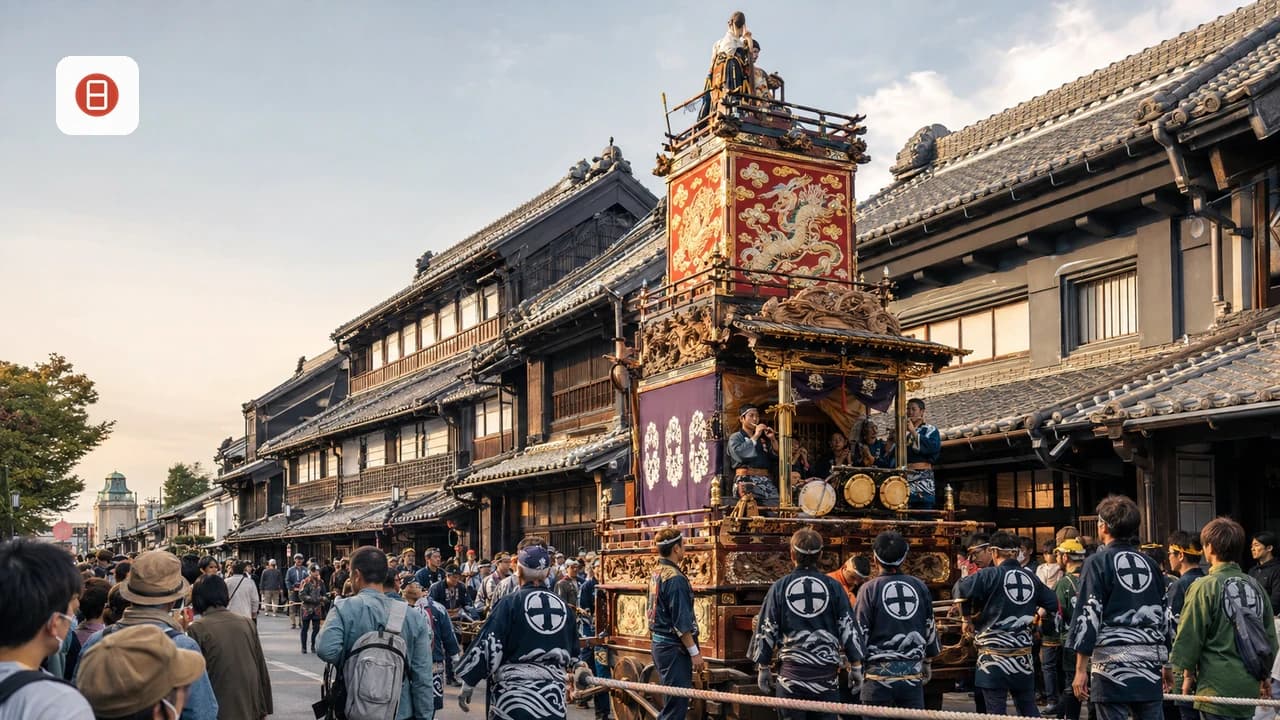
Kashiya Yokocho, known as Candy Alley, sits just behind Café TOROCCO and its neighboring shops. The lane mixes penny-candy stalls with sweet potato rusks and other tuber snacks. A full shop-by-shop rundown is in the Kashiya Yokocho candy alley guide. The Sweet Potato Mini Museum opened in the old storehouse district on December 1, 2019. It explains the crop's history through manga-style illustrations. Exhibits cover cultivation methods, nutrition, and the Sweet Potato Jizo folklore behind the Myozenji Temple festival. It also works as a shaded break between snack stops, useful for waiting out a lunch-hour rush before a sit-down meal. Kawagoe Festival Museum puts the food in context. The city's largest annual event, held every October, centers on festival floats about 26 feet tall, built around Japanese mythology. Two of these floats stay on permanent display inside the museum, alongside footage from past festivals. Pulling one during the parade takes about 100 people, a scale the museum's exhibits explain in detail. Round out the day with wider sightseeing via the Kawagoe attractions guide.
The Sweet Potato Mini Museum opened December 1, 2019, with exhibits on the 18th-century crop arrival, cultivation research, and the Sweet Potato Jizo deity folklore celebrated at the October 13 Myozenji Temple festival.
What a Sweet Potato Day in Kawagoe Costs
A full sweet potato crawl fits into a single day trip from Tokyo. Budget, timing, and a couple of local habits make the difference between a smooth visit and a frustrating one. Both prices below reflect current 2026 listings, so confirm at the counter if a shop has since updated its menu.
| Item | Typical Price (2026) |
|---|---|
| Street snack (chips, buns, soft serve, tarts) | ¥300–¥600 |
| Sweet Potato Mini Kaiseki lunch, Café TOROCCO | ¥1,900 |
Sample Itinerary and Mistakes to Avoid
A sample sweet potato day starts early and leaves room for a lunch break. A few habits cause most of the frustration. Arriving after 5:00 PM is the biggest one, since most shops in the old storehouse district close early. Skipping a trash bag is the second; bins are scarce, so carry one and return wrappers to the shop of purchase. Standing in the Osatsuan chip line with nothing else planned wastes the wait. Use that time for the Sweet Potato Mini Museum or Myozenji Temple instead, especially during the midday rush.
- 9:00 AM: Depart Ikebukuro Station on the Tobu Tojo Line.
- 9:30 AM: Arrive at Kawagoe Station; take the bus or walk to Kurazukuri.
- 10:30 AM: Start the snack crawl with chips, before the queue peaks.
- 1:00 PM: Sit down for the Sweet Potato Mini Kaiseki at Café TOROCCO.
- 4:00 PM: Browse Kashiya Yokocho for souvenirs and sweet potato rusks before shops start closing.
Frequently Asked Questions
What is Kawagoe sweet potato food known for?
Kawagoe pairs 18th-century sweet potato history with a dense cluster of shops near the Kurazukuri district. They sell the tuber as chips, buns, glazed chunks, soft serve, and tarts.
How much does Kawagoe sweet potato food typically cost?
Most street snacks run ¥300 to ¥600. A sit-down Sweet Potato Mini Kaiseki lunch at Café TOROCCO costs ¥1,900.
Is it okay to eat while walking around Kawagoe?
Yes. Unlike much of Japan, where eating while walking draws frowns, Kawagoe's old storehouse district treats street snacking as part of the visit.
When is the best time to visit for sweet potato food?
Shops sell sweet potato treats year-round, but the October harvest brings the freshest tubers. It also lines up with the October 13 festival at Myozenji Temple.
How do you get from Tokyo to Kawagoe for a sweet potato day trip?
Take the Tobu Tojo Line from Ikebukuro Station; the ride to Kawagoe Station takes about 30 minutes. From the East Exit, a short bus ride or a 25-minute walk reaches the Kurazukuri district.
Free guide: Japan's Hidden Gems
12 under-the-radar places beyond Tokyo & Kyoto — with the best season to visit each and a local tip you won't find in the guidebooks.
You might also like

Continue reading
More guides you'll find useful