Kawagoe Events Calendar: Festivals Month by Month (2026 Guide)
A month-by-month kawagoe events calendar covering Kawagoe Matsuri, the wind chime festival, Kimono Day, and the fastest train routes for 2026.
On this page
Last updated September 2026, this kawagoe events calendar maps Little Edo's festivals month by month. It runs from the Kita-in Daruma Market on 3 January to the two-day Kawagoe Festival in October. Each month below lists dates, free versus paid viewing, and the closest train station on festival days.
Kawagoe Events Calendar at a Glance
Three annual events anchor the kawagoe events calendar and decide which weekend rewards a day trip most. The Kawagoe Festival takes over the old town on the third Saturday and Sunday of October with its float parade. Cherry blossoms and mounted samurai re-enactors return each late March and April for the Koedo Kawagoe Spring Festival. Between June and September, more than 2,000 wind chimes hang across Hikawa Shrine grounds for its annual wish festival.
If a trip only allows one visit, October delivers the highest concentration of activity, food stalls, and street performance. Spring suits travelers chasing cherry blossoms without matsuri-level crowds. Summer evenings work well for anyone touring Tokyo in hot weather, since the wind chime displays and lantern festivals run after dark when temperatures drop. Travelers extending the trip beyond Kawagoe can cross-check the wider Tokyo events calendar for the same weekend. See the full Kawagoe festivals and events guide for a broader planning overview beyond this month-by-month breakdown.
- Kawagoe Festival — third Saturday and Sunday of October, free street viewing citywide
- Koedo Kawagoe Spring Festival — late March through late April, cherry blossoms and samurai performances
- Hikawa Shrine Wind Chime Festival — late June through early September, more than 2,000 wind chimes
Month-by-Month Kawagoe Events Calendar
Kawagoe runs a full calendar of shrine rites, art shows, and neighborhood festivals, but the entries below are the ones worth building a trip around. Confirm exact dates each year against the Koedo Kawagoe Tourism Association's event calendar, since several festivals shift by a week depending on the moon or the school term. October brings the heaviest crowds of the year, in our editorial assessment, followed by the wind chime season and the spring festival weekend. Winter months outside the 3 January Daruma Market and the monthly kimono and flea-market dates stay quiet, which suits travelers who prefer Kawagoe's main attractions without festival-day congestion.
The calendar opens on 3 January with the Kita-in Temple Daruma Market, when stalls sell lucky daruma dolls and New Year charms from 9:00am to 5:30pm. Kimono Day does not run in January; a kimono-themed hatsumode shrine visit takes its place instead. Setsubun rites at Kita-in follow in February, a quieter bridge before spring festival preparations begin in March.
March and April center on the Koedo Kawagoe Spring Festival, which reached its 35th edition running 28 March to 26 April in 2026. Highlights include samurai re-enactors, ladder-top acrobatics, and a cherry blossom boat ride on the Shingashi River. Two lesser-known spring dates reward early planners. Ishihara's Sasara Lion Dance runs 18-19 April. Its follow-up, the Thai New Year Water Festival, runs 25-26 April in its eleventh year. By late May, hydrangeas bloom around Kawagoe Hachimangu Shrine for a grass-ring purification festival that continues into early July.
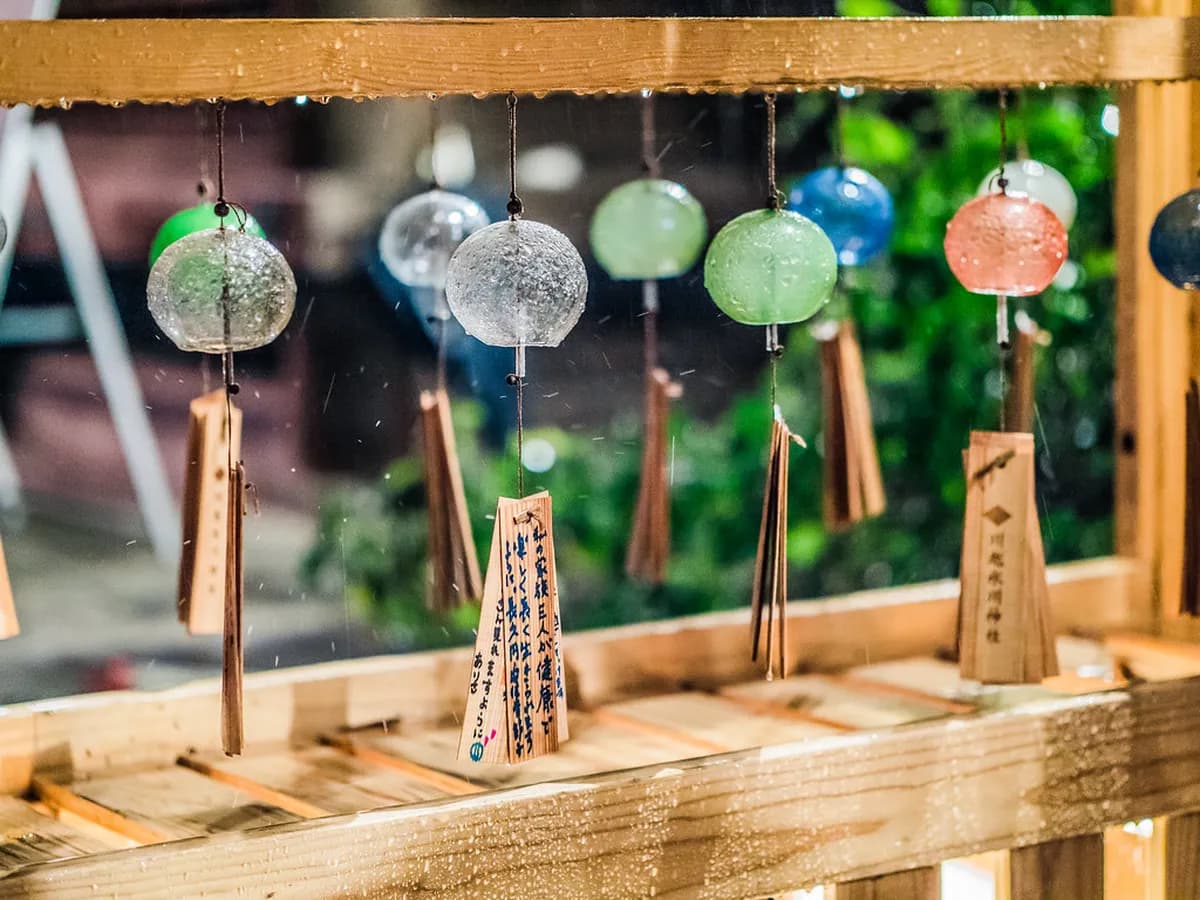
Hikawa Shrine's wind chime festival runs late June through early September, 9:00am to 8:00pm daily, and pairs well with an evening visit for the illuminations. Its official site confirms current dates each spring. For the full display schedule and photo tips, the dedicated Hikawa Shrine wind chime festival guide goes deeper than this calendar entry.
Late July also brings the Kawagoe Million Lights Summer Festival, held 25-26 July, when lantern displays fill the old town after dark. August adds a Yukata Fashion Show on the 18th and the Akama River Lantern Floating Festival, now in its ninth year, on the 22nd. September closes with One-hearted Crying Sumo at Kawagoe Hachimangu Shrine on the 27th. November follows the Kawagoe Festival with the Kawagoe Industry Festival on 14-15 November and the Koedo Kawagoe Fireworks Festival on 21 November, which reached its 32nd edition.
| Month | Event | Dates | Notes |
|---|---|---|---|
| January | Kita-in Temple Daruma Market | 3 January, 9:00am-5:30pm | Lucky daruma dolls and New Year charms; Kimono Day paused this month |
| February | Setsubun rites at Kita-in | Early February | Quiet bridge before spring festival prep |
| March-April | Koedo Kawagoe Spring Festival (35th edition) | 28 March-26 April 2026 | Samurai re-enactors, ladder acrobatics, cherry blossom boat ride |
| April | Ishihara's Sasara Lion Dance | 18-19 April | Traditional lion dance performance |
| April | Thai New Year Water Festival | 25-26 April (11th edition) | Water festival in the old town |
| May-July | Kawagoe Hachimangu Hydrangea Festival | Late May-early July | Grass-ring purification rite amid blooming hydrangeas |
| June-September | Hikawa Shrine Wind Chime Festival | Late June-early September, 9:00am-8:00pm | More than 2,000 wind chimes, evening illuminations |
| July | Kawagoe Million Lights Summer Festival | 25-26 July | Lantern displays through the old town |
| August | Yukata Fashion Show; Akama River Lantern Floating Festival | 18 August; 22 August (9th edition) | Yukata-focused day and a river lantern release |
| September | One-hearted Crying Sumo | 27 September | Held at Kawagoe Hachimangu Shrine |
| October | Kawagoe Festival (Kawagoe Matsuri) | 17-18 October 2026 (3rd Sat-Sun) | UNESCO-listed since 2016, up to 29 floats, free street viewing |
| November | Kawagoe Industry Festival; Koedo Kawagoe Fireworks Festival | 14-15 November; 21 November (32nd edition) | Community festival and a fireworks display |
| Monthly | Kawagoe Kimono Day; Naritasan Kawagoe Betsuin Flea Market | 18th (paused Jan/Aug); 28th | Free kimono culture event and antiques flea market |
Deep Dive: The Kawagoe Matsuri in October
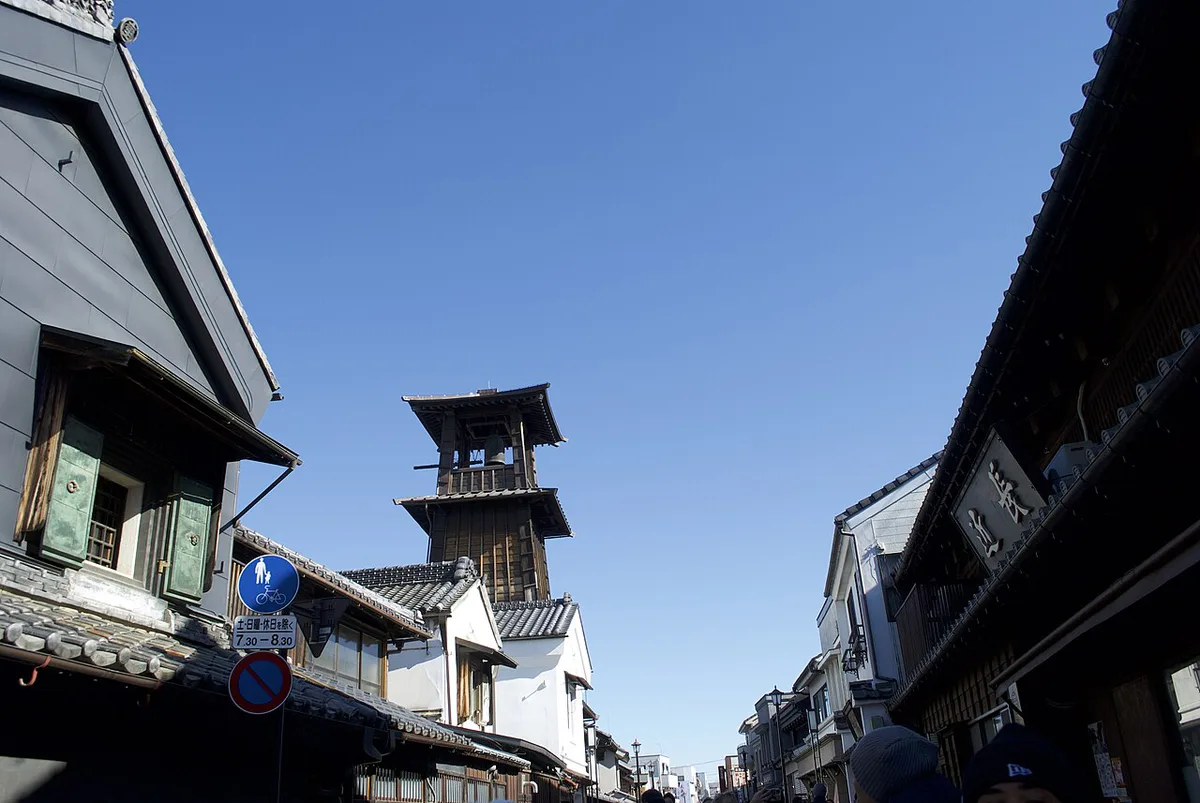
The Kawagoe Festival, or Kawagoe Matsuri, is the single biggest date on this calendar and the reason most first-time visitors set their trip around October. Its official history page traces the event to 1648. That year, Lord Matsudaira Nobutsuna donated a portable shrine to Hikawa Shrine, and floats from neighboring districts joined in over the following centuries. UNESCO added the festival to its Representative List of the Intangible Cultural Heritage of Humanity in 2016. Recent years have seen as many as 29 floats pulled through the old town over the two-day event.
Evening Hikkawase peaks after sunset on 17-18 October 2026 when crowds thicken around the old warehouse, making reserved seating at Resona Coedo Terrace or Kawagoe Kumano Shrine essential.
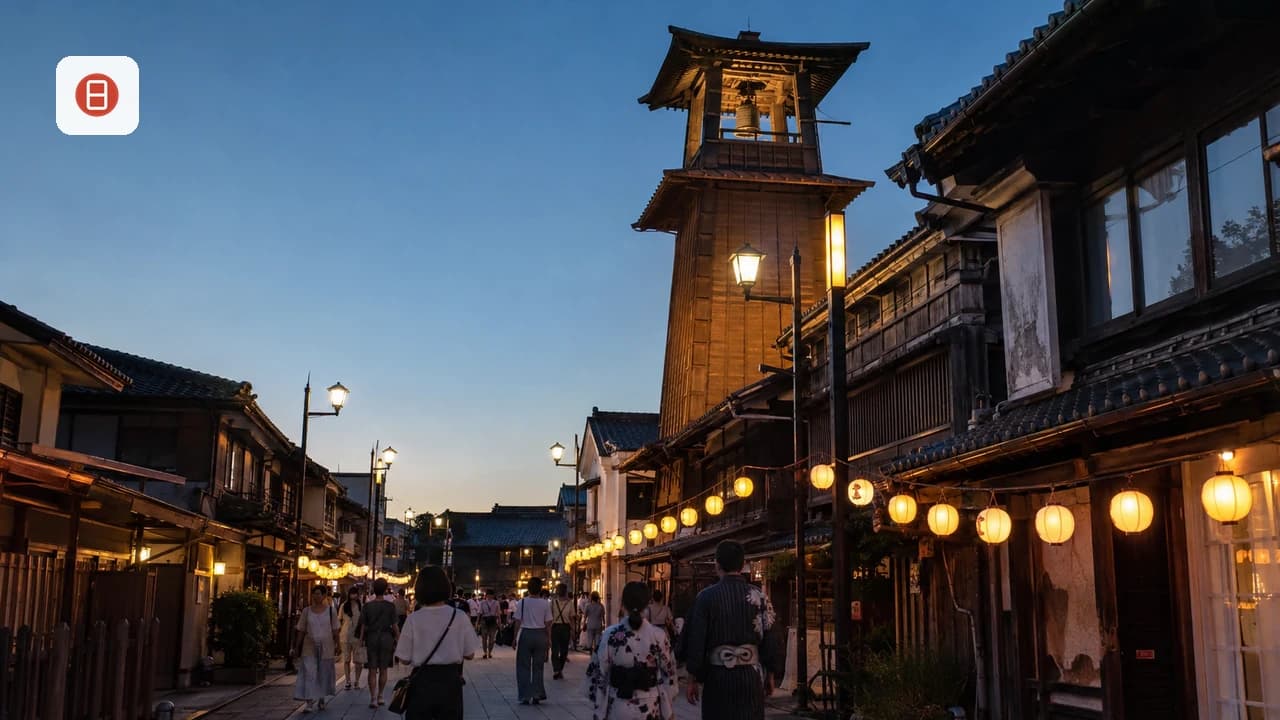
Daytime hours favor float-spotting: each dashi carries a two-story frame with a doll on top and carved, curtained sides worth examining up close. The preserved warehouse district near the Naka-cho intersection has no overhead utility poles, which keeps sightlines clear for photos of floats against the old buildings. After dark, musicians and dancers atop the floats trigger Hikkawase, where two floats meet, face off, and each play louder and faster until one yields. Street viewing along the parade route is free, and this is how most spectators watch the festival.
Paid seating is the detail most guides skip. The Koedo Kawagoe Tourism Association lists reserved viewing at Resona Coedo Terrace and at Kawagoe Kumano Shrine, both requiring advance registration and a fee. Reserved seats remove the need to stake out curb space hours early, which matters most for the evening Hikkawase when crowds thicken around the old warehouse district. Booking windows open weeks ahead of the 17-18 October 2026 dates, so check the tourism association's site as soon as the current year's event is confirmed. For float history, construction details, and a route map, the dedicated Kawagoe Matsuri float guide goes deeper than this calendar entry.
Recurring Monthly Events: Kimono Day and the Naritasan Flea Market
Two recurring dates fill the gaps between headline festivals and work well if travel dates miss the big three events. Kawagoe Kimono Day runs on the 18th of most months, 10:00am to 3:00pm, at Renkeiji Temple, an eight-minute walk from Hon-Kawagoe Station. The event pauses in January and August, replaced by a kimono-themed New Year shrine visit and a yukata fashion show instead. Admission is free, and a concurrent market called Goen no Ichi runs 11:00am to 2:30pm on the temple grounds with handmade goods and food stalls.
Seibu Shinjuku Line's ~45-50 minutes to Hon-Kawagoe Station is slower than Tobu Tojo's thirty-minute option, but lands closest to Renkeiji Temple's Kimono Day venue with only an eight-minute walk.
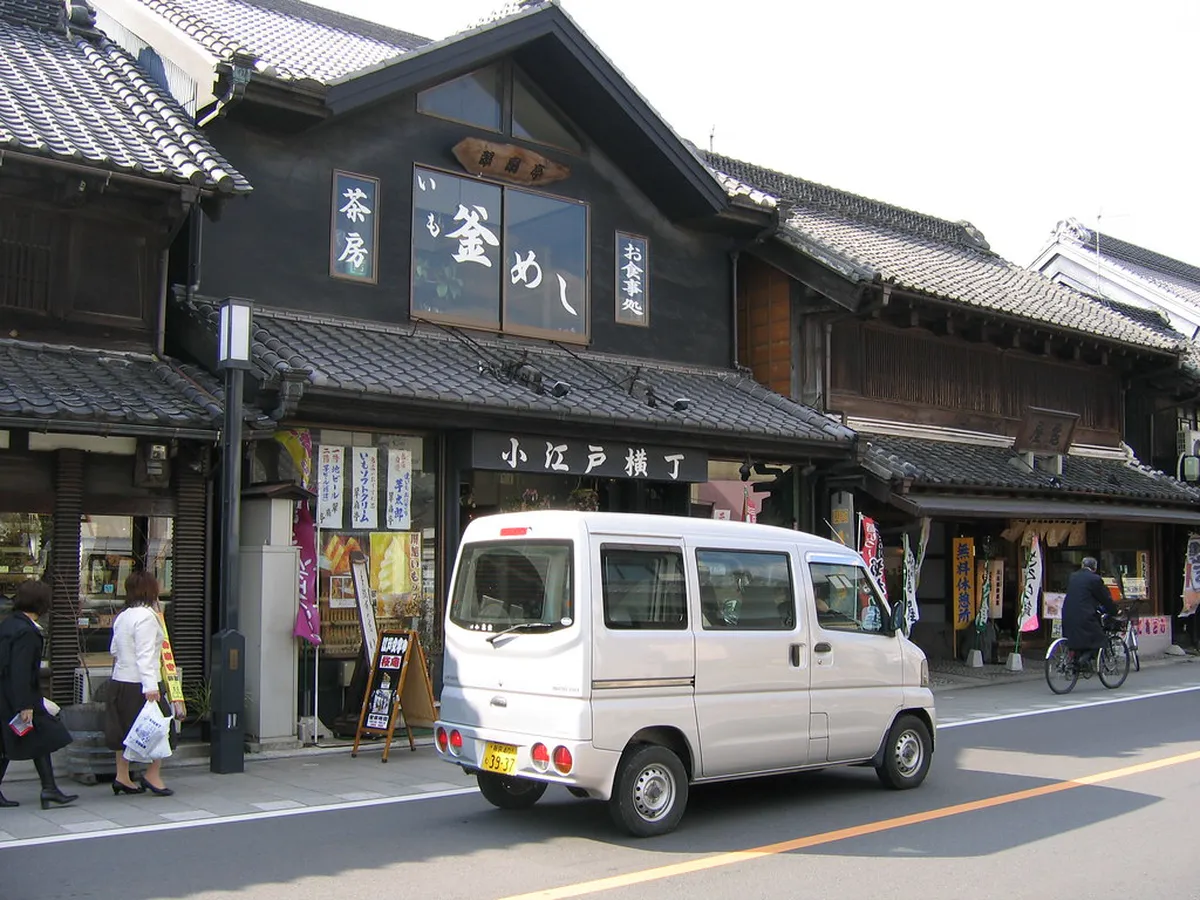
Wearing a kimono or yukata around town on the 8th, 18th, or 28th of any month unlocks discounts at participating shops, though jinbei and samue don't qualify. Renting one ahead of these dates avoids scrambling for a rental slot on the day itself. The Naritasan Kawagoe Betsuin Flea Market runs most months from 6:00am to 2:00pm and draws bargain hunters after antiques and secondhand goods. Pairing a flea-market morning with an afternoon in the historic warehouse district covers both errands in one trip.
Getting to Kawagoe on Festival Days
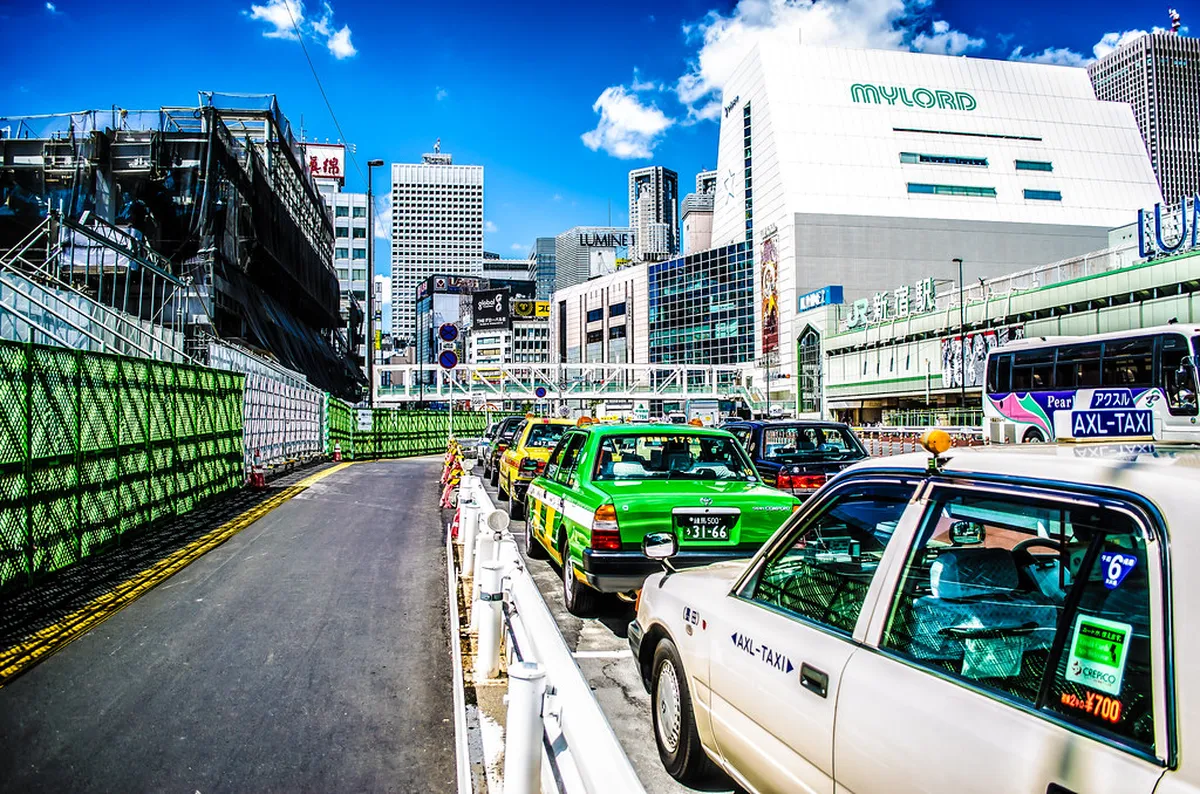
Three train lines reach Kawagoe from central Tokyo, and the right one depends on where a festival is centered. Tobu Tojo Line trains take about 30 minutes from Ikebukuro to Kawagoe Station, the fastest option for most Tokyo-based travelers. Seibu Shinjuku Line limited express trains cover Shinjuku to Hon-Kawagoe Station in roughly 45-50 minutes, landing closer to the old warehouse district than either JR route. JR Saikyo Line express trains take about 50-55 minutes from Shinjuku to Kawagoe Station and suit anyone using a Japan Rail Pass. Travelers coming from Omiya reach Kawagoe Station in around 20 minutes on the JR Kawagoe Line, and Yokohama-based visitors need roughly 78 minutes via the Tokyu Toyoko or Tokyo Metro Fukutoshin lines.
On Kawagoe Matsuri weekend and other major festival dates, the old town closes some streets to vehicle traffic, so driving in is not a practical option. Kawagoe's official city site posts road closure notices ahead of major festivals each year. Walking from either station toward the old warehouse district is straightforward via the main shopping street, though it takes longer once festival crowds fill the sidewalks. Most travelers base themselves in Tokyo and day-trip in, since Kawagoe's own lodging options are limited compared with the capital. Building a full day around the trip works well with a broader Kawagoe Itinerary: The Ultimate 1-Day Guide to Little Edo that adds temples and food stops before or after a festival. Street food stalls cluster around Renkeiji Temple during Kawagoe Matsuri and other festival weekends, which pairs naturally with a stop covered in the Kawagoe food guide.
| Route | Approx. Duration | Arrival Station | Best For |
|---|---|---|---|
| Tobu Tojo Line (from Ikebukuro) | ~30 minutes | Kawagoe Station | Fastest option from central Tokyo |
| Seibu Shinjuku Line limited express (from Shinjuku) | ~45-50 minutes | Hon-Kawagoe Station | Closest walk to the old warehouse district |
| JR Saikyo Line express (from Shinjuku) | ~50-55 minutes | Kawagoe Station | Travelers using a Japan Rail Pass |
| JR Kawagoe Line (from Omiya) | ~20 minutes | Kawagoe Station | Connections via Omiya |
| Tokyu Toyoko / Tokyo Metro Fukutoshin (from Yokohama) | ~78 minutes | Kawagoe Station | Day-trippers based in Yokohama |
Mistakes to Avoid on Kawagoe Festival Days
A few avoidable mistakes account for most bad Kawagoe festival experiences. Confirm current dates against the Koedo Kawagoe Tourism Association before booking transport. The Kawagoe Matsuri official site also publishes float maps and schedule updates each year. Anyone extending the trip through the region can pair a Kawagoe weekend with the Chichibu Night Festival Travel Guide. A stop through Chichibu's attractions also works well, since both are reachable from the same stretch of Saitama.
- Driving into the old town on a festival weekend: street closures around Ichibangai and the parade route leave nowhere to park.
- Arriving late for the Kawagoe Matsuri's Hikkawase: float battles peak after sunset, and the best parade-route spots fill up well before dark.
- Skipping a kimono rental reservation: rental shops near Hon-Kawagoe Station sell out fast on the 18th of each month and during Matsuri weekend.
- Trusting a fixed date from an old blog post: Kawagoe's festival calendar shifts year to year around weekends and the lunar calendar.
Frequently Asked Questions
When is the best time to visit for Kawagoe events?
October offers the single biggest event, the two-day Kawagoe Festival on the third Saturday and Sunday of the month. Late June through early September suits travelers who want the Hikawa Shrine wind chime displays and cooler evening illuminations. Late March through late April works for cherry blossoms and the Koedo Kawagoe Spring Festival's samurai performances.
How do you get paid seating for the Kawagoe Festival?
The Koedo Kawagoe Tourism Association lists reserved seating at Resona Coedo Terrace and at Kawagoe Kumano Shrine for Kawagoe Matsuri weekend. Both options require advance registration and a fee, and free street viewing remains available along the parade route for anyone who skips reservations. Booking opens weeks ahead of the October dates, so register as soon as the current year's event calendar is published.
What is Kawagoe Kimono Day?
Kawagoe Kimono Day runs on the 18th of most months at Renkeiji Temple near Hon-Kawagoe Station, with free admission from 10:00am to 3:00pm. It pauses in January and August, when a kimono-themed shrine visit and a yukata fashion show run instead. Wearing a kimono or yukata on the 8th, 18th, or 28th of any month also unlocks shop discounts around town.
Which train station is best for Kawagoe festivals?
Hon-Kawagoe Station on the Seibu Shinjuku Line sits closest to the old warehouse district and to Renkeiji Temple's Kimono Day events. Kawagoe Station, served by both the Tobu Tojo Line and JR lines, works better for travelers connecting from Ikebukuro or holding a Japan Rail Pass. Either station reaches the festival grounds on foot, so the choice mostly comes down to which train line starts closer to a traveler's Tokyo base.
Is the Kawagoe Festival free to attend?
Street viewing along the Kawagoe Matsuri parade route is free for both festival days. Paid seating exists only for the reserved viewing areas at Resona Coedo Terrace and Kawagoe Kumano Shrine. Every other event on this calendar, including Kimono Day, the Naritasan flea market, and the Hikawa Shrine wind chime festival, also runs free of charge based on currently published event listings.
Free guide: Japan's Hidden Gems
12 under-the-radar places beyond Tokyo & Kyoto — with the best season to visit each and a local tip you won't find in the guidebooks.
You might also like


Continue reading
More guides you'll find useful