Kawagoe Matsuri 2026: Dates, Floats, and Hikkawase Guide
Plan Kawagoe Matsuri 2026 (Oct 17-18): train options from Tokyo, hikkawase battle times, City Hall viewing, and where the crowds thin out.
On this page
Last updated September 2026: the Kawagoe Matsuri fills Saitama's Kurazukuri district on Saturday, October 17 and Sunday, October 18, 2026. More than a dozen ornate dashi floats parade through the old warehouse town by day, then face off in torch-lit hikkawase battles after dark. Entry is free, and this guide covers train options, when to arrive, and where the crowds thin out.
Quick Answer: Kawagoe Matsuri 2026 Essentials
About one million visitors attend the festival over two days, with roughly 20 of Kawagoe's 29 dashi floats parading each day. Here's the essential information before you plan transit and timing. This guide sits alongside the broader 6 Best Kawagoe Festivals and Events in 2026 (Full Calendar) calendar.
- Dates: Saturday, October 17 and Sunday, October 18, 2026, the third weekend of October, confirmed on the official Kawagoe Matsuri site.
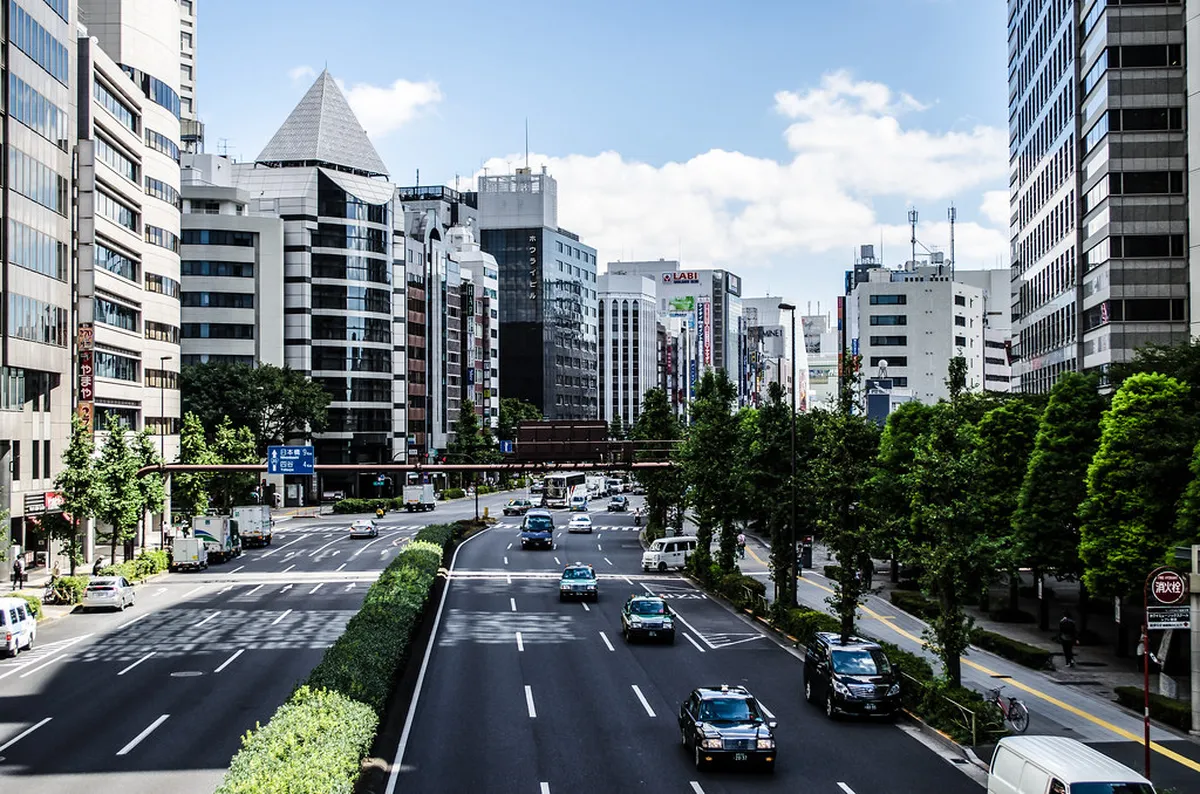
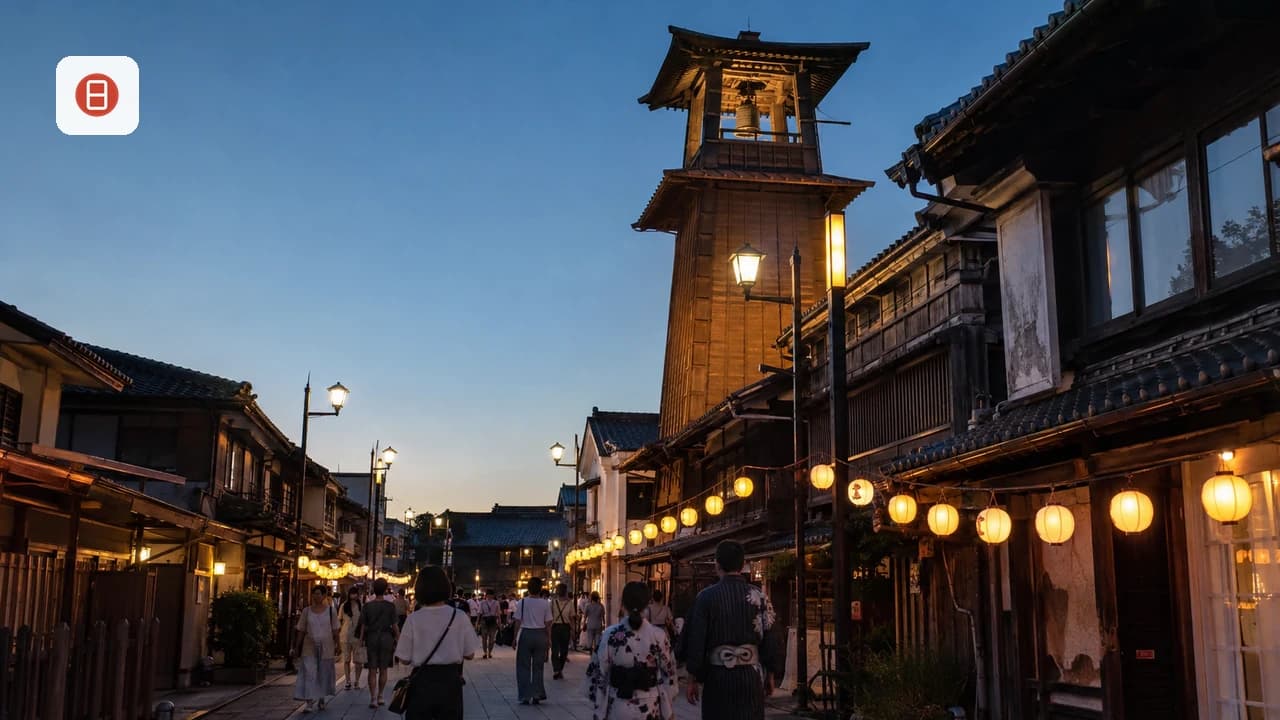
- Location: the Kurazukuri (warehouse) district of Kawagoe, Saitama, centered on Kawagoe Hikawa Shrine and City Hall.
- Cost: free to watch; only food, drinks, and museum admission cost money.
- Floats: 29 dashi are kept in town, with roughly 20 taking part on a given festival day.
- Crowd size: the two-day event draws around one million visitors.
- Hikkawase: nighttime musical battles when floats meet and turn to face off, the festival's signature moment.
- Best photo light: mid-afternoon at City Hall, before the lanterns replace daylight for carving detail.
What Is the Kawagoe Matsuri?
Formally the Kawagoe Hikawa Festival, the event is the autumn festival of Hikawa Shrine in Kawagoe, Saitama Prefecture. Matsudaira Nobutsuna, lord of Kawagoe Castle, donated a portable shrine, a lion mask, and taiko drums to the shrine in 1648. That gift was meant to boost the local economy, and parish processions began in 1651. Those processions grew into today's float festival over the following centuries. The modern festival still combines two linked events, the Reitaisai rites at the shrine and the Jinkosai procession that follows. Ten shrine parishes joined the original Jinkosai. More neighborhoods joined after World War II, and the participant list has kept expanding since. River trade profits along the Shingashi River gave Kawagoe merchants the wealth to commission the same Edo-style float builders used in the capital. Kawagoe's festival borrowed its float style directly from Edo's shogun-sponsored Tenka Matsuri, including the Sanno Festival and Kanda Festival. Those Tokyo festivals lost most of their floats after the Edo period ended, which is why Kawagoe's version stands out today. Japan named it a National Important Intangible Folk Cultural Property in 2005. It joined the UNESCO Intangible Cultural Heritage list in 2016, part of the nationwide "Yama, Hoko, Yatai" float-festival group.
Recognized as UNESCO heritage in 2016, the festival attracts one million visitors while remaining free to watch, blending cultural prestige with universal accessibility.
The Dashi Floats and the Hikkawase Battles
Each dashi is built in two tiers, with a carved doll on top modeled after a Noh character, folk hero, or historical figure. Local folklore, Noh theater, and samurai history all supply the figures represented in the dolls, and neighborhoods often name their float after whichever figure it carries. A hand-cranked elevator lets the upper platform and doll retract, dropping the float's height from about 26 feet to 13 feet. Originally built to clear the gates of Kawagoe Castle, the mechanism now clears power lines and low arches instead. Independent of the wheels, the lower stage also rotates a full 360 degrees. That rotation is what makes hikkawase possible. When two floats meet at an intersection, crews turn the stages to face each other and compete in Ohayashi music. About 50 people from each neighborhood pull, steer, and perform on a single float. Lantern carriers join the crew after dusk, guiding each float safely through the crowded intersections. In the days beforehand, neighborhoods hang red-and-white kohaku-maku curtains outside shops, a custom called nokiba-zoroe that signals the festival is near. Embroidered curtains and detailed relief carvings decorate the float's lower tier, visible best in daylight before the lanterns take over. After dark, paper lanterns light the floats as they pass down Kurazukuri Warehouse Street. Float pullers and spectators shout encouragement as the music builds, adding to the intensity of each face-off. By the festival's second evening, several of these battles can be underway at once across the old town. Each float's Ohayashi ensemble includes musicians and masked dancers:
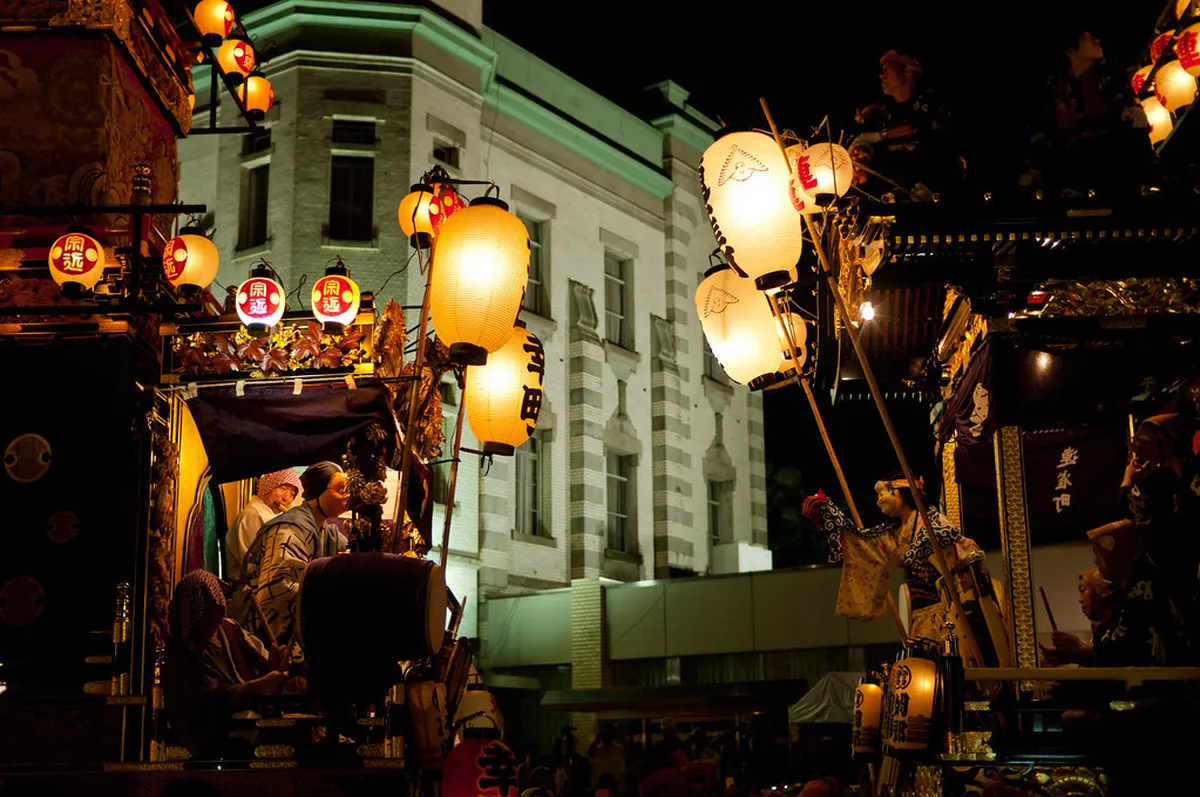
- 1 flute
- 1 large drum (o-daiko)
- 2 small drums (ko-daiko)
- 1 handbell
- Dancers wearing fox or lion masks
Getting to Kawagoe from Tokyo
Three train lines connect central Tokyo to Kawagoe, and choosing the right one depends on whether you prioritize speed or location. Tobu Tojo Line trains run direct from Ikebukuro to Kawagoe Station in about 30 minutes for roughly ¥481, the fastest and cheapest option. Seibu Shinjuku Line trains reach Hon-Kawagoe Station in 45 to 60 minutes for about ¥513, and this stop sits closest to the Kurazukuri district. JR Saikyo Line trains from Shinjuku or Shibuya take 50 to 60 minutes and work well for JR Pass holders. Travelers coming from Omiya can also take the JR Kawagoe Line, about 20 minutes to Kawagoe Station. Round-trip fares across these lines run roughly ¥960 to ¥1,200 before any discount pass. A discounted Seibu Kawagoe Pass covers the round trip from Seibu-Shinjuku, Ikebukuro, or Takadanobaba for about ¥700. From Kawagoe Station, plan a 13- to 15-minute walk into the historic Ichibangai area. Trains back to Tokyo fill quickly after the hikkawase ends on Saturday night, so plan your return before the last rush.
| Line | Route | Time | Fare | Best for |
|---|---|---|---|---|
| Tobu Tojo Line | Ikebukuro to Kawagoe Station | ~30 min | ¥481 | Fastest, cheapest |
| Seibu Shinjuku Line | Seibu-Shinjuku to Hon-Kawagoe Station | 45-60 min | ¥513 | Closest to Kurazukuri district |
| JR Saikyo Line | Shinjuku/Shibuya to Kawagoe Station | 50-60 min | Standard JR fare | JR Pass holders |
Day vs Night: When to Arrive
Daytime hours, roughly 10 a.m. to 4 p.m., work best for photographing carvings and visiting Hikawa Shrine while the crowds stay manageable. A ritual procession also heads toward Hikawa Shrine in the early afternoon, a quieter counterpart to the City Hall float lineup. Floats line up for close viewing near City Hall in the mid-afternoon, before the evening crowds arrive. Many of the hikkawase face-offs happen at the Naka-cho intersection and around Ichibangai, so both are worth reaching before dusk. Both the afternoon procession and the evening hikkawase are free to watch from public streets. Evening hours, roughly 6 p.m. to 9 p.m., bring the festival's climax. Lanterns are lit, the music intensifies, and hikkawase battles peak. Saturday evening draws the densest crowds of the weekend, while Sunday night tends to feel calmer. This window gets extremely crowded and is difficult for strollers or limited mobility. If you want a full day plan built around these windows, see the Kawagoe day-trip itinerary. One practical sequence covers the daytime floats and the early hikkawase without the latest crowds.
Float carvings and embroidery are best visible by daylight between 10 a.m. to 4 p.m.; lanterns illuminate nighttime hikkawase but obscure the intricate details.
- Arrive by 2:00 p.m. and walk to the Kurazukuri district.
- View the floats at City Hall in the mid-afternoon.
- Eat early, before the dinner-hour stalls line up.
- Catch the first hour of hikkawase, roughly 6:00 to 7:00 p.m.
- Leave by 7:30 p.m. to beat the crush at Kawagoe Station.
Where to Eat: Sweet Potato, COEDO Beer, and Festival Stalls
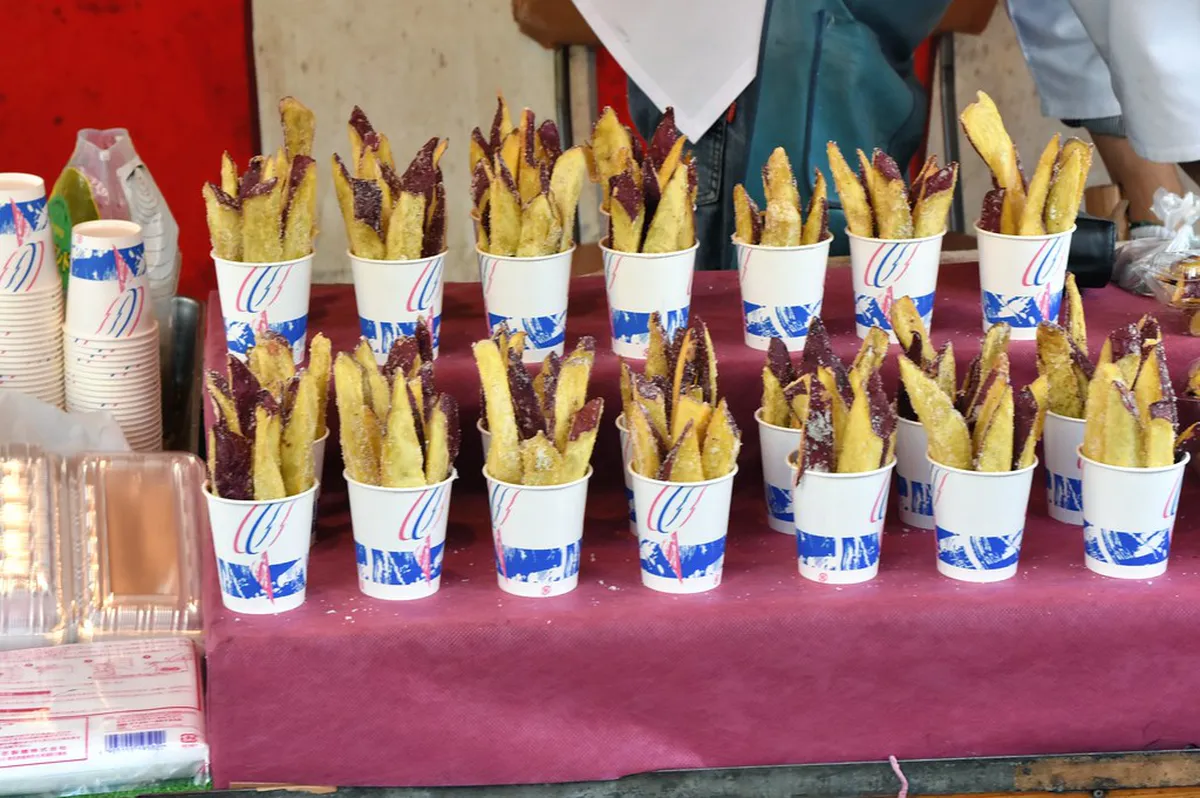
Satsumaimo, Kawagoe's signature sweet potato, shows up as chips, soft serve, and imo-koishi sweets from stalls across the old town. COEDO, the local craft brewery, makes Beniaka, a sweet-potato amber ale worth pairing with a festival evening. Stalls cluster around Renkeiji Temple with takoyaki, yakisoba, and cups of sake. Traditional games such as goldfish scooping run alongside the food stalls, popular with families visiting in the daytime hours. Past festivals have also featured a haunted-house attraction, though such fairground rides are rare in Japan and not guaranteed to return. Kimono rental shops near the station let visitors dress for the day before heading into the old town. Nearby, Kashiya Yokocho, the penny candy alley, sells traditional Japanese sweets year-round. Kurazukuri Street itself has no overhead utility poles, so the lantern-lit floats pass directly in front of the preserved Little Edo warehouse district. A short walk from the main stalls, quieter side streets offer the same specialties without the wait. For a deeper list of where to eat beyond festival weekend, see the Kawagoe food guide.
Common Mistakes to Avoid at Kawagoe Matsuri
A few small choices decide whether you leave easily or spend an hour stuck in the crowd. Planning around these points saves the most time.
- Leave before the festival's official end. Platform queues at Kawagoe Station can exceed 45 minutes.
- Carry cash. Most food stalls and small shops do not take IC cards or credit cards.
- Use department-store restrooms near the station before entering the Kurazukuri zone; public toilets there are scarce and slow.
- Download an offline map. Cell service can lag under the crowd density of a million-visitor weekend.
- Check the official festival map each year. Float routes and viewing spots can shift from the previous year.
Kawagoe Matsuri vs. Chichibu Night Festival, and Other Kawagoe Events
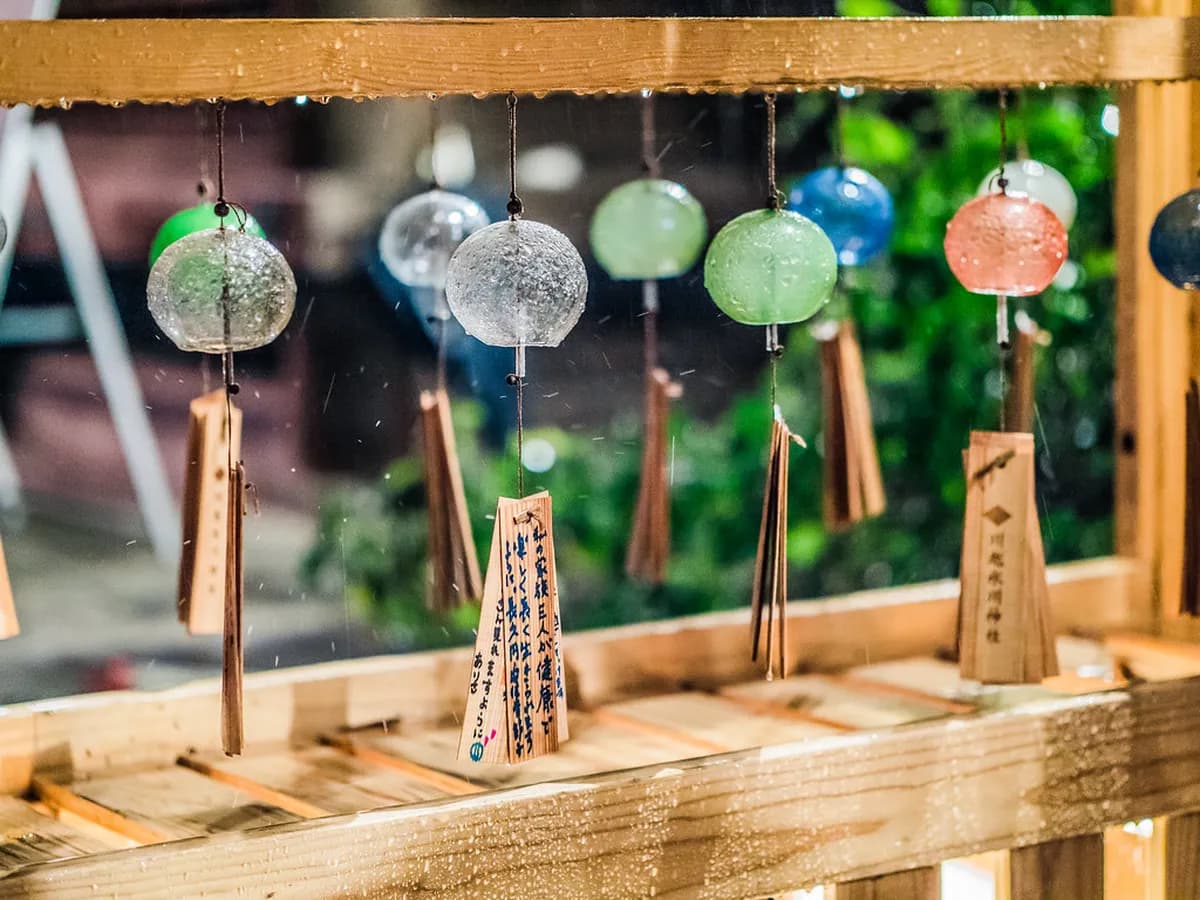
Saitama Prefecture stages another major float festival, the Chichibu Night Festival Travel Guide, held in December with winter fireworks rather than October's daytime floats. Chichibu also offers its own sightseeing beyond the festival, much like Kawagoe's year-round old town. Choosing between them often comes down to season. October brings daytime float detail at Kawagoe, while December brings fireworks and cold-weather atmosphere at Chichibu. Either festival works best when the transit plan and arrival time are settled before travel day. Kawagoe itself runs festivals well beyond October. Hikawa Shrine hosts a separate wind chime festival in summer. If you have time for more, check the month-by-month festival calendar for the full year of dates. Travelers staying longer can extend the trip through Kawagoe's other attractions. The Tokyo events calendar lists more autumn options around the capital.
Frequently Asked Questions
Is Kawagoe Matsuri held if it rains?
Yes, the festival usually goes ahead in light rain. Floats are typically covered in plastic sheeting to protect the carvings and dolls. Check the official Kawagoe Matsuri site on the morning of your visit for any changes.
Can visitors help pull the floats?
Pulling and performing on the floats is generally reserved for neighborhood associations who maintain each dashi. Some neighborhoods occasionally open limited spots to outside participants, so confirm locally rather than assuming you can join.
Is Kawagoe Matsuri family-friendly?
Daytime hours suit families well, with float viewing, food stalls, and manageable crowds before mid-afternoon. Evening hikkawase hours get dense enough that strollers and small children can struggle, so plan an earlier exit if traveling with young kids.
How many floats take part each year?
Kawagoe keeps 29 dashi floats in total. Of those, 28 belong to individual neighborhoods and one belongs to the city itself. Around 20 typically join the procession on any given festival day, so the lineup shifts year to year.
Is Kawagoe Matsuri worth doing as a day trip from Tokyo?
Yes, it works well as a single-day outing. The Tobu Tojo Line reaches Kawagoe from Ikebukuro in about 30 minutes, so an afternoon arrival still covers the daytime floats and the early hikkawase. See the Kawagoe day-trip itinerary for a full timed plan.
Do you need tickets or reservations for Kawagoe Matsuri?
No reservations are required to watch the festival from the street. Some viewing areas near City Hall can fill up in the evening, so arrive early for a clear view.
What does hikkawase mean?
Hikkawase describes the musical face-offs between floats, when crews turn their stages to compete in Ohayashi music and dance. The word captures the festival's signature moment, and it happens most often after dark near busy intersections.
Free guide: Japan's Hidden Gems
12 under-the-radar places beyond Tokyo & Kyoto — with the best season to visit each and a local tip you won't find in the guidebooks.
You might also like

Continue reading
More guides you'll find useful