Nagano Binzuru Festival Guide: Dates, the Binzuru Odori, and How to Join
Plan a visit to the Nagano Binzuru Festival: 2026 dates, the Binzuru Odori dance, road closures, where to stay, and how to join in.
On this page
Last updated September 2026, this guide covers the Nagano Binzuru Festival, the city's largest summer event and one of Japan's most participatory street festivals. Held every year on the first Saturday of August, it draws more than 10,000 dancers along Chuo-dori below Zenko-ji Temple, clapping wooden shamoji instead of folding fans. Locals and visitors dance side by side, because organizers have built the event around total participation since its founding in 1971.
What Is the Nagano Binzuru Festival?
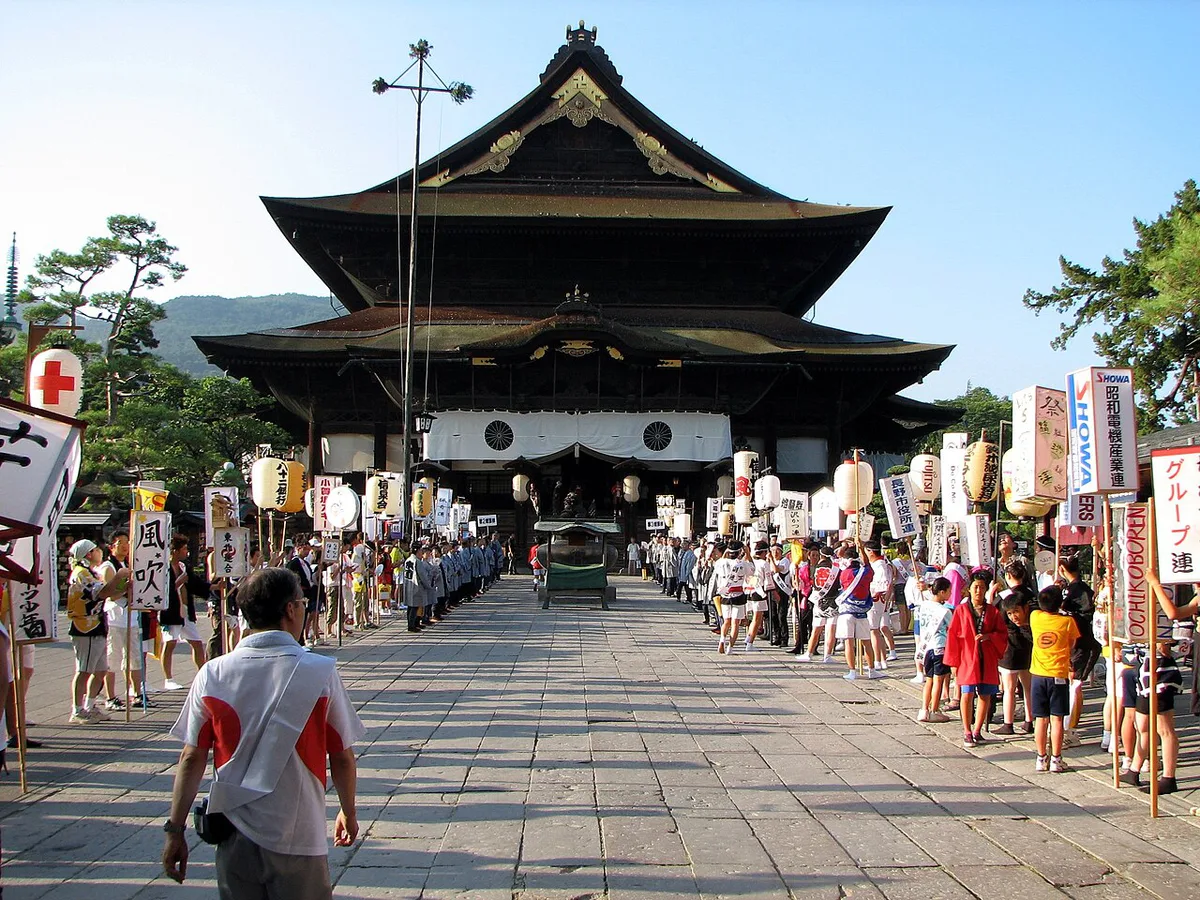
Nagano Binzuru Festival ranks as Nagano City's largest summer event, held every year on the first Saturday of August. Its 56th edition took place on August 1, 2026, centered on Zenkoji Omotesando, Chuo-dori, and Showa-dori below Zenko-ji Temple. Organizers describe the event's guiding idea as total harmony and total participation, shaping everything from free entry to open dance groups anyone can join. That openness sets Binzuru apart from more formal, shrine-run matsuri elsewhere in Japan. Its name also nods to the temple's healing tradition, tying a religious site to a citywide celebration. For context on other citywide events, Nagano's citywide festival calendar shows how Binzuru fits into the rest of the year.
Who Was Binzuru? The Legend Behind Zenko-ji's Statue
Binzuru, formally known as Pindola Bharadvaja, was a disciple of the Buddha said to hold healing powers. According to temple tradition, his eagerness to display those powers for entertainment drew the Buddha's disapproval, and only years of devoted service restored his standing. He was then asked to remain on earth to guide people toward enlightenment rather than pass into final nirvana. At Zenko-ji, a wooden statue of Binzuru sits just inside the main hall. Visitors rub the area of the statue matching their own pain or ailment, seeking relief. Locals often cite the statue's age at roughly 305 years; its face, stomach, knees, and fingers show the wear of generations of touch. That healing tradition carries from the temple's inner hall into the surrounding streets during the dance. Zenko-ji also hosts other annual rites worth knowing about. Zenko-ji's other ceremonies cover the temple's broader festival calendar. Check current visiting hours on the temple's official site before a festival-day visit.
The statue, worn by visitors over roughly 305 years of healing touch, lends its name and tradition to the festival, extending that healing theme from the temple into the city streets.
Inside the Binzuru Odori: Shamoji, Ren, and the Night Atmosphere
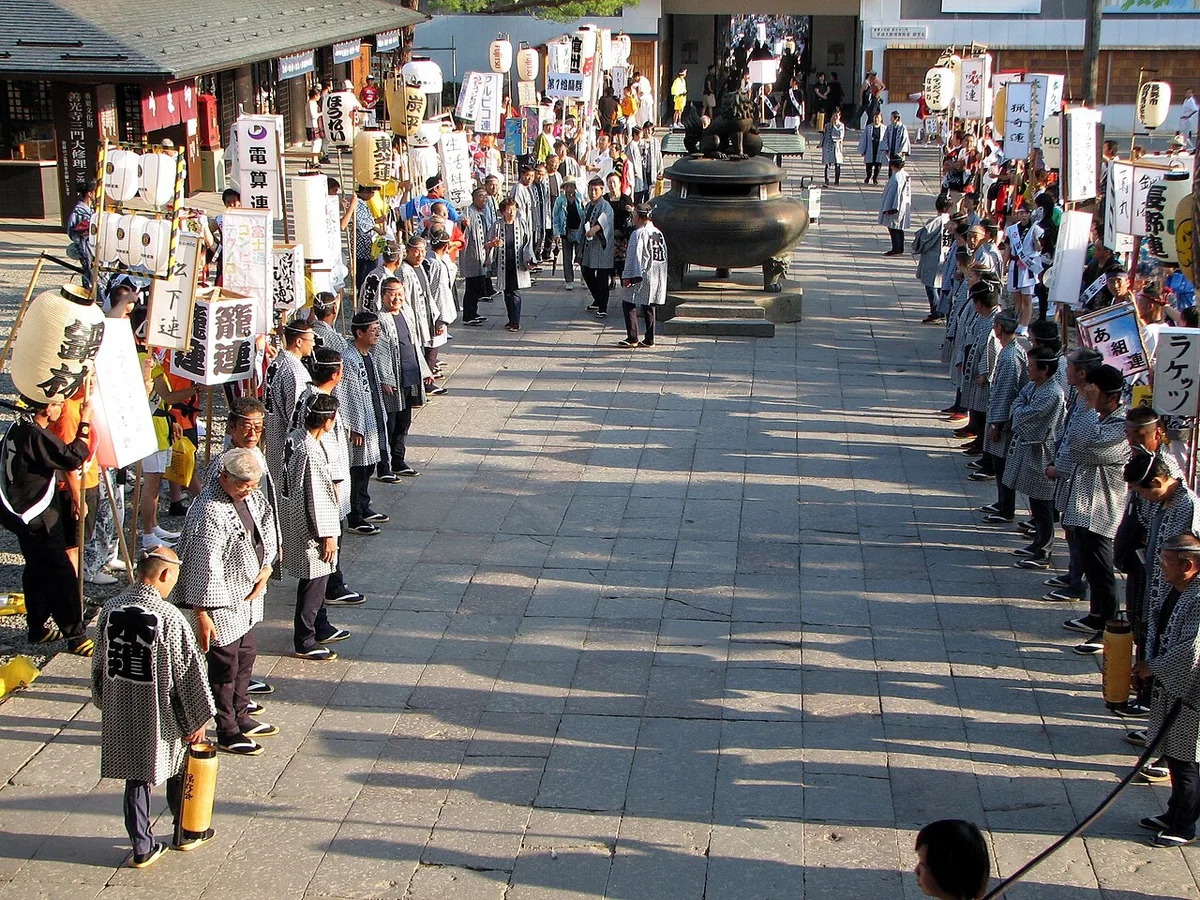
Binzuru Odori is the mass dance that gives the festival its name and its main draw. Dancers move in loose circles and lines, clapping a pair of wooden shamoji, the rice paddles more often seen in a kitchen than a parade. A repeated 'Sore!' chant drives the rhythm, call-and-response style, keeping large crowds moving in step. More than 200 groups, called ren, take part each year, representing neighborhoods, companies, schools, and informal circles of friends. Some ren rehearse routines for weeks; others learn the basic steps on the spot, since the choreography stays simple by design. Streets fill several people deep along both main routes, so arriving early secures a better view before peak crowds settle in. As the evening moves past sunset, staff light kagaribi bonfires and paper lanterns along the route, and the crowd's energy rises with them. By the time the dancing reaches its peak near Zenko-ji, the noise of shamoji, chanting, and music fills several blocks of central Nagano.
How to Watch or Join the Binzuru Odori
Spectating requires no ticket and no reservation. Chuo-dori and Showa-dori, the two main closed-off streets, offer the clearest sightlines as the ren pass in sequence toward Zenko-ji. Arriving by early evening secures a curbside spot before the crowds thicken after 18:30, when the main dance session typically begins. Joining in is more accessible than most matsuri allow. Solo travelers and small groups can look for a personal participation group, sometimes called a Kojin Sanka Ren. It lets individuals dance without belonging to a company, school, or neighborhood team. These groups typically teach the basic shamoji claps and step pattern within minutes, so no prior experience or rehearsal is expected. Yukata, the light cotton summer kimono, count as standard dance attire. Happi coats mark specific ren or staff roles instead. Comfortable shoes matter more than fashion, since dancers and spectators alike spend hours standing or moving over paved streets. Visitors without a yukata can ask at hotel front desks in central Nagano about rental options nearby. Several bus routes reroute during the closures, so check Nagano's local transit options before heading in.
- Best vantage points: Chuo-dori and Showa-dori
- Solo or small-group entry: ask about a personal participation group (Kojin Sanka Ren)
- Typical attire: yukata for dancers, happi coats for specific ren or staff
Zenkoji Binzuru Ichi Market: A Different Summer Event
The Zenkoji Binzuru Ichi Market is a separate, recurring event, not a satellite of the August dance festival despite the shared name. It runs on the second Saturday of the month from April through November, historically from 10:00 to 15:00 in the temple precincts. Vendors sell handmade crafts, local artwork, and seasonal Nagano snacks and produce. Because the schedule can shift year to year, confirm the current calendar before planning a visit around it. Visitors combining a festival trip with a market day should check the month-by-month festival calendar to see which dates overlap with the August dance weekend.
The market runs 10:00 to 15:00 on second Saturdays April–November, while the dance festival occurs 18:30 to 21:30 on the first Saturday of August only.
Getting to the Festival, Road Closures, and Where to Stay
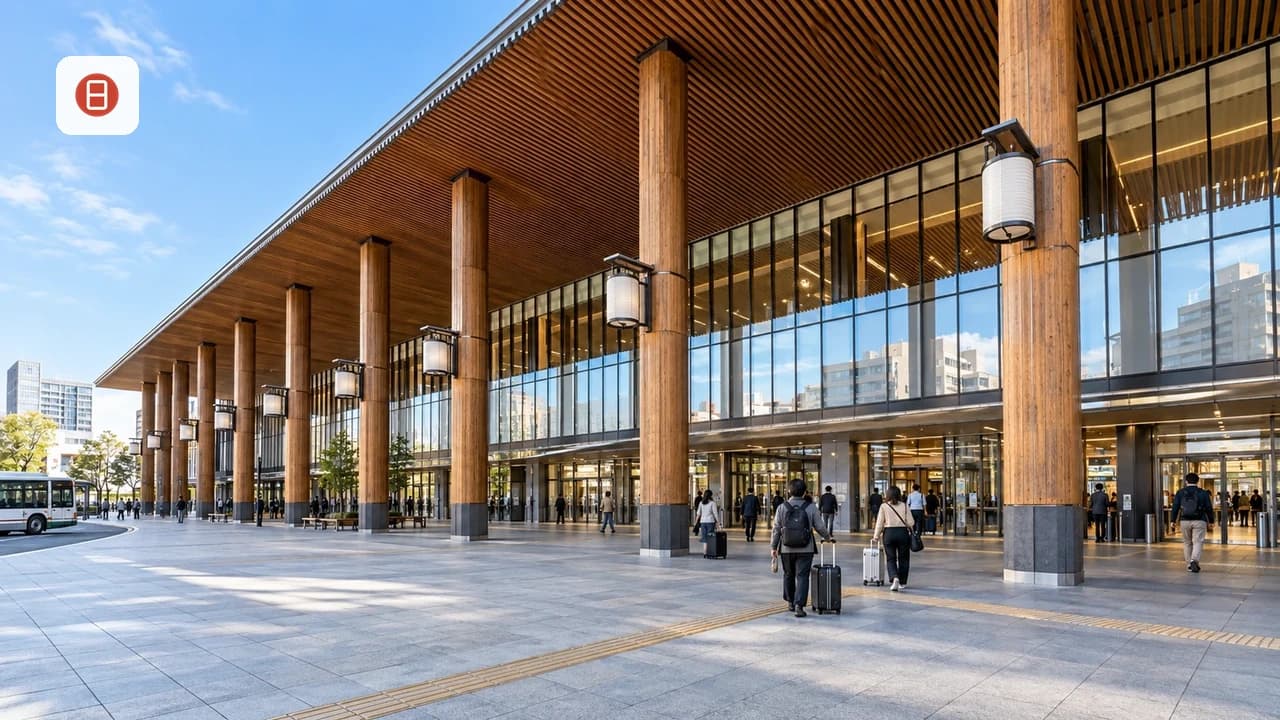
Festival programming splits into two parts. Daytime hours bring family-oriented activities such as water play areas in the central squares. The evening Binzuru Odori runs afterward, typically from around 18:30 to 21:30. On foot, the festival area sits roughly 10 to 12 minutes from JR Nagano Station's Zenkoji Exit. Drivers coming via the Joshin-etsu Expressway's Nagano IC should budget about 30 minutes before road closures begin. Hotel Kokusai 21, a central property near the parade route, has historically listed rates from about ¥8,000 to ¥20,000 a night. Central streets close to vehicle traffic well before the evening dance begins. Drivers should plan to park outside downtown and walk in, rather than aim for a curbside drop-off. For current closure windows, Go Nagano's official tourism site is a reliable place to check before travel day. Staying near JR Nagano Station or a central property, such as Hotel Kokusai 21, keeps the walk short and avoids the post-festival crush. JR Nagano Station gets crowded right after the dance ends near 21:30, so travelers with early departures the next morning may prefer a short walk over a taxi queue. Book through central Nagano lodging picks ahead of the trip. Rooms fill months ahead of the first weekend of August, so book early. Pairing the festival with a wider trip works well. A broader Nagano itinerary shows how a summer visit fits with the rest of a trip. For seasonal comparisons, see the best season to visit Nagano.
- Walk from JR Nagano Station (Zenkoji Exit): about 10-12 minutes
- Drive from Nagano IC via the Joshin-etsu Expressway: about 30 minutes before closures
- Evening dance session: roughly 18:30 to 21:30
- Hotel Kokusai 21 (central, near the route): about ¥8,000-¥20,000 a night, historical range
Nagano Binzuru Festival vs Nearby Regional Festivals
Binzuru is not the only major matsuri within reach of Nagano City. Deciding between them often comes down to season, intensity, and how much personal participation a traveler wants. The Nozawa Onsen Tourist Association covers the winter fire festival's exact schedule each year, since dates shift with the ritual calendar. Nozawa Onsen publishes its own write-up of that event; see Nozawa Onsen's winter fire ritual guide for the full picture. Matsumoto runs its own summer dance under a different name and route; check Matsumoto's own event calendar for current dates. Further along the same rail corridor, Kanazawa runs its own summer festival lineup, worth checking for a multi-city trip. Visitors weighing summer against winter travel can compare the dance festival's energy with Nagano's winter snow season before picking a date.
| Festival | Season | Character |
|---|---|---|
| Nagano Binzuru Festival | Early August | Citywide street dance with 200+ groups, open to visitor participation |
| Nozawa Onsen Fire Festival | Winter | Fire ritual with a more intense, ceremonial atmosphere |
| Matsumoto Bon Bon | Summer | Similar mass dance format in a different city and route |
Mistakes to Avoid at the Nagano Binzuru Festival
A few planning mistakes show up often among first-time visitors to the festival. Weather, transit, and lodging cause most of the friction, and each is avoidable with basic planning. Zenko-ji itself stays open outside festival dates, and it ranks among Nagano's other attractions worth pairing with a summer visit.
- Underestimating the heat: early August in Nagano runs hot and humid, so carry water and plan shade breaks between dance sessions
- Booking a hotel late: rooms in central Nagano fill months ahead of the first weekend of August
- Driving into the city center late: road closures take effect well before the evening session, so park outside downtown and walk in rather than driving past mid-afternoon
Frequently Asked Questions
What is the Nagano Binzuru Festival?
Nagano Binzuru Festival is Nagano City's largest summer event, a mass participatory street dance held on the first Saturday of August. Its 56th edition ran on August 1, 2026, centered on Zenkoji Omotesando and the streets below Zenko-ji Temple. More than 200 groups and over 10,000 dancers typically take part.
Is the Nagano Binzuru Festival free to watch?
Yes, watching the dance from public streets costs nothing and needs no reservation. Chuo-dori and Showa-dori offer the clearest views as groups pass toward Zenko-ji. Arrive before the evening session starts, around 18:30, for an easier curbside spot.
How can a solo traveler join the dance instead of just watching?
Solo visitors can look for a personal participation group, sometimes called a Kojin Sanka Ren. These groups accept individuals without a company, school, or neighborhood affiliation. They typically teach the basic shamoji claps and steps in a few minutes, so no rehearsal is required beforehand.
What is the connection between the festival and the Binzuru statue at Zenko-ji?
The festival takes its name and healing theme from Binzuru, or Pindola Bharadvaja, a disciple of the Buddha. His wooden statue sits inside Zenko-ji's main hall, and visitors traditionally rub the spot matching their own pain for relief. The dance festival extends that same healing tradition from the temple's hall into the surrounding streets.
Is the Zenkoji Binzuru Ichi Market the same event as the dance festival?
No, they are separate events despite the shared name. The market runs on the second Saturday of the month from April through November, selling handmade crafts and local snacks. By contrast, the dance festival is a single-night event on the first Saturday of August.
What is the best way to reach the festival, and where should visitors stay?
JR Nagano Station's Zenkoji Exit sits about 10 to 12 minutes on foot from the festival area. Drivers coming via the Joshin-etsu Expressway's Nagano IC should budget about 30 minutes before road closures begin. Staying near the station or a central property such as Hotel Kokusai 21 keeps transit simple, and rooms fill months ahead of the first weekend of August.
What should visitors pack for a hot, humid festival night?
Light, breathable clothing works best, since early August in Nagano runs hot and humid after dark. A refillable water bottle helps during the several hours of standing and dancing. Comfortable, closed-toe shoes are worth choosing over sandals given the paved, closed-off streets.
Free guide: Japan's Hidden Gems
12 under-the-radar places beyond Tokyo & Kyoto — with the best season to visit each and a local tip you won't find in the guidebooks.
You might also like

Continue reading
More guides you'll find useful