Nagano Events Calendar 2026: Festivals Month by Month
A month-by-month Nagano events calendar covering the Nozawa Fire Festival, Zenko-ji lanterns, Suwa and Ebisuko fireworks, and modern events for 2026 travel planning.
On this page
Last updated September 2026, this nagano events calendar lays out the prefecture's festivals month by month, from January flames to November fireworks. It spans the Nozawa Onsen Fire Festival on January 15, the Zenko-ji lantern displays in February, and the Ebisuko Fireworks on November 23. Nagano Prefecture pairs those bucket-list matsuri with lower-key regional events, so this guide sorts both by month, cost, and transit access.
Nagano Events Calendar: The Big Four and a Quick-Start Guide
Four events anchor the Nagano events calendar for most travelers. Nozawa's fire festival, the Zenko-ji Tomyo lanterns, Lake Suwa's fireworks, and Nagano's Ebisuko fireworks each draw a different kind of crowd. Each asks for different planning, from booking windows to winter gear. A prefecture-wide list lives on the Nagano festivals hub. This page breaks it down month by month, with dates, prices, and transit notes. Use the table below to match an event to your travel window before reading the month-by-month detail. Pair festival dates with year-round Nagano sights such as Zenko-ji Temple and the Jigokudani snow monkeys to fill out a trip.
| Event | Month | Best For | Effort Level |
|---|---|---|---|
| Nozawa Onsen Fire Festival | January 15 | Photographers, festival veterans | Hard – overnight stay in Nozawa Onsen required |
| Zenko-ji Tomyo Lantern Festival | Mid-February | Families, first-time visitors | Easy – short walk from Nagano Station |
| Lake Suwa Fireworks Festival | August 15 | Groups, serious photographers | Moderate – arrive early for lakeside space |
| Nagano Ebisuko Fireworks Festival | November 23 | Budget travelers, families | Easy – free viewing, cold-weather gear needed |
Winter Festivals: January and February in Nagano
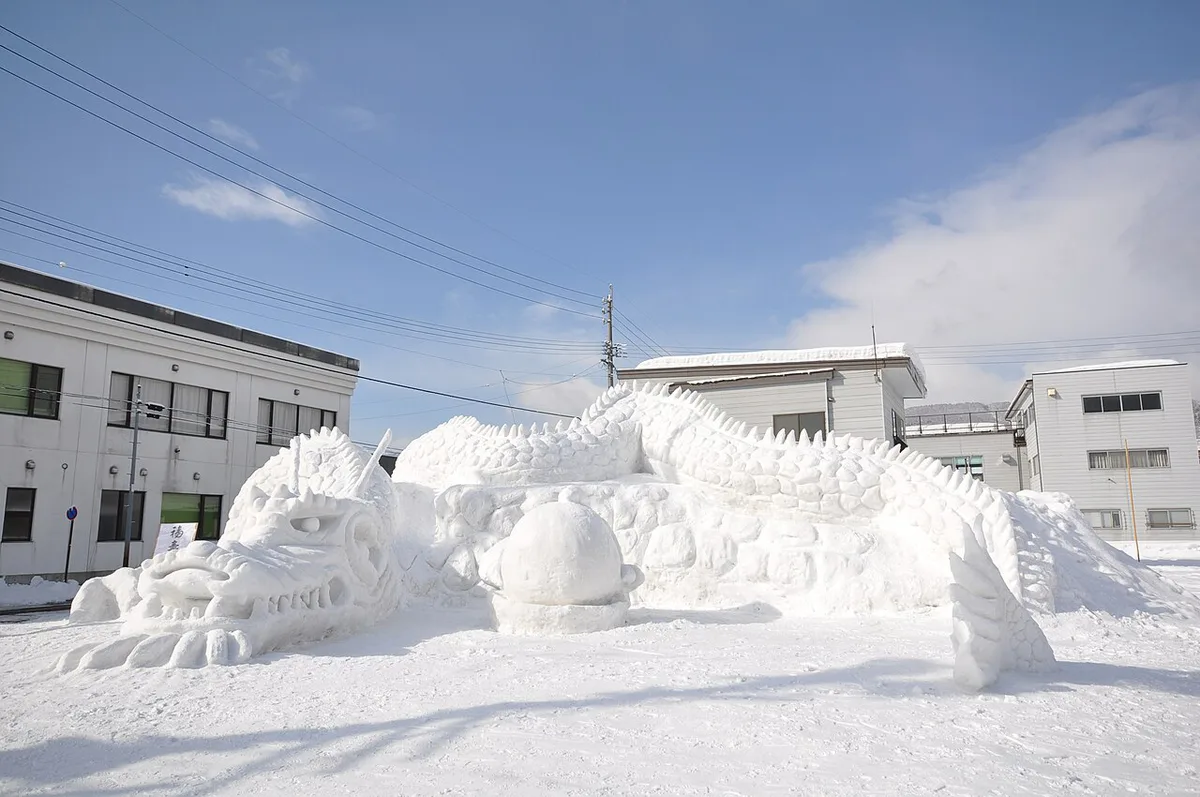
Winter is when Nagano's festival calendar gets loudest. Snow is already deep by January, and the season's two biggest matsuri both involve fire. At the Nozawa Fire Festival, villagers chant atop a wooden shrine while torch-bearing residents try to burn it down, and only locals take part in the ritual itself. Visitors watch from a set distance, and in recent years attendance has been limited to overnight guests in the village. Book six months or more ahead if the Fire Festival is the main reason for the trip, and confirm details with the Nozawa Onsen Tourist Association. Further north, Iiyama hosts the Kamakura Village from late January through the end of February. About 20 snow igloos, each roughly 10 feet tall, double as pop-up restaurants serving local hot pot. Togakushi holds its Dondoyaki bonfire festival in mid-January, a traditional New Year's rite for good luck, reachable by local bus from Nagano Station. Mid-February brings Nagano's Lantern Festival, marking the 1998 Winter Olympics, whose opening ceremony was announced by Zenko-ji's own bell. Zenkoji is lit in the games' colors, and hand-designed paper lanterns line the approach street. Dates shift slightly year to year, so check the Zenko-ji Temple official site before booking travel. On February 3, the Kiso Valley post town of Narai-juku lights ice candles and snow sculptures along its Edo-period streets, closing with a fireworks finale. A smaller fire-walking rite, Kanbayashi Sendayaki, runs February 4 near Shibu and Kanbayashi Onsen, not far from the snow monkey park. Both the Tomyo Festival and the November Ebisuko Fireworks mean standing on snow or ice for long stretches. Pack heated insoles and heavy insulation instead of ordinary city winter wear. Layering advice for these conditions is in a dedicated winter snow guide.
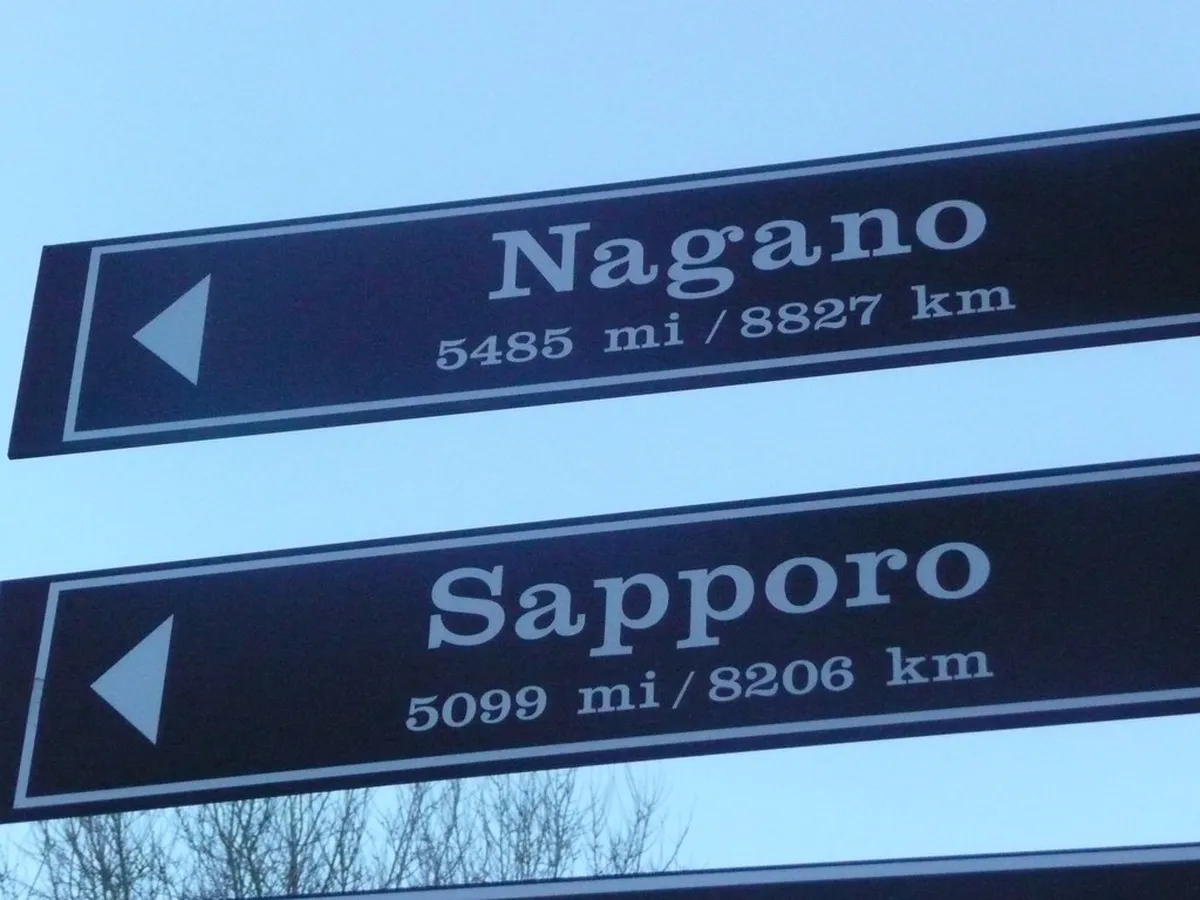
- Nozawa Onsen Fire Festival — January 15, Nozawa Onsen village
- Togakushi Dondoyaki — mid-January, Togakushi (bus from Nagano Station)
- Iiyama Kamakura Village — late January to end of February, Iiyama
- Nagano Lantern Festival (Tomyo Matsuri) — mid-February, Nagano City
- Narai-juku Ice Candle Festival — February 3, Kiso Valley
- Kanbayashi Sendayaki — February 4, Shibu/Kanbayashi Onsen
Spring Events: March Through May in Nagano
Spring opens with the tail end of ski season and closes with balloons over Saku. Shiga Kogen keeps lifts running into spring and is Nagano's highest ski resort, so March still means snow sport for many visitors. Snow Machine Hakuba, a music festival in the Hakuba Valley, usually lands in early March. April brings the Nagano Marathon in mid-month. Ueda's Sanada Festival follows on the last Saturday of April. Hundreds of participants in samurai costume parade through Ueda Castle Park, with taiko drumming and mock gunnery displays. Zenko-ji's Gokaicho unveiling and the Suwa Onbashira pillar festival both run on roughly seven-year cycles, typically between April and June. Check current status before building a trip around either one, since neither happens annually. May opens with the Saku Hot-Air Balloon Festival, timed to Golden Week, filling the sky over Saku with color. Stacking Golden Week events without overbooking transit is covered in a suggested multi-day Nagano itinerary. Every Sunday from May 3 through October 25, the Nozawa Onsen Morning Market runs 6:00 to 7:30 a.m. along Oyu-dori street, selling nozawana pickles and mountain vegetables. May is also when the Jigokudani Monkey Park sees its baby monkeys, born from late April into June. General weather and crowd patterns for shoulder-season travel are covered in a separate seasonal timing guide.
- Snow Machine Hakuba — early March, Hakuba Valley
- Nagano Marathon — mid-April
- Ueda Sanada Festival — last Saturday of April, Ueda Castle Park
- Saku Hot-Air Balloon Festival — early May (Golden Week), Saku City
- Nozawa Onsen Morning Market — Sundays, May 3–October 25, 6:00–7:30 a.m.
Summer Festivals: June Through August in Nagano
Summer is Nagano's fireworks and flower season. Nagano's Lily of the Valley Festival runs late May into late June, with 1.2 million lilies in bloom. Entry costs ¥2,400 at the door, and the grounds are open 8:30 a.m. to 4:00 p.m. In Kiso, the Mikoshi Makuri festival fills July 22 and 23 with fireworks and shrine processions. August is the densest month for events, with two major fireworks displays and a citywide dance festival. Binzuru Festival opens the month on the first Saturday, when up to 200 dancer groups move down Nagano's main street from Nagano Station, free to watch. On August 15, the Lake Suwa Fireworks Festival sets off roughly 40,000 fireworks for a crowd estimated above 500,000, starting around 7:00 p.m. Go Nagano's tourism site calls it the largest fireworks display of its kind in the country. Mountains around Lake Suwa amplify each blast into a sound felt as much as heard. Okaya Taiko Festival runs two days in mid-August, building to a finale where 300 drummers perform at once. Classical music takes over nearby Matsumoto from mid-August into early September at the Seiji Ozawa Matsumoto Festival, founded in 1992. Full dates and venues appear in the Matsumoto events calendar. Azumino's own fireworks festival lands August 14, launching about 12,000 shells from 7:00 p.m., a smaller and more local alternative to Suwa. Mid-August also brings Zenko-ji's summer Ennichi, two free days of Bon-Odori dancing tied to the Obon season.
- Nagano Lily of the Valley Festival — late May–late June, ¥2,400 entry
- Kiso Mikoshi Makuri — July 22–23
- Binzuru Festival — first Saturday of August, Nagano City, free
- Lake Suwa Fireworks Festival — August 15, about 40,000 fireworks
- Okaya Taiko Festival — mid-August, 300 drummers
- Azumino Fireworks Festival — August 14, about 12,000 fireworks
- Seiji Ozawa Matsumoto Festival — mid-August–early September, Matsumoto
Autumn Events: September Through November in Nagano
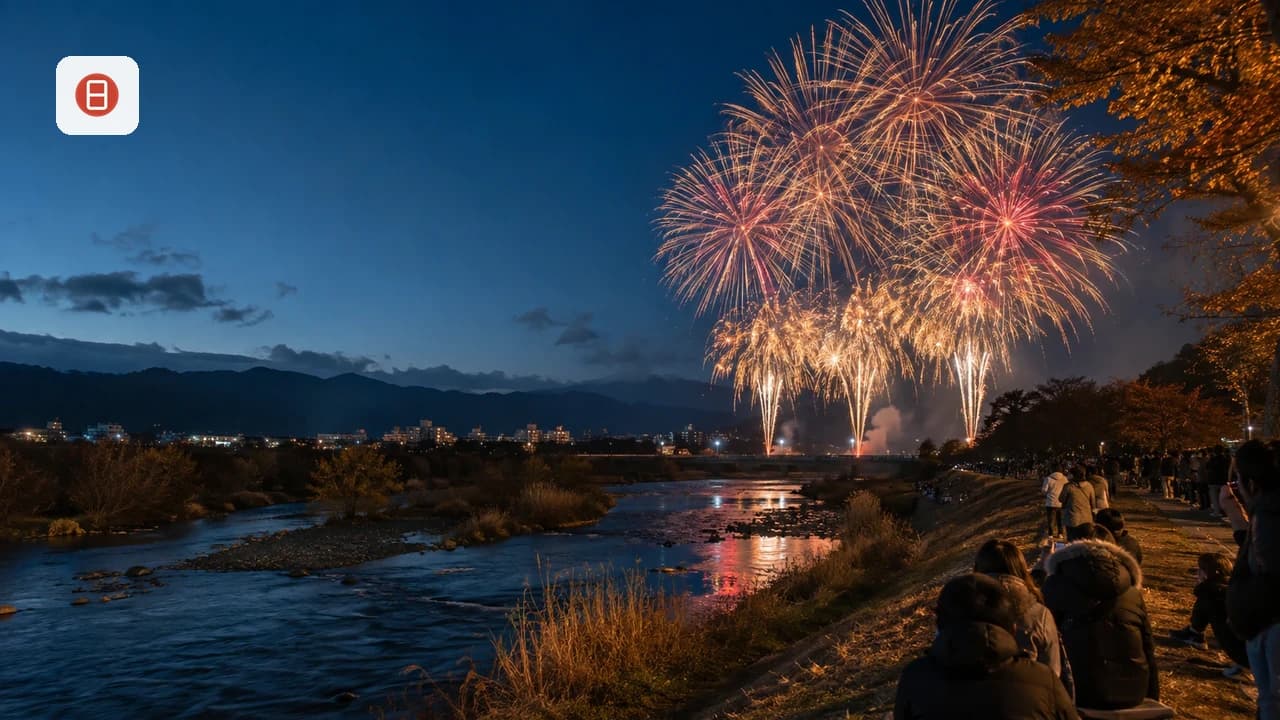
September opens with two lantern-lit weekends before the calendar turns to anime and foliage. Nozawa Onsen's Lantern Festival and Yuzawa Shrine Annual Festival run September 8 and 9, with a lantern procession and evening performances in the hot spring town. Mid-September brings the Nagano Aniera Festa, the prefecture's outdoor anime song festival at Komaba Park in Saku City, with gates opening around noon on both days. Entry runs about ¥13,000, and access is roughly 20 minutes by shuttle bus from Saku-Daira Station or about 14 minutes on foot from Kita-Nakagomi Station. A free Sunday fireworks show, the National New Fireworks Games, also runs in September from 7:00 to 8:30 p.m., showcasing younger pyrotechnic talent. October is Nagano's foliage season across the prefecture. Karuizawa's Momiji Festival runs from early September into early November, with color peaking in mid-October at higher elevations first. Yatsugatake Craft Market fills a highland field October 2 through 4, 10:00 a.m. to 4:00 p.m., with makers from across the country. Nakasendo Shionada-juku's Post Town Festival runs the second Sunday of October, about a 15-minute drive from Saku-Daira Station, with a tug-of-war tournament and taiko drumming. Matsushiro's Autumn Sanada Clan Jumangoku Festival takes over Matsushiro Castle Park the second weekend of October, with a samurai parade reachable by local bus from Nagano Station. November closes the calendar with Nagano's biggest late-season spectacle. Nagano's Ebisuko Fireworks Festival lights up the sky on November 23, typically from 7:00 to 8:30 p.m., a tradition dating back to 1899. It draws more than 400,000 spectators and is documented as Japan's largest late-autumn fireworks display.
- Nozawa Onsen Lantern Festival — September 8–9
- Nagano Aniera Festa — mid-September, Komaba Park, Saku City, about ¥13,000 entry
- Karuizawa Momiji Festival — early September–early November
- Yatsugatake Craft Market — October 2–4
- Nakasendo Shionada-juku Post Town Festival — second Sunday of October
- Nagano Ebisuko Fireworks Festival — November 23, 7:00–8:30 p.m.
Deep Dive: The Nozawa Fire Festival and Zenko-ji Ceremonies
Two rituals define Nagano's festival identity, and both reward a closer look before you travel. During Nozawa's Dosojin ritual, 42-year-old men chant atop a wooden shrine while 25-year-old men guard them from torch-bearing villagers below. Both ages are considered unlucky in local tradition, so the ritual is framed as purification rather than spectacle. After a long standoff, the shrine is finally set alight, and only registered villagers take an active role. Zenko-ji Temple runs its own year-round rituals beyond the festival calendar. Daily ceremonies center on the Binzuru statue, a wooden figure worshippers touch for healing before entering the main hall. Its history and the August dance festival built around it appear in a dedicated Binzuru Festival guide. Ceremony dates beyond the festival calendar appear on a dedicated Zenko-ji ceremony calendar. Nagano's two biggest fireworks shows, Suwa in August and Ebisuko in November, both use natural amphitheaters. Ebisuko doesn't have the same lake, but Nagano's valley setting still concentrates the sound over the crowd.
Zenko-ji's Gokaicho unveiling occurs on roughly seven-year cycles, but the temple's year-round Binzuru ceremonies remain open to visitors every season.
Niche and Modern Events Worth Planning Around
Not every event on the Nagano events calendar is centuries old. Fans of anime can add a Detective Conan real escape game near Nagano Shiyakusho-mae Station, a roughly 120-minute puzzle experience offered in Japanese only. Photography and design draw a different crowd to the Asama International Photo Festival in Miyota Town, running August 1 through September 27. Karuizawa's Picture Book Museum runs a Peter Rabbit exhibition from March 14, 2026 through January 11, 2027, with content refreshed each season. Nearby, the Erz Toy Museum shows German craft dolls and miniatures on a similar seasonal rotation. For something shorter, the Onodate Commemoration Festival at Shiojiri Pass runs for only a few tens of seconds each late June and mid-October, earning its reputation as Japan's shortest festival. Yuhara Shrine's Shikisanba, a Noh-Kyogen ritual performance with more than 250 years of history, is held the last Sunday of September in Saku City.
- Detective Conan real escape game — near Nagano Shiyakusho-mae Station
- Asama International Photo Festival — August 1–September 27, Miyota Town
- Karuizawa Picture Book Museum Peter Rabbit exhibition — March 14, 2026–January 11, 2027
- Onodate Commemoration Festival — late June and mid-October, Shiojiri Pass
- Yuhara Shrine Shikisanba — last Sunday of September, Saku City
Getting There, Getting Around, and Where to Stay
Nagano's transit hubs decide how easily you reach events outside Nagano City. Iiyama Station, on the Hokuriku Shinkansen, is the base for the Kamakura Village and events further north like the Kijimadaira illuminations. Saku-Daira Station anchors the Saku and Karuizawa side of the prefecture, including the Aniera Festa and the Saku Balloon Festival. For Aniera Festa specifically, budget about 20 minutes by shuttle bus from Saku-Daira Station, or roughly 14 minutes on foot from Kita-Nakagomi Station if you'd rather walk. International visitors chasing sports and performance tickets can use the Tickets in Japan service. It listed premium rinkside seats for the Karuizawa curling event at ¥26,000, plus a 10 percent service fee. Rail passes and bus routes for stacking multiple festivals live in the Nagano transit guide. Where you sleep should follow the festival, not the other way around. Base yourself in Nagano City for Zenko-ji's Tomyo and Ebisuko events, both within walking or short bus distance of Nagano Station. Nozawa's Fire Festival is different, since Nozawa Onsen itself is the only practical base, given the overnight-guest restriction. Neighborhood-by-neighborhood advice for festival season lives in the Nagano accommodation guide. Travelers combining Nagano with Kanazawa can ride the same Hokuriku Shinkansen line. Event dates on that side of the route line up in the Kanazawa festivals calendar.
Mistakes to Avoid When Timing a Nagano Trip
A few planning errors show up again and again. Underestimating the cold tops the list. Standing for around 3 hours on snow or ice for fireworks needs heated insoles and heavy insulation, not an ordinary coat. Booking transport late is the second mistake. Golden Week, when the Saku Balloon Festival runs, and Obon, when Suwa's fireworks peak, both sell out Hokuriku Shinkansen seats fast. Reserve seats as soon as dates are confirmed for either window. A third mistake is the last-train trap. Many fireworks shows, including Ebisuko, run past 8:00 p.m., after some local trains have already stopped for the night. Confirm return shuttle or late-train options before the event, not after it ends.
Both February's Tomyo and November's Ebisuko Fireworks require visitors to stand for around 3 hours on snow or ice, making heated insoles and heavy insulation essential rather than optional.
Frequently Asked Questions
When is the Nozawa Onsen Fire Festival held?
Nozawa Onsen's Fire Festival runs every year on January 15. Recent years have limited attendance to overnight guests in the village, so book lodging well ahead if this is the main reason for the trip.
What is the biggest fireworks festival in Nagano?
Lake Suwa's Fireworks Festival on August 15 is the largest, launching roughly 40,000 fireworks for a crowd estimated above 500,000. Nagano's Ebisuko Fireworks Festival on November 23 is smaller in shell count but still draws more than 400,000 spectators as the season's final major display.
Do you need to book ahead for the Zenko-ji Lantern Festival?
Zenko-ji's Tomyo Lantern Festival is free to attend and open to walk-up visitors around the temple in mid-February. Nagano City accommodation still fills for the festival weekend, so book a room in advance even though the event itself needs no ticket.
Is the Onbashira Festival happening this year?
The Suwa Onbashira Festival and Zenko-ji's Gokaicho both run on roughly seven-year cycles rather than annually. Check current status on the Go Nagano tourism site before building a trip around either one, since neither is scheduled every year.
How cold does it get at Nagano's winter festivals?
Nagano's winter festivals involve standing on snow or ice for extended periods, especially the Tomyo Festival in February and the Ebisuko Fireworks in November. Pack heated insoles and heavy insulation rather than ordinary city winter wear for either event.
Free guide: Japan's Hidden Gems
12 under-the-radar places beyond Tokyo & Kyoto — with the best season to visit each and a local tip you won't find in the guidebooks.
You might also like

Continue reading
More guides you'll find useful