Myoko Kogen Skiing Guide: Choosing a Resort in 2026
Plan a Myoko Kogen ski trip: compare the five independent resorts, get from Tokyo in about 2.5 hours, and pick a base in Akakura Onsen for 2026.
On this page
Last updated September 2026, this guide covers Myoko Kogen, a Niigata Prefecture powder destination reached in about 2.5 hours from Tokyo by Shinkansen plus a local transfer. Myoko Kogen is not one ski hill: it comprises five independent resorts around Mt. Myoko, each running its own ticket gate. The sections below compare those five bases, explain the last-mile transport from Myoko Kogen Station, and recommend where to stay by skill level and trip length.
What Makes Myoko Kogen Different From Nearby Valleys
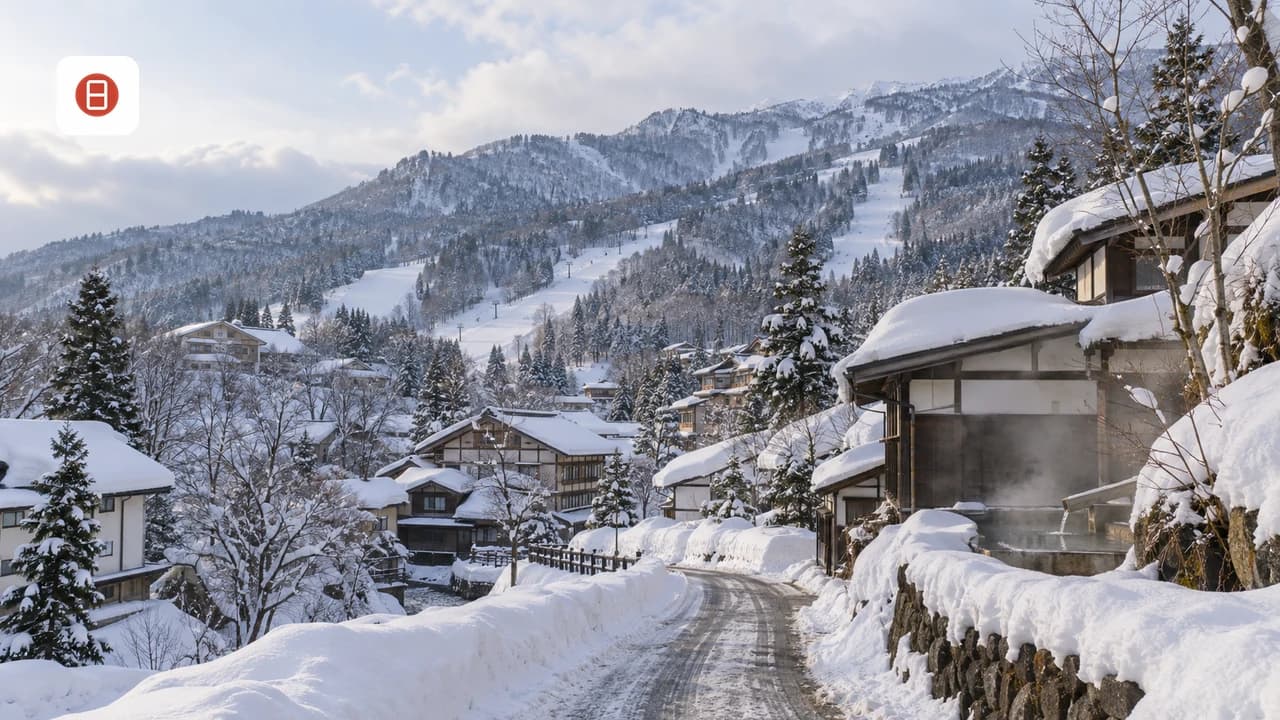
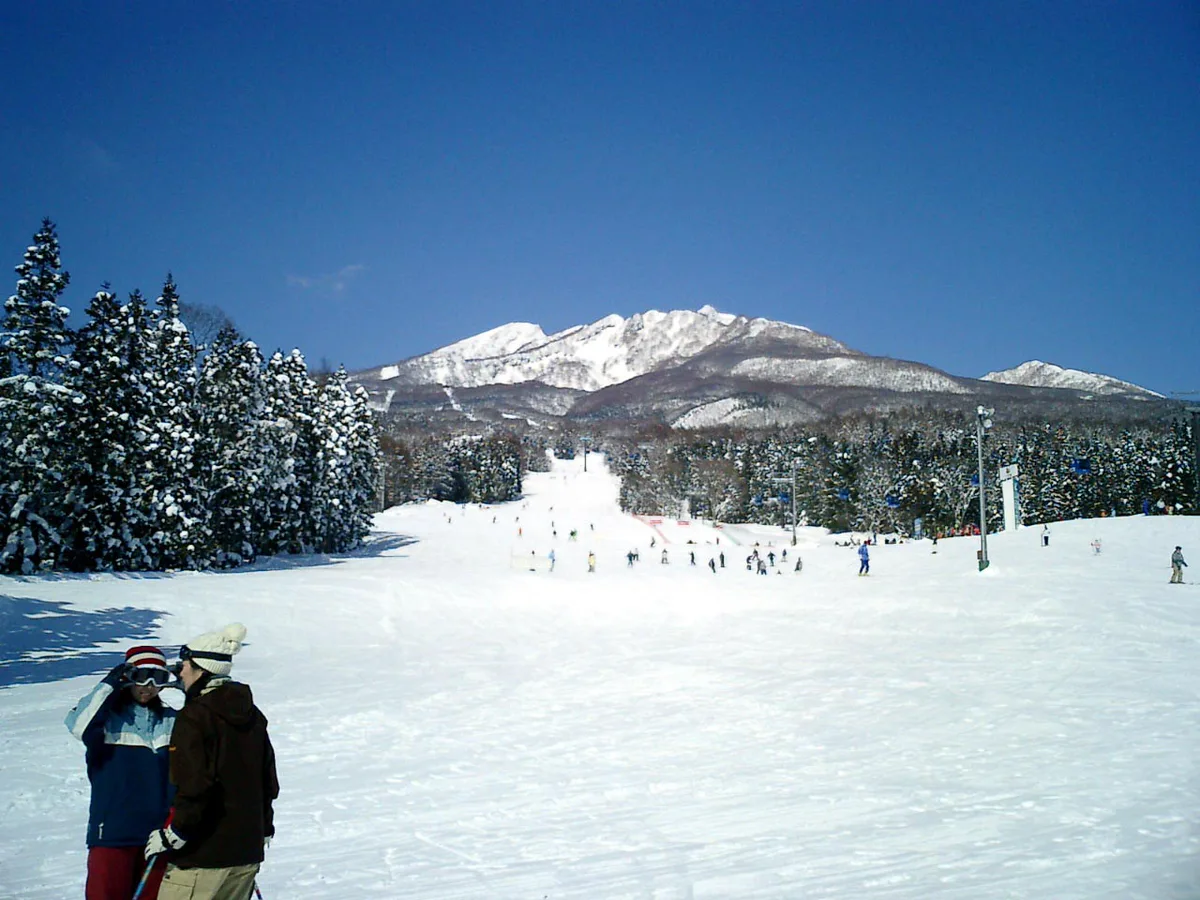
Mt. Myoko rises to 2,454 meters above resort bases that sit around 1,200 meters, and the mountain forms part of the Hokushingogaku range along the Nagano-Niigata border, alongside Madarao, Kurohime, Togakushi, and Iizuna. Myoko Kogen sits in south-western Niigata Prefecture, just across the border from Nagano. Most visitors book it through Nagano-side transit and lodging listings, even though the ski terrain itself is technically in Niigata. Average annual snowfall tops 14 meters, with January and February the deepest months and the season typically running from November into May. Track current totals on the 10 Best Things to Do in Nagano in Winter (2026) before you lock in dates. Volcanic in origin, Mt. Myoko mixes long tree-lined cruisers with steeper bump terrain and pockets of off-piste snow between resort boundaries. Hakuba Valley groups ten resorts with a combined 135 lifts and more than 200 runs, according to Hakuba Valley Tourism, while Myoko keeps its five resorts separate. International skiers who want an older-style Japanese ski town, rather than a larger international-resort feel, tend to choose Myoko Kogen for that reason.
Choosing Your Base: Comparing Myoko Kogen's Five Resorts
Myoko Kogen's five main resorts sit within a short drive of each other, but they don't share lifts, and only four are sold on a joint ticket. A bundle often called the Big 4 pass covers Akakura Onsen, Akakura Kanko, Ikenotaira Onsen, and Suginohara. Seki Onsen sells only its own separate ticket, since its two-lift setup stays outside the bundle. Lift prices shift season to season, so confirm current rates directly on each resort's site before comparing the bundle against single-resort tickets. The table below sorts the five by who they suit best.
Suginohara features Japan's longest run at 8.5km. Conditions are prime in January and February when snow depths peak.
| Resort | Best For | Skill Level | Crowd Factor | Key Detail |
|---|---|---|---|---|
| Akakura Onsen | Nightlife, dining, village atmosphere | Beginner-friendly | Busiest of the five | Main lodging hub, about 10 min taxi from Myoko Kogen Station |
| Akakura Kanko (Akakan) | Intermediate cruising, upscale hotels | Intermediate | Moderate | Akakura Kanko Hotel opened in 1937 |
| Suginohara | Vertical drop, long groomed runs | Intermediate to advanced | Moderate | Home to an 8.5km run, the longest in Japan |
| Ikenotaira Onsen | Terrain park riders, wide mellow slopes | Beginner to intermediate | Quieter | Wide slopes plus a dedicated terrain park |
| Seki Onsen | Deep powder, steep rustic terrain | Advanced | Smallest crowds | Served by just 2 lifts |
- Families and first-time visitors usually settle in Akakura Onsen for its restaurant density and short taxi ride from Myoko Kogen Station.
- Advanced skiers chasing untracked snow gravitate toward Seki Onsen or Suginohara's steeper sections.
- Riders who want a terrain park without Akakura's crowds tend to head to Ikenotaira instead.
- Off-piste terrain around and between the resorts is extensive, but only some of it is patrolled; unpatrolled zones carry avalanche risk and are best skied with a local guide or an experienced partner, since Myoko has no single authority managing backcountry safety across all five areas.
Essential Logistics: Getting to Myoko Kogen and Around It
Tokyo to Myoko Kogen takes about 2.5 hours door-to-door, though the route splits into two options depending on where you land. The Nagano route runs the Hokuriku Shinkansen to Nagano Station, then a local train or shuttle bus onward, and suits travelers booking scheduled shuttle transfers. Those bound for Joetsu-Myoko Station instead sit closer to the car rental counters clustered near its station exits. Myoko Kogen Station itself only handles local access. It's about 10 minutes from Akakura Onsen by taxi or shuttle, and it is not ski-in/ski-out, so budget that final leg into arrival timing. Renting a car means a straightforward 25-30 minute drive up Route 18 from Joetsu-Myoko Station, though winter conditions make a 4WD non-negotiable rather than optional. Skiers without a car typically default to staying in Akakura Onsen. From there, the inter-resort mountain shuttle bus reaches Suginohara, Ikenotaira, or Seki Onsen for the day. Confirm the shuttle's current timetable locally, since schedules shift within a season. Scheduled airport shuttle buses start around ¥11,900 per adult. Private direct transfers start from roughly ¥120,000 for a group of five with ski gear, worth weighing against a rental car's flexibility. For current transit details on the Nagano side, the Go Nagano tourism guide is a useful reference. On the Niigata side, the Myoko City official tourism site covers local transport and conditions.
A 2.5-hour journey from Tokyo supports a 2-3 day ski trip centered in Akakura Onsen plus a side day at another resort.
Onsen, Food, and Culture Beyond the Slopes
In Buddhist tradition, Myoko's name translates to holy mountain standing at the center of the universe. Mt. Myoko still functions as a traditional retreat for Japan's imperial family. Local onsen draw their water from the Jigoku-dani valley between Mt. Myoko and Mt. Maeyama, and most base villages have at least one public bathhouse within walking distance. Skiing here dates back to 1911, making Myoko one of the oldest established ski areas in the world. By the 1930s, Myoko Kogen had become Japan's first international winter resort. For lodging directly on the snow, Sora Tobu Usagi is a popular ski-in, ski-out pick in the Suginohara area. More than fifty restaurants operate across the Myoko resorts and Akakura village, serving Japanese and Western meals with vegan and gluten-free options at several spots. Order sasazushi, sushi served on bamboo leaves, or takenoko jiru, a bamboo-shoot miso soup, alongside local soba noodles. Niigata is known for its sake and koshihikari rice, and both show up on menus throughout Akakura Onsen.
Planning a Myoko Kogen Itinerary: Short Stay vs Long Stay
A 2-3 day trip covers Myoko Kogen well if you center it on Akakura Onsen for lodging and dining. Split off a day or two at Suginohara for the long groomed runs. That short window leaves little time for anything beyond the lifts, so save side trips for a longer stay. A 5+ day trip has room for a rest day away from the snow. The Jigokudani Monkey Park day trip runs daily shuttles from Akakura Onsen in season. For full planning details on that outing, the snow monkey park guide covers timing and access. Togakushi Shrine, reachable in about 45 minutes by car, sits among cedar trees estimated at 900 years old. Lake Nojiri, a glacial lake inside Joshinetsu Kogen National Park, is about a 10-minute drive away and makes an easy half-day stop. Nozawa Onsen, another hot-spring ski town, is roughly an hour's drive and works well as a change-of-scenery day. Matsumoto Castle is about a 70-90 minute drive and pairs well with a broader look at the 15 Best Matsumoto Attractions (2026 Guide) nearby. Rest-day options closer to Nagano city are outlined on the Nagano attractions guide, useful if travel plans route through Nagano Station anyway.
Mistakes to Avoid in Myoko Kogen
A few recurring missteps cost visitors time and money in Myoko Kogen.
- Booking lodging listed as Myoko that turns out to be located in Arai or Joetsu, roughly 30 minutes away rather than in walking distance of Akakura Onsen.
- Assuming lifts connect all five resorts. They don't: moving between Akakura, Suginohara, Ikenotaira, and Seki Onsen means the mountain shuttle bus or a car.
- Missing the last shuttle back from a resort at night, when taxis are limited and pricier than during the day.
For the wider city context, see our complete Nagano tourism attractions guide.
Frequently Asked Questions
Is Myoko Kogen one ski resort or several?
Myoko Kogen is a collection of five independent resorts around Mt. Myoko. Akakura Onsen, Akakura Kanko, and Suginohara sit closest together. Ikenotaira Onsen and the smaller Seki Onsen round out the group. Four of the five share a joint lift ticket often called the Big 4 pass, while Seki Onsen sells only its own ticket.
How do you get from Tokyo to Myoko Kogen?
The trip takes about 2.5 hours on the Hokuriku Shinkansen plus a local transfer. Trains bound for Nagano Station suit travelers using a scheduled shuttle bus onward. Those bound for Joetsu-Myoko Station instead sit closer to car rental counters near the station exits. From either station, budget extra time for the last-mile transfer into Akakura Onsen.
Which Myoko Kogen resort is best for beginners?
Beginners tend to do well at Akakura Onsen or Ikenotaira Onsen. Akakura Onsen wins on restaurant density and a short taxi ride from Myoko Kogen Station. Ikenotaira Onsen counters with wider, mellower slopes and a dedicated terrain park for anyone easing into powder.
Do you need a rental car in Myoko Kogen?
Not if you base yourself in Akakura Onsen and use the mountain shuttle bus to reach the other resorts. A rental car adds flexibility, particularly for day trips to Togakushi or Matsumoto Castle. Rental counters cluster near Joetsu-Myoko Station, about a 25-30 minute drive from Akakura via Route 18. Winter conditions make a 4WD rental non-negotiable.
When is the best time to ski Myoko Kogen?
January and February bring the deepest snow, with the season typically running from November into May. Average annual snowfall tops 14 meters, among the heaviest totals in Japan. Confirm current conditions closer to your trip since totals vary year to year.
Free guide: Japan's Hidden Gems
12 under-the-radar places beyond Tokyo & Kyoto — with the best season to visit each and a local tip you won't find in the guidebooks.
You might also like
Continue reading
More guides you'll find useful