

Nozawa Onsen Ski Guide: Slopes, Public Onsens & Local Tips
Plan a Nozawa Onsen ski trip: 44.5km of terrain across 16 lifts, 13 free public onsens, 2026-27 lift pass pricing, and where to stay near the slopes.
On this page
Last updated September 2026. Nozawa Onsen ski terrain spans 44.5 km of runs and a 1,085m vertical drop. Beginner-friendly Hikage slopes sit beside steeper pitches off the Yamabiko chairlift. Village ownership of the resort means you can end most ski days in one of 13 free public bathhouses instead of a hotel spa.
Why Choose Nozawa Onsen Ski Resort
Nozawa Onsen sits in Nagano Prefecture, where hot springs have fed the village for more than a thousand years, long before anyone strapped on skis here. The resort's own ski school recently marked a century of operation, according to the official portal, placing Nozawa among Japan's longest-running ski areas. It also served as the biathlon venue for the 1998 Nagano Winter Olympics. Locals still treat the mountain as part of daily village life, not a separate destination. A single lift pass covers 44.5 km of marked runs across a 1,085m vertical drop, from Mount Kenashi's 1,650m summit down to the 565m base. What sets Nozawa apart from Japan's larger resorts is ownership. Its mountain company answers directly to the village itself. Ski runs, cobblestone lanes, and public bathhouses form one connected system, not a resort bolted onto a town. First-time visitors researching 9 Best Things to Do in Nozawa Onsen (2026 Guide) beyond the slopes will find that same village-first character elsewhere too. Festivals, food stalls, and hot-spring rituals appear throughout the rest of this guide.
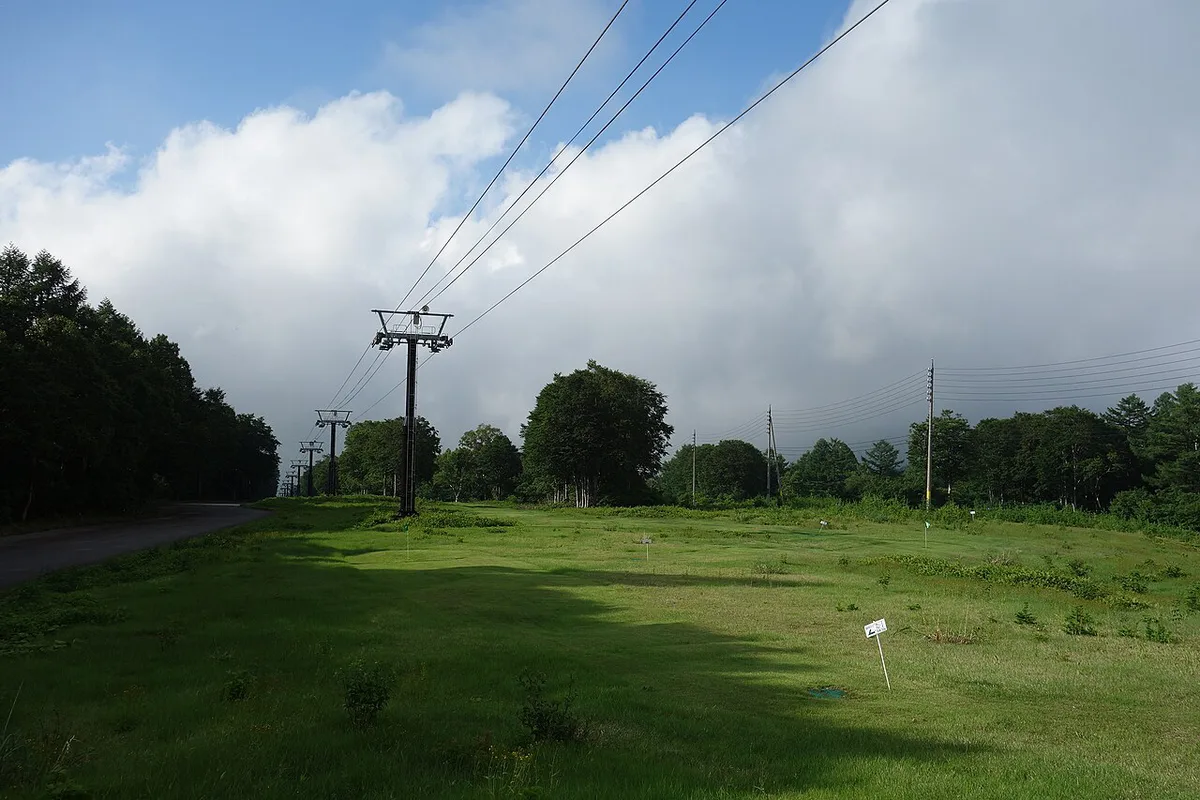
Terrain, Lifts, and Elevation at Nozawa Onsen
Sixteen lifts move skiers and riders across the mountain, including two gondolas that anchor the lower and mid-mountain zones. Nagasaka Gondola is the main access point from the village, feeding long cruising runs that suit intermediate skiers looking for mileage. Hikage Gondola serves a separate beginner area and the ski school, keeping first-timers away from faster through-traffic. Nearby Uenotaira adds another gentle, low-angle zone for early turns before graduating to steeper terrain. Yamabiko chairlift pitches sit at the other end of the difficulty scale, with some of the mountain's steepest groomed and off-piste lines. Marked self-responsibility zones let experienced powder skiers duck into ungroomed forest terrain at their own risk. A Japanese Ski Museum sits within the resort area, covering the sport's century of local history.
| Stat | Figure |
|---|---|
| Total terrain | 44.5 km |
| Lifts | 16 |
| Elevation range | 565m–1,650m |
| Vertical drop | 1,085m |
| Easy terrain | 22.1 km (50%) |
| Intermediate terrain | 13 km (29%) |
| Difficult terrain | 9.4 km (21%) |
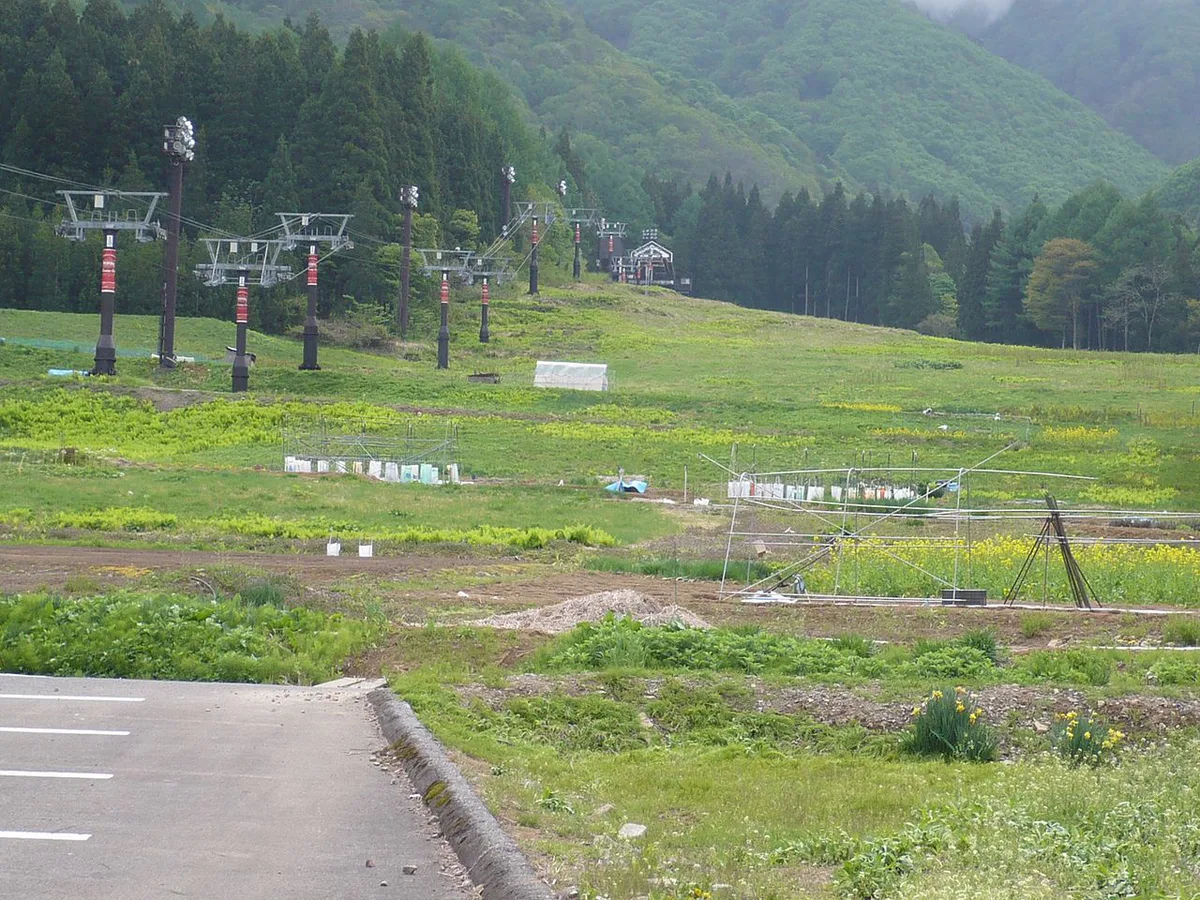
Lift Passes, Season Dates, and Rental Gear
As of 2026, published day-ticket rates list adult passes at ¥7,500 and children's passes at ¥4,500 during main season. Rates and any 2026-27 adjustments are confirmed on the official Nozawa Onsen Snow Resort site before each winter. The 2026-27 season is scheduled to run from November 28, 2026 through May 6, 2027, with the mountain typically operating 08:30 to 17:00 daily. January and February typically bring the deepest snowpack, so target those months if powder is your priority. High-performance rental gear, including boards and boots sized for advanced skiers, is available at Salomon Station on the third floor of the Nagasaka Center House. Getting to the resort starts with reaching the village, and the transport guide from Tokyo covers full train and bus details. Live snow reports and webcam feeds from points like Nagasaka and Yamabiko help confirm conditions before heading up each morning. Skiers heading off-piste should review the official portal's backcountry safety guidelines first, since terrain beyond the marked boundary carries real avalanche risk.
Day passes cost ¥7,500 per adult, while nightly accommodation starts from ¥79,000; most visitors find lodging, not lift tickets, the major expense.
Where to Stay: Slopeside Chalets vs Village Guesthouses
Where you stay in Nozawa Onsen mostly comes down to one trade-off between proximity to the Nagasaka Gondola and proximity to the village center. Properties within 100 to 150 meters of the gondola put skiers on the snow first thing. That convenience comes at a premium price and a longer walk down to dinner. Center-village addresses trade a short uphill walk for easy access to onsens and restaurants. The Yu-road moving walkway then links the lower town to the ski area. Budget-focused travelers often look toward the outskirts, where rates drop but a shuttle or a longer walk becomes part of the daily routine. A full breakdown of neighborhoods, room types, and booking windows sits in the Nozawa Onsen accommodation guide.
| Feature | Slopeside (Upper Village) | Center Village | Lower Village/Outskirts |
|---|---|---|---|
| Best for | First tracks, families with gear | Foodies, nightlife, onsen hopping | Budget travel, quiet, local feel |
| Pros | Ski-in/ski-out access | Heart of the action | Peaceful, panoramic views |
| Cons | Steep walk to dinner | Can be noisy; gear carry | Requires a shuttle or long walk |
| Example | Nozawa Slopeside Chalet | Nozawa House | Harvest House |
- Nozawa Slopeside Chalet: from ¥160,000 per night, 100m from Nagasaka Gondola, up to 10 guests across 4 bedrooms.
- Nozawa Views Apartment: from ¥98,500 per night, 120m from Nagasaka Gondola, ski-in/ski-out for up to 6 guests.
- Harvest House Nozawa: from ¥79,000 per night, 100m from Nagasaka Gondola, sleeps up to 6 near open rice paddies.
- Nozawa House: from ¥79,000 per night, 3 bedrooms, sleeps up to 8, a short stroll from the village center.
- Nozawa Cottage: from ¥79,000 per night, 150m from Nagasaka Gondola, sleeps up to 6, near the Sparena open-air onsens.
- Taki no yu Lodge: from ¥158,500 per night, 7 bedrooms, sleeps up to 14, with a public onsen directly across the street.
The 13 Free Public Onsens and Village Culture
Thirteen free public bathhouses, known locally as sotoyu, sit scattered through the village and stay open to residents and visitors alike. None of them supply towels or soap, so pack both before heading out for a post-ski soak. Steam typically rises from vents along the main street, visible evidence of the geothermal source feeding all thirteen baths. Water temperatures run hot by international standards, and several baths post warnings about scalding. Ease in slowly rather than stepping straight into the deepest pool. Each January 13 through 15, the village holds the Dosojin Fire Festival, a set of sacred rites and communal bonfire rituals that predate the ski resort by centuries. Full viewing logistics and safety notes sit in the Dosojin Fire Festival guide. Apres-ski here means Nozawana pickled greens at village restaurants, not a chairlift bar. Narrow lanes connect the sotoyu to small inns and noodle shops, all walkable without a car. Naski, the resort's mascot, shows up on everything from trail maps to gift-shop keychains. For a complete rundown of bathhouse etiquette and locations, see the public baths guide.
Planning a Short or Long Nozawa Onsen Trip
A two- to three-day trip centers on the Yamabiko zone at the mountain's top and the onsens nearest the Nagasaka Gondola. That window covers the resort's steeper upper terrain one day, easier cruising runs the next, and at least one evening free for bathhouse hopping. Travelers visiting outside the winter ski season can still try the resort's 500m dry ski slope. This summer-only training run stays open when the lifts do not. Regional context, including how Nozawa compares to nearby ski areas, is covered in the 10 Best Things to Do in Nagano in Winter (2026). Nagano Prefecture's official tourism portal lists winter sports among the region's core visitor draws, alongside the Japan Alps scenery surrounding Nozawa. Anyone extending a trip beyond the ski resort should check Nagano's festival calendar for events that overlap a winter visit. The Nagano attractions guide rounds out sightseeing beyond the mountain.
With easy terrain covering 22.1 km (50%), two- to three-day stays suit mixed-ability groups rotating between beginner and intermediate slopes daily.
- Short stay, 2-3 days: ride the Yamabiko zone near the summit, rotate through 2-3 village sotoyu each evening, and keep dinners in the center village for easy walking.
- Long stay, 5+ days: add a day trip to Jigokudani Snow Monkey Park Travel Guide, and reserve at least one lower-key day for the village's own onsen circuit.
Common Mistakes First-Time Visitors Make
A few avoidable mistakes trip up first-time visitors to Nozawa Onsen every season. Checking lift-pass and gondola operating hours the night before, rather than at the ticket window, also avoids a slow start on a powder morning.
- Carrying only cards: many small village eateries and food stalls accept cash only, so keep yen on hand for lunch on the mountain.
- Skipping the heat warning: Nozawa's public baths run hotter than most Western hot tubs, so jumping straight into the deepest sotoyu can scald unprepared visitors.
- Missing the last shuttle: guests staying at outskirt or upper-village lodging should confirm the final shuttle time back from the village, since a missed connection means a long walk in ski boots.
Frequently Asked Questions
How many kilometers of ski terrain does Nozawa Onsen have?
Nozawa Onsen Ski Resort covers 44.5 km of marked terrain served by 16 lifts. Runs split roughly 50% easy, 29% intermediate, and 21% difficult. That terrain spans a 1,085m vertical drop, from the 565m base to the 1,650m summit of Mount Kenashi.
How much does a Nozawa Onsen lift pass cost?
As of 2026, published adult day tickets run ¥7,500 and children's tickets run ¥4,500 during main season. Confirm exact 2026-27 pricing on the official resort site before you book, since rates are typically refreshed each autumn.
Should you stay near the Nagasaka Gondola or in the village center?
Stay near the Nagasaka Gondola for first tracks and easier gear hauling, especially with kids. Choose the village center instead for easier access to restaurants, nightlife, and onsen hopping between runs. Budget travelers often do better on the outskirts, trading a short shuttle ride for lower rates.
When does the Nozawa Onsen ski season run in 2026-27?
Published operating dates list the 2026-27 season from November 28, 2026 through May 6, 2027. Daily hours run around 08:30 to 17:00. January and February typically bring the deepest snowpack, so plan a powder-focused trip around those months.
What is the Dosojin Fire Festival, and when does it happen?
The Dosojin Fire Festival runs every year from January 13 to 15 in Nozawa Onsen village. It centers on sacred rites and a communal bonfire ritual that predates the ski resort itself.
Where can you rent ski or snowboard gear in Nozawa Onsen?
High-performance ski and snowboard rental packages are available at Salomon Station, on the third floor of the Nagasaka Center House. Reserving gear before arrival is worth considering during the January and February peak, when the best sizes go first.
Is Jigokudani Snow Monkey Park a good day trip from Nozawa Onsen?
Jigokudani Snow Monkey Park Travel Guide works well as a day trip for travelers staying five or more days in Nozawa. Pair it with a lower-key village day, since round-trip travel plus park time takes up most of a full day.
Free guide: Japan's Hidden Gems
12 under-the-radar places beyond Tokyo & Kyoto — with the best season to visit each and a local tip you won't find in the guidebooks.
You might also like


Continue reading
More guides you'll find useful


