

Rusutsu Resort Guide: Skiing, Summer Fun, and Local Logistics
Plan a Rusutsu Resort trip with details on Mt. Isola tree skiing, the summer amusement park, transit from Sapporo, and Epic Pass basics.
On this page
Last updated September 2026, this guide covers Rusutsu Resort, Hokkaido's largest single ski-and-amusement-park property. Rusutsu spans three linked mountains: West Mountain, East Mountain, and Mount Isola. Its 37 courses and lift-served tree skiing give it a reputation few Japanese resorts match, while a working amusement park and four golf courses take over the same base area each summer.
Rusutsu Resort at a Glance: Location, Scale, and the Three-Mountain Layout
Rusutsu Resort sits roughly 90 minutes by road from Sapporo. Kamori Kankō operates the entire property as a single all-in-one destination, so one ticket covers skiing, dining, and hotel access across the whole mountain. Three connected zones make up the ski area: West Mountain, East Mountain, and Mount Isola. Each carries its own character, and the split matters more here than at most Japanese resorts, since where you stay can shape how much of the terrain you actually reach.
For how Rusutsu fits among the island's other ski areas, see the Hokkaido ski resorts guide.
- Terrain: 37 courses across roughly 26 miles (42 kilometers), spread over three connected mountains
- Vertical drop: 1,949 feet (594 meters), from a 1,312-foot (400-meter) base to a 3,261-foot (994-meter) summit
- Skiable area: about 524 acres (2.12 square kilometers)
- Lifts: 19 total, including 4 gondolas and 7 quad chairlifts, rated for roughly 30,300 riders per hour
- Longest run: 2.2 miles (3.5 kilometers)
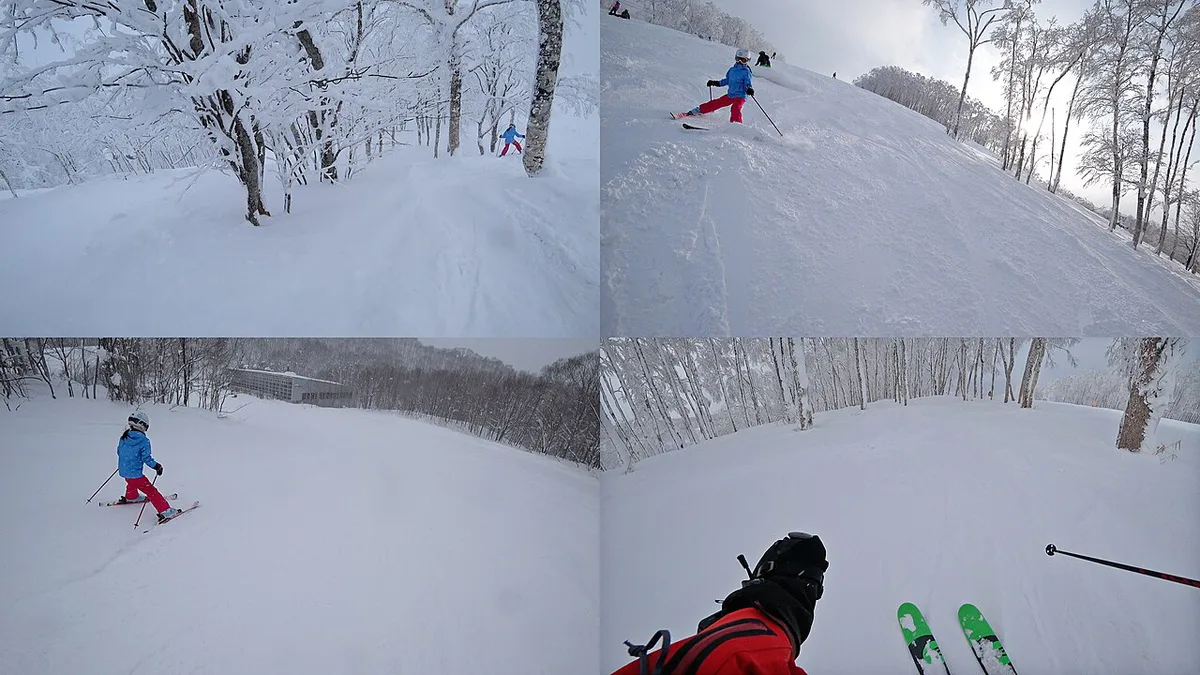
Winter Terrain: West Mountain versus East Mountain and Mount Isola
West Mountain holds most of the beginner and low-intermediate terrain, and it sits closest to the main hotel complex. Night skiing also runs on West Mountain, which makes it the practical base for arrivals who want to ski the same evening they land. East Mountain and Mount Isola carry the steeper pitches, and Isola in particular is where Rusutsu earns its reputation for lift-accessed tree runs. Powder skiers typically ride past West Mountain's gentler pitches straight toward Isola's gladed terrain on a fresh-snow morning.
For deeper context on what makes Hokkaido's snow distinct, see the Hokkaido Powder Guide 2026-27: Niseko vs. Furano, Passes, and Backcountry Basics.
- Beginner: 10 courses
- Intermediate: 12 courses
- Advanced: 11 courses
- Very advanced: 4 courses
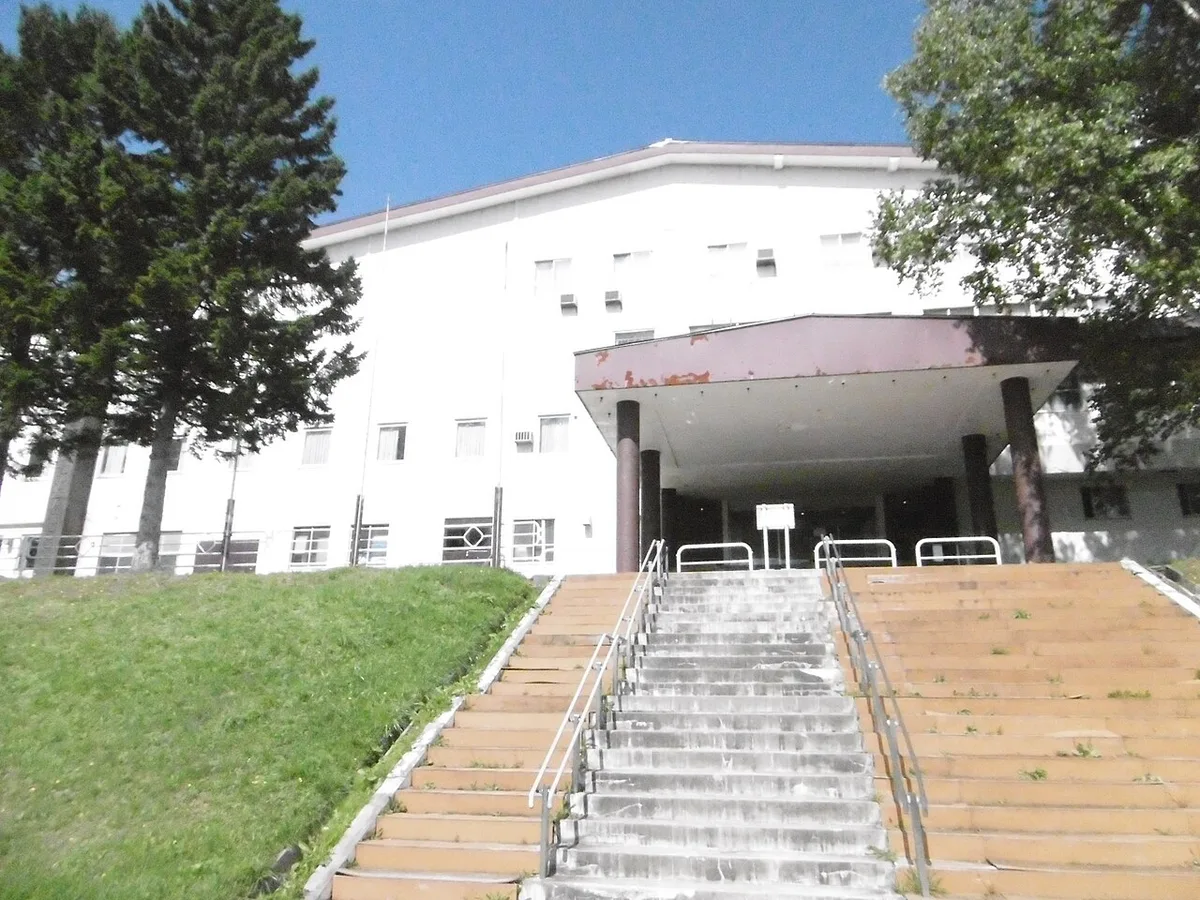
Lift Infrastructure and Night Skiing
Rusutsu runs 19 lifts across its three mountains, and the mix by zone explains where the terrain gets serious. Several quad chairlifts use enclosed, heated cabins, often called hooded quads, which shelter riders on longer climbs toward Isola. Gondola service moves large groups quickly between base areas and the upper mountain, supporting a combined capacity rated near 30,300 riders per hour.
Isola carries the highest share of quad chairs relative to its total lift count, which moves powder skiers uphill fast on a big-snow day. Night skiing operates on West Mountain; check Rusutsu's official winter site for current hours, since they shift with daylight and staffing.
| Mountain | Lifts | Gondolas | Quad chairs | Pair chairs |
|---|---|---|---|---|
| West Mountain | 5 | 1 | 2 | 2 |
| East Mountain | 8 | 2 | 1 | 5 |
| Mount Isola | 6 | 1 | 4 | 1 |
| Total | 19 | 4 | 7 | 8 |
Epic Pass at Rusutsu: What to Confirm Before You Book
Rusutsu has appeared among Epic Pass's Japan resort listings in recent seasons, which is part of why it draws pass holders alongside independent powder travelers. Multi-resort passes typically grant a set number of resort days rather than unlimited access, and blackout dates often apply during the busiest holiday weeks. Add-ons such as night skiing are commonly sold separately from the base pass at Japanese resorts, so do not assume every lift and every hour is included. Confirm current-season inclusions, blackout dates, and any night-skiing add-on directly with Epic Pass before building an itinerary around specific dates.
Summer at Rusutsu: Amusement Park, Golf, and Family Activities
An amusement park runs alongside the golf courses once the snow melts, unusual among Hokkaido's ski properties. More than 60 attractions fill the park, including 8 roller coasters built between 1983 and 2005, ranging from looping steel designs to a suspended coaster. Outdoor swimming attractions run during the summer vacation season and can open for as briefly as four weeks starting in late July.
Winter features 37 courses for skiers; the same property becomes a family park in summer with more than 60 attractions and 8 roller coasters.
Golf runs across four courses, Tower, Izumikawa, River, and Wood, totaling 72 holes between them. A ride on the Yotei Gondola is part of the resort's summer sightseeing offerings, bundled directly into its day-ticket packages.
Between the summer pool season and full snowfall, Rusutsu also runs an autumn program it brands the Autumn Resort. The 2026 edition opened September 1 with a Mt. Yotei Foothills food fair featuring seasonal menus. Families splitting a Hokkaido trip between mountains and cities can pair a Rusutsu day with the Hokkaido attractions guide for non-ski stops.
- Sheep petting with lambs born on site
- A sheepdog show demonstrating herding runs
- A group sheep-herding experience for larger parties
- A light maze lit for evening visits
- An indoor wave pool for year-round swimming
- Pickleball courts, per the resort's current listings
Getting to Rusutsu from New Chitose Airport and Sapporo
Sapporo sits roughly 90 minutes from Rusutsu by road, which keeps a day trip realistic if the rest of a stay is based in the city. New Chitose Airport connects to the resort by scheduled bus, including a shuttle marketed as Big Runs that runs directly between the airport and Rusutsu's hotels. Confirm the current timetable and fare on Rusutsu's official winter site before locking in a fixed arrival time, since schedules shift by season.
A notice posted September 17, 2026 on the resort's own site confirmed a new fare for winter-season buses between Sapporo and Rusutsu. That marks a change from prior seasons, when the route carried no separate charge. Build the current fare into the trip budget rather than assuming a free transfer, and check the exact amount on the same official page before departure.
For flight and rail options into the island generally, see the getting to Hokkaido guide.
Where to Stay and Eat at Rusutsu
Rusutsu's lodging sits inside three main options: The Westin Rusutsu Resort, the Rusutsu Resort Hotel & Convention, and The Vale Rusutsu. The Westin occupies the 259-foot (79-meter) tower building that opened in 1993 under the name Rusutsu Tower, renamed on July 8, 2016. A slope car, a small rack monorail, links the Westin to South Wing. The Tower Pair Lift also connects the Westin directly to East Mountain, which matters for anyone wanting a ski-in room.
The Vale Rusutsu runs on a condo-style layout with kitchens, which suits longer stays or groups splitting meal costs. Combined, the resort's hotel buildings hold capacity for up to 4,000 guests. Its own site description notes hot springs at the hotel for post-ski recovery. Pair that with the wider 10 Best Hokkaido Onsen Resorts to Visit (2026 Guide) when planning where to soak after a powder day.
Dining stays inside what amounts to a resort bubble. Hotel restaurants cover the basics well, but options thin out fast once you look beyond the base area. That trade-off is worth weighing against Niseko's skiing scene, where multiple villages spread restaurants and bars across a much wider footprint.
Rusutsu versus Niseko, Furano, Tomamu, and Kiroro
Rusutsu's main trade-off against its neighbors comes down to convenience versus variety. In our editorial assessment, Rusutsu's lift capacity and lift-served tree skiing give it an edge for skiers who want more time on snow and less time transferring between areas. Niseko counters with a wider spread of restaurants and nightlife split across several villages, which suits travelers who want options after the lifts close.
Two other Hokkaido options round out the comparison for travelers building a longer trip. Furano runs as a town-based resort with its own terrain and lodging spread through the community. See the Furano Ski Resort Guide 2026: Zones, Lift Tickets, and Backcountry Gates for specifics. Tomamu is a Hoshino Resorts property with its own distinct winter program. Details are in the Hoshino Resorts Tomamu Guide: RISONARE vs. The Tower & Seasonal Tips. Kiroro rounds out the list as a smaller-footprint resort worth comparing on terrain style and lift lines. The Kiroro Ski Resort Guide: Hokkaido's Best-Kept Powder Secret covers what to expect there. Niseko's non-ski side is covered in the Niseko attractions guide. Snow-season specifics for Niseko sit in a separate Niseko Snow Season Guide: Best Time to Ski & Ride.
| Category | Rusutsu | Niseko |
|---|---|---|
| Terrain style | Lift-served tree skiing across three connected mountains (37 courses, 26 mi / 42 km) | Terrain split across multiple villages and operators |
| Lift capacity | 19 lifts, including 4 gondolas and 7 quad chairs, rated near 30,300 riders per hour | Several independently run lift systems, no single combined resort figure |
| Dining and nightlife | Concentrated in resort hotels, thinner beyond the base area | Spread across a larger number of independent restaurants and bars |
| Best fit | Skiers prioritizing terrain access and an on-site summer amusement park | Travelers prioritizing nightlife and dining variety alongside skiing |
Lift Tickets, Costs, and Mistakes to Avoid
Rusutsu publishes current lift-ticket rates on its own official site rather than through third-party resellers. Check Rusutsu's winter site for the day's exact pricing before departure. Kamori Kankō runs the whole mountain as a single operation, so one ticket covers West Mountain, East Mountain, and Isola. That differs from Niseko's multi-operator structure, where separate zones can mean separate passes, making Rusutsu's single ticket one of its clearer cost advantages.
August is peak summer season, but the outdoor pool runs only four weeks starting in late July, so mid-to-late August visitors might miss it.
January delivers the most reliable natural snowfall for tree skiing on Isola and East Mountain, consistent with the winter season overview on Visit Hokkaido's official site. Pair trip timing with the broader best time to visit Hokkaido guide when picking exact dates. February overlaps with Sapporo's winter festival season, covered in the Sapporo winter guide. August lines up with the resort's peak summer operation, including whichever part of the roughly four-week outdoor pool window falls inside the trip dates.
- Booking a West Mountain-only room while planning to ski Isola powder daily, since transit between the zones takes real time each way
- Missing the last uphill Isola Gondola departure and getting stuck on the wrong side of the mountain at closing
- Assuming Rusutsu's ticket structure matches Niseko's multi-operator system, when one Rusutsu ticket already covers all three mountains
How to Move Between West Mountain, East Mountain, and Isola
Rusutsu’s three mountains share one lift ticket, but they do not ski like one compact bowl. West Mountain is closest to the main resort buildings and is the easiest zone for beginner laps or evening skiing. Reaching East Mountain and Mount Isola requires a deliberate transfer, so allow extra time at the start and end of the day.
On a powder morning, head toward East and Isola early instead of spending several runs on West Mountain. Isola is the furthest zone and has the resort’s best-known tree terrain. Returning late can be less convenient because uphill gondola operations end before the whole resort feels finished.
- Base near West Mountain for beginners, hotel convenience, and night skiing.
- Start early for East Mountain or Isola if powder and advanced terrain are priorities.
- Check the day’s lift-status board and final uphill-gondola time before skiing away from your accommodation.
For mixed-ability groups, agree on a meeting point before splitting up. Mobile reception and changing weather can make an improvised reunion slower than expected.
Frequently Asked Questions
How do you get to Rusutsu Resort from Sapporo or New Chitose Airport?
Sapporo sits roughly 90 minutes away by road. New Chitose Airport connects by scheduled bus, including a shuttle marketed as Big Runs. Check the current timetable and fare on Rusutsu's official winter site before booking, since a new winter bus fare between Sapporo and Rusutsu began in September 2026.
Is Rusutsu better than Niseko for skiing?
In our editorial assessment, Rusutsu has the edge on lift-served tree skiing and lift capacity, with 19 lifts including 4 gondolas and 7 quad chairs. Niseko answers back with more restaurants and nightlife spread across several villages. Which one fits depends on whether terrain access or evening variety matters more for the trip.
What is there to do at Rusutsu in summer?
Summer brings an amusement park with more than 60 attractions, including 8 roller coasters. Golf runs across four courses totaling 72 holes, and outdoor swimming attractions open for as briefly as four weeks from late July. Family activities include sheep petting, a sheepdog show, and an indoor wave pool.
Does Epic Pass cover Rusutsu Resort?
Rusutsu has appeared on Epic Pass's Japan resort list in recent seasons, but inclusions and blackout dates change year to year. Add-ons such as night skiing are commonly sold separately from the base pass at Japanese resorts. Confirm current details directly with Epic Pass before finalizing dates.
Which mountain should you ski at Rusutsu: West, East, or Isola?
West Mountain suits beginners, families, and night skiing, and sits closest to the main hotels. East Mountain and Mount Isola carry the steeper, more advanced terrain, with Isola holding Rusutsu's best-known tree runs. Plan lodging near the zone matching the trip's main goal, since moving between mountains takes real time.
Where should you stay at Rusutsu Resort?
The Westin Rusutsu Resort occupies the resort's tower building and connects to East Mountain by the Tower Pair Lift. Rusutsu Resort Hotel & Convention offers the most central base for mixed-ability groups. The Vale Rusutsu adds a condo-style option with kitchens for longer stays or larger groups.
Free guide: Japan's Hidden Gems
12 under-the-radar places beyond Tokyo & Kyoto — with the best season to visit each and a local tip you won't find in the guidebooks.
You might also like


Continue reading
More guides you'll find useful


