

Niseko Restaurants Open in Summer: Best Dining & Local Tips
Find which Niseko restaurants stay open in the green season, from Kutchan ramen counters to Hirafu sushi, plus 2026 summer transport and pricing tips.
On this page
Last updated August 2026: Niseko restaurants open in summer run on a different rhythm than the reservation-packed winter season most guides describe. Kutchan Town's local kitchens, a handful of Hirafu institutions, and new venues like Grand Hirafu's Alpen Nord keep the scene running. This guide sorts what stays open in the green season from what only runs in winter, plus how to get around without the free shuttle buses.
Niseko Restaurants Open in Summer: What Changes in the Green Season
Niseko's dining calendar splits sharply by season. Winter draws international ski crowds and books restaurants three months out. Summer runs on a different crowd entirely. Niseko Tourism figures reported by the Hokkaido Shimbun show 44% of the roughly 3.9 million visitors between summer 2024 and winter 2024/25 arrived in the warmer months. About 64% of that summer traffic came from within Hokkaido and 33% from elsewhere in Japan, with only 3% from overseas. Winter looks the opposite, with international visitors making up 67% of the total. Many winter-only pop-ups and ski-season kitchens close for the warmer months. The area's core Japanese restaurants, izakayas, and cafes keep running regardless, and some now stay open year-round specifically to capture the growing domestic summer market. Grand Hirafu's new Alpen Nord illustrates that shift clearly. The nearly 250-seat venue is built to run through both seasons, and it doubles as a hub for booking summer activities alongside meals. For background on the produce and dairy that show up on these summer menus, see the guide to regional ingredients and dishes.
Kutchan Town vs Upper Hirafu: Where the Local Scene Lives
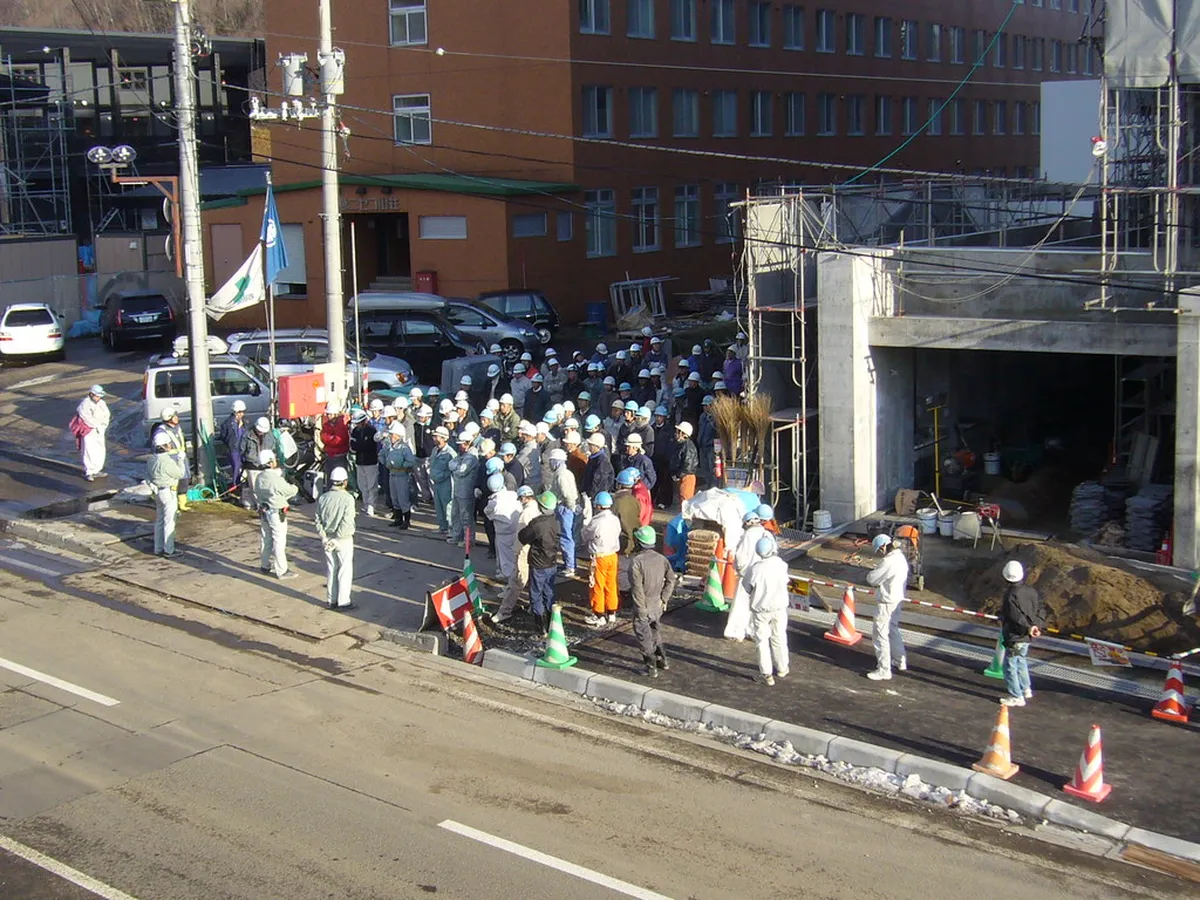
Kutchan Town functions as Niseko's actual town center, and it barely slows down when ski season ends. Close to 90% of its restaurants and shops keep running through summer. Upper Hirafu tells a different story. Its dining is built around the resort calendar, so expect more shuttered doors and shorter hours once lift tickets stop selling. Himalaya Curry Kutchan keeps serving through the warm months in Kutchan proper, a fast option if you're short on time. Annupuri and Niseko Village properties near the mountain stay quieter than Upper Hirafu's peak-season strip, but they remain functional for a sit-down meal. Deciding between the two areas up front saves a wasted drive later in the day.
Year-Round Japanese Favorites: Sushi, Ramen, and Soba
Three Japanese kitchens anchor the summer scene regardless of season. Sushi Bar Itadaki Saikaku serves Hokkaido seafood without the multi-month waitlist that hits Niseko's top sushi counters in winter. Asahikawa Ramen Tozanken is the area's go-to for a fast, budget bowl. It works well when you're pairing dinner with a day of hiking rather than making the meal the main event. Niseko Soan rounds out the trio with handmade soba, a lighter option on warm afternoons. None of these three require the advance booking that defines Niseko's peak winter season. Walking in still beats no plan at all during Obon week in mid-August, when domestic travel peaks. For more budget-minded options alongside these three, check the guide to budget food truck options that only run in the warmer months.
Fine Dining and Contemporary Cuisine for a Summer Splurge
High-end dining doesn't disappear in summer, but the etiquette shifts. Sushi Nagi and Sushiya no Saito Niseko stay reservation-only even in the green season, unlike most of the area's casual spots. TSUBAKI Wagyu Kaiseki keeps a tasting-menu format built around Hokkaido wagyu. Zento continues its contemporary, plate-by-plate approach through the summer months. Seating at all three stays limited year-round, so book before you land rather than after. The guide on Hirafu reservation booking tips covers how far ahead to call and what a typical booking window looks like outside peak winter.
Izakayas, Yakiniku, and Casual Japanese Standbys
Kutchan and Hirafu both keep a strong casual-Japanese lineup running through summer. Gyoza no Nikuson is known for oversized handmade gyoza in an old-house setting. Its sister venues, Nikuson Niseko and Nikuson2, extend the same meat-forward izakaya format across two more addresses. THE WAGYU serves yakiniku built around the same Hokkaido beef that shows up on winter's premium tasting menus. Wagyu Sukiyaki & Japanese Cuisine NISEKO AMAYA keeps a sukiyaki-and-wagyu menu running too, a hot-pot format that works even on a cool summer evening. APÉRO NISEKO and blo*blo bar both stay open for post-activity drinks and gyoza, a lighter format than a full dinner reservation. Snowfox Fastfood covers a quicker option, with burgers, Taiwanese classics, and Japanese rice bowls on one menu.
Casual Cafes and Western-Style Spots
Green Farm Cafe is the pick for a farm-to-table breakfast or brunch. Its lot makes parking easier than the narrow streets of central Hirafu. BYRONBAY coffee COMPANY niseko covers the daily coffee run for visitors based in Hirafu. Pizzeria R Niseko serves Neapolitan-style pizza alongside Hokkaido-inflected Italian dishes, and Delsole Niseko is a second pizza option in the same casual bracket. Trattoria R rounds out the Italian side with a relaxed, ingredient-driven menu built around Hokkaido produce. Pair any of these with a stop for Milk Kobo's dairy desserts, close to a required detour once the weather warms enough for outdoor soft serve.
International and Fusion Options
Chinese Cuisine SANKAITEI and Crab Dining Kanon give the area two non-Japanese-leaning options that both stay active through summer. Crab Dining Kanon focuses on Hokkaido crab prepared several ways, a specialty tied to the region's coastal supply chain rather than the ski calendar. YAOYA NISEKO brought a Tokyo yakitori kitchen to Niseko and keeps skewers and small plates running through the green season. La villa LUPICIA adds a different kind of stop, pairing a tea and deli counter with boutique shopping. Browsing is easier without snow gear crowding the aisles, and it's one of the few green-season experiences with no real winter equivalent.
Hanazono and Resort-Area Dining
Hanazono runs on its own dining cluster, separate from Hirafu and Kutchan. The Café & Bar at Nikko Style Niseko HANAZONO keeps a relaxed all-day menu through summer, and the resort's Style Kitchen switches to a buffet format for the same season. Ume Lounge stays open as a bar-forward space for a quieter evening. Yukibana focuses on Hokkaido's seasonal produce and seafood in a contemporary format. Wagyu&Seafood Niseko Naniwatei pairs wagyu with seafood-forward small plates in the same area. LUX TOYA covers private-chef dining for groups wanting a French-leaning menu away from a standard restaurant floor.
Getting Around: Summer Transport Without the Winter Shuttle
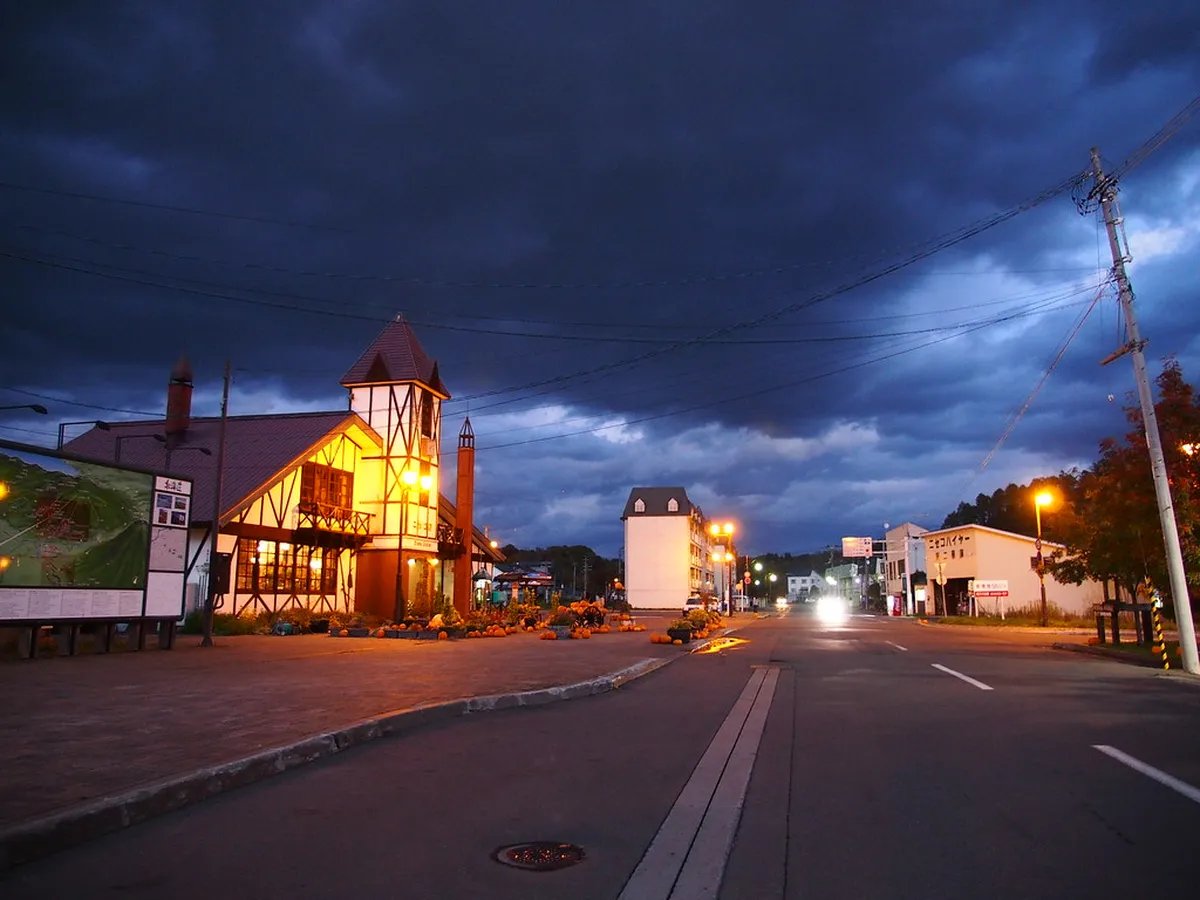
The free shuttle buses that link hotels to restaurants all winter stop running once ski season ends. Moving between Hirafu and Kutchan in summer means a rental car or a local taxi. There's no walkable substitute connecting the two areas the way the winter shuttle network does. Daytime temperatures typically climb to around 24°C (75°F) in July and August, dropping to about 15°C (59°F) by evening. Outdoor terrace seating stays comfortable at dinner without heat lamps in that range. If you're driving yourself, Green Farm Cafe has easier parking than Hirafu's narrower central streets, worth factoring in before you commit to a reservation across town.
Season Comparison: Summer vs Winter Dining
The differences between Niseko's two dining seasons are stark enough to plan around. Winter means shuttle buses, three-month reservation windows, and an international crowd filling Upper Hirafu. Summer means self-driven transport, walk-in seating at most kitchens, and a domestic crowd centered on Kutchan Town. Pricing follows the same pattern. Expect summer lunch sets at some of these kitchens to run roughly ¥1,500-¥2,500. That's well below the ¥15,000-plus dinner tasting menus that define peak winter service at the same style of restaurant.
In winter, international visitors made up 67% of the total and relied on free hotel-to-restaurant shuttle buses; summer's nearly opposite composition—64% from Hokkaido, 33% from elsewhere in Japan—explains why self-arranged transport becomes essential for domestic travelers.
| Factor | Summer (Green Season) | Winter (Peak Season) |
|---|---|---|
| Visitor mix | 64% Hokkaido, 33% rest of Japan, 3% overseas | 67% international |
| Busiest area | Kutchan Town | Upper Hirafu |
| Reservations | Mostly walk-in; book Sushi Nagi and Sushiya no Saito Niseko ahead | Book up to 3 months ahead at most restaurants |
| Transport | Rental car or taxi | Free hotel-to-restaurant shuttle buses |
| Pricing | Discounted lunch sets, roughly ¥1,500-¥2,500 | Peak tasting menus, ¥15,000-plus |
| Typical daytime temperature | 24°C (75°F) | -8°C (18°F) |
Decision Matrix: Where to Eat Based on Your Plans
Matching a restaurant to your plans for the day narrows Niseko's options fast. Steak Rosso Rosso deserves its own mention here. It serves the same quality Hokkaido wagyu found at winter's premium counters, but without the seasonal markup that peak demand adds elsewhere. Pair a fast lunch with green-season hiking and biking routes rather than treating the meal as the only stop of the day.
¥1,500-¥2,500 summer lunch pricing—six to ten times below winter's ¥15,000-plus tasting menus—shifts dining from the itinerary's centerpiece to an activity complement, freeing time for hiking, biking, and exploring rather than reservation logistics.
| Vibe | Top Picks | Why It Works |
|---|---|---|
| Family friendly | Green Farm Cafe, Pizzeria R Niseko | Casual pacing, easier parking, no reservation pressure |
| High-end / date night | Sushi Nagi, TSUBAKI Wagyu Kaiseki | Reservation-only tasting menus |
| Quick / budget | Asahikawa Ramen Tozanken, area food trucks | Fast, inexpensive, pairs well with an active day |
| Local value | Steak Rosso Rosso, Himalaya Curry Kutchan | Kutchan pricing without the winter premium |
Common Mistakes to Avoid in Niseko's Green Season
A few assumptions carried over from winter planning cause avoidable problems in summer.
- Assuming the free winter shuttle buses are still running. They stop for the season, so arrange a rental car or taxi in advance.
- Looking for ski-in dining or slope-side seating, which only exists once the lifts are turning.
- Skipping a reservation call for Sushi Nagi or Sushiya no Saito Niseko on the assumption that summer is walk-in everywhere.
- Committing to Upper Hirafu without checking hours first, since it sees more seasonal closures than Kutchan Town.
- Expecting winter's bar scene after dinner: after-dark venue options thin out considerably once ski season ends.
Frequently Asked Questions
Is Niseko worth visiting in summer for foodies?
Yes. The local Japanese restaurant scene, Kutchan Town's everyday kitchens, and newer year-round venues like Alpen Nord keep the food side of a summer trip solid, even with the ski-season pop-ups closed.
Do you need to book restaurants in Niseko during July and August?
Most spots are walk-in friendly in summer, a shift from winter's three-month reservation rush. High-end counters like Sushi Nagi and Sushiya no Saito Niseko are the exception and still take advance bookings.
Which Hirafu restaurants stay open all year?
Several Hirafu-area kitchens run every month, including Sushi Bar Itadaki Saikaku, Asahikawa Ramen Tozanken, and Niseko Soan. Grand Hirafu's newer Alpen Nord joins them, a roughly 250-seat venue built to operate year-round.
Are prices lower in Niseko during the summer?
Often, yes, at least at the local level. Some restaurants trim lunch-set pricing to roughly ¥1,500-¥2,500 in the domestic-focused summer months, well under the ¥15,000-plus tasting menus that define peak winter dinner service.
How do you get between Hirafu and Kutchan without the winter shuttle?
Plan on a rental car or a local taxi. The free hotel-to-restaurant shuttle network only operates during ski season, and there's no walkable link between the two areas.
Free: The Niseko Essentials guide
Top things to do, where to stay, a perfect day plan, getting around, and the best time to go — a Niseko mini-guide you can take offline.
You might also like


Continue reading
More guides you'll find useful


