Niseko in Summer: The Complete 2026 Green Season Guide
Plan Niseko in summer with 2026 details on Mt Yotei hikes, the Hanazono zipline, rafting, golf, and where to stay in the green season.
On this page
Last updated September 2026, this guide covers Niseko in summer, when average daytime highs near 25°C (77°F) replace the snowpack with green slopes, whitewater, and open hiking trails. Ski season crowds are gone, hotel rates drop, and Mt Yotei's summit trail, the Shiribetsu River, and Hanazono's zipline circuit open up as the main draws. Expect a quieter, warmer town built around gondolas, golf courses, and farm produce instead of powder.
Why Visit Niseko in Summer
Winter defines Niseko's reputation, but the humid mushi-atsui heat that blankets Tokyo and Osaka in summer never reaches this valley. Tokyo and Osaka regularly push past 35°C (95°F) in August, while Niseko's average daytime high stays near 25°C (77°F). Evenings cool fast enough that a light jacket is worth packing even in peak summer. Hotel rates fall well below winter levels, and the resort towns empty out compared to the January rush. Trails, gondolas, and golf courses reopen instead of ski lifts, and the pace slows down considerably. Check the Best Time to Visit Niseko: The Ultimate Month-by-Month Guide guide before locking in dates, since early summer, peak summer, and early autumn each behave differently. For a fuller list of sights, see Niseko's attractions overview.
Niseko Green Season Timing: Early Summer, Peak Summer, and Early Autumn
Niseko's warm season runs roughly from late April through mid-October, and conditions shift enough between months to change what's worth booking. Early summer still carries leftover snow on Mt Yotei's upper slopes while lower trails and gondolas reopen in stages. Peak summer, July and August, runs the full activity lineup: zipline, rafting, golf, and the Mountain Lights installation after dark. Early autumn brings foliage and cooler air, and lift-served activities typically wind down by mid-October. Nightly hotel rates track the same curve: a room that runs from roughly ¥18,000 in August can climb past ¥35,000 for the same space during the January-February peak. The table below breaks down what to expect season by season.
Peak summer rates near ¥18,000 nightly represent half the winter peak's ¥35,000, while Niseko's 25°C (77°F) average beats Tokyo's typical August push past 35°C (95°F).
| Season | Months | Conditions | Typical Nightly Rate |
|---|---|---|---|
| Early Summer | Late April – June | Lingering snow above the treeline; trails and gondolas reopening in stages | From ¥15,000+ |
| Peak Summer | July – August | Full activity lineup running; average daytime highs near 25°C (77°F) | From ¥18,000+ |
| Early Autumn | September – mid-October | Foliage begins; gondolas and zipline operations wind down by mid-October | From ¥16,000+ |
| Winter Peak (comparison) | January – February | Powder season; resort at capacity | From ¥35,000+ |
Top Niseko Summer Activities: Zipline, Rafting, and Biking
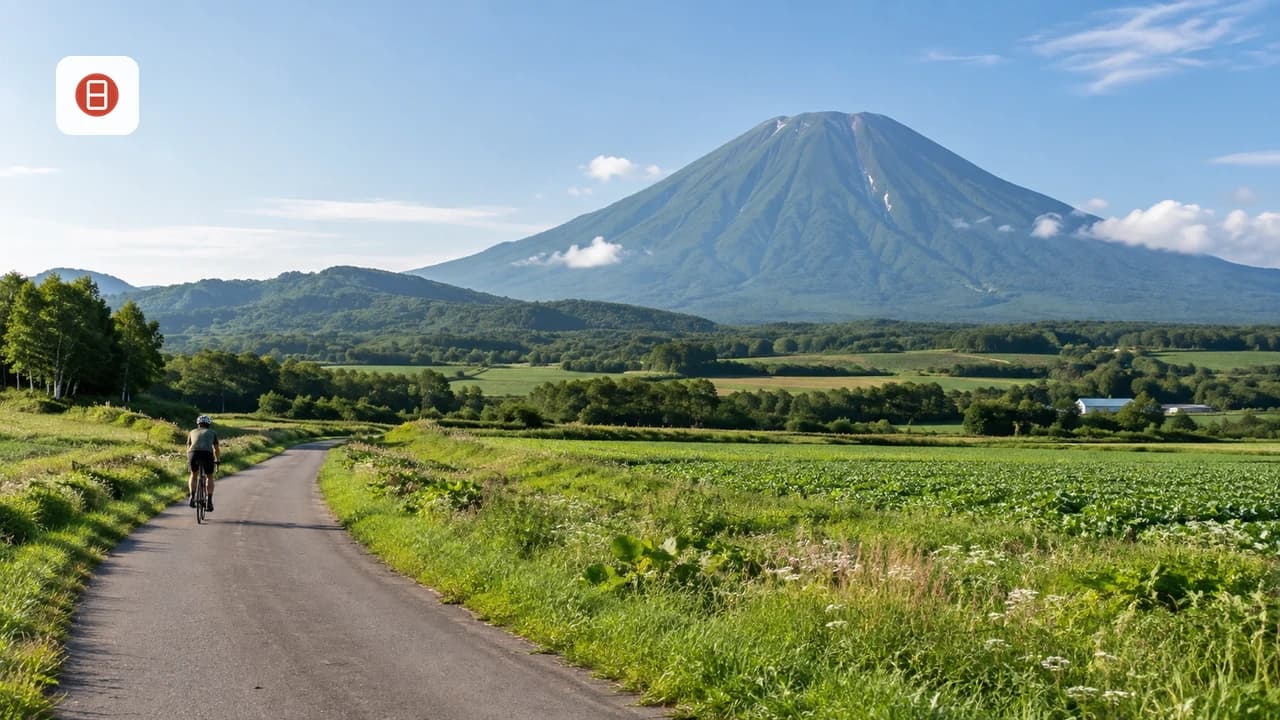
Hanazono Zipflight is the area's headline adrenaline activity, built as a multi-stage dual-cable course. Its MACH3 leg alone covers 1,700 meters and reaches speeds up to 110 km/h, and the full circuit adds up to 2,591 meters across its combined courses. Niseko Village runs a separate zipline and tree-trekking course called PURE, with a cumulative zip length of about 1.4 kilometers through the forest canopy. Whitewater rafting on the Shiribetsu River is the other big draw, with trips typically running around three hours and calmer water later in summer than in spring. Canyoning trips take groups through a network of canyons and pools, finishing with a jump of about 6 meters into a deep pool. Mountain biking centers on Hanazono Mountain Bike Park and the Grand Hirafu flow trails, both reachable by rental e-bikes or mountain bikes from shops around Hirafu. Road cyclists use the same paved mountain roads for the Hanazono Hill Climb, the Niseko Gravel Ride, and the Niseko Classic, three recurring events on the area's cycling calendar. For current lift and gondola operating status, Niseko United's official site posts conditions directly.
| Activity | Best For | Typical Duration | Notable Stat |
|---|---|---|---|
| Hanazono Zipflight | Adrenaline seekers | About 2 hours | MACH3 covers 1,700m at up to 110 km/h; full circuit totals 2,591m |
| Shiribetsu River rafting | Families and groups | About 3 hours | Calmer water in summer than in spring runoff |
| Mt Yotei summit hike | Experienced hikers | 6-9 hours round trip | Trailheads near Hirafu and Kyogoku |
| Mountain Lights | Couples and photographers | 1-2 hours, evening | Bruce Munro light art installation at Hanazono |
| PURE zip and tree trekking | Families with kids | 2-3 hours | About 1.4km of cumulative zipline length |
Mountain Lights, Golf, and Gondola Views
After dark, Hanazono's foothills host Mountain Lights, a light art installation by British artist Bruce Munro strung along about a kilometer of walking trail. It pairs well with a late dinner, since most visits run one to two hours. Golf spreads across three courses: Niseko Village Golf Course, Niseko Golf Course, and Hanazono Golf, each with different terrain. Hanazono Golf's back nine has the most pronounced elevation changes, with views toward Mt Yotei and the Annupuri range. Summer gondolas add sightseeing without a hike: the Annupuri gondola runs a six-minute ride from 308 meters to 658 meters, and the Grand Hirafu gondola gains about 500 meters of elevation on its July-to-September run. Both feed directly into mountain-bike trail access at the top. Niseko Village's official site lists current PURE and golf course details before booking.
Hiking Mount Yotei and Niseko's Quieter Trails
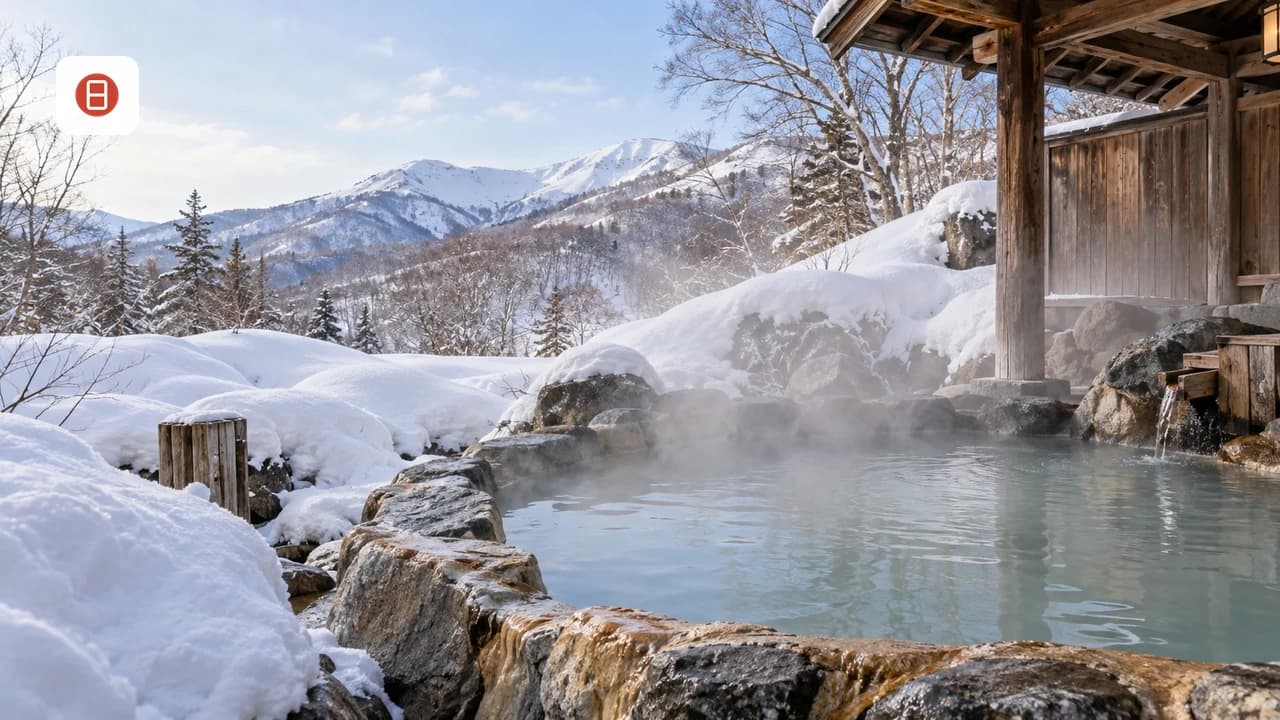
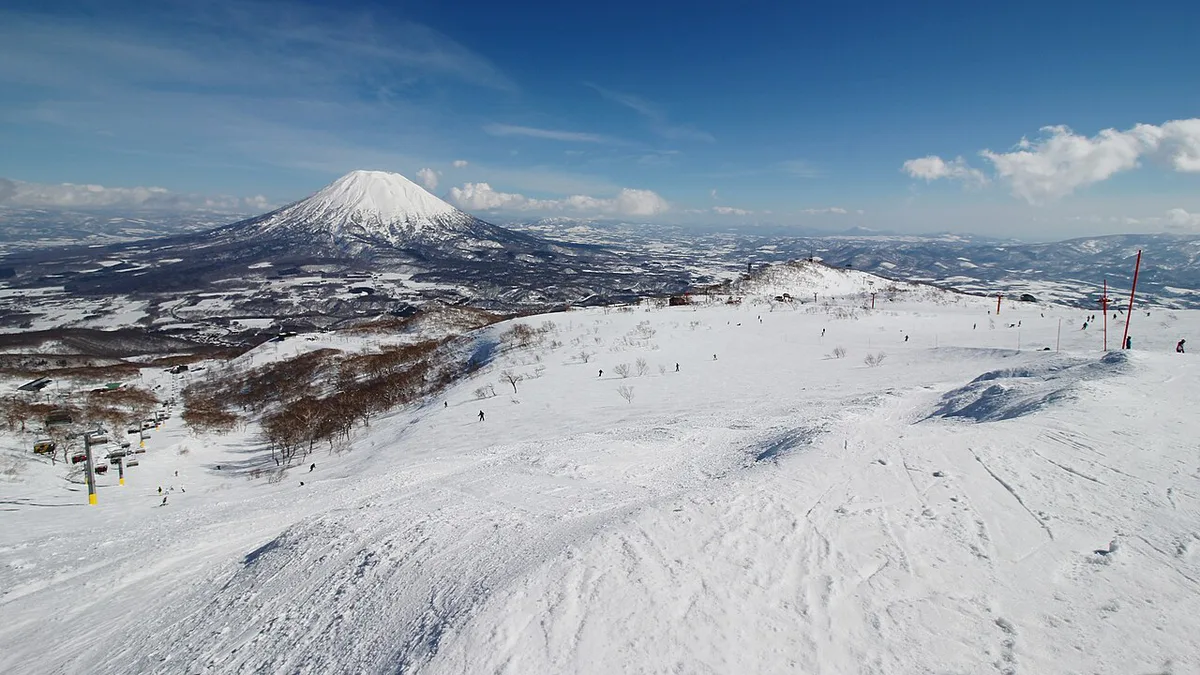
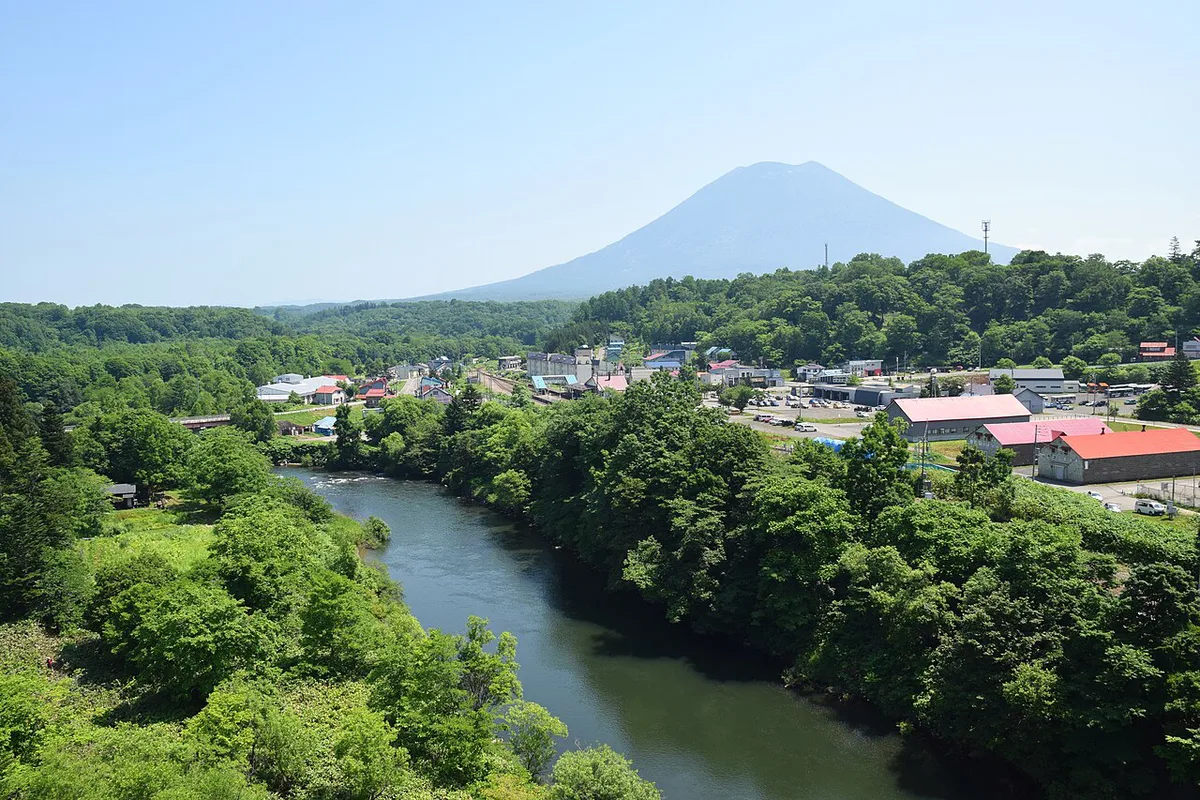
Mount Yotei, often compared to Mt Fuji for its shape and nicknamed Ezo Fuji, is the region's benchmark summer hike. The summit trail runs from trailheads near Hirafu or the town of Kyogoku, and a round trip typically takes 6 to 9 hours depending on fitness and weather. It includes a walk around the crater rim near the top. Mt Annupuri offers an easier alternative, reachable partway by summer gondola instead of a full climb from the base. Shinsen-numa Marsh, Lake Hangetsu, and Kagami-numa are three quieter routes through wetland and forest, better suited to a half-day than a full one. After any of these, Niseko's onsen guide covers where to soak out the soreness. The separate hot springs guide lists specific baths near the trailheads.
Mt Yotei's 6 to 9 hours round trip dominates a full day, while shorter alternatives like Shiribetsu River rafting (about three hours) or Hanazono Zipflight (about two hours) easily fit with gondola rides or sightseeing.
Getting to Niseko and Getting Around in Summer
A rental car is close to essential in summer, since the shuttle network that runs constantly in ski season shrinks to a limited or nonexistent schedule. Public transport options are thin: JR trains reach Kutchan, and local buses run infrequently from there into Hirafu and the other resort areas. Driving from New Chitose Airport takes about two hours, and Sapporo is a similar two-hour drive on the same highway network. Full-service resorts with their own shuttles, such as larger hotel brands in Hanazono and Niseko Village, are the main exception for travelers without a car. Everyone else benefits from booking a rental well ahead of arrival, since summer demand for cars around Hokkaido can outpace supply on short notice. See How to Get to Niseko in 2026: Flights, Trains, and Transfers from Tokyo for the full breakdown of routes. Travelers starting from the capital should check getting to Niseko from Tokyo for the Shinkansen-plus-transfer option. Once on the ground, Getting Around Niseko: The Complete Transportation Guide covers rental agencies and local transit in more detail. A car also opens up 9 Best Day Trips from Niseko (2026). A popular option is a Lake Toya day trip, with stops in Otaru or Shakotan along the way.
Where to Stay in Niseko in Summer: Hirafu vs Hanazono vs Annupuri
Hirafu, the center of winter nightlife and dining, goes quiet in summer, with far fewer restaurants and bars open than during the ski rush. Hanazono and Niseko Village pick up the slack as the main activity hubs, since the zipline, golf courses, gondola, and Mountain Lights installation all sit inside or next to those two areas. Annupuri stays the quietest of the four areas, better suited to travelers who want onsen access and slower mornings over on-site activities. Nightly rates reflect the season everywhere: a room that runs from roughly ¥18,000 in August can climb past ¥35,000 for the same space in the January-February peak. Hirafu vs Niseko Village compares walkability, dining, and access side by side. Best Area To Stay In Niseko Travel Guide covers all four zones together. Niseko Hotels: A 2026 Guide to Choosing Your Base by Resort Area narrows the search by budget and location. The accommodation guide is the place to check current summer package rates before booking.
Niseko Summer Food: Kutchan Potatoes and Farm-to-Table Plates
Kutchan, the largest town in the Niseko area, built its food reputation on potatoes. The signature Kutchan 540 potato goes through a 540-day wet-aging process that makes it noticeably sweeter than a standard potato, and it shows up on menus across the wider region. Summer produce runs beyond potatoes, into corn, tomatoes, and the dairy Hokkaido is known for, alongside Genghis Khan barbecue at farm restaurants and local izakayas. Setsu Niseko houses the only Hokkaido branch of the AFURI ramen chain, known for a citrus-forward Yuzu Shio broth that works well on a warm day. Niseko's food guide lists specific restaurants and farm stands by area. Niseko's nightlife guide covers what stays open after dinner in the off-season.
Niseko Festivals, Costs, and Mistakes to Avoid in Summer
Summer activity pricing runs on a different scale than winter lift passes, and it pays to budget by activity instead of a single blanket pass. A zipline session, a rafting trip, and a round of golf are each booked and paid separately, unlike the lift pass guide's all-mountain winter pricing. Check Niseko's festivals and events guide for what's on during a specific trip, since the summer calendar shifts year to year. The Niseko Promotion Board also posts regional event listings worth checking before a trip. A few planning mistakes come up often enough to flag directly.
- Pack a light jacket: evenings cool fast, even after a 25°C (77°F) afternoon.
- Some winter-season restaurants close for summer, so don't assume every January spot is open in July.
- Book a rental car early, since summer fleets around Hokkaido tighten with short notice.
Frequently Asked Questions
Is Niseko worth visiting in summer?
Yes, for hiking, rafting, biking, and the Hanazono zipline circuit, all running while Tokyo and Osaka sit above 35°C (95°F) most summer afternoons. Hotel rates drop well below winter levels too, and crowds thin out since most travelers still associate Niseko only with skiing.
What is the best time to visit Niseko in summer?
Peak summer, July and August, runs the fullest activity lineup, including Mountain Lights after dark. Early autumn, September into mid-October, trades some activities for foliage and cooler air before operations wind down.
Do you need a rental car in Niseko in summer?
Close to essential, since the shuttle buses that run through winter shrink to a limited or nonexistent schedule. JR trains reach Kutchan, but local buses from there run infrequently, so most summer visitors drive.
How hot does it get in Niseko in summer?
Average daytime highs run near 25°C (77°F), well below the 35°C (95°F)-plus that Tokyo and Osaka regularly see in August. Evenings cool down fast, so pack a light jacket even in peak summer.
What is the Hanazono Zipflight?
A multi-stage dual-cable zipline at Hanazono resort, with its longest leg, MACH3, covering 1,700 meters at speeds up to 110 km/h. The combined courses add up to 2,591 meters total.
How long does the Mt Yotei hike take?
A round trip typically takes 6 to 9 hours from trailheads near Hirafu or Kyogoku, depending on fitness and conditions. The route includes a walk around the crater near the summit, so budget a full day.
Free: The Niseko Essentials guide
Top things to do, where to stay, a perfect day plan, getting around, and the best time to go — a Niseko mini-guide you can take offline.
You might also like

Continue reading
More guides you'll find useful