Niseko Onsen Guide 2026: Best Hot Springs, Yukoro to Goshiki
A 2026 niseko onsen guide comparing Yukoro, Goshiki, and Niseko Grand Hotel by location, vibe, and access, plus etiquette, pricing, and the Yumeguri pass.
On this page
Last updated September 2026, this niseko onsen guide sorts the region's hot springs by what you need after a ski day. Walkability from Hirafu, tattoo policy, and public versus private bathing all shape which one fits your plans. Niseko sits on volcanic ground, so its bathhouses draw sodium bicarbonate and sulfur-rich water straight from the mountain.
Why Onsen Is Essential After a Niseko Ski Day
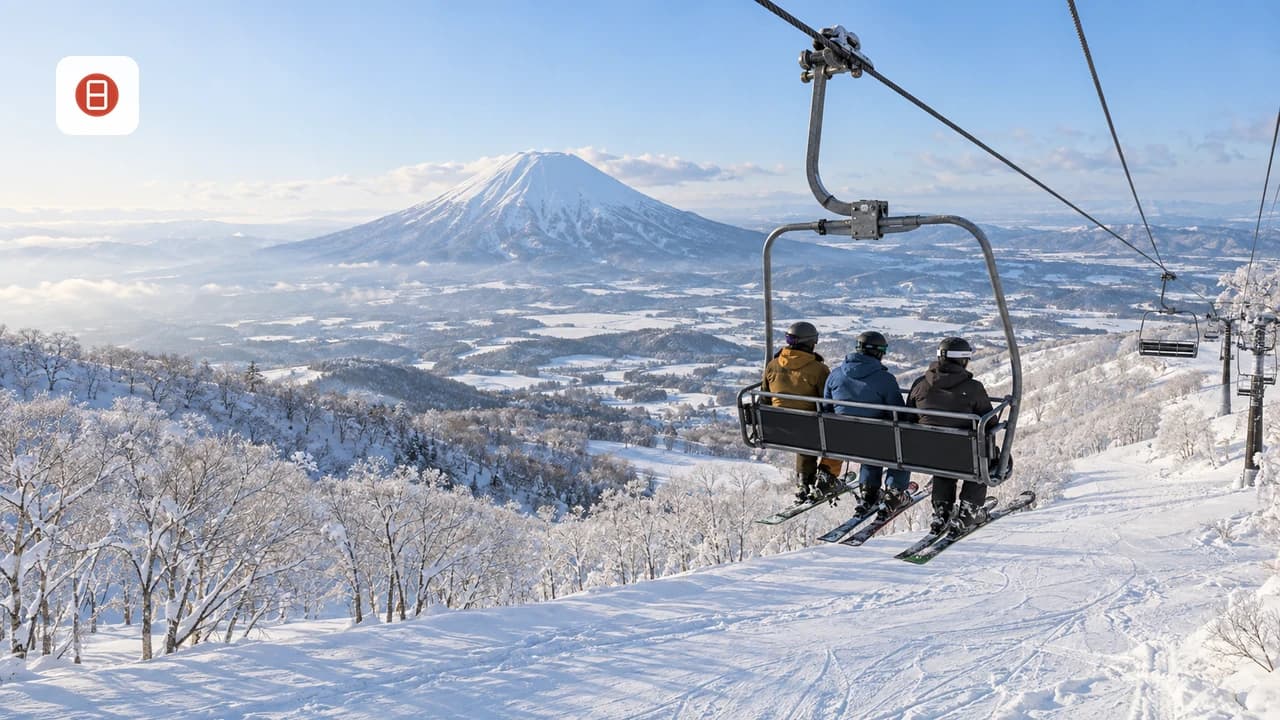
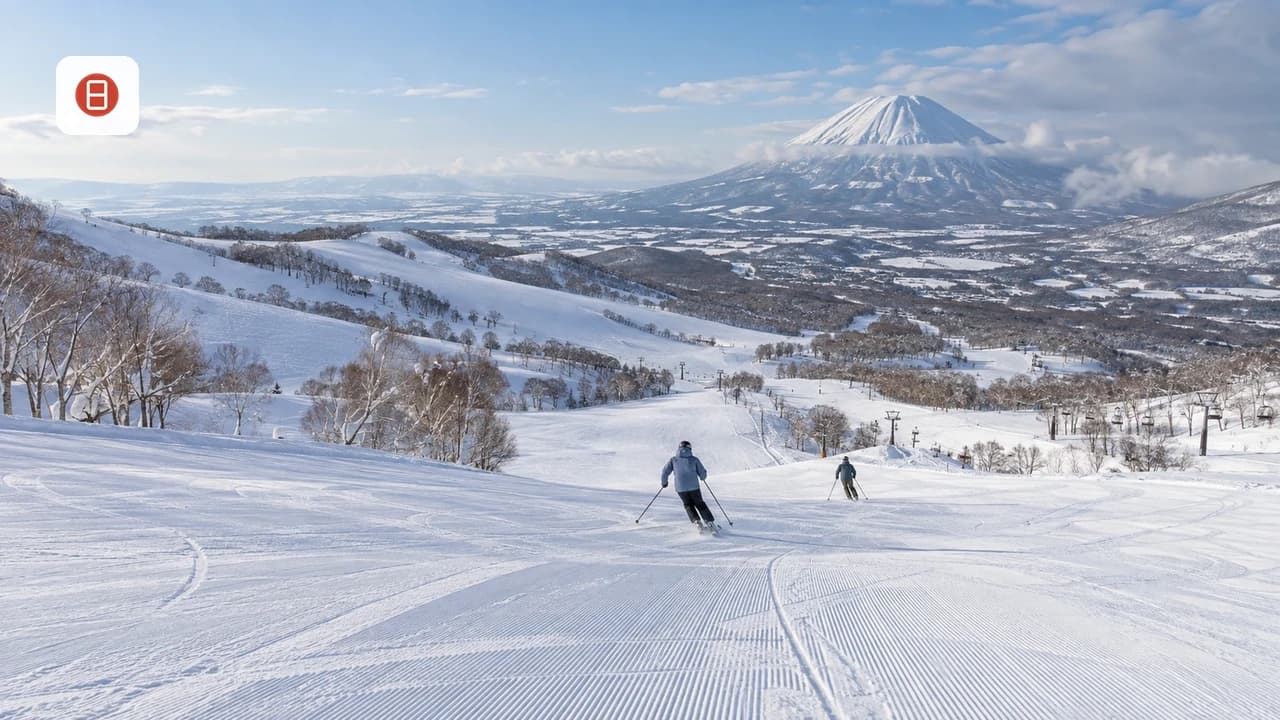
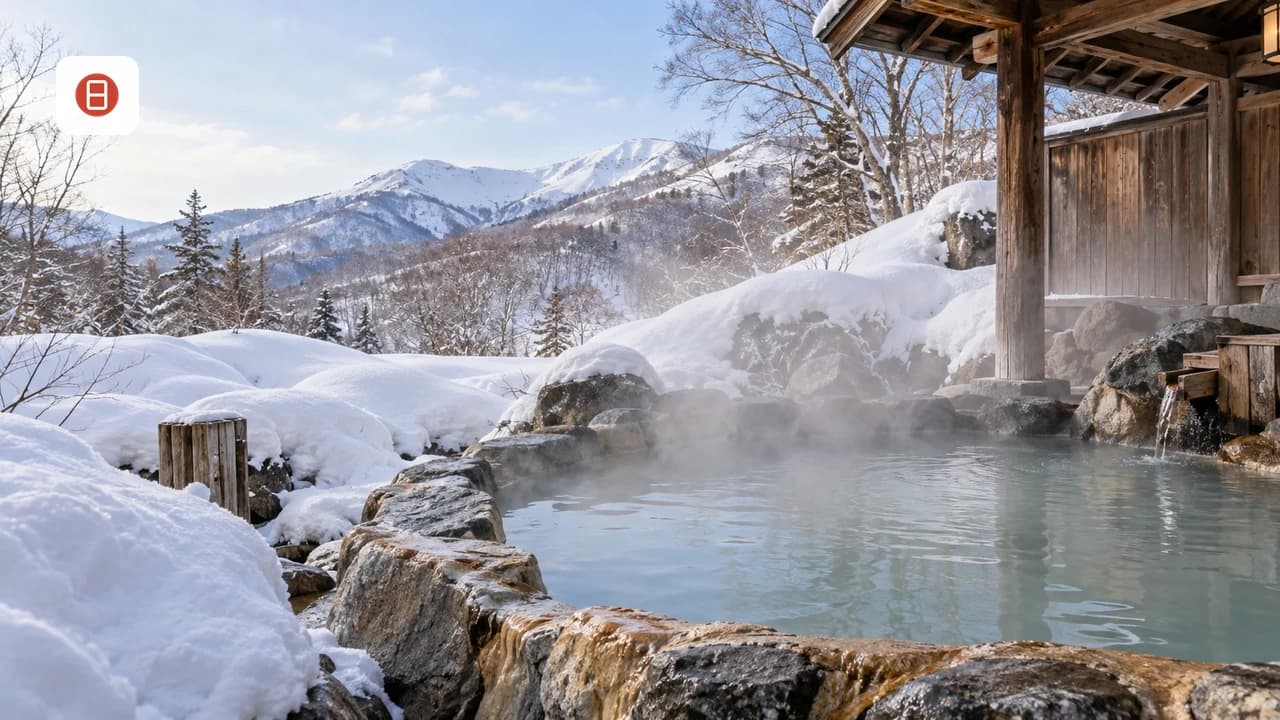
Skiing and snowboarding across the four resorts that make up Niseko United leaves most legs sore by mid-afternoon. Hot mineral water is the fastest recovery tool on offer, and Niseko has it in volume. Powderlife counts more than 25 public onsen bathing houses across the region. A soak is walkable from nearly every hotel in Hirafu, Niseko Village, or Annupuri. Water quality varies by source. Some facilities draw sodium bicarbonate and chloride springs, prized for softening skin and easing muscle fatigue. Others carry sulfur that turns the water milky white. Regular soaking is also associated with better circulation, eased muscle pain, and improved sleep, useful after a full day in the powder. Plan a full day on the mountain first, so the evening soak feels earned rather than routine. Most treat it as the closing ritual of a ski day, not an optional extra. For background on the region's mineral springs, see Niseko's hot springs overview. This guide instead focuses on where to soak after skiing, sorted by neighborhood and vibe.
More than 25 public onsen bathing houses offer soaking at ¥700–¥1,500, making recovery after a ski day affordable across the region.
Niseko Onsen Comparison: Which One Should You Visit?
Every onsen in this guide serves a different kind of traveler. Hot springs rank among the top 10 Amazing Niseko Attractions alongside skiing and sightseeing, so picking the right one matters. Use the table below to match location, vibe, and access before booking a hotel or renting a car. Walkable picks cluster in Hirafu and Niseko Village, while Goshiki, Konbu Onsen, and Chisenupuri require a car or shuttle. Modern rebuilds like Yukoro and Hilton Niseko Village suit you if you want polished, contemporary facilities. Rustic picks like Goshiki and Yuki Chichibu suit you if you're chasing an older, wood-and-stone bathhouse feel.
| Onsen | Location | Vibe | Key Feature | Accessibility |
|---|---|---|---|---|
| Yukoro Onsen | Lower Hirafu | Modern rebuild | Mt. Yotei views from the upper floor | Walkable in Hirafu |
| Prince Hirafutei Hotel | Hirafu | Modern hotel | Women's bath faces Mt. Yotei, men's faces Mt. Annupuri | Walkable in Hirafu |
| Chalet Ivy | Hirafu | Private, modern | 45-minute private session for up to 6 people | Walkable in Hirafu |
| Hilton Niseko Village | Niseko Village | Modern, luxury | Carp-pond outdoor bath, Mt. Yotei view | Walkable in Niseko Village |
| Green Leaf Hotel | Niseko Village | Traditional rotenburo | Boulders and pine trees around the outdoor bath | Walkable in Niseko Village |
| Ikoi no Yuyado Iroha | Annupuri | Traditional | Bijin-no-yu (skin-smoothing) water | Walkable in Annupuri |
| Goshiki Onsen | Iwaonupuri | Rustic, traditional | Milky, sulfur-rich water | Car or shuttle required |
| Niseko Grand Hotel | Konbu Onsen | Traditional | Mixed-gender (konyoku) Garden Rotenburo | Complimentary shuttle from Hirafu |
| Yuki Chichibu | Chisenupuri | Rustic | Mud bath on the women's side, eight baths total | Car required |
Best Onsen in Hirafu: Walkable From the Lifts
Hirafu is the easiest base for onsen-hopping. Several facilities sit within a short walk of the lifts and the village's restaurants. At Prince Hirafutei Hotel, the women's bath overlooks Mt. Yotei and the men's bath faces Mt. Annupuri. Both baths pair with an indoor pool and a sauna, useful when Hirafu's weather turns.
Yukoro Onsen closed in 2019 and was demolished, then rebuilt on the same lower-Hirafu site. Powderlife covered the reopening in a January 2026 feature, describing a beloved neighborhood bathhouse brought back to life. Its new two-story building draws sodium bicarbonate and chloride spring water. Separate men's and women's floors each hold an open-air bath, two indoor baths, and a sauna. Soakers on the second floor get a direct view of Mt. Yotei. Yukoro sits roughly a 2-hour drive from New Chitose Airport, and it's also reachable by JR train or the airport shuttle bus.
For a private soak, Chalet Ivy draws hot spring water from 300m underground and books sessions for up to 6 people at a time. Sessions run 45 minutes, cost ¥5000, and are available from noon until midnight, with last entry at 11:00 PM. Its design leans modern Japanese, pairing natural materials with a quiet, minimal layout built around the private bath. Nearby, Koyo Onsen Chalet offers its own outdoor onsen with forest views. Annupuri Onsen Chalets rents private townhouses that each include a private onsen. Kira no Yu and Yusenkaku Konbugawa also rent private rooms, though both sit outside Hirafu and need transport to reach. Pair a soak with lodging by checking Niseko's best hotels, several of which include onsen access for guests.
Best Onsen in Niseko Village and Annupuri
Niseko Village and neighboring Annupuri trade some of Hirafu's nightlife for quieter, more spread-out onsen. Hilton Niseko Village pairs an indoor bath overlooking the changing seasons with an outdoor bath fronted by a carp-filled pond and Mt. Yotei in the background. Day-use access has historically been limited to hotel guests or visitors who book a dining-plus-onsen package. Confirm current entry rules on Niseko Village Resort's official site before planning a soak-only visit.
Green Leaf Hotel takes a different approach. Its rotenburo sits among boulders and pine trees, with the same Mt. Yotei backdrop that gives Niseko Village its identity. Ikoi no Yuyado Iroha, over in Annupuri, is known locally for bijin-no-yu, or skin-smoothing water, paired with an outdoor bath, indoor bath, and sauna.
Deciding between the two villages often comes down to nightlife versus quiet. Compare Hirafu and Niseko Village directly to see which fits your trip. Read up on where to stay in Niseko before choosing a base for onsen-hopping.
Destination Onsen Worth the Drive
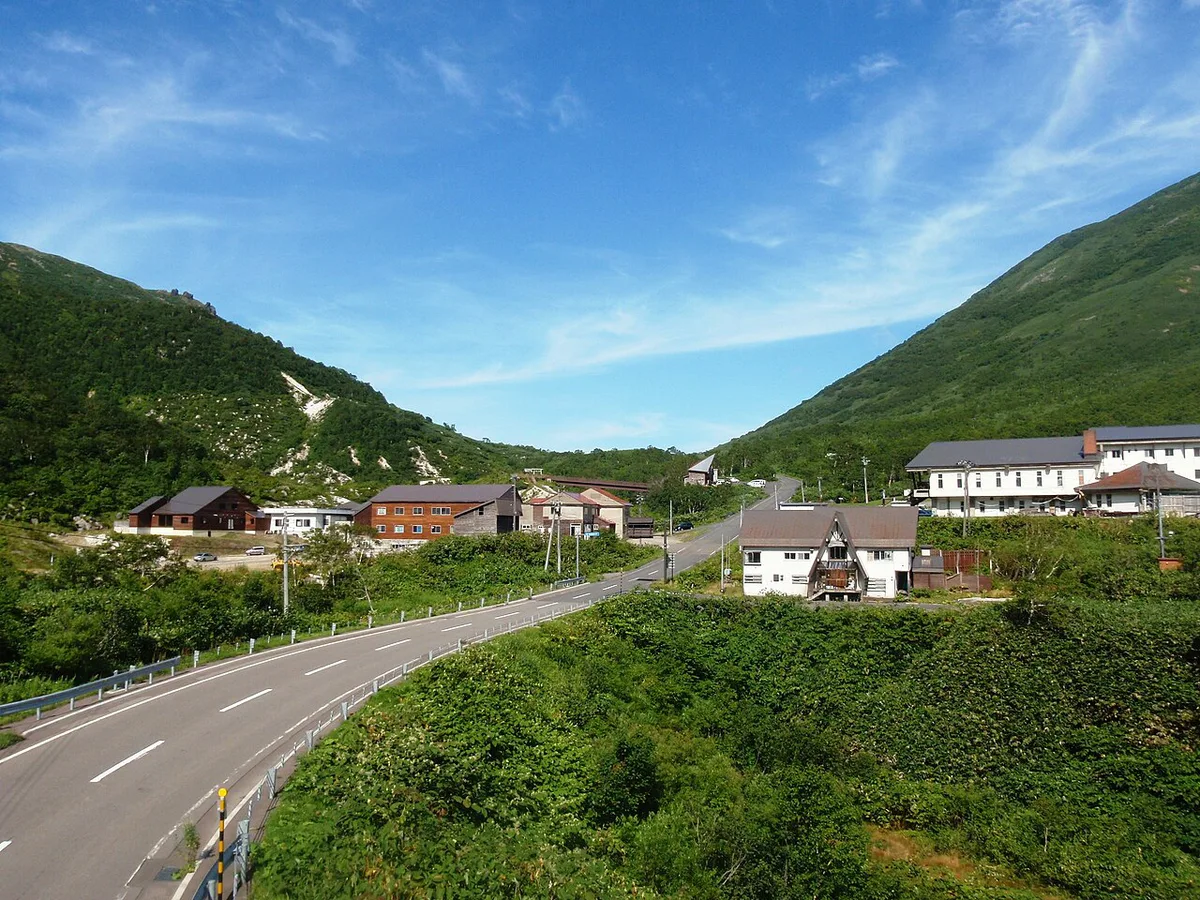
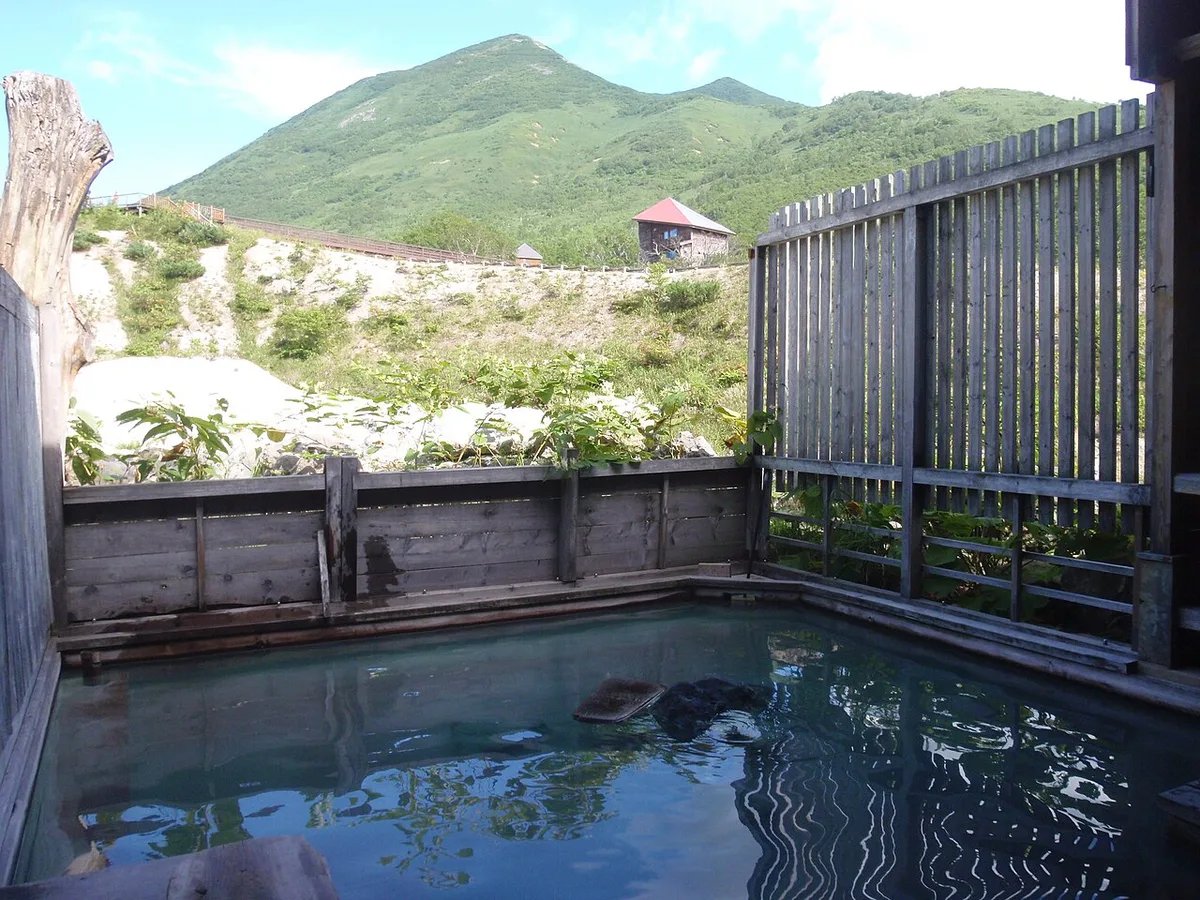
Goshiki Onsen rewards the drive. Set on Mt. Iwaonupuri, its milky, sulfur-rich water and old wooden bathhouse feel far removed from Hirafu's village center. Advanced skiers can reach it via a backcountry route from Annupuri Peak. Most others arrive by car or organized shuttle. There's no walk-up option here, so build the drive into the day's plan rather than treating it as a spontaneous stop.
Niseko Grand Hotel, out at Konbu Onsen, runs one of the region's few mixed-gender bathing areas. Its Garden Rotenburo outdoor complex allows konyoku, or mixed, bathing, separate from the hotel's standard gender-segregated baths. The hotel also supplies bathing garments if you want extra coverage. A complimentary shuttle connects the Hirafu Welcome Centre to Niseko Grand Hotel throughout the day, the easiest way in without a rental car.
Yuki Chichibu, at Chisenupuri, is built for a longer soak. Eight bathing areas in total include a traditional mud bath on the women's side, drawn from the volcanic marshland beneath the facility. It's popular with locals as well as visitors, so expect company on weekends.
Niseko Moiwa is another of the resort's ski areas, with its own onsen worth the detour. Hotel Kanronomori's two outdoor baths sit behind glass panels that frame the surrounding woodland, and the hotel also offers private onsen bookings. One Niseko Towers pairs a semi-circular indoor bath with a wood-roofed semi-outdoor bath open to the forest on one side, a spot popular for watching early-season snowfall. Further out in Kutchan Town, Hotel Youtei keeps a lower profile but delivers three indoor baths plus one large outdoor bath, both facing Mt. Yotei.
The Niseko Yumeguri Onsen Pass
Visiting three or more onsen in one trip adds up fast at full entry price each time. The Niseko Yumeguri pass bundles multiple facilities into one hop-around ticket, working out cheaper than paying separate entry at each stop. It works best if you're splitting a multi-day trip across Hirafu, Niseko Village, and a destination onsen like Goshiki, where separate entry fees would otherwise stack up. Passes are typically sold through vending machines at participating facilities and at visitor information counters around the resort. Each visit gets marked off with a sticker or stamp, so keep the pass on hand between soaks. Exact participating facilities and pricing shift season to season. Confirm current details at a Niseko Promotion Board information counter, such as the one in Hirafu, before buying.
Tattoo Policy, Etiquette, and Costs
Tattoo policies vary by facility and change over time, so treat any blanket answer as unreliable. Chalet Ivy's private rooms sidestep the issue entirely, since sessions are booked for a single party. At public bathhouses, call ahead or ask at the front desk, and pack a cover-up patch as backup if policy is unclear.
At ¥700–¥1,500 per entry, visitors exploring three or more onsen can save money with the Niseko Yumeguri pass rather than separate fees.
Transport is the other planning hurdle. Hirafu's onsen are walkable, but Goshiki Onsen and other destination baths need a car, taxi, or timed shuttle. Review Niseko's transport options before locking in a Goshiki or Konbu Onsen visit, especially in winter when bus schedules tighten.
Washing before entering the shared bath is non-negotiable at every facility in this guide. Rinse off fully at the washing stations, seated on a stool, before stepping into the hot water. Skipping this step is the fastest way to draw stares or a correction from staff. Keep voices down once inside. Onsen are meant to be quiet, restorative spaces, not social hangouts. If you have long hair, bring a hair tie, since loose hair touching the water is considered poor etiquette.
Most public onsen charge in the ¥700–¥1,500 range for standard entry, with hotel-run baths often at the upper end and municipal or older bathhouses cheaper. Some facilities rent towels for a small fee, so bringing one from the hotel room saves a few hundred yen at the door. After the soak, Niseko's restaurant scene in Hirafu covers everything from ramen counters to izakaya, an easy pairing with a post-ski bath.
Frequently Asked Questions
Is a Niseko onsen visit worth it in summer, not just ski season?
Summer strips away the snow but keeps the hot spring water and mountain views intact. Niseko in Summer: The Complete 2026 Green Season Guide covers hiking and other warm-weather activity you can pair with an onsen soak afterward. Crowds thin out compared to peak ski weeks, so you'll find baths like Green Leaf Hotel's rotenburo far less crowded.
Can I use a Niseko onsen without staying at that hotel?
Many hotel-run onsen accept day visitors for a straightforward entry fee, similar to standalone public bathhouses. Some exceptions apply. Hilton Niseko Village has historically restricted day use to guests who book a dining-plus-onsen package, and Tsurago Moku no Sho follows a similar day-trip-package model. Check the specific facility's current policy before you plan a visit around it.
How do I get to Konbu Onsen from Hirafu?
Niseko Grand Hotel, the main draw at Konbu Onsen, runs a complimentary shuttle from the Hirafu Welcome Centre throughout the day. That's your simplest option without a rental car. For other destination onsen nearby, check Niseko's local transport guide for bus timing and taxi options.
Which Niseko onsen are tattoo-friendly?
Policies vary by facility and change from season to season, so no single answer covers every bathhouse. Private options such as Chalet Ivy let you sidestep the question entirely, since a booking covers one private party rather than a shared public bath. At public facilities, confirm tattoo policy directly with the front desk before you arrive, since a wasted trip is the most common complaint.
What should I bring to a Niseko onsen?
Pack a small modesty towel, a full-size towel for drying off, and basic toiletries, though most facilities also sell or rent these. Swimwear is not allowed in traditional public baths, so plan accordingly. Bring water for hydration afterward, since the heat is dehydrating, and pack a change of clothes for the walk back out into the cold.
What does konyoku, or mixed-gender bathing, involve at Niseko Grand Hotel?
Konyoku means men and women share the same bathing area, separate from the hotel's standard gender-segregated baths. Niseko Grand Hotel's Garden Rotenburo is the mixed-gender option, and the hotel provides bathing garments if you want extra coverage. If you're uncomfortable with mixed bathing, use the hotel's standard baths instead.
How much does a typical Niseko onsen visit cost?
Standard public entry runs roughly ¥700 to ¥1,500 at most facilities, with hotel-run baths often toward the higher end. Private options cost more: Chalet Ivy charges ¥5000 for a 45-minute session for up to 6 people. If you're planning three or more soaks in one trip, compare that against the Niseko Yumeguri pass before paying full price each time.
Free: The Niseko Essentials guide
Top things to do, where to stay, a perfect day plan, getting around, and the best time to go — a Niseko mini-guide you can take offline.
You might also like

Continue reading
More guides you'll find useful