Niseko Ski Map & Resort Guide: Navigating Niseko United (2026/27)
See how the Niseko ski map connects Grand Hirafu, Hanazono, Niseko Village, and Annupuri, plus gates, shuttles, and lift-pass logistics for 2026/27.
On this page
Last updated September 2026, this niseko ski map guide explains how Grand Hirafu, Hanazono, Niseko Village, and Annupuri connect into a single trail network for the 2026/27 season. A separate resort, Niseko Moiwa, sits nearby but is not gated into the Niseko United system, so it needs its own lift ticket. Use the sections below to read the color coding, find the gates, and plan shuttle connections before your first run.
Niseko United: One Mountain, Four Resorts
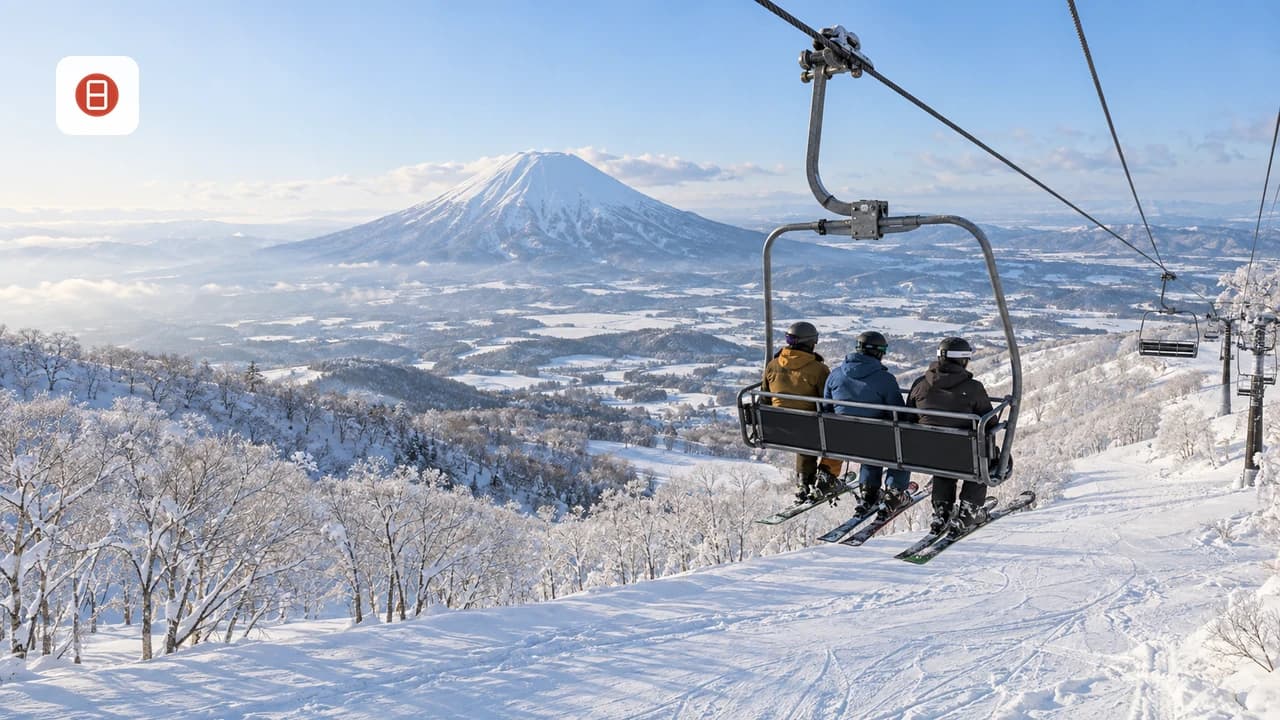
Niseko United is the collective name for four interlinked ski areas on Mt Niseko-Annupuri: Grand Hirafu, Hanazono, Niseko Village, and Annupuri. One lift ticket and one Niseko ski map cover all four bases, and lifts and marked runs connect them near the summit. Across the combined terrain, marked courses add up to about 26 miles, and the longest run drops roughly 3.3 miles from top to bottom. Terrain splits roughly 34% beginner, 46% intermediate, and 20% advanced, so most of the map favors cruising rather than expert-only lines. First-timers choosing where to base themselves often default to Hirafu for its size, but Hanazono and Niseko Village suit families and intermediate cruisers just as well, depending on which lifts sit closest to your hotel. For an overview of the wider area beyond skiing, the Niseko attractions guide covers what else is nearby. The Niseko Skiing Guide: 9 Essential Tips for Your Trip goes deeper on trail difficulty and terrain style across the four resorts.
Night skiing spans roughly 7.5 miles across the four resorts—about one-quarter of the 26-mile marked terrain—with hours varying by resort and season.

| Resort | Best For | Main Base Area |
|---|---|---|
| Grand Hirafu | Long groomed cruisers, base-area nightlife | Hirafu Village |
| Hanazono | Terrain parks, family-friendly lower slopes | Hanazono base area |
| Niseko Village | Wide groomers, ski-in/ski-out hotels | Ritz-Carlton and Hilton hotel area |
| Annupuri | Wide open groomers, easiest gate access | Annupuri Village |
How to Read the Niseko Ski Map: Colors, Symbols, and Lift Types
Japanese trail maps use the same green-red-black scale as the rest of Japan, but the grading runs slightly easier than North American resorts use for similar terrain. A run marked red on the Niseko ski map often skis closer to a blue run in Colorado or British Columbia. Lift symbols on the map separate gondolas and hooded quads, which shelter riders from wind, from open double chairs and exposed single chairs higher up. Lifts also get upgraded most seasons, so confirm you have the current map before assuming last year's layout still applies. One recent example: the King Hooded Quad reportedly became a heated six-person chair with a loading carpet for the 2025/26 season. Niseko United also publishes the trail map through its own app and the Yukiyama App, both pairing the map with live lift status. Cross-check lift and course changes against the Niseko United trail map before you head up.
Resort-by-Resort Map Breakdown: Where Each Base Sits
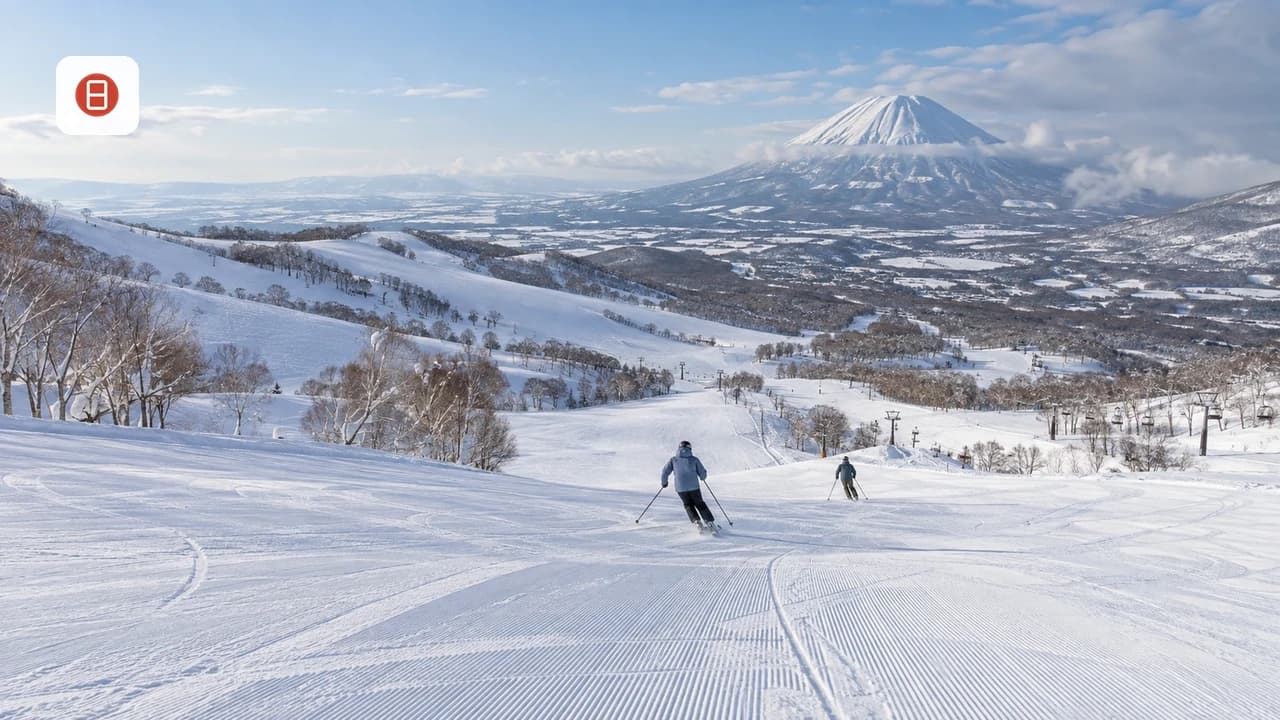
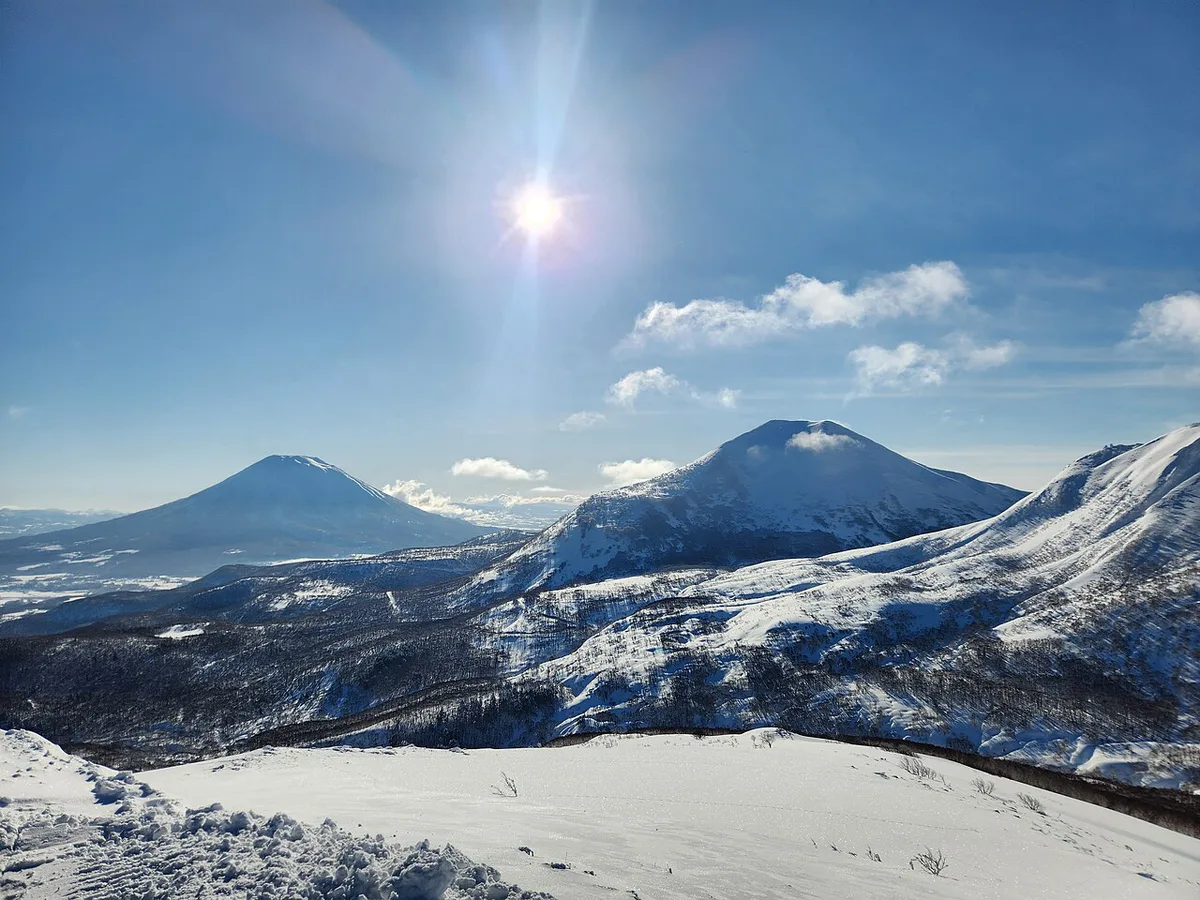
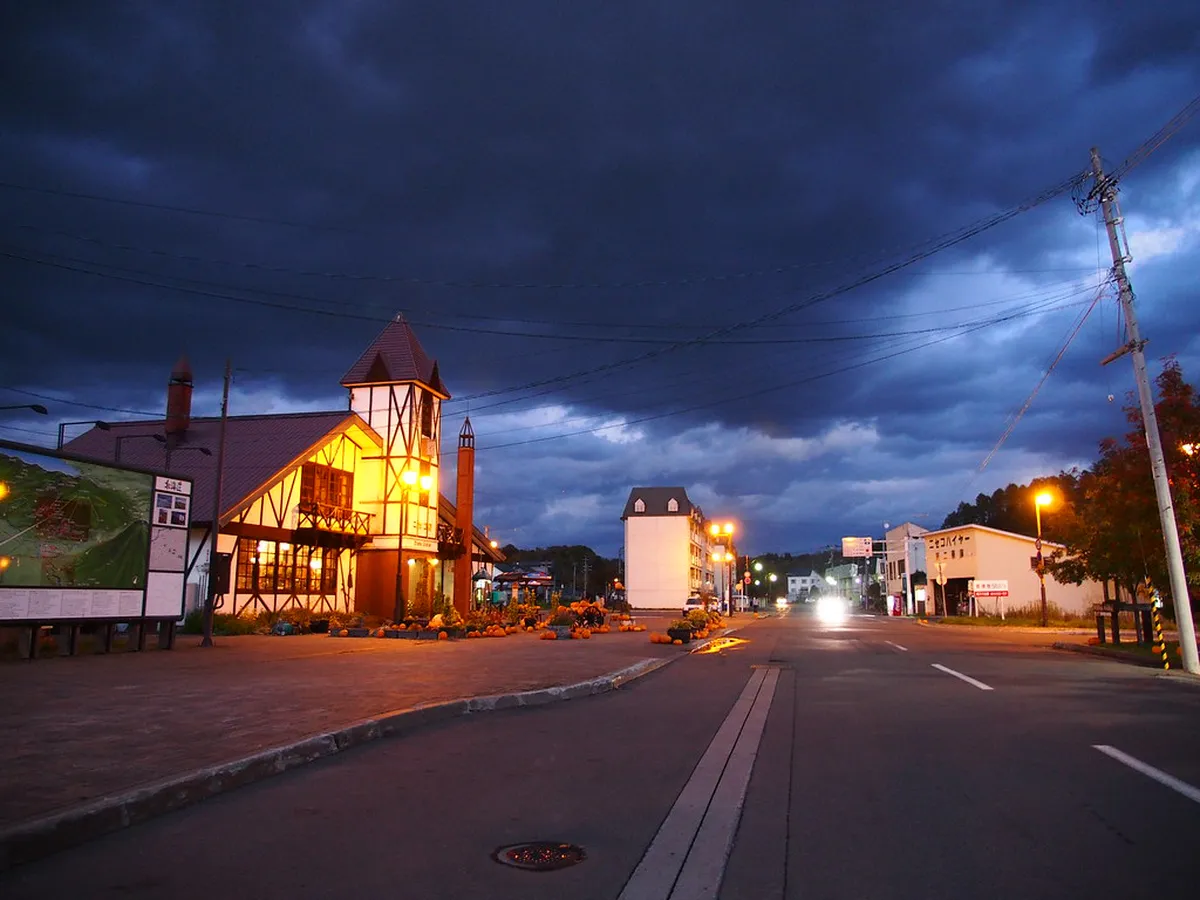
Grand Hirafu anchors the map as the largest and busiest base, with long groomed runs from the Ace and King lift areas and a night-skiing zone lit after dark. Hanazono connects to Grand Hirafu and centers its map area on terrain parks and the Hanazono Symphony Gondola, with tree-lined runs favored by freestyle skiers and snowboarders. Niseko Village is its own base within Niseko United, built around ski-in/ski-out hotel access at the Niseko Village resort. Wide cruiser runs from the upper mountain feed back down to that base. Annupuri rounds out the system with wide, gentler groomed runs and the most direct access to several backcountry gates.
Annupuri sits 1,640 feet from its lifts and marks the longest on-snow traverse back to Hirafu. Less confident skiers should plan extra time or catch the shuttle instead.
Skill level shapes which base suits you best. Families and beginners tend to gravitate toward lower Hirafu and Hanazono, where wide, gentle pistes sit close to ski schools. Ski schools sit at the base of each resort, so families can check in without a long walk in ski boots, though program details are worth confirming directly with each school. Intermediate skiers get the most choice at Niseko Village and Hanazono, where groomed red-rated runs and high-speed lifts keep queues short. Advanced skiers and off-piste-focused snowboarders favor Annupuri's steeper upper zones and Hanazono's sidecountry and freeride park setups.
Distances from each base to its own town center are short but not identical.
Skiers staying in Hirafu tend to start their day there rather than bus to another base first. That distinction matters most for the Hirafu vs Niseko Village comparison, which breaks down which side suits which travel style. For lodging choices mapped to each base, see the Best Area To Stay In Niseko Travel Guide guide. The Niseko Hotels: A 2026 Guide to Choosing Your Base by Resort Area roundup breaks down specific properties by base. Hirafu's base area also holds most of the region's Niseko Nights: Nightlife Guide. Restaurant options across the four bases are covered in the 12 Best Places to Eat in Niseko: A Complete Food Guide (2026).
- Grand Hirafu: about 660 feet from town center
- Hanazono: about 330 feet from its base area
- Niseko Village: about 660 feet from town center
- Annupuri: about 1,640 feet from its lifts
The Niseko Gate System and Avalanche Safety
Rope lines around the marked runs are not there to be ducked. Niseko United's official rules, often called the Niseko Rules, funnel backcountry access through 11 numbered gates rather than random spots along the boundary. The same rules page also covers drone restrictions and specialized ski equipment, worth checking if you are bringing anything unusual. Each gate is checked daily by ski patrol and can close if avalanche risk is high, so a gate open yesterday will not necessarily be open today. Before heading toward any gate, check the daily Niseko Avalanche Information report, which patrol updates each morning during the season. Backcountry terrain beyond the gates carries real avalanche risk and is not patrolled, so carry a beacon, shovel, and probe, and treat gate access as expert-only.
One separate mapping note matters here. Niseko Moiwa, sometimes confused with the Niseko United resorts because of the shared name, is not connected to the gate system or the main Niseko ski map. Moiwa sits nearby as its own resort with its own lift ticket, so a Niseko United all-mountain pass does not cover it.
Lift Pass Logistics: All-Mountain Pass, Ikon, and Web Tickets
An all-mountain pass covers lifts at all four Niseko United resorts on one ticket, the simplest option if you plan to move between bases. A single-resort ticket only makes sense if you are staying at one base all day with no plan to cross into another resort's terrain. Lift ticket packages that bundle a bus pass with lift access are also available for travelers without a car.
Ikon Pass and Mountain Collective holders get a set number of included days at Niseko United. Check your specific pass tier for the exact day count and any blackout dates, since allocations can change each season. Both programs require redemption at the ticket window or through the resort's online system before your first run.
Buying through the online Web Ticket system in advance skips the window line entirely, which matters most on peak powder mornings. For current per-day and season pricing, the Niseko United ticket page lists official rates, since prices adjust between seasons. Full logistics on comparing pass types against trip length are covered in the Niseko Lift Pass Guide 2026/27: All Mountain Prices & Online Tips.
Getting Around: Shuttles and Inter-Resort Connections
When the summit lifts connecting the resorts are running, you can ski between bases without leaving marked terrain, though it takes longer than the map suggests for less confident skiers. Wind holds change the picture fast. When wind closes the summit lifts, the map effectively splits in two, cutting Hirafu and Hanazono off from Niseko Village and Annupuri on snow.
On a wind-hold day, the Niseko United shuttle bus becomes the only practical link between bases, running set routes across the four resort areas. Some resort sites, including Hanazono's, publish real-time shuttle tracking, so check exactly when the next bus arrives rather than guessing at a schedule. Getting between bases without a car comes down to the same shuttle network described in the Getting Around Niseko: The Complete Transportation Guide guide.
Most travelers arrive already grouped into shuttles or private transfers from New Chitose Airport or a Sapporo hotel. Those routes are broken out separately in the How to Get to Niseko in 2026: Flights, Trains, and Transfers from Tokyo guide. Travelers connecting on from Tokyo have a longer first leg, covered in the How To Get To Niseko From Tokyo: 8 Essential Travel Tips guide.
Weather, Night Skiing, and Summer on the Same Map
For a broader look at how the snow season unfolds month to month, the Niseko Snow Season Guide: Best Time to Ski & Ride covers timing beyond just the trail map. Check the resort's lift-status page or app before heading up, especially on powder mornings when the summit lifts may hold for wind before opening. Live webcams at each base let you check conditions before leaving your hotel room. A wind hold on the single chairs at the top usually still leaves the lower mountain open, so a closed summit is not a reason to stay in.
Night skiing extends the map after dark across roughly 7.5 miles of lit terrain spanning all four resorts. Lit sections stay open into the evening, though exact closing times shift by resort and month, so check current hours before your last run.
Summer turns the same mountain into a hiking and mountain-biking map instead of a ski map, with lift-served trails replacing groomed runs. For trip timing across seasons, the Best Time to Visit Niseko: The Ultimate Month-by-Month Guide guide compares winter snow conditions against summer activity windows. For a green-season itinerary, the Niseko in Summer: The Complete 2026 Green Season Guide guide details what replaces the ski map once lifts stop running downhill routes.
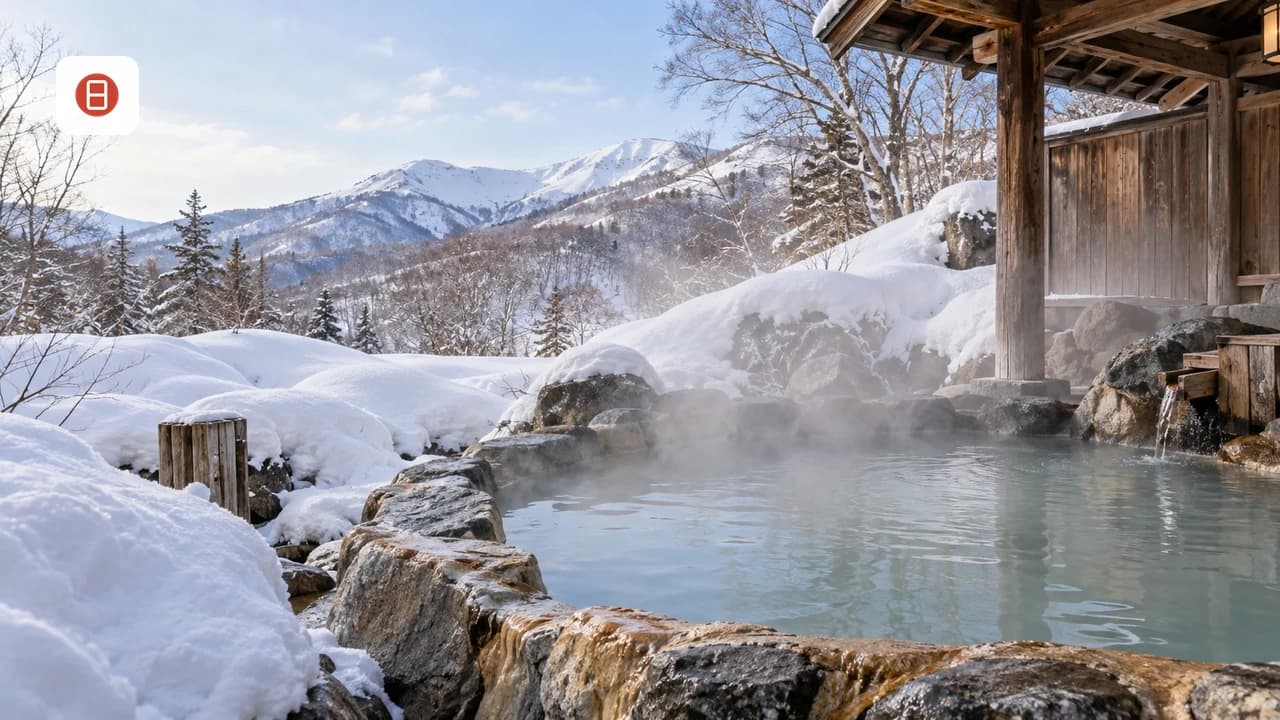
After a full day on snow, many skiers head straight to a hot spring. Soaking options across the region are covered in the 12 Best Niseko Hot Springs Guide: 2026 Tips & Top Spots. On a day when wind closes the whole upper mountain, some visitors leave the resort area entirely for a change of pace. A Lake Toya day trip is one option within reach of Niseko. Other options are covered in the broader 9 Best Day Trips from Niseko (2026) guide.
Common Mistakes to Avoid With the Niseko Ski Map
A few planning mistakes come up again and again for first-time visitors reading the Niseko ski map.
- Assuming you can ski between resorts late in the day. Summit lifts often stop running earlier than base lifts, so crossing late in the afternoon can strand you on the wrong side without a shuttle.
- Underestimating the distance from Annupuri back to Hirafu. It is the longest on-snow traverse across the four resorts, so less confident skiers should build in extra time or plan to catch the shuttle instead.
- Ignoring the wind status on the top lifts before heading to the summit. A closed single chair cancels access to some connecting terrain even when the lower mountain is fully open.
- Treating Niseko Moiwa as part of Niseko United. It sits nearby as a separate resort, is not linked to the 11-gate system, and needs its own lift ticket.
- Relying only on a phone screenshot of the map. Printed maps at each base show gate numbers and shuttle stops more clearly than most zoomed-in photos.
Frequently Asked Questions
What is the Niseko ski map, and does one map cover all four resorts?
Yes. The Niseko United trail map covers Grand Hirafu, Hanazono, Niseko Village, and Annupuri as one connected system, since a single lift ticket and set of interlinking runs join all four bases near the summit.
Is Niseko Moiwa part of the Niseko ski map?
No. Niseko Moiwa is a separate resort near Niseko United and is not linked into the gate system or the shared trail map. It needs its own lift ticket, so a Niseko United all-mountain pass will not scan there.
How many gates does the Niseko gate system have?
Niseko United runs 11 numbered gates that lead from patrolled terrain into backcountry zones. Each gate can open or close daily based on ski patrol's avalanche assessment, so check current status before heading toward one.
What happens to the Niseko ski map when the top lifts have a wind hold?
A wind hold on the summit single chairs effectively splits the map in two. It cuts off the on-snow route between Hirafu and Hanazono on one side and Niseko Village and Annupuri on the other. On those days, the shuttle bus becomes the fastest way to move between bases.
Can beginners use the Niseko ski map, or is it mostly for advanced skiers?
Beginners have real options. About a third of marked terrain across the four resorts is rated beginner-friendly, concentrated in lower Hirafu and Hanazono, while advanced terrain and backcountry gates sit mostly around Annupuri and the upper mountain.
Do I need an all-mountain pass, or can I buy tickets for just one resort?
Buy an all-mountain pass if you plan to explore more than one base in a day, since it covers lifts at all four resorts on one ticket. A single-resort ticket only makes sense if you are staying at one base the entire day.
Where can you download or view the current Niseko ski map before your trip?
The Niseko United site publishes the current trail map online, alongside its own app and the Yukiyama App for live lift status. Printed copies are also available at each resort base once you arrive.
Free: The Niseko Essentials guide
Top things to do, where to stay, a perfect day plan, getting around, and the best time to go — a Niseko mini-guide you can take offline.
You might also like

Continue reading
More guides you'll find useful