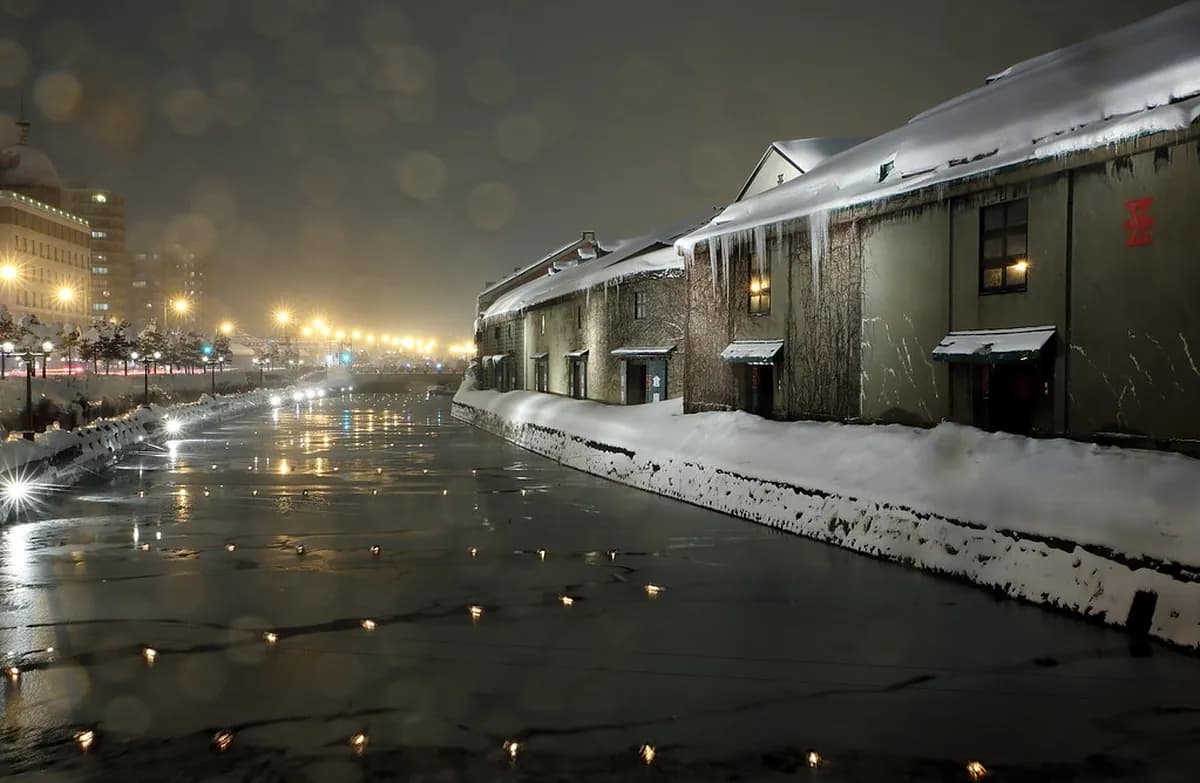
Lake Toya Day Trip From Niseko Travel Guide
Plan a lake toya day trip from niseko with this guide. Discover top views, volcanic hikes, and timing tips for a perfect Hokkaido escape.
On this page
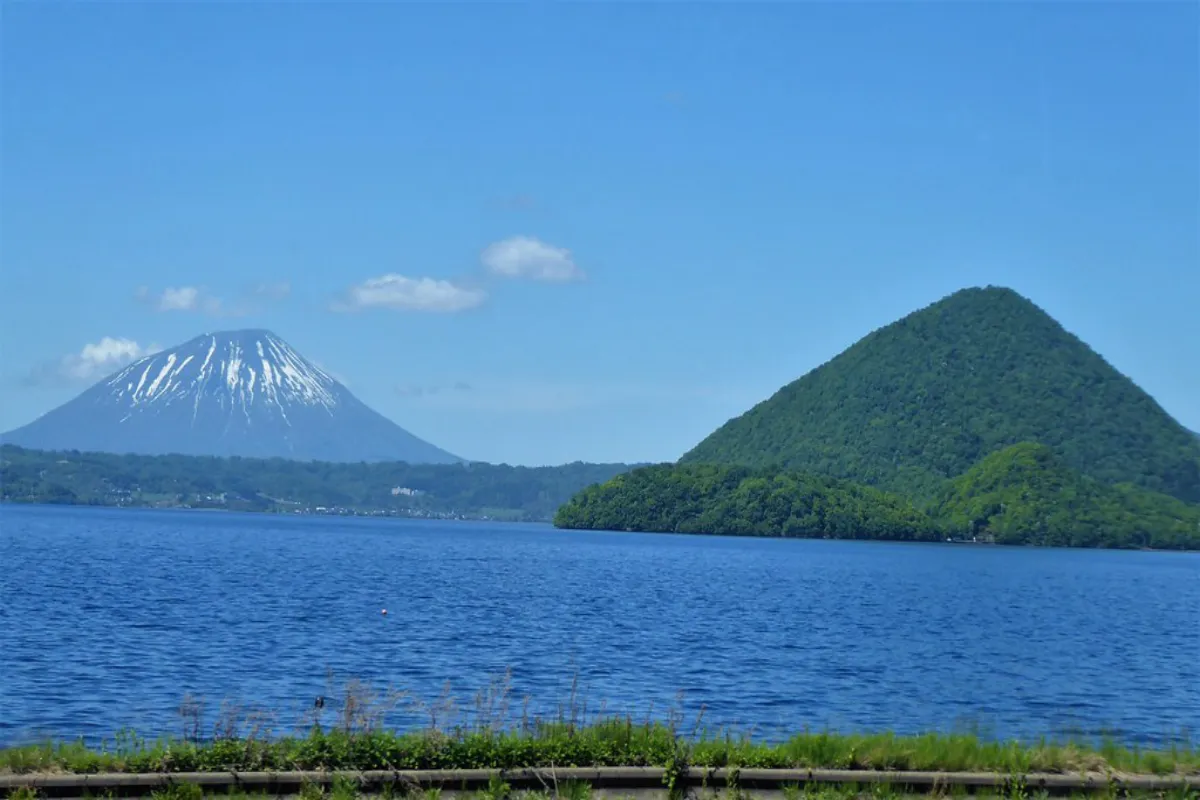
Lake Toya is a volcanic caldera lake roughly one hour south of Niseko by car. It sits inside Shikotsu-Toya National Park and the Toya-Usu UNESCO Global Geopark, surrounded by active volcanoes and dense Hokkaido forest. This crater lake in Hokkaido has a unique geological history — the drive from Hirafu passes Mount Yotei for much of the route, which alone justifies the trip on a clear day.
This guide covers the essential stops for a full day trip from Niseko — from the Silo Observatory and Usuzan Ropeway through to the onsen town and nightly fireworks. It is useful for any season: Lake Toya is one of the few lakes in Japan that never freezes, thanks to geothermal heat from the surrounding volcanoes. Whether you visit in July or January, the water stays open and the views reward the drive.
An early start is the single biggest factor in getting this day right. Tour buses from Sapporo arrive by mid-morning and the ropeway queues lengthen fast. Leave Niseko by 08:00 and you will have most of the major sites to yourself for the first two hours.
Must-See Lake Toya Attractions
The Toya National Park Silo Observatory is the logical first stop. It sits on a ridge above the lake and delivers a panoramic view that takes in the caldera, the central Nakajima Islands, Mount Usu, and on clear mornings, Mount Yotei to the north. Entry is free and the carpark is rarely busy before 09:30. Budget 30 to 45 minutes here.
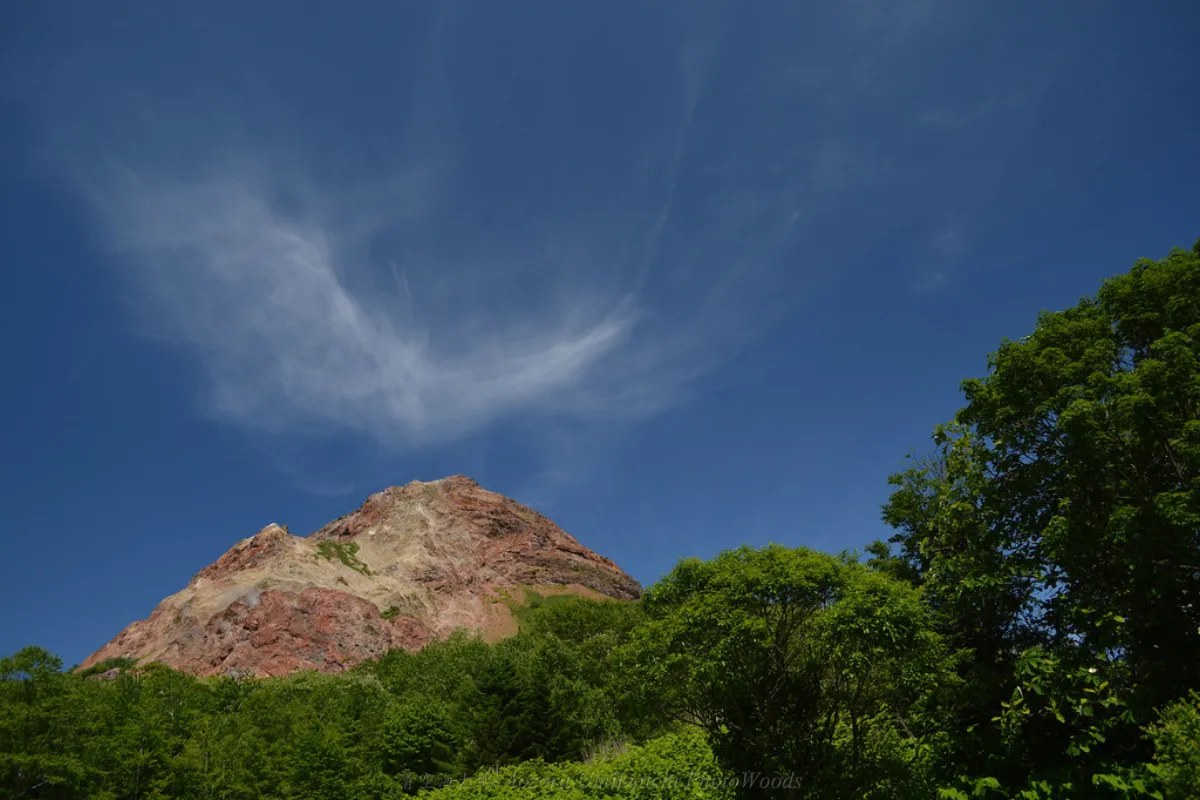
The Usuzan Ropeway is the centrepiece of the day. A round-trip ticket costs approximately ¥1,800 for adults and the cable car runs daily from 09:00 to 17:00 in summer. The summit crater walk takes about 40 minutes and passes through the Konpira Crater Disaster Remains — a section of highway and residential buildings buckled by the 2000 eruption. It is an unusual and genuinely striking experience that has no equivalent anywhere near Niseko.
The ropeway summit sits at 730 metres elevation. Wind and temperature drop significantly compared to the lakeshore—pack a light windbreaker even in midsummer. Visit early (before 10:00) to avoid queues that build as tour buses arrive from Sapporo.
A double-deck cruise boat departs the Toyako Town pier every 30 minutes during summer and stops at the Nakajima Islands in the centre of the lake. The journey takes about 30 minutes and passengers can disembark to walk among the island trails where Ezo deer and fox are common. Cruise tickets cost around ¥1,500 per adult. If you are pressed for time, skip the island stop and take the loop-only cruise instead.
For food, Lake Hill Farm sits on the southern shore and is the most popular lunch stop. They produce their gelato from Hokkaido milk and the seasonal fruit flavours change monthly. A double scoop costs around ¥500. The farm is open from 09:00 to 18:00 in summer.
Museums, Art, and Culture Around the Lake
The Volcano Science Museum in Toyako Onsen town is an interactive exhibit focused specifically on Mount Usu. It walks visitors through the mechanics of the 1977 and 2000 eruptions using scale models, seismic equipment, and footage from the eruption itself. Admission costs around ¥600 for adults. It is a good 45-minute stop that provides useful context before you ride the ropeway.
The TOYA Colors sculpture park wraps the entire 43-kilometre shoreline. There are 58 large-scale installations created by 56 artists from Japan and abroad. The pieces are designed to frame the volcanic landscape rather than compete with it — many are positioned so that Mount Usu or the lake forms the backdrop. The park is free, open 24 hours, and best explored by car with short stops at each cluster of works.
Wakasaimo is a confectionery shop in Toyako Onsen town that has been operating for over 90 years. Their signature sweet, the wakasaimo, uses Ofuku beans — a large white variety grown in the Lake Toya area — to replicate the texture of a sweet potato without using any potato at all. The Imoten (deep-fried version) and Jaggaki Soft-serve ice cream are worth trying. It is a genuinely local product that you will not find in Niseko or Sapporo.
Parks, Gardens, and Outdoor Spots
Two dedicated walking trails cover the disaster remains from the 2000 eruption: the Konpira Craters Disaster Remains Walking Trail and the Nishiyama Crater Walking Trail. Both are flat enough for most fitness levels and take 30 to 50 minutes each. The Nishiyama trail passes the site of a former onsen neighbourhood buried by lava flows, with information boards explaining each damaged structure. These trails are free and accessible without a ropeway ticket.
The Takarada Nature Observation Trail offers a quieter alternative for hikers who want forest rather than volcanic rock. It winds through woodland affected by the 1977 eruption, where the regrowth pattern is still visible. The path is well marked but has some steep sections — wear trail shoes rather than sneakers. Allow 90 minutes for the full loop.
Water activities on the lake include canoeing, stand-up paddleboarding, and fishing. Lake Toya has some of the clearest water of any freshwater lake in Japan. Hire equipment is available from operators near the Toyako Town pier during summer. The morning hours before 11:00 offer the calmest water surface and the best light for photos.
Fruit Picking and the Sobetsu Side of the Lake
Most visitors focus entirely on the Toyako Town side of the lake and miss Sobetsu entirely. Sobetsu Fruit Village lines Route 453 on the southern shore and comprises 18 fruit orchards that open for pick-your-own harvesting between July and November. Depending on the month, you can pick cherries, strawberries, blueberries, peaches, or apples. This agritourism area is well documented in regional Hokkaido guides for its seasonal produce quality. Entry fees vary by orchard and season but typically run ¥500 to ¥1,500 per person including a small basket of produce to take home.
This is the stop that makes a Lake Toya day trip genuinely different from what a coach tour covers. None of the Sapporo bus packages stop here, and most Niseko-based guests have not heard of it. For families especially, the combination of fruit picking in the morning and the ropeway in the afternoon makes for a natural and unhurried day without overlapping with the main tourist crowds.
The Sobetsu orchards also sit at a slightly higher elevation than the lakeshore, which gives a different angle on the caldera and Mount Usu. In late July and August, when the cherry trees are finished and the blueberry season peaks, the views from the orchard rows across the lake are among the best in the area. No tripod required — just walk to the edge of any orchard row.
Family-Friendly and Budget-Friendly Options
The Silo Observatory, the disaster remains walking trails, and the sculpture park are all free. A family of four can easily fill half a day without spending anything on entry fees. Add a cruise boat and ropeway ticket per person and the total still comes in under ¥15,000 for the family. Bring a packed lunch from Niseko and you cut the daily spend further.
For children, the Nakajima Islands cruise is the standout activity. Ezo deer on the islands are accustomed to visitors and will often approach within a few metres. The island walking trails are flat and shaded, which makes them manageable for young children during the hotter summer months. The double-deck boat itself is an event — the upper deck has open-air seating with full lake views.
The hand and foot onsen pools scattered around Toyako Onsen town are free and do not require any preparation. They are good for children who may not be ready for a full onsen experience. Most are roofed and have benches alongside them, so one adult can soak while others rest. These pools are open year-round and are busiest on weekday evenings.
Budget travellers should note that a hot spring day pass at one of the lakeside hotels typically costs ¥1,000 to ¥1,500. This is meaningfully cheaper than a dedicated onsen resort entry in Niseko and the views from the hotel baths over the lake are difficult to match. Call ahead to confirm day visitor availability, as some hotels close their baths to non-guests during peak summer weekends.
Onsen and the Nightly Fireworks
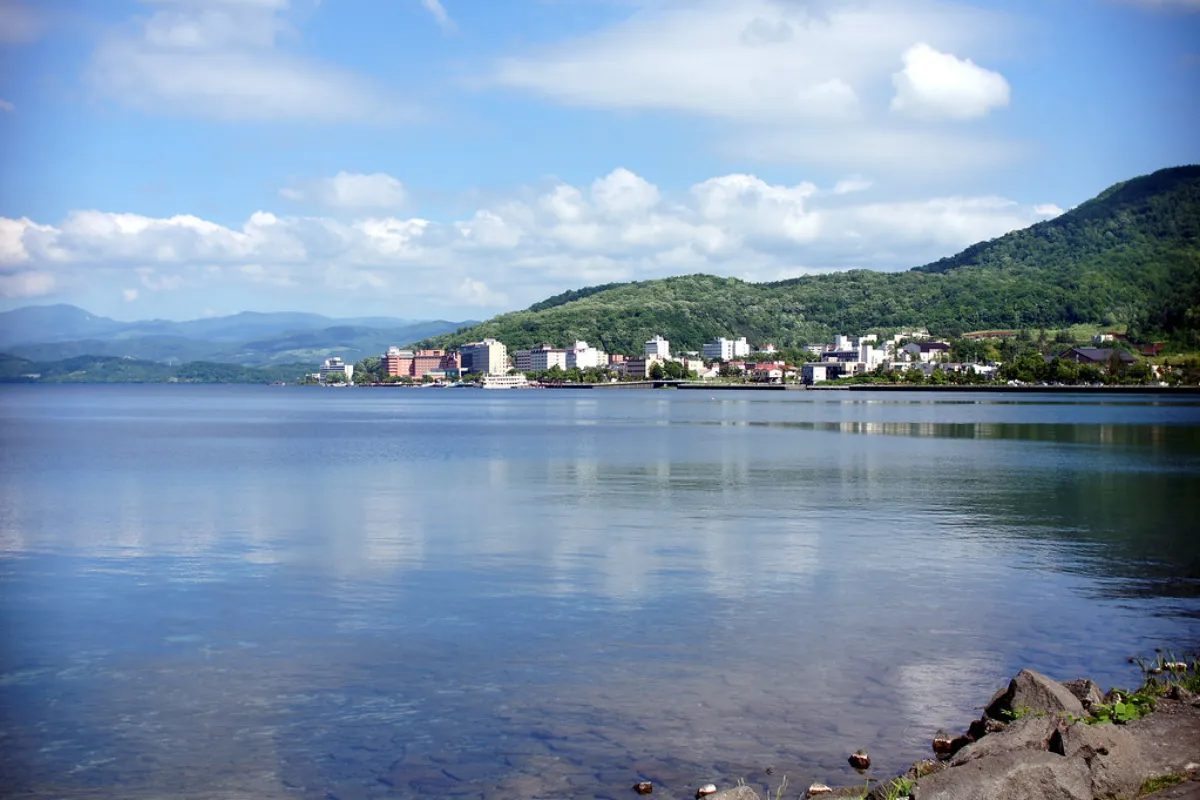
Toyako Onsen town sits on the western shore and is the natural end point for the day. Most hotels with hot spring facilities admit day-trip guests for a bath fee. The onsen waters here are sodium-chloride springs known for warming the body and improving circulation — a different mineral profile from the Niseko onsen waters, which tend to be more sulfurous. Check the official Toyako Onsen site for bath options and daily fireworks timing. For broader Hokkaido travel planning, the regional tourism board also lists seasonal attractions across the prefecture.
The nightly fireworks display runs from April 28 to October 31 each year, weather permitting. The show starts at around 20:45 in high summer and lasts approximately 20 minutes. What makes it unusual is the scale — these are not a once-a-summer festival event but a nightly commercial display put on by the local tourism association throughout the season. The lake surface doubles the light show with a near-perfect reflection on calm nights.
The lakeshore viewing area fills from around 20:00. Arriving earlier also gives you the best light for photography as the sky transitions from dusk to dark over the caldera rim. If you prefer a more elevated perspective, a firework-viewing cruise leaves from the pier and positions passengers on the open water for the full 360-degree effect.
How to Plan a Smooth Lake Toya Day
A rental car is the only practical way to reach the Silo Observatory, Lake Hill Farm, Sobetsu orchards, and the ropeway base in a single day. Public buses from Niseko to Toyako do operate but the schedule is sparse — roughly two to three departures per direction per day — and they do not serve the agricultural side of the lake at all. Book your rental car at least two weeks ahead during July and August; vehicles sell out across the Niseko region. Most agencies in Kutchan require an International Driving Permit.
Understanding getting around the resort and the wider Shiribeshi area helps with route planning. The most efficient loop from Hirafu uses Route 230 south toward Kimobetsu, then Route 66 into Toyako from the north. This brings you past the Silo Observatory first, which is the correct order — you want the high-level view before descending to the lakeshore. Return via the same road takes roughly 55 minutes without stops.
Pack layers even in midsummer. The ropeway summit sits at around 730 metres and the wind can be significantly colder than the lakeshore. Sunscreen is important for the lakeside sculpture walk and the open-deck cruise. Carry ¥5,000 in cash per person for parking fees, gelato, and any roadside stalls — card acceptance is limited at smaller stops along Route 453.
Lake Toya never freezes year-round due to geothermal heat from surrounding volcanoes. The lake is accessible for sightseeing and water sports in every season, making it one of Japan's most reliable winter-weather destinations for scenic day trips.
See the full list of summer activities in Niseko if you want to combine your Lake Toya day with an afternoon activity back in the Niseko area. The timing generally works: leave the lake by 17:00 and you are back in Hirafu before 18:30 with the evening ahead of you. Or stay for the fireworks and return around 21:30 — both are valid approaches depending on whether you have an early start planned for the following day.
Planning the rest of your trip? Start with our complete guide to things to do in Niseko, then look at more day trips from Niseko and the canal town of Otaru.
Frequently Asked Questions
Is a lake toya day trip from niseko worth it?
Yes, it is absolutely worth the effort for the volcanic views. The drive is short and the scenery is very different from Niseko. It offers a perfect blend of nature and relaxation.
How much time should you plan for Lake Toya?
You should plan for a full 10 to 12-hour day. This allows for the drive, several major stops, and a relaxing onsen visit. Rushing the trip often means missing the best viewpoints.
Can you visit Lake Toya without a car?
It is possible but very difficult due to limited bus schedules. You would likely only see the main town area. A car is necessary to visit the farm and observatory efficiently.
A lake toya day trip from niseko rewards visitors with a combination that is hard to find elsewhere in Hokkaido: active volcanic terrain, clear caldera water, free-roaming wildlife, local food, and a nightly fireworks display running for six months of the year. The drive is under an hour, the main sites are well spread for a full day, and the cost is reasonable even for families.
The key is to start early, drive your own route, and leave room for the Sobetsu side of the lake — the orchard strip that most visitors skip is often the part that people remember longest. Check weather the night before, carry some cash, and plan your return around the fireworks if the season is right.
Free: The Niseko Essentials guide
Top things to do, where to stay, a perfect day plan, getting around, and the best time to go — a Niseko mini-guide you can take offline.
You might also like

Continue reading
More guides you'll find useful