Kyoto To Kanazawa Travel Guide
Plan your trip from kyoto to kanazawa with expert picks, neighborhood context, timing tips, and practical booking advice for a smoother 2026 Japan journey.
On this page
The journey from Kyoto to Kanazawa is one of the most rewarding rail connections in Japan. These two cities sit roughly 190 km apart on Honshu's main island, and the trip takes around two hours by train. Kanazawa earned the nickname "Little Kyoto" for its preserved samurai districts and tea houses, yet it has its own distinct food culture and identity that makes it worth the trip in its own right. Getting there changed significantly in March 2024, so it's worth understanding exactly how the route works before you book.
This guide covers every realistic way to make the trip in 2026 — by limited express and shinkansen, by highway bus, and from both Kyoto and Osaka. It also explains what to do once you arrive, how to use a JR Pass on this route, and what the most common planning mistakes look like. For a full plan of what to see once you land, the one-day Kanazawa plan guide covers the city day by day.
How the Route Works in 2026
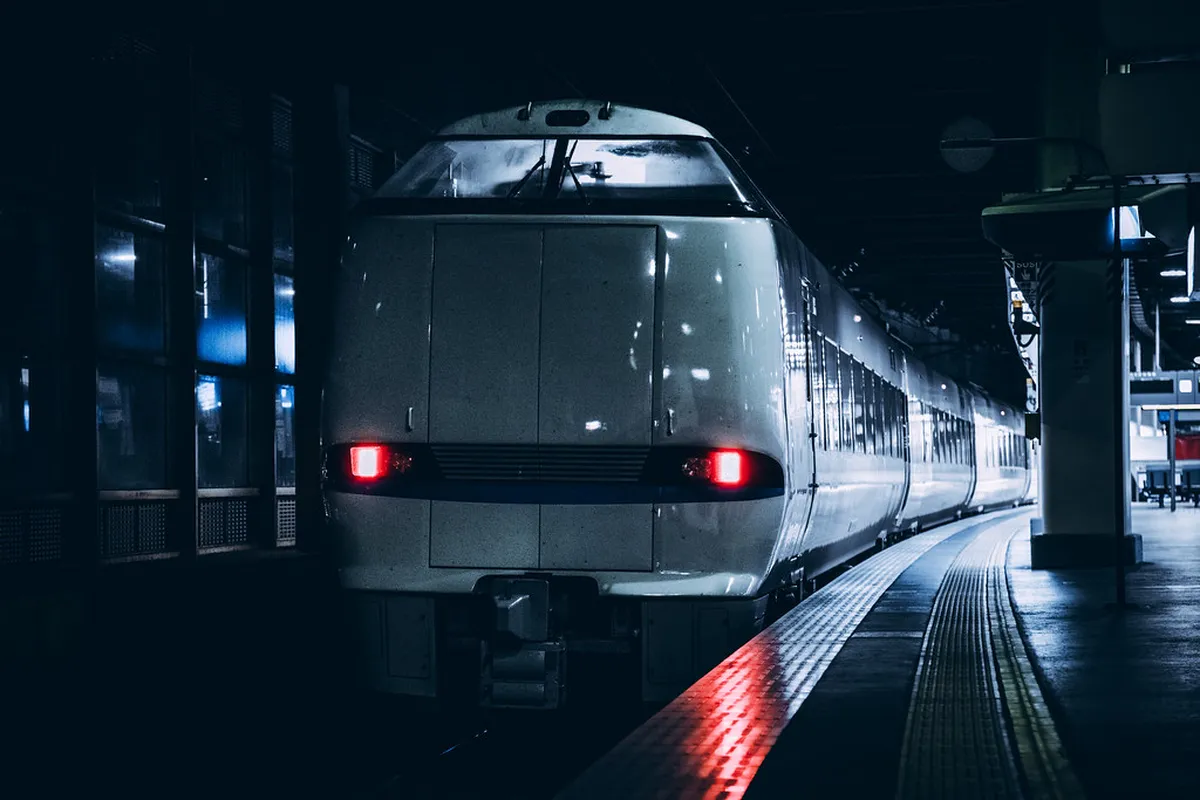
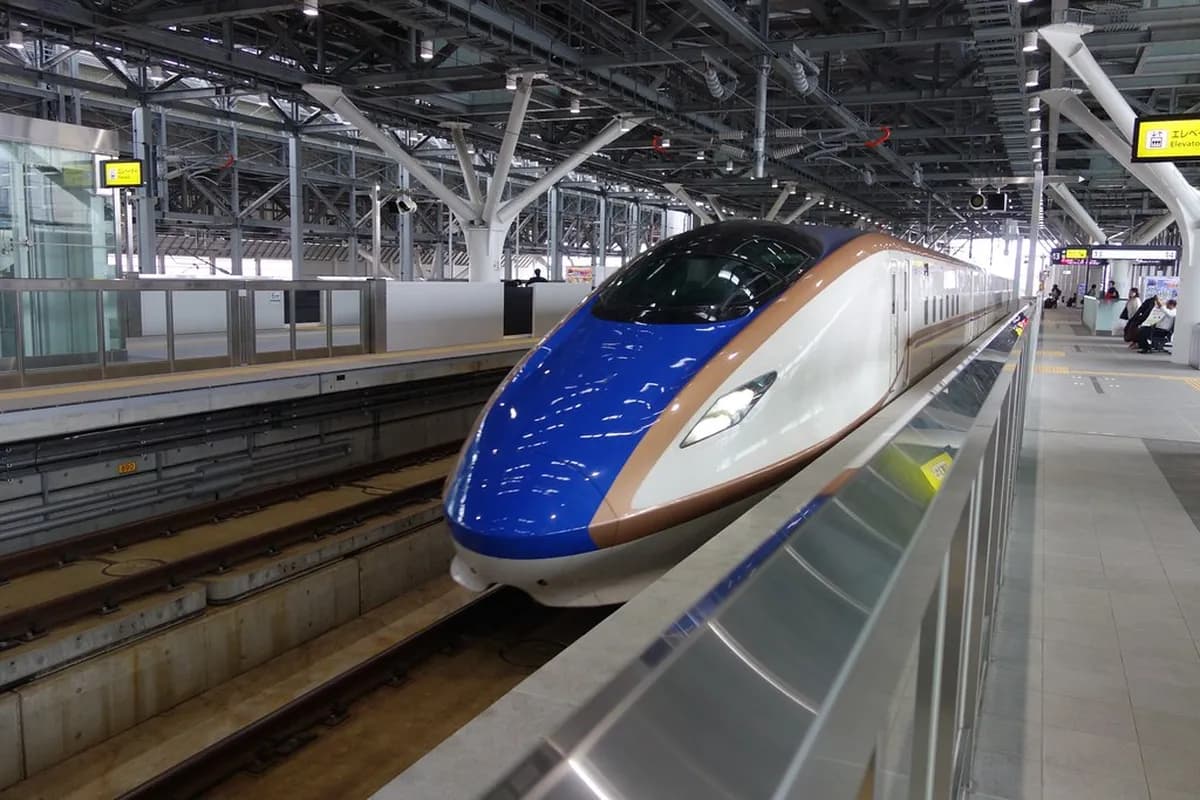
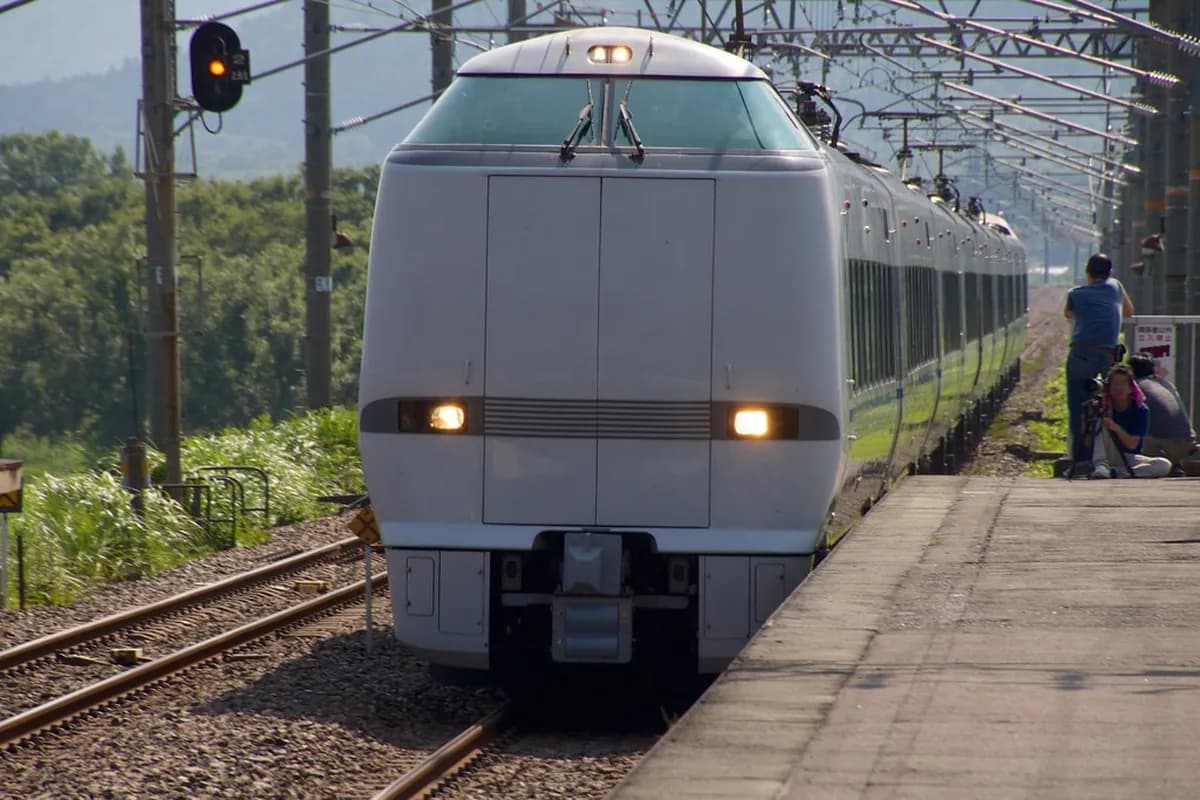
Until March 2024, the Thunderbird limited express ran directly between Kyoto Station and Kanazawa Station without any transfer. That changed when the Hokuriku Shinkansen was extended south to Tsuruga in Fukui Prefecture. The Thunderbird now terminates at Tsuruga. Travelers heading to Kanazawa must transfer there onto the Hokuriku Shinkansen for the final leg into the city.
The good news is that the total journey time is roughly the same as before. The Thunderbird takes about 53 minutes from Kyoto to Tsuruga. The Hokuriku Shinkansen then covers Tsuruga to Kanazawa in about 60 minutes. Add a few minutes for the platform transfer and the whole trip lands at around two hours from door to door. The standard fare is approximately ¥7,710 as of 2026.
The transfer at Tsuruga is straightforward. Both trains use the same station building. JR signage in English and Japanese clearly directs passengers to the shinkansen platforms. You do not need to exit the fare gates to make the switch. If you have a reserved seat on the Thunderbird, buy your Hokuriku Shinkansen reservation separately — the two are different train categories and require separate tickets or reservations even when using a JR Pass.
Getting to Kanazawa from Kyoto by Train
Trains depart Kyoto Station for Tsuruga frequently throughout the day, with the first Thunderbird leaving around 07:00 and the last connections running into the evening. Service runs roughly twice per hour during peak daytime hours. At Tsuruga, Hokuriku Shinkansen trains onward to Kanazawa also run multiple times per hour, so missed connections are rare if you leave Kyoto on any standard morning departure.
The standard non-reserved fare between Kyoto and Kanazawa is approximately ¥7,710 in 2026. Adding a reserved seat on both the Thunderbird and the Hokuriku Shinkansen costs a small surcharge on top of that base fare. Reserved seats are strongly recommended during Golden Week (late April to early May), Obon (mid-August), and the New Year period, when trains fill up quickly and unreserved cars can be standing-room only.
The Japan Rail Pass covers both legs of this journey. Holders can ride the Thunderbird from Kyoto to Tsuruga and transfer to the Hokuriku Shinkansen to Kanazawa without paying extra. However, the JR Pass does not automatically give you a reserved seat — you still need to reserve seats at a ticket counter or machine before boarding, which is free with the pass. Green Car seats on the Hokuriku Shinkansen always require a reservation, even with a JR Pass.
| From | Train(s) | Transfer | Time | Approx. Cost (2026) |
|---|---|---|---|---|
| Kyoto | Thunderbird → Hokuriku Shinkansen | Tsuruga | ~2 hrs | ¥7,710 |
| Osaka (JR Osaka / Shin-Osaka) | Thunderbird → Hokuriku Shinkansen | Tsuruga | ~2 hrs 20 min | ¥9,410 |
| Kyoto / Osaka (via bus) | Highway bus (JR Bus / other operators) | None | 4–5 hrs | ¥3,000–¥5,500 |
| Tokyo | Hokuriku Shinkansen (direct) | None | ~2 hrs 30 min | ¥14,380 |
- Thunderbird limited express: Kyoto → Tsuruga, approximately 53 minutes
- Hokuriku Shinkansen: Tsuruga → Kanazawa, approximately 60 minutes
- Total travel time: approximately 2 hours including transfer
- Standard fare: approximately ¥7,710 (both legs combined)
- JR Pass: valid on both legs, seat reservation required separately
For step-by-step platform guidance and timetable links, the getting to Kanazawa guide has full details including departures from Tokyo and Osaka.
Getting to Kanazawa from Osaka
Many travelers fly into Kansai International Airport (KIX) and base themselves in Osaka before heading to Kanazawa. The route follows the same structure as the Kyoto option: a Thunderbird limited express from Osaka to Tsuruga, then the Hokuriku Shinkansen to Kanazawa. From Osaka (JR Osaka Station or JR Shin-Osaka Station), the Thunderbird takes about 80 minutes to reach Tsuruga. Combined with the Shinkansen leg, the total journey is roughly 2 hours and 20 minutes.
The combined fare from Osaka to Kanazawa is approximately ¥9,410. The JR Pass covers this route as well. Travelers arriving at KIX can take the Haruka express to Shin-Osaka Station and then board a Thunderbird, making the entire airport-to-Kanazawa journey doable in around three and a half hours if the connections are timed well.
If you are building a classic western Japan loop — Osaka, Kyoto, Kanazawa, then back — it makes logistical sense to exit Japan via Osaka and end the Kanazawa leg there rather than doubling back to Kyoto. The fare and time difference are modest, but the routing becomes much cleaner for multi-city itineraries.
Highway Bus and Other Options
Highway buses run between Kyoto and Kanazawa for travelers who prioritize cost over speed. Several operators, including JR Bus, cover this route overnight and during the day. Daytime buses take roughly four to five hours depending on traffic. Overnight buses let you skip a night's accommodation and arrive in Kanazawa in the morning, which can be a smart move if your budget is tight or your schedule is flexible.
Bus fares typically range from ¥3,000 to ¥5,500 depending on the operator, day of week, and whether you book in advance. That's roughly half the price of the train. The trade-off is obvious: you sacrifice two to three hours and the comfort of the shinkansen for the savings. The bus is most competitive for solo travelers on a tight budget or those who want to combine an overnight journey with a hostel-style experience.
Flying is not a practical option between Kyoto and Kanazawa. The nearest airport to Kanazawa is Komatsu Airport, about 40 minutes by bus from the city center. Even accounting for low-cost airfares, the airport transfer time makes flying slower and more expensive than the train on this particular route. Stick to the train for any trip originating in Kyoto or Osaka.
Booking Your Tickets
You can buy train tickets for the Kyoto–Tsuruga–Kanazawa route up to nine months in advance through JR ticket offices (Midori-no-Madoguchi windows) at major stations, through self-service ticket machines, or via third-party online sellers. Booking online is convenient if you want to lock in your seat well ahead of a busy season. If you are purchasing on arrival in Japan, the ticket machines at Kyoto Station have English-language interfaces and accept credit cards.
With a Japan Rail Pass, go to the JR ticket counter at Kyoto Station and request separate seat reservations for both the Thunderbird and the Hokuriku Shinkansen. The process takes about five minutes. Staff will print two reservation slips. Show your pass plus the reservation slips at the platform gates. No extra charge applies for standard (ordinary car) reservations.
One practical detail most first-timers miss: if you are traveling with large baggage (bags measuring more than 160 cm in combined length + width + height), you need to reserve an oversized luggage space on the Hokuriku Shinkansen. This can be done at the ticket counter when you make your seat reservation. Failing to reserve this space means you cannot use the designated storage area and may have difficulty stowing your bag. Most travelers with standard carry-on size bags (under 160 cm) do not need the extra reservation. For a full breakdown of getting around the city after you arrive, see the getting around Kanazawa.
Extending the Journey via Hokuriku Stops
The Hokuriku Shinkansen extension to Tsuruga opened up a more scenic route option: stopping in Fukui en route to Kanazawa. Fukui Station sits between Tsuruga and Kanazawa on the shinkansen line and is a reasonable half-day stop. The city is best known for Eiheiji Temple, a working Zen monastery about 30 minutes from Fukui Station, and for Fukui's dinosaur museum — one of the best in Asia and genuinely worth the detour if you're traveling with children or dinosaur enthusiasts.
Adding Fukui as a midpoint turns the Kyoto–Kanazawa leg into a two-day mini-itinerary: arrive Fukui by late morning, spend the afternoon at Eiheiji or the museum, stay overnight in Fukui (where accommodation is cheaper than Kanazawa), and continue to Kanazawa the following morning. The fare structure works well with a JR Pass since both stops use the same shinkansen line.
For travelers building a longer Hokuriku loop, the shinkansen continues northeast from Kanazawa to Toyama and Nagano, eventually connecting back to Tokyo. Kanazawa works naturally as either a one-night stop on a larger circuit or a two-to-three night base for exploring Kanazawa day trips, including Shirakawa-go and the Noto Peninsula.
First Things to Do After Arriving at Kanazawa Station
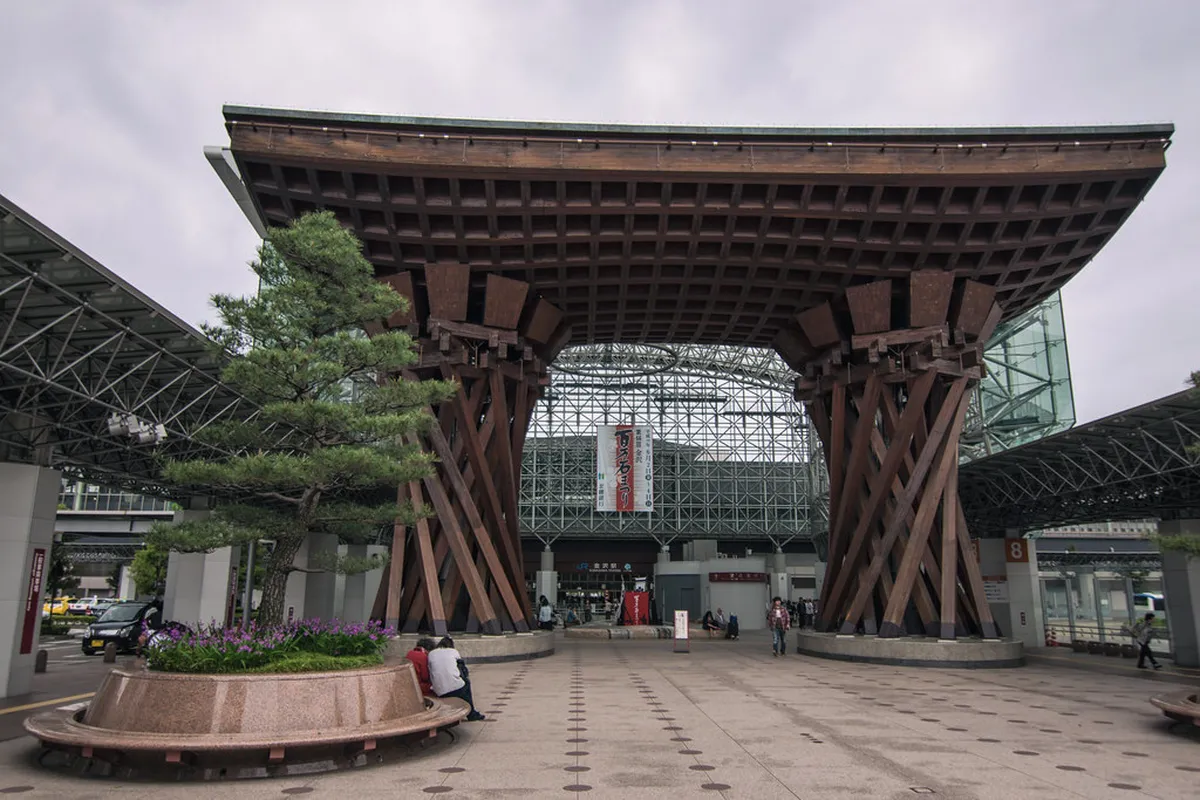
Kanazawa Station is itself worth a few minutes of attention. The iconic Tsuzumi-mon gate — two giant drum-shaped steel arches — frames the east entrance and is one of the most photographed train stations in Japan. The glass-domed roof stretching from the gate is known as the Motenashi Dome. Allow five minutes to photograph it before heading into the city.
Buses depart from the east exit (Kenroku-en exit) of the station and reach most major sights within 15 to 20 minutes. The Kanazawa Loop Bus covers the key tourist destinations in the city center for ¥200 per ride, or ¥500 for an all-day pass. Taxis are also readily available outside the east exit. The Omicho Market — Kanazawa's famous covered seafood market — is a 10-minute walk south of the station and makes an excellent first stop for lunch.
If this is your first time in the city, the Nagamachi samurai district and Kenroku-en Garden are the two anchors worth building your first afternoon around. For a deeper orientation with historical context, guided tours of the Nagamachi district depart from near the station and give you two hours of background on the Maeda clan that shaped the city. The top things to do in Kanazawa guide covers every major site with opening hours and admission prices, and Kanazawa's official tourism site has detailed visitor information and maps.
What First-Timers Get Wrong on This Route
The most common mistake in 2026 is still treating the old direct Thunderbird as the current option. Several older guidebooks and websites have not updated their information since the March 2024 shinkansen extension. If you book the Thunderbird without realizing it now terminates at Tsuruga, you will arrive there expecting to be in Kanazawa — and find you need a second ticket. Always verify your itinerary shows Tsuruga as a transfer point, not as a destination.
The second common mistake is skipping seat reservations during peak periods. Golden Week (29 April to 5 May), Obon week (13–16 August), and the period around the Hyakumangoku Festival in June all see trains fill quickly. Unreserved cars on the Thunderbird and the Hokuriku Shinkansen can reach capacity. Reserving costs nothing extra with a JR Pass and adds significant peace of mind.
A third issue catches travelers with large suitcases. The Hokuriku Shinkansen has specific rules about oversized luggage: bags over 160 cm require a reserved storage slot. Travelers who arrive at the platform without this reservation may be told they cannot board with their bag until the next train. Book the luggage slot at the same time you reserve your seat to avoid this at Tsuruga.
Frequently Asked Questions
Which kyoto to kanazawa options fit first-time visitors?
The Thunderbird limited express train is the best option for first-time visitors due to its speed and direct route. It offers a comfortable journey with plenty of space for luggage. You can easily book tickets at Kyoto Station or use a JR Pass for convenience.
How much time should you plan for kyoto to kanazawa?
The train journey takes about 2 hours and 10 minutes. You should allow an extra 30 minutes for navigating the stations. Planning a half-day for the transition ensures you arrive in Kanazawa refreshed and ready to explore the local sights.
Is kyoto to kanazawa worth including on a short itinerary?
Yes, it is definitely worth including because the two cities offer very different cultural experiences. Kyoto focuses on ancient temples, while Kanazawa highlights samurai and merchant history. The fast train connection makes it easy to visit even on a one-week trip.
What should travelers avoid when planning kyoto to kanazawa?
Avoid traveling during the peak of Golden Week without a reserved seat. Trains can become extremely crowded, making it difficult to find space for large suitcases. Always check the latest schedules on the official JR West website before you head to the station.
Traveling from Kyoto to Kanazawa in 2026 means a two-train journey via Tsuruga — a minor adjustment that costs no extra time compared to the old direct Thunderbird. Understanding the transfer, reserving your seats, and knowing the luggage rules is all you need to make the trip seamless. Whether you come for a single day or stay three nights exploring the samurai districts, Kanazawa rewards the detour far more than its size suggests.
Free: The Kanazawa Essentials guide
Top things to do, where to stay, a perfect day plan, getting around, and the best time to go — a Kanazawa mini-guide you can take offline.
You might also like


Continue reading
More guides you'll find useful