Kanazawa Hidden Gems Travel Guide
Plan your trip to see kanazawa hidden gems with top picks, neighborhood context, timing tips, and practical booking advice for a smoother journey.
On this page
Kanazawa is one of Japan's most rewarding cities for travelers who look beyond the famous gardens. While Kenrokuen and the castle park draw large crowds, the neighborhoods surrounding them hold shrines, samurai quarters, geisha alleys, and craft studios that most visitors never find. In 2026, the city still rewards curiosity more than any packaged tour.
This guide focuses on the specific spots — named, addressed, and honestly appraised — that make Kanazawa worth a second look. You will find practical entry details, opening hours, and honest notes on which spots suit different budgets and travel styles.
Must-See Kanazawa Attractions Beyond the Main Sights
Most visitors start at Kenrokuen, which is indeed worth its reputation. But the Best Things to Do in Kanazawa in 2026 that stay with travelers longest are the ones just one street removed from the tourist maps. Oyama Shrine, a five-minute walk from the castle, is a prime example. Its three-story gate mixes Japanese, Chinese, and Dutch Renaissance architecture — the colored glass panels on the upper tier glow at sunset and are lit until 22:00. Entry is free.
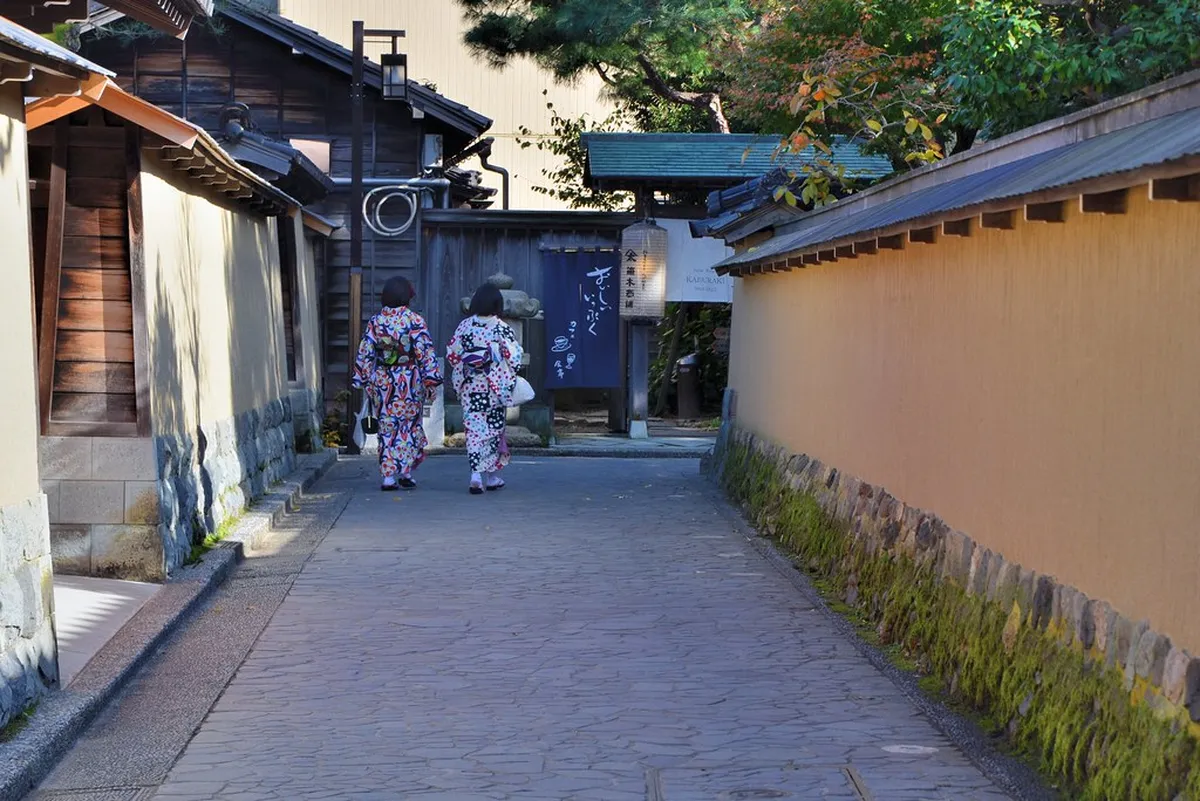
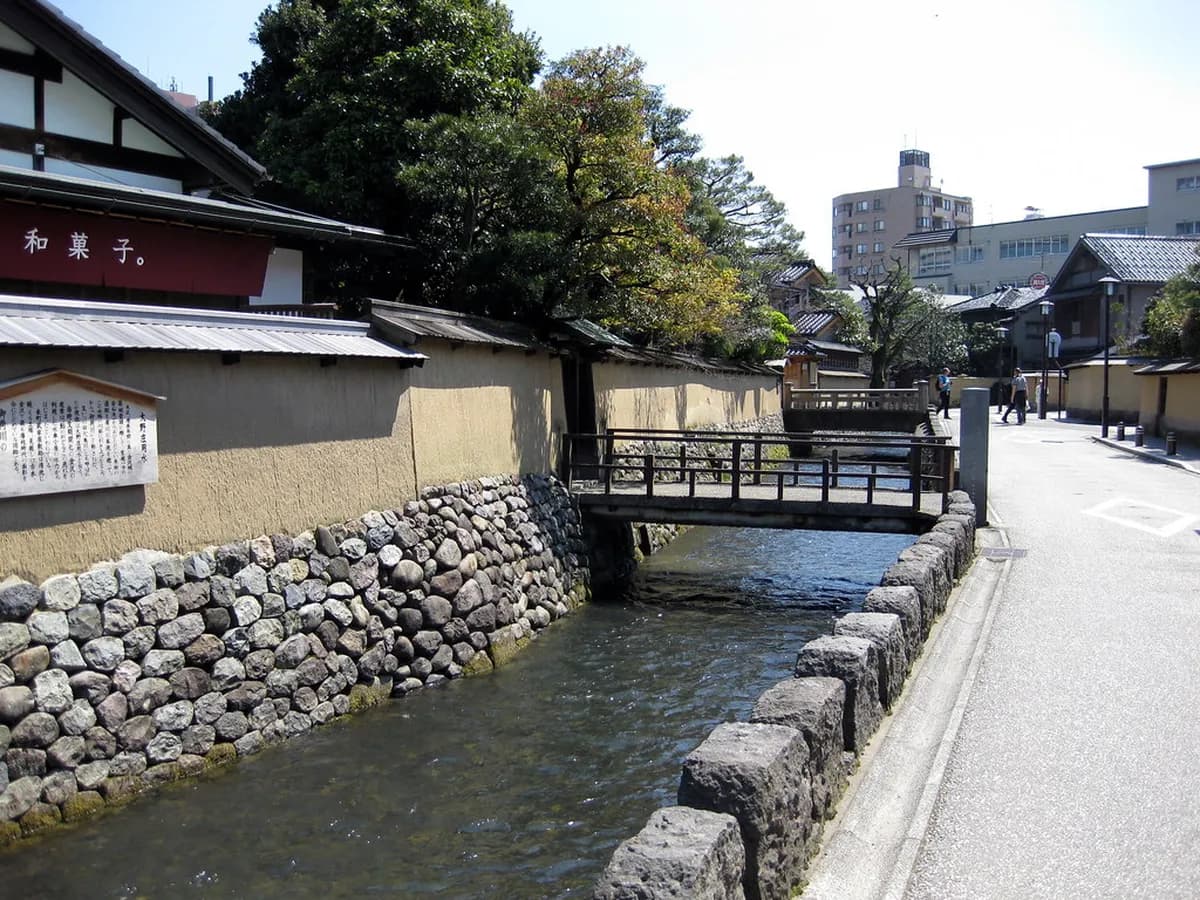
The Nagamachi samurai district runs parallel to the busier shopping streets. Earthen walls, narrow canals, and preserved residences line the lanes. Arriving before 09:00 means near-total quiet. The Nomura family residence (entry ¥550) is the most polished interior on the route, but the outer lanes are free to walk and photograph at any hour.
Satomi-cho sits adjacent to Tatemachi Street and is almost always empty. Named after a samurai who once lived there, it maintains low stone walls and a residential scale that feels genuinely lived-in rather than preserved for tourism. It takes about 15 minutes to walk through but anchors the neighborhood experience well.
Museums, Art, and Culture in Kanazawa
Art is woven into daily life here in a way that most cities cannot replicate. The Ways to Enjoy a Kanazawa Gold Leaf Experience is among the most hands-on introductions to this tradition — the city produces over 99 percent of Japan's gold leaf. Official tourism resources detail seasonal workshop schedules. Workshops run year-round and most welcome drop-ins, though booking a day ahead is advisable in spring and autumn peak seasons.
The D.T. Suzuki Museum, dedicated to the Zen philosopher born in Kanazawa, is built around silence and light rather than objects. Its Water Mirror Garden — a shallow reflective pool open to the sky — works best on clear mornings. Entry costs ¥300, and the museum sits directly on the Midori-no Komichi green path described below.
Kaga Yuzen silk dyeing is Kanazawa's most distinctive craft. Unlike Kyoto Yuzen, which uses a division-of-labor system, Kaga Yuzen is traditionally made by a single artisan from design to finishing. The Tasome studio at 3-9-19 Hondamachi (open 09:00–17:00, closed weekends for tours) runs earring and small-cloth dyeing workshops from ¥8,800. Sessions take about 60 minutes and require a reservation two business days in advance.
Traditional theater and music still animate the tea-house districts. You can often hear shamisen practice drifting from second-floor windows in Higashi Chaya during late afternoon. The Shima teahouse (entry ¥500) displays instruments and screen-painted interiors with no tour-guide crowds.
Parks, Gardens, and Outdoor Spots in Kanazawa
Kenrokuen is famous enough to skip detailed coverage here. The spot that genuinely surprises visitors is Gyokusen-en (Tamaizumi-no-maru Garden), a daimyo garden on the Kanazawa Castle grounds that was lost in the Meiji era and painstakingly recreated over seven years using the original Tatsumi canal water source. The garden covers three levels, with a 22-meter elevation change, a central pond, bridges, and a small waterfall. Entry is ¥310. Matcha with seasonal sweets costs ¥800 in the adjacent teahouse. It opens 07:00–18:00 from March to mid-October and 08:00–17:00 from mid-October through February.
The Saigawa River is a wide, open stretch where locals jog and picnic. The southern bank path runs flat for several kilometers with an unobstructed view toward the mountains. During cherry blossom season (typically late March to early April), this is a local hanami spot rather than a tourist one. In other months, it is simply quiet and walkable. Along the south bank, Factory Zoomer is a glass and craft gallery worth 20 minutes if you want to sit with a Kyoto-sourced coffee.
Utatsu-yama gives you a panoramic city view after a moderate uphill walk that begins at Utatsu Shrine behind Higashi Chaya. The climb passes Hosen-ji Temple and reaches a ridge with a clear sight-line west over the city. In June and July, more than 200,000 iris flowers bloom along the slope path — this is genuinely spectacular and almost never mentioned in standard guides.
The Midori-no Komichi (Green Path) connects Honda Park to the Nakamura Memorial Museum and the Ishikawa Prefectural Museum of Art through a bamboo-thick corridor that feels nothing like a city center. A small waterfall breaks the silence halfway along the route. The path is free, always open, and takes about 20 minutes at a slow pace.
Myoryuji Ninja Temple: The One You Must Book in Advance
Myoryuji Temple — nicknamed the Ninja Temple — is the most consistently underbooked hidden gem in Kanazawa, despite being known to locals for decades. Built in 1643 and relocated near Teramachi when the Tokugawa shogunate banned buildings taller than two stories, the temple appears to be two floors from outside. Inside, it conceals four stories and seven structural levels, 23 rooms, and 29 staircases. Trapdoors, hidden wells, false alcoves, and escape hatches were built into every corner. There were no actual ninja — the mechanisms were civilian defenses against surprise attack.
The practical constraint that most travel content skips: you cannot enter without a reservation. Call 076-241-0888 between 08:30 and before your intended visit day. Reception opens at 08:30 and guided tours run 09:00–16:00 daily except ceremonial days and 1–2 January. Entry costs ¥1,200 for adults, ¥800 for school-age children. Preschoolers cannot enter. Tours last roughly 40 minutes and are conducted in Japanese with printed English notes available.
The temple is about a 10-minute walk from Katamachi or reachable via the Hokutetsu loop bus to the Hirokoji stop. Given the reservation requirement, plan this for your first morning rather than a spontaneous detour. It is the only temple in the city that consistently produces a reaction from travelers who have seen Kyoto's famous sites and assumed nothing would surprise them.
Kazuemachi and the Quieter Geisha Districts
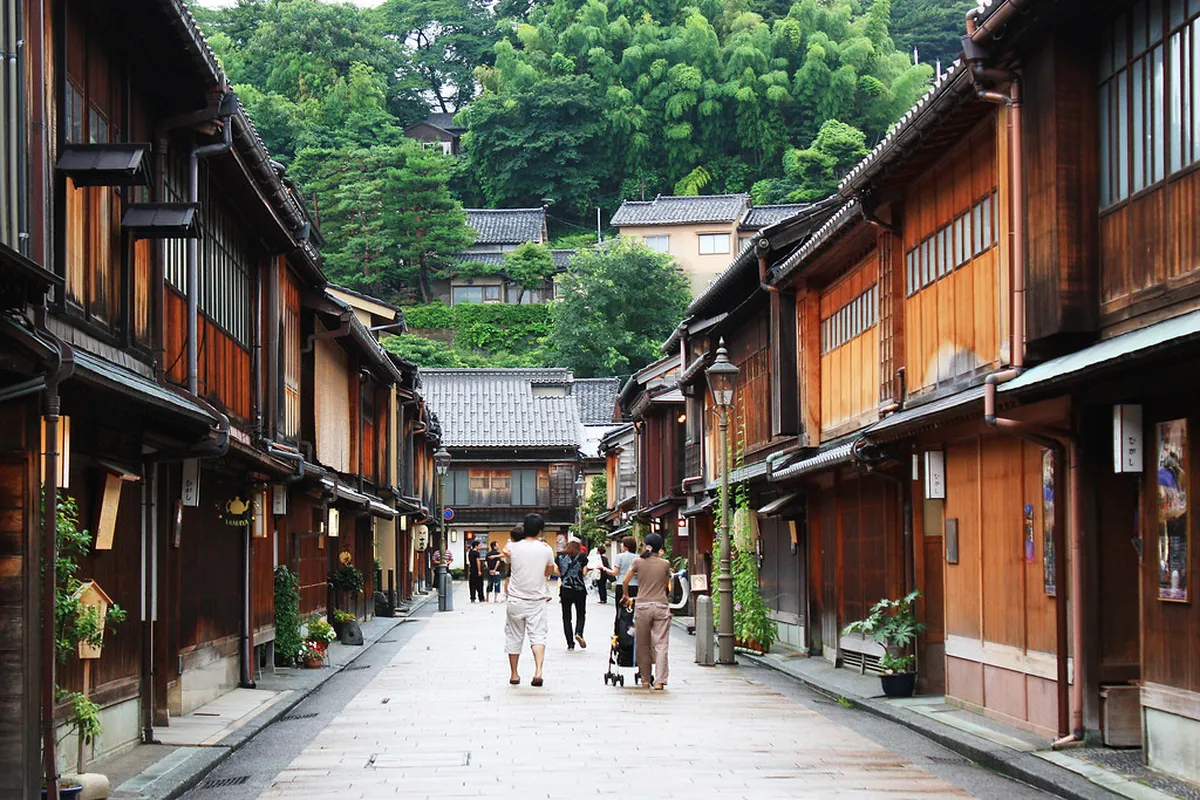
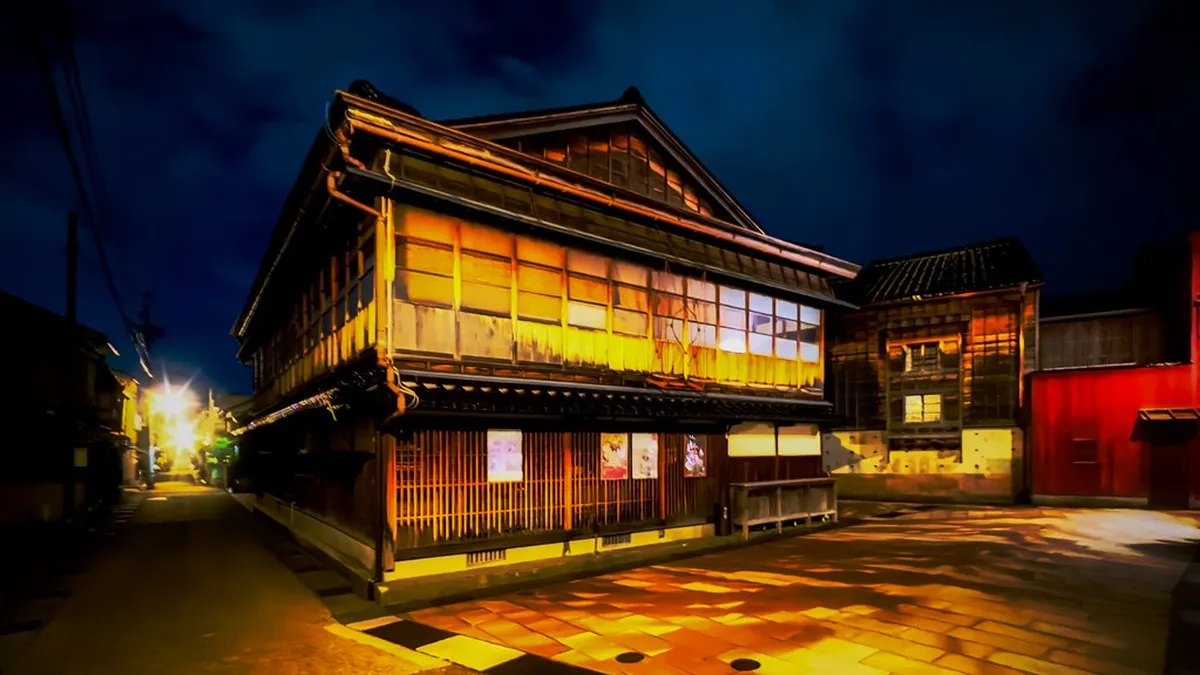
Kanazawa has three geisha districts. Higashi Chaya is the best-known and the most commercial, with cafes and souvenir shops now filling many of the teahouse facades. Kazuemachi is a different proposition entirely. A handful of alleys run along the Asano River, sitting diagonally across the Asanogawa Great Bridge from Higashi Chaya. During the Meiji era, overflow businesses from the eastern district settled here, and the neighborhood has changed little since. Most of the active teahouses remain working rather than touristic.
Two steep stone stairways — Kuragari-zaka (dark slope) and Akari-zaka (lighted slope) — climb from the riverside up toward the Higashi Chaya district. Both are photogenic and nearly always uncrowded. At the base of Kuragari-zaka, a small gallery once housed the woodblock prints of the late American artist Clifton Karhu, who spent his final years in Kanazawa. The space has changed tenants but remains worth checking for current exhibitions.
A 2-day Kanazawa itinerary that threads Kazuemachi into the late afternoon — when the lamplights begin to glow and the stone paths empty out — delivers the kind of scene that makes travelers want to stay another night. Arrive after 17:00 to feel the difference from the daytime version.
Kutani Chinaware and the Craft Shops in Nagamachi
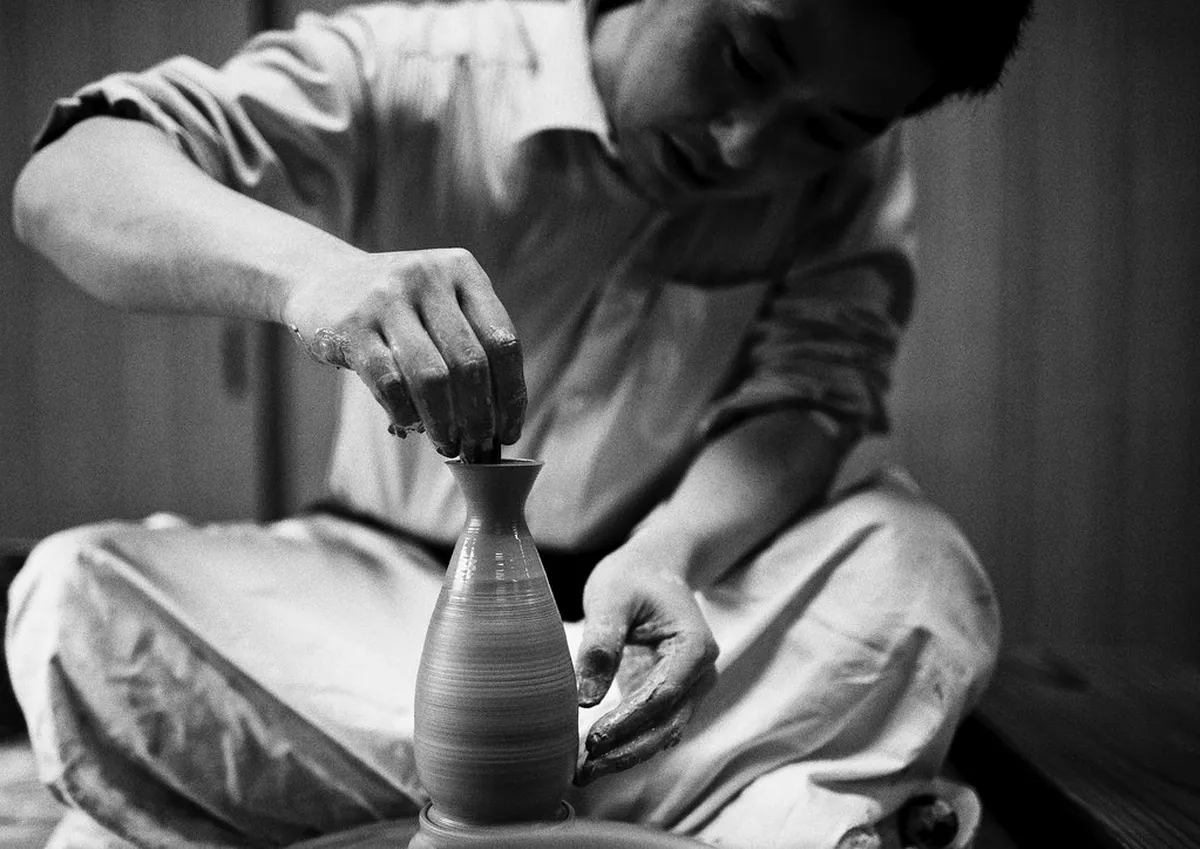
Kaburagi Shohachi, established in 1805 on 1-3-16 Nagamachi, is a long-running Kutani chinaware shop that crosses the line between shop and museum. One room holds Meiji and Taisho-era pieces and works by living national treasures. The adjoining atelier, Kasugayama Kiln, produces original items by younger craftspeople. It is open daily 09:00–18:00 (closed a few times per year) and sits about five minutes from the Korinbo bus stop.
The shop's most popular items are hand-painted wine and sake glasses that combine European glass forms with Kutani overglaze enamels. A full set starts at ¥26,400. There is also a cafe on-site serving Kaga Vegetable Curry and Kanazawa oden, making it a practical lunch stop during a Nagamachi walking route.
The Kaga Yuzen studio at Tasome (3-9-19 Hondamachi) pairs well with a Nagamachi morning. Both are traditional craft operations that accept small groups rather than large tour buses, which keeps the experience quiet and unhurried.
Family-Friendly and Budget-Friendly Options in Kanazawa
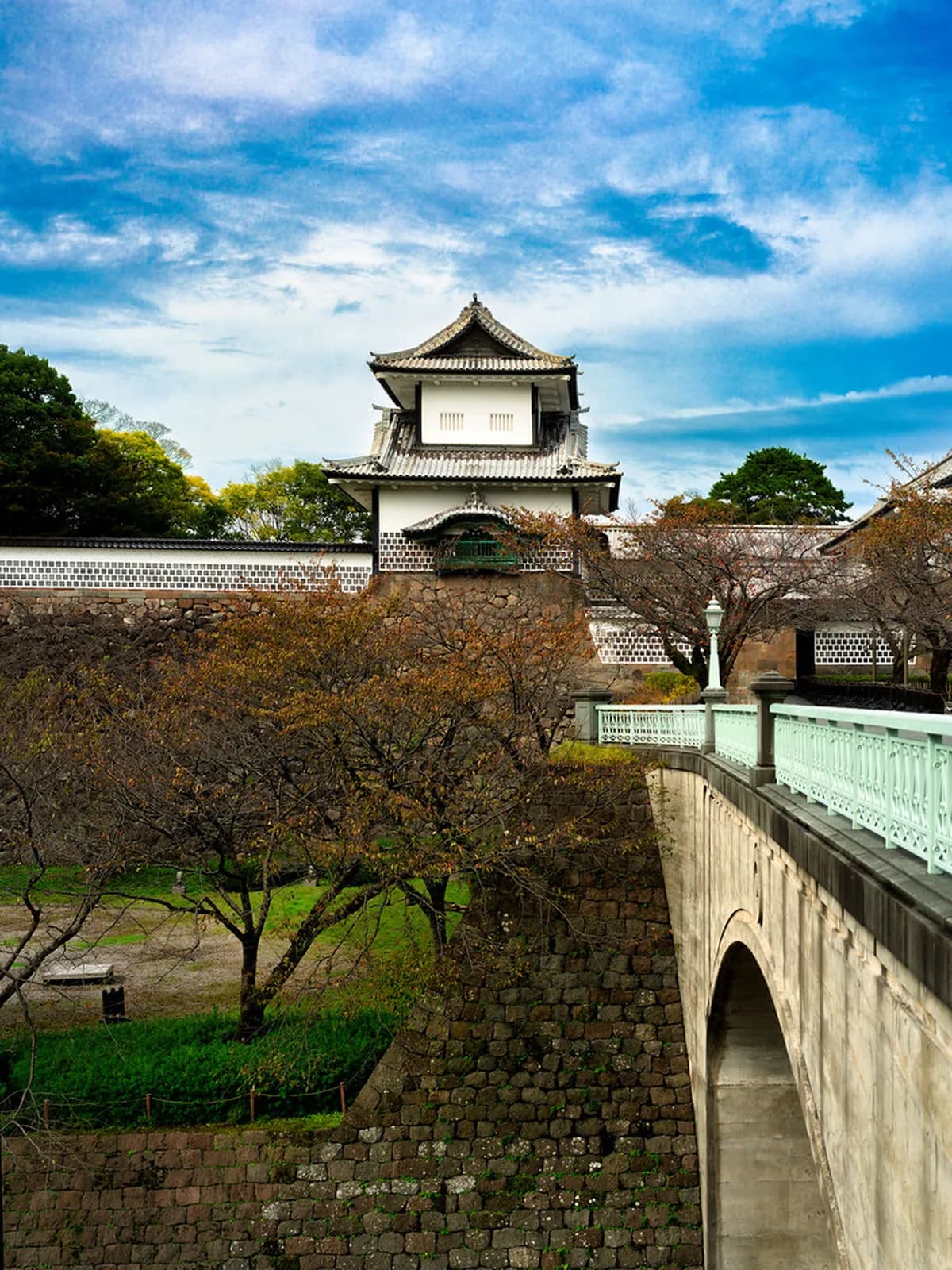
Many of the city's best experiences cost nothing or close to it. The outdoor installations at the 21st Century Museum of Contemporary Art are free to the public — you only pay (¥1,200) for the gallery interior. The castle park grounds and moat perimeter are fully free and give a clear sense of the castle's scale without any entry fee. Walking the samurai district lanes costs nothing.
Omicho Market is the best free sensory experience in the city. Stalls sell fresh seafood, seasonal vegetables, and street snacks at prices aimed at locals rather than tourists. A bowl of seafood rice (kaisen-don) from one of the market's small restaurants typically runs ¥1,500–¥2,000, significantly less than hotel or tourist-area equivalents.
Interactive craft workshops can work well for older children. The Tasome earring dyeing session (¥8,800, about 60 minutes) is manageable for ages eight and up. Gold leaf workshops in the Higashi Chaya area often run ¥1,500–¥2,500 per person and take 20–30 minutes. Both require at least 24 hours' notice for small groups.
Castle Park has wide open grass areas where children can run while adults take in the historic walls and gates. The park connects directly to Gyokusen-en Garden, making it practical to combine both in the same two-hour block without extensive transit between them.
How to Plan a Smooth Kanazawa Attractions Day
| Hidden Gem | Entry Fee | Hours | Booking Required | Best Time to Visit |
|---|---|---|---|---|
| Myoryuji Ninja Temple | ¥1,200 (adults) | 09:00–16:00 | Yes — phone reservation | First thing in the morning |
| Gyokusen-en Garden | ¥310 | 07:00–18:00 (Mar–Oct); 08:00–17:00 (Nov–Feb) | No | Early morning |
| D.T. Suzuki Museum | ¥300 | 09:30–17:30 (closed Mon) | No | Clear mornings |
| Kazuemachi Geisha District | Free | Always open | No | After 17:00 |
| Nagamachi Samurai District | Free (lanes); ¥550 (Nomura residence) | 08:30–17:30 | No | Before 09:00 |
| Tasome Kaga Yuzen Workshop | From ¥8,800 | 09:00–17:00 (closed weekends for tours) | Yes — 2 business days ahead | Weekday mornings |
| Utatsu-yama Viewpoint | Free | Always open | No | Late afternoon / June iris season |
| Midori-no Komichi Path | Free | Always open | No | Any time |
Kanazawa is compact enough to walk between most central sites, but the loop bus saves significant time and energy. The Kanazawa Transport Guide: 10 Ways to Navigate the City details the clockwise and counterclockwise Hokutetsu bus routes, which together cover most hidden gems mentioned in this article for ¥210 per ride or ¥600 for a day pass.
The single most important planning step is booking Myoryuji Ninja Temple by phone before you arrive in the city. It is the one attraction that cannot be arranged spontaneously. Everything else — Gyokusen-en Garden, Kazuemachi, Satomi-cho, the Midori-no Komichi path — is walkable and available without advance booking.
Start mornings at the popular sites (Kenrokuen opens 07:00 in summer, 08:00 in winter) to beat tour groups, then shift to the quieter neighborhoods by midday. Kazuemachi and Utatsu-yama work best in late afternoon or early evening. The Saigawa River is pleasant for a sunset walk. This rough sequencing reduces the crowd problem at each location without needing a rigid schedule.
Check closing times for smaller temples and private studios before committing to a route. Gyokusen-en closes at 17:00 in winter. Tasome closes at 17:00 daily. Myoryuji's last tour entry is at 16:00. Building your day around these hard stops prevents the common frustration of arriving at a closed gate after a 20-minute walk.
For more ways to explore the city, see our roundup of free Kanazawa activities and the best season to visit.
Frequently Asked Questions
Which kanazawa hidden gems options fit first-time visitors?
First-time visitors should explore the Kazuemachi district and the D.T. Suzuki Museum. These spots offer a great balance of culture and peace without being too far from the main sites. You can easily experience authentic Kanazawa samurai and geisha traditions in these quieter neighborhoods.
How much time should you plan for kanazawa hidden gems?
You should plan at least one full day to explore the city's hidden gems properly. This allows you to walk between the different districts and enjoy the quiet atmosphere. Many travelers find that half a day is enough for a few specific secret spots.
What should travelers avoid when planning kanazawa hidden gems?
Avoid rushing through the quiet temples and gardens just to see more sites. The beauty of these hidden gems is in the slow pace and peaceful environment. Do not forget to check the opening times for smaller, family-run craft workshops and private gardens.
Is kanazawa hidden gems worth including on a short itinerary?
Yes, including a few hidden gems makes a short trip feel much more unique. Even a quick visit to a quiet shrine can offer a memorable break from the crowds. It helps you see the authentic side of the city even with limited time.
Kanazawa is a city that rewards those who take the time to explore. Beyond the famous gardens, a world of quiet beauty and art awaits you. Each hidden gem adds a new layer to your understanding of Japanese culture.
Following a well-planned 1 Day in Kanazawa: Perfect One-Day Itinerary ensures you see both the icons and the secrets. The mix of grand history and local charm makes for a perfect trip. You will leave with a deeper appreciation for this remarkable historic city.
Start planning your journey to find these secret spots in the coming year. The memories of quiet gardens and ancient crafts will stay with you forever. Kanazawa is ready to show you its most beautiful hidden treasures.
Free: The Kanazawa Essentials guide
Top things to do, where to stay, a perfect day plan, getting around, and the best time to go — a Kanazawa mini-guide you can take offline.
You might also like

Continue reading
More guides you'll find useful