Kanazawa Travel Tips: The Ultimate Guide to Japan's Little Kyoto
Plan your perfect trip with our Kanazawa travel tips. Discover the best things to do, transport guides from Tokyo/Kyoto, seasonal advice, and local secrets.
On this page
Kanazawa, often called "Little Kyoto," is the cultural capital of Ishikawa Prefecture and one of the most rewarding cities in Japan to visit slowly. Preserved geisha and samurai districts, one of Japan's three great gardens, and a centuries-old craft tradition built under the wealthy Maeda clan all coexist here without the tourist crush of Kyoto.
These Kanazawa travel tips cover everything you need to plan your trip: how to get there, when to go, how many days to budget, where to stay, and the practical logistics that make the difference between a smooth visit and a frustrating one.
Essential Kanazawa Travel Tips for First-Timers
Kanazawa is compact enough that you can walk between most central attractions, but knowing a few ground rules before you arrive saves time. The city's historic core — Kenrokuen, Kanazawa Castle, the Chaya districts, and Nagamachi — forms a loose triangle roughly 2 km across. Wear comfortable shoes; the cobblestone lanes in Nagamachi are uneven.
Carry cash. Kanazawa follows Japan's broader cash culture, and many smaller restaurants, craft shops, and market stalls are cash only. Use the ATMs at a 7-Eleven or Lawson convenience store for reliable international card withdrawals. For tax-free shopping at larger stores, bring your physical passport.
Kanazawa is famously rainy — locals call it "Benkei City" for its stubborn, frequent drizzle. Pack a compact umbrella or a packable rain jacket year-round. Rain rarely cancels plans here because so many attractions — Omicho Market, the 21st Century Museum, the covered Katamachi arcades — are naturally sheltered or fully indoors.
Tipping is not part of Japanese culture. Attempting to tip in a restaurant can cause confusion or embarrassment. Speak quietly on public transport, and carry a small bag for rubbish since public bins are scarce throughout the city.
Top Things to Do in Kanazawa (Must-See Attractions)
Kenrokuen Garden is the anchor of any Kanazawa itinerary and rightly so. Ranked among Japan's three great gardens, it embodies the six classical qualities of garden design: seclusion, spaciousness, artifice, antiquity, water features, and panoramic views. Allow at least 90 minutes to walk its ponds, teahouses, and winding paths. The garden changes dramatically with each season — cherry blossoms in early April, summer moss, vivid autumn foliage in November, and the famous yukitsuri rope structures in winter. Admission is ¥320 for adults.
Directly across the road, Kanazawa Castle Park is free to enter at the outer perimeter, where white-plastered walls and impressive stone foundations tell the story of the Maeda clan's power. The reconstructed Hishi Yagura watchtower and Gojukken Nagaya armoury building cost extra but are worth the fee if you have time. Book ahead for the guided English tours, which run on weekends.
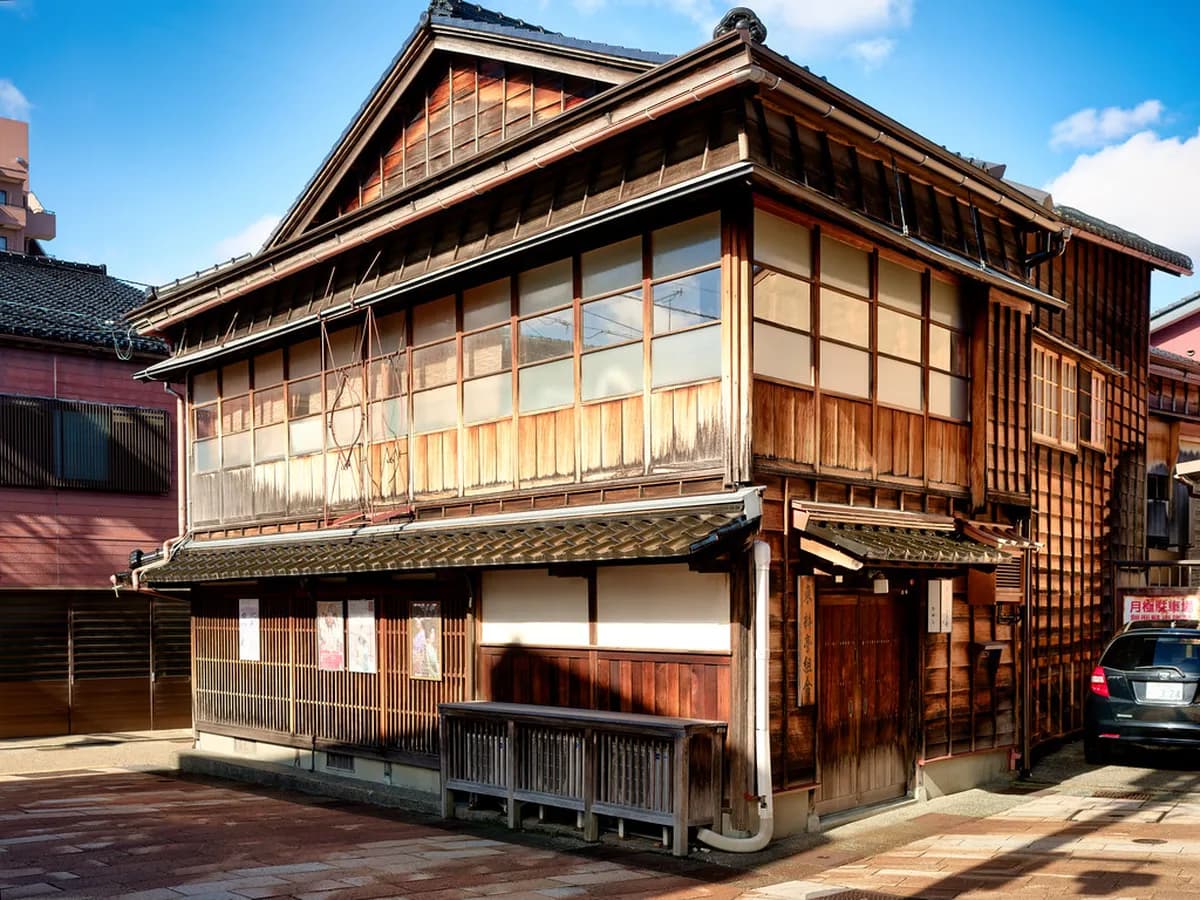
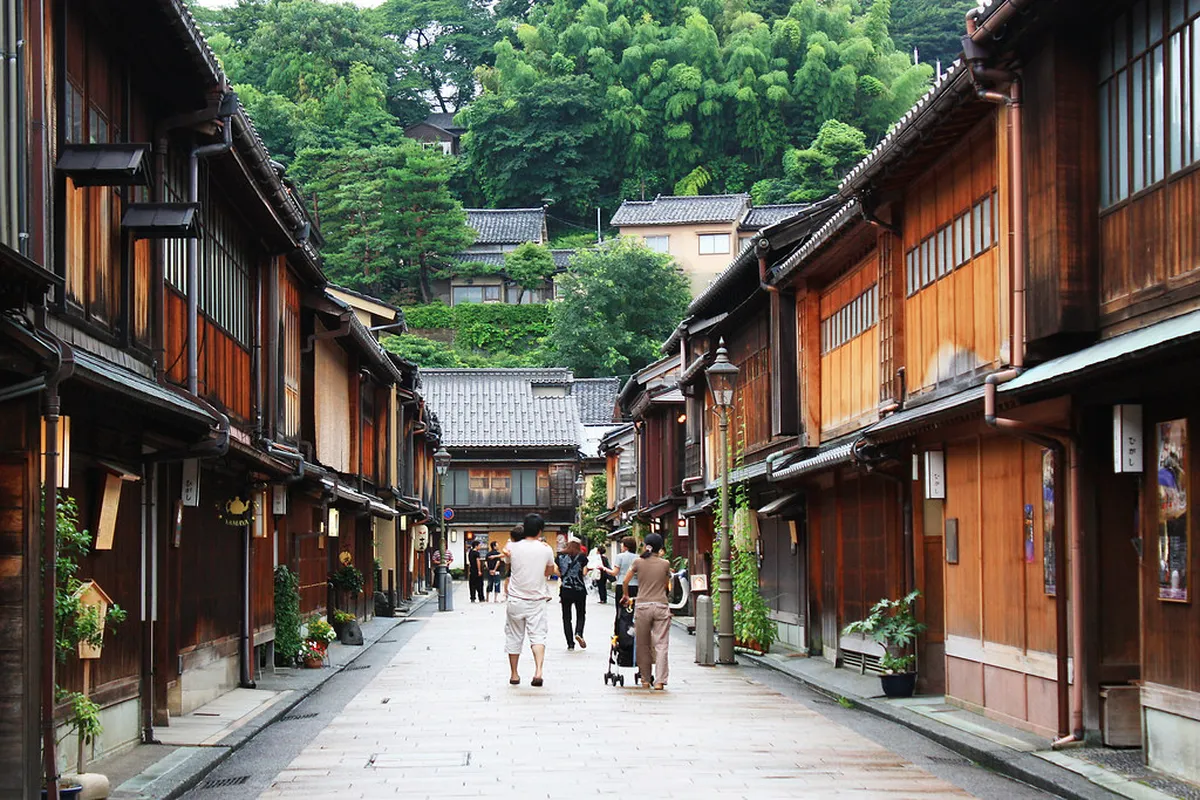
Higashi Chaya District is Kanazawa's largest geisha quarter, a single lane of two-storey wooden machiya townhouses preserved almost entirely from the Edo period. Arrive before 09:00 on weekdays to beat the tour groups. Step into the Geisha House Shima for a brief museum visit and a bowl of matcha served in a tatami room. The Hakuza Hikarigura store next door sells gold-leaf goods ranging from ¥500 keychains to ¥30,000 lacquer boxes.
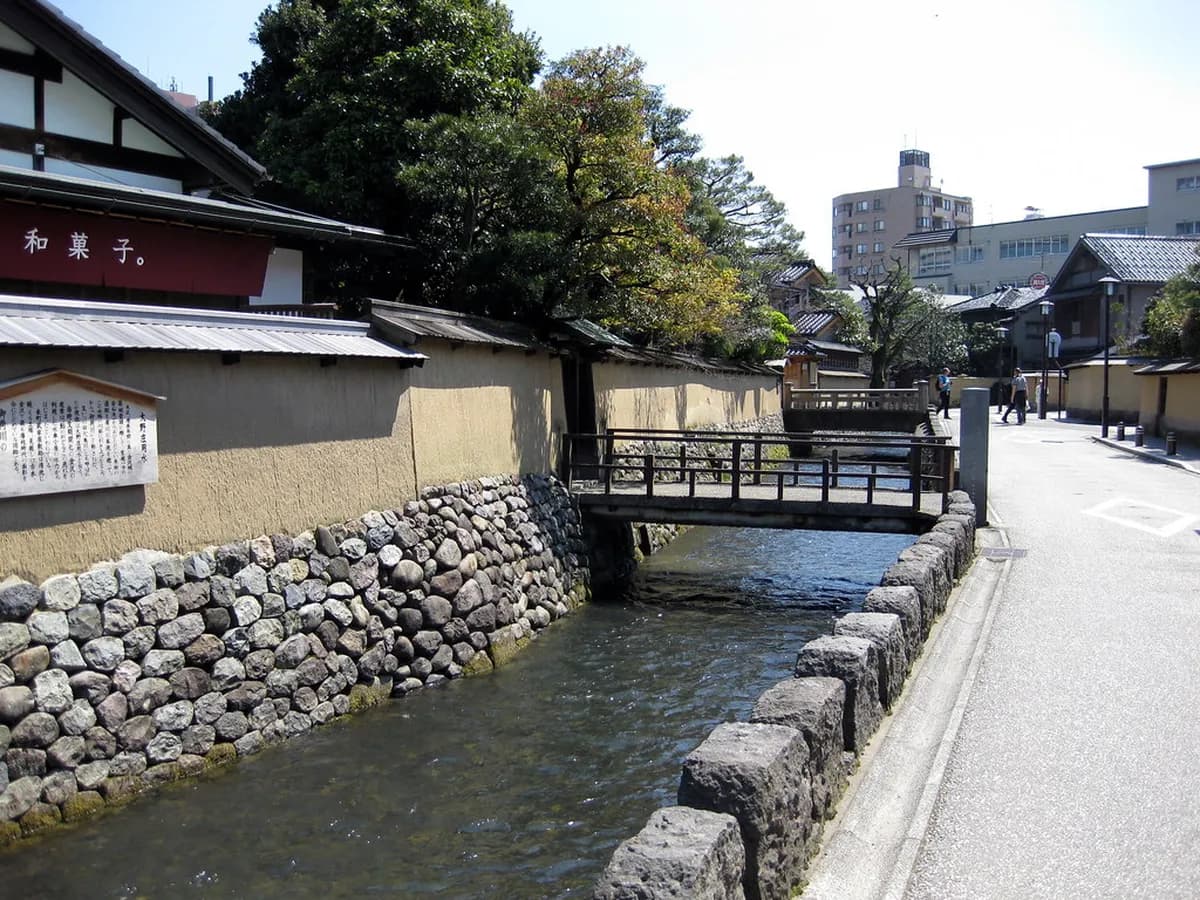
Nagamachi Samurai District sits west of the castle and feels quieter than Higashi Chaya. Earthen walls, narrow lanes, and the Nomura Family Samurai House — a reconstructed residence with a miniature garden — give an honest sense of how middle-ranking samurai lived. Admission to Nomura-ke is ¥550. For a deeper look at how this district fits into Kanazawa's history, see our guide to Kanazawa's top historical landmarks.
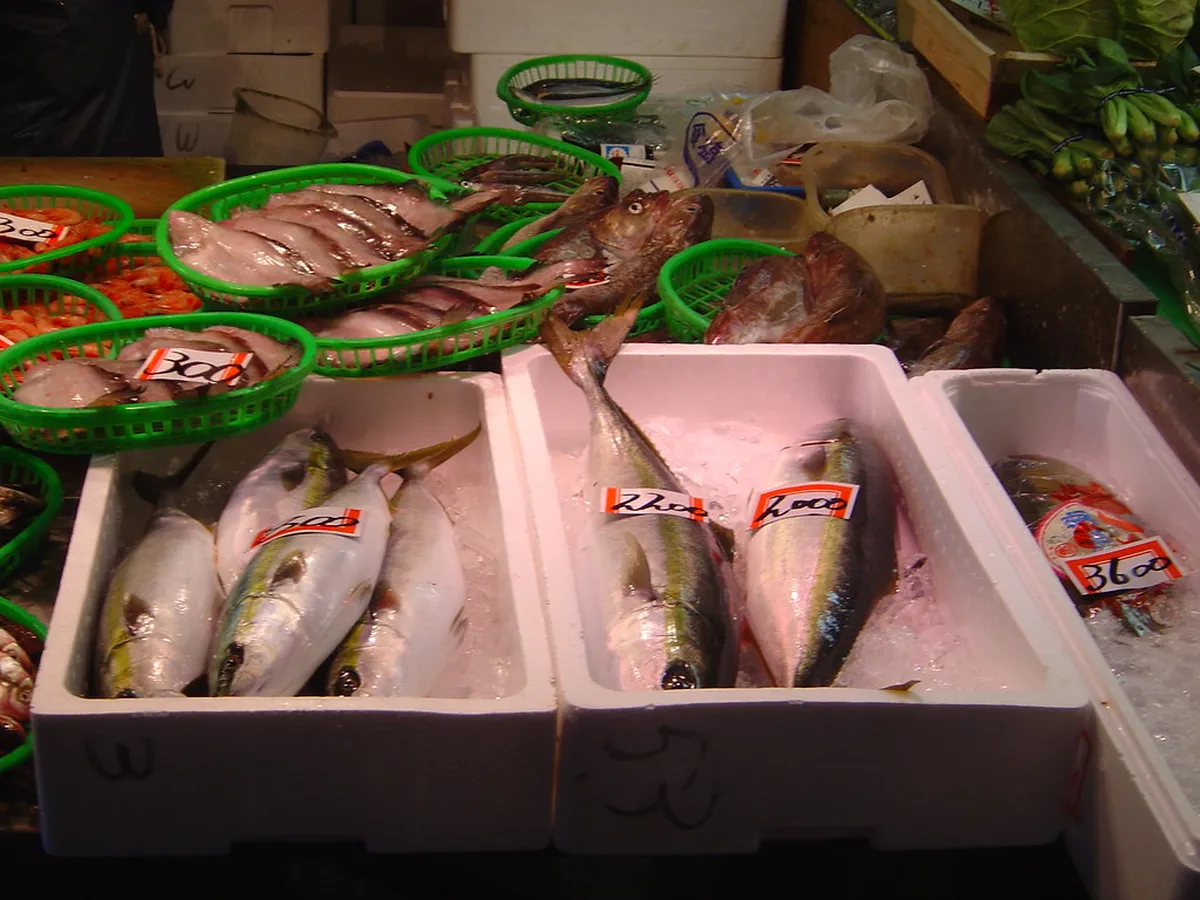
The 21st Century Museum of Contemporary Art sits in the centre of the city in a circular glass building designed by SANAA. The permanent collection — including Leandro Erlich's optical-illusion "Swimming Pool" — is free; temporary exhibitions charge ¥1,000–¥1,800. On rainy days or in the afternoon heat, it functions as an excellent anchor for an hour or two. Omicho Market, a five-minute walk north, is Kanazawa's covered food market: 200-plus stalls selling fresh snow crab, sea urchin, and yellowfin tuna, plus a cluster of counter restaurants where you can eat a full seafood lunch for ¥1,500–¥2,500.
Beyond the obvious sights, consider booking a Kanazawa tea ceremony in Higashi Chaya or a hands-on gold leaf workshop. These structured 60–90 minute experiences are available daily, cost ¥2,000–¥4,000, and tend to book up a week ahead during peak season.
How to Get to Kanazawa from Tokyo and Kyoto
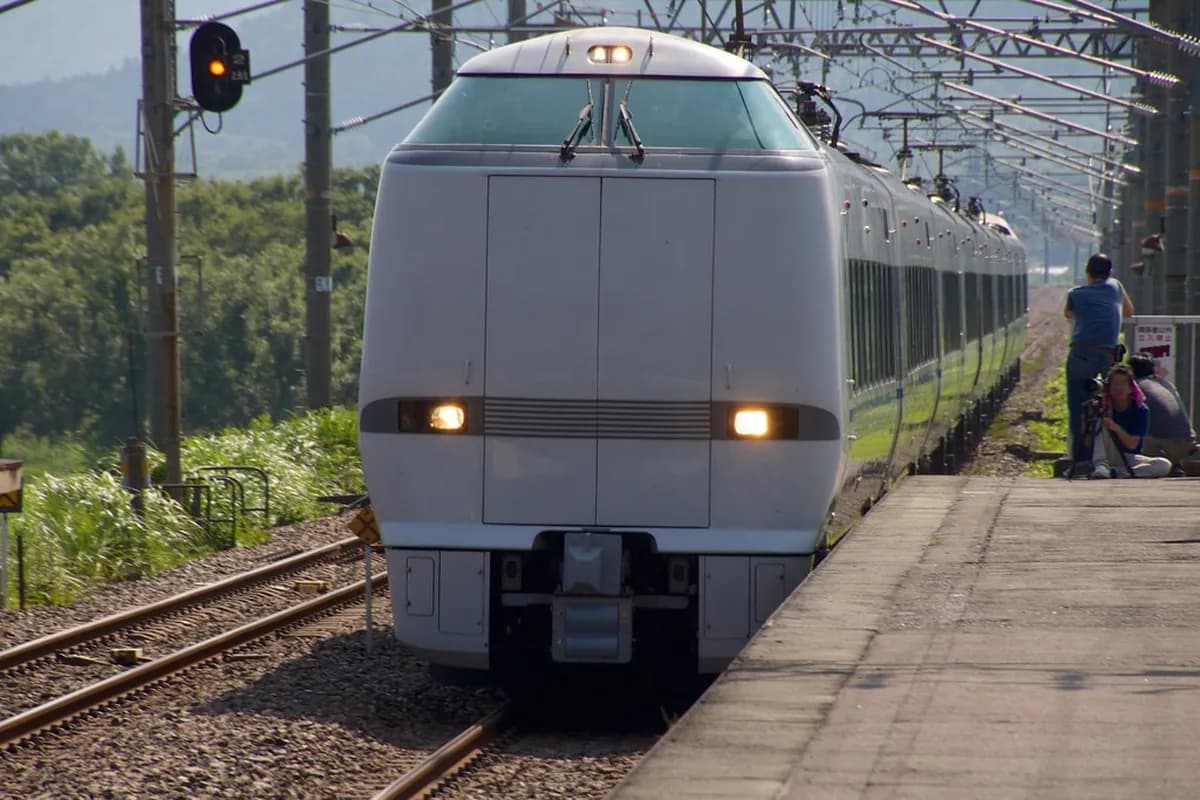
The Hokuriku Shinkansen is the main artery connecting Kanazawa to the rest of Japan. From Tokyo Station, the journey to Kanazawa Station takes 2 hours 28 minutes on the Kagayaki service (direct, reserved seats only, no standing passengers) or roughly 3 hours on the Hakutaka service (makes stops at Nagano, Toyama, and other stations, offers non-reserved cars). Both trains are fully covered by the Japan Rail Pass; seat reservations for Kagayaki cost an additional ¥1,000–¥1,500 but are mandatory. The Hakutaka is the better choice if you are travelling off-peak or want the flexibility to board without a reservation.
From Kyoto, the route changed in 2024 when the Hokuriku Shinkansen extended to Tsuruga. You now take the Thunderbird Limited Express from Kyoto to Tsuruga (about 45 minutes, covered by JR Pass), then connect to the Hokuriku Shinkansen for Kanazawa (around 35 minutes). Total journey time is roughly 2 hours. From Osaka it is similar: Thunderbird to Tsuruga, then Shinkansen, around 2 hours 30 minutes total.
If you hold a JR Pass and are combining Tokyo, Kanazawa, Kyoto, and Osaka in one trip, the pass covers all legs. If you are only doing the Tokyo–Kanazawa–Kyoto corridor, compare the cost of the Hokuriku Arch Pass (¥24,500 for 7 days, covers the whole loop including bullet trains) against individual tickets before you buy a full JR Pass. For many short-stay visitors, the Arch Pass works out cheaper and requires less advance planning.
Once you arrive at Kanazawa Station, the city centre is a 5-minute taxi ride or a short bus journey. The station itself — with its iconic wooden torii-inspired gate called the Tsuzumi-mon — is worth a few minutes to appreciate before you head out.
Best Times to Visit Kanazawa (Seasonal Guide)
Spring (late March to early May) is the most popular time to visit. Kanazawa's cherry blossom season peaks in early April — typically around 1–7 April, though exact dates shift by a week each year depending on winter temperatures. Kenrokuen's roughly 200 trees create a striking contrast against the stone lanterns and ponds. Book accommodation at least two months ahead for the first week of April; prices jump 30–50% above the norm.
Summer (June to August) is warm and humid. The Hyakumangoku Festival in early June — celebrating the Maeda clan's 1583 entry into Kanazawa Castle — is Kanazawa's largest festival, with processions, traditional dance, and street stalls across three days. Expect crowds during Golden Week (late April to early May) and the Obon holidays in mid-August.
Autumn (September to November) brings the most comfortable sightseeing weather and vivid foliage. Kenrokuen peaks in mid to late November; the maple trees around the Sazae-dani pond are particularly striking. This season is genuinely excellent for walking the full circuit of the garden and the districts without overheating.
Winter (December to February) is Kanazawa's best-kept secret. Snow is common and the city has built infrastructure to handle it: a heated water system runs beneath many central pavements, melting snow before it accumulates, so the main streets and most footpaths stay clear. Kenrokuen installs its yukitsuri — conical rope structures tied from central poles to the outer branches of pine trees — each November to protect the trees from heavy snowfall. The visual effect is remarkable: hundreds of cone-shapes hanging over white ground. Winter also brings Kanazawa's finest seafood. Snow crab (kani) season runs December through March, and the market prices at Omicho are at their most extraordinary.
How Many Days Should You Spend in Kanazawa?
Two full days is the minimum for doing the city justice. Day one works well as: Kenrokuen and Kanazawa Castle in the morning (arrive at Kenrokuen at opening time, 07:00, before tour groups), lunch at Omicho Market, Higashi Chaya District in the afternoon, and a craft workshop or tea ceremony before dinner. Day two covers Nagamachi, the 21st Century Museum, and either a deeper exploration of Nishi Chaya or Kazue-machi — the two smaller, quieter geisha districts that many visitors skip entirely but which reward the effort.
Three days lets you slow down and add a day trip. Shirakawa-go is the obvious choice (see below). Alternatively, the onsen town of Yamanaka Onsen is 50 minutes by bus and makes a half-day trip; you can take the morning bus, walk the gorge trail, soak at a bathhouse, and return by early afternoon. With three days you also have time to attend a workshop at the Kanazawa Yasue Gold Leaf Museum, or visit the D.T. Suzuki Museum, a meditative space dedicated to the Zen philosopher built around still water and natural light.
If you want to use Kanazawa as a base for exploring the Noto Peninsula or the ski resorts near Hakusan, budget four or five days. The city is small enough that returning to the same restaurant twice feels natural, not repetitive. Our 3-day Kanazawa itinerary lays out a day-by-day plan you can follow or adapt.
Where to Stay: Best Neighborhoods and Hotels
The key decision is between the area near Kanazawa Station and the historic core near the Chaya districts. They represent genuinely different experiences, not just a trade-off on price.
Staying near the station gives you maximum logistical efficiency: the Kanazawa Loop Bus terminal is steps away, taxi queues are short, and the area has modern hotels at every price point. The Hyatt Centric Kanazawa sits directly above the station concourse and is the most convenient option for early-morning trains or late arrivals. The Kanazawa Chaya Ryokan, also near the station, offers a hybrid: traditional tatami rooms and an onsen, without the extra walking. This area is better if you are combining Kanazawa with other cities on a tight schedule.
Staying near Higashi Chaya or Katamachi (the downtown restaurant district) puts you inside the atmosphere you came to experience. You wake up in the same lanes where geisha still train, hear shamisen practice in the evenings if you stay near Kazue-machi, and can walk to Kenrokuen in 15 minutes. Ryokan options here include small traditional machiya guesthouses and boutique hotels like Korinkyo Kanazawa, which has some of the best Japanese interior design in the city. Expect to pay ¥15,000–¥35,000 per room per night at the better ryokan. For the full ryokan experience and recommendations, see our Best Ryokan In Kanazawa Travel Guide guide.
Budget travellers have good options near the station: business hotels like Dormy Inn Kanazawa and APA Hotel chains offer clean double rooms from ¥7,000–¥10,000 per night. Hostels with private rooms exist in the Katamachi area from around ¥5,000. Book at least six weeks ahead during cherry blossom season and the Hyakumangoku Festival in June.
Day Trip from Kanazawa to Shirakawa-go
Shirakawa-go is a UNESCO World Heritage village in the mountains of Gifu Prefecture, famous for its gassho-zukuri farmhouses — massive thatched-roof structures built with steeply angled roofs to shed the region's heavy snowfall. In winter the village looks like a woodblock print come to life; in summer the roofs are lush green. It is one of the most-photographed villages in Japan and easily visited from Kanazawa in a day.
The Nohi Bus runs a direct service from Kanazawa Station to Shirakawa-go roughly four times per day in each direction; the journey takes about 1 hour 15 minutes and costs ¥1,850 one way or ¥3,500 return. Booking in advance is strongly recommended, especially from December to February (winter scenery peak) and during Golden Week. Tickets open one month before the travel date on the Nohi Bus website (Japanese interface, but manageable with auto-translate). For detailed daytrip planning and official recommendations, check the Kanazawa tourism board. If the direct Kanazawa departure is sold out, check the service via Takaoka or Toyama, which also connects to Shirakawa-go.
Renting a car gives you the flexibility to stop at the smaller, less-crowded Gokayama villages (Ainokura and Suganuma) before or after Shirakawa-go. The drive from Kanazawa takes about 75 minutes via the E41 Tokai-Hokuriku Expressway. Toll costs each way run around ¥2,000–¥2,500, plus fuel and parking (¥600–¥1,000 at the Shirakawa-go lot). Winter rental driving requires confidence on mountain roads; the expressway is maintained, but snow tyres are obligatory and rental companies typically fit them automatically from December. The Nohi Bus remains the simpler choice for solo travellers or those unfamiliar with Japanese road signs.
Plan to spend at least three hours in Shirakawa-go. The Wada House (¥500 entry) is the largest open farmhouse and worth visiting for the scale of its interior framework. The lookout point above the village is a 10-minute walk from the main car park and gives the panoramic view that appears on most tourist posters. If you take the first Nohi Bus departure (around 08:40 from Kanazawa), you arrive before tour buses from Nagoya and Osaka and have the village nearly to yourself for the first hour.
The Kanazawa Cultural Zone Pass: Is It Worth Buying?
Kanazawa sells a Cultural Zone Pass (Kanazawa Cultural Heritage Visiting Pass) for ¥1,000 per adult, valid for two consecutive days. It covers entry to roughly 15–16 cultural facilities: Kenrokuen Garden (¥320), the 21st Century Museum of Contemporary Art permanent collection (free, but the pass covers certain temporary exhibitions), the Kanazawa Castle interior buildings (¥320), the Nomura Samurai House (¥550), the Seisonkaku Villa (¥700), and others. The arithmetic is simple: visit Kenrokuen plus Seisonkaku plus the Nomura House and you have already spent more than the ¥1,000 pass costs.
The pass also includes discounts at participating restaurants and craft shops throughout the city. Pick it up at the Kanazawa Station tourist information counter or at the first participating site you visit. It is not available to purchase online in advance. Bring your passport if you want to combine it with tax-free shopping.
For a two-day visit that covers the main cultural circuit, the pass almost always pays for itself. For a one-day visit to only Kenrokuen, it is borderline — check the current list of included sites at the tourist office, as a few venues cycle in and out of the programme each year.
Practical Logistics: Getting Around and Budgeting
Kanazawa Loop Bus is the most practical transport option for visitors. A single ride costs ¥200; a one-day pass costs ¥800. The loop runs between Kanazawa Station, Omicho Market, Kenrokuen, the castle, the 21st Century Museum, and Nagamachi roughly every 15 minutes during daytime hours. Buy the day pass at the station before your first ride. Uber also operates in Kanazawa — more useful than taxis for short hops in light rain or when carrying shopping bags, and easier to flag via app than waiting for a street taxi.
Cycling is a good option on dry days. Rental shops near the station charge around ¥500–¥1,000 per day. The terrain in the central flat districts is easy; some hills exist east towards Higashi Chaya. The Machi-nori cycle share scheme (available at docking stations near major sights) is an alternative: ¥200 for the first 30 minutes, ¥100 per 30 minutes after that. Register at any docking station terminal using a credit card.
| Pass / Transport | Price (2026) | Covers | Worth it? |
|---|---|---|---|
| Cultural Zone Pass (2 days) | ¥1,000 adult | Kenrokuen, Castle buildings, Nomura House, Seisonkaku Villa + 10 more sites | Yes — break-even after Kenrokuen + Nomura House + Seisonkaku (¥1,570 combined) |
| Loop Bus 1-day pass | ¥800 | Unlimited rides on the Kanazawa Loop Bus all day | Yes if you take 4+ rides (otherwise ¥200 per ride) |
| Machi-nori bike share | ¥200 first 30 min, ¥100/30 min after | Dock-to-dock cycling between major sights | Yes on dry days for short hops; save bus pass for rainy days |
| IC Card (Suica / ICOCA) | Top up as needed | Loop Bus, local buses, convenience store payments | Yes — eliminates exact change hassle; works across Japan |
| Hokuriku Arch Pass (7 days) | ¥24,500 | Shinkansen + Thunderbird on Tokyo–Kanazawa–Kyoto–Osaka loop | Yes if doing the full loop; compare vs full JR Pass before buying |
A mid-range daily budget runs about ¥10,000–¥15,000 per person, covering a business hotel (¥7,000–¥9,000), two meals at sit-down restaurants (¥3,000–¥5,000), the Loop Bus day pass (¥800), and one paid attraction (¥300–¥700). Eating at Omicho Market for lunch (¥1,000–¥1,500 at a stall counter) instead of a restaurant is the easiest way to cut costs without sacrificing quality. Convenience store breakfasts (¥300–¥500) are consistently excellent across Japan and Kanazawa is no exception.
Kanazawa's food scene deserves its reputation. Jibu-ni — a stew of duck, tofu, and seasonal vegetables thickened with wheat flour — is the city's signature dish; try it at a traditional restaurant in the Katamachi area for around ¥1,500. For something more unexpected, visit Grill Otsuka near Omicho Market for Hanton Rice: a comfort-food dish that dates to postwar Kanazawa, combining fried rice topped with a ketchup-glazed omelette and assorted fried seafood. It sounds unlikely and tastes great. The restaurant has been serving it for over 60 years and queues at lunch most days.
Frequently Asked Questions
How many days should you spend in Kanazawa?
Most visitors find 2 to 3 days ideal for exploring Kanazawa. This allows enough time to see major attractions like Kenrokuen Garden and the historic districts. You can also include a day trip to Shirakawa-go with a 3-day itinerary.
Is Kanazawa worth visiting for first-time visitors to Japan?
Yes, Kanazawa is definitely worth visiting for first-time visitors. It offers a rich cultural experience with beautiful gardens, samurai residences, and geisha districts. The city provides a less crowded alternative to Kyoto while still showcasing traditional Japan.
How do I get from Tokyo to Kanazawa using a JR Pass?
From Tokyo, you can use your JR Pass to take the Hokuriku Shinkansen (Kagayaki or Hakutaka services) directly to Kanazawa Station. The journey typically takes about 2.5 to 3 hours. Seat reservations are recommended, especially for the faster Kagayaki train.
What is the best month to visit Kanazawa for cherry blossoms?
The best month to visit Kanazawa for cherry blossoms is typically early April. Kenrokuen Garden becomes particularly stunning during this period. However, exact blooming times can vary slightly each year due to weather conditions.
Can you do a day trip to Shirakawa-go from Kanazawa?
Yes, Shirakawa-go is a popular and easy day trip from Kanazawa. Nohi Bus services run regularly from Kanazawa Station to Shirakawa-go. Booking your bus tickets in advance is highly recommended, especially during peak travel seasons, to secure your spot.
Kanazawa rewards visitors who come prepared and unhurried. The city's compact size means you can cover its highlights without exhausting yourself, and its relative anonymity compared to Kyoto means you spend more time looking at things and less time queueing. Arrive with a morning plan and let the afternoons unfold.
Free: The Kanazawa Essentials guide
Top things to do, where to stay, a perfect day plan, getting around, and the best time to go — a Kanazawa mini-guide you can take offline.
You might also like


Continue reading
More guides you'll find useful