How Many Days in Kanazawa: 9 Essential Planning Tips
Discover how many days in Kanazawa you need with our 1, 2, and 3-day itineraries. Includes top attractions, where to stay, and local transport tips.
On this page
How many days in Kanazawa you need depends mostly on whether you want to check highlights or actually feel the city. Most visitors with a tight Japan itinerary squeeze in one day. After four trips here, I think two days is the honest minimum and three days is where Kanazawa finally makes sense as a destination worth the detour.
Kanazawa sits on the Sea of Japan coast in Ishikawa Prefecture and survived World War II without significant bombing damage. That intact feudal streetscape — samurai lanes, geisha districts, a garden that rivals Kyoto's best — is the whole reason to come. The city is compact enough that a determined walker can reach most sites on foot or by a short bus ride.
The Hokuriku Shinkansen connects Kanazawa to Tokyo in about 2.5 hours and to Osaka or Kyoto in roughly the same time via limited express from Shin-Osaka. This guide gives you a clear framework for planning 1, 2, or 3 days regardless of which direction you arrive from.
How Many Days in Kanazawa is Enough?
One day covers the non-negotiable highlights if you move efficiently. You can walk Kenrokuen Garden and Higashi Chaya-gai back to back and still have time for a bowl of Kanazawa curry for lunch. It works as a transit stop between Tokyo and Kyoto, but you leave feeling like you grazed the surface.
Two days unlocks the second tier: the 21st Century Museum of Contemporary Art, the Nagamachi Samurai District, and Omicho Market without rushing. Most international visitors with a 10-day Japan trip find two days satisfying. You get the historical districts plus the modern art scene that sets Kanazawa apart from Kyoto.
Three days is the sweet spot locals recommend. The third day is for the quieter corners — Nishi Chaya-gai, the Teramachi temple walk, Myoryuji Ninja Temple — and for eating at the restaurants you spotted on day one but couldn't get into. By the third evening you start to feel like a regular rather than a tourist.
Beyond three days, Kanazawa becomes a base for regional day trips into the Japanese Alps or along the Noto Peninsula coast. That is a different kind of trip entirely. This guide focuses on getting the city itself right before adding extensions.
One, Two, and Three-Day Itineraries
| Days | What You'll See | Best For |
|---|---|---|
| 1 day | Kenrokuen Garden, Higashi Chaya-gai, Asano River walk | Transit stop between Tokyo and Kyoto; tight Japan rail-pass itinerary |
| 2 days | All of Day 1 + 21st Century Museum, Nagamachi Samurai District, Omicho Market | Most international visitors on a 10–14 day Japan trip |
| 3 days | All of Day 1–2 + Ninja Temple, Nishi Chaya-gai, Teramachi walk, gold leaf workshop | Travelers who want atmosphere, not just highlights |
| 4+ days | 3-day city base + day trips to Shirakawa-go, Takayama, or the Noto Peninsula | Regional Hokuriku explorers; repeat Japan visitors |
If you only have one day, focus exclusively on Kenrokuen Garden and Higashi Chaya-gai. Arrive at Kenrokuen by 8:00 AM — the garden technically opens at 7:00 AM during peak season, and the first hour is uncrowded. The entry fee is 320 yen. You can follow this comprehensive itinerary for a packed single day of sightseeing that threads both districts efficiently.
A second day allows you to explore Kanazawa Castle Park and the 21st Century Museum of Contemporary Art. Book the Museum's timed-entry slot for the "Swimming Pool" installation online — it sells out by 10:00 AM on most weekends. Spend the afternoon in Nagamachi; the Nomura Clan House costs 550 yen and closes at 17:30. For a fourth day, consider a day trip to Shirakawa-go by highway bus (75 minutes from Kanazawa).
Three days is enough for a relaxed 3-day plan that includes Omicho Market, the Ninja Temple, and the Nishi Chaya district. Day three also leaves room for the gold leaf pasting workshops found throughout Higashi Chaya — book a slot the evening before since small studios fill quickly.
- Day 1 — Imperial Heritage: 8:00 AM Kenrokuen Garden (2 hrs) → Kanazawa Castle Park → Higashi Chaya district → riverside walk along Kazuemachi at dusk.
- Day 2 — Art and Swords: 10:00 AM 21st Century Museum → Nagamachi Samurai District (afternoon) → Korinbo and Katamachi for dinner.
- Day 3 — Markets and Mystery: 9:00 AM Omicho Market → Myoryuji Ninja Temple (reservation required) → Nishi Chaya-gai → Teramachi temple walk.
Must-See Kanazawa Attractions
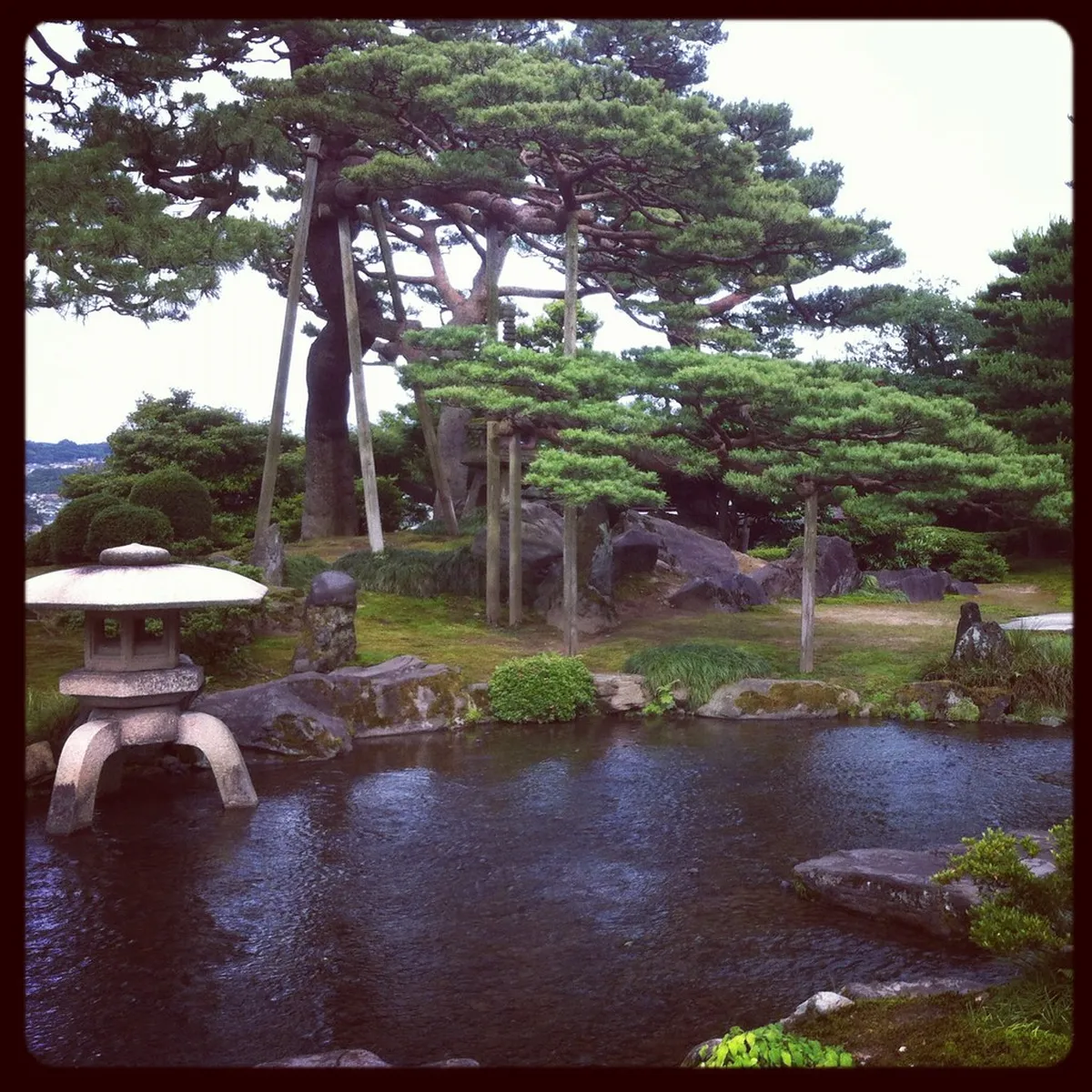
Kenrokuen is one of the three most celebrated landscape gardens in Japan, alongside Koraku-en in Okayama and Kairaku-en in Mito. The name derives from an ancient Chinese text describing the six attributes of a perfect garden, and all six are present here. The garden is open daily from 7:00 AM to 18:00 (Mar 1 to Oct 15) and from 8:00 to 17:00 the rest of the year. Arriving before 8:00 AM lets you walk free of charge and enjoy near-total quiet before the tour buses arrive.
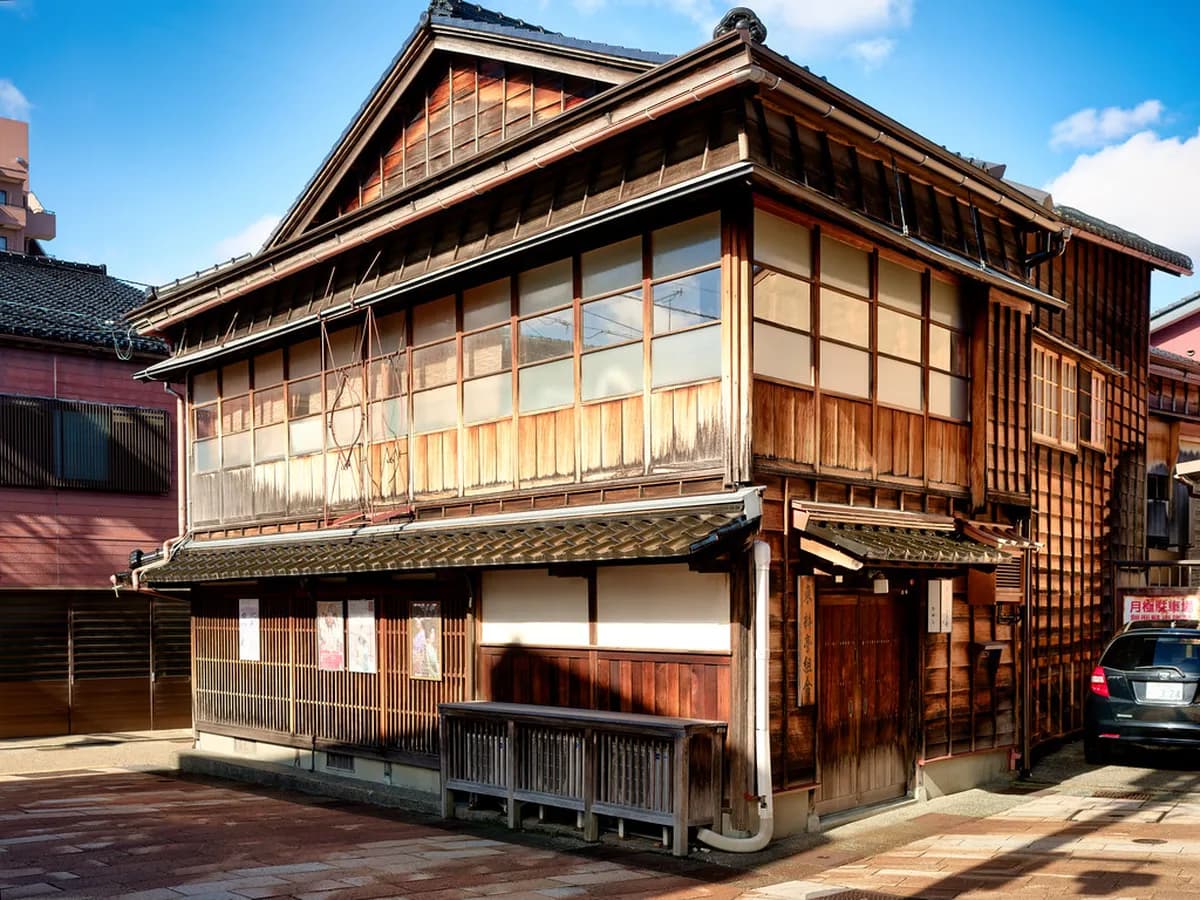
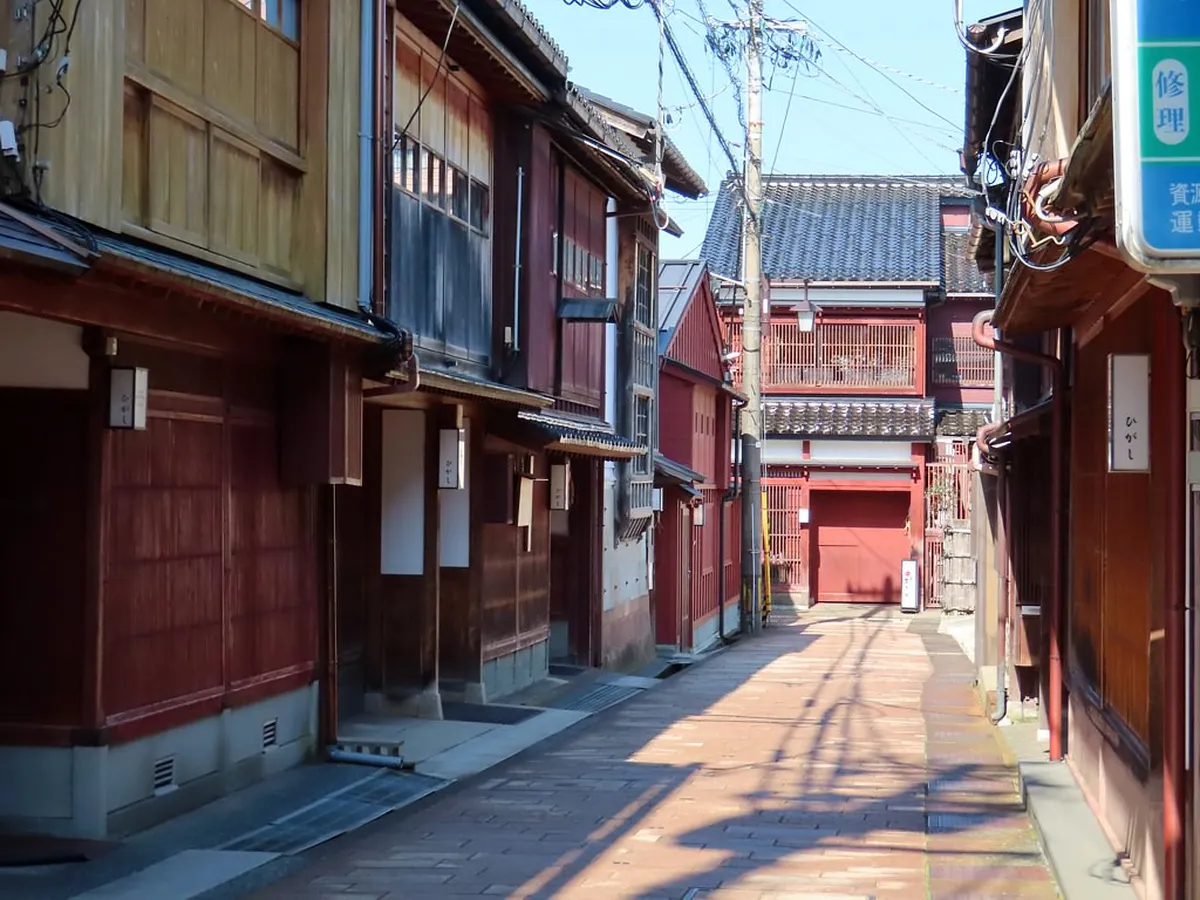
Higashi Chaya-gai is Kanazawa's largest preserved geisha district. The two-story wooden lattice buildings date from 1820 and several teahouses still operate in the evenings. During the day the lanes fill with boutique shops selling gold leaf lacquerware, local sweets, and matcha. The Shima teahouse is designated as an Important Cultural Asset and is open to the public for 750 yen.
Nagamachi was the residential area of the city's samurai class during the Edo Period. The narrow earthen-walled lanes are free to walk and never close. The Nomura Samurai Family Residence is the only building in the district open as a public museum — its private garden was once ranked among the top three in Japan by the Journal of Japanese Gardening. Allow 45 minutes to walk the house and garden properly.
Kanazawa Castle Park sits immediately adjacent to Kenrokuen. The Ishikawa-mon Gate and Sanjikken Nagaya storehouse are original structures designated as Important Cultural Assets. The Gyokusen-inmaru Garden inside the castle grounds was reconstructed in 2015 and serves matcha during the day, with illuminated evening sessions in spring and autumn.
Museums, Art, and Culture in Kanazawa
The 21st Century Museum of Contemporary Art is the city's most distinctive modern landmark. The circular glass building houses permanent interactive commissions alongside rotating exhibitions. Leandro Erlich's "Swimming Pool" installation — where visitors stand at the bottom of a water-filled pool and interact with people on the surface above — is the most photographed piece. The free-entry zones (outdoor and some corridors) are open every day, but the paid exhibition areas close on Mondays.
The D.T. Suzuki Museum is a smaller, meditative space dedicated to the Kanazawa-born Zen Buddhist philosopher. The minimalist concrete building by architect Yoshio Taniguchi surrounds a Water Mirror Garden that encourages quiet reflection. Entry costs 310 yen and the museum takes about 45 minutes. It pairs well with the Nagamachi Samurai District on a second-day itinerary.
Gold leaf craft is the cultural experience most specific to Kanazawa — the city produces roughly 99% of Japan's domestic gold leaf output. Several studios in the Higashi Chaya district offer hands-on gold leaf application workshops where you decorate a small plate or lacquer box. Sessions run about 30 minutes, cost 1,500–2,500 yen, and produce a souvenir worth keeping. Book through your hotel concierge or directly with Hakuichi or Sakuda Gold Leaf in the Higashi Chaya area.
Tea ceremony has deep roots in Kanazawa — Ishikawa Prefecture registers the highest percentage of tea ceremony practitioners in Japan, higher even than Kyoto. The Gyokusen-en Garden inside Kanazawa Castle Park offers a structured two-bowl ceremony in the Saisetsu-tei tearoom, the oldest in the city. Reservations are recommended, especially from March through May.
Parks, Gardens, and Outdoor Spots in Kanazawa
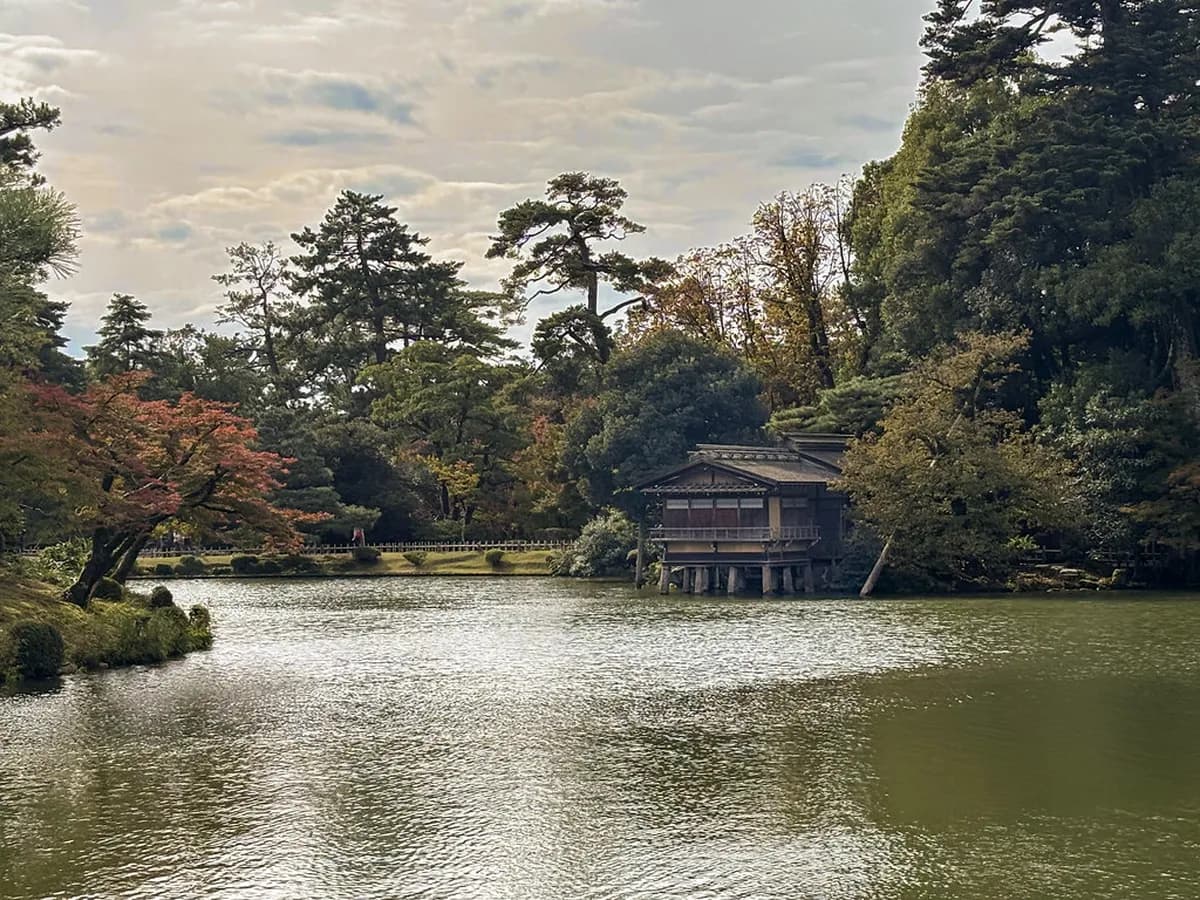
Kenrokuen changes character with every season, which is the origin of the local saying that the garden must be seen in all four seasons to be truly understood. In early May, the "Rikka" (立夏) transition brings deep green foliage and the last of the late-blooming cherries in the outer precincts. From late October the maples around Kasumigaike Pond turn amber and red. In winter, the yuki-tsuri rope structures are erected over the pine trees to prevent snow damage — an image that appears on every Kanazawa postcard.
The Asano River embankment running through the Higashi Chaya area is one of the city's most pleasant walks. In early May, large koi streamers are strung over the water for Children's Day. The path connects Higashi Chaya to the smaller Kazuemachi geisha district, which comes alive with lantern light after 19:00 when the evening guests arrive.
Oyama Shrine and its surrounding garden offer a quiet break from the main tourist circuit. The shrine blends Japanese, Dutch, and Gothic architectural elements in a way that makes no immediate sense but somehow works. The Nezumita-Mon gate nearby leads to the Gyokusen-an garden, a half-hidden retreat that most day-trippers miss entirely.
For a view over the whole city, the Utatsu Shrine sits on a forested hill above Higashi Chaya. The steep walk up takes about 15 minutes from the bottom of the geisha district and rewards you with a sweeping panorama of black-tiled rooftops with the Sea of Japan behind them. Go in late afternoon when the light is best.
Family-Friendly and Budget-Friendly Options in Kanazawa
The 21st Century Museum is genuinely popular with children because of its interactive format. Wide corridors, outdoor sculpture gardens, and the "Swimming Pool" installation make it easy to spend two hours without anyone getting bored. The free-entry outdoor and corridor zones mean families can experience the building without paying for every exhibit.
The Kanazawa City One Day Pass covers unlimited rides on the Kanazawa Loop Bus and the City Bus network for 800 yen per adult. It pays for itself on any day you visit more than two sites spread across the city. A single Loop Bus ride costs 200 yen, so three rides break even. The pass is available at the Tourist Information Center inside Kanazawa Station.
For a lower-cost alternative to the bus, the Machi-nori bike-sharing service covers 13 stations around the city including one at the station and one near Kenrokuen. Standard bicycles rent for 200 yen per 30 minutes; electric-assist models cost 200 yen for the first 30 minutes with the same metered structure after that. The electric-assist option makes the slight uphill gradient toward the castle and Kenrokuen very manageable even with a full pack. Day passes are not available — the per-trip pricing suits most visitors better than the bus pass on days you plan to stay within the historical core.
The Gourmet ticket KANAZAWA BIMI is the best value tool for food. Tickets come in 1,000 to 10,000 yen denominations and are redeemable at select restaurants offering set meals at a discount versus à la carte. They are sold at the Kanazawa Station Tourist Information Center and at some hotels. Using a 3,000 yen ticket at a mid-tier sushi or Kaga cuisine restaurant typically saves 500–800 yen versus the regular menu price.
How to Plan a Smooth Kanazawa Trip
Getting to Kanazawa is straightforward from Tokyo: the Kagayaki and Hakutaka services on the Hokuriku Shinkansen run roughly every 30 minutes and take between 2h15m and 2h45m depending on the service. From Osaka or Kyoto, the fastest option is the Thunderbird limited express to Tsuruga (about 1h45m) with a shinkansen transfer to Kanazawa (about 30m). A JR Pass covers both routes. From Nagoya, the Shirasagi limited express takes about 2h30m.
Inside the city, the Kanazawa Loop Bus runs a clockwise circuit hitting the station, Kenrokuen, Higashi Chaya, and the art museum. Buses run every 15 minutes from approximately 8:30 to 18:00. The standard fare is 200 yen per ride and the One Day Pass at 800 yen is sold at the station. Google Maps covers the Loop Bus route reliably in 2026.
Myoryuji Temple (the Ninja Temple) in the Teramachi district requires advance reservation by phone — walk-ins are not accepted. Call at least two weeks before your trip: the number is 076-241-0888. Tours run in Japanese but printed English explanations are provided. The entry fee is 1,000 yen. This is the single most common logistical mistake first-time visitors make.
You can check the local transport options in detail before your trip to compare the bus pass against Machi-nori bike-sharing for your specific itinerary. As a rule: if your days are concentrated in the historical core (castle, Kenrokuen, Nagamachi, Higashi Chaya), bike-sharing is cheaper. If you plan to visit the art museum and outlying districts on the same day, the bus pass wins.
Omicho Market: When to Go and What to Order by Season
Omicho Market has been Kanazawa's main seafood market since the Edo Period. Over 170 stalls cover the two-block indoor hall and the surrounding alleys, with the majority selling fresh catch from the Sea of Japan. Most tourists visit mid-morning with tour groups. The practical move is to arrive before 10:00 AM when prices are slightly lower, stall operators are friendlier, and the sashimi sets at the upstairs restaurants haven't run out of the morning's best fish.
What to order depends on the time of year. Yellowtail (buri) and fresh shrimp (shrimp from the Sea of Japan is notably sweeter than Pacific varieties) are available year-round at most fishmongers. From November through March, Zuwaigani snow crab arrives from the Sea of Japan and dominates the market — a crab lunch set at one of the Omicho Ichibakan restaurants runs 3,000–5,000 yen and represents some of the best crab value in Japan outside Tottori or Kanazawa proper in peak crab season. In spring, nodoguro (blackthroat seaperch) is the fish local chefs fight over; it is fatty, mild, and almost impossible to find in Tokyo at comparable quality.
For solo travelers on a budget, the basement and ground-floor takeaway counters sell sea urchin (uni) on rice for 800–1,200 yen — considerably cheaper than equivalent portions in Tokyo's Tsukiji outer market. Most stalls close by 16:00, so Omicho is a morning or lunchtime activity, not an evening one.
Best Season to Visit Kanazawa
April is the most popular month, driven by cherry blossoms along the Asano River and in the outer precincts of Kenrokuen. The second and third weeks of April typically offer peak bloom in 2026 depending on the year's warmth. Accommodation fills two to three months in advance during this window — book early or accept a station-area hotel rather than a garden-adjacent one.
Early May brings what locals call the "Rikka" period, the official start of summer in the traditional Japanese calendar. The garden is at its most lush and crowds thin slightly as the cherry-blossom season ends. This is arguably the best week of the year to visit: green foliage, comfortable temperatures around 20°C, and no humidity yet.
October is the second-best season. Autumn foliage peaks around late October to mid-November in Kenrokuen, and the famous Kanazawa Jazz Street festival runs in early October, filling the city with outdoor performances. Winter (December through February) is cold and occasionally snowy, but the yuki-tsuri rope structures over Kenrokuen's pine trees are a sight that outdoor photographers specifically travel for. The city also sees fewer tourists, and ryokan rates drop noticeably.
Summer (July–August) is the least recommended season. The Sea of Japan coast is humid and hot, and Kanazawa's narrow historical lanes trap heat. If summer is your only option, start every day before 9:00 AM and plan a midday break from 12:00 to 14:00.
Where to Stay in Kanazawa
The two main areas for accommodation split along a simple priority: transit versus atmosphere. The Kanazawa Station area offers the most hotels across the widest price range and is five minutes from the bus terminal for day trips to Shirakawa-go or the Noto Peninsula. I stayed at the Hotel Nikko Kanazawa — directly opposite the station exit, it has high-floor city and sea views, a reliable breakfast spread, and consistent service. Nightly rates run 18,000–35,000 yen depending on season.
The Korinbo and Katamachi neighborhoods sit between the station and the historical districts, on the Kanazawa Loop Bus route. This area suits travelers who want walkable access to both Nagamachi and the art museum without paying premium garden-adjacent prices. You'll find a good mix of boutique hotels and midrange business hotels here with rates from 10,000 yen per night.
For atmosphere over convenience, look at accommodation near Kenrokuen or in the Higashi Chaya-gai area itself. Several renovated machiya townhouses operate as small guesthouses, and staying in one gives you the Higashi Chaya lanes almost entirely to yourself after 17:00 when day visitors leave. The UAN ryokan near the Higashi Chaya district is the most frequently cited option by travelers seeking a traditional stay without the full kaiseki-meal commitment of a larger ryokan. Budget at least 20,000 yen per night for these properties.
Add an Extra Day for Day-Trips
Kanazawa works well as a base for Hokuriku regional exploration. A day trip to Shirakawa-go is the most popular choice. This UNESCO World Heritage village of thatched-roof gassho-zukuri farmhouses sits 75 minutes from Kanazawa Station by direct bus. Buses depart from the Kanazawa Station East Exit bus terminal at 08:35 and 10:35 (check seasonal schedules). The round trip costs about 4,500 yen.
Takayama in the Japanese Alps is two hours by JR limited express and offers a preserved Edo-Period merchant town, morning markets, and some of the best sake breweries in Japan. Taking the 08:00 train and returning by the 18:30 service gives you a full day without rushing. The train passes through mountain scenery that makes the journey itself worthwhile.
The Noto Peninsula offers rugged Sea of Japan coastline, the dramatic Shiroyone Senmatsuda rice terraces, and the Wajima morning market. Public transit to the peninsula is limited and time-consuming — a rental car from Kanazawa Station makes the most sense for this trip. Expect a full 10-hour day to reach the northern tip and return.
However long you stay, our guide to the best things to do in Kanazawa covers the sights worth fitting in.
Frequently Asked Questions
Is 1 day enough for Kanazawa?
One day is enough to see the two main highlights, Kenrokuen Garden and Higashi Chaya-gai. However, you will miss the samurai districts and modern museums. I recommend at least two full days for a better experience.
What is the best month to visit Kanazawa?
April and October offer the most pleasant weather and stunning seasonal colors. April features cherry blossoms, while October brings vibrant autumn leaves. Both months are ideal for walking between the historical districts.
Is Kanazawa expensive to visit?
Kanazawa is generally more affordable than Tokyo or Kyoto for food and lodging. Most attractions cost under 600 yen for entry. You can easily find high-quality meals for 1,500 to 3,000 yen per person.
Kanazawa rewards the traveler who slows down. Two days covers the essentials without feeling rushed. Three days is when the city reveals its quieter side — the market before the crowds arrive, the geisha lane at dusk, the tea ceremony that the guidebook mentions but most visitors skip. Whichever duration fits your itinerary, this guide gives you the framework to spend every hour well.
Free: The Kanazawa Essentials guide
Top things to do, where to stay, a perfect day plan, getting around, and the best time to go — a Kanazawa mini-guide you can take offline.
You might also like

Continue reading
More guides you'll find useful