10 Best Nagano Ski Resorts to Compare Before Your 2026 Trip
Compare 10 Nagano ski resorts for 2026: Hakuba's Olympic runs, Nozawa Onsen's free baths, and Shiga Kogen's scale, plus prices and access times from Tokyo.
On this page
Last updated September 2026, this guide compares the best Nagano ski resorts for travelers deciding where to base a Japan Alps winter trip. Nagano Prefecture counts more than 80 resorts, anchored by the Hakuba Valley's ten-resort cluster and the hot-spring village of Nozawa Onsen. The terrain here hosted the 1998 Winter Olympics, and the Hokuriku Shinkansen puts Nagano Station about 80 to 100 minutes from Tokyo.
Nagano vs Hokkaido: Why Base Your Trip Here
Two regions dominate any conversation about Japan's powder snow: Nagano and Hokkaido. Hokkaido's Niseko region draws international visitors, but reaching it from Tokyo means a domestic flight to Sapporo, then a further bus or train transfer. Nagano's resorts connect to Tokyo by a single Hokuriku Shinkansen ride, with no flight required. That access, plus the 1998 Winter Olympic legacy at venues like Happo-One, makes Nagano ski resorts a shorter trip than most Hokkaido options for Tokyo-based travelers. Nagano's mountain towns also mix ski culture with onsen traditions, soba noodle shops, and temple visits inside the same trip. That combination of easy access and cultural depth keeps drawing skiers back to Nagano ski resorts winter after winter.
Which Nagano Resort Fits Your Trip? A Quick Decision Guide
Ten-plus serious options make Nagano ski resorts hard to narrow down from a spreadsheet alone. Use the table below to match a resort to your skill level, budget, and preferred vibe before reading the full breakdown. Only Heavens Sonohara restricts its trails to skiers. Every other resort on this list also welcomes snowboarders.
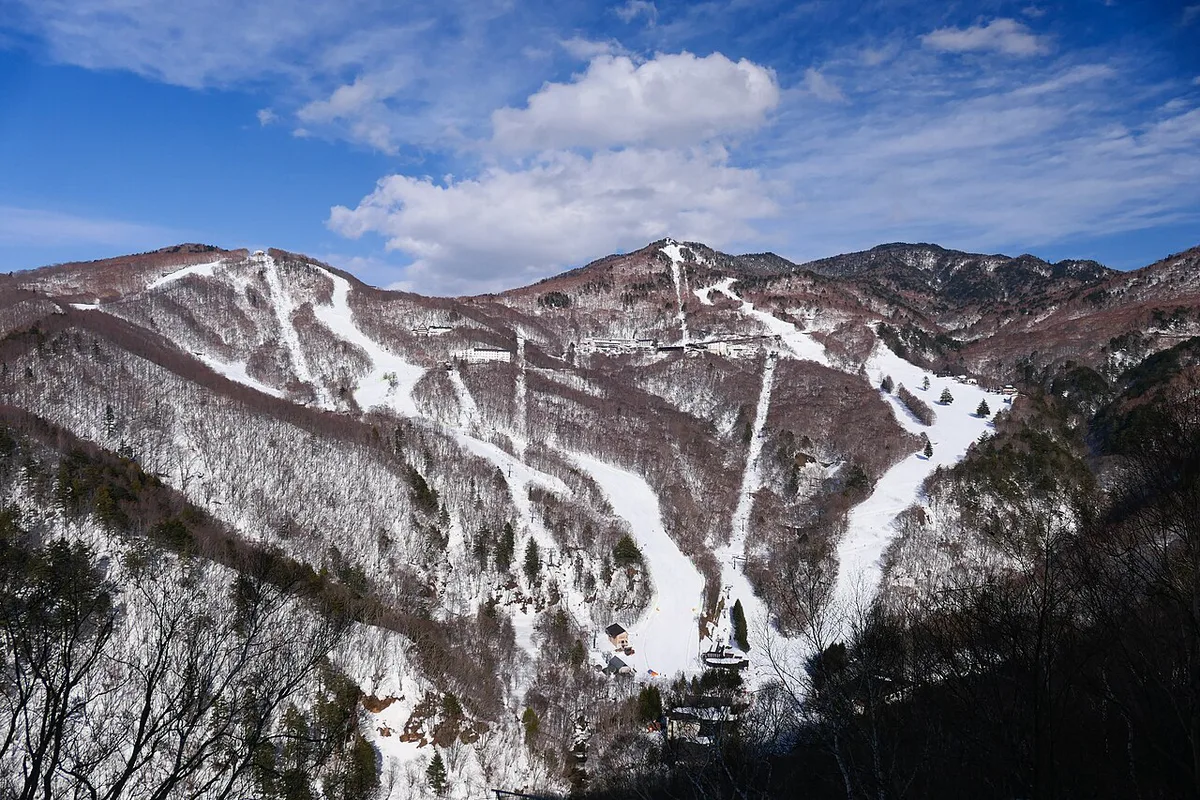
Karuizawa's 58 percent beginner terrain makes it the most accessible choice among Nagano's major ski resorts.
| Resort | Best For | Skill Level | Vibe |
|---|---|---|---|
| Hakuba Valley | Terrain variety and nightlife | All levels | International, high-energy |
| Nozawa Onsen | Onsen culture and traditional village life | Beginner to advanced | Traditional Japanese village |
| Shiga Kogen | Maximum terrain and altitude | Intermediate to advanced | Nature-focused, less developed |
| Madarao Kogen | Tree skiing and powder | Intermediate to advanced | Small, powder-focused |
| Myoko Kogen | Heavy snowfall and backcountry | Advanced | Local, low-key |
| Karuizawa | Tokyo day trips and beginners | Beginner | Compact, accessible |
| Tsugaike Kogen | Wide beginner slopes | Beginner to intermediate | Family-friendly, Hakuba-adjacent |
| Chateraise Yatsugatake | Budget family trips with dessert perks | Beginner to intermediate | Small, bakery-branded |
10 Best Nagano Ski Resorts
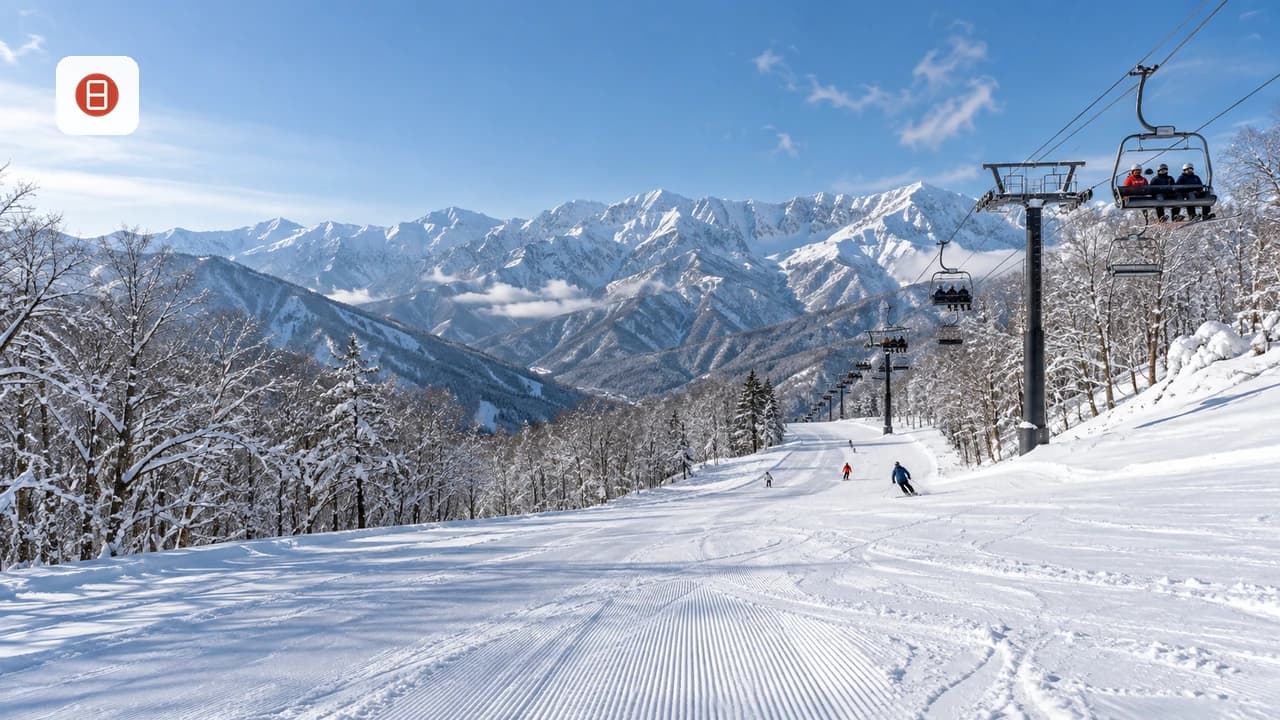
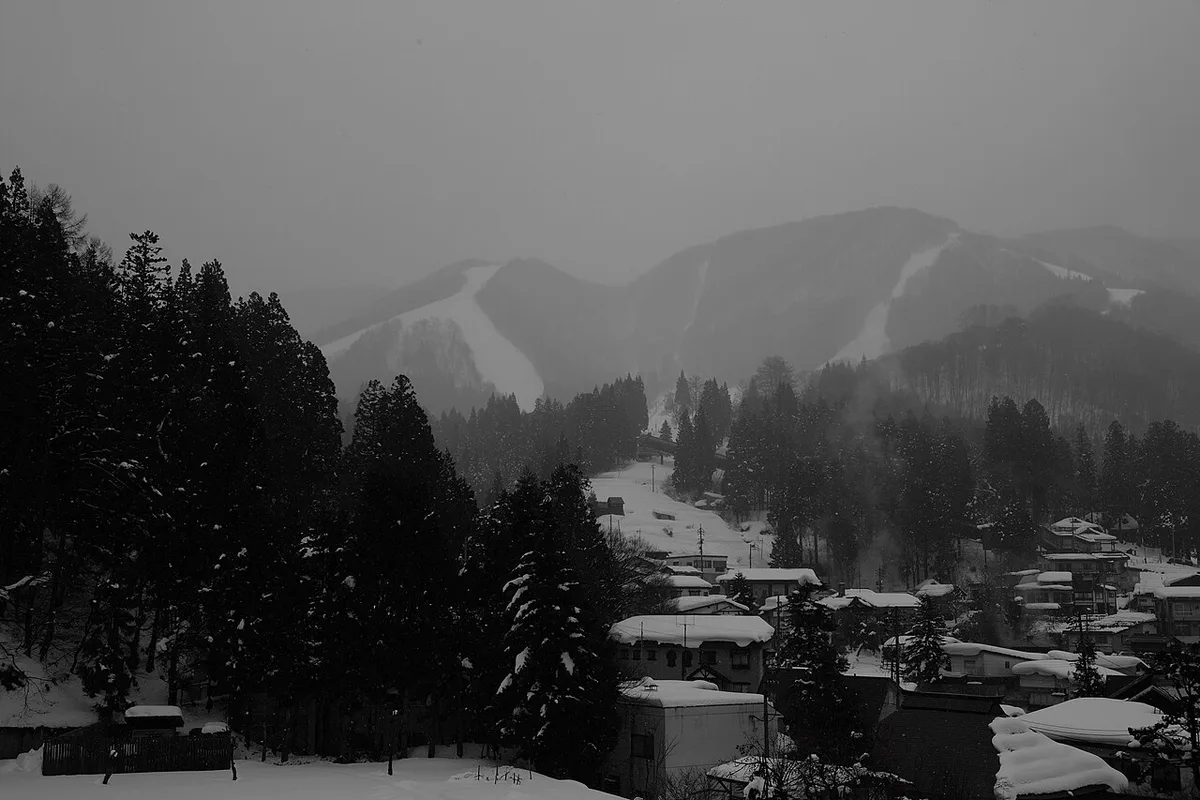
These 10 Nagano ski resorts cover the prefecture's full range, from Hakuba Valley's international scale to single-lift local hills near Nozawa Onsen. Each entry below includes 2026 lift-pass pricing, terrain size, and the nearest transit hub. Prices reflect single-day adult lift passes and can shift by season or midweek versus weekend timing.
- Hakuba Valley
- Ten linked resorts share the Hakuba Valley lift network, including Happo-One, Hakuba 47, and Hakuba Cortina.
- Happo-One hosted the 1998 Winter Olympics' downhill, ski jumping, and mogul events, according to Japan's national tourism site.
- A single-day Happo-One lift pass costs about ¥8,700, and the resort's 21 lifts serve 52 kilometers of trails.
- Nozawa Onsen
- 46 courses run down from Mt. Kenashi at 1,649 meters, including the prefecture's longest continuous run.
- Go! NAGANO's official guide counts 13 free soto-yu public baths inside the pedestrian village.
- A lift pass runs about ¥7,500, and the Nozawa Onsen Liner bus takes roughly 25 minutes from Iiyama Station.
- Shiga Kogen
- 19 interconnected ski areas make up Shiga Kogen, spanning elevations from 1,300 to 2,300 meters across a UNESCO Biosphere Reserve.
- A lift pass costs about ¥9,000, and 47 lifts serve roughly 83 kilometers of trails, making Shiga Kogen the prefecture's largest connected ski area.
- The full Shiga Kogen Ski Guide: Navigating Japan's Largest Ski Area (2026/27) covers each of the 19 areas and where to base yourself between Ichinose and Yamanouchi.
- Madarao Kogen
- 40 courses span Madarao Kogen and its linked Tangram Ski Resort, including 13 dedicated tree runs, more than any other Japanese resort.
- The bowl-shaped layout means every course, including off-piste tree areas, funnels back to the same base area.
- A lift pass costs about ¥8,000, and the Madarao line bus takes roughly 30 minutes from Iiyama Station, or 50 minutes to the Tangram stop.
- Myoko Kogen
- Five resorts cluster around Mt. Myoko just across the Niigata border, reached by local train from Nagano Station in about 44 minutes.
- They include Suginohara, Ikenotaira, and Akakura Onsen. Akakura Kanko and Lotte Arai round out the group, with 70 courses total across all five.
- The Myoko Kogen Skiing Guide: Choosing a Resort in 2026 breaks down access and lodging for each resort.
- Karuizawa Prince Hotel Snow Resort
- Karuizawa sits a few minutes from Karuizawa Station on the Hokuriku Shinkansen, the closest major resort to Tokyo for a single-day trip.
- Snow-making lets the slopes open by November 1, earlier than most other Nagano ski resorts, and a lift pass runs about ¥8,800.
- Beginner terrain covers more than half the mountain, roughly 58 percent of runs, making it a low-pressure choice for first-time skiers.
- Tsugaike Kogen
- Tsugaike Kogen connects into the Hakuba Valley lift network and is known for one of Japan's widest beginner slopes.
- The season runs long here, typically opening December 1 and staying open into early May.
- A lift pass costs about ¥8,200, with 18 lifts serving roughly 25 kilometers of trails.
- Togari Onsen
- Togari Onsen sits a short distance from Nozawa Onsen but draws a fraction of the crowds.
- A lift pass runs about ¥5,500, among the least expensive in the prefecture, across 11 kilometers of trails and 4 lifts.
- The quieter base area and lower prices make it a budget-friendly alternative for travelers who still want easy access to Nozawa's onsen town.
- Chateraise Ski Resort Yatsugatake
- The Chateraise confectionery company owns and runs this small resort, and its base lodge sells the brand's cakes and baked goods.
- The terrain is compact and family-focused, with 3 lifts serving about 5 kilometers of mostly beginner and intermediate runs.
- A lift pass costs about ¥4,800, one of the lowest prices among Nagano ski resorts covered here.
- Heavens Sonohara Snow World
- Trails here are restricted to skiers only, so snowboarders should look elsewhere in the prefecture.
- The resort sits about 5 minutes from the Sonohara interchange on the Chuo Expressway, making it a straightforward drive-up option.
- Slopes are 100 percent groomed, with a beginner-heavy mix that suits skiers who want predictable, corduroy runs over powder hunting.
Where to Base Yourself: Slopeside Resort vs. Nagano City
Most Nagano ski resorts sit far enough from Nagano City that a daily commute eats into ski time. Staying slopeside makes sense for a single-resort trip, especially at Shiga Kogen or Hakuba, where lifts start a short walk from the hotel door. Nagano City works better as a base for travelers splitting time between skiing and sightseeing, since it sits on the Hokuriku Shinkansen and within reach of day-trip buses to Hakuba and Shiga Kogen. A Nagano City base also keeps Matsumoto and the Jigokudani Snow Monkey Park within a half-day's reach.
- Slopeside at the resort
- Cuts commute time to zero and suits multi-day trips focused on one resort, such as Shiga Kogen's 19 interconnected areas or Hakuba's 10-resort network.
- Village-style bases like Nozawa Onsen add walkable dining and the 13 free soto-yu baths right outside the hotel door.
- Nagano City as a hub
- Puts the Shinkansen and Zenko-ji Temple within easy reach, at the cost of a bus commute of about 1 hour or more to most resorts.
- Works best for shorter trips or groups mixing skiers with non-skiing sightseers.
Getting to Nagano's Ski Resorts from Tokyo
Every route into Nagano's ski country starts on the Hokuriku Shinkansen, which reaches Nagano Station in about 80 to 100 minutes from Tokyo Station. Travelers flying into Narita or Haneda can reach Tokyo Station by train or airport limousine bus before boarding the Shinkansen north. From there, the connection depends on which resort you're headed to. Direct buses also run to Nagano's resorts from Osaka and Nagoya, an alternative for travelers not routing through Tokyo.
- Nagano Station
- The primary hub for express buses to Hakuba, about 1 hour, and for the Shiga Kogen line buses serving that resort area.
- Also the transfer point for the local Kitashinano line train toward Myoko Kogen.
- Iiyama Station
- Also on the Hokuriku Shinkansen.
- The best hub for Nozawa Onsen, about 25 minutes by bus, and Madarao Kogen, about 30 minutes by bus or 50 minutes to the Tangram stop.
- Myoko Kogen
- Reached from Nagano Station via the local Kitashinano line, about 44 minutes.
- The Myoko City tourism site covers onward transfers to each of the five resorts.
- Nagano Snow Shuttle
- This shuttle has connected Tokyo's airports directly to Hakuba, Nozawa Onsen, and Shiga Kogen, plus resort-to-resort transfers.
- Confirm current 2026 operating status and schedules before booking, since airport shuttle routes change season to season.
When to Ski Nagano: Season Dates, Snow, and Lift Pass Prices
Nagano ski resorts typically open in late November or early December and close by mid-April, though high-altitude areas stretch the season further. In the most recently published season, Karuizawa opened by snow-making as early as November 1, while Tsugaike Kogen and Nozawa Onsen stayed open into early May. Okushiga Kogen, part of Shiga Kogen, ran from mid-December into early May that same season, thanks to its elevation. January and February bring the deepest, driest snow and the biggest holiday crowds, especially around New Year. March favors spring corn snow and shorter lift lines. The table below lists each resort's most recently published season dates. Confirm the current 2026-27 calendar directly with each resort before booking. For week-by-week conditions across the prefecture, the 10 Best Things to Do in Nagano in Winter (2026) tracks snowfall resort by resort.
Karuizawa opens November 1 via snow-making, weeks earlier than most Nagano resorts starting late November.
| Resort | Single-Day Lift Pass | Most Recent Published Season |
|---|---|---|
| Hakuba Valley (Happo-One) | ¥8,700 | Dec 5 – May 6 |
| Nozawa Onsen | ¥7,500 | Nov 29 – May 6 |
| Shiga Kogen | ¥9,000 | Dec 6 – Apr 30 |
| Madarao / Tangram | ¥8,000 | Dec 20 – Mar 29 |
| Myoko Kogen | Varies by resort | Check resort site |
| Karuizawa | ¥8,800 | Nov 1 – Mar 31 |
| Tsugaike Kogen | ¥8,200 | Dec 1 – May 6 |
| Togari Onsen | ¥5,500 | Check resort site |
| Chateraise Yatsugatake | ¥4,800 | Dec 20 – Mar 29 |
| Heavens Sonohara | Check resort site | Dec 20 – Mar 22 |
Beyond the Slopes: Nagano Winter Experiences
A ski trip to Nagano doesn't have to stay on the mountain. Several cultural stops sit within easy reach of the main resort areas. Jigokudani Snow Monkey Park Travel Guide draws day-trippers who want to see wild macaques soak in steaming pools, reached by bus from the Shiga Kogen area or Nagano Station. A full snow monkey park planning guide covers the roughly 30-minute forest walk in and what to pack for icy trail conditions. Zenko-ji Temple anchors central Nagano City, and the broader Nagano City attractions list covers soba restaurants and souvenir shopping nearby. Local specialties like soba noodles and nozawana pickles round out a day away from the lifts, especially around Nagano City and Nozawa Onsen. Matsumoto Castle, known for its black exterior, headlines the separate Matsumoto sightseeing guide for travelers adding a half-day detour.
Essential Planning Tips for a Nagano Ski Trip
A few logistics decisions shape the whole trip before you even reach the lift line. Sort these out during initial planning, not after arrival, since ski-season demand books up hotel and rental capacity early.
- Luggage forwarding
- Takkyubin courier services can forward ski bags and suitcases from Narita or Haneda airports directly to resort hotels, typically arriving the next day.
- Ask at the airport counter or your hotel front desk for current rates and drop-off deadlines.
- Rail pass math
- The JR East Nagano/Niigata Area Pass can beat buying individual Shinkansen tickets on multi-resort trips, but compare its current sticker price against your exact round-trip fares first.
- A single Tokyo-Nagano round trip may not clear the pass's break-even point, while a Nagano-plus-Myoko itinerary often does.
- Family groups often see the biggest savings, since child pricing compounds across multiple travel days.
- Onsen etiquette
- Wash and rinse fully at the stall before entering a communal bath.
- Most public baths do not allow swimsuits, though Nozawa's Sparena offers a mixed-bathing option with suits.
- Off-piste rules
- Most Nagano ski resorts prohibit ducking the rope into ungroomed terrain.
- Okushiga Kogen in Shiga Kogen is a notable exception, permitting off-piste skiing and cross-country tours.
High-Altitude Alternatives: Yunomaru and Fujimi Panorama
Travelers with a rental car can look beyond Nagano’s best-known northern resorts for quieter terrain in the prefecture’s east and south. Yunomaru Ski Resort, near Tomi, has a base elevation of about 1,730 meters. Its altitude helps preserve dry snow when lower slopes become soft. The compact layout suits families and intermediates who prefer a relaxed day over a large interconnected domain.
Fujimi Panorama Resort, in the Yatsugatake area, is a useful choice for scenic skiing from the Chuo Line corridor. On clear days, its upper slopes look toward Mt. Fuji and the Southern Alps. It is also popular with skiers who want a straightforward groomed run rather than tree skiing or nightlife.
- Choose Yunomaru for high elevation, quieter slopes, and a car-based trip.
- Choose Fujimi Panorama for Mt. Fuji views and access from the Fujimi area.
- Check winter road conditions and resort shuttle schedules before relying on public transport.
Explore ski resorts in other cities
Frequently Asked Questions
Should you choose Hakuba Valley or Nozawa Onsen for a first Nagano ski trip?
Hakuba Valley offers more English-language services, nightlife, and terrain variety across its ten linked resorts. Nozawa Onsen delivers a smaller, walkable village with 13 free public baths and a stronger sense of traditional Japan. Pick Hakuba for scale and convenience, and Nozawa Onsen for atmosphere and a slower pace. Both connect to Tokyo by Shinkansen in a similar travel window, so the choice comes down to vibe rather than access.
How do you get from Tokyo to Nagano's ski resorts?
The Hokuriku Shinkansen runs directly from Tokyo Station to Nagano Station in about 80 to 100 minutes. From Nagano Station, express buses reach Hakuba in about an hour, and local Shiga Kogen line buses serve that area's resorts. Iiyama Station, also on the Shinkansen line, is the better transfer point for Nozawa Onsen and Madarao Kogen. Myoko Kogen requires a further local train transfer, about 44 minutes from Nagano Station.
When is the best time to ski in Nagano?
January and February bring the deepest snow and the biggest crowds around New Year. March offers spring conditions with thinner lift lines and often lower prices. Most Nagano ski resorts open in late November or early December, and high-altitude areas like Okushiga Kogen can stay open into early May.
Which Nagano ski resorts work best for beginners and families?
Karuizawa Prince Hotel Snow Resort sits minutes from its own Shinkansen station and keeps more than half its terrain at beginner level. Tsugaike Kogen has one of Japan's widest beginner slopes inside the Hakuba Valley network. Chateraise Ski Resort Yatsugatake is small, family-focused, and priced around ¥4,800 for a lift pass, with the parent bakery brand's cakes sold at the base lodge.
Is Myoko Kogen actually part of Nagano?
No, Myoko Kogen sits just across the prefectural line in Niigata, not Nagano. Most travelers group it with Nagano ski resorts anyway, since the local Kitashinano line train connects it to Nagano Station in about 44 minutes. Five resorts cluster around Mt. Myoko, with 70 courses total. They include Suginohara, Ikenotaira, and Akakura Onsen. Akakura Kanko and Lotte Arai round out the group.
How much do Nagano ski resort lift passes cost?
Single-day adult lift passes across Nagano ski resorts generally run from about ¥4,800 at small resorts like Chateraise Ski Resort Yatsugatake to about ¥9,000 at Shiga Kogen. Multi-day and multi-resort passes, such as the linked Hakuba Valley ticket, can lower the per-day cost. Prices shift season to season, so confirm the current rate directly with each resort before booking.
Explore More of Nagano's Ski Country
From Japan's largest connected ski area to a legendary powder town on the Niigata border, dig deeper into where to ski, how to pair it with the snow monkeys, and how to plan the rest of your Nagano trip.
Ski Nagano's Marquee Resorts
- Nagano attractions hub: tickets, hours & maps
- Shiga Kogen Ski Guide
- Myoko Kogen Skiing Guide: Choosing a Resort in 2026
Snow Monkeys & Winter Scenery
- Jigokudani Snow Monkey Park Travel Guide
- Snow Monkey Park Japan
- 10 Best Things to Do in Nagano in Winter
Plan the Rest of Your Trip
Free guide: Japan's Hidden Gems
12 under-the-radar places beyond Tokyo & Kyoto — with the best season to visit each and a local tip you won't find in the guidebooks.
You might also like
Continue reading
More guides you'll find useful