

10 Best Hokkaido Ski Resorts (2026): Niseko, Rusutsu, Furano & More
Compare Hokkaido's 10 best ski resorts, from Niseko United and Rusutsu to Furano and Kiroro, with 2026 lift prices, travel times, and snow data.
On this page
Last updated September 2026, this guide ranks the best Hokkaido ski resorts for skiers chasing Japan's driest, deepest snow. The Asian Winter Monsoon buries western and central Hokkaido under roughly 500 to 600 inches of snow most seasons. This guide moves past Niseko to compare Rusutsu, Kiroro, Furano, Tomamu, and quieter resorts near Sapporo and Asahikawa.
Hokkaido's Three Ski Regions: Niseko, Central Hokkaido, and Sapporo Day Trips
Hokkaido divides into three practical regions for ski planning. Niseko and Rusutsu anchor the western belt, where storms off the Sea of Japan deliver the heaviest, most reliable snowfall and the most English-language infrastructure on the island. Central Hokkaido, built around Furano and Tomamu, trades some snow volume for calmer weather and a more local, workaday feel. Sapporo and Otaru sit closest to New Chitose Airport and work well as a lower-cost base for day trips to smaller hills. Driving from Sapporo to Niseko takes about two hours, and Rusutsu sits roughly 30 to 40 minutes beyond Niseko on the same route. Snow mechanics behind all three regions get a deeper look in the Hokkaido Powder Guide 2026-27: Niseko vs. Furano, Passes, and Backcountry Basics. Monthly conditions specific to the Niseko area appear in the Niseko Snow Season Guide: Best Time to Ski & Ride. Non-ski sightseeing for rest days is covered in the Hokkaido attractions guide.
The 10 Best Hokkaido Ski Resorts, Ranked by Snow and Crowd Level
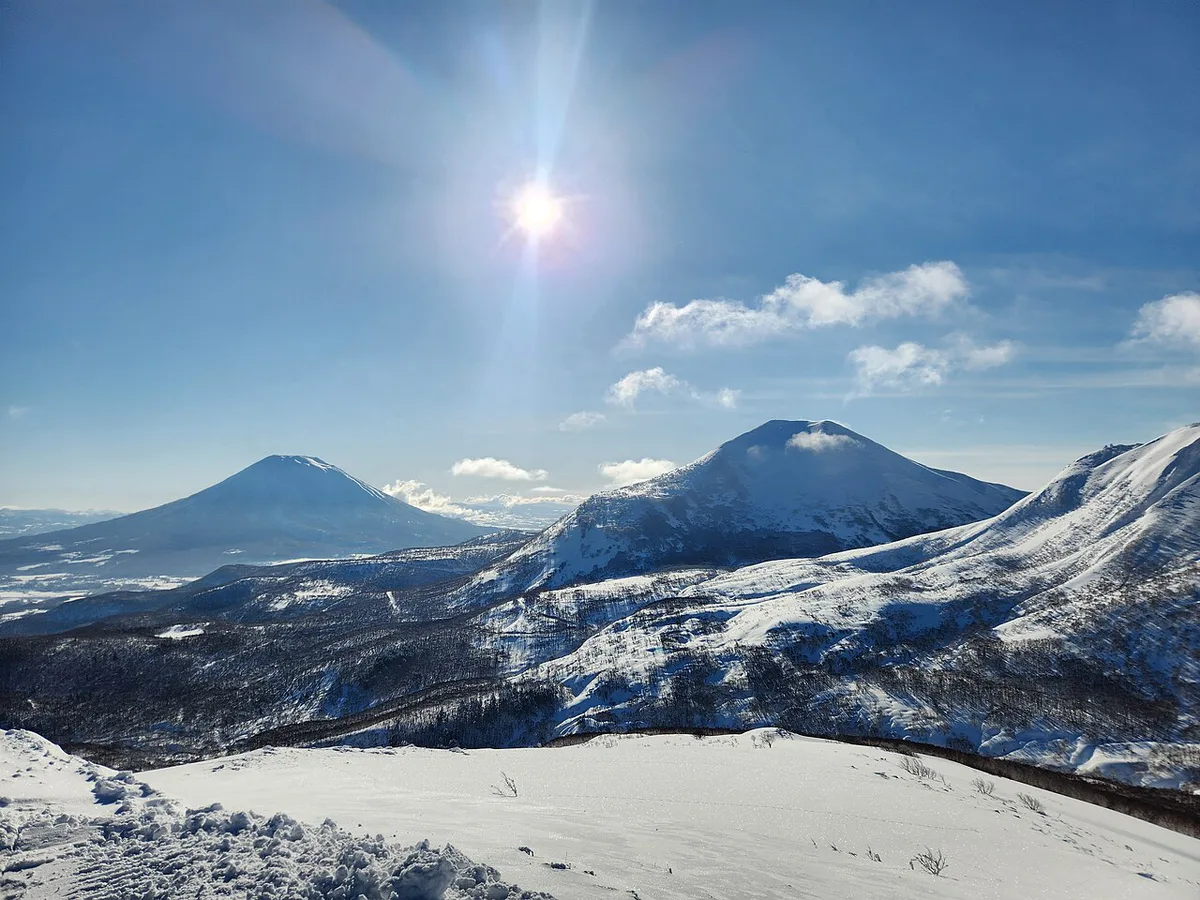
This ranking weighs three factors: snow consistency, tree-skiing and sidecountry quality, and English-language support against crowd levels. Niseko United tops most shortlists for good reason, but several central Hokkaido and Sapporo-area resorts deliver deeper, less crowded days for skiers willing to trade some polish for extra space.
- Niseko United (Grand Hirafu, Hanazono, Niseko Village, Annupuri)
- Four connected mountains, Annupuri, Grand Hirafu, Hanazono, and Niseko Village, share one lift pass across 2,889 acres and 3,438 vertical feet.
- Grand Hirafu and Hanazono carry the most English-language menus, ski schools, and nightlife on the island, though base areas get busy on deep-snow days.
- Lift maps and terrain by mountain appear in the Niseko Skiing Guide: 9 Essential Tips for Your Trip.
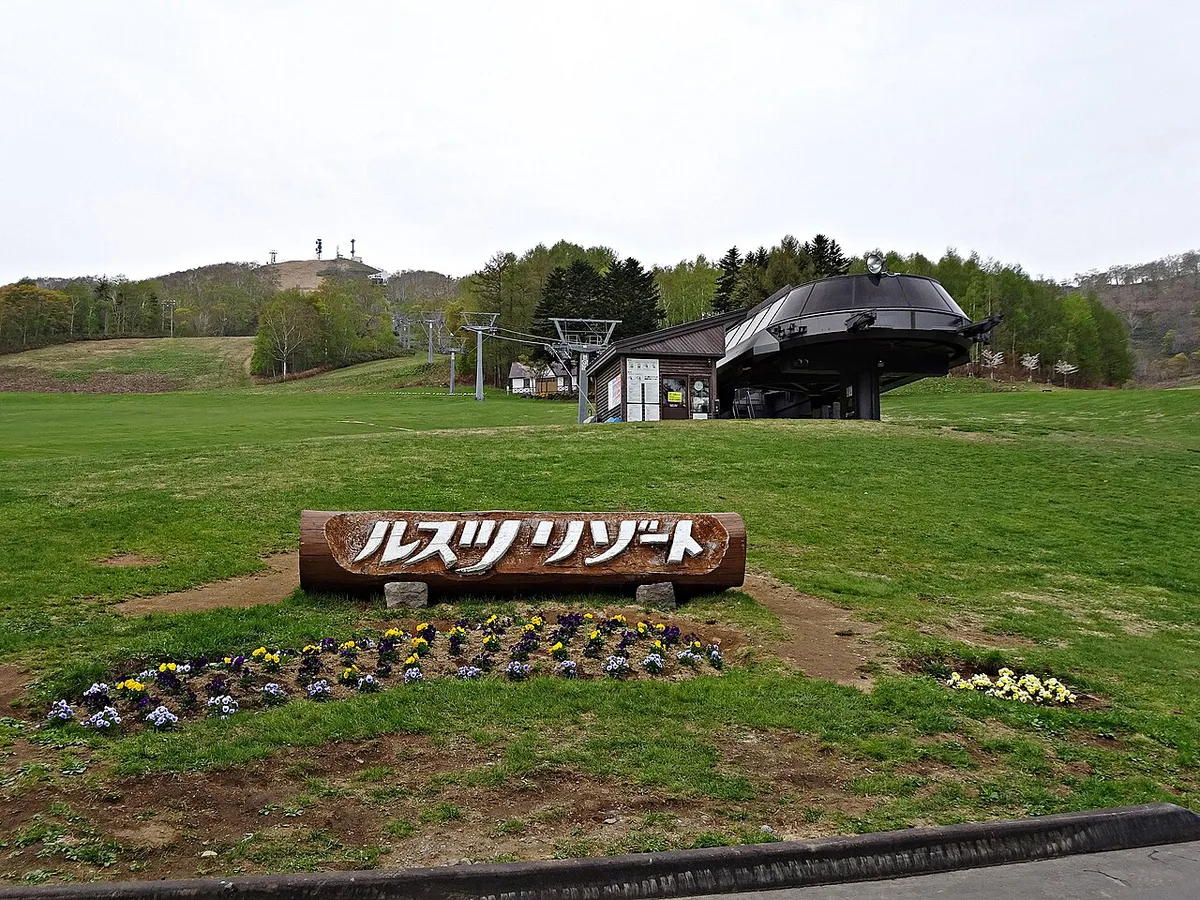
- Rusutsu Resort
- Rusutsu spans three areas, West Mountain, East Mountain, and Mt. Isola, about 30 to 40 minutes from Niseko.
- Long tree runs and lift-served sidecountry make it the pick for powder-tree skiing without Niseko's lift lines.
- Base-area lodging and lift layout are covered in the Rusutsu Resort Guide: Skiing, Summer Fun, and Local Logistics in more depth.
- Kiroro Resort
- Kiroro sits about 30 minutes south of Otaru and roughly an hour from downtown Sapporo, averaging 500-plus inches of snow a year.
- Nearly the entire mountain stays below treeline, so runs keep opening even when storms shut down exposed terrain elsewhere.
- Sidecountry access sits behind gates that require an avalanche beacon and a signed waiver, with more detail in the Kiroro Ski Resort Guide: Hokkaido's Best-Kept Powder Secret.
- Furano Ski Resort
- Furano sits roughly two hours from Sapporo in central Hokkaido and joined the Ikon Pass for the 2025/2026 season.
- Express lifts reach the roughly 2,750-foot summit in a little over ten minutes, and locals call the resort's dry, cold powder Bonchi Powder.
- The Furano Ski Resort Guide 2026: Zones, Lift Tickets, and Backcountry Gates covers lift tickets and terrain in more detail.
- Tomamu Ski Resort
- Tomamu runs 11 lifts across varied in-bounds terrain and sits roughly an hour's drive south of Furano.
- High-end infrastructure and family programming, including the resort's Ice Village attractions, set it apart from smaller central Hokkaido hills.
- Lodging tiers and Ice Village season dates are covered in the Hoshino Resorts Tomamu Guide: RISONARE vs. The Tower & Seasonal Tips.
- Sahoro Ski Resort
- Sahoro sits southeast of Furano, about 44 miles (70km) by road, and is home to a Club Med property.
- Its geography means it usually receives less snow than its central Hokkaido neighbors, so check the forecast before making the drive.
- Long off-piste tree runs reward guided visitors willing to explore terrain most Hokkaido skiers never see.
- Sapporo Teine
- Sapporo Teine sits in the coastal mountains between Otaru and Sapporo city, with views over the Sea of Japan.
- Terrain leans steep and north-facing, with off-piste tree runs that suit strong intermediate and advanced skiers based in the city.
- Basing in Sapporo keeps costs down; city-based trip planning notes are in the Sapporo winter guide.
- Kokusai Ski Resort
- Kokusai runs a single gondola and a handful of chairlifts across just seven marked runs near Sapporo.
- Most of the appeal lies outside the marked runs, in off-piste trees and bowls reached by short traverses from the gondola top.
- Weekend crowds have grown as word has spread, so weekday visits still offer the best odds of untracked snow.
- Kamui Ski Links
- Kamui Ski Links runs seven lifts, one gondola and six double chairs, about 30 minutes from Asahikawa and just over an hour north of Furano.
- An open-gate policy lets skiers access more sidecountry terrain than most Hokkaido resorts allow, with little of Niseko's crowding.
- Cold temperatures and dry snow make it a good warm-up stop before heading into bigger terrain nearby.
- Asahidake
- Hokkaido's tallest peak averages roughly 45 feet (14m) of snow a season and sits about 28 miles (45km) from Asahikawa.
- A ropeway accesses alpine and tree terrain in Daisetsuzan National Park, but volcanic steam vents and shifting weather demand real backcountry experience.
- Hiring a certified guide is standard practice here; this is not a resort for a first Hokkaido trip.
Hokkaido Ski Resorts Compared: Vibe, Budget, and Who Each Fits
Hokkaido counts 98 ski areas in total, but international travelers plan around a much shorter shortlist. Use the table below to match vibe, budget, and skill level with the right base for a first or repeat Hokkaido trip.
| Resort | Vibe | Best For | English Support | Budget |
|---|---|---|---|---|
| Niseko United | International, lively | First-timers, families, nightlife | High | $$$-$$$$ |
| Rusutsu | Quiet, tree-focused | Tree skiing, sidecountry | Moderate | $$$ |
| Kiroro | Snow-focused, low-key | Deep, consistent snow | Moderate | $$-$$$ |
| Furano | Local, cultural | Stable weather, groomers | Moderate | $$-$$$ |
| Tomamu | Polished, family | Families, non-skiers | Moderate | $$$-$$$$ |
| Sahoro | Low-key, guided | Guided tree skiing | Low-Moderate | $$-$$$ |
| Sapporo Teine | City day trip | Steep terrain, city basing | Low-Moderate | $-$$ |
| Kokusai | Local, uncrowded | Dry snow, off-piste | Low | $-$$ |
| Kamui Ski Links | Local, open-gate | Sidecountry access | Low | $-$$ |
| Asahidake | Backcountry, advanced | Expert riders with a guide | Low | $$-$$$ |
Ski-In/Ski-Out vs. Basing in Sapporo or Otaru
Staying inside Niseko or Rusutsu means walking distance to the lifts, but hotel and dinner prices run highest in those villages during peak weeks. Basing in Sapporo or Otaru instead cuts lodging and food costs and opens easy access to multiple resorts for skiers chasing snow reports day by day. Commute time is the trade-off. Otaru sits about 24 miles (38km) from Sapporo and roughly 46 miles (75km) from Niseko. Sapporo bases still mean 60 to 90 minutes to Kiroro and closer to two hours to Niseko. Families or first-time visitors who want one simple base usually do best with ski-in/ski-out lodging at Niseko United or Tomamu, with 10 Amazing Niseko Attractions filling rest days near the village. Furano splits the difference, with ski-in/ski-out lodging at both base areas inside a town small enough to walk after dinner. The Furano in Winter: 9 Essential Things to Know guide has a full seasonal breakdown. Local sights for a non-ski day are covered in the 12 Best Things to Do in Furano (2026) guide. Repeat visitors chasing storms across multiple resorts often prefer the flexibility of a Sapporo or Otaru base, with a few days built in for Sapporo's city attractions between resort visits.
Kiroro receives 500-plus inches of snow a year, making its 60-to-90-minute drive from Sapporo worthwhile for deep-powder days on city-based trips.
Getting to Hokkaido's Ski Resorts: Flights, Trains, and the Resort Liner
New Chitose Airport (CTS) is Hokkaido's main air gateway and the connection point for most Niseko- and Rusutsu-bound trips. Flights from Tokyo's Narita or Haneda airports to New Chitose take about 1 hour and 45 minutes. Skiers heading to Furano, Tomamu, or Asahidake often connect through Asahikawa Airport (AKJ) instead, which sits closer to central Hokkaido. From New Chitose, the Resort Liner coach service reaches most ski areas in 1.5 to 3 hours depending on the destination and current snowfall. JR trains connect Chitose, Sapporo, and Otaru directly, while reaching Niseko or Furano by rail usually means a transfer. Renting a car opens up day-trip flexibility between resorts, but Japan requires an International Driving Permit alongside a home license. A smaller number of visitors rent campervans instead, trading some comfort for the freedom to chase fresh snow overnight. Flight routing and seasonal booking windows are covered in the How To Get To Hokkaido: The Complete Transportation Guide guide. Check current schedules directly on New Chitose Airport's official site before booking connecting flights.
Lift Tickets, Connectivity, and Cash: What a Hokkaido Ski Trip Costs
Full-day lift tickets at most Hokkaido resorts run $30 to $50 USD. Many hills also sell 3-hour, 4-hour, and 6-hour tickets for skiers who want to mix resort laps with sidecountry time. A prepaid SIM card or pocket Wi-Fi device costs roughly $70 to $80 USD for a two-week trip and keeps maps, translation apps, and snow reports working on the mountain. Credit cards work at most hotels and larger restaurants. Many onsens and small ramen shops still take cash only, so budgeting close to $1,000 USD for a two-week trip covers the gaps. The 10 Best Hokkaido Onsen Resorts to Visit (2026 Guide) has etiquette and pricing notes for the hot-spring stops worth building into a ski itinerary. Confirm this season's exact ticket pricing on each resort's own site before booking. Rusutsu publishes current lift hours and passes on its official winter site. Furano Tourism Association's official site lists town-wide lift and shuttle information for the Furano area.
Backcountry Safety and Gate Rules in Hokkaido
Niseko United and several other resorts use a gate system marking official sidecountry access points. Skiing beyond a closed gate counts as an avalanche-closure violation, not just an etiquette breach. Kiroro's sidecountry access works on the same principle: a beacon check and signed waiver come before entering ungroomed terrain. Anyone heading into gated or unlisted backcountry needs a transceiver, probe, and shovel at minimum, along with practice using all three before leaving a resort boundary. Asahidake and the Tokachidake area inside Daisetsuzan National Park see fewer patrols and less signage than resort sidecountry, so local guides matter even for experienced riders. Storm cycles move fast in western Hokkaido. Conditions tracked near Niseko have recorded more than 140 inches of snowfall in a single January, according to OpenSnow's Hokkaido analysis. That pace can bury tracks and change avalanche risk within hours. Check trailhead postings and current avalanche advisories before committing to any backcountry route.
Japanuary's abundant powder arrives via monsoon storms that can deliver more than 140 inches of snowfall in a single January, creating equally rapid avalanche-risk changes.
Mistakes to Avoid When Planning a Hokkaido Ski Trip
Recurring planning errors show up again and again on Hokkaido ski trips. The Hokkaido in Winter: 10 Essential Experiences and Itinerary Guide overview has a fuller month-by-month picture beyond the points below.
- Booking Popular Dates Too Late
- Peak January and February stays at Niseko and other western-belt resorts can fill up roughly six months ahead of the trip.
- Lock lodging and flights before the prior ski season ends if a specific week matters, and check the best time to visit Hokkaido guide first.
- Skiing Only on Weekends
- Weekend and holiday crowds run heaviest at Niseko United and have grown noticeably at Kiroro and Kokusai in recent seasons.
- A Monday-to-Thursday trip window means shorter lift lines and better odds at fresh tracks on the same terrain.
- Underestimating Central Hokkaido Cold
- Clear winter mornings around Furano, Tomamu, and Asahidake can drop below -20 degrees Celsius.
- That cold is drier and sharper than the milder, wetter cold nearer the coast at Niseko, so pack layers accordingly.
- Skipping Campervan Reservations
- Campervan rentals for storm-chasing trips need booking 2 to 3 months ahead, especially for January and February dates, because inventory runs limited.
- Check Visit Hokkaido's official site for current winter road and event conditions before a self-drive trip.
When to Ski Hokkaido for Powder, Weather, and Value
Hokkaido’s ski season generally runs from December into early April, but the best week depends on whether powder, clear weather, or lower costs matters most. January is often called “Japanuary” because frequent northwest monsoon storms bring the most dependable deep snow to Niseko, Kiroro, and Rusutsu.
- December: Early-season terrain can be limited, especially at lower elevations. Christmas and New Year are busy holiday periods.
- January to mid-February: This is the strongest period for regular powder days. Expect cold temperatures, storm visibility, and peak accommodation demand.
- Late February to March: Days become longer and clearer. Central resorts such as Furano often suit groomer skiing, families, and mixed ski-and-sightseeing trips.
March can still produce major storms, particularly in western Hokkaido, but snow quality changes faster near resort bases. Book Niseko-area lodging well ahead for January and February. Choose Furano, Sapporo, or Otaru for a more flexible trip when peak-week rooms are scarce.
Frequently Asked Questions
Which Hokkaido ski resort has the best snow?
Kiroro and the Niseko United mountains sit in the heaviest part of the Asian Winter Monsoon belt and typically see the most consistent snowfall on the island. Kiroro alone averages more than 500 inches a year and stays below treeline, so lifts keep spinning through storms that shut other hills down. Rusutsu and Furano also receive deep, dry snow, just with fewer international crowds competing for fresh tracks.
How many days should a Hokkaido ski trip take?
Most guided and independent itineraries run one to two weeks, long enough to catch several storm cycles and still get a few clear days for photos and travel. Shorter four- or five-day trips still work well if the plan centers on one or two resorts close together, like Niseko and Rusutsu.
Do you need a car to ski in Hokkaido?
A car is not required at any single resort, since the Resort Liner coach network and JR trains connect New Chitose Airport, Sapporo, Otaru, and most major ski areas. A rental car adds flexibility for day-tripping between resorts like Kiroro, Rusutsu, and Sapporo Teine, but Japan requires an International Driving Permit alongside a home license. A smaller number of visitors rent campervans instead, trading some comfort for the freedom to chase fresh snow overnight.
What does a Hokkaido ski trip cost per day?
Full-day lift tickets typically run $30 to $50 USD at most Hokkaido resorts, with shorter 3-hour, 4-hour, and 6-hour options at many hills. A prepaid SIM or pocket Wi-Fi device costs roughly $70 to $80 USD for two weeks of connectivity. Lodging and dining costs vary widely. Niseko and Tomamu run highest, while a Sapporo or Otaru base cuts both categories noticeably.
Is Niseko or Furano better for a Hokkaido ski trip?
Niseko United suits skiers who want English-language support, ski-in/ski-out lodging, and a lively après scene across four connected mountains. Furano suits travelers who want a smaller, more local town, stable weather, and long groomed runs, plus 2025/2026-season access via the Ikon Pass. Neither is objectively better; the choice comes down to whether international convenience or a quieter, more Japanese base matters more for the trip.
Do you need a guide for Hokkaido backcountry skiing?
Hiring a certified guide is strongly recommended for terrain like Asahidake and the Tokachidake area, where volcanic terrain, thin patrol coverage, and fast-changing weather raise the stakes. Resort-adjacent gated sidecountry, like Kiroro's, is more forgiving but still requires a beacon, probe, and shovel plus the knowledge to use them. Local guides also read regional snowpack history that visiting skiers cannot get from a single trip's observations.
Explore Hokkaido's Ski Country
Plan a Hokkaido ski trip resort by resort, then dig into the powder science, safety basics, and regional winter guides that round out the picture.
Resort by Resort
- Rusutsu Resort Guide
- Furano Ski Resort Guide 2026
- Hoshino Resorts Tomamu Guide
- Kiroro Ski Resort Guide: Hokkaido's Best-Kept Powder Secret
- Niseko Skiing Guide: 9 Essential Tips for Your Trip
Powder, Season & Safety
- Hokkaido Powder Guide 2026-27
- Niseko Snow Season Guide: Best Time to Ski & Ride
- Best Time To Visit Hokkaido: 10 Essential Seasonal Insights
City & Regional Winter Guides
Free guide: Japan's Hidden Gems
12 under-the-radar places beyond Tokyo & Kyoto — with the best season to visit each and a local tip you won't find in the guidebooks.
You might also like


Continue reading
More guides you'll find useful


