

Kiroro Ski Resort Guide: Hokkaido's Best-Kept Powder Secret
Plan a kiroro ski trip with this 2026 guide to snowfall totals, lift pass prices, terrain by peak, and Club Med vs. Yu Kiroro lodging options.
On this page
Last updated September 2026, this kiroro ski guide breaks down why Akaigawa's microclimate piles up some of Hokkaido's heaviest snow totals across Kiroro's two peaks, Asari and Nagamine. It also compares lodging at Club Med, Yu Kiroro, and the Sheraton against nearby Niseko and Rusutsu. Lift passes, terrain splits, and the logistics of a first day at the Mountain Center get covered too.
Kiroro Ski Resort: Hokkaido's Snow Factory
Kiroro Snow World sits in Akaigawa, positioned to catch moisture rolling off the Sea of Japan. That location is why the resort piles up some of the heaviest snowfall totals in Hokkaido. It also puts Kiroro in a snow-rich pocket between Otaru and Niseko, rather than inside either town's tourist core.
Averaged across a season, snowfall here runs around 613 inches, a total Hokkaido's powder snow guide puts in context against the rest of the island. Ten lifts, including a gondola and several high-speed quads, move skiers across roughly 300 acres and about 24 marked trails split between two peaks, Asari and Nagamine. Vertical drop runs 2,001 feet, climbing from a base near 1,870 feet to a 3,871-foot summit.
Families running an all-inclusive week and powder-focused skiers who rank snow quality above nightlife both fit well here. Travelers who want a walkable town with bars and shops between runs fit less well, since almost everything at Kiroro is resort-contained. Compare it against Hokkaido's other ski resorts before booking if a village atmosphere matters more than raw snow depth. Regional alternatives worth weighing include Rusutsu's terrain, which draws a different crowd than Kiroro's quieter base.
| Stat | Figure |
|---|---|
| Lifts | 10 (gondola + high-speed quads) |
| Marked trails | 24 |
| Skiable terrain | 300 acres |
| Base elevation | 1,870 ft |
| Summit elevation | 3,871 ft |
| Vertical drop | 2,001 ft |
| Average snowfall | 613 in / season |
| Terrain split | 25% beginner / 35% intermediate / 40% advanced |
Asari vs. Nagamine: Terrain, Off-Piste Gates, and Night Skiing
Nagamine is the gentler side of the mountain, with wide, machine-groomed cruisers reached from lifts including Nagamine No. 1 Express. Ski school groups tend to stay here because the pitch stays mellow and surface lifts make early attempts easier. Asari Peak rises higher and steeper, holding most of the resort's expert terrain and its backcountry-style gates. Grooming crews keep intermediate corduroy consistent through the week, not just right after a fresh storm.
Night skiing spans 1.2 miles; schedule major runs before 3:45 p.m. so you finish in daylight.
- Beginner terrain: Nagamine's Family Course and Course 1, plus the Family Lift for short laps.
- Intermediate terrain: Center Express-served runs including Center A and Center B, plus Nagamine's longer cruisers.
- Advanced and expert terrain: Asari Expert A and B, Asari Panorama, and the off-piste gates Powder Ridge and Orange Light.
- Two named off-piste zones get mentioned most often, Powder Ridge and Orange Light, both reached from gates near Asari's upper terrain. Kiroro requires avalanche gear and weather clearance before these gates open, so confirm status at the Mountain Center rather than assuming access. Night skiing runs on two lifts at the base area, lighting about 1.2 miles of terrain across the Center A, Center B, and Family courses. It is not resort-wide, so plan an early final lap on Asari or Nagamine if lit runs matter to the trip. Anyone weighing terrain here against a bigger name should read the Niseko skiing guide for a side-by-side on run styles.
When to Go: Peak Powder vs. Spring Skiing
Kiroro's season is projected to run December 5, 2026 through May 5, 2027, a roughly 128-day window that stretches later than several Hokkaido resorts. The same Sea of Japan exposure that stacks up snowfall also keeps the base cold enough to hold a rideable pack later into spring than many lower, more inland areas. Posted operating hours run 9:00 a.m. to 4:15 p.m., though the resort notes hours can shift with weather and the calendar.
January brings 220 in monthly, the heaviest single month; save Asari for early starts around 8:45 a.m.
January is the single deepest month on record here, with February close behind before totals taper through spring. March and April shift toward corn snow, with longer daylight and softer afternoons replacing deep powder mornings. Hokkaido's official tourism site frames the region's winter draw as a multi-month season rather than a short peak window. That framing fits Kiroro's own December-to-May calendar. Cross-check dates against the best time to visit Hokkaido guide when pairing Kiroro with sightseeing elsewhere on the island.
| Month | Average snowfall |
|---|---|
| December | 161 in |
| January | 220 in |
| February | 157 in |
| March | 65 in |
| April | 10 in |
Getting to Kiroro and What a Lift Pass Costs
Most visitors fly into New Chitose Airport and connect by winter shuttle, a ride that takes about two hours depending on road conditions. Distance from Sapporo runs about 40 miles west, and airport shuttles are not public buses, so reserve seats ahead rather than planning to book on arrival. Travelers arriving by train can reach Otaru Station and transfer to a resort-bound coach, or drive Route 393 west from Sapporo when conditions allow. A complimentary shuttle also connects lodging to the Mountain Center for guests not staying in a ski-in, ski-out property. General arrival logistics for the island appear in this Hokkaido arrival guide, useful when Kiroro is one stop on a longer trip.
Published day-ticket rates for the main season list Adult at ¥8,800, Youth at ¥7,700, and Child at ¥4,800. The Mountain Center is where most guests collect passes booked online, and it also sells tickets to walk-up visitors. Online sales for the 2026-27 season pass open September 1, according to Kiroro's official site, so early bookers can lock in rates before on-site pricing applies.
| Pass type | Day ticket, main season |
|---|---|
| Adult | ¥8,800 |
| Youth | ¥7,700 |
| Child | ¥4,800 |
Beyond the Skiing: Snow Activity World, Terrain Park, and Non-Skiers
Non-skiers and young children have a dedicated zone away from the main slopes called Kiroro Resort Snow Activity World, with tubing, sledding, and snow buggies. Rental winter clothing is available there too, which helps travelers who did not pack full snow gear for a single activity day. Kids' programs extend into the resort itself, with English-speaking ski instructors, dedicated learning zones, and indoor play centers built into several lodging properties. Family rooms and safe pedestrian routes between buildings make it straightforward to move between a hotel room, the Mountain Center, and the activity zone without much backtracking. Freestyle skiers and snowboarders have a terrain park with small kickers and rails, modest in scale but better maintained in spring when storms slow down.
Your First Day: Mountain Center, Rentals, and the Chondola
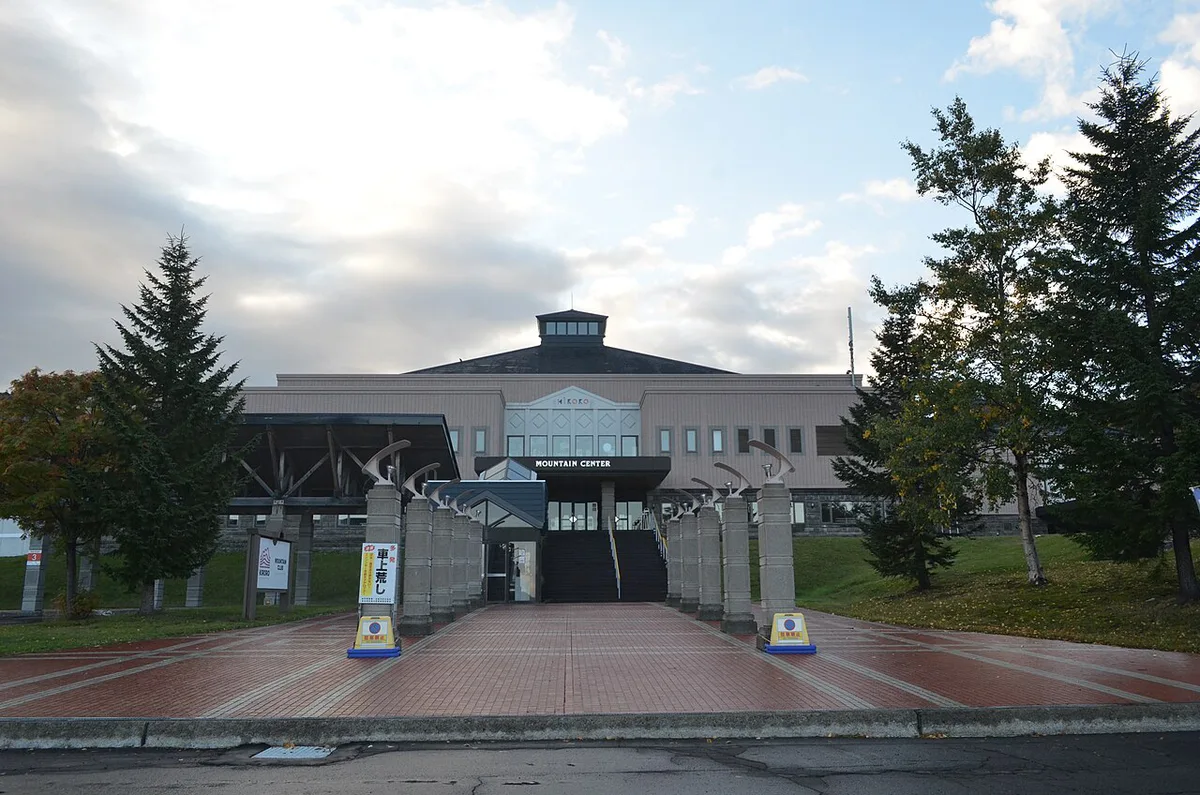
Every day at Kiroro starts at the Mountain Center, the hub for rentals, lockers, an information desk, and pass collection. Staff ask for height, weight, and skill level before fitting boots, skis, or a snowboard, so arrive with rough numbers ready rather than guessing at the counter. Boots get adjusted and bindings set on the spot, which keeps first-timers from losing morning runs to gear that does not fit.
Guests staying at Club Med Kiroro Grand or Yu Kiroro connect to the base area by a chondola, a lift alternating enclosed gondola cabins with open-air chairs. A short track through the trees then leads to a nursery slope, keeping beginners away from faster traffic near the main base. Sheraton Hokkaido Kiroro Resort skips this step, since it connects directly to the Mountain Center instead. Gear returns either through Yu Kiroro's ski valet service or directly at the Mountain Center rental shop, where staff check everything back in on the spot.
Where to Stay: Club Med, Yu Kiroro, and Sheraton Hokkaido
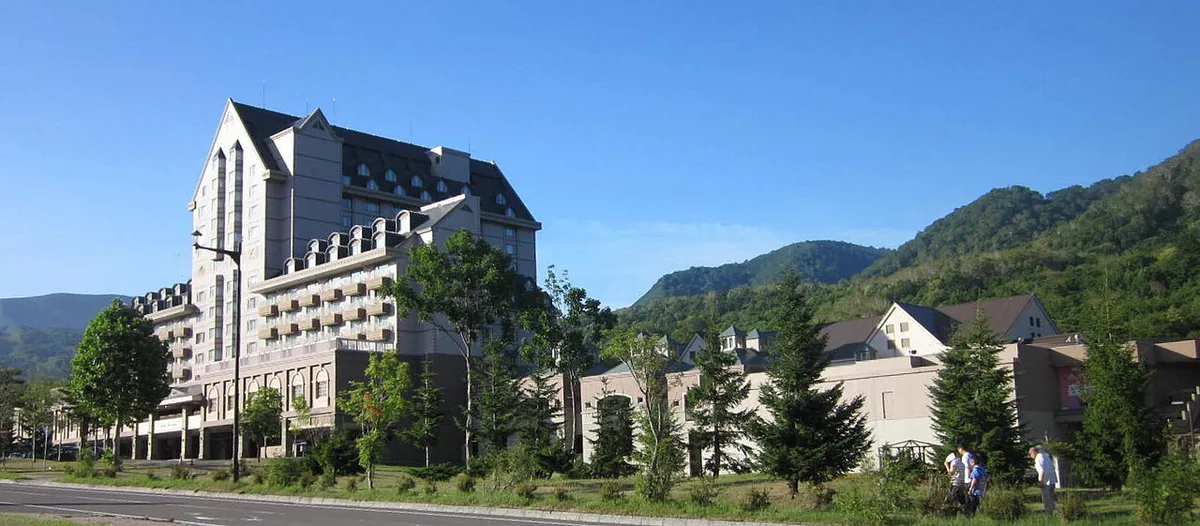
Club Med Kiroro Peak runs as an all-inclusive property for adults and teens 12 and older. It joined Club Med's Exclusive Collection for winter 2025, adding a more personalized service tier to the same all-inclusive format. Club Med Kiroro Grand takes the family slot instead, with kids' programs, ski lessons, and indoor entertainment built into the rate. Yu Kiroro is the ski-in, ski-out condo option, and its facilities include a 24-hour gym and an onsen useful after a full day on Asari's steeper pitches. Hokkaido's onsen guide is worth reading before booking if hot-spring access is a deciding factor between properties. Sheraton Hokkaido Kiroro Resort connects directly to the Mountain Center, which matters most to skiers wanting the first lift without a shuttle or chondola ride first. Ample parking sits near the base lifts for anyone driving in rather than staying overnight.
Dining, Après-Ski, and a Day Trip to Otaru
Brasserie Akaigawa sits at the gondola base station and serves noodle dishes built from local produce, a practical warm-up rather than a destination meal. Cafe Crest, near the top of the Nagamine No. 1 Express lift, adds wide windows facing the slopes for a coffee break between runs. Yukashi Alpine Bistro handles the evening slot, pairing European technique with Hokkaido's seasonal produce for a sit-down dinner at the base resort.
Skiers based in Sapporo sometimes treat Kiroro as a day trip rather than a multi-night stay. Otaru works as a companion stop for seafood and a change of pace from the slopes, sitting along the general route between Sapporo and the resort. Pair the day with Sapporo's winter season plans if building a longer loop that includes the city. Longer Hokkaido loops sometimes add Furano's ski terrain as a second stop. Others extend east toward Tomamu's resort village instead.
Mistakes to Avoid and Insider Timing
Kiroro sits more sheltered than Niseko, but wind can still shut down the gondola on storm days. Check morning lift status before committing to an early Asari lap. Powder days reward an early start. Aim for the Asari Gondola by 8:45 a.m. when fresh snow fell overnight, since that first-tracks window closes fast once lift lines build near the gondola base. A late-afternoon run down Asari Dynamic, starting around 3:45 p.m., works well as a finisher since most guests have already headed in for the day. Nearly three miles of largely uninterrupted terrain make it a strong way to close out a powder day.
No central walking village exists at Kiroro, unlike Niseko's town center, so plan on resort shuttles and in-resort dining rather than an evening stroll between bars. Everything from rentals to dinner sits inside the resort's own buildings, which suits guests who want convenience over nightlife.
Planning a Kiroro Day Trip from Sapporo or Otaru
Kiroro works best as a day trip when transport is arranged before arrival. The resort is self-contained, so do not expect to find a rail station or frequent local buses at the base. Winter shuttle seats can sell out, especially after fresh snow.
Base yourself in Sapporo for the broadest choice of hotels and evening dining. Choose Otaru if you want a smaller historic city, canal-area atmosphere, and easy access to seafood restaurants after skiing. Either option requires an early departure if you want meaningful time on the mountain.
- Reserve a resort shuttle or private transfer before travel, then confirm its pickup point and return time.
- Buy or collect lift passes at the Mountain Center before heading toward the lifts.
- Pack a small day bag with dry layers, gloves, and a change of socks for the return journey.
Drivers should check Route 393 conditions on the morning of travel. Allow extra time after snowfall, and confirm parking arrangements before leaving the city.
Frequently Asked Questions
How much snow does Kiroro get compared to Niseko?
Kiroro averages around 613 inches of snowfall a season, concentrated mainly in January and February. Its Akaigawa position catches Sea of Japan moisture directly, which is why totals here often run as heavy as or heavier than Niseko's.
How do you get from New Chitose Airport to Kiroro?
Winter shuttles connect the airport to Kiroro in about two hours, depending on road conditions. These shuttles are not public buses, so reserve a seat in advance rather than planning to book on arrival.
What does a Kiroro lift pass cost?
A main-season adult day ticket runs ¥8,800, with youth tickets at ¥7,700 and child tickets at ¥4,800. Passes booked online can be collected at the Mountain Center, which also sells tickets on the day.
Is Kiroro good for beginners and families?
Yes. Nagamine's side of the mountain has wide, gentle terrain plus a dedicated Family Course and Family Lift. Club Med Kiroro Grand adds kids' programs and ski lessons on top of that terrain.
Does Kiroro have a walkable village like Niseko?
No. Kiroro is resort-contained, with dining, rentals, and lodging inside the property rather than a separate town center. Guests who want an evening walk between bars and shops should compare it against Niseko's town before booking.
Can you visit Kiroro without staying overnight?
Yes. Guests based in Sapporo or Otaru can treat Kiroro as a day trip, since shuttle and drive times run about two hours or less depending on the route. Booking transit in advance still matters, since winter shuttles fill up fast on powder days.
Free guide: Japan's Hidden Gems
12 under-the-radar places beyond Tokyo & Kyoto — with the best season to visit each and a local tip you won't find in the guidebooks.
You might also like


Continue reading
More guides you'll find useful


