

9 Best Things to Do in Nozawa Onsen (2026 Guide)
A 2026 guide to Nozawa Onsen: the best things to do, all 13 free Soto-yu baths, ski terrain, the fire festival, and where to stay.
On this page
Last updated September 2026. Nozawa Onsen pairs a historic hot-spring village with a large Nagano ski resort, and that mix drives most trip decisions here. This guide ranks the village's best things to do, covers where to stay, and explains how to reach it from Tokyo.
9 Best Things to Do in Nozawa Onsen
Nozawa Onsen packs skiing, bathing, and a fire festival with national cultural-property status into one walkable village in Nagano's Shimotakai District. Nagano Prefecture's official tourism site lists the village among its snow-country hot-spring towns. Local legend credits the 8th-century monk Gyoki with discovering the springs, and records from 1870 count 24 inns already serving visitors here. Roughly 3,650 people live in the village today, a figure that has declined for decades as the local economy has consolidated around ski and onsen tourism. Ryokans, public baths, and ski lifts sit within a few minutes of each other, so a single stay covers all three without a car. Entries below move from the village's Soto-yu bathing circuit up through the mountain, then into food and day trips.
Rooms book 6 to 12 months ahead for January 13 to 15 festival dates, so arrange lodging early despite the 3 to 4 hour journey from Tokyo.
- Soak in the Village's 13 Free Soto-yu Baths
- Thirteen public bathhouses, called Soto-yu, line the village streets and are run by local neighborhood bath groups known as Yu-nakama.
- Entry works on a donation-box system, so carry small coins and bring a towel and soap, since neither is supplied.
- Oyu, in the village center, is the best-known of the thirteen, housed in an Edo-period-style bathhouse that most visitors treat as a first stop.
- Watch Ogama's 90°C Spring Cook Dinner, Not Bathers
- Ogama is the hottest spring in the village, reaching about 90°C, so it's fenced off for viewing and cooking rather than bathing.
- Locals use the near-boiling water to cook eggs and vegetables, and the spring is registered as a natural monument.
- It sits along the main Soto-yu walking route, so pair a visit with two or three nearby baths in the same stop.
- Ski or Ride Nozawa Onsen Snow Resort
- Nozawa Onsen Snow Resort's official site lists 297 hectares of terrain across more than 50 kilometers of trails.
- Nagasaka Gondola runs as the main lift from the village into the upper mountain, with beginner terrain at Uenotaira well below the steeper tree and backcountry zones higher up, which top out at 1,650 meters on Mt. Kenashi.
- Trail breakdowns, lift details, and rental options appear in the skiing guide.
- Warm Up at Sparena's Outdoor Bathing Complex
- Sparena is an outdoor hot-spring complex where swimsuits are worn, unlike the traditional Soto-yu baths.
- It sits on the mountain side of the village near several self-contained cottages, making it a convenient stop after skiing.
- Mixed-gender, swimsuit bathing suits travelers who want a soak without learning the etiquette of a traditional public bath first.
- Watch the Dosojin Fire Festival
- Held every year from January 13 to 15, the festival centers on men aged 25 and 42, the village's yakudoshi or unlucky-age groups.
- The main event, a battle to burn a three-story wooden shrine, takes place on the night of January 15, and rooms often book 6 to 12 months ahead.
- Timing and safety details for the event live in the fire festival guide.
- Wander the Village's Dosojin Statues and Narrow Streets
- Wooden Dosojin figures, painted and carved as a paired man and woman, stand outside homes and shops around the village.
- Free foot baths line several streets, and steep lanes connect ryokans, shokudo, and more than 100 bars and restaurants that open during ski season.
- Shops along the main street sell local crafts and snacks, and several sit within the same block as three or four Soto-yu baths.
- Taste Nozawana Pickles, Oyaki, and Shinshu Soba
- Nozawana, a pickled mountain green named for the village, appears on nearly every local menu.
- Oyaki dumplings are steamed with onsen steam rather than plain water, and Shinshu soba, Nagano's regional buckwheat noodle, rounds out the food list.
- Meal costs vary widely across the village's 100-plus restaurants and bars, from casual shokudo counters to sit-down ryokan dinners.
- Day-Trip to Jigokudani Snow Monkey Park
- Jigokudani is a common day trip from Nozawa Onsen and one of the region's best-known winter wildlife stops.
- The snow monkey park guide covers timing and access.
- For other regional stops, check the Nagano attractions guide.
- Bike or Hike the Green-Season Trails
- In summer, ski runs reopen as mountain-bike and e-bike routes, including the Skyline Course, which switches from a piste to a bike trail.
- A seasonal MTB pass covers the bike routes, and picnic-garden and camping options open at Uenotaira and Sutaka Lake for warm-weather visits.
- Golf and other summer activities also run seasonally around the resort, though hours shift outside ski season, so check current status before visiting.
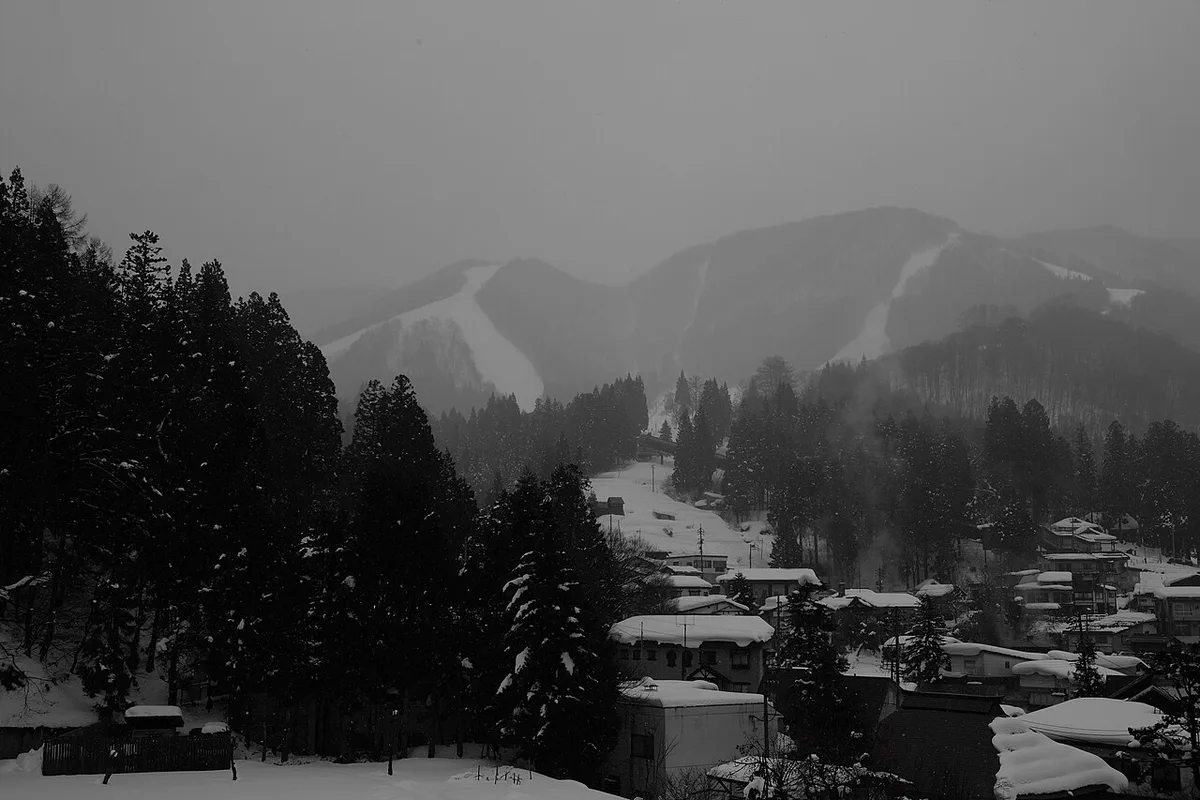
How to Use Nozawa Onsen's Soto-yu Baths
Bathing etiquette in Nozawa Onsen differs from a staffed onsen resort, since every Soto-yu is self-serve and unattended. Pack these essentials before you set out, and pace yourself at baths that run hotter than expected. A seasonal Stamp Collection Tour also runs around village landmarks, though winter access can shift, so check current status before planning one. Most baths sit within a five-minute walk of each other, so a short loop can cover four or five in one evening. For bath-by-bath notes, see the public baths guide.
- A small towel
- None of the thirteen baths supply towels, so bring one from your accommodation or a nearby convenience store.
- Coins for the donation box
- Each bath asks for a small donation instead of charging a fixed entry fee, so keep loose change on hand.
- Your own soap
- Soto-yu baths are unstaffed, so pack soap or body wash since none is provided at the door.
- A plan for the heat
- Village baths often run hotter than typical resort onsens, and Ogama's spring reaches about 90°C, so ease in slowly anywhere that feels unusually warm.
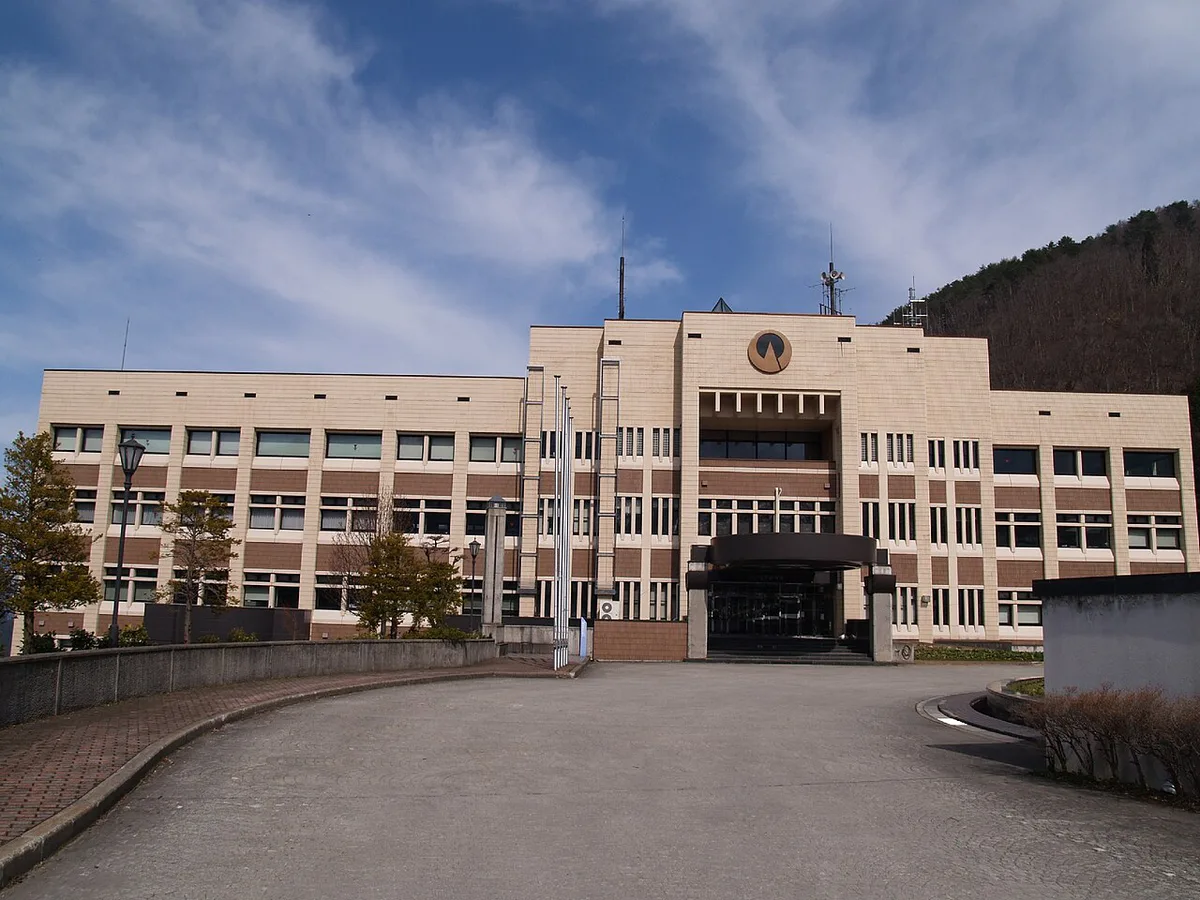
Village Center or Slopeside: Where to Stay in Nozawa Onsen
Where you sleep in Nozawa Onsen decides how you move each day. Slopeside properties near the Nagasaka Gondola put skiing at the door but add a walk down to the main restaurant and onsen hub in the village center. Village-center stays put dining, the Soto-yu circuit, and nightlife within a few minutes' walk. Lift access from the village center runs via the Yu-road escalator or a shuttle instead of a direct ski-out. Traditional ryokans cluster most densely in the village center, close to Oyu and the main shopping street. Nozawa Central Apartments, for example, sits among the highest concentration of restaurants and bars. Self-contained houses and apartments, several sleeping 6 to 14 guests, sit closer to the gondola for groups skiing multiple days. Specific properties by budget appear in the where-to-stay guide.
| Property | Location | From (¥/night) | Sleeps |
|---|---|---|---|
| Nozawa Slopeside Chalet | 100m from Nagasaka Gondola | ¥160,000 | 10 |
| Taki no yu Lodge Nozawa | Ski-in, public onsen out front | ¥158,500 | 14 |
| Nozawa Views Apartment | 120m from Nagasaka Gondola | ¥98,500 | 6 |
| Harvest House Nozawa | 100m from Nagasaka Gondola | ¥79,000 | 6 |
| Nozawa House | On-snow, short walk to village | ¥79,000 | 8 |
| Nozawa Cottage | 150m from Gondola, near Sparena | ¥79,000 | 6 |
Getting to Nozawa Onsen from Tokyo
Most international visitors reach Nozawa Onsen by combining the Hokuriku Shinkansen with a local bus. Trains from Tokyo or Ueno to Iiyama Station run about 3 to 4 hours and cost around ¥10,000 one-way. From Iiyama Station, the Nozawa Onsen Liner bus covers the last stretch in about 20 to 25 minutes, timed to meet the Shinkansen schedule. Local Iiyama Line trains also stop near the village at Kamisakai and Togari-Nozawaonsen stations, though the Shinkansen-plus-bus route stays faster from Tokyo. 2026-27 lift-pass and season-ticket prices appear each year on Nozawa Onsen Snow Resort's official site. Check current rates there before budgeting for a multi-day pass. Late arrivals can call a local taxi or arrange a pickup through their lodging instead of waiting for the bus. Drivers coming from Nagano City should plan for about an hour on local roads, longer in heavy snow. Airport transfers and shuttle options get more detail in the getting here guide.
Best Time to Visit Nozawa Onsen
Mid-January is the narrowest and most crowded window, built around the Dosojin Fire Festival on January 13 to 15. January is both the coldest month, averaging around -1.6°C, and the wettest, with more snowfall than any other month. February typically holds the deepest, driest snowpack for skiing, with the village averaging more than 10 meters of snow across a winter. Green season, roughly May through October, swaps skiing for mountain biking, hiking, and the Skyline Course's e-bike route. Shoulder weeks in March and early April can still deliver good spring skiing with thinner festival-season crowds. Check the Nagano festivals calendar for dates beyond the fire festival. Regional snow comparisons live in the 10 Best Things to Do in Nagano in Winter (2026).
Mt. Kenashi reaches 1,650 meters while February delivers more than 10 meters of snow, combining high-altitude terrain with reliable powder conditions.
A Typical Day in Nozawa Onsen
Most stays settle into a simple rhythm built around the mountain, the baths, and dinner. Transitions between skiing, bathing, and eating take minutes in the village's compact layout, not a shuttle ride. This timeline shows how the pieces typically fit together for a full ski day.
- Morning: First Lifts at Nagasaka Gondola
- Skiers head up the Nagasaka Gondola for first tracks, with Uenotaira's beginner runs busiest right after opening.
- Midday: Lunch on the Mountain or in the Village
- Mountain restaurants serve quick meals between runs, while a short trip back into the village opens up shokudo and noodle shops.
- Late Afternoon: A Soto-yu Soak
- Skis go back to the room, and a walk through two or three Soto-yu baths works as an après-ski routine before dinner.
- Evening: Dinner and an Izakaya
- Dinner runs early at most ryokans, and the village's bars and izakaya fill up afterward, especially during festival weeks.
Cultural Highlights and Olympic History
Nozawa Onsen hosted the biathlon events at the 1998 Winter Olympics, and the village has produced multiple Nordic combined skiers and ski jumpers who competed internationally, including Takanori Kono and Gen Tomii. Eighteen sites around the village hold local cultural-treasure designations, and the Dosojin Fire Festival carries the country's Important Intangible Folk Cultural Property status. St. Anton am Arlberg in Austria has been a sister city since 1971, a tie that reflects Nozawa's own identity as a ski town built around a much older hot-spring settlement.
Common Mistakes to Avoid in Nozawa Onsen
A few planning slips show up again and again among first-time visitors to Nozawa Onsen. Most trace back to treating the village like a standard ski resort rather than a working hot-spring community with its own etiquette. Avoid these before locking in a trip, especially if the visit lines up with the fire festival.
- Skipping the towel
- None of the thirteen Soto-yu baths supply towels or soap, so pack a small one before heading out.
- Underestimating the streets
- Village lanes between the baths and the gondola climb steeply and turn slick with packed snow, so wear real winter boots rather than sneakers.
- Booking the festival too late
- Rooms fill 6 to 12 months ahead of the January 13-15 Dosojin Fire Festival, so lock in accommodation early for that window.
- Treating Ogama as a bath
- Ogama's spring runs about 90°C and is fenced off for cooking and viewing, not bathing, unlike the village's other twelve Soto-yu.
Explore attractions in other cities
Frequently Asked Questions
How many public baths are in Nozawa Onsen?
Nozawa Onsen has 13 free public baths, called Soto-yu, spread through the village and kept up by local neighborhood bath groups. Bring a towel, soap, and small coins for the donation box at each entrance. Oyu, the most recognizable of the thirteen, sits at the center of the village in an Edo-period-style bathhouse.
How do you get from Tokyo to Nozawa Onsen?
Take the Hokuriku Shinkansen from Tokyo to Iiyama Station, then transfer to the Nozawa Onsen Liner bus for the final 20 to 25 minutes. Total travel time runs about 3 to 4 hours, with train fare around ¥10,000 one-way.
When is the Nozawa Onsen Fire Festival?
Dosojin Fire Festival dates run January 13 through 15 each year, with the main shrine-burning event on the night of January 15. Accommodation for that window often books 6 to 12 months in advance. Construction of the shrine that's later burned starts around January 13, when yakudoshi villagers drag a large beech log down from the Hikage ski area.
Is Nozawa Onsen good for beginners or families?
Uenotaira holds the resort's gentler beginner terrain, reached from the village on the Nagasaka Gondola. Families also benefit from a car-free, walkable layout that connects lodging, baths, and restaurants directly.
Can you bathe at the Ogama hot spring?
No, Ogama's water reaches about 90°C, so it is fenced for viewing and cooking rather than bathing. Locals use it to boil eggs and vegetables, and it is protected as a natural monument.
Is Nozawa Onsen walkable without a car?
Yes, the village's baths, restaurants, and most ski access points sit within a compact, walkable core. The Nagasaka Gondola and Yu-road escalator handle the elevation change between the village center and the slopes.
How is Nozawa Onsen different from other Japanese ski resorts?
Nozawa Onsen combines a car-free, walkable village with 13 free public baths built into daily life, not just added for visitors. Compare current terrain size, lift networks, and access options for any specific resort against Nozawa's official site before deciding.
Can you rent ski gear in Nozawa Onsen?
Yes, Salomon Station has been the resort's official rental shop since 2021, located on the third floor of the Nagasaka center house building. Ski school lessons are also available through the resort for visitors who want instruction rather than just gear.
Explore Nozawa Onsen & Nagano
Plan a Nozawa Onsen trip from ski terrain and onsen etiquette to lodging and getting there, plus nearby Nagano highlights worth pairing with the village.
Skiing & Snow
- Nozawa Onsen Ski Guide
- 10 Best Things to Do in Nagano in Winter
- Jigokudani Snow Monkey Park Travel Guide
Onsen Baths & Village Life
Where to Stay
Getting There
Nagano Region Highlights
Free guide: Japan's Hidden Gems
12 under-the-radar places beyond Tokyo & Kyoto — with the best season to visit each and a local tip you won't find in the guidebooks.
You might also like


Continue reading
More guides you'll find useful


