Snow Monkey Park Japan: The Complete Guide to Jigokudani
Plan a snow monkey park Japan trip to Jigokudani: seasonal monkey forecasts, transport from Nagano Station, winter walking tips, and where to stay nearby.
On this page
Last updated July 2026, this guide covers what's needed to plan a snow monkey park Japan trip to Jigokudani Yaen-koen in Yamanouchi, Nagano Prefecture. Wild Japanese macaques bathe in a natural hot spring pool at the park in every season, but the snow-covered scene most photos show only lines up from December through March. The sections below cover transport from Nagano Station, seasonal forecasts, current hours and admission, and where to stay near the trailhead.
What Is the Snow Monkey Park in Japan?
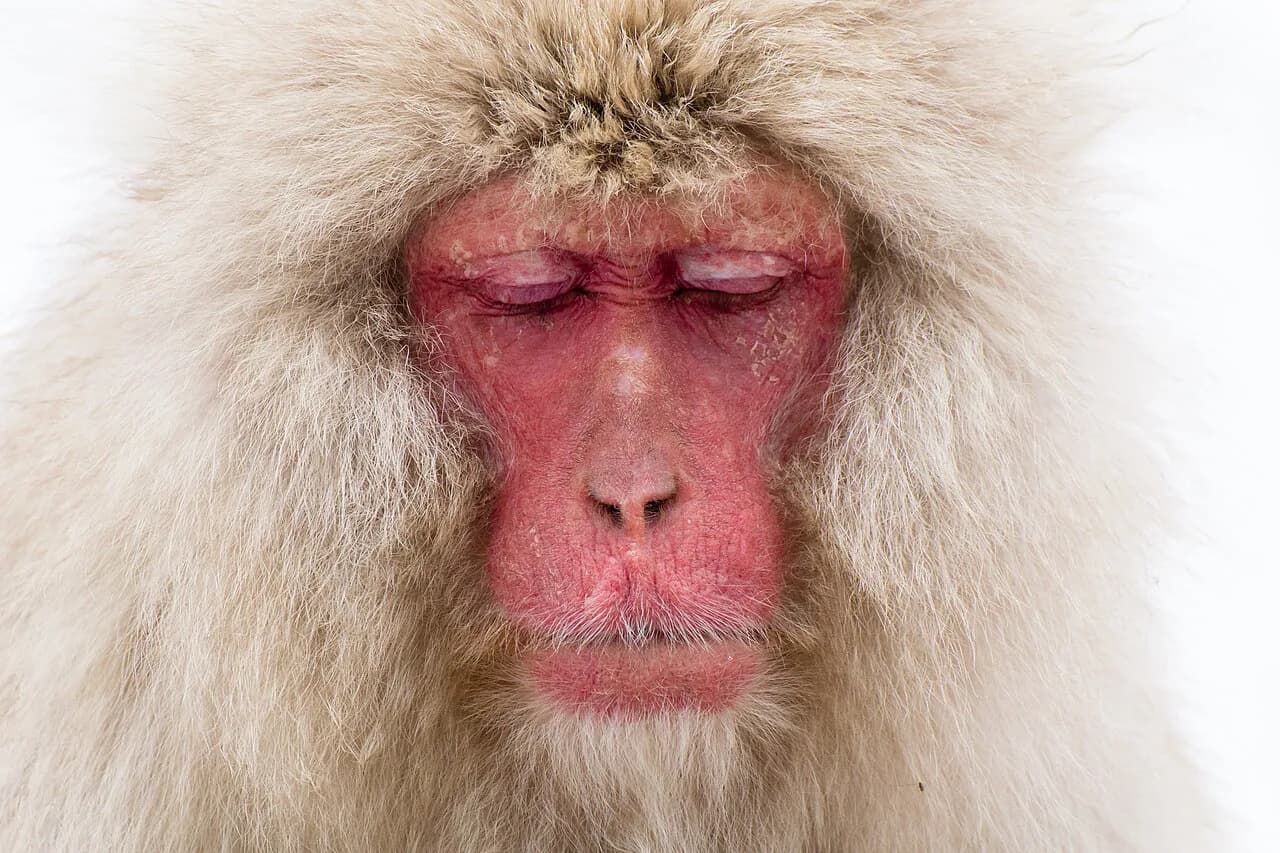
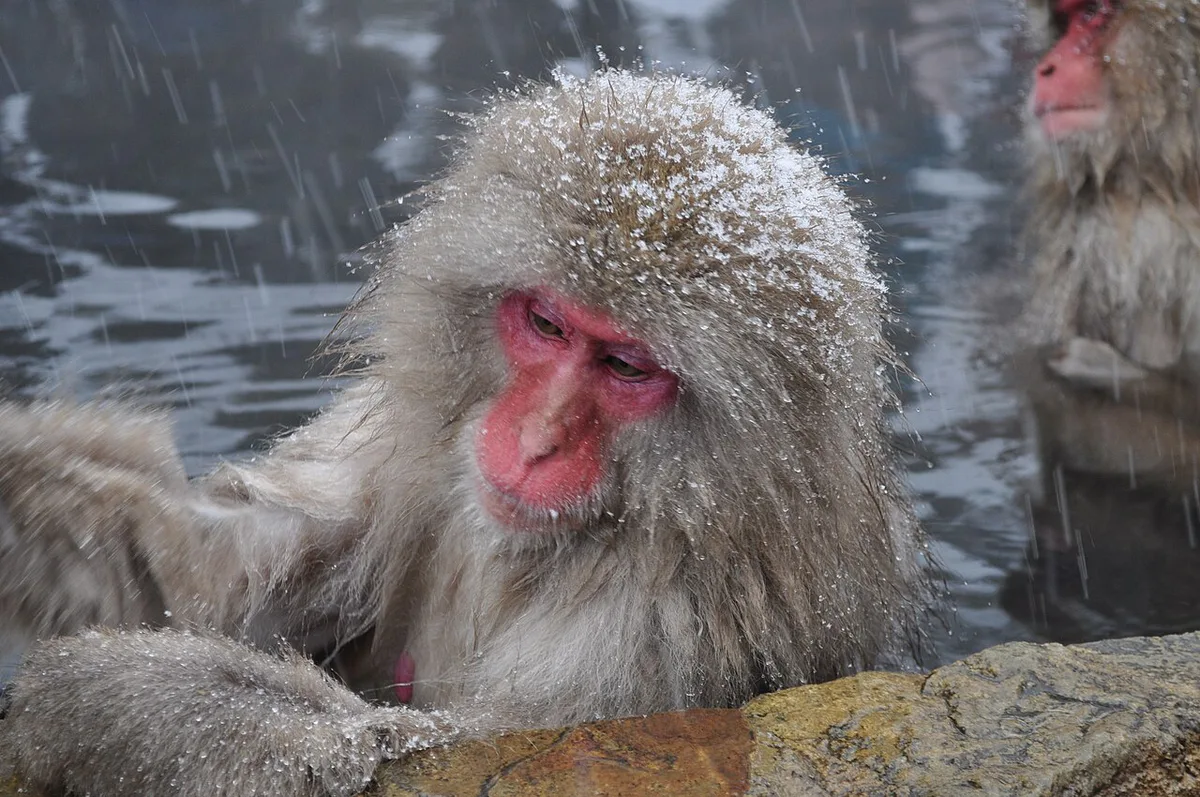
Jigokudani Yaen-koen, commonly called the Snow Monkey Park, sits in the Jigokudani valley of Yamanouchi, Nagano Prefecture, inside Joshinetsu-Kogen National Park, along the Yokoyu River. The name Jigokudani translates roughly to hell valley, a common label in Japan for valleys with visible volcanic steam. The park opened in 1964 around a single pool where wild Japanese macaques gather to bathe. These macaques live in the valley year-round, so the pool sees activity in every season, not only winter. A small information center near the pool covers the troop's alpha male system, with portraits of past and present leaders. The snow monkey image most travelers expect, macaques soaking while snow falls around them, is a winter scene, not a year-round guarantee. Snow typically covers the valley from December through March, with January and February the most reliable window for that specific look. Outside those months, expect the same monkeys and the same pool, just without the snow.
Is Jigokudani Monkey Park Worth Your Time?
The round trip to the pool takes real effort: transport time from Nagano plus a forest walk each way adds up to a half-day commitment at minimum. In our editorial assessment, that effort is worth it for most Nagano-based itineraries of two days or more, since the close-up wildlife encounter is rare in Japan. Solo travelers on a tight one-day Tokyo-to-Nagano turnaround should weigh the walk against the rest of the day before committing.
- Reconsider or treat as optional with under 4 hours in Yamanouchi, since transport and the walk alone can take half that time.
- Reconsider with mobility limits that make an unpaved, 1 mile (1.6 km) forest trail difficult.
- Prioritize it with 2 or more days based in Nagano or Yamanouchi, especially inside the December-to-March snow window.
- Check the weekly monkey forecast the morning of the visit either way, since the animals move freely and are not always at the pool.
Getting to Jigokudani Monkey Park From Nagano
Two main routes connect Nagano Station to the park. A direct bus runs to the Snow Monkey Park bus stop, and the Nagaden line train reaches Yudanaka Station, where a local bus continues from there. Buses also run from Shibu Onsen to the same bus stop for travelers already based there. The forest trail follows the Jigokudani valley and passes Korakukan, a ryokan that predates the park, before reaching the ticket gate.
| Route | Approx. time | One-way cost | Frequency |
|---|---|---|---|
| Nagano Station direct bus to Snow Monkey Park stop | About 40 min | ¥2,000 | Hourly in winter; every 2-3 hours other seasons |
| Yudanaka Station to Snow Monkey Park stop | About 10 min | ¥390 | 1-2 buses per hour |
| Shibu Onsen to Snow Monkey Park stop | About 5 min | ¥250 | 1-2 buses per hour |
Winter Walking and the Last Mile to the Park
From the Snow Monkey Park bus stop, the trail runs about 1 mile (1.6 km) through forest to the ticket gate, typically 30 to 40 minutes on foot. Winter turns that trail to packed snow and ice, so regular sneakers are not enough from December through March. Pack boots with real tread, or plan to buy slip-on ice spikes, sometimes sold at gift shops near the trailhead, before starting the walk. Drivers can use a separate parking lot 10 to 15 minutes' walk from the park, but that access road closes in winter and has no bus or train service at any time of year. Some Yudanaka and Shibu lodgings run a winter shuttle to the closer parking lot for their own guests, which shortens the walk to 10-15 minutes instead of the full forest trail; ask when booking whether a property offers this.
When to Visit: Monkey Forecasts and Best Season
The park's monkeys move freely in and out of the forest, so they are not guaranteed to be at the pool on any given day. The official website publishes a weekly monkeys appearance forecast and a live camera feed, and checking both before setting out is the best way to avoid an empty pool. The site also runs a Tourist Crowd Forecast Calendar with four levels, from Not Crowded to Very Crowded, useful for planning around Japanese holidays.
- December through March: the snow-and-hot-spring look most travelers want; January and February are the most reliable months for it.
- Spring, roughly April and May: snow is gone, but the season often brings newborn macaques to the troop.
- Autumn: appearance rates can drop as monkeys forage higher in the mountains, so check the forecast before visiting in this window.
- Mornings tend to beat the busiest midday stretch, based on typical day-trip bus schedules from Nagano.
A Local Insight Worth Checking: The Field Note Blog
For a closer read on daily monkey behavior, park staff keep a blog called Field Note, published in Japanese only. It's a useful bridge to local, on-the-ground detail, even for non-Japanese speakers using a translation tool, especially in shoulder seasons when the forecast alone may not say enough.
Snow Monkey Park Hours, Tickets, and Costs
The official site lists 800 yen for general admission, payable at the gate; confirm the current rate before traveling, since prices can shift year to year. The park has no scheduled closing days, so it operates every day of the year on the hours below. As of April 2026, the park's official site announced the introduction of online ticket sales, a shift from the previous gate-only cash payment. Check the official website ahead of a visit for the current booking process, since systems like this are often adjusted in the months after launch.
| Season | Hours |
|---|---|
| April-October | 8:30 a.m. to 5:00 p.m. |
| November-March | 9:00 a.m. to 4:00 p.m. |
Where to Stay Near Jigokudani: Yudanaka, Shibu, and Kanbayashi Onsen
Three onsen towns cluster near the park entrance, each with a different trade-off between convenience and atmosphere. Budget-minded travelers can look at options like AIBIYA in Yamanouchi, about 2.5 miles (4.1 km) from the park, with tatami-floor rooms and a simple breakfast. In Shibu Onsen, Sakaeya sits roughly a 10-minute drive from the park and keeps guests in yukata robes with a shared indoor and outdoor hot-spring bath. Kanbayashi Onsen is the smallest of the three, valued mainly for cutting the approach walk to a minimum, so book early there if a short final walk matters more than variety. Some Yudanaka and Shibu lodgings run free shuttles to the parking lot near the trailhead, worth asking about when booking.
Kanbayashi Onsen cuts the walk short, and some Yudanaka and Shibu lodgings offer winter shuttles that reduce the standard 30-to-40-minute forest walk to 10-15 minutes. Shuttle availability deserves confirmation when booking since it reshapes the day's time requirements.
| Onsen town | Access to the park | Best for |
|---|---|---|
| Yudanaka Onsen | About 10 min by bus to the Snow Monkey Park stop, then the trail | Train access via Yudanaka Station and budget-friendly stays |
| Shibu Onsen | About 5 min by bus to the Snow Monkey Park stop | Traditional ryokan streets and public bathhouses |
| Kanbayashi Onsen | Closest onsen town to the park trailhead | Shortest approach walk |
Monkey Park Etiquette: Rules to Follow at Jigokudani
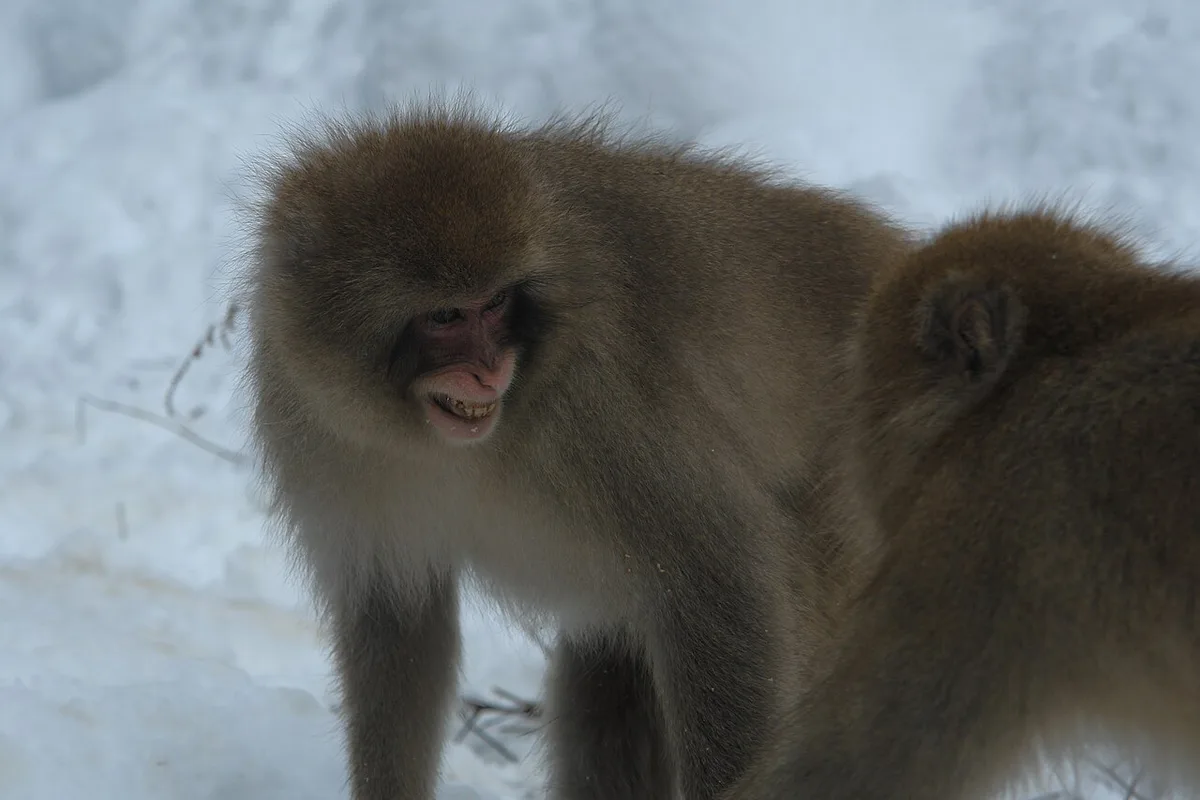
The monkeys are accustomed to visitors and mostly ignore the crowds, which is part of what makes close viewing possible in the first place. That familiarity is not an invitation to interact, and the rules below exist because guests have tested that boundary before.
- No touching or feeding the monkeys; this is a park-enforced rule, not a suggestion.
- Avoid prolonged direct eye contact, which macaques can read as a challenge.
- Keep a respectful distance even when a monkey sits close to the path or boardwalk.
- Confirm current signage on selfie sticks and drones on arrival, since equipment rules at parks like this are updated periodically.
Photography Tips for Shooting the Snow Monkeys
The pool sits only a few feet from the viewing path, so gear choice matters more than reach. A 24-70mm-equivalent lens covers most shots better than a long telephoto, since monkeys often sit within arm's length of the trail. Bring a lens cloth or two: steam off the hot spring and winter humidity fog glass fast in cold air. Midday sun overhead can wash out the mist rising off the pool, so an overcast morning slot often gives more usable images than a clear midday would. Keep hands and gear clear of the pool edge, both for the equipment's sake and to respect the no-touching rule.
Close proximity to the pool does not guarantee sightings, as wild monkeys move freely and may forage higher during autumn or mild weather. The official forecast and live camera should be checked the morning of a visit to avoid an empty pool.
Beyond the Monkeys: Other Nagano Attractions to Combine
The park fits naturally into a wider Nagano itinerary rather than standing alone as a single stop. Travelers based in Tokyo can fold it into a Nagano day trip from Tokyo, using the same rail corridor that continues to Nagano Station. Those with an afternoon free afterward can add an Obuse afternoon detour for chestnut sweets and small museums, or head toward the Togakushi Shrine hike for a forest trail through cedar groves. Zenko-ji Temple, one of Nagano's most-visited Buddhist temples, sits roughly 19 miles (30 km) from the Yamanouchi area, based on distances cited by area lodgings. The Shiga Kogen ski areas are closer, with one area lodging listing a 20-minute drive to Shiga Kogen Sun Valley Ski Resort, running through the same winter months that bring snow to the monkey park. For a broader look before finalizing an itinerary, see this roundup of other Nagano attractions.
What to Do If the Monkeys Do Not Appear
Jigokudani’s macaques are wild, so autumn foraging or mild weather can keep the troop higher in the mountains. Check the official appearance forecast and live camera before starting the forest walk.
If sightings look unlikely, stay in Yamanouchi and shift the day toward its onsen towns. Shibu Onsen offers preserved wooden ryokan buildings, narrow lanes, and public footbaths. Access to its nine-bath circuit is generally reserved for overnight guests, making a ryokan stay especially useful.
- Visit Kaede no Yu, a public hot-spring bath beside Yudanaka Station.
- Walk through Shibu Onsen and see the steps leading toward Shibutaka Yakushido temple.
- Continue toward Shiga Kogen for mountain scenery, seasonal hiking, or winter skiing.
Do not enter the park solely because tickets or transport are already booked. The valley walk remains scenic, but admission cannot guarantee macaque activity. Travelers returning to Nagano can instead use the extra time for Zenko-ji Temple or an Obuse stop.
For trip-planning details, see Jigokudani Monkey Park - Wikipedia and Nagano - Wikivoyage.
Frequently Asked Questions
Are the snow monkeys at Jigokudani Monkey Park visible year-round?
Yes. Wild Japanese macaques live in the valley and use the hot spring pool in every season, but the snow-covered scene most travelers picture only lines up from December through March. Check the park's weekly monkey forecast before a visit in any season, since the animals move freely.
How much does the Snow Monkey Park cost, and how do you buy tickets?
The official site lists 800 yen for general admission at the gate; confirm the current rate before traveling. As of April 2026, the park also introduced online ticket sales, so check the official website for the current booking process before your trip.
How long is the walk to Jigokudani Monkey Park, and is it difficult?
From the Snow Monkey Park bus stop, the trail runs about 1 mile (1.6 km) through forest, typically a 30-to-40-minute walk. It's mostly gentle, but can turn icy from December through March, so sturdy boots or slip-on ice spikes help.
Where should you stay to visit the Snow Monkey Park?
Yudanaka Onsen offers train access and budget-friendly stays, Shibu Onsen has traditional ryokan streets closer to the bus stop, and Kanbayashi Onsen sits closest to the trailhead itself. Choose based on whether train access, atmosphere, or a short final walk matters most to your plan.
Can you combine the Snow Monkey Park with other Nagano attractions in one day?
Yes. Many travelers pair it with a Nagano day trip from Tokyo, or add stops like Obuse or the Togakushi Shrine hike on the same trip. Budget a half day to a full day for the park itself once transport and the forest walk are factored in.
What should you pack for a winter visit to the Snow Monkey Park?
Pack for cold, wet feet and slick footing: waterproof boots with real tread, moisture-wicking socks, and slip-on ice spikes if the forecast calls for fresh snow. A 24-70mm-equivalent camera lens works better than a long telephoto, since the pool sits close to the viewing path.
Free guide: Japan's Hidden Gems
12 under-the-radar places beyond Tokyo & Kyoto — with the best season to visit each and a local tip you won't find in the guidebooks.
You might also like
Continue reading
More guides you'll find useful