Nagano Day Trip From Tokyo: 3 Itineraries, Timing & Costs (2026)
Zenko-ji, Jigokudani snow monkeys or Togakushi? Compare 3 itineraries from Tokyo Station, 80-100 minutes by Shinkansen, with costs for each route.
On this page
Last updated July 2026. A nagano day trip from tokyo is realistic on the Hokuriku Shinkansen, which puts Nagano Station roughly 80 to 100 minutes from Tokyo Station depending on the train you book. This guide compares three itinerary paths built around Zenko-ji Temple, the Jigokudani snow monkeys, and Togakushi Shrine, plus the transport logistics and costs behind each one. Expect to pick one primary destination beyond Nagano City itself, since the monkeys and Togakushi sit in different directions and each needs its own bus ride.
Nagano Day Trip From Tokyo: At a Glance
Use this summary to gauge feasibility before committing to a specific route. All three paths below start and end at Tokyo Station and share the same Hokuriku Shinkansen corridor.
- Journey time: about 80-100 minutes each way on the Hokuriku Shinkansen
- Round-trip Shinkansen fare: roughly ¥16,400-¥17,000 in reserved seating, as of 2026
- Best single-day pick for first-timers: Zenko-ji Temple plus the Chuo-dori approach
- Hardest combination to fit in one day: snow monkeys and Togakushi Shrine together
- Book ahead in winter (roughly December-February), the busiest season at the Jigokudani snow monkey site
Is a Nagano Day Trip From Tokyo Feasible?
Yes. The Hokuriku Shinkansen puts Nagano Station within about 80 to 100 minutes of Tokyo Station, which leaves a full day for sightseeing if you catch an early train. A day trip works well if you're based in central Tokyo, traveling light, and focused on one primary destination beyond Nagano City itself. An overnight stay is the better call in a few specific situations.
- You're carrying heavy luggage with no Tokyo hotel to return to that night
- You want to see both the snow monkeys and Togakushi Shrine on the same visit
- Anyone in your group has limited mobility for sustained walking on uneven ground
Getting From Tokyo to Nagano: Hokuriku Shinkansen Logistics
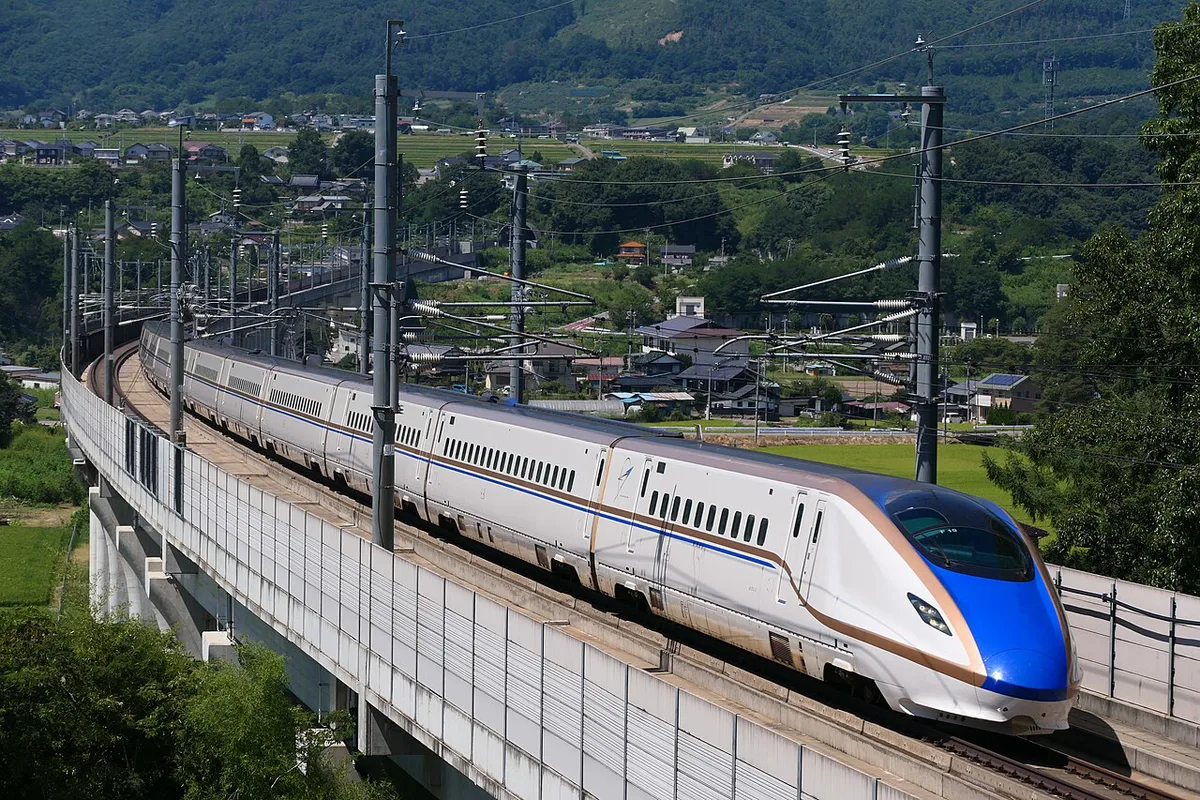
Every Nagano day trip starts on the Hokuriku Shinkansen, departing from Tokyo Station or Ueno Station. Three train types run this route, and the one you pick affects both your schedule and your budget.
| Train | Stops | Seating | Approx. Tokyo-Nagano Time |
|---|---|---|---|
| Kagayaki | Fewest stops on the line | Reserved seating only | About 80 minutes |
| Hakutaka | More intermediate stops than Kagayaki | Reserved and non-reserved cars | About 100 minutes |
| Asama | Most frequent stops | Reserved and non-reserved cars | Longer than Kagayaki or Hakutaka; check current timetables |
- Expect to pay roughly ¥8,200-¥8,500 one-way for a reserved Kagayaki seat, as of 2026; confirm the current fare through the SmartEX app or a JR ticket counter before you travel
- Tokyo Station has more daily Hokuriku Shinkansen departures than Ueno Station, which matters if your morning schedule is tight
- A multi-day regional pass such as the JR East Pass covering the Nagano/Niigata area costs more than a single round-trip ticket; it only pays off if your trip includes more than one excursion in the region
Navigating Nagano Station: Exits and Bus Platforms
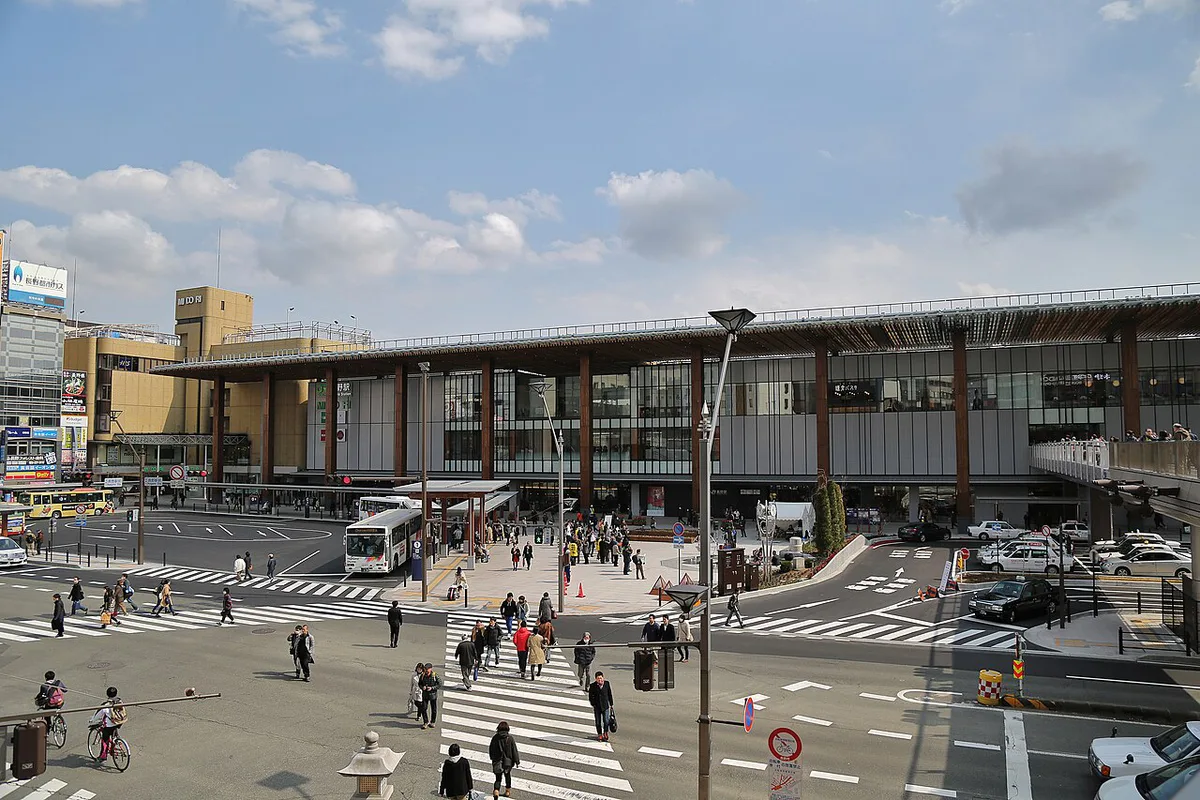
Nagano Station has two exits that matter for a day trip: the Zenko-ji exit and the East exit. Use the Zenko-ji exit if you're walking directly to the temple approach. Use the East exit to reach the bus terminal for Yamanouchi-bound buses toward the snow monkeys and for Togakushi-bound buses. Recent visitor reports place Zenko-ji-area buses at Platform 1 and Togakushi-bound buses at Platform 7 of the East exit terminal, but bus operators renumber platforms occasionally. Confirm your platform on the terminal's departure board before boarding rather than relying on a fixed number.
Three Ways to Spend Your Nagano Day Trip From Tokyo
Nagano City itself is walkable from the station, but the snow monkeys and Togakushi both require an additional bus ride that eats into your day. Compare the three main paths before committing to one.
| Path | Time Required | Physical Difficulty | Main Draw |
|---|---|---|---|
| Cultural Classic | Half day, roughly 3-4 hours | Easy, mostly flat walking | Zenko-ji Temple and the monzen-machi shopping approach |
| Wildlife & Hot Springs | Full day | Moderate, includes a forest trail | Jigokudani Snow Monkey Park |
| Nature & Myth | Full day | Moderate to strenuous, uphill cedar avenue | Togakushi Shrine and the ancient cedar approach |
- The Wildlife & Hot Springs path adds a bus ride to Yamanouchi plus a forest walk to the hot spring where the macaques bathe; bus and trail details for the monkey park are covered in the snow monkey park guide
- The Nature & Myth path heads instead to the cedar-lined approach and shrine complex at Togakushi; hiking details for Togakushi Shrine are covered in the Togakushi trail guide
- Both side trips depart from Nagano Station's East exit but head in different directions, so decide before you leave Tokyo; for sights beyond these three paths, browse the broader 11 Best Things to Do in Nagano, Japan (2026 Guide) roundup
The Best of Nagano One-Day Loop: Hour-by-Hour Itinerary
This loop follows the Cultural Classic path with a flexible afternoon add-on. Shift the times earlier or later to match the first Kagayaki that suits your hotel location.
Catching an early Kagayaki delivers you by 9:00 AM with a 5:00 PM return window—roughly 8 hours total in Nagano. Zenko-ji Temple fits comfortably in that budget; the snow monkeys and Togakushi each demand a full day and risk missing return transport if squeezed together.
- 7:00-8:30 AM: Take an early Kagayaki from Tokyo Station toward Nagano Station.
- 8:30-9:00 AM: Arrive at Nagano Station and store any bags in a coin locker, about ¥300-¥700 depending on size.
- 9:00-9:30 AM: Walk the Chuo-dori approach from the Zenko-ji exit toward the temple.
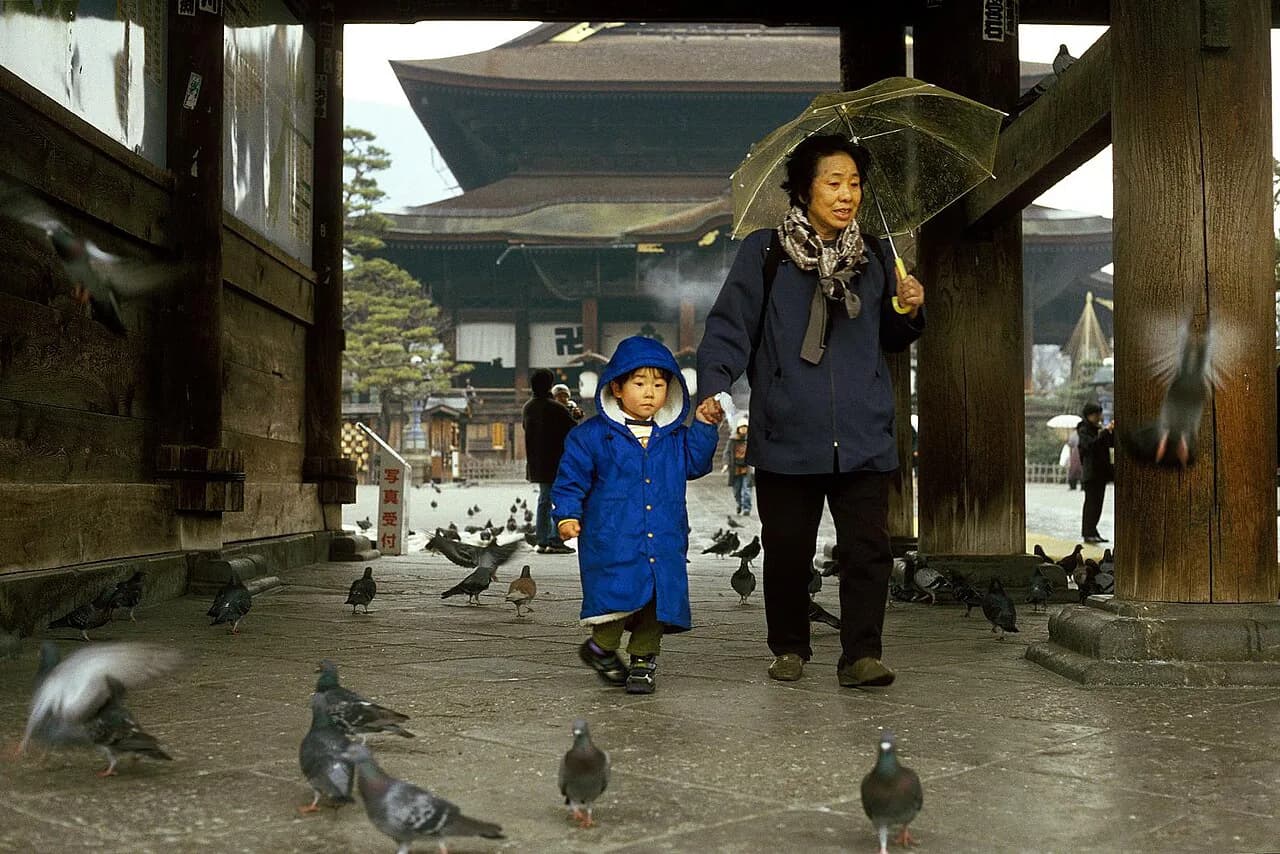
- 9:30-11:00 AM: Visit Zenko-ji Temple, including the main hall and the Binzuru statue near its entrance.
- 11:00 AM-12:30 PM: Eat Shinshu soba at a monzen-machi restaurant near the temple, roughly ¥1,000-¥1,500 per bowl.
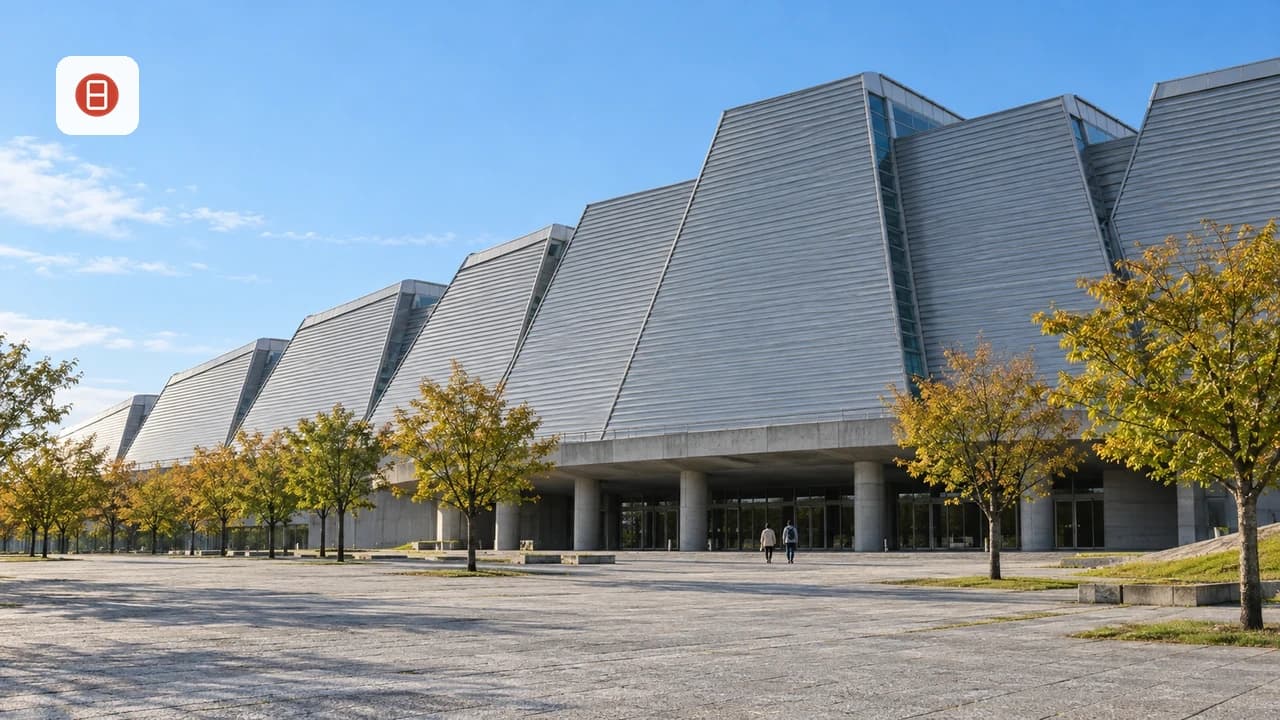
- 12:30-3:30 PM: Choose an afternoon add-on: ride the local train to Obuse's chestnut and art district, or visit the Nagano Prefectural Art Museum near the temple grounds.
- 3:30-5:00 PM: Return to Nagano Station and browse the station's shops before your return train.
- 5:00-6:30 PM: Board a Hakutaka or Kagayaki back to Tokyo Station.
Logistical Trade-offs and Decision Criteria
The snow monkeys and Togakushi Shrine sit in different directions from Nagano Station, and both require a dedicated bus ride plus walking time at the destination. Combining them with Zenko-ji in a single day usually means rushing all three and risking a missed last bus back to Nagano Station. Build your budget around a few core costs.
- Round-trip Kagayaki fare: about ¥16,400-¥17,000 in reserved seating, as of 2026
- Snow Monkey Park access pass, combining bus and train from Nagano Station: roughly ¥3,000-¥3,500 round trip, as of 2026; confirm current pricing with Nagano Dentetsu before you go
- Shinshu soba lunch near Zenko-ji: about ¥1,000-¥1,500 per bowl
- Coin locker at Nagano Station: about ¥300-¥700 depending on size
Mobility and Timing Warnings
Zenko-ji's approach and main hall involve level ground and shallow steps, manageable for most visitors. The trail to the Jigokudani Snow Monkey Park includes an unpaved forest path beyond the bus stop, which the snow monkey park guide covers in more detail. Wear closed-toe walking shoes rather than sandals, especially in winter, when the path can turn icy.
Seasonal Considerations for a Nagano Day Trip
Nagano Prefecture sits in the Japanese Alps, and its elevation means cooler, snowier weather than Tokyo's for most of the year. That changes both what you pack and which path makes sense.
Winter peaks the Jigokudani snow monkey site and demands advance SmartEX train bookings. The unpaved forest trail to the hot spring becomes icy too, shifting closed-toe boots from advised gear to an absolute requirement.
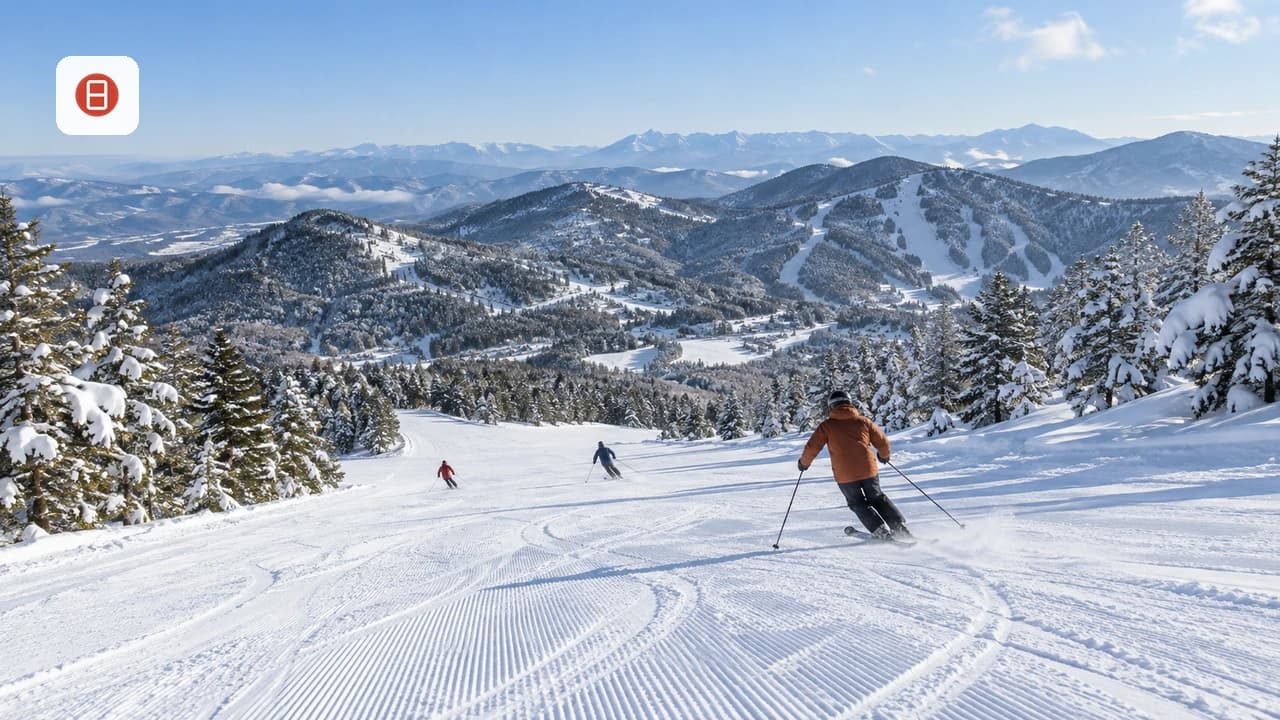
- Winter (roughly December-February): snow is likely on the ground and this is peak season at the Jigokudani snow monkey site, so expect crowds at the hot spring viewing area; pack real winter boots and layers
- Spring and autumn: comfortable walking weather for Zenko-ji's grounds and the cedar-lined approach at Togakushi, with autumn foliage color in the surrounding hills
- Summer: Nagano's highland elevation runs noticeably cooler than central Tokyo, a common reason for using it as a day-trip escape from the city heat
Pro Tips for a Smooth Nagano Day Trip From Tokyo
A handful of planning details separate an efficient Nagano day trip from a rushed one.
- Book Shinkansen seats ahead through the SmartEX app, especially for Kagayaki trains on weekends and during snow monkey peak season
- Store luggage in a coin locker at Nagano Station, about ¥300-¥700, rather than carrying it around all day
- Double-check the bus schedule from Nagano Station to Yamanouchi before leaving Tokyo; missing the return bus is the most common reason day-trippers run late
- Arrive at the platform 10-15 minutes before your return Shinkansen to avoid missing a reserved-seat departure
Where to Eat Without Losing Sightseeing Time
Choose your lunch area according to the afternoon route. For a Nagano City itinerary, eat near Zenko-ji instead of returning immediately to the station.
Nakamise-dori has snack counters and souvenir shops between Niomon Gate and the temple. The surrounding Daimon and monzen-machi streets offer more substantial meals. Look for Shinshu soba, especially simple zaru soba, which is served cold with dipping sauce.
Oyaki makes a practical snack when buses or museum hours leave little time for lunch. This Nagano dumpling commonly contains vegetables such as nozawana greens or mushrooms.
For a tight connection, use MIDORI Nagano, the shopping complex attached to Nagano Station. Its restaurants and food shops avoid an extra walk into the city. This is also the easiest place to buy local food before boarding the Shinkansen.
Snow Monkey Park and Togakushi visitors should eat before departure or carry a snack. Rural bus schedules provide less flexibility, and dining choices near trail entrances may have limited or seasonal hours.
Further reading: Nagano on Wikivoyage · Nagano on Wikipedia
Frequently Asked Questions
Can you do a Nagano day trip from Tokyo?
Yes. The Hokuriku Shinkansen connects Tokyo Station and Nagano Station in roughly 80 to 100 minutes, leaving a full day for one primary destination such as Zenko-ji Temple, the snow monkeys, or Togakushi Shrine.
How long does the train from Tokyo to Nagano take?
About 80 minutes on the fastest Kagayaki service, and closer to 100 minutes on the Hakutaka, which makes more stops along the Hokuriku Shinkansen.
Can you see the snow monkeys and Zenko-ji Temple on the same trip?
Zenko-ji pairs reasonably well with either the snow monkeys or Togakushi Shrine in one day, since the temple visit itself takes only a few hours. Combining the snow monkeys with Togakushi in the same day is the pairing that usually doesn't work, because both need separate bus rides in different directions from Nagano Station.
Do you need a rail pass for a Nagano day trip from Tokyo?
Not usually. A standard round-trip Shinkansen ticket is typically simpler and cheaper than a multi-day regional pass like the JR East Pass for the Nagano/Niigata area, which only pays off across multiple trips in the region.
What's the fastest train from Tokyo to Nagano?
The Kagayaki is the fastest Hokuriku Shinkansen service. It is reserved-seating only and covers Tokyo Station to Nagano Station in about 80 minutes.
What's the best time of year for a Nagano day trip?
Winter draws the most visitors to the Jigokudani snow monkeys, so expect crowds and book transport ahead. Spring and autumn offer easier walking weather for Zenko-ji and Togakushi, and summer trades city heat for Nagano's cooler highland air.
Free: The Tokyo Essentials guide
Top things to do, where to stay, a perfect day plan, getting around, and the best time to go — a Tokyo mini-guide you can take offline.
You might also like

Continue reading
More guides you'll find useful