Togakushi Shrine: The Complete Guide to Nagano's Five-Shrine Cedar Hike
Togakushi Shrine guide for 2026: the five-shrine pilgrimage route, the 2km cedar path to Okusha, Alpico Bus times from Nagano Station, and winter closures.
On this page
Last updated July 2026: Togakushi Shrine sits in the cedar-forested mountains northwest of central Nagano, where a five-shrine pilgrimage route climbs from the valley floor to Okusha, the Upper Shrine, at the base of Mount Togakushi. The circuit's toughest stretch is the roughly 2-kilometer cedar-lined path to Okusha, with stone steps steep enough to demand real hiking shoes rather than sandals. This guide covers Alpico Bus logistics from Nagano Station, the seasonal closure that shuts the Okusha path each winter, and where to eat Togakushi soba between shrines.
Togakushi Shrine's 'Hiding Door' Legend: The Amaterasu Myth
Togakushi Shrine traces back to a story about the sun goddess Amaterasu. She hid inside a cave in present-day Takachiho, on the island of Kyushu, after her brother's bad behavior angered her. Her disappearance plunged the world into darkness. Other deities staged dance performances outside the cave to lure her out. When Amaterasu peeked through the opening, one deity grabbed the cave's stone door and hurled it away so she could not hide again. That door reportedly landed in present-day Nagano Prefecture, giving the area its name: Togakushi, or hiding door. Today Okusha, the Upper Shrine, worships the deity who threw the stone door. Chusha, the Middle Shrine, enshrines the deity who organized the dance performance that drew Amaterasu out. The shrine complex sits at the base of Mount Togakushi, which rises to 1,904 meters (6,247 feet), inside Myoko-Togakushi Renzan National Park.
From Sacred Mountain to Shrine: A Short History of Togakushi
Togakushi's origins are wrapped in overlapping legend and record. One tradition holds that Okusha was first built during the reign of Emperor Kogen, around 210 BC. Buddhist tradition instead credits a monk named Gakumon with discovering the Okusha area and starting Shugendo mountain practice there in 849 AD. The Nihon Shoki records that Emperor Tenmu ordered a map of the area made in 684 AD, with a temporary building constructed the following year. For roughly eight centuries afterward, Togakushi ranked as a major pilgrimage site alongside Ise Grand Shrine, Koyasan, and Enryaku-ji. During that era the complex operated as a joint Buddhist-Shinto site under the name Togakushisan Kanshuin Kenkoji. The Shingon and Tendai Buddhist sects competed for control there, and Shingon eventually lost out. The Meiji government's Shinto-Buddhist separation policies, including the 1868 Temple Ordinance, converted the complex into the shrine known today. Until the 19th century, Buddhist worship at the site centered on Avalokiteshvara before the separation edicts.
The Five-Shrine Pilgrimage Route, From Hokosha to Okusha
Togakushi Shrine is not one building but five, spread across the forested mountainside northwest of central Nagano. Visitors can technically visit them in any order, though the official recommendation is to start at Okusha and Kuzuryu-sha, then work back toward Hokosha. Each of the five shrines sells its own goshuin, the hand-stamped calligraphy seal that pilgrims collect in a dedicated stamp book. The table below breaks down what each shrine offers.
| Shrine | Main Deity / Focus | Notable Feature | Blessings |
|---|---|---|---|
| Lower Shrine (Hokosha) | Ame-no-Uwaharu-no-Mikoto | 270-plus stone steps to the praying hall | Academic life, sewing, safe delivery, protection of women and children |
| Hinomiko-sha | Ame-no-Uzume-no-Mikoto | Two 500-year-old "husband and wife" cedars (Fufu-no-Sugi) | Marriage, love, fire prevention, performing arts |
| Middle Shrine (Chusha) | Ame-no-Yagokoro-Omoikane-no-Mikoto | Head office of Togakushi Shrine; cedars 700-800 years old; shops and restaurants nearby | Academic achievement, business prosperity |
| Upper Shrine (Okusha) | Ame-no-Tachikarao-no-Mikoto | 2km cedar-lined approach; Zuishinmon Gate at roughly the midpoint; cedars up to 400 years old | Good fortune, good harvests, victory in sports |
| Kuzuryu-sha | Kuzuryu-no-Okami (Nine-Headed Dragon) | Located next to Okusha | Water, rain, protection from tooth decay |
Hiking the Togakushi Cedar Path: What to Expect
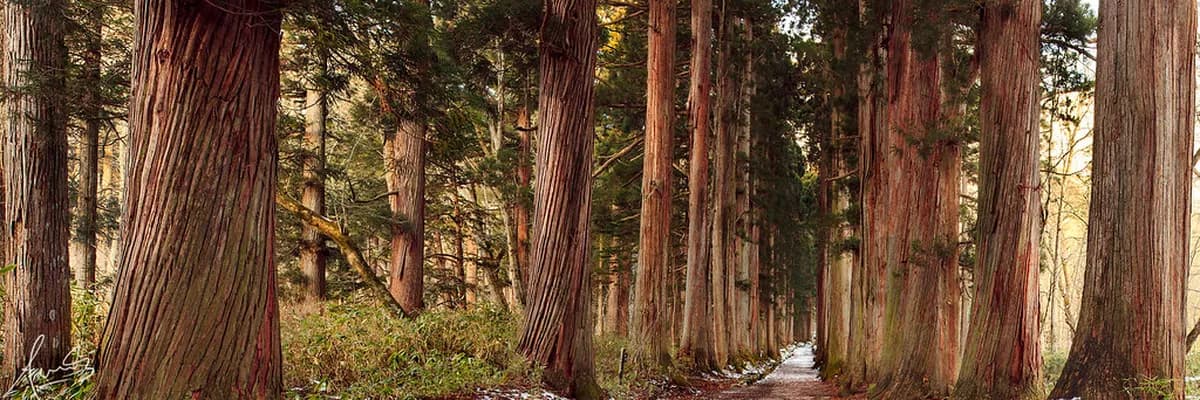
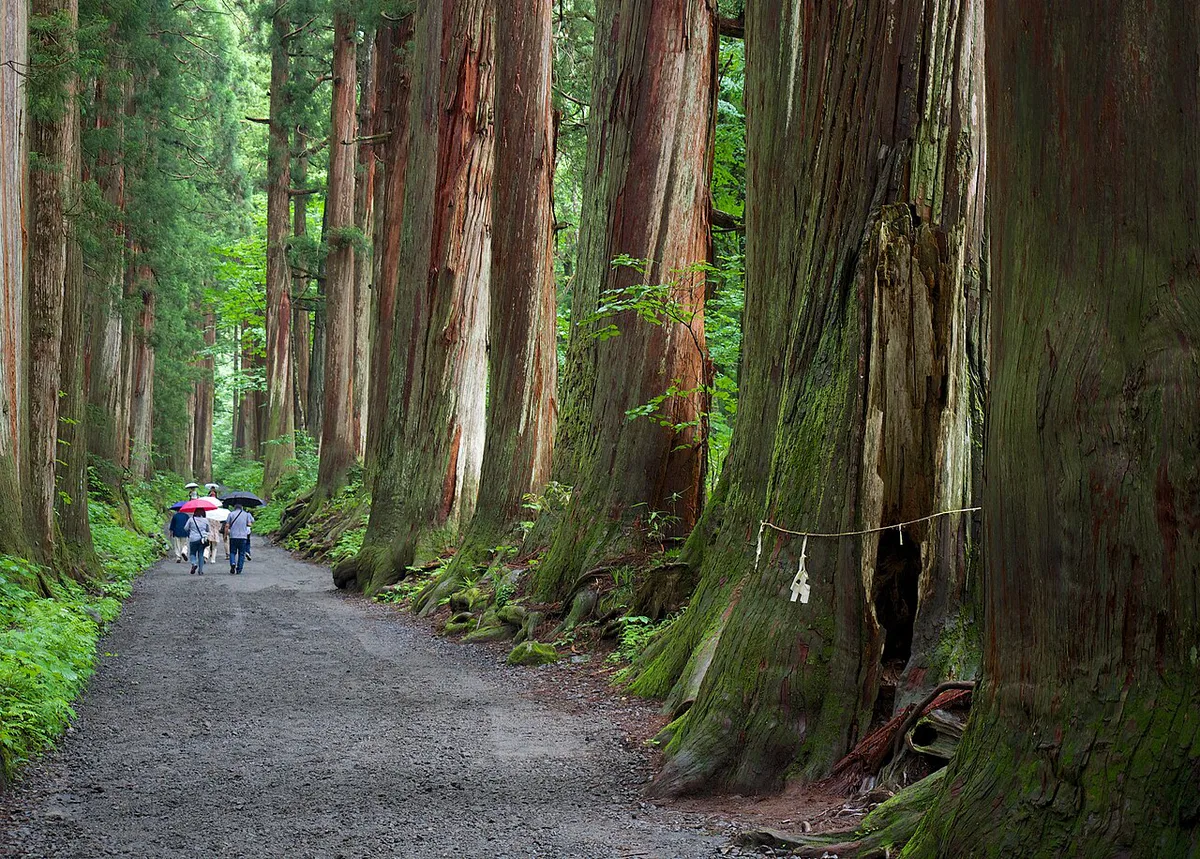
The most physically demanding stretch of the Togakushi Shrine pilgrimage is the approach to Okusha, the Upper Shrine. From the bus stop and parking lot, a cedar-lined path runs about 2 kilometers (1.2 miles) to the main hall. Budget 2 to 3 hours for the Okusha hike alone, including time at the shrine. A full five-shrine circuit, covering Hokosha through Kuzuryu-sha, runs 4 to 6 hours. The walk from Hokosha up to Chusha covers roughly another 2 kilometers. Attempting the full lower-to-upper trek entirely on foot, rather than by shuttle, makes for a serious hike.
The path to Okusha closes seasonally from early January through mid-April; winter visitors should confirm current access, as this blockade affects the official route's starting-point shrines.
- Distance: about 2 kilometers (1.2 miles) one-way from the Okusha parking lot and bus stop to the main hall.
- Terrain: flat gravel and forest floor for roughly the first half, then a steep stone staircase near the shrine.
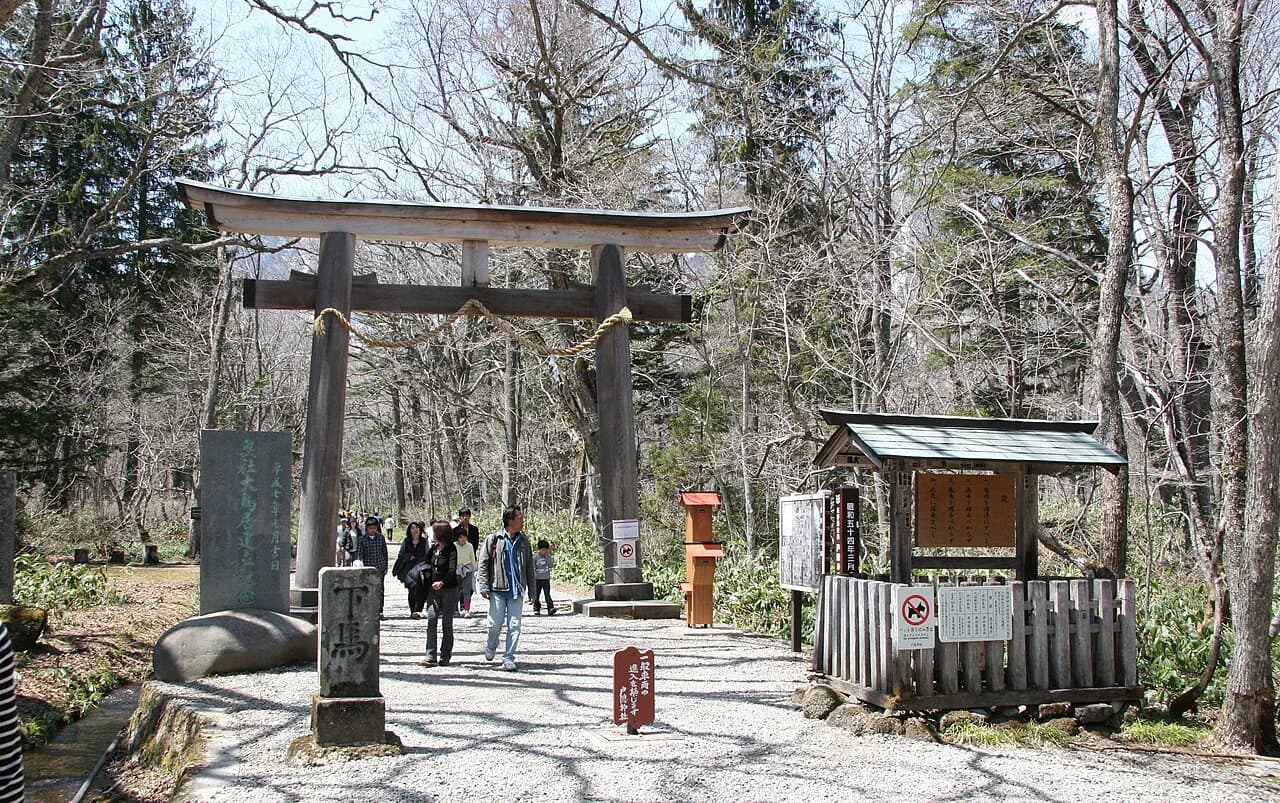
- Landmark: the thatched-roof Zuishinmon Gate marks roughly the midpoint of the walk.
- Trees: a cedar avenue up to 400 years old, protected as a Natural Monument of Japan.
- Closure: the path beyond Zuishinmon Gate typically closes from early January through mid-April.
- Alternative route: the Kagamiike (Mirror Pond) trail adds a mountain-reflection detour on the way to Okusha.
Getting to Togakushi Shrine from Nagano Station
Nagano Station is the transit hub for reaching Togakushi Shrine. Alpico Bus runs express service roughly every hour from Platform 7 to the Togakushi shrine stops. The ride takes about 50 to 60 minutes and costs roughly ¥2,000 one-way. Seat reservations are recommended in advance, either online or at the Alpico Bus ticket office inside Nagano Station. Boarding without a reservation is possible when seats remain. Travelers connecting from Tokyo can check the Nagano day trip guide for shinkansen timing before catching the bus onward. Renting a car cuts the one-way transit time compared with the bus and adds flexibility for stops along the way. Parking at each shrine is limited during peak leaf-viewing weekends.
Nagano to Togakushi via Alpico Bus takes 50-60 minutes each way, and the full shrine circuit needs 4-6 hours; plan for a 6-7 hour minimum round-trip commitment from Nagano Station.
- Nagano Station to Togakushi: Alpico Bus, roughly hourly, about 50-60 minutes, around ¥2,000 one-way from Platform 7.
- Between the three main shrine areas: local shuttle bus, roughly hourly, about ¥400 per ride.
- Reservations: recommended in advance online or at the Alpico Bus ticket office at Nagano Station; walk-up boarding is possible if seats remain.
Where to Eat and Stay: Togakushi Soba and Shukubo
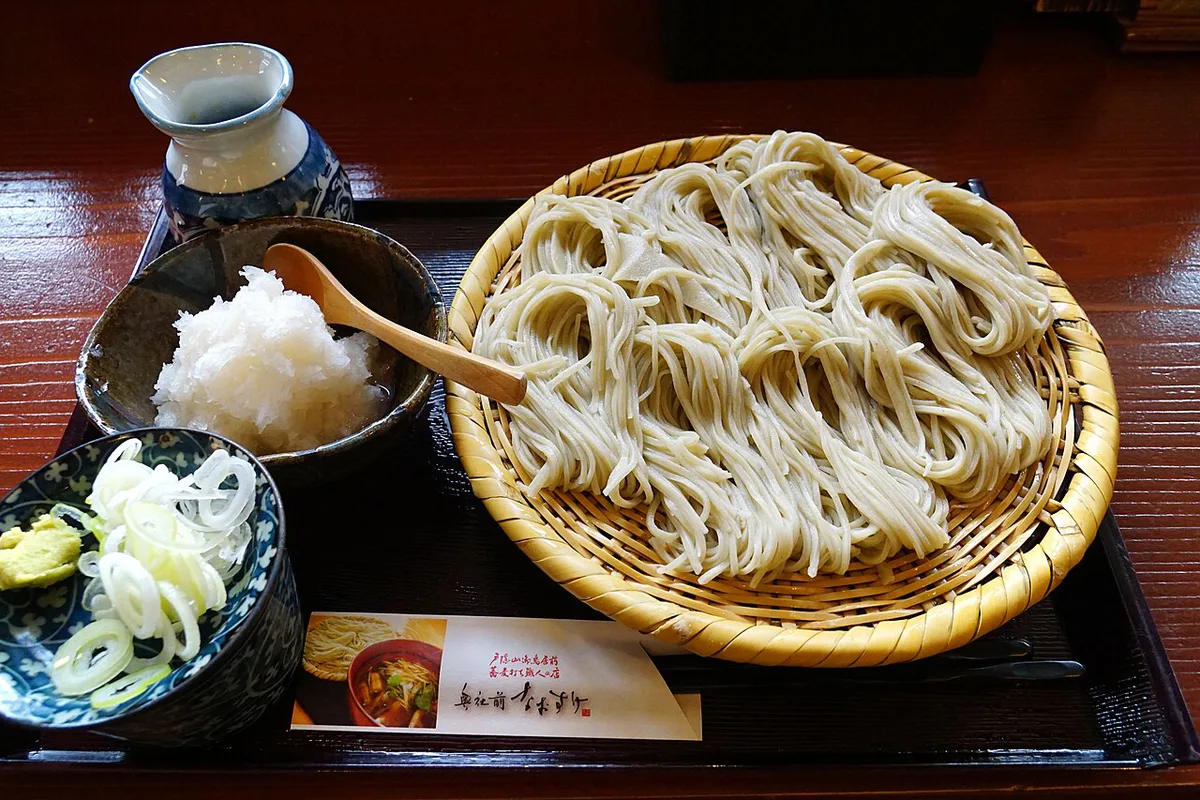
Togakushi is one of Nagano's best-known soba districts. Local preparation removes the buckwheat husks before milling, a distinguishing detail worth asking about at restaurants clustered around the Chusha (Middle Shrine) town. Several soba shops sit within walking distance of the Middle Shrine's shops and restaurants, making it a natural lunch stop mid-circuit. For an overnight stay, shukubo, traditional shrine-affiliated lodgings, offer tatami rooms and home-style meals as an alternative to hotels in central Nagano. Staying overnight also opens up a side trip to the Obuse day trip route the following morning. That adds a second regional stop without doubling back through Nagano Station.
Beyond the Shrines: Ninja History and Family Activities
Togakushi Shrine pairs naturally with a stop at the Togakure Ninpo Museum, positioned next to the Okusha entrance. The museum covers the ninja history associated with the Togakushi area. Families with children can also visit Kids Ninja Village, located near the Chusha (Middle Shrine) town, for a hands-on complement to the shrine visits. Combining the mythology of the five shrines with the ninja museum and village gives families a reason to slow down rather than rush the cedar path. Travelers building a broader Nagano itinerary often add the snow monkey park guide for a second nature-focused stop in the region.
Essential Togakushi Shrine Tips and Mistakes to Avoid
A few planning details separate a smooth Togakushi Shrine visit from a frustrating one.
- Skip the Upper Shrine path between early January and mid-April; the route beyond Zuishinmon Gate typically closes for the season.
- The closure was reported complete as recently as January 2026, so confirm current status with the official shrine site before a winter visit.
- Wear real hiking shoes, not sandals or fashion sneakers.
- The path's final stretch to Okusha is a steep stone staircase, not flat forest floor.
- Carry a goshuincho (stamp book) if collecting goshuin stamps.
- Each of the five shrines sells its own stamp, and the process takes a few extra minutes per stop.
- Visit Okusha and Kuzuryu-sha first, then work back toward Hokosha, following the order recommended by the shrine itself.
- Expect free admission at all five shrines; the only cost barrier is transit, not entry fees.
How to Collect All Five Togakushi Goshuin
Each Togakushi shrine has a distinct goshuin, so collectors should carry a goshuincho rather than loose paper. Allow extra time at shrine offices because stamps are handwritten and counters may close before the grounds.
The most efficient route begins with Okusha and neighboring Kuzuryu-sha. These two shrines stand beside each other at the end of the 2-kilometer cedar path. After returning to the Okusha entrance, use the local shuttle or forest trails to continue downhill.
- Collect the Okusha and Kuzuryu-sha seals together before leaving the upper area.
- Stop at Chusha next, where restaurants make a convenient lunch break.
- Visit Hinomiko-sha and finish at Hokosha in the lower shrine area.
Do not postpone the Okusha stamps until late afternoon. The round-trip walk takes two to three hours, and the final stone steps slow many visitors. Winter closures beyond Zuishinmon Gate can also prevent access to Okusha. Confirm current access and goshuin counter arrangements on the official Togakushi Shrine website before traveling.
For trip-planning details, see Togakushi Shrine - Wikipedia and Nagano - Wikivoyage.
For the wider city context, see our complete Nagano tourism attractions guide.
Frequently Asked Questions
How long does the full five-shrine Togakushi Shrine hike take?
Budget 4 to 6 hours for the complete circuit from Hokosha to Okusha, including travel between shrines. Visiting only the Upper Shrine trail takes about 2 to 3 hours round trip.
Is Togakushi Shrine open in winter?
The five shrines are free and always open, but the path beyond Zuishinmon Gate to Okusha typically closes from early January through mid-April. It was reported fully closed as recently as January 2026, so confirm current conditions with the official Togakushi Shrine site before a cold-season trip.
How do you get to Togakushi Shrine from Nagano Station?
Take the Alpico Bus from Nagano Station's Platform 7; it runs roughly hourly to the Togakushi shrine stops in about 50 to 60 minutes for roughly ¥2,000 one-way. A separate hourly shuttle connects the three main shrine areas for about ¥400 per ride.
Can you skip the 2km walk to the Upper Shrine?
No public transit reaches the Okusha main hall directly. The bus stop and parking lot mark the start of the roughly 2-kilometer cedar-lined approach, which has to be walked on foot.
What is Togakushi Shrine famous for?
Togakushi Shrine is known for its five-shrine pilgrimage route, the centuries-old cedar avenue leading to Okusha, and its role in the Shinto myth of the sun goddess Amaterasu's hiding cave.
Free guide: Japan's Hidden Gems
12 under-the-radar places beyond Tokyo & Kyoto — with the best season to visit each and a local tip you won't find in the guidebooks.
You might also like

Continue reading
More guides you'll find useful