

Best Time To Visit Nagano: A Seasonal Travel Guide
Plan your trip to Nagano with our seasonal guide. Discover the best months for snow monkeys, cherry blossoms, hiking, and events, plus practical tips for every season.
On this page
Nagano Prefecture, nestled in the heart of the Japanese Alps, rewards visitors in every season. The best time to visit Nagano for most travelers is during the shoulder seasons: late spring (May to early June) and early autumn (September to October). These windows offer pleasant weather, reasonable accommodation rates, and vibrant natural beauty without peak-season crowds. That said, winter draws skiers and snow-monkey fans for good reason, and summer opens up alpine routes that are simply not accessible any other time of year.
This guide covers what each season actually looks like on the ground — weather, crowd levels, costs, festivals, and specific activities. Whether you are planning around a ski trip, cherry blossom timing, the famous Jigokudani snow monkeys, or a foliage chase in October, the breakdown below will help you pick the right window for your priorities. All figures are current as of 2026.
Best Overall Time to Visit Nagano Japan
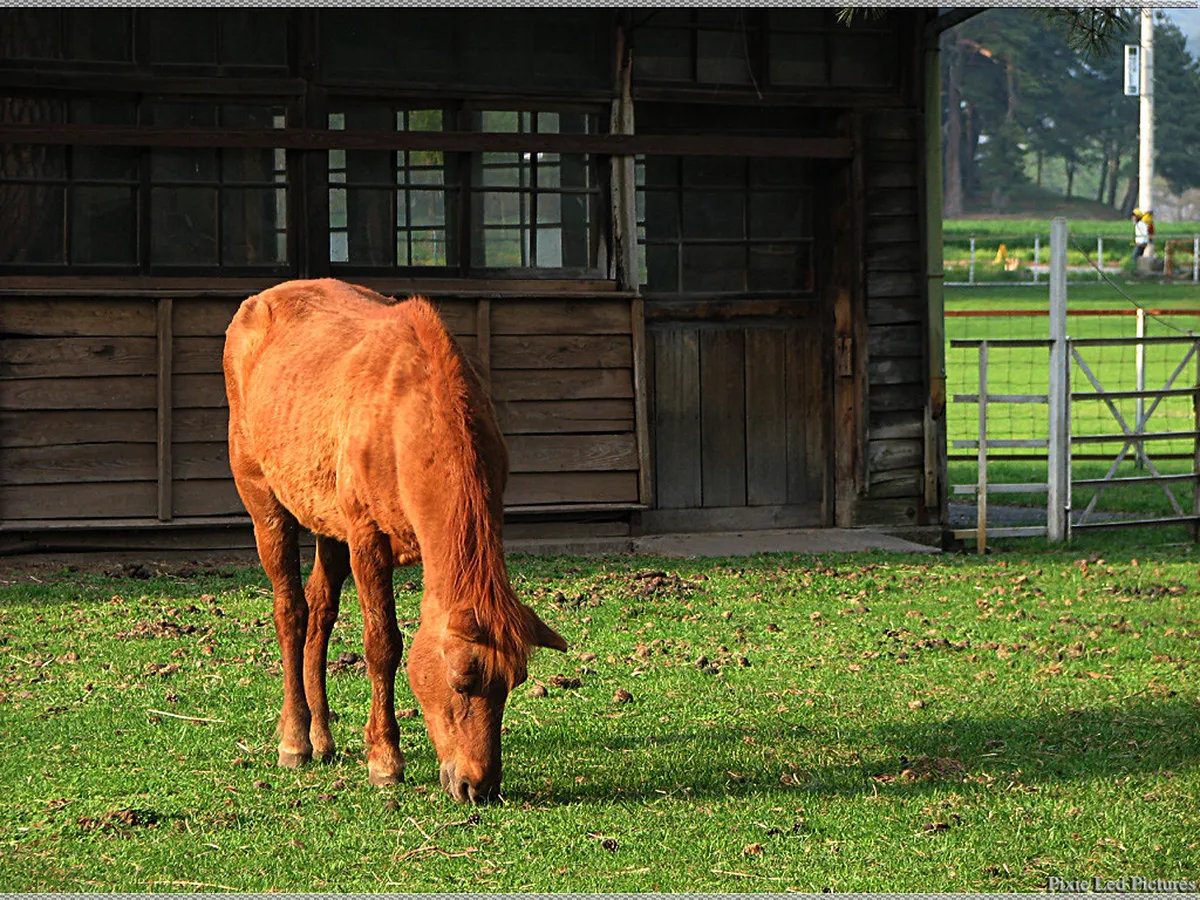
For a balanced trip that covers temples, nature, and food without extreme weather, October is the single best month to visit Nagano. Daytime temperatures run 10–18°C, skies are clear, and the autumn foliage across Togakushi, Zenkoji Temple, and the Japanese Alps is at its peak from mid- to late October. It is also harvest season — fresh Shinshu soba, chestnuts from Obuse, and apples from the orchards around Nagano City are all at their best simultaneously.
If winter sports and snow monkeys are your priority, January and February are the peak powder months. Hakuba Valley and Nozawa Onsen are at their best, and Jigokudani Snow Monkey Park Travel Guide delivers its most photogenic scenes when the macaques soak in steam against a backdrop of deep snow. For cherry blossoms, target late April around Matsumoto Castle moat and Joyama Park in Nagano City — timing typically falls between 20 April and early May at valley level.
Budget-conscious travelers get the best value in late February to March (ski season winding down, rates dropping) and in early June after Golden Week crowds have dispersed. The period between early November and late November is the quietest stretch before ski season, making it Nagano's genuine low season.
Seasonal Highlights in Nagano
Winter (December–March): This is Nagano's marquee season. Over 80 ski resorts operate across the prefecture, with Hakuba Valley, Nozawa Onsen, and Shiga Kogen drawing international visitors. Lift day passes start around 4,600 JPY at Hakuba Cortina and reach 6,500 JPY at Iwatake; book online to avoid the surcharge at the window. The snow monkeys at Jigokudani are most iconic in January–February when heavy snowfall frames them in the outdoor hot spring. The Nozawa Onsen Dosojin Fire Festival in late January is one of Japan's most intense winter events — not a tourist performance but a community ritual involving fire, sake, and a genuine wrestling-for-the-torch tradition.
Spring (April–May): Cherry blossoms bloom at valley level from late April. Matsumoto Castle moat is the standout spot, with the black-and-white "Crow Castle" framed by pink blossoms. The Tateyama Kurobe Alpine Route opens mid-April, and the Snow Corridor — 20-metre walls of snow on either side of a walking path — is accessible through May. Golden Week (late April to early May) brings domestic crowds and higher prices; aim for early May after the holiday window if possible.
Summer (June–August): Temperatures in Nagano City reach 25–30°C, but the mountains stay cooler. Kamikochi, the sealed-off highland valley in the Northern Alps, is at its best from June to August — private cars are banned, so access is by bus or taxi from Matsumoto. The Daio Wasabi Farm in Azumino (free entry) and the Lake Suwa Fireworks in mid-August (40,000+ fireworks over the lake) are summer highlights with no equivalent in other seasons.
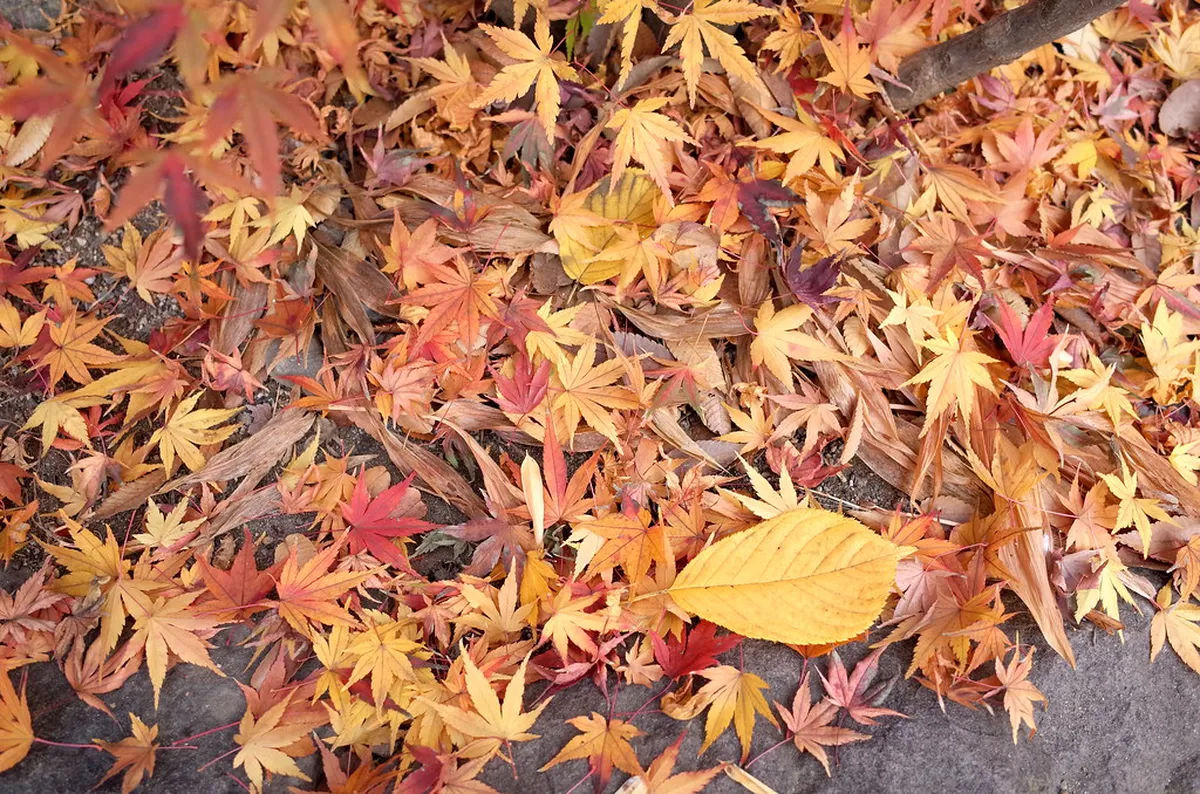
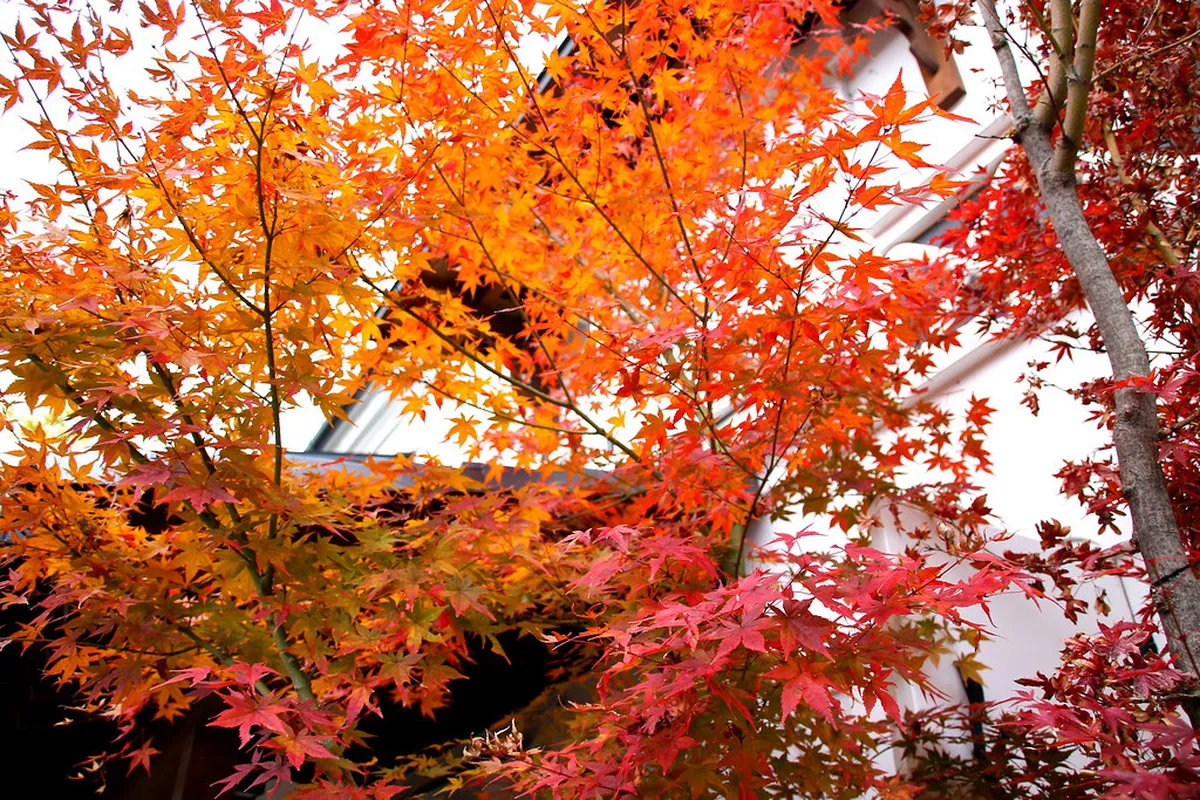
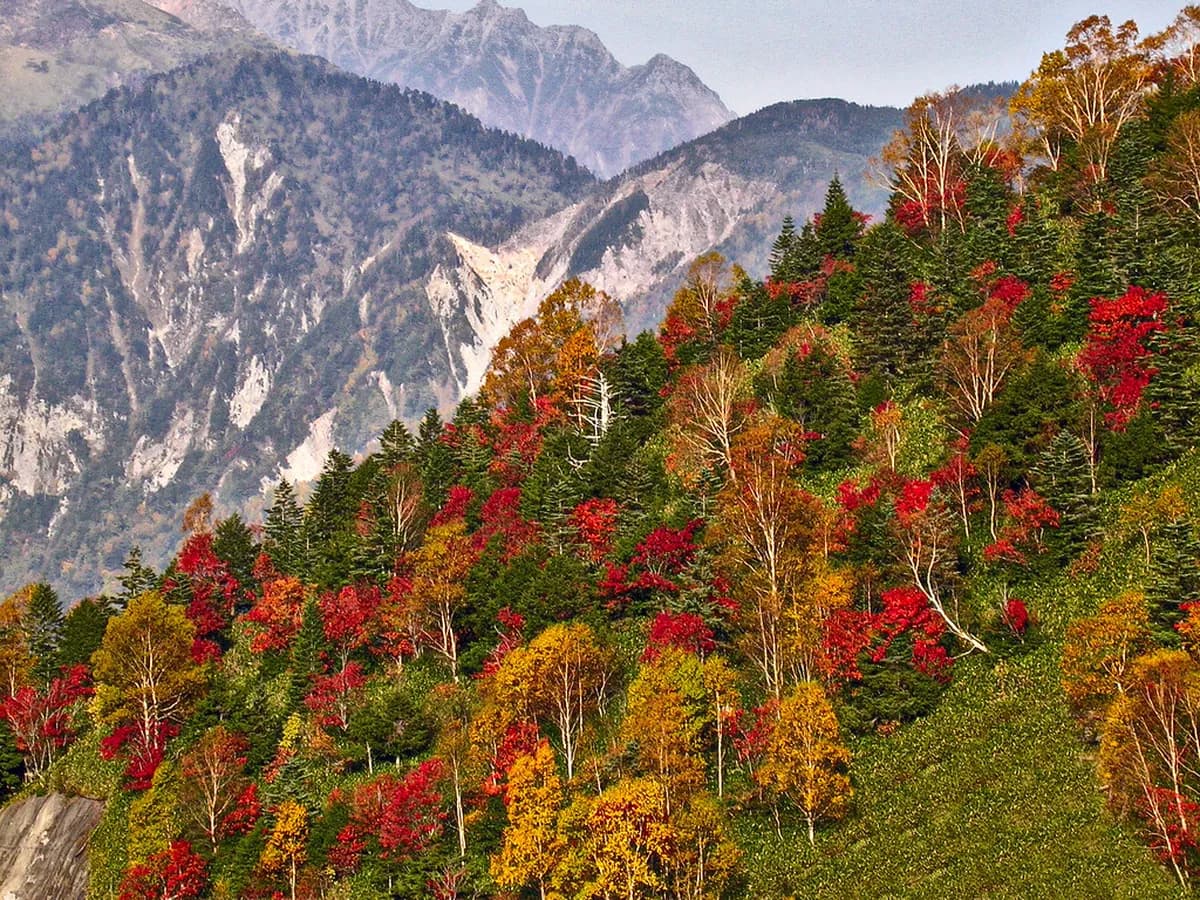
Autumn (September–November): Foliage begins at high elevations in early October — Shiga Kogen peaks first — then works down to Togakushi, Zenkoji Temple, and Matsumoto City by mid-to-late October. The harvest festivals in this period (Togakushi Soba Festival, Obuse Chestnut Festival) are authentically local events rather than tourist constructs. Early November sees the last autumn color before winter sets in.
Monthly Overview of Nagano Japan
The table below summarizes what to expect each month. Temperature ranges reflect Nagano City (valley level); mountain areas run 5–10°C colder.
| Month | Avg Temp | Crowds | Key Events / Highlights |
|---|---|---|---|
| January | -3°C to 5°C | Moderate (ski areas high) | Dosojin Fire Festival (Nozawa Onsen, late Jan); peak powder skiing; snow monkeys most photogenic |
| February | -2°C to 6°C | Moderate–High (ski) | Best ski conditions; Nagano Lantern Festival; fewest city crowds |
| March | 2°C to 12°C | Low–Moderate | Late ski season (good deals); first plum blossoms; Kamikochi still closed |
| April | 8°C to 18°C | Moderate–High (Golden Week) | Cherry blossoms (late April); Tateyama Alpine Route opens; Snow Corridor accessible |
| May | 13°C to 23°C | Moderate (post-GW quiet) | Fresh greenery; Kamikochi opens mid-April; hiking season begins; Togakushi cedar avenue |
| June | 17°C to 26°C | Low | Rainy season (lighter than Tokyo); good for budget stays; early alpine wildflowers |
| July | 21°C to 30°C | Moderate | Alpine hiking peak; Kamikochi crowded on weekends; Matsumoto summer events |
| August | 22°C to 31°C | High | Lake Suwa Fireworks (mid-Aug); school holidays; hottest month but cooler than Tokyo |
| September | 16°C to 26°C | Low–Moderate | Shoulder season; first high-altitude foliage; comfortable hiking weather |
| October | 10°C to 18°C | Moderate–High | Peak foliage; Obuse Chestnut Festival; Togakushi Soba Festival (late Oct); Matsushiro Samurai Festival (Oct 10–11) |
| November | 4°C to 13°C | Low | Last foliage in valley; ski resorts preparing; quietest and cheapest month |
| December | -1°C to 7°C | Low–Moderate (rising) | Ski season opens; first snowfall; Nagano City festive atmosphere; fewer tourists than Jan–Feb |
High Season and Shoulder Season in Nagano
Nagano has two distinct high seasons rather than one. The winter peak runs from late December through February, when ski resorts fill and Jigokudani attracts international visitors. The second peak is October, driven by domestic foliage tourism — one of Japan's biggest travel drivers. Accommodation in Hakuba and Nozawa Onsen books out weeks in advance in January–February; ryokan near Togakushi and Kanbayashi Onsen fill fast in October. Both periods carry premium pricing.
Golden Week (late April to early May) is a third demand spike, mostly domestic. Nagano City attractions, particularly Zenkoji Temple and Matsumoto Castle, get crowded and accommodation prices jump by 30–50% over the surrounding weeks. If you are flexible, the days immediately after Golden Week — early to mid-May — offer the same spring scenery with a fraction of the visitors.
True shoulder season in Nagano is September and late May to early June. Accommodation runs 20–35% cheaper than October or January, and major attractions like Kamikochi and Zenkoji are accessible without queues. These are the windows for budget travelers who still want good weather and open alpine routes. The dead low season — early to mid-November — suits travelers who want Nagano City and temple culture without any crowds at all, though ski resorts are not yet open and Kamikochi has closed for winter.
Special Events in Nagano Japan to Look Out For
Nagano's festival calendar is tied closely to the agricultural and religious rhythms of the Japanese Alps. The events below are worth planning around:
- Nozawa Onsen Dosojin Fire Festival — late January, Nozawa Onsen village. A community ritual (not a tourist performance) in which local men defend a wooden shrine from being set alight while villagers attempt to burn it. The ceremony involves fire, sake, and organized chaos. Free to watch; arrive before 20:00 for a good position.
- Matsushiro Sanada Jumangoku Samurai Festival — October 10–11, 2026. A grand samurai parade in full armor departs Matsushiro Castle Park around 12:45 on Sunday. The evening before features the Kawanakajima Battlefield Fireworks (around 3,000 fireworks, starting 18:00). Access by Alpico Bus from Nagano Station (bus stop 3, Zenkoji exit), approximately 30–35 minutes.
- Togakushi Soba Festival — late October (estimated Oct 30–31, 2026). The buckwheat harvest concludes with a tool-burning ceremony at Chusha Shrine (begins 16:30 on Oct 30) and a New Soba Dedication Festival on Oct 31. Freshly harvested shin-soba — the most fragrant noodles of the year — goes on sale at participating restaurants from around 12:30.
- Obuse Chestnut Festival — late October, Obuse Town. The town is famous for chestnuts historically reserved for the Shogunate. Festival events fill Kotai Shrine and the historic town center, with chestnut paste, monburan cakes, and steamed chestnut rice at every shop. Reach Obuse via Nagano Dentetsu train from Nagano Station: 25–35 minutes to Obuse Station.
- Lake Suwa Fireworks — mid-August, Suwa City. Over 40,000 fireworks reflected on the lake surface, starting around 19:00. One of Japan's largest summer fireworks events and worth building a summer itinerary around.
- Zenkoji Gokaicho — every 7 years (next: 2033). A sacred festival when a replica of Japan's oldest Buddhist image is displayed. If you happen to be visiting in a Gokaicho year, the crowds and atmosphere around Zenkoji Temple are exceptional.
Powder Snow, Hot Springs, and Soba — Nagano Delivers All Three
One of Nagano's genuine advantages over other Japanese winter destinations is that three distinct pleasures align naturally in a single trip. The ski fields and the onsen towns sit in close proximity: Nozawa Onsen has 13 free public baths (sotoyu) literally at the base of the ski slopes, and Shibu Onsen and Yudanaka Shibu Onsen: The Complete Travel Guide are a short bus ride from Jigokudani. You can ski Hakuba in the morning and be soaking in a rotenburo by late afternoon without extra transport.
The soba piece is less obvious but equally compelling. Togakushi, 30 minutes north of Nagano City, is regarded as one of Japan's three great soba-producing regions. The cedar-lined approach to Togakushi Okusha shrine is also one of the most striking walks in Nagano — the trail passes through a 400-year-old forest before arriving at the shrine. Several soba restaurants cluster near the trailhead, serving hand-cut buckwheat noodles made from grain grown on the plateau above. October brings shin-soba (new harvest buckwheat), the freshest and most aromatic version of the year.
For a practical winter itinerary, the combination works cleanest as follows: base in Nagano City for easy Shinkansen access, day-trip to Jigokudani for the snow monkeys (the Combined Snow Monkey Pass from Nagano Station — covering train, bus, and park entry — costs 5,100 JPY and is better value than buying separately), add a Togakushi soba lunch, and end the day in Shibu Onsen or Yudanaka before returning to the city. Three things, one geographic corridor, no doubling back.
Where to Base Yourself in Nagano
Nagano City suits first-time visitors or those combining multiple day trips. Zenkoji Temple is a 15-minute walk from the station. The Shinkansen from Tokyo takes about 80 minutes on the Hokuriku Kagayaki service (fare roughly 8,340 JPY one-way), and the station is a hub for buses to Jigokudani, Togakushi, and Obuse. Accommodation ranges from budget hostels to mid-range business hotels; the area around the temple approach (Zenkoji-Monzen) has a cluster of ryokan if you want a more traditional setting.
Matsumoto is the better base for travelers focused on Kamikochi, the Tateyama Kurobe Alpine Route, Narai-juku post town (40 minutes by JR Chuo Line), and Daio Wasabi Farm in Azumino. It is also one of Japan's best mid-sized cities for independent restaurants and craft sake bars. Matsumoto Castle — the original "Crow Castle," never reconstructed — is a 15-minute walk from the station. Entry costs 1,200 JPY for advance e-tickets or 1,300 JPY at the door.
Hakuba Valley is the right base for a dedicated ski trip from December to March, or for hiking and mountain biking from late spring to autumn. Ten ski resorts are within the valley; day lift passes start from 4,600 JPY at Hakuba Cortina. Most accommodation is resort-style hotels and guesthouses catering to the ski crowd — English-friendly but more expensive than Nagano City.
Nozawa Onsen combines a working onsen village with a ski resort above it. The 13 free public baths are the main differentiator: just drop a donation in the box and soak alongside locals. It is more remote than Hakuba, requiring a bus connection from Iiyama Station (itself on the Shinkansen line), but the village atmosphere is hard to find anywhere else in Japan. Ideal for travelers who want immersion over convenience.
One Detail That Can Make or Break a Snow Monkey Visit
Nearly every Nagano guide recommends winter as the best time for Jigokudani. That is accurate, but there is a specific caveat about October that most guides skip entirely: late October marks the start of the macaques' mating season, and during this period the monkeys are significantly less likely to come down to the onsen pool. If your Nagano trip falls in late October and the snow monkeys are a priority, visit the park in the first half of the month rather than the second half.
A few other practical details for the Jigokudani visit. The park closes at 17:00 (shorter in winter: check the current schedule). From the nearest bus stop at Kanbayashi Onsen, expect a 30-minute forest walk each way on an unpaved trail — wear shoes you can walk in, not dress shoes. Entry costs 800 JPY for adults and 400 JPY for children. The Combined Snow Monkey Pass from Nagano Station (train + bus + entry) is 5,100 JPY and saves money versus buying each component separately. The park is open year-round, but if you want the classic snow-and-steam photograph, January and February are the only reliable window — snow on the ground requires sustained cold that October and March rarely deliver at this elevation.
How Many Days Do You Need in Nagano?
Two to three days covers the core of a Nagano trip comfortably. A single day from Tokyo (80 minutes each way on the Shinkansen) is enough for Zenkoji Temple, the Jigokudani snow monkeys, and a soba lunch in the city, but it leaves almost no room for anything else and no time to decompress.
With two days, you can add Matsumoto Castle or a half-day at Togakushi Shrine. With three days, a dedicated ski day at Hakuba, an evening in a Nozawa Onsen bath, or the Tateyama Kurobe Alpine Route becomes realistic. For a proper ski trip — multiple resorts, a ryokan stay in Nozawa or Hakuba, a day at Jigokudani — plan for at least five days. A full Nagano Prefecture itinerary covering Matsumoto, Kamikochi, Hakuba, and the Nakasendo post towns realistically takes seven to ten days.
Is Nagano Worth Visiting?
Yes — and it works for a wider range of travel styles than most Japanese destinations of comparable size. Winter sports travelers rate Hakuba and Nozawa Onsen among the best ski and onsen experiences in Asia, with powder quality that rivals the Alps and prices that are notably lower. Nature and hiking travelers get Kamikochi, the Tateyama Route, and Togakushi in a single prefecture. History and culture travelers have Zenkoji Temple (one of Japan's most important Buddhist sites, drawing pilgrims for 1,300 years), Matsumoto Castle, and the Nakasendo post towns at Narai-juku and Magome. Food travelers have Shinshu soba, oyaki dumplings, Nagano apples, wasabi from Azumino, and over 80 sake breweries using mountain snowmelt water.
The honest trade-off is that Nagano is spread out. The headline attractions — Jigokudani, Hakuba, Kamikochi, Matsumoto, Togakushi — are not all walkable from one base. A car helps enormously outside of the ski-resort corridor, though public transport from Nagano City covers the main spots adequately. If you have already done Tokyo, Kyoto, and Osaka and want something genuinely different — mountains, monkeys, hot springs, and excellent food — Nagano is the obvious next destination.
Pro Tips for Traveling to Nagano Japan
- Getting there: The Hokuriku Shinkansen Kagayaki from Tokyo Station takes approximately 80 minutes to Nagano and 50 minutes to Matsumoto via the Azusa limited express from Shinjuku. The JR Pass now covers the Kagayaki service. Highway buses from Tokyo take 4–5 hours but cost around 4,000 JPY — useful for overnight travel to save on accommodation.
- Kamikochi closes in winter: The valley closes from mid-November to mid-April. If you are visiting in this window, do not plan on Kamikochi. The Tateyama Kurobe Alpine Route also closes in mid-November and reopens in mid-April.
- Ski lift passes: Book online before you arrive. The at-window premium is real, and popular resorts sell out during peak January weekends. Hakuba Cortina day passes start at 5,200 JPY; Iwatake from 6,500 JPY. Shiga Kogen is Japan's largest ski area and runs guided snowshoeing tours (around 4,000–12,000 JPY) for non-skiers.
- Ryokan vs hotel: Onsen towns (Nozawa, Shibu, Yudanaka) are best experienced with a ryokan stay that includes dinner, breakfast, and unlimited access to the baths. For day-visit flexibility, Nagano City business hotels are cheaper and more central for transport. Shukubo (temple lodging) at Zenkoji is available and includes morning prayers and vegetarian meals — book several months ahead in peak season.
- Driving in winter: Many routes to Hakuba, Togakushi, and the onsen towns require snow tyres from December to March. Rental cars in Nagano come equipped, but confirm when booking. Roads to Togakushi specifically narrow significantly and can be icy.
- Apple season: Nagano produces roughly 70% of Japan's apples. September and October are harvest months — roadside farm stands near Nagano City sell fresh apples for a fraction of Tokyo department store prices. Worth the detour.
Frequently Asked Questions
How many days is enough for Nagano?
A minimum of 3-4 days is recommended to experience Nagano's main attractions. This allows time for Nagano City, the Snow Monkeys, and perhaps a day trip to Matsumoto or a ski resort. Extending your stay to 5-7 days offers a more relaxed pace and deeper exploration.
When can you see snow monkeys in Nagano?
You can see the snow monkeys year-round at Jigokudani Snow Monkey Park Travel Guide. However, the most iconic images of monkeys bathing in hot springs with snow are typically seen from December to March. Winter provides the best opportunity for this famous sight.
Is Nagano colder than Tokyo?
Yes, Nagano is generally colder than Tokyo, especially in winter. Nagano is located inland and at a higher elevation, leading to significantly lower temperatures and heavy snowfall. Tokyo has a milder climate, particularly during the colder months.
Nagano rewards careful timing but rarely disappoints regardless of when you go. Winter brings world-class skiing and the snow monkey experience; spring delivers cherry blossoms and the Snow Corridor; summer opens up alpine Japan at its most accessible; and autumn wraps the entire prefecture in foliage while the harvest festivals run. The shoulder seasons — late May and October — give you the best of each without the peak-season pricing or crowds.
Pick your priority first: ski days, snow monkeys, temple culture, mountain hiking, or foliage. Then match it to the month. Use the seasonal table and event calendar above to lock in dates, and book accommodation for October and January–February well in advance — both periods sell out early. Nagano is one of Japan's most complete destinations, and the right timing makes it exceptional.
Free guide: Japan's Hidden Gems
12 under-the-radar places beyond Tokyo & Kyoto — with the best season to visit each and a local tip you won't find in the guidebooks.
You might also like


Continue reading
More guides you'll find useful


