Obuse, Japan: The Complete Nagano Chestnut Town Day Trip Guide (2026)
Plan a 2026 day trip to Obuse, Japan: Nagano Dentetsu line logistics, the Hokusai Museum, Gansho-in's phoenix ceiling, and where to eat chestnut treats.
On this page
Last updated July 2026. Obuse, Japan, is a compact chestnut-farming town on the Nagano Dentetsu line, roughly 20 to 35 minutes from Nagano Station depending on the train. Edo-period merchant buildings, a museum built around ukiyo-e artist Katsushika Hokusai, and chestnut-based food fill a walkable town core, making it a straightforward half-day or full-day add-on to a wider Nagano Prefecture trip.
Obuse, Japan: Why Visit the Chestnut Town
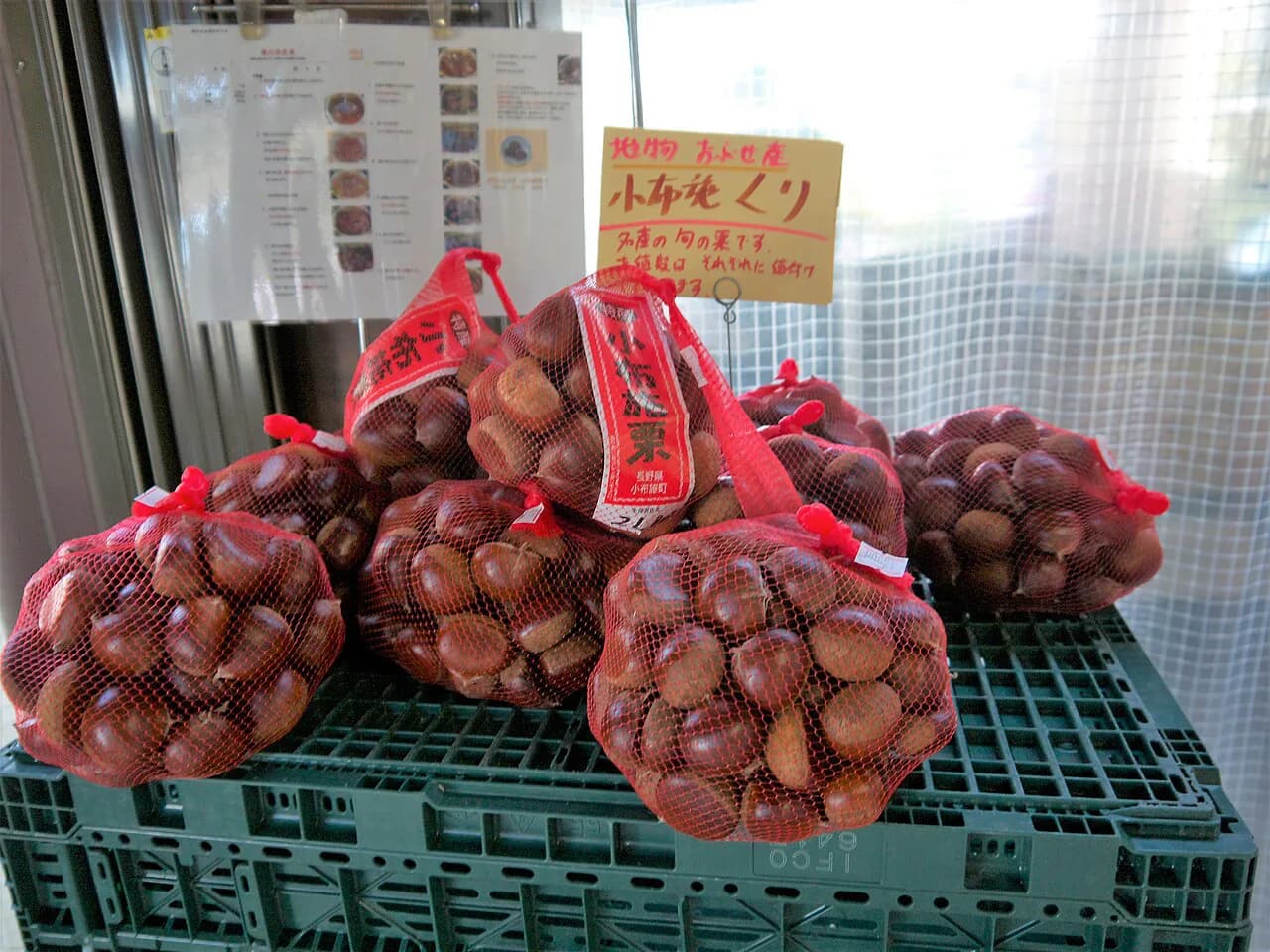
Obuse packs Edo-period merchant architecture, a museum built around one artist's late-life work, and a chestnut-farming economy into a town core small enough to cover on foot in three to four hours. Local chestnut production peaks during the mid-September to mid-October harvest, and shops across town sell chestnut confections and soft-serve ice cream year-round. The town suits travelers who want gallery time and food stops over a hiking day, and it pairs easily with a longer Nagano Prefecture trip anchored by a day trip to Nagano City.
Getting From Nagano to Obuse on the Nagano Dentetsu Line
The Nagano Dentetsu Line, known locally as Nagaden, connects Nagano Station to Obuse Station and continues on to Yudanaka Station. Nagano Electric Railway operates the line, and it runs as a private railway separate from JR. Local trains use older rolling stock, including 8500-series cars once used on Tokyo-area lines. The Nagaden Express limited-express service, which has run former Narita Express and Odakyu Romancecar carriages, cuts the trip closer to 20 minutes but charges an added express fare. From the Obuse Station platform, on clear days, several of the Five Mountains of Northern Shinshu are visible, including Mount Kurohime and Mount Takatsuma. Because Obuse and Yudanaka sit on the same line, travelers continuing to Snow Monkey Park can stop in Obuse first without doubling back.
The Nagaden Express cuts travel time from about 35 to 20 minutes, but with most visits running three to four hours in town, the 15-minute savings becomes a modest fraction of the total time spent.
| Train Type | Approx. Travel Time (Nagano to Obuse) | Notes |
|---|---|---|
| Local train | Up to 35 minutes | No reservation, no added fee |
| Nagaden Express (limited express) | About 20 minutes | Added express fare; some cars are former Narita Express or Odakyu Romancecar units |
| Continuing to Yudanaka Station | Additional time past Obuse | Gateway stop for Shiga Kogen and Jigokudani Snow Monkey Park |
- The JR East Pass covering the Nagano and Niigata areas has historically extended to Nagaden trains, but confirm current 2026 coverage at a JR ticket counter before boarding, since regional pass terms change.
- A standard nationwide JR Pass does not cover Nagaden trains at all, because the line sits outside the JR network.
Top Things to Do in Obuse
Obuse's main sights cluster within a short walk of the station, and most visitors cover the core list in three to four hours on foot.
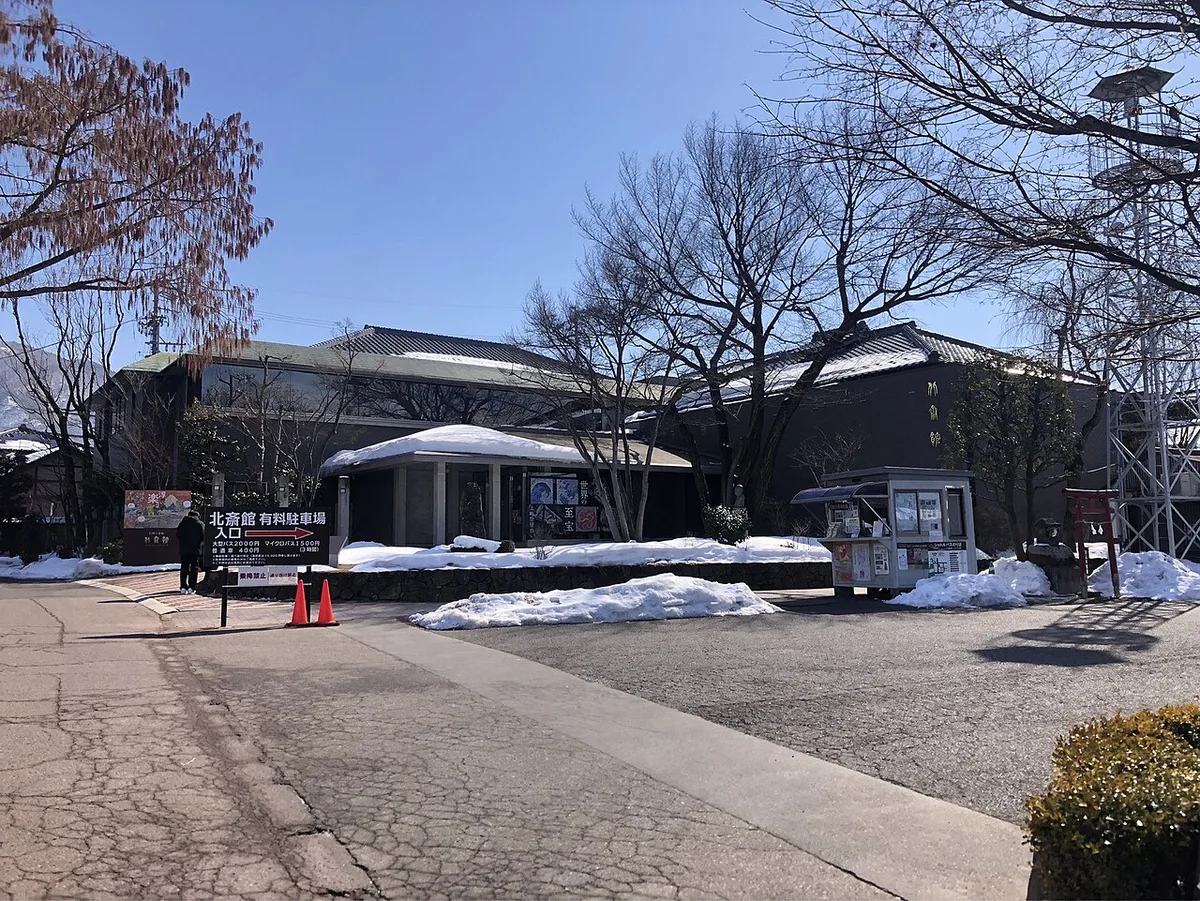
- Hokusai-kan (Hokusai Museum): the town's cultural anchor, built around late-life masterworks by ukiyo-e artist Katsushika Hokusai, who worked in Obuse under the patronage of merchant Takai Kozan.
- Gansho-in Temple: home to a ceiling phoenix painting attributed to Hokusai, traditionally called Happo Nirami no Ho, one of his largest surviving works.
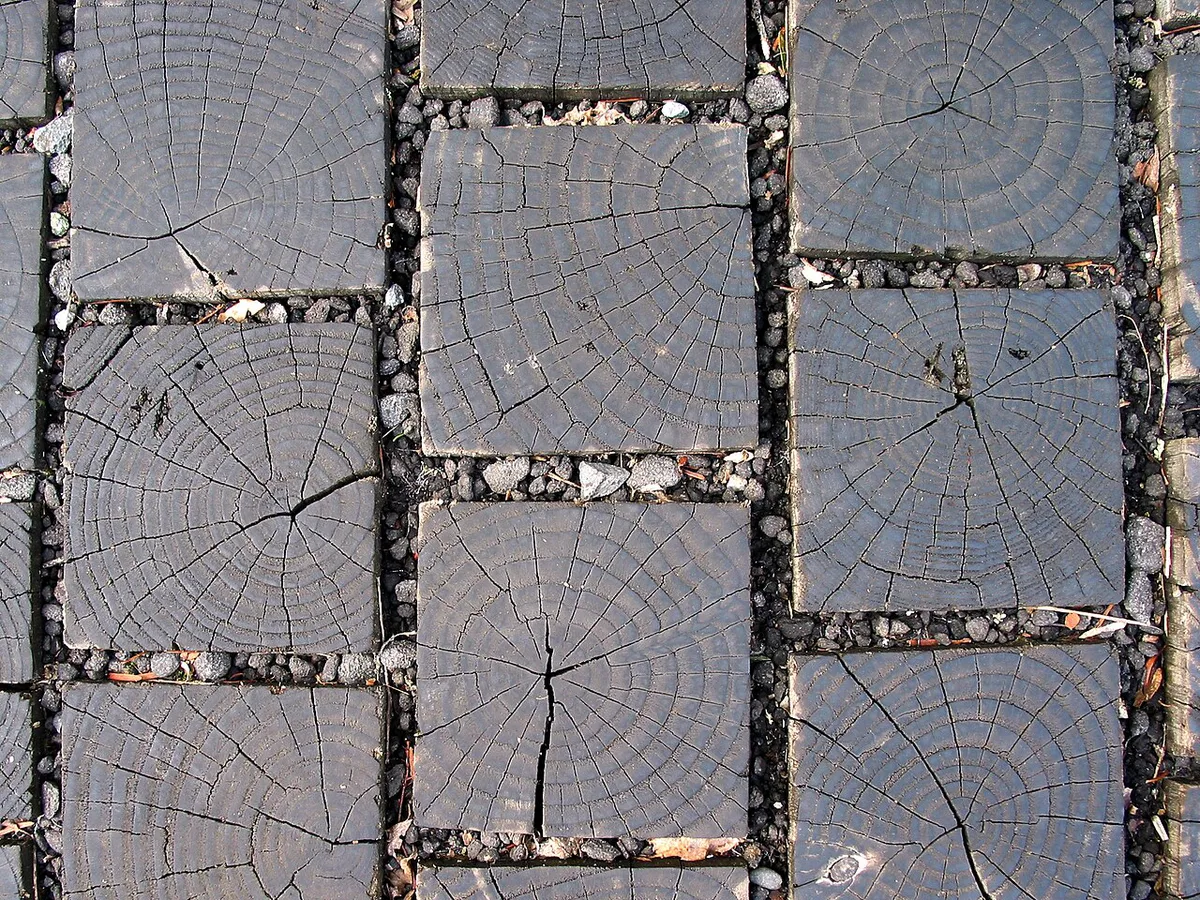
- Chestnut Alley (Kuri no Komichi): a lane off Dainichi-dori Street lined with converted merchant warehouses, paved with chestnut-wood blocks instead of standard stone.
- Takai Kozan Memorial Museum: the former residence and storehouse of the merchant family that hosted Hokusai, displaying art and calligraphy by Takai Kozan himself.
- Floral Fantasy (Open Garden program): a town-wide arrangement where private residents open their gardens to visitors; confirm current-year dates before visiting, since scheduling can shift year to year.
The Chestnut Experience: What to Eat in Obuse
Chestnuts show up in nearly every food stop in town, from confectionery counters to full lunch sets.
- Kurikinton: a mashed-chestnut confection sold at patisseries across town, usually shaped into bite-size portions.
- Chestnut soft-serve ice cream: sold at cafes including Sensekitei, a restaurant set inside a former Takatsu family merchant mansion built during the Bunka era (1804-1818) and opened as a restaurant in 2013.
- Kuri-okowa (chestnut rice): a steamed sticky-rice dish with chestnut pieces, served as a lunch staple at Sensekitei alongside handmade Shinshu soba and seasonal tempura.
- Sake from Masuichi-Ichikanjo: one of Obuse's historic breweries, tied to the same merchant-era economy that built the town's chestnut trade.
Strategic Planning: Time, Season, and Cost for an Obuse Day Trip
Obuse works as a half-day add-on to a Nagano City day trip, or as part of a full day paired with Snow Monkey Park on the same Nagaden line. Autumn, from mid-September through mid-October, lines up with the chestnut harvest and the fullest range of seasonal chestnut menus. Spring brings the Open Garden season described above, when private residents open their gardens to visitors. None of the source material here lists fixed 2026 yen admission figures for Hokusai-kan, Gansho-in, or the Takai Kozan museum, so check each museum's official site before visiting. Budget for several separate small admission tickets rather than one bundled pass, since Obuse's sights operate independently rather than under a single Nagano City ticket. On the transport side, the standard Nagaden local fare costs less than the Nagaden Express, which adds a limited-express surcharge on top of the base fare.
The 30-minute walk to Gansho-in Temple and early closings (4:30–5:00 PM) at most sites mean late-afternoon arrivals risk missing major sights before day's end.
| Trip Length | Pairing | Best For |
|---|---|---|
| Half day (3-4 hours) | Standalone or combined with a day trip to Nagano City | First-time visitors short on time |
| Full day | Snow Monkey Park, same Nagaden line | Combining art and food with wildlife viewing |
| Full day | Togakushi Shrine | Contrasting Obuse's art and history with nature and spirituality |
Mistakes to Avoid in Obuse
A few planning missteps repeat often enough to call out before travel.
- The JR Pass trap: a standard nationwide JR Pass does not work at Nagaden gates, since Nagano Dentetsu is a private railway. Confirm regional pass coverage before travel.
- Closing times: many shops and museums in Obuse close by 4:30 or 5:00 PM, earlier than typical Tokyo hours, so plan the visit for daytime rather than early evening.
- Walking vs. bus: the walk from the station to Gansho-in Temple runs about 30 minutes. The Obuse Mini Bus offers a shorter alternative for travelers short on time.
Obuse vs. Other Nagano Day Trips: Art, Nature, or City
Nagano Prefecture's day-trip options split roughly by theme, and choosing between them comes down to what pace and interest travelers want that day. Obuse leans toward art and food, built around the Hokusai connection and chestnut menus. Snow Monkey Park, reached by continuing past Obuse on the same Nagaden line to Yudanaka Station, leans toward wildlife and hot springs. Togakushi Shrine leans toward nature and spirituality, with more walking involved. A day trip to Nagano City itself centers on temple sightseeing and city amenities.
| Destination | Focus | Typical Time Needed |
|---|---|---|
| Obuse | Art and food (Hokusai, chestnuts) | Half day |
| Snow Monkey Park | Wildlife, hot springs | Half to full day |
| Togakushi Shrine | Nature and spirituality, more walking | Full day |
| Nagano City | Temples, city sightseeing | Half day |
For the wider city context, see our complete Nagano tourism attractions guide.
Further reading: Nagano on Wikivoyage · Nagano on Wikipedia
Frequently Asked Questions
Is Obuse worth a day trip from Nagano?
For travelers interested in art history and regional food, yes. Obuse combines the Hokusai Museum, Gansho-in's ceiling painting, and chestnut-based food in a walkable town roughly 20 to 35 minutes from Nagano Station.
How do you get from Nagano to Obuse?
Take the Nagano Dentetsu Line (Nagaden), a private railway operated by Nagano Electric Railway, from Nagano Station. Local trains take up to 35 minutes; the Nagaden Express limited-express service takes about 20 minutes for an added fare.
Does the JR Pass cover the train to Obuse?
A standard nationwide JR Pass does not, since Nagaden is a private railway outside the JR network. The JR East Pass for the Nagano and Niigata areas has historically covered it, but confirm current 2026 terms at a JR ticket counter before travel.
How much time should you plan for Obuse?
Budget a half day, around three to four hours, to cover the Hokusai Museum, Gansho-in Temple, and Chestnut Alley on foot. A full day allows time to add Snow Monkey Park on the same rail line.
Can you combine Obuse with Snow Monkey Park in one day?
Yes. Obuse Station and Yudanaka Station, the gateway stop for Snow Monkey Park, sit on the same Nagano Dentetsu Line, so travelers can visit both without backtracking to Nagano Station in between.
What is the best season to visit Obuse?
Mid-September through mid-October covers the chestnut harvest and the widest range of seasonal chestnut menus. Spring brings the Open Garden season, when private residents open their gardens; confirm current-year dates before planning around it.
Free guide: Japan's Hidden Gems
12 under-the-radar places beyond Tokyo & Kyoto — with the best season to visit each and a local tip you won't find in the guidebooks.
You might also like

Continue reading
More guides you'll find useful