Getting Around Nagano: Ultimate Transport Guide, Times & Fares
Trains, buses, cars and bikes in Nagano with specific times and fares, plus routes to top sights and alpine valleys reached only by seasonal bus.
On this page
Nagano Prefecture covers a vast sweep of terrain — from the bullet-train-connected city of Nagano to alpine valleys that are only reachable by seasonal bus. Getting around efficiently means knowing which tools to use for which trip. This guide lays out every transport option, with specific times and fares, so you can plan without guessing.
Most popular sights are fully accessible by public transport. Trains handle inter-city moves, private railways like the Nagano Dentetsu Line reach the Snow Monkey Park corridor, and express buses bridge the gaps to ski resorts. For remote onsen towns or scenic drives, a rental car adds flexibility but is not essential for a typical one-week itinerary.
How to Get to Nagano
The Hokuriku Shinkansen is by far the fastest route from Tokyo. Trains depart Tokyo Station and reach Nagano Station in about 80–90 minutes on the Kagayaki or Hakutaka services. The Kagayaki is the fastest (non-stop to major stations), while the Hakutaka makes additional stops including Ueda and Karuizawa — useful if you want to stop off along the way. In 2026 the standard unreserved fare sits around ¥8,340 one way, and the JR East Pass (Nagano, Niigata Area) covers this route if you have one.

From Kyoto or Osaka, the most common route combines the Tokaido Shinkansen to Nagoya with the JR Wide View Shinano limited express to Nagano Station. The full journey takes roughly three to three-and-a-half hours depending on connections. An alternative is to travel from Osaka to Tokyo by Shinkansen and then connect to the Hokuriku Shinkansen, though this adds time and cost. JR Pass holders can use both legs.
There is no commercial airport serving Nagano City. Matsumoto Airport handles a handful of domestic routes (mainly Sapporo and Fukuoka) but no international ones, so all international arrivals connect via Tokyo or Osaka. Bus services from Narita and Haneda airports to Nagano Station are available and take around three to four hours — a slower but cheaper alternative to the Shinkansen for budget-conscious travelers.
Getting Around Nagano City
Nagano City is compact enough to walk between the station and Zenkoji Temple in about 20–25 minutes. The main Omotesando approach road is a pleasant pedestrian-friendly street lined with shops and small eateries. If you prefer not to walk, the Nagano City Circular Bus "Gururin-go" covers this route and connects the station to other central sights. A single ride costs ¥150; a one-day pass is ¥500 and makes sense if you plan more than three rides.
For Zenkoji's famous early-morning opening ceremony (the temple gates open at 05:30), the first Gururin-go buses depart from Nagano Station around 05:00 — early enough to reach the temple before the main crowds. This timing detail is easy to miss when planning, but the early ceremony is one of the most atmospheric things to do in the city. Check the official schedule at the stop outside the station's east exit, as morning frequency is lower than daytime.
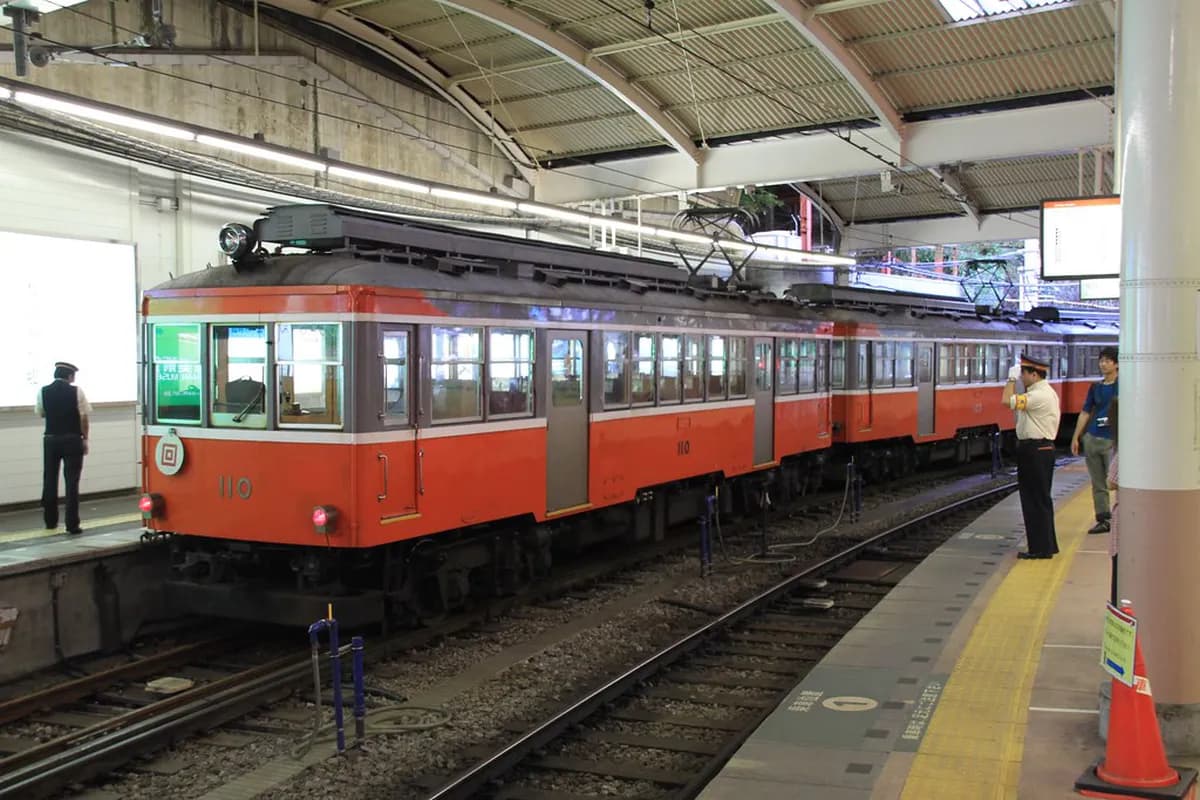
The Nagano Dentetsu Line is the key artery heading north from Nagano City. It serves Obuse, Yudanaka Onsen, and the connection point for the Snow Monkey Park. The terminus is on the basement level of Nagano Station — follow signs for "Nagaden." Taxis are also plentiful at the station's east and west exits, useful for hotel transfers with luggage. Standard meter fares apply; a ride into the city center from the station rarely exceeds ¥1,500.
Exploring Nagano Prefecture by Train
JR lines connect Nagano's main cities. The JR Shinonoi Line links Nagano Station to Matsumoto in about 50 minutes on the Limited Express Shinano. Matsumoto is the gateway to Kamikochi, Azumino, and the Kiso Valley, making it a natural second base or day-trip destination. JR Pass holders can ride the Shinano without any surcharge on the basic non-reserved seats.
For the Kiso Valley, the JR Chuo Line runs south from Matsumoto through a string of post-town villages. Narai Station is 45–70 minutes from Matsumoto by local train and offers one of the best-preserved Edo-period streetscapes in Japan without heavy tour-group traffic. Kiso Fukushima is 75–90 minutes out, while Nagiso (for the Tsumago area) requires a transfer at Kiso Fukushima from the limited express to a local train (about 40 more minutes). The Chuo Line connects to Suwa Lake and Chino further south.
The Nagano Dentetsu Line handles the northern corridor that JR does not. Limited express trains from Nagano Station reach Obuse in about 26 minutes and Yudanaka Station in 45 minutes. Local trains take roughly 70 minutes to Yudanaka. One important practical note: Suica and other national IC cards are not accepted on the Nagano Dentetsu Line. You must purchase a paper ticket at the station or use the local "icsca" IC card issued by Nagano Dentetsu. This trips up many travelers who assume Suica works everywhere in Japan.
The Hokuriku Shinkansen also stops at Karuizawa (16 minutes from Nagano) and Ueda (about 11 minutes). Karuizawa is worth a half-day for its cycling paths and outlet shopping, and it is close enough for an easy morning or afternoon add-on when basing in Nagano City.
Navigating Nagano Prefecture by Bus
Express buses from Nagano Station reach many destinations that trains either miss or approach less conveniently. Hakuba is 70 minutes by direct bus from Nagano Station — faster than driving in winter traffic and the default choice for skiers. Nozawa Onsen is served by buses via the Hokuriku Shinkansen stop at Iiyama: take the Shinkansen 11 minutes to Iiyama, then a Nozawa Onsen bus for 30 minutes. From mid-December to late March, a direct express bus from Nagano Station to Nozawa Onsen also runs and takes about 80 minutes.
The direct Shiga Kogen Line express bus from Nagano Station reaches Jigokudani Snow Monkey Park Travel Guide in 45 minutes, or Shiga Kogen ski area in 75–110 minutes depending on your stop. Alternatively, the Nagano Dentetsu train to Yudanaka Station (45 minutes, limited express) connects to a local Nagaden bus: five minutes to Shibu Onsen, ten minutes to the Snow Monkey Park, or 35–80 minutes to various Shiga Kogen stops.
From Matsumoto, alpine destinations require a train-bus combination. Take the Kamikochi Line from Matsumoto to Shin-Shimashima Station (30 minutes), then board a bus for Kamikochi (70 minutes), Norikura Kogen (50 minutes to the Tourist Center), or Shirahone Onsen (85 minutes). Note that private cars are banned from the road into Kamikochi, so this bus is the only access option for everyone. Services to Kamikochi are seasonal, typically running from late April to mid-November.
Some bus routes also connect Nagano Station to Matsumoto by highway bus (90 minutes, weekdays only), which costs less than the train. Check Alpico Kotsu's website for current schedules and booking, especially for ski season when seats fill quickly.
Driving and Taxis in Nagano: When to Use a Car
A rental car earns its keep in Nagano for specific itineraries: the Venus Line scenic road above Chino (open roughly May to October), back-road villages in the southern Ina Valley, or multi-onsen touring around Suwa and Shirahone. For a standard tourist route hitting the Snow Monkey Park, Matsumoto, and ski resorts, public transport covers everything adequately and avoids parking headaches.
Winter driving in Nagano demands preparation. Snow tires are legally required on mountain roads from November through late March, and rental companies automatically fit winter tires during that period — confirm this when booking. The main highways are cleared regularly, but mountain passes can close after heavy snowfall. The Venus Line and some roads toward Togakushi Shrine are best avoided in deep winter without four-wheel drive. Check road conditions at Nagano Prefecture's official website before setting out.
Ride-sharing apps like Uber are not available in Nagano. Traditional taxis operate from stands at Nagano Station (east and west exits), Matsumoto Station, and outside major hotels. For a short city hop they are convenient, but fares accumulate quickly on longer routes — the 45-minute taxi ride to Jigokudani would cost several thousand yen compared to the ¥1,500 express bus. Use taxis for last-mile connections rather than primary transport.
Cycling in Nagano: Scenic Routes and Rentals
The Azumino area north of Matsumoto is Nagano's most celebrated cycling territory. The terrain is flat, the cycling infrastructure is well-maintained, and views of the Northern Alps line the horizon on clear days. Rental shops near Hotaka Station offer standard and electric-assist bicycles; e-bikes are worth considering since distances between sights can stretch to 15–20 km. Spring and autumn are the best seasons, with minimal traffic and mild temperatures.
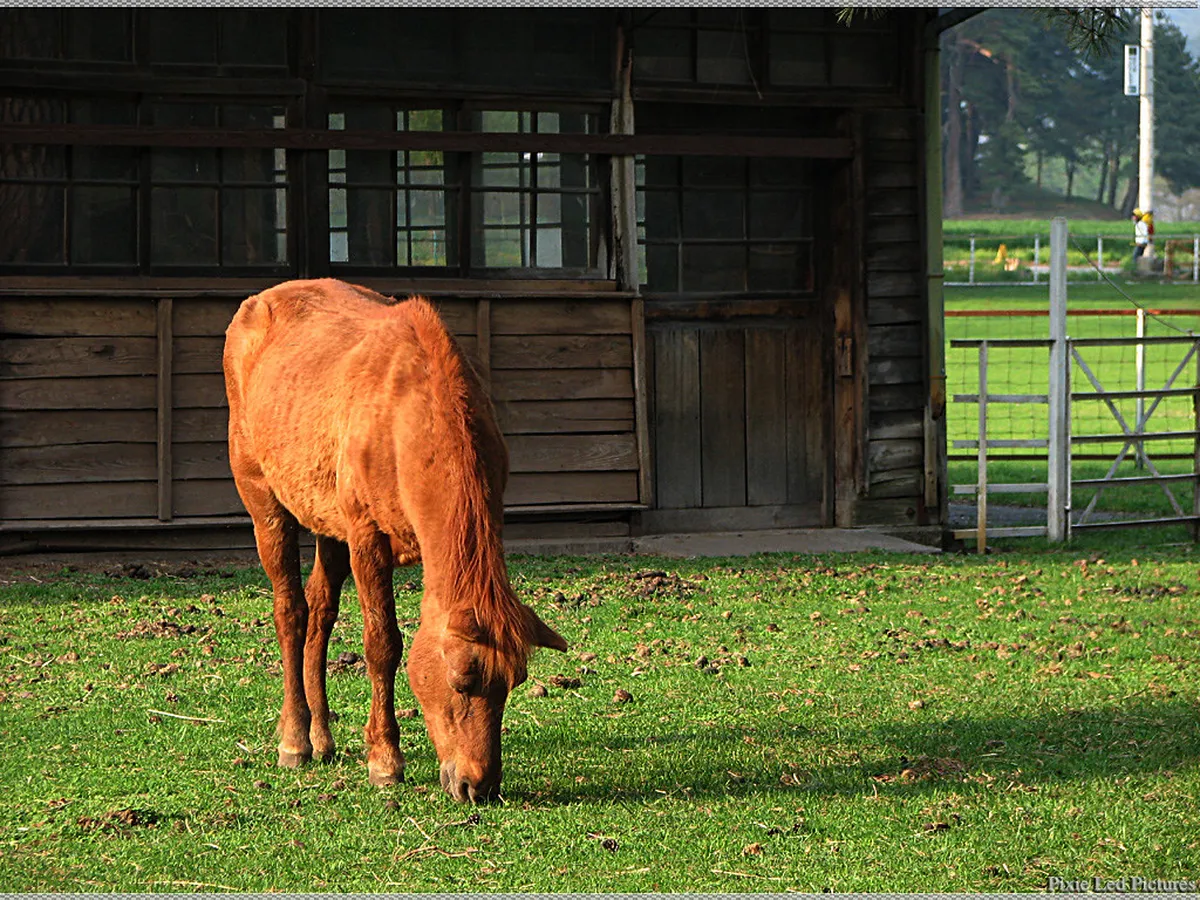
Karuizawa offers a different cycling experience: forested paths, a network of quiet lanes around the old Meiji-era resort district, and a large outlet mall area reachable by bike from the station. Electric rental bikes are widely available near Karuizawa Station and are popular with day-trippers from Tokyo. The route around Lake Shiojiri is a manageable half-day circuit. Summer weekends can be crowded, so aim for a weekday visit.
In Obuse, renting a bicycle near the station lets you cover the town's compact sights — the Hokusaikan woodblock-print museum, chestnut sweet shops, and the Masuichi-Ichimura sake brewery — in a relaxed two to three hours. The town is small enough that most visitors on foot could walk it, but a bike lets you branch out to a few quieter corners and rice paddies on the edge of town.
Common Travel Routes from Nagano and Matsumoto
Nagano to Matsumoto: Limited Express Shinano from Nagano Station, 50 minutes, JR Pass valid. A weekday-only highway bus also runs for 90 minutes at a lower fare. These two cities are the most common pairing on a Nagano itinerary and connect easily by both options.
Nagano to Hakuba: Direct express bus from Nagano Station's bus terminal, 70 minutes. No train option runs directly. Buses increase in frequency during ski season from December through March. Book ahead for weekend ski trips.
Nagano to Nozawa Onsen: Hokuriku Shinkansen to Iiyama Station (11 minutes), then Nozawa Onsen bus (30 minutes). Or take a direct seasonal express bus from Nagano Station, 80 minutes, December to March only.
Nagano to Jigokudani / Yudanaka: Nagano Dentetsu limited express to Yudanaka Station (45 minutes), then local bus to the Snow Monkey Park entrance (10 minutes). Remember: buy a paper ticket for the Nagano Dentetsu — Suica is not accepted. Alternatively, direct Shiga Kogen Line express bus from Nagano Station reaches the park in 45 minutes.
Matsumoto to Kamikochi: Kamikochi Line to Shin-Shimashima Station (30 minutes), then bus to Kamikochi (70 minutes). Private cars are banned on the final road section; this bus is the only access. Season: late April to mid-November.
Matsumoto to Kiso Valley: JR Chuo Line from Matsumoto Station. Narai is 45–70 minutes by local train; Kiso Fukushima is 75–90 minutes. The limited express Shinano stops at Kiso Fukushima only (40 minutes), so transfer to a local train if heading to Nagiso or Tsumago (40 more minutes).
Matsumoto to Suwa / Chino: JR Chuo Line east from Matsumoto. Okaya is 30 minutes, Shimosuwa 32 minutes, Suwa 40 minutes, Chino 45 minutes. Good for combining a Suwa Taisha shrine visit with a day at Lake Suwa.
Where to Base Yourself in Nagano
Nagano City is the strongest all-round base for transport. The Hokuriku Shinkansen arrives here, the Nagano Dentetsu Line departs from the basement level, and express buses to Hakuba and Nozawa Onsen leave from the station forecourt. If you want to move around the prefecture without a car, staying near Nagano Station makes every connection straightforward. The Omotesando near Zenkoji also has several mid-range hotels and traditional guesthouses.
Matsumoto suits travelers focusing on the Japanese Alps, the Kiso Valley, or Kamikochi. The JR Chuo Line is the workhorse here, and access to Azumino cycling country is 15–20 minutes by train. Matsumoto Castle and the old merchant district add enough city interest that a two or three night stay fills naturally. It works well as a second base if you are splitting a longer trip between northern and central Nagano.
Onsen town bases — Yudanaka, Shibu Onsen, or Nozawa Onsen — make sense when your main goal is a ryokan experience or extended ski stay. Transport out of these towns is limited to a handful of buses and the Nagano Dentetsu Line, so plan day trips in advance rather than assuming you can improvise. For a combined Snow Monkey Park and hot-spring evening, one night in Yudanaka Onsen is a highly efficient pairing. Check itinerary options for Nagano to match your base to your priorities.
How Many Days Do You Need in Nagano?
A single day from Tokyo is enough to see Zenkoji Temple and the immediate city area, or to visit the Snow Monkey Park and return the same evening. The Hokuriku Shinkansen makes this practical — the 80-minute journey means you can leave Tokyo by 08:00 and be in Nagano City by 09:30. That said, a day trip leaves little room for delays or side exploration.
Two to three days opens up a much more rewarding trip. Spend one day in Nagano City including Zenkoji, a morning or afternoon in Obuse, and an evening at Yudanaka Onsen. Use day two for the Snow Monkey Park and Shiga Kogen, then a third day in Matsumoto for the castle and Azumino. This rhythm works well on public transport with no car needed.
Four to seven days allows serious exploration of the Japanese Alps, Kiso Valley, or ski resorts. If skiing at Hakuba or Nozawa Onsen is the main focus, plan at least three nights at the resort itself and add on a Nagano City day at the beginning or end. For summer hiking in Kamikochi or the Chuo Alps, five days gives time for both the trail and the cultural sights along the way. A Nagano Itinerary: Your 3-Day Alpine & Cultural Guide covering both Matsumoto and the northern prefecture comfortably fits into five to seven days.
Can You Get Around Nagano Without a Car?
For the vast majority of popular tourist routes, yes. The Snow Monkey Park, Zenkoji, Matsumoto Castle, Obuse, Kamikochi, Hakuba, and Nozawa Onsen are all reachable by train or bus. Kamikochi is actually closed to private cars, so public transport is the only option. For a typical seven-day Nagano trip hitting the headline sights, a car is not necessary.
The genuine limits appear in two scenarios. First, if you want to drive scenic roads like the Venus Line above Chino or explore very small villages in the southern Ina Valley, public transport is sparse or nonexistent. Second, late-night returns from remote onsen towns can be difficult — the last bus from Shibu Onsen to Yudanaka Station runs early in the evening, so check the final departure time before lingering at dinner. Missing the last bus in a rural area means an expensive taxi or an unplanned overnight stay.
A practical compromise for car-free travelers: use trains and buses as the backbone of your trip, and add a taxi for specific short gaps rather than renting a full car. This keeps flexibility without committing to winter driving or parking costs. The key is to pre-check last-bus times for any evening activity in smaller towns.
Essential Tips for Getting Around Nagano
IC card compatibility is one of the most misunderstood topics for first-time visitors. Suica, Pasmo, and other national IC cards work on JR trains and most city buses in Nagano. They do not work on the Nagano Dentetsu Line. Buy a paper ticket at the Nagaden counter on the basement level of Nagano Station before boarding. The staff there are accustomed to helping tourists and signage is available in English.
Transport passes worth knowing: the JR East Pass (Nagano, Niigata Area) covers five consecutive days of travel on JR lines including the Hokuriku Shinkansen and Shinano limited express, making it valuable if you are combining Nagano with Niigata, Matsumoto, or Karuizawa. It does not cover Nagano Dentetsu, private buses, or expressway bus routes. Compare the pass cost against your planned JR journeys before buying — a Tokyo-Nagano-Matsumoto round trip often covers the cost alone.
Seasonal transport changes affect several key routes. Kamikochi buses run only from late April to mid-November. The Venus Line scenic road closes in winter. Direct express buses to Nozawa Onsen operate mainly December to March. Always verify current schedules on the Alpico Kotsu website or the official Nagano tourism portal before booking accommodation in a location that depends on a seasonal service.
Frequently Asked Questions
Can I use Suica in Nagano?
Yes, you can generally use Suica and other major IC cards (like Pasmo or Icoca) on JR trains and most local buses in Nagano. These cards offer convenient tap-and-go payment for public transport. However, some private railway lines or specific bus routes might not accept them. Always check for the IC card logo before tapping.
Is Uber available in Nagano?
No, Uber is not widely available in Nagano Prefecture for ride-hailing services. Traditional taxis are the primary option for on-demand car travel. You can find taxi stands at major train stations and popular tourist spots. Plan to use conventional taxis or public transportation for your journeys.
Is Nagano City worth visiting?
Yes, Nagano City is definitely worth visiting, offering a blend of history, culture, and convenient access to surrounding attractions. It is home to the revered Zenko-ji Temple, a national treasure and spiritual center. The city also serves as an excellent base for exploring the Snow Monkey Park, Obuse, and various ski resorts. Its pleasant atmosphere and delicious local cuisine add to its appeal.
What is the best way to travel from Tokyo to Nagano?
The best way to travel from Tokyo to Nagano is by the Hokuriku Shinkansen (bullet train). It offers the fastest and most comfortable journey, taking approximately 90 minutes from Tokyo Station to Nagano Station. This route is efficient and provides a scenic experience. Consider using a Japan Rail Pass if you have one.
How long does it take to get from Nagano Station to the Snow Monkey Park?
Getting from Nagano Station to the Snow Monkey Park takes approximately 45 minutes by direct express bus. Alternatively, you can take the Nagano Dentetsu Line train to Yudanaka Station (about 45 minutes by limited express), then transfer to a local bus for a 10-minute ride to the park entrance. Both options are efficient for reaching the park.
Nagano's transport network is more capable than it first appears. Trains handle the main city pairs, private railways reach the onsen valleys, and express buses fill in the alpine resort connections. Understanding which ticket types and passes apply to each leg — particularly the Nagano Dentetsu IC card issue — is the difference between a smooth trip and an unexpected scramble at the station.
Plan your base first, then build your transport chain outward from it. Nagano City suits travelers who want maximum reach; onsen towns suit those who want depth over breadth. For most itineraries in 2026, a car remains optional rather than essential. Build in flexibility around last-bus times in smaller towns, and check seasonal schedules before finalizing where you stay.
Free guide: Japan's Hidden Gems
12 under-the-radar places beyond Tokyo & Kyoto — with the best season to visit each and a local tip you won't find in the guidebooks.
You might also like


Continue reading
More guides you'll find useful